Posted on — Leave a comment

The Villages Has 197 Pickleball Courts and the Volunteers Who Run Them Don’t Get Paid

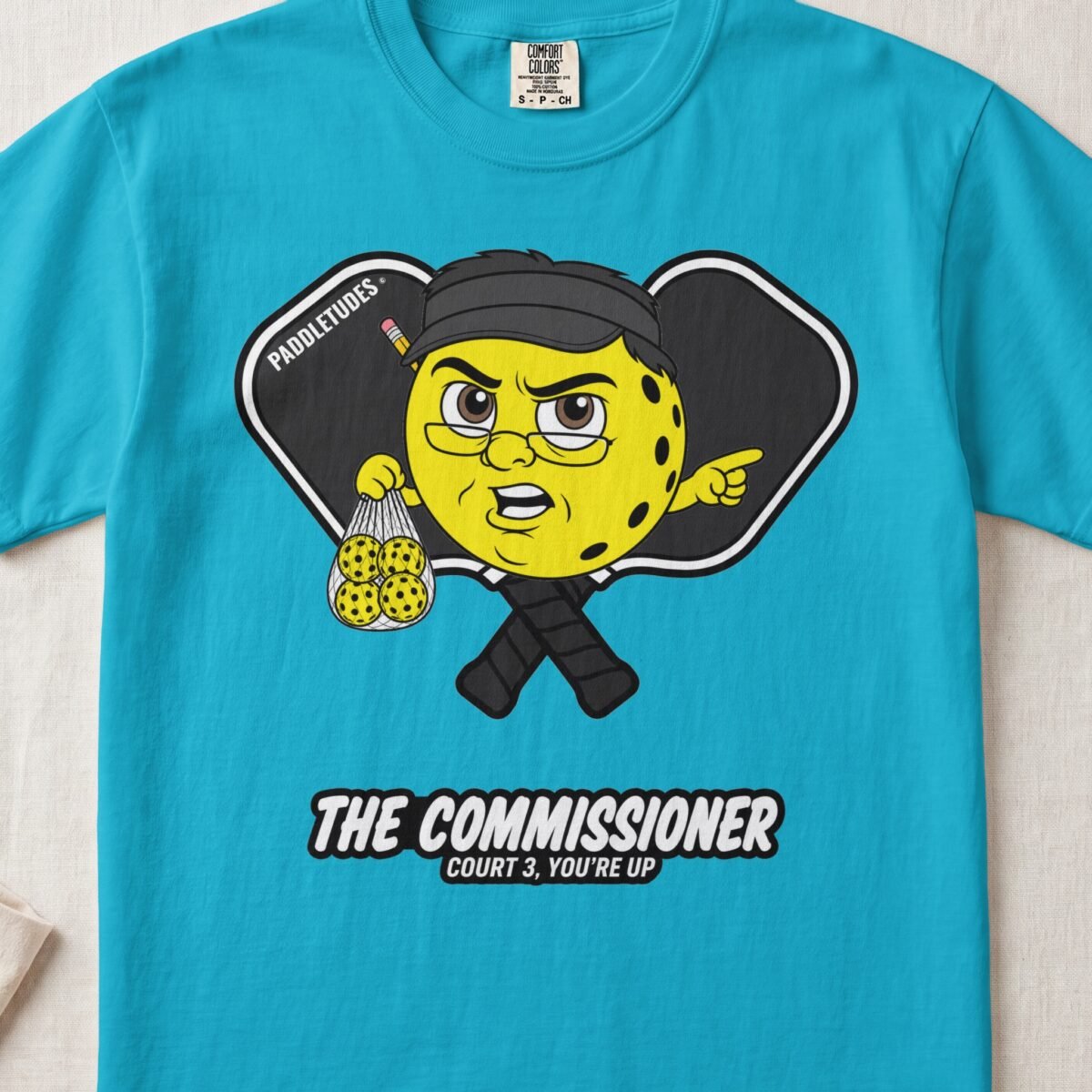
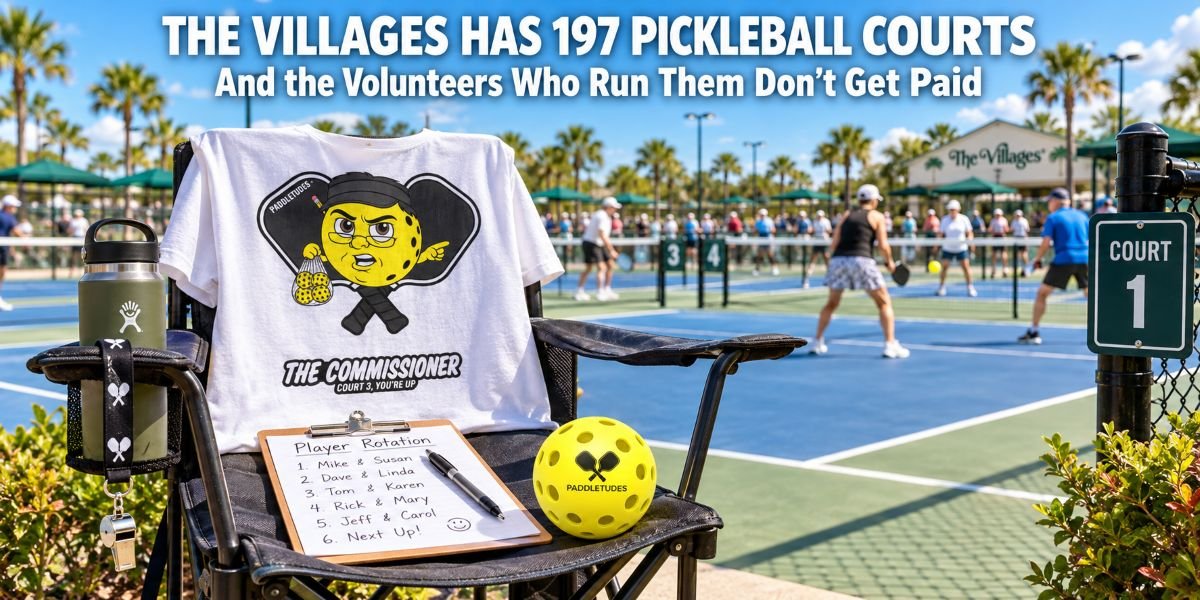
The Commissioner pickleball shirt draped over a volunteer organizer's chair at a pickleball complex in The Villages Florida with 197 courts, a clipboard, and dozens of players in the background

The Villages has 197 pickleball courts spread across 32 locations in central Florida. That number alone puts it ahead of most major metros. But the number isn’t the story. The story is that almost everything that happens on those courts, every league, every clinic, every drill session, every beginner class, every tournament bracket, is organized and run by volunteers. Residents who don’t get paid. Residents who show up before the first ball is hit and stay after the last one.

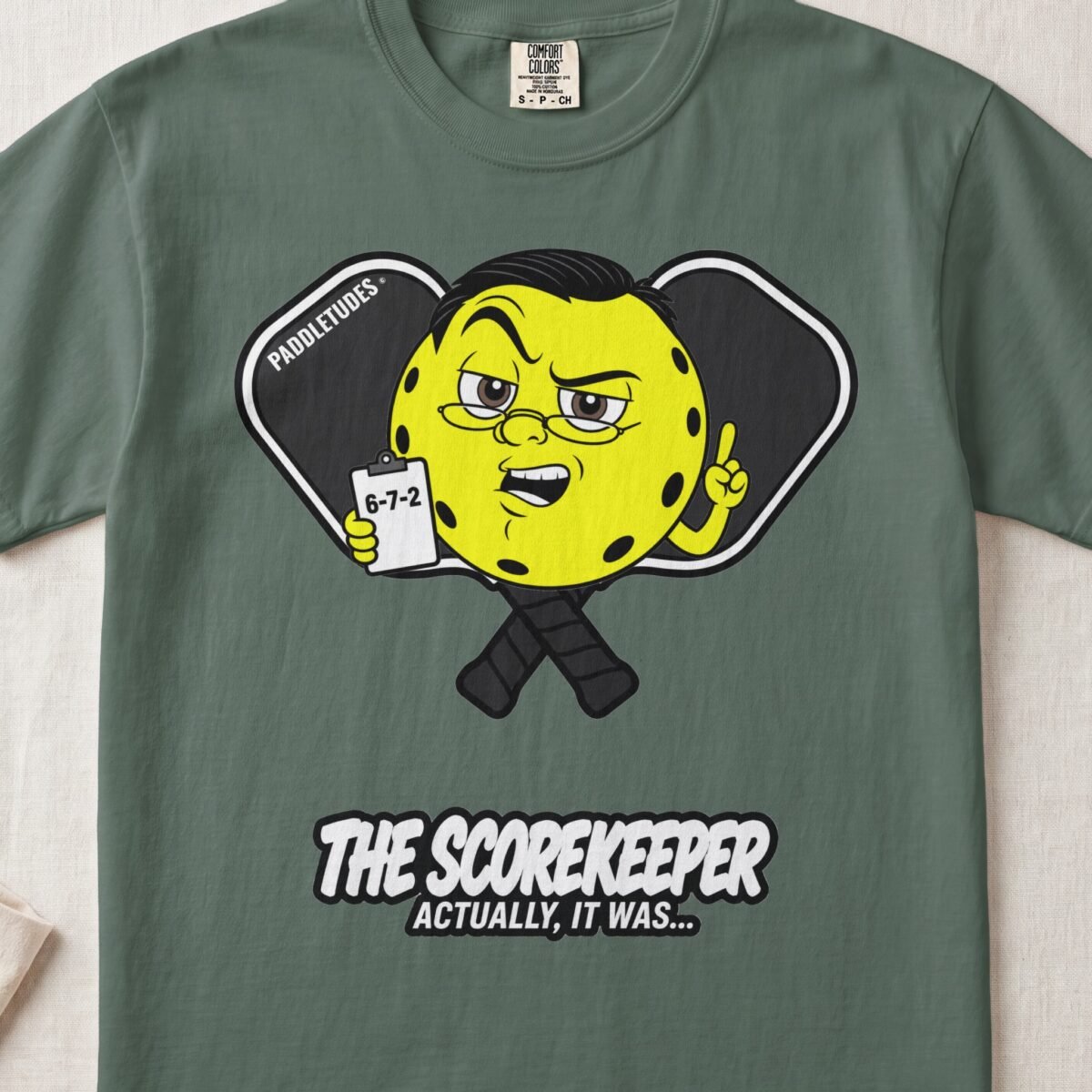
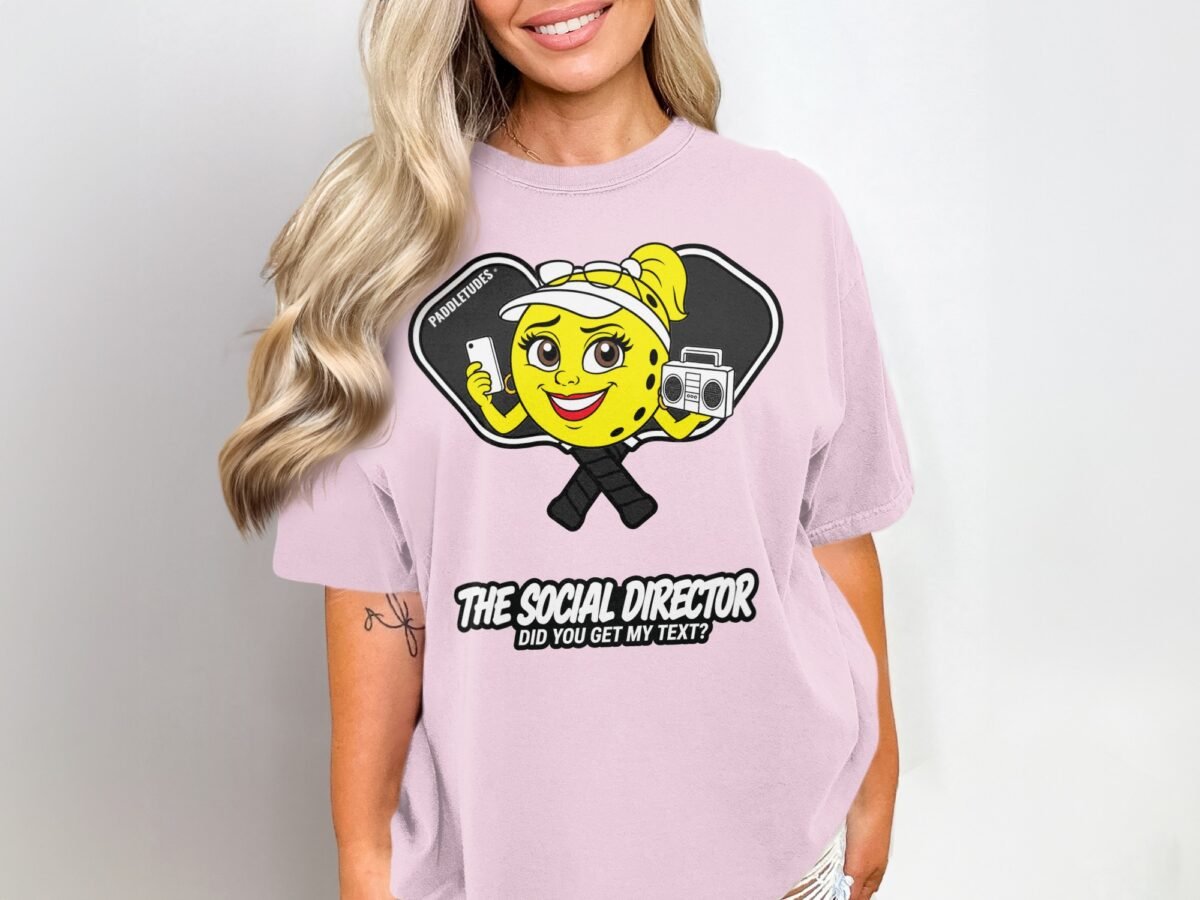
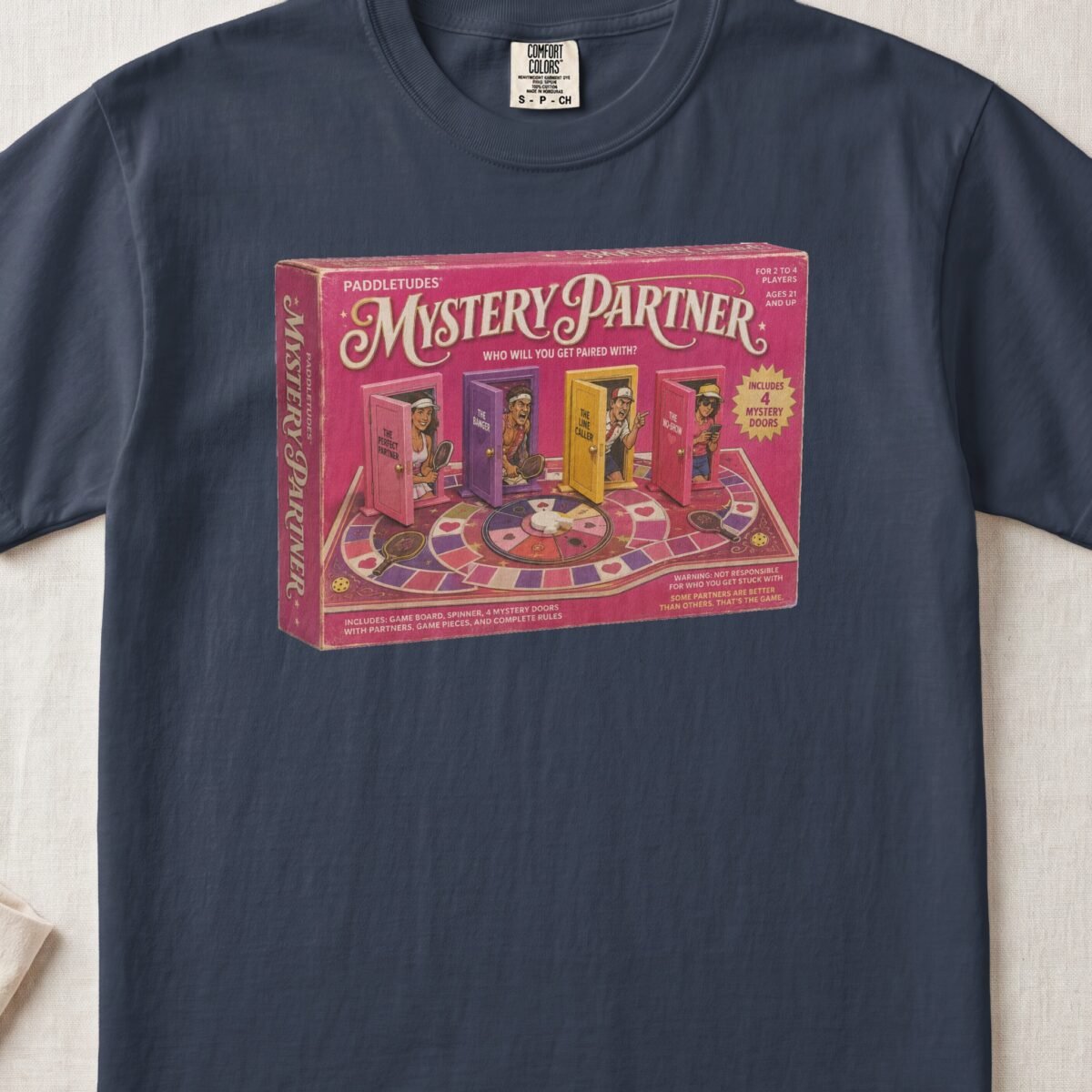
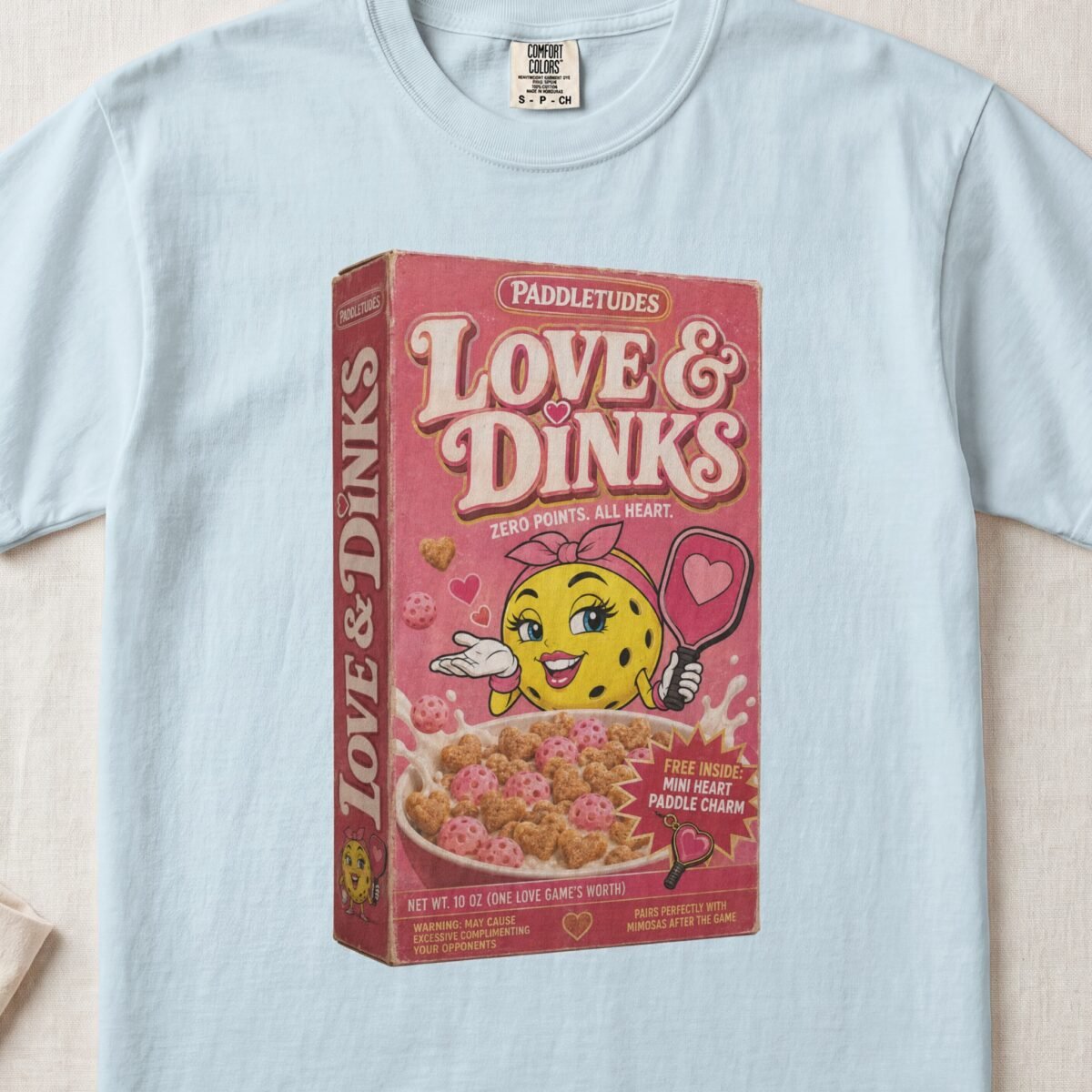
I’ve been building the Paddletudes Pickleball Personalities series for two years now and every design started with watching real people on real courts. The Commissioner. The Scorekeeper. The Social Director. The Explainer. I thought I was making shirts about pickleball archetypes. Turns out I was making shirts about the volunteer structure at The Villages and didn’t know it.

197 Courts, 34 Recreation Centers, and Nobody Gets Paid

The Villages is a 55-plus active adult community in Sumter, Lake, and Marion Counties in central Florida. It’s the largest such community in the United States. Over 100 recreation centers. 3,000 organized activities per week through the Recreation Department. Over 3,000 resident-led clubs. A $189 monthly amenity fee covers access to everything: swimming, tennis, pickleball, bocce, shuffleboard, croquet, archery, volleyball, basketball, an air gun range, fishing lakes, waterfront parks, and fitness facilities spread across dozens of neighborhoods.

Pickleball is described by The Villages as one of the most popular sports in the community. Participation grew 12.3 percent last year and continues to climb. The courts aren’t concentrated in one facility. They’re distributed across 34 recreation centers organized into three tiers: Regional Complexes like Rohan (which alone has 18 courts), Everglades, Eisenhower, and La Hacienda, which offer the widest variety of amenities; Village Centers with meeting rooms, card rooms, pools, and outdoor courts; and Neighborhood Areas with pools and smaller court clusters.

That distribution model is important. It means pickleball doesn’t live in one building. It lives on every block. You don’t drive to pickleball at The Villages. You walk out your door and it’s already happening at the recreation center down the street, the one your neighbor runs the morning session at.

The three largest recreation complexes for pickleball include Rohan Recreation Center at 850 Kristine Way with 18 dedicated courts, Everglades Recreation, and Saddlebrook Recreation Center at 3010 Saddlebrook Lane with 6 courts. Open play runs from 7 to 10 AM throughout The Villages at multiple locations. The courts are outdoor hard-surface, permanent lines, permanent nets. No taping. No portable nets. No sharing with tennis. Dedicated infrastructure built for the sport, maintained by the community districts.

The Pickleball Community Volunteer Group Runs the Whole Machine

The Pickleball Community Volunteer Group is the engine underneath all of it. PCVG describes itself as “more than just pickleball instruction and play; we’re a family dedicated to enhancing your pickleball skills while fostering a tight-knit community spirit in The Villages, FL.” That language is theirs, not mine, and they mean it literally.

PCVG partners with The Villages Recreation Department to deliver instructional programs, leagues, tournaments, drill groups, clinics, referee training, DUPR rating camps, and rating clinics. Every instructional class and clinic is free. The volunteers who teach, organize, referee, score, and coordinate these programs don’t receive a check. They receive the specific kind of satisfaction that comes from being the person who makes something work that 197 courts’ worth of players depend on.

The volunteer structure reads like the org chart of a midsized company. Computer technology volunteers handle application programming, Microsoft Office work, and data entry. Marketing volunteers manage sponsors, social media, email campaigns, special events, and website updates. Website administration volunteers maintain and enhance the PCVG site, which runs on WordPress. Communications volunteers handle MailChimp email campaigns and SignupGenius registrations. Facebook volunteers keep The Villages pickleball groups updated with schedules, results, and announcements.

This is what most people outside The Villages don’t understand about how it works. There’s no paid staff of 30 running these programs. There are volunteers who have organized their retirement around making pickleball available to everyone in the community. The person managing the PCVG email list in MailChimp is doing marketing work that a company would hire for. The person running the WordPress site is doing web development that an agency would bill for. They do it because the community they built depends on them doing it.

You know these people if you play pickleball anywhere. The one who’s always early, setting up while everyone else is still parking. The one tracking every score in every match. The one making sure the post-round-robin social actually happens and isn’t just someone saying “we should do something after.” The one patiently explaining the double-bounce rule to someone holding a paddle for the first time. The Paddletudes Personalities at Almost Seen On TV are built from these exact archetypes. I didn’t invent them. I just gave them packaging.

From Zero to 3.0 in Six Sessions

PCVG runs the most structured beginner pipeline I’ve found at any community facility in the country. This isn’t “show up to open play and figure it out.” It’s a curriculum.

The pathway starts with watching assigned videos on the PCVG website before you ever touch a court. Then you attend Introduction to Pickleball on-court sessions. After attending twice or more and receiving your instructor’s recommendation, you advance to Beginner Mentored Play, where a mentor works with you on court for up to five sessions. Some players advance faster. From there, the instructor can recommend you to the Advanced Beginner Clinic, and after that to the full Clinic Series.

The Clinic Series itself is structured into tiers. Non Volley Zone Concepts focuses on dinking, paddle angles, ball pathways, and creating open space at the kitchen. Full Court Concepts expands the scope. Strategy Play Concepts is for 3.5-and-above rated players. Each tier requires completion of the previous one and instructor recommendation to advance. Paddles and balls are provided. Protective eyewear and athletic shoes are required.

All of it is free.

The people teaching these clinics are volunteers. Certified, trained, experienced volunteers who went through the same pathway, played for years, and then decided to give their mornings to the next person who shows up with no idea how scoring works. That’s a specific kind of person. Patient enough to explain the serve sequence for the 200th time. Invested enough to track each student’s progress from session to session. Committed enough to show up at 7 AM five days a week because someone has to.

The PCVG uses MyPBGames as the centralized system that manages most participation. Registration for all classes runs through pickleballcommunity.com. If classes get canceled for weather, participants re-register through the same process. Cancellation notices go out no more than 60 minutes before class time unless public safety demands otherwise.

The level of operational detail in how PCVG runs is what separates The Villages from other pickleball communities. Most places have courts and open play. The Villages has a full instructional pipeline with advancement criteria, standardized curricula, video prerequisites, and a volunteer staff that treats every beginner clinic like it matters. Because it does.

Twenty-Two Years of Senior Games

The Villages Senior Games have been running for over 20 years. They started as a fun, accessible platform for residents to stay active and compete against peers. They’ve grown into a Florida Senior Games qualifying event sanctioned by the Florida Sports Foundation, which means medalists can qualify for the National Senior Games.

The 2026 Senior Games ran from April 17 through April 26. Over 2,400 athletes gathered at the Celebration of Athletes opening ceremony at Olympia Recreation in Eastport. A ceremonial torch lighting kicked it off. Over 30 sports were contested across 10 days, from court play to endurance events, with more than 2,000 participants.

Pickleball was one of the headline events. MaryAnn Bove put together one of the most dominant runs the Senior Games have seen. She won Gold in Women’s Doubles with partner Linda Rush. Gold in Mixed Doubles with Jeff Homolka. Gold in Women’s Singles. Three gold medals in three events across three days of competition. Bove played with a Friday Pickleball paddle in some matches and her Engage paddle in others. Homolka and Bove’s mixed doubles win came on Wednesday, April 23. The women’s doubles gold landed on April 22. The singles championship on April 24.

The Senior Games pickleball bracket runs at a competitive level that would surprise anyone who hasn’t seen it. Entry fees are $45 plus $5 per event for Florida residents. Top five finishers in each age group qualify for the Florida Senior Games, and from there, first through third place qualifies for the 2027 National Senior Games. The games use standard skill levels within each age group: 3.0 and under, 3.5, 4.0, and 4.5/5.0.

Pickleball at the Senior Games isn’t exhibition play. It’s the same brackets, the same adrenaline, the same trash talk you’d hear at any competitive tournament. The difference is that the people on the court are also the people who run the leagues, teach the clinics, and manage the website. They compete AND volunteer. That’s The Villages.

What is the 80/20 rule in The Villages in Florida?

The 80/20 rule at The Villages refers to the community’s age restriction under the Housing for Older Persons Act. At least 80 percent of occupied units must have one resident who is 55 or older. No one under 19 years old may be a permanent resident. This policy shapes everything about the community’s culture, its recreation programming, and its volunteer infrastructure. When everyone in the community is in the same life stage with time and energy to invest in the things they care about, the volunteer base is enormous. The PCVG doesn’t struggle for volunteers because the entire population is available and motivated.

Fall 2026 Social Leagues Open September 10

The Villages runs social pickleball leagues throughout the year. The Fall 2026 season opens registration on September 10. Mixed pickleball teams are required to be male/female pairs. Leagues get combined or added based on registration numbers, which means the community adjusts its infrastructure to meet demand in real time rather than capping participation.

The league system runs alongside the PCVG’s instructional pipeline and the Senior Games competitive circuit. A resident can start as a total beginner in the Intro to Pickleball program, advance through the clinic series, join a social league, enter the Senior Games, and eventually volunteer as a clinic instructor or league coordinator. That complete loop, from beginner to competitor to volunteer, is the lifecycle that The Villages has built. No other community in the country runs it as a fully closed system the way The Villages does.

The Personalities Who Run Every Rec Center in The Villages

The Paddletudes Pickleball Personalities series exists because every pickleball community has the same cast of characters. The person who makes the schedule. The person who keeps score so precisely it borders on obsessive. The person who plans the social events and knows everyone’s name. The person who stands next to a new player and walks them through the kitchen rule without a hint of impatience.

At most facilities, those people are scattered across open play sessions and nobody thinks about them collectively. At The Villages, they’re formalized. They have volunteer roles. They run a WordPress site. They manage email lists. They teach structured curricula. They organize 10-day Senior Games with 2,400 athletes and a torch lighting ceremony. The Personalities aren’t jokes about pickleball players. They’re descriptions of a volunteer structure that holds together one of the largest pickleball communities on earth.

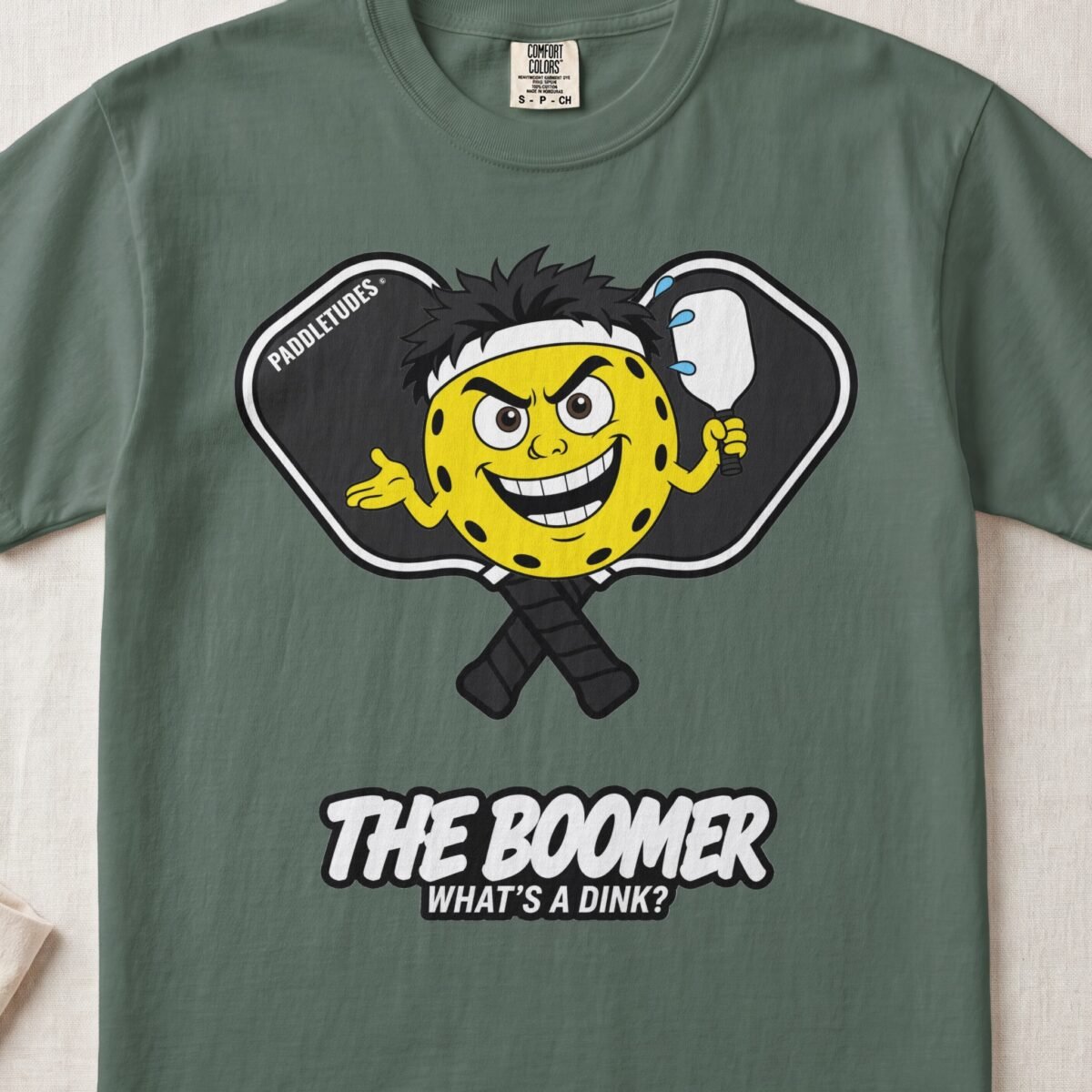
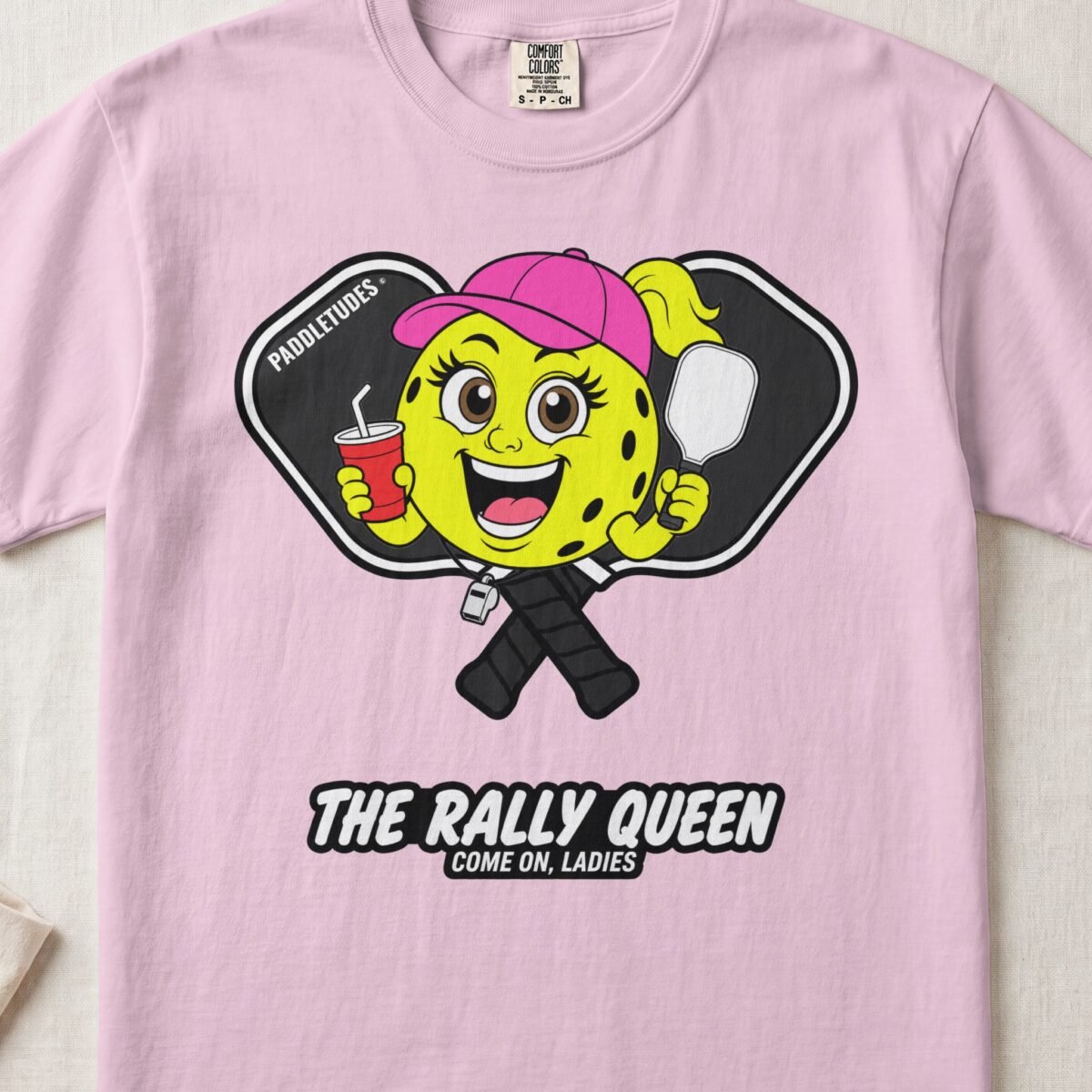
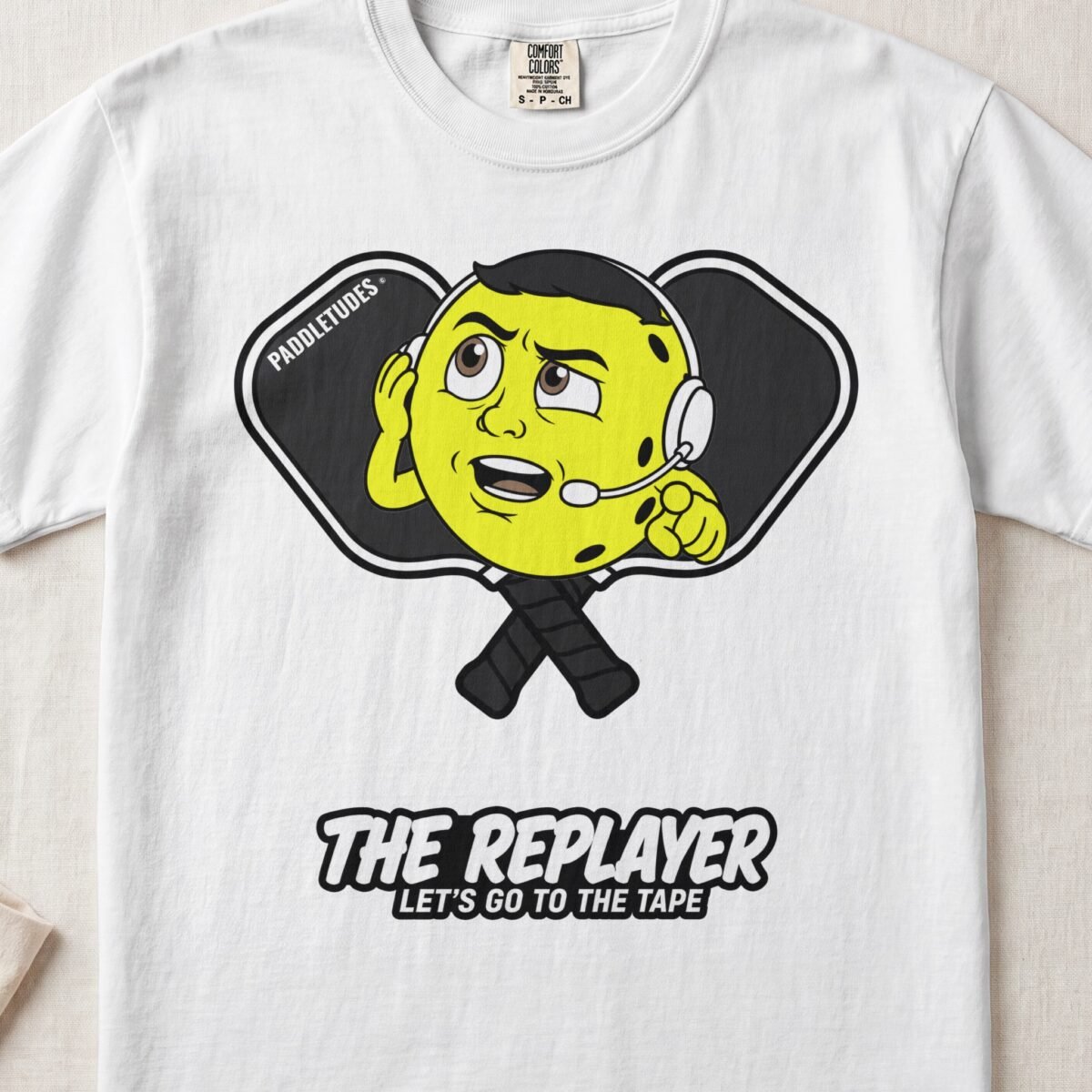
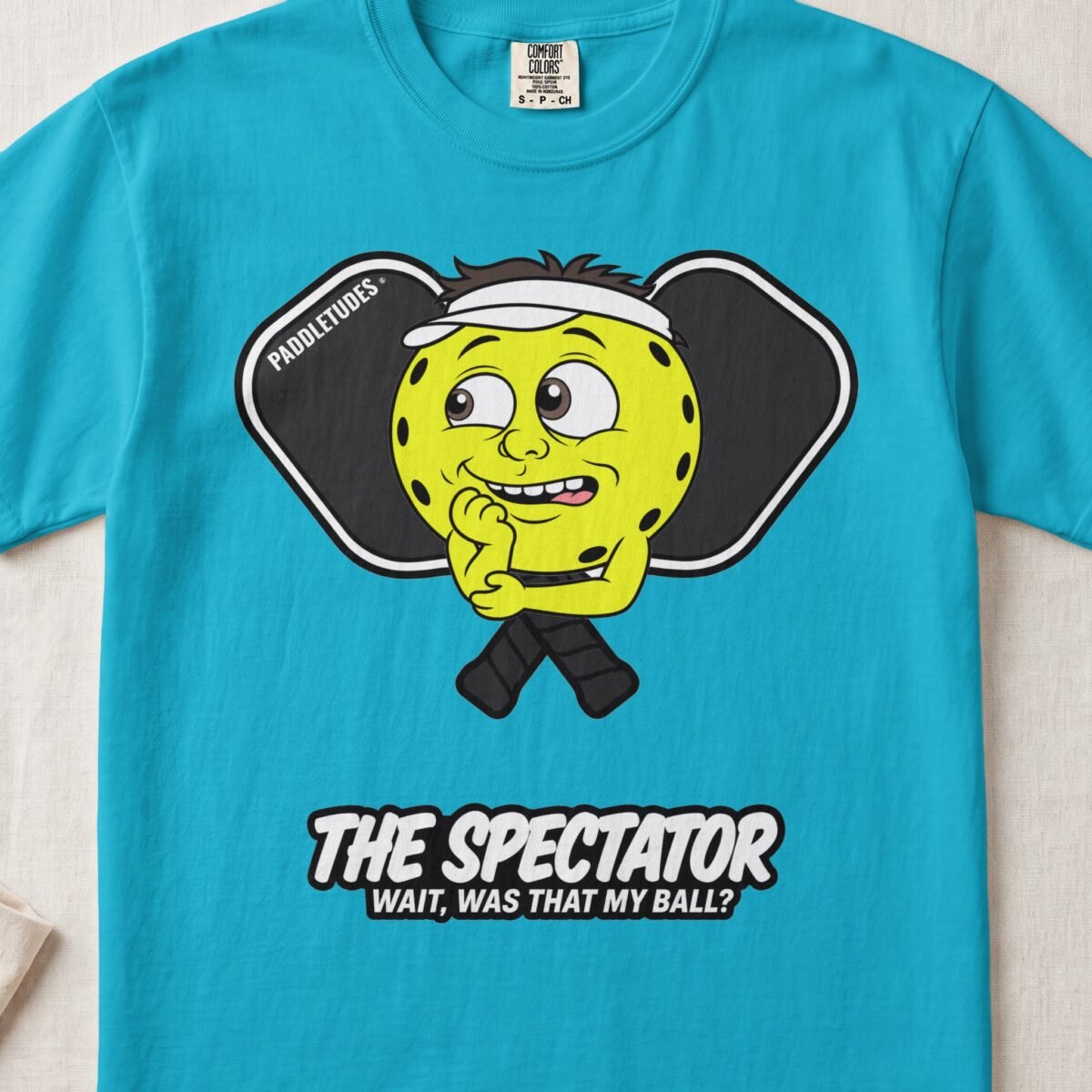
That’s why the Commissioner, The Scorekeeper, The Social Director, and The Explainer sit in the same grid at the center of this article. They’re not random products. They’re the four volunteer archetypes that make The Villages work. The Boomer who drives the ball and sets the pace of competitive play. The Rally Queen who extends every point and makes opponents earn it. The Spectator who shows up to every match and keeps the energy alive from the sideline. The Replayer who dissects every point afterward and knows exactly what happened on court 7 at 9:14 AM.

The Villages has 197 courts. Those courts have meaning because of the people who volunteer their time to make them more than concrete and paint.

MaryAnn Bove won three gold medals at the 2026 Senior Games in three days. Someone set up those nets before she played. Someone organized those brackets. Someone managed the registration. Someone coached the players she competed against through the same PCVG pipeline she probably went through herself. The Villages doesn’t have pickleball because it has courts. It has pickleball because it has volunteers. Everything else follows from that.
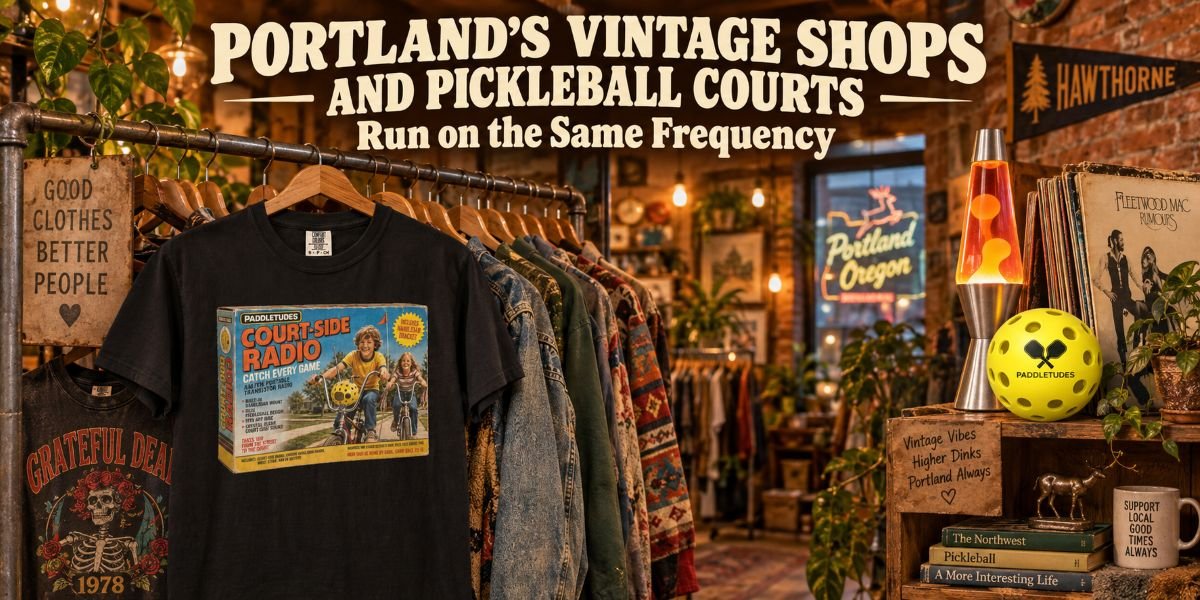
Posted on — Leave a comment

Portland’s Vintage Shops and Pickleball Courts Run on the Same Frequency

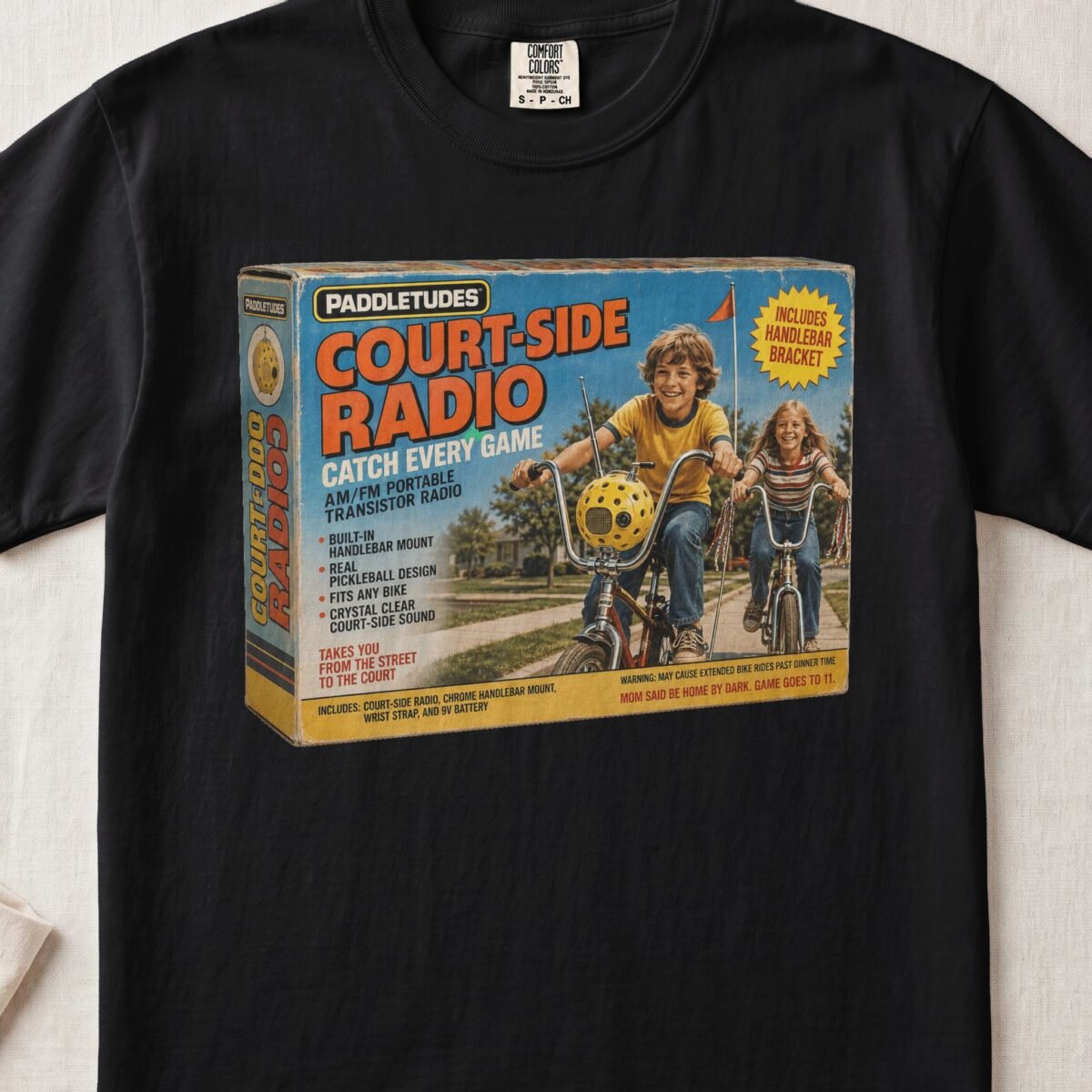
Court Side Radio retro pickleball shirt hanging on a vintage clothing rack inside a Portland vintage shop alongside vinyl records and a lava lamp — where vintage culture and pickleball apparel run on the same frequency

Portland has 35 pickleball venues with 132 courts scattered across the metro, no sales tax on anything you buy, and more vintage shops per square mile than any city on the West Coast. That combination matters if you’re the kind of person who spends Saturday morning digging through a rack of 1970s concert tees on Hawthorne Boulevard and Saturday afternoon chasing a plastic ball around Gabriel Park. Portland doesn’t separate those people. They’re the same person.

I’ve been thinking about Portland for a while because it’s the city that makes the most sense for what I do at Almost Seen On TV. The entire product line is fake vintage. Fake energy drinks. Fake toothpaste tubes. Fake cereal boxes. Fake transistor radios. All designed to look like real packaging from decades that feel more real than whatever decade we’re in now. Portland’s vintage culture runs on that exact frequency. The city that kept “Portlandia” supplied with props for eight seasons is the same city where someone picks up a Court Side Radio shirt and says “I had one of those” about a product that never existed.

Hawthorne Boulevard and the Vintage Corridor That Supplies Half of Hollywood

If you want to understand Portland’s relationship with vintage, start on Hawthorne Boulevard. Between 33rd and 38th, there are more than ten secondhand and vintage shops in five blocks. Not thrift stores where you’re sifting through donation bins hoping to find something wearable. Curated vintage. Real inventory. Stores run by people who’ve been doing this for decades.

House of Vintage is the anchor. Over 60 dealers inside a 13,000-square-foot building, carrying vintage clothing, shoes, and accessories from the 1920s through the 2000s. The store supplied wardrobe and props for “Portlandia” and “Grimm.” That’s not a fun fact on their Yelp page. That’s their actual client list. When a TV production needed something that looked authentically old and culturally specific to the Pacific Northwest, they called a shop on Hawthorne Boulevard in Portland.

Kissing Booth, a few blocks away, specializes in pre-1980s apparel with a focus on vintage tees, sweatshirts, and denim. One reviewer called it the place to “perfect your Portland look,” which is a polite way of saying the shirts here cost more than they did in 1978 because someone figured out that the faded cotton and the cracked screenprint are the whole point. Red Light Clothing Exchange is the opposite energy. Bright colors. Rhinestones. Ruffles. The kind of store where you turn to your friend and ask “Can I pull this off?” and choose which friend based on the answer you want.

Magpie carries vintage children’s clothing alongside adult inventory, which is a detail you don’t see in most cities. Vintage Pink runs a mid-century modern paradise that feels like walking into someone’s perfectly preserved 1962 living room. Lounge Lizard has been selling mid-century furniture since 2002.

Hawthorne isn’t the only corridor. Workshop Vintage on Mississippi Avenue draws the kind of review that reads like a love letter: “Magical and wonderful in every way. I consider myself a bit of a vintage store aficionado.” Stars and Splendid Antiques Mall in Sellwood-Moreland was founded by three friends in 1990 and now represents over 100 dealers. Hollywood Vintage anchors the Kerns neighborhood. Memory Den in the Central Eastside is a massive vintage mall with deep mid-century modern inventory.

And Oregon has no sales tax. Every vintage find, every retro tee, every mid-century lamp is the sticker price. Nothing added. That policy alone makes Portland one of the most affordable vintage shopping destinations in the country, and every shop owner knows it.

Why Portland’s Vintage Culture and Fake Vintage Shirts Are the Same Instinct

There’s a reason I’m writing about vintage shops in an article that’s also about pickleball courts. The connection isn’t a marketing stretch.

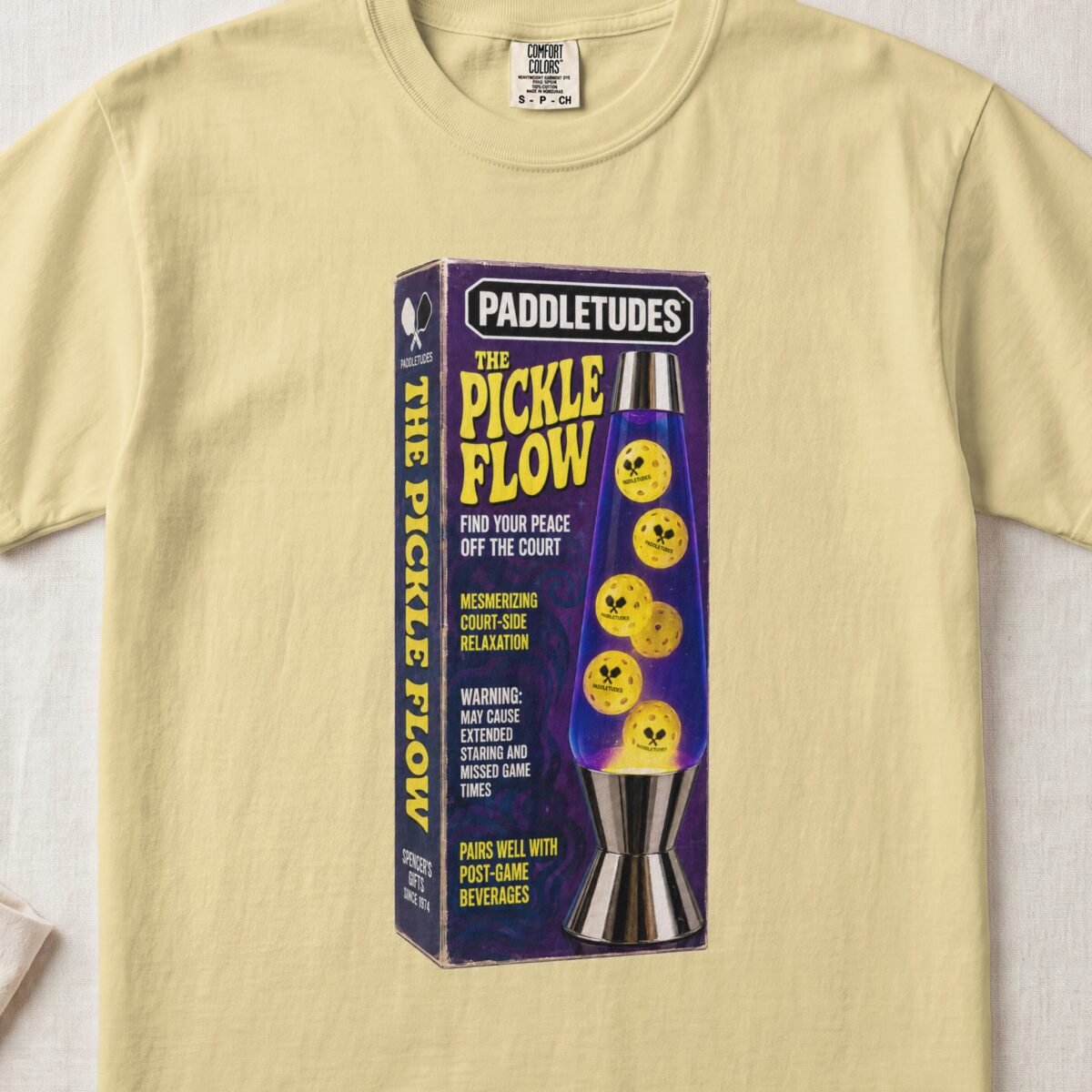
The person digging through a rack at House of Vintage looking for a 1986 concert tee they never owned is chasing the same feeling as the person who sees a Pickle Flow Lava Lamp shirt and laughs because they remember exactly what their aunt’s lava lamp looked like on the shelf next to the macramé plant hanger. Nostalgia isn’t about owning the thing. It’s about recognizing the era. The packaging. The fonts. The color palette. The feeling that someone made this object in a decade when objects felt different.

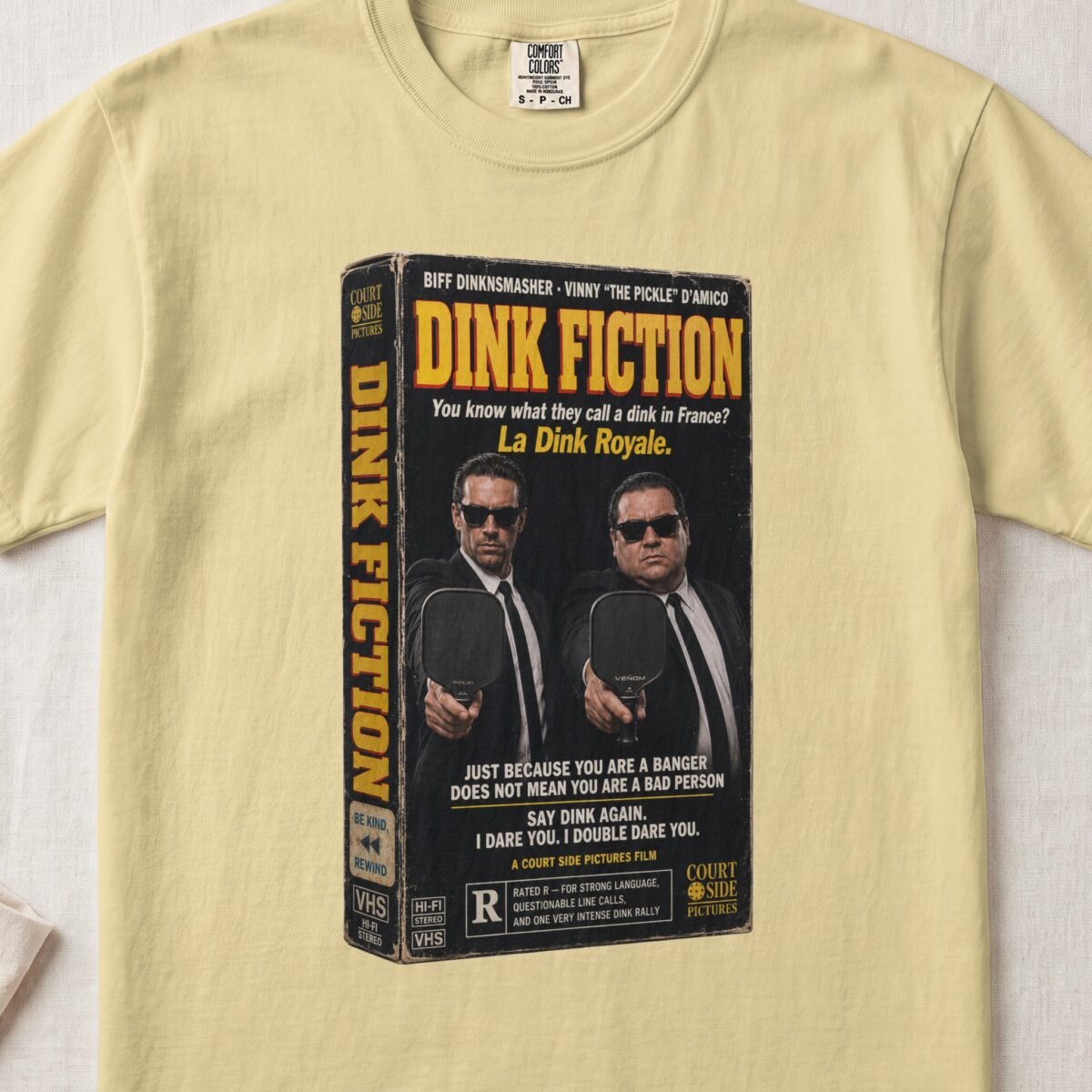
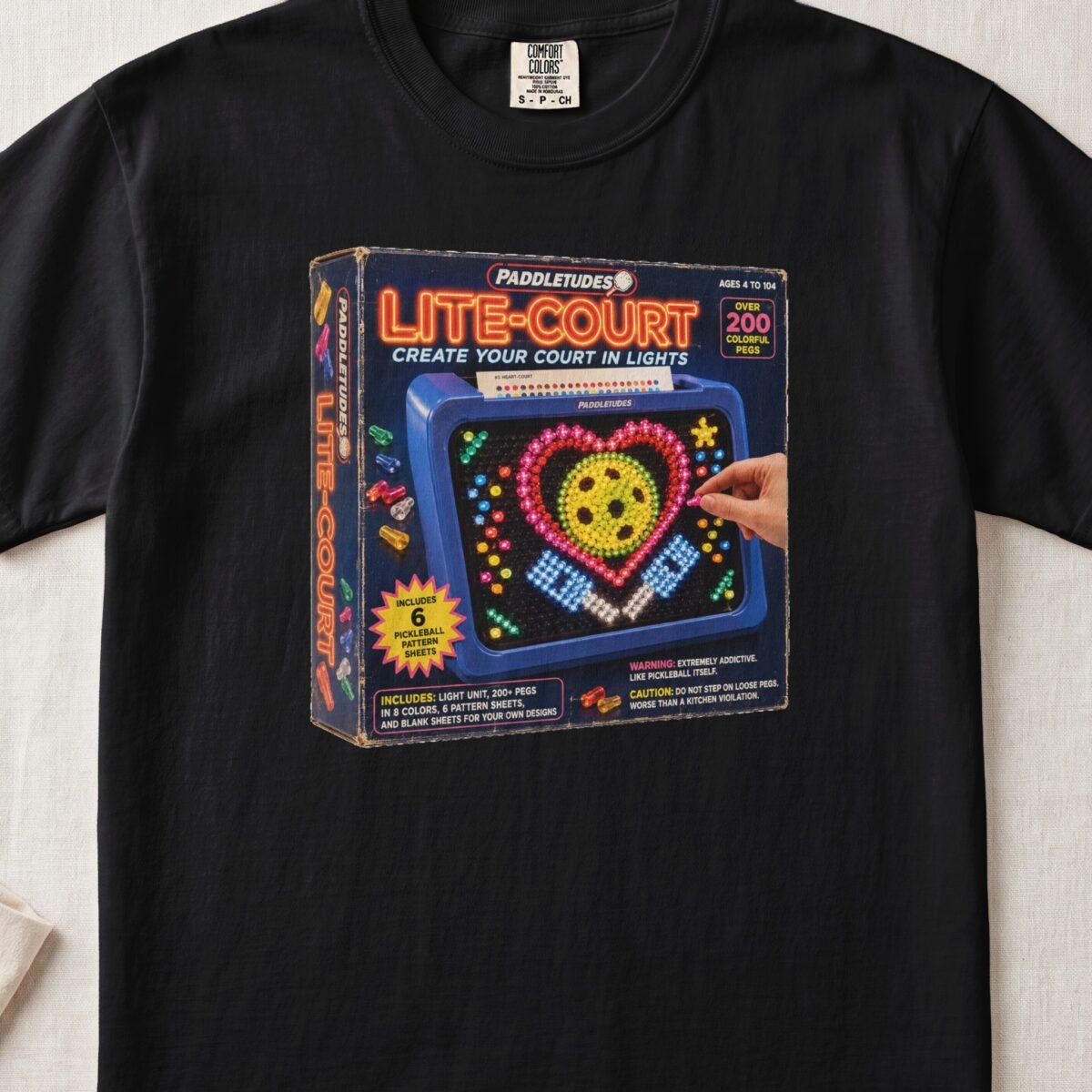
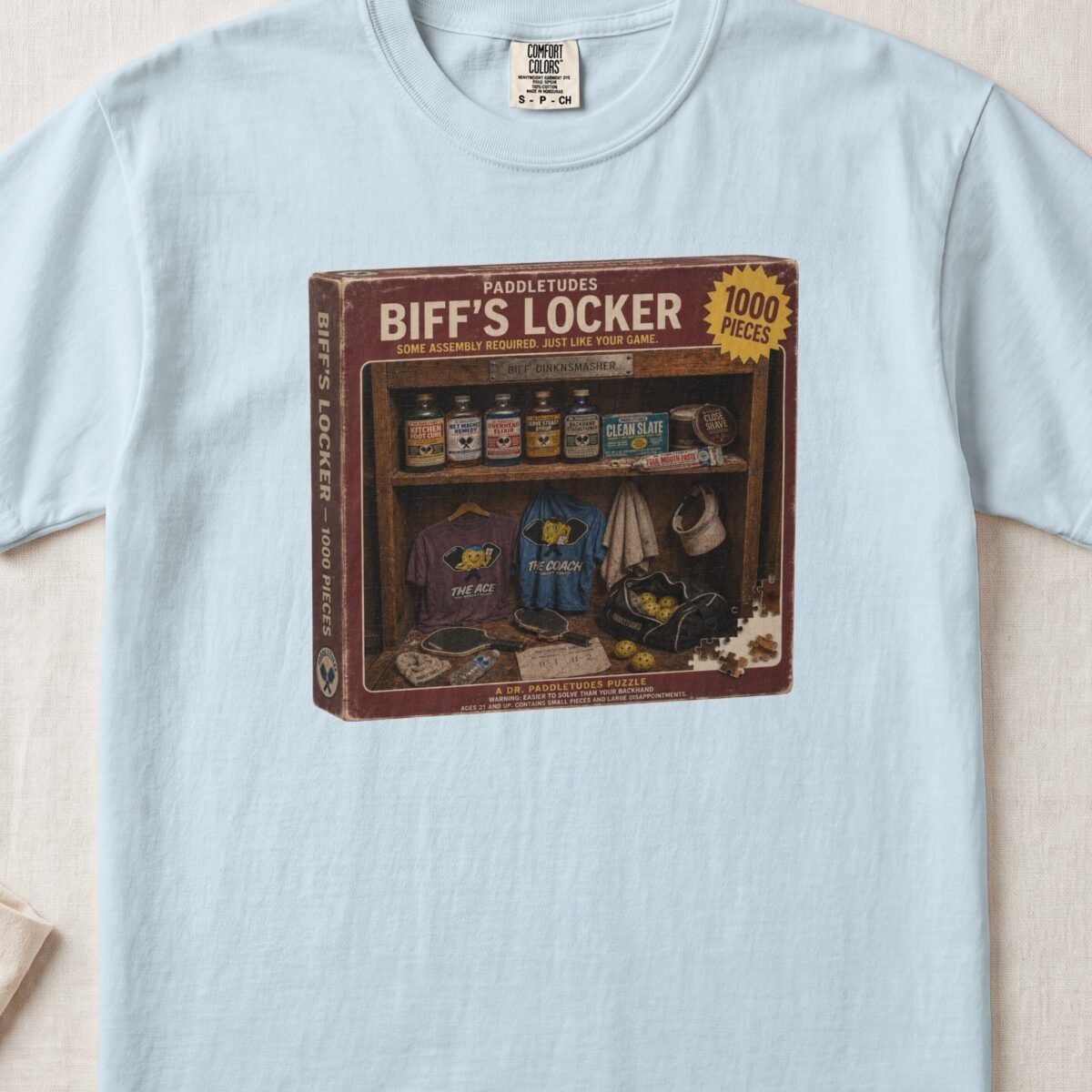
That’s what Almost Seen On TV builds. Biff’s Locker Puzzle looks like a board game box from 1983. Dink Fiction looks like a VHS case from 1994. Court Side Radio looks like a vintage transistor radio ad. Every design is printed on Comfort Colors 1717 heavyweight blanks because the shirt should feel broken-in the day you put it on, like it’s already been through a few decades. Portland gets that. A city where the vintage shops supplied television productions and the thrift stores have their own Yelp reviewers who call themselves aficionados is a city that already speaks this language.
Portland Pickleball: 132 Courts and the DIY Spirit That Built Them

Portland’s pickleball scene is exactly what you’d expect from a city that turned a bowling alley into an indoor bike park and then turned the indoor bike park into a pickleball venue with axe throwing and Plant Bingo.

That’s not a joke. That’s the actual lineage of The People’s Courts.

Where can I play pickleball in Portland?

Portland has 35 pickleball venues with 132 courts across the metro, split between 52 indoor and 80 outdoor. Nine locations have dedicated courts with permanent lines and nets. The city’s public system is one of the most accessible in the country: four community centers offer indoor drop-in at $6 per session, and six parks have free outdoor courts.

The People’s Courts at 2700 NE 82nd Avenue is the flagship. Twelve dedicated courts, six indoor and six outdoor, inside a converted AMF bowling center that later became The Lumberyard, Portland’s beloved indoor bike park. When The Lumberyard closed, the space became what Portland apparently needed more: pickleball courts, bocce, cornhole, ping pong, axe throwing, an arcade, two 150-inch projector screens, and Russell Street Kitchen serving elevated scratch-made bar food with local craft beers and house cocktails.

The reviews read like a greatest hits album. “THE place to play in Portland.” “Indoor courts are SO MUCH QUIETER than any other indoor place I’ve ever played, which allows conversation and jokes between points.” “A gem in Portland.” One reviewer who walked in for a friend’s get-together and got a quick pickleball tutorial wrote: “Now I can see why it can be addicting.” Nike runs Adult Pickleball Camps there with Joy Leising, a top-five PNW women’s doubles player, and certified teaching pro Tracie Dejager.

The People’s Courts runs Plant Bingo with Bigfoot Botanicals, free trivia on Thursdays, and Friday night events. It’s the kind of programming that only works in Portland, where “pickleball venue with a beyond pickle burger and Celtic axe throwing” is a sentence that makes people nod instead of laugh.

Where can I play pickleball for free in Portland?

Free public pickleball courts in Portland exist at six parks. Gabriel Park at 4508 SW Nevada Street has the best free setup: six outdoor pickleball-only courts with permanent lines and nets included. Laurelhurst Park at 3789 SE Oak Street has two dedicated outdoor courts with nets. Pier Park has four outdoor courts. Portland Tennis Center at 324 NE 12th Avenue opens 16 outdoor courts for pickleball seasonally from mid-June through early September.

Most other public courts require bringing your own net. The city does lend rollaway nets for free for up to seven days with a photo ID, which is the most Portland solution possible to a net shortage.

For indoor play, Portland Tennis and Education (formerly St. Johns Racquet Center) at 7519 N Burlington Avenue is a social impact nonprofit with four indoor pickleball courts at $5 drop-in or $40 for a 10-visit pass. Southwest Community Center has indoor courts. Pickleball Kingdom Tigard runs 13 indoor courts on the west side with membership-based access.

Pickleball Was Invented Three Hours North of Here

Portland players already know this, but it’s worth saying for everyone else. Pickleball was invented in 1965 on Bainbridge Island, Washington, about three hours north of Portland by car. Joel Pritchard, Bill Bell, and Barney McCallum put together the game in Pritchard’s backyard using ping-pong paddles, a perforated plastic ball, and a badminton court. The sport spent its first few decades as a Pacific Northwest oddity before going national.

The PNW is where pickleball’s DNA lives. The community-first, slightly quirky, everybody-welcome vibe that defines pickleball culture didn’t come from Florida or Arizona. It came from the same region that produced Portland’s vintage shops, Portland’s food carts, Portland’s independent bookstores, and Portland’s refusal to let anyone pump their own gas until 2018. The sport and the city share a sensibility.

That matters because Portland’s pickleball scene doesn’t look like Dallas or Scottsdale. There’s no 52-court mega-facility. No 196,000-square-foot campus with a Wolfgang Puck restaurant. Portland’s scene is The People’s Courts converting a bowling alley. It’s Gabriel Park offering six free courts with nets. It’s a social impact nonprofit running $5 drop-in pickleball. It’s someone lending you a net for a week because they’d rather you play than not. That’s the same energy that made the sport in the first place.

I’ve written about pickleball in cities that invested millions in dedicated infrastructure: San Diego, Charlotte, Denver. Portland is a different animal. The investment here is in accessibility and community rather than scale. 35 venues spread across every neighborhood, indoor options at $5 and $6 drop-in, six free parks with courts. The infrastructure is democratic in a way that reflects the city.

The Portland Overlap

Portland’s vintage shoppers and Portland’s pickleball players share something specific. Neither community takes itself too seriously, and both communities take the THING very seriously. The vintage aficionado on Hawthorne who knows the difference between a 1974 Levi’s orange tab and a 1978 red tab is the same energy as the 4.0 player at Gabriel Park who has opinions about paddle core thickness. The obsession is the point. The self-awareness about the obsession is what keeps it fun.

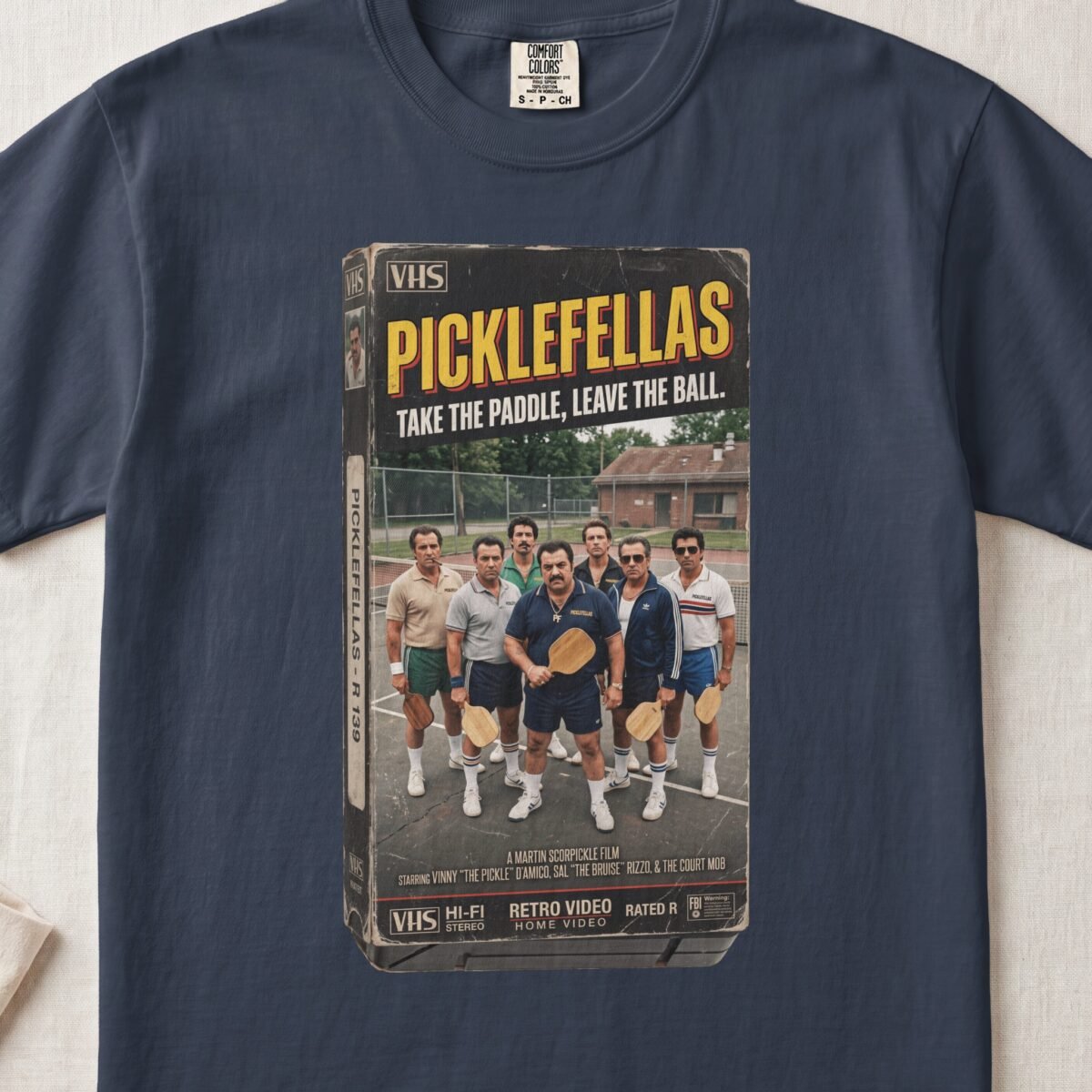
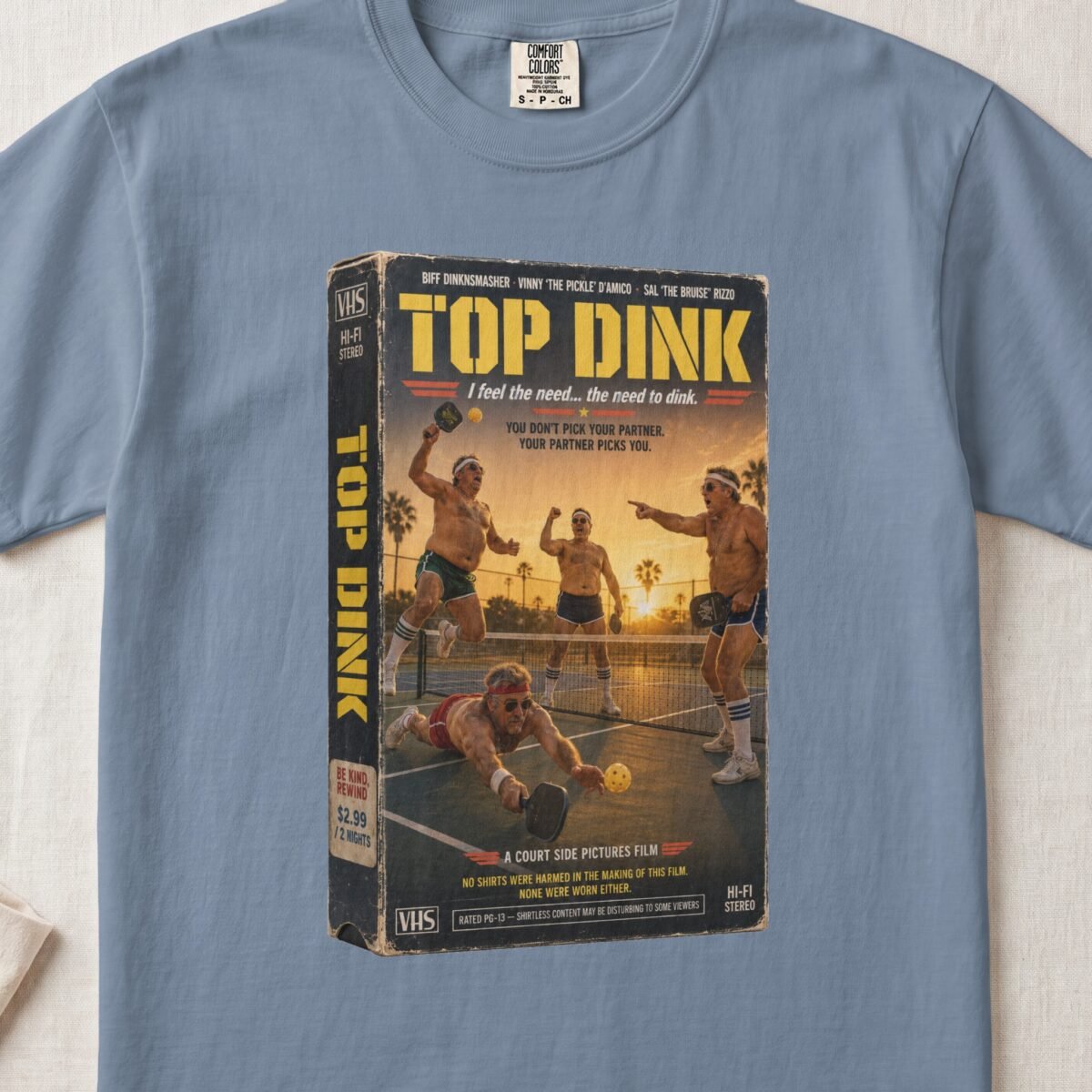
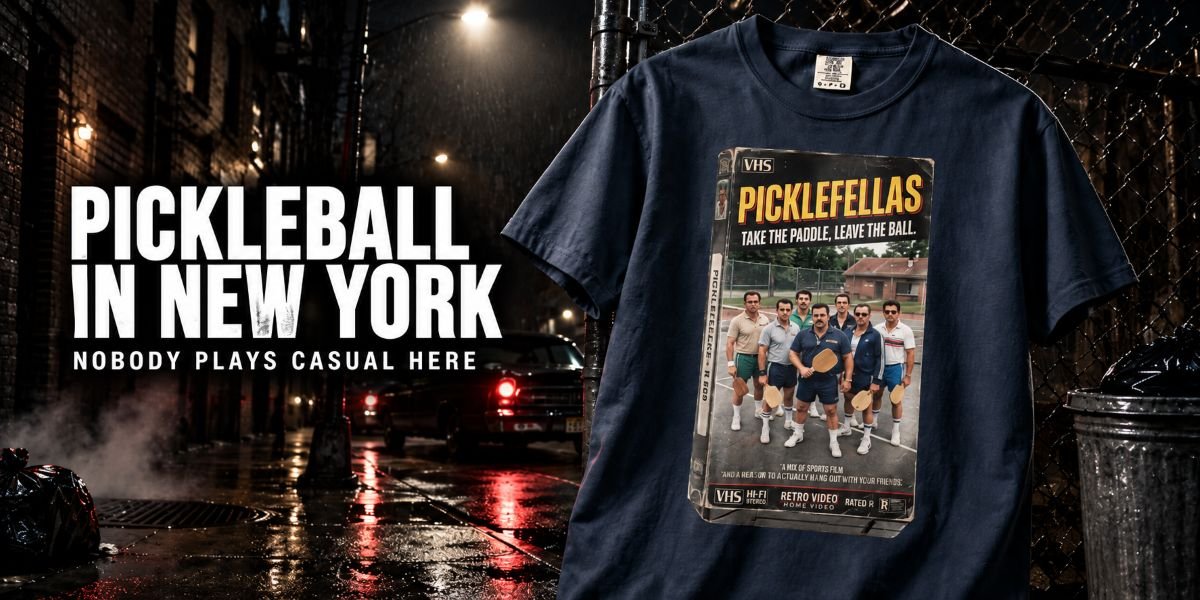
That overlap is where Picklefellas works. Where Blazing Paddles works. Where Top Dink works. These are shirts that parody movies from the same decades Portland’s vintage shops are built around. They work because the person buying a 1991 band tee at Red Light Clothing Exchange and the person wearing a fake 1987 energy drink shirt at The People’s Courts are operating on the same wavelength. They both understand that the look IS the joke and the joke IS the point.

Portland doesn’t need to be convinced that a fake vintage product on a heavyweight cotton blank is worth owning. This city has been proving that concept for 40 years, one Hawthorne Boulevard shop at a time.

Start at House of Vintage on Hawthorne at opening. Spend an hour. Buy something you don’t need from a decade you weren’t alive for. Then drive to Gabriel Park and play free pickleball on six dedicated courts with nets already set up. Then end at The People’s Courts for indoor play, a beyond pickle burger, and a local craft beer. Portland is the only city in America where that’s a coherent day, and every stop makes sense with the last one.

Posted on — Leave a comment

Asheville’s Dogs Run the City and Pickleball Is Catching Up Fast

Four dogs sitting on a pickleball court in Asheville North Carolina with the Blue Ridge Mountains in the background — Bernese Mountain Dog, Australian Shepherd, Beagle, and Dachshund each holding a pickleball, representing Asheville's dog-friendly culture and growing pickleball scene

Asheville is not a city that tolerates dogs. It’s a city where the farmers market vendors know your dog’s name before they know yours. Where Highland Brewing built a 40-acre campus with hiking trails, disc golf, and a meadow specifically so people would bring their dogs on a Saturday afternoon. Where the Kimpton Hotel Arras charges no pet fee with no size limit because putting restrictions on dogs in Asheville would be like putting restrictions on opinions in Asheville. It doesn’t work and nobody would comply.

This is a dog city down to its roots. And the pickleball scene, which is growing fast enough that voters just approved a bond to build Asheville’s first dedicated complex, is growing up inside that same culture. Dogs on the sidelines of courts. Dogs at the post-game brewery stop. Dogs in a city that was hit by a hurricane and rebuilt its dog parks before it finished rebuilding its roads.

Asheville’s Dog Culture Didn’t Happen by Accident

Walk down any sidewalk in downtown Asheville on a weekend and count the dogs. You’ll lose track before you hit the second block. People bring dogs to breweries, coffee shops, bookstores, and restaurants without a second thought. Most local businesses don’t just allow it. They expect it. The outdoor taproom culture, the independent restaurant scene, and the general Asheville ethos of letting people do things their own way created conditions where dogs aren’t guests. They’re residents.

The numbers back it up. Asheville has more breweries per capita than almost any city in the country. A significant percentage of them actively welcome dogs. Highland Brewing Company doesn’t just allow dogs on a patio. Their campus sprawls across 40 acres with a taproom, beer garden, hiking trails, and a grassy meadow where leashed dogs lounge while their owners drink Gaelic Ale and listen to live music on weekends. Hillman Beer in Biltmore Village has a loyal local following and welcomes dogs inside the taproom and on the patio. Burial Beer. Green Man Brewery. Wicked Weed. French Broad River Brewery. The list goes on because in Asheville, being dog-friendly isn’t a marketing position. It’s the default setting.

The Battery Park Book Exchange in the historic Grove Arcade welcomes dogs on the patio. The Hop Ice Cream sells pre-packed doggie ice cream made from peanut butter and banana at their downtown and West Asheville locations. Sunny Point Café on Saturday mornings is an Asheville tradition with a garden patio that fills with dogs before it fills with people. Twisted Laurel has a dedicated dog menu.

And then there’s the breed mix. This is a mountain town in the Blue Ridge. The trails run through Pisgah National Forest and along the Blue Ridge Parkway. The elevation and the lifestyle attract a certain kind of dog owner and a certain kind of dog. You’ll see Aussie Shepherds built for trail mileage. Beagles with their noses to the ground on Craggy Pinnacle. Dachshunds in brewery parking lots, refusing to walk any further. Bernese Mountain Dogs at Chimney Rock, looking like they were designed for exactly this elevation. Bearwallow Mountain even allows off-leash hiking, which tells you something about how deeply the trail-and-dog culture runs in western North Carolina.

Wagbar: Asheville’s Off-Leash Dog Bar That Went National

In November 2019, Kendal Kulp and his father Kajur, drawing on their shared love of dogs and Kajur’s background in creative design, co-founded Wagbar in Weaverville, a small town just north of Asheville. The concept was simple and nobody else was doing it: a fully fenced, supervised off-leash dog park combined with a licensed bar. Dogs play. Owners drink. Everybody socializes.

The flagship Weaverville location has 25,000 square feet of play space with ramps, tunnels, and a permanent pool. A container bar serves craft beer, wine, seltzers, and non-alcoholic options. Rotating food trucks cycle through. Events run year-round. Human entry is free. You just need proof of your dog’s rabies, bordetella, and distemper vaccinations.

Wagbar was voted Best Pet Friendly Bar/Brewery at the Best of WNC Mountain Express awards multiple years running and landed on USA Today’s 10Best Dog Bars list. That’s the kind of recognition that turns a local business into a franchise. Wagbar now operates locations in South Asheville, Cary, Charlotte, Greenville, and Knoxville, with franchise locations in development in Dallas, Los Angeles, Long Beach, Richmond, Cincinnati, Orlando, Phoenix, and more.

A dog bar born in the mountains of Asheville is now expanding to 15 cities. That tells you everything about how seriously this city takes its dogs.

What Helene Did to Asheville’s Dog Parks and What the Community Did Next

Hurricane Helene hit western North Carolina on September 27, 2024, and the flooding was catastrophic. Over 200 acres of Asheville’s parks, greenways, and riverfront facilities were submerged. The French Broad and Swannanoa Rivers surged to record levels. Playgrounds were torn apart. Greenways washed out. Buildings were destroyed.

Azalea Park in West Asheville, the city’s most established off-leash dog park, took severe damage. Fields were submerged. A bridge collapsed. French Broad River Park’s dog areas were destroyed. Both parks closed indefinitely.

For a city where dog parks aren’t amenities but infrastructure, losing both off-leash parks at once was a crisis on top of a crisis. Bridget Herring, the city’s Recovery Coordinator, said it directly: “We understand how important these off-leash spaces are for our community’s dogs and their owners.”

The city opened a temporary dog park at Riverbend Park at 100 Bleachery Boulevard in July 2025, with separate fenced areas for large and small dogs. The grand opening celebration had a selfie station, giveaways for dogs and humans, caricature drawings, and adoptable pets from Mountain Pet Rescue. That’s so Asheville it hurts.

By early 2026, the city was hosting community design workshops for rebuilding Azalea Park and the French Broad River parks. Residents covered display boards with sticky notes. Parks and Recreation Director D. Tyrell McGirt said the goal isn’t just restoration. It’s resilience. Building the parks back in ways that can withstand the next flood.

Asheville is still recovering. The five-year timeline is real. But the city rebuilt its dog parks before it finished rebuilding its roads, and that priority tells you everything you need to know about what matters here.

Pickleball in Asheville: Catching Up to the Dogs

Here’s the thing about pickleball in Asheville. The demand is massive. The infrastructure isn’t there yet. And the community is doing exactly what Asheville communities do: organizing, advocating, and building it themselves.

Where can I play pickleball in Asheville, NC?

Pickleball courts in Asheville are currently all shared-use, meaning tennis courts with dual-painted lines. There are no public dedicated pickleball courts in the city. Not one. The city’s public outdoor courts at Malvern Hills, Murphy-Oakley, and Weaver Park run on a priority schedule: pickleball gets 8 AM to 2 PM on Monday, Wednesday, and Friday, and 2 to 9 PM on Tuesday, Thursday, Saturday, and Sunday. Rollaway pickleball nets are installed at those parks. You can even check out a free net from Recreation Park for up to seven days with a photo ID.

For indoor play, Linwood Crump Shiloh Community Center and Stephens-Lee Community Center both offer indoor courts at $5 per visit or $20 for a five-visit pass. The Asheville YMCA Downtown at 30 Woodfin Street has three indoor courts for members, with non-member drop-in at $10.

The Asheville Racquet Club has the best dedicated courts in the area: 4 indoor and 8 outdoor pickleball courts. It’s a private club, but non-members can drop in.

Asheville’s First Dedicated Pickleball Complex Is Coming

The real story is what’s about to happen.

In November 2024, Asheville voters overwhelmingly approved general obligation bonds that included funding for the city’s first public complex with dedicated pickleball courts. The project aims to build 8 to 10 dedicated courts with parking, restrooms, and lighting. Surface 678 landscape architects evaluated 678 sites professionally. Asheville Parks and Recreation narrowed it to two finalists: Aston Park in downtown Asheville and Roger Farmer Park off Patton Avenue in West Asheville.

Christina Dupuch, board president of the Asheville Pickleball Association, called the progress “really a dream come true.” Secretary Teri Lyng was at the community input sessions alongside her. 432 community members submitted completed surveys. 92 attended in-person information sessions. Al Kopf, a landscape architect for Asheville Parks and Recreation, said the finalist sites were chosen based on topography, ADA accessibility, and distance from residences, that last one being critical since noise from pickleball courts is a real concern that communities everywhere are navigating.

The final site will be selected by the end of summer 2026. Asheville is about to join the list of cities with purpose-built pickleball infrastructure, and if the energy at those community meetings is any indication, the complex will be packed the day it opens.

Asheville’s story is different from San Diego or Charlotte because the demand outpaced the infrastructure by years, and the community organized itself to close the gap. That’s the same thing that happened with the dog parks after Helene. That’s the same thing that happened when Wagbar built a dog bar that nobody asked for and everybody needed. Asheville doesn’t wait for someone else to build the thing. It builds the thing.

What are some free things to do in Asheville, NC?

Free pickleball on shared courts at Malvern Hills, Murphy-Oakley, and Weaver Park during designated priority hours. Free hiking with your dog on the Blue Ridge Parkway (try Craggy Pinnacle at milepost 364.4 for a 180-degree view). Free entry to Wagbar for humans. Free net checkout from Recreation Park with a photo ID. Asheville’s best free activity is walking any sidewalk downtown with a dog on a Saturday morning and seeing how many strangers stop to talk to you. That’s the social fabric of this city, and it costs nothing.

Why Dogs and Pickleball Keep Finding Each Other

There’s a reason these two communities overlap. Dog people and pickleball people share the same DNA. They’re social. They’re outdoors. They’ll rearrange their Tuesday morning for open play or a sunrise hike. They name-drop their favorite court or their favorite trail with the same intensity. They show up to community input sessions and they fill out surveys and they advocate for the spaces they care about.

In Asheville, that overlap is more visible than almost anywhere else. The pickleball players who are pushing for 10 dedicated courts at Aston Park are the same people who showed up with sticky notes at the Azalea Park rebuilding workshop. The dog owners who pack Highland Brewing on a Saturday afternoon are the same people who pack the shared courts at Malvern Hills on Sunday morning.

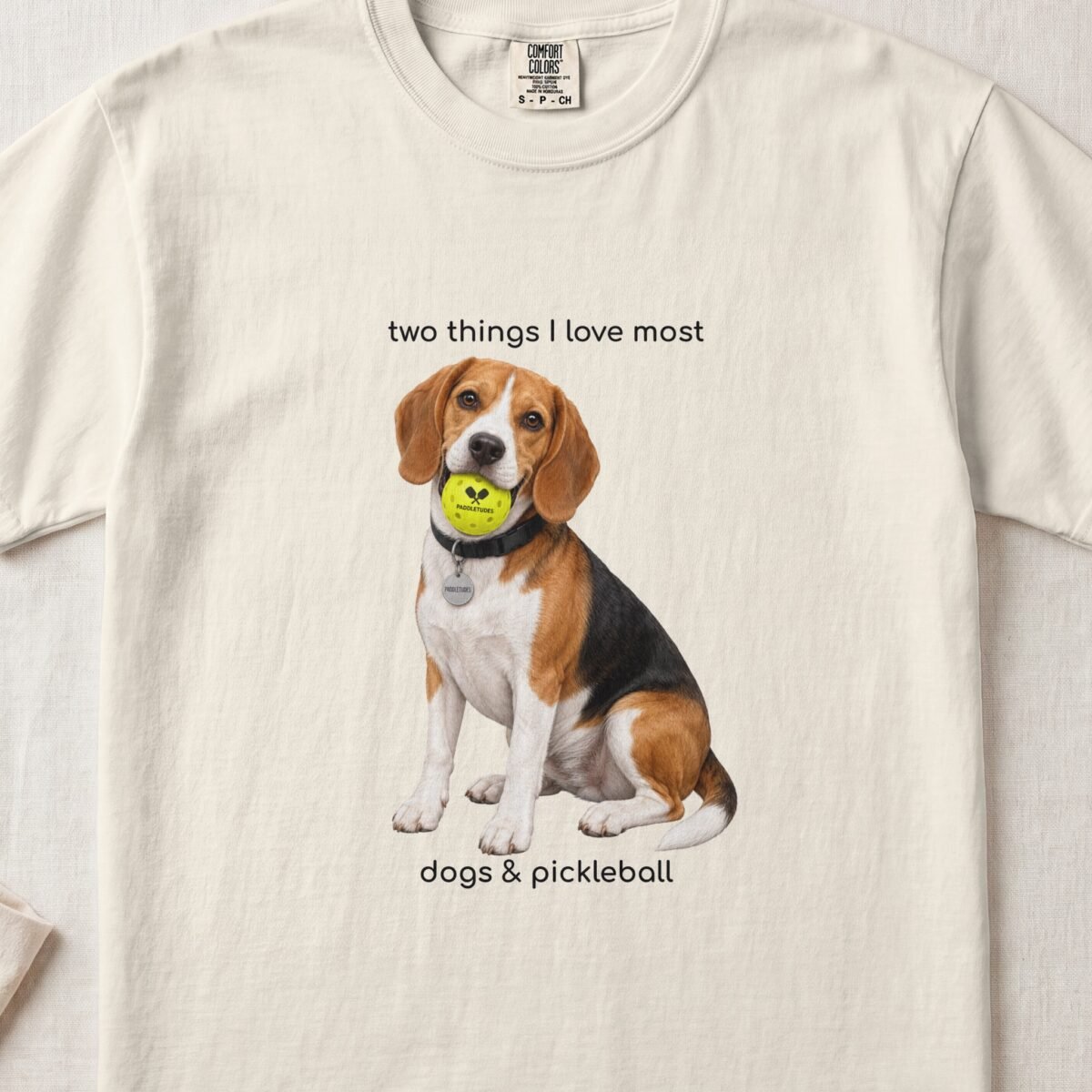
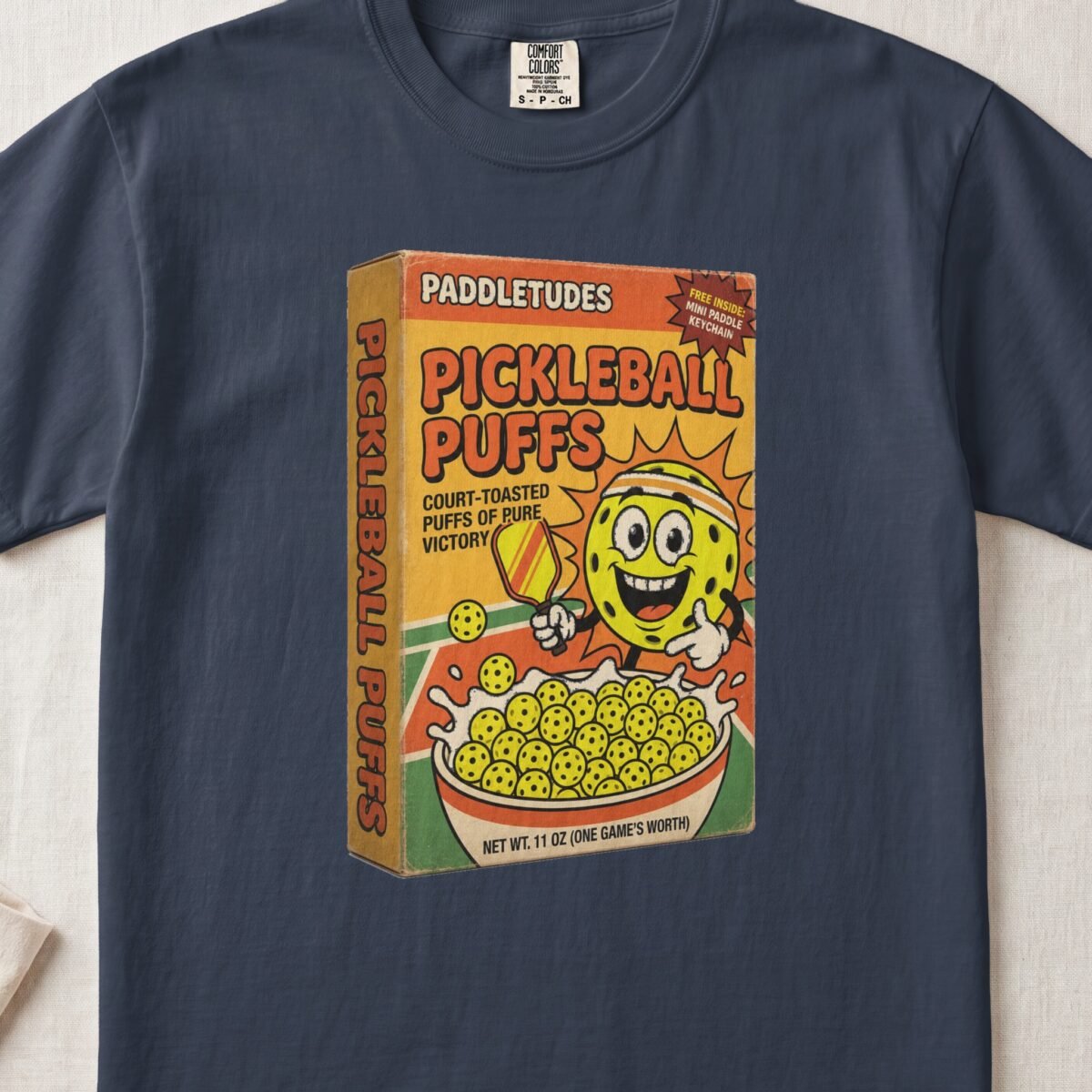
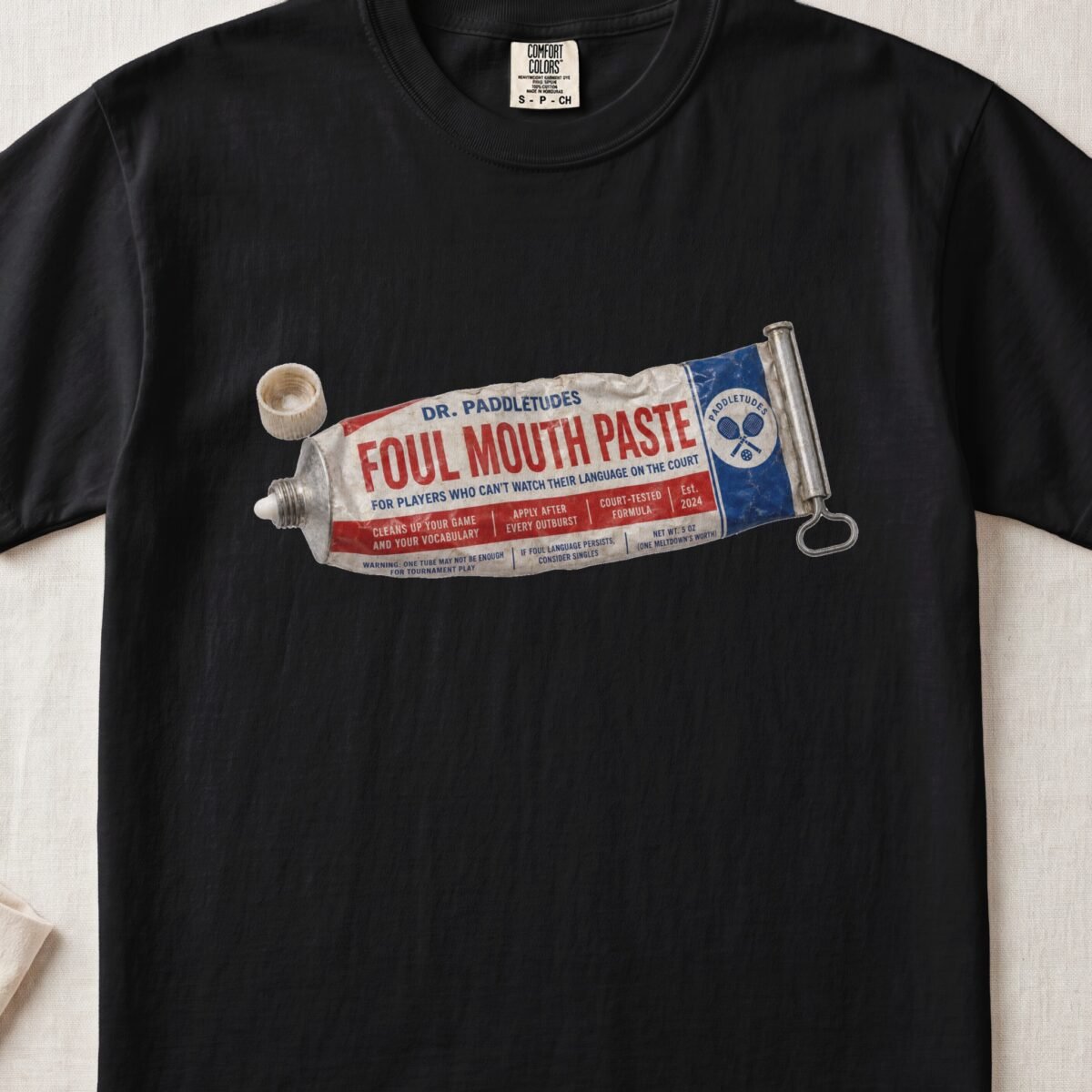
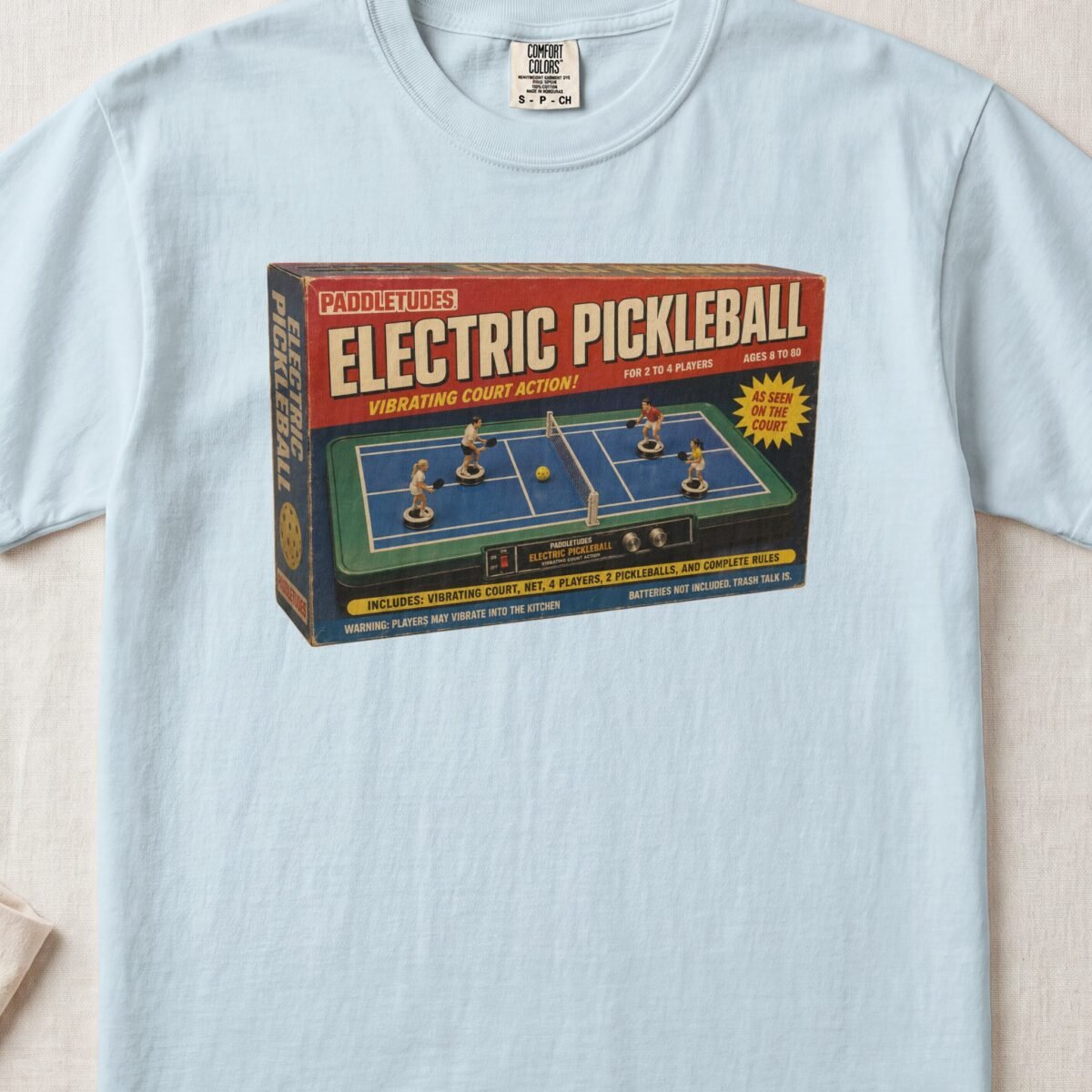
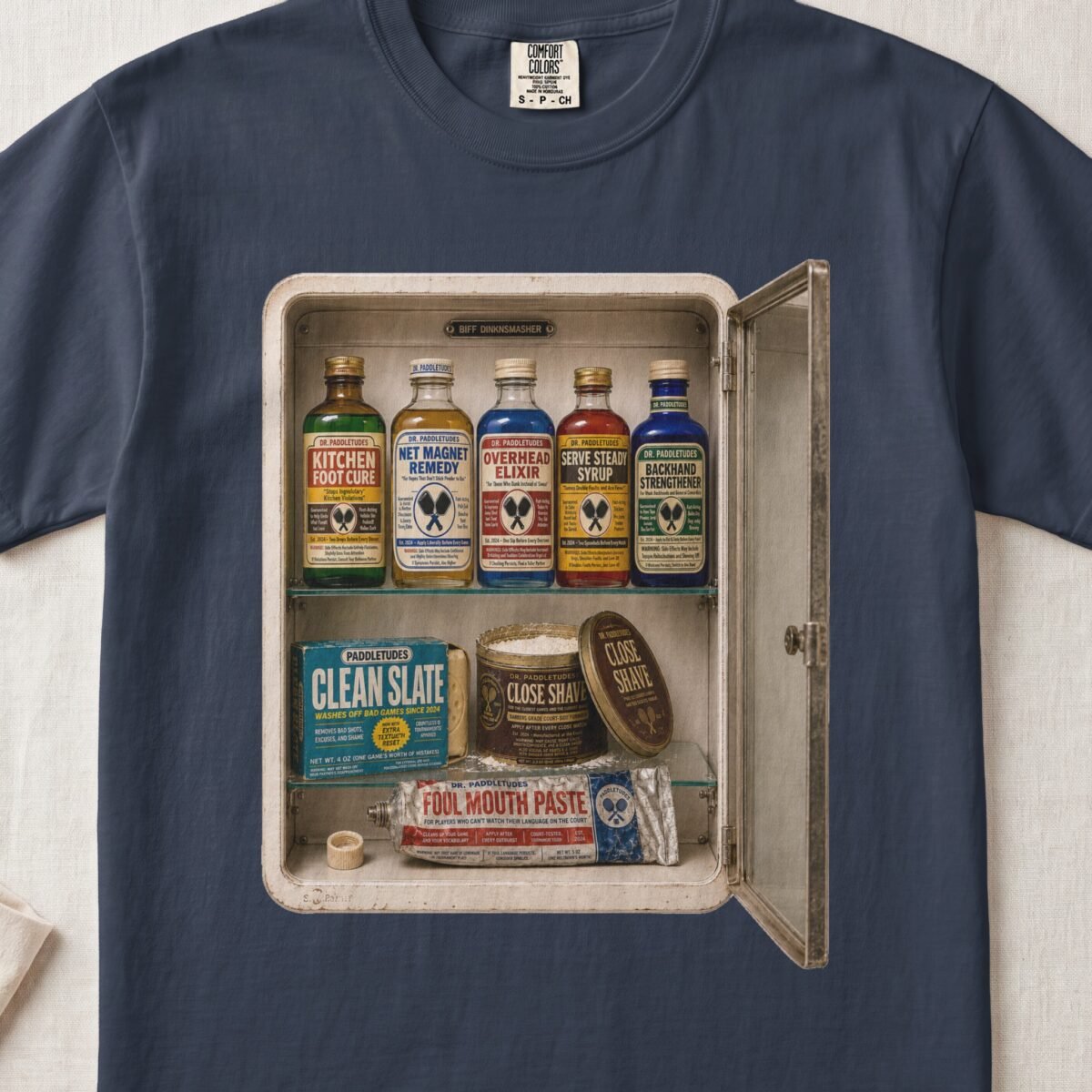
That’s why I make shirts for both communities at Almost Seen On TV. The dog breed designs, the Bernese Mountain Dog sitting there looking exactly like every Bernese you’ve ever seen at a trailhead, work because dog people don’t just like dogs. They’re obsessed with THEIR dog. Their breed. The personality, the quirks, the look on their face when you say the word “walk.” The pickleball designs, the fake vintage products like Electric Pickleball and Foul Mouth Paste and Pickleball Puffs, work because pickleball people don’t just play the sport. They live inside the culture. They know what The Apologizer is because they play doubles with one every Thursday.

Both communities are built on showing up. Dogs and paddles. Trails and courts. Asheville runs on both.

Asheville is rebuilding its dog parks, building its first dedicated pickleball complex, and expanding a dog bar concept to 15 cities, all at the same time. If you visit with your dog and a paddle, start at Wagbar in Weaverville, let your dog run while you have a beer, then drive to Malvern Hills and play on the shared courts during priority hours. Finish at Highland Brewing on the meadow with your dog at your feet and a Gaelic Ale in your hand. That’s an Asheville day. That’s the whole city in one afternoon.

Posted on — Leave a comment

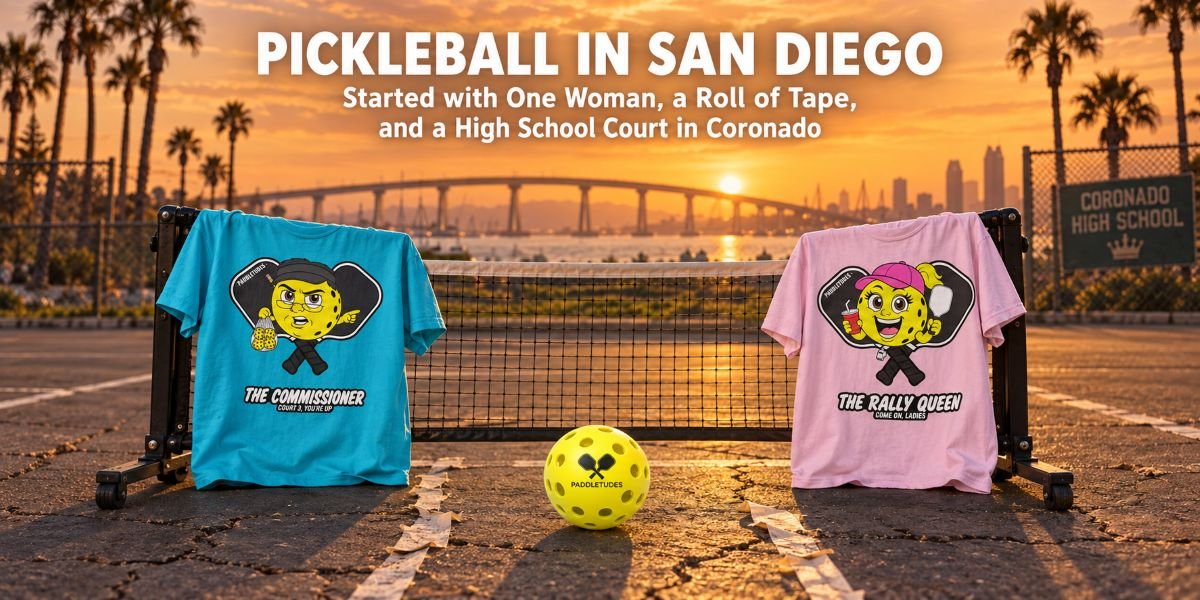
Pickleball in San Diego Started with One Woman, a Roll of Tape, and a High School Court in Coronado

Pickleball shirts displayed on an outdoor court in Coronado San Diego at sunset with taped court lines, a pickleball net, and the Coronado Bridge in the background — the birthplace of pickleball culture in San Diego

Pickleball in San Diego runs across more dedicated courts than most people realize. Twenty-four at Barnes Tennis Center in Point Loma. Twenty-six at The HUB in Spring Valley. Twenty-two at Bobby Riggs in Encinitas. Twelve at the Coronado Island Marriott. Eight at Coronado Cays Park that didn’t exist three years ago. That’s nearly a hundred dedicated pickleball courts across the county, and every single one of them has a story that has nothing to do with the sport itself and everything to do with the people who couldn’t stop playing it.

I keep coming back to the Coronado story because it’s the most honest one. No franchise money. No investor pitch deck. One woman, a roll of tape, and a high school court in 2012.

Her name is Tammy Carney. If you play pickleball in Coronado, you already know that.
How Coronado Built Its Pickleball Scene from a Roll of Tape

Tammy Carney started laying down temporary tape lines on a high school court in Coronado twice a week in 2012. No permanent pickleball courts existed anywhere on the island. Not one. No painted lines. No dedicated nets. Just Tammy and athletic tape and a growing group of people who kept showing up because the game had already gotten into their heads the way it gets into everyone’s head.

That’s the thing nobody tells you about pickleball before you play your first game. You think you’re going to try it once. You play four games. Then you’re checking court schedules at 10 PM and texting people you met two hours ago about tomorrow’s open play. The sport is social in a way that tennis never was and competitive in a way that shuffleboard pretends to be. Tammy saw that in Coronado before anyone else did.

She ran the City of Coronado’s pickleball program for seven years. Coordinated events across the island. Won medals at the gold, silver, and bronze levels in competitive play. Built the kind of consistent, unglamorous infrastructure that nobody photographs but everybody depends on. The PCA’s first president, Brenda Arnold, later called her Coronado’s Pickleball Ambassador. That undersells it. Tammy didn’t promote the sport. She physically built the courts with tape, twice a week, for years.

Eventually she joined Impact Activities, the organization that won the city’s contract to manage the Coronado Tennis Center and surrounding facilities. She now runs open play, beginner and intermediate clinics, monthly shoot outs, quarterly round robins, and social events that have turned Cays Park into something more than courts. One of those events was Coronado’s first-ever singles round robin and mixer, which ended at McP’s Pub on Orange Avenue. That’s the kind of programming that builds a community. Not an app notification. A round robin that finishes at the bar where everybody already knows each other because they met on court 3 last Tuesday.

She’s still the one you text at 619-925-6025.

In 2022, Brenda Arnold and Joan Huck founded the Pickleball Coronado Association. Free memberships. Over a thousand people signed up within weeks. In a community of 24,000, that’s not a club. That’s a movement.

The PCA went to the City Council with math: 19 public tennis courts in Coronado. Zero public pickleball courts. Hundreds of players taping temporary lines on shared surfaces. The Marriott had already converted two of its tennis courts into eight pickleball courts because demand made it obvious. The city’s own facilities hadn’t caught up.

The vote passed unanimously. The city allocated $465,220. TrueLine Construction resurfaced courts across all city facilities. By June 2023, Coronado had its first eight permanent, dedicated public pickleball courts at Cays Park with professional-grade surfaces and green fencing for noise attenuation. The PCA’s Facebook post said it all: “No more taping! Thank you to everyone who sent emails to City leaders.”

That’s how a scene gets built when the people who run things care about the outcome.

Ken Irvine: Forty Years of Coronado and Now He’s Teaching Your Third Shot Drop

Ken Irvine is Coronado High School class of 1980. He’s been on this island for over 40 years. Multi-sport athlete since high school. The kind of guy who still shows up to the CHS alumni flag football games at Niedermeyer Field.

He built a career in the restaurant business and became the chef and owner of Bleu Boheme, a French bistro on Orange Avenue that earned him the 2012 Restaurateur of the Year award from the California Restaurant Association’s San Diego chapter. If you’ve eaten in Coronado, you’ve probably eaten his food.

Then he picked up a paddle.

Ken became a PPR Certified Professional and a USA Pickleball Association certified professional. He coaches at Impact Activities and runs his own independent business, NadoPklPro. The name tells you everything. “Nado” is what locals call Coronado. This isn’t a guy who moved here to teach lessons. He IS here.

His coaching runs from beginners through 4.5-level players. He uses the TopSpin Pro and video analysis with voice-over commentary so students can watch themselves hit the shot, then hear Ken explain what went wrong. His student Matthew G. wrote that Ken “drastically helped me with my biggest weakness hitting that critical third shot drop” and changed how he thinks about moving opponents with directional dinks. Another student, Joel F., said Ken used video and drill work to help him develop “an effective consistent and reliable topspin backhand” and praised his “very goal specific curriculum for each lesson.” Private lessons are $100 an hour. Semi-private is $75. Groups of four run $60.

He’s partnered with Selkirk, Adidas, Vuori, and OOFOS. He’s a partner of the Pickleball Coronado Association. Between Joel Myers bringing the national credentials (three-time NAIA All-American, 2026 SDDTA Coach of the Year, 120,000 Instagram followers from his Tennis Channel clinics), Tammy bringing a decade of community programming, and Ken bringing 40 years of Coronado credibility plus a restaurant career that proves he knows how to take care of people, Cays Park has a coaching roster that most facilities would kill for.

What Eight Courts at Cays Park Look Like Now

Impact Activities manages all pickleball at Coronado Cays Park, 100 Coronado Cays Blvd. Eight professional-grade dedicated courts, four with lights for evening sessions. Reservations are $4 per court per hour for Coronado residents, $10 for non-residents. Book through the Impact Activities CA app or call the pro shop at 619-522-2650.

The Coronado Island Marriott Resort and Spa sits across the island with twelve dedicated outdoor courts, permanent lines and nets, open to the public. The APA runs tournaments there year-round: the San Diego Open, the Gold Cup, the Amateur Open, and the Masters. If Cays Park is where the locals built their scene, the Marriott is where the tournament circuit stops when it comes through.

Where can I play pickleball for free in San Diego?

Free public pickleball courts in San Diego exist at several city parks, though most are shared-use setups on repainted tennis surfaces. Barnes Tennis Center runs open play at $5 per person with on-site moderators. Coronado’s Cays Park charges residents $3 per court per hour, which splits to almost nothing among four players. For genuinely free play, San Diego Parks and Recreation operates courts at various community centers, though availability varies and most lack dedicated lines.

Barnes Tennis Center: A Nonprofit That Built a National Stage

Barnes Tennis Center at 4490 W Point Loma Blvd is not a commercial facility. It’s owned and operated by Youth Tennis San Diego, a 501(c)(3) nonprofit incorporated in 1953 with a mission to serve kids through racket sports and education.

That changes what the facility means to the city.

Homer Peabody and Kathy Chabot Willette raised $4.2 million to build Barnes in 1995. The Kathy Chabot Willette After School Tennis program eventually expanded to 96 locations across San Diego. YTSD became an NJTL chapter in 2015. The USTA named Barnes the best facility in the United States in 2021. CEO Ryan Redondo, a San Diego State grad who grew up on courts while his father coached the SDSU men’s tennis team, has led the facility since 2020 alongside COO Jesse Steinberg. In 2024, a $2.5 million state grant funded the first major upgrades in over 25 years. That same year, 19 pickleball courts joined the existing tennis and padel infrastructure, bringing the dedicated pickleball complex to 24 courts.

Barnes hosts ATP and WTA tour events, the Molly’s Angels Youth Tennis Gala, skin cancer awareness days for junior players, and free admission for anyone under 18 to watch professional matches. It’s a facility that was built for the community and has spent 70 years proving it means that.
Now Barnes is hosting the 2026 Oceanview USA Pickleball National Championships for the second consecutive year (October 31 through November 8). The 2025 Nationals drew over 10,000 in total attendance, more than 2,500 players, 3,900 matches, and an estimated $3 million economic impact. A nonprofit that started with travel grants and junior clinics is now hosting the longest-standing national championship in pickleball. That’s the Barnes story.

Bobby Riggs: Where a Tennis Legend’s Home Became Pickleball’s North County Hub

Bobby Riggs Racket and Paddle at 875 Santa Fe Drive in Encinitas was the actual home of Bobby Riggs, the three-time US Open singles champion and Wimbledon Triple Crown winner. The tennis museum on-site is free and open to the public with memorabilia from Riggs, Pancho Segura, Pancho Gonzalez, Martina Navratilova, and Billie Jean King.

Fifteen years ago, Steve Dawson and his wife Jennifer, both professional tennis players, took over the historic club. Pickleball arrived a couple of years later. “We were introduced into pickleball maybe a year or two after we had owned the club, and then the club slowly transformed as pickleball grew,” Steve told Pickleball Innovators. The original seven tennis courts have become 22 dedicated pickleball courts. Steve himself holds multiple US Open and US National Pickleball Championships, a Huntsman World Championship, and two Canadian National Championships.

The facility runs open play at $7 per person (weekdays noon to 2 PM, weekends 2 to 5 PM). Court reservations are $12 an hour. No membership required. The top four courts draw the competitive crowd. The rest are for rec play, lessons, and drilling. Players notice the structure. One reviewer wrote about showing up solo and struggling to find a game until “a guy named Paul saw I was getting shut out left and right and paddled up with me.” That’s the Bobby Riggs vibe. The club hosts Dinks for Dogs events benefiting the Ranch and Coast Humane Society, round robins where people bring coolers for the post-match hang, and the Whispering Angel Celebrity Pickleball Tournament hosted by Drew Brees and surfer Rob Machado as part of the Del Mar Wine + Food Festival, benefiting Feeding San Diego. Past celebrity players include James Blake, CoCo Vandeweghe, former Padre Mark Loretta, Olympic softball legend Natasha Watley, and World Cup champion Shannon Mac Millan.

Bobby Riggs is mid-remodel and staying open through construction. A 4.7 Google rating across 119 reviews. If you haven’t been to the Encinitas courts, the remodel is one more reason to go before it comes back even bigger.

The HUB: San Diego’s Purpose-Built Pickleball Arena

The HUB at 9545 Campo Road in Spring Valley is what happens when someone builds a facility from scratch for pickleball instead of converting what was already there.

Co-owner Ted Angelo looked at the math before breaking ground. Roughly 80 pickleball courts serving close to 50,000 players across San Diego County. “When this area of Spring Valley became available, we felt the need, and we went for it,” he told ABC 10News. Twenty-six dedicated outdoor courts. Two championship stadium courts. The main stadium has a 350-seat covered SkyLoft. Stadium 2 seats 150. Every court has LED lighting. Open until 11 PM on Mondays.

The details matter. San Diego-themed murals line the fences: a surfer, the Hotel del Coronado, the San Diego skyline. Angelo wanted players to feel ownership in their city. The pro shop carries a deep selection of premium demo paddles. There’s beer and wine. Adirondack chairs for spectating. Reviewers mention Olivia at the front desk being “super friendly” and helping navigate day passes. One player wrote that “the bathrooms are spotless,” which honestly says more about a facility than any court spec ever will.

Professional players Riley Newman and Lindsey Newman have played The HUB courts. The facility hosted the inaugural NCPA National Collegiate Pickleball Championship in March 2024 with 38 schools competing for a $30,000 prize pool. The World Pickleball Tour San Diego Open ran there in March 2026. CBS 8 featured The HUB when it opened. Non-member day passes are $20 for all-day play. Memberships start at $109 per month.

The HUB now has locations in Silicon Valley, Alameda, and Jacksonville. The San Diego facility is the original.

Why This Sport Eats People Alive (And Why That’s the Point)

I need to say something about pickleball that most articles about courts and clubs don’t say. This sport is addictive in a way that is genuinely hard to explain to someone who hasn’t played it.

You show up to try it once because a friend dragged you. You play four games. You lose three of them. You don’t care. You’re already texting your friend about tomorrow. Within a month you own two paddles, you’ve downloaded an app to track your DUPR rating, and you’re rearranging your Tuesday mornings around open play. Just one more game becomes the most dangerous sentence in your vocabulary.

The reason it hooks people is that it’s the most social competitive sport that exists. Tennis is a duel. Golf is a walk. Basketball requires being 22. Pickleball puts four strangers on a court the size of a living room and within 15 minutes they’re trash-talking each other about kitchen violations and making plans for Saturday. The round robin at Cays Park that ends at McP’s Pub isn’t an accident. That’s the sport working exactly as designed.

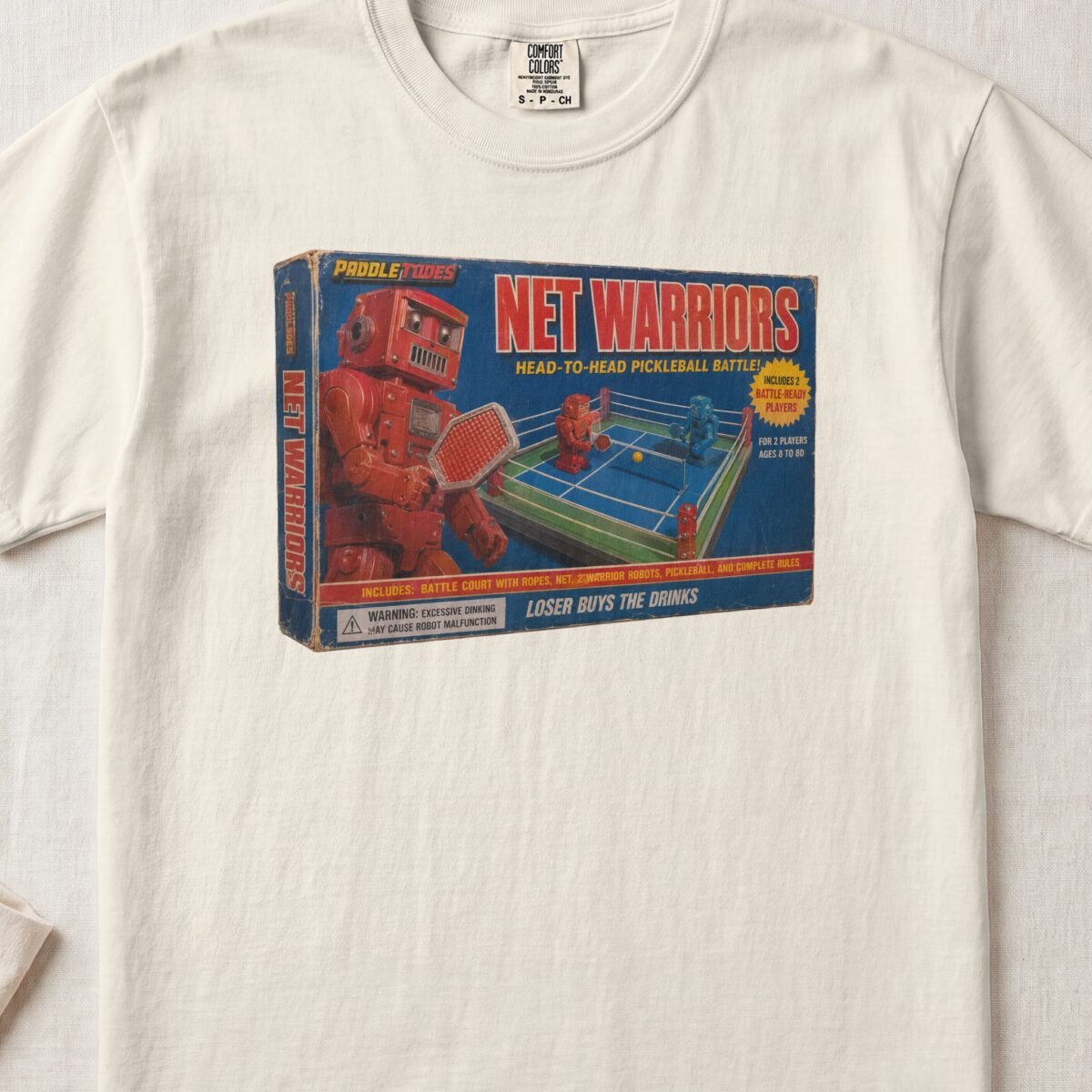
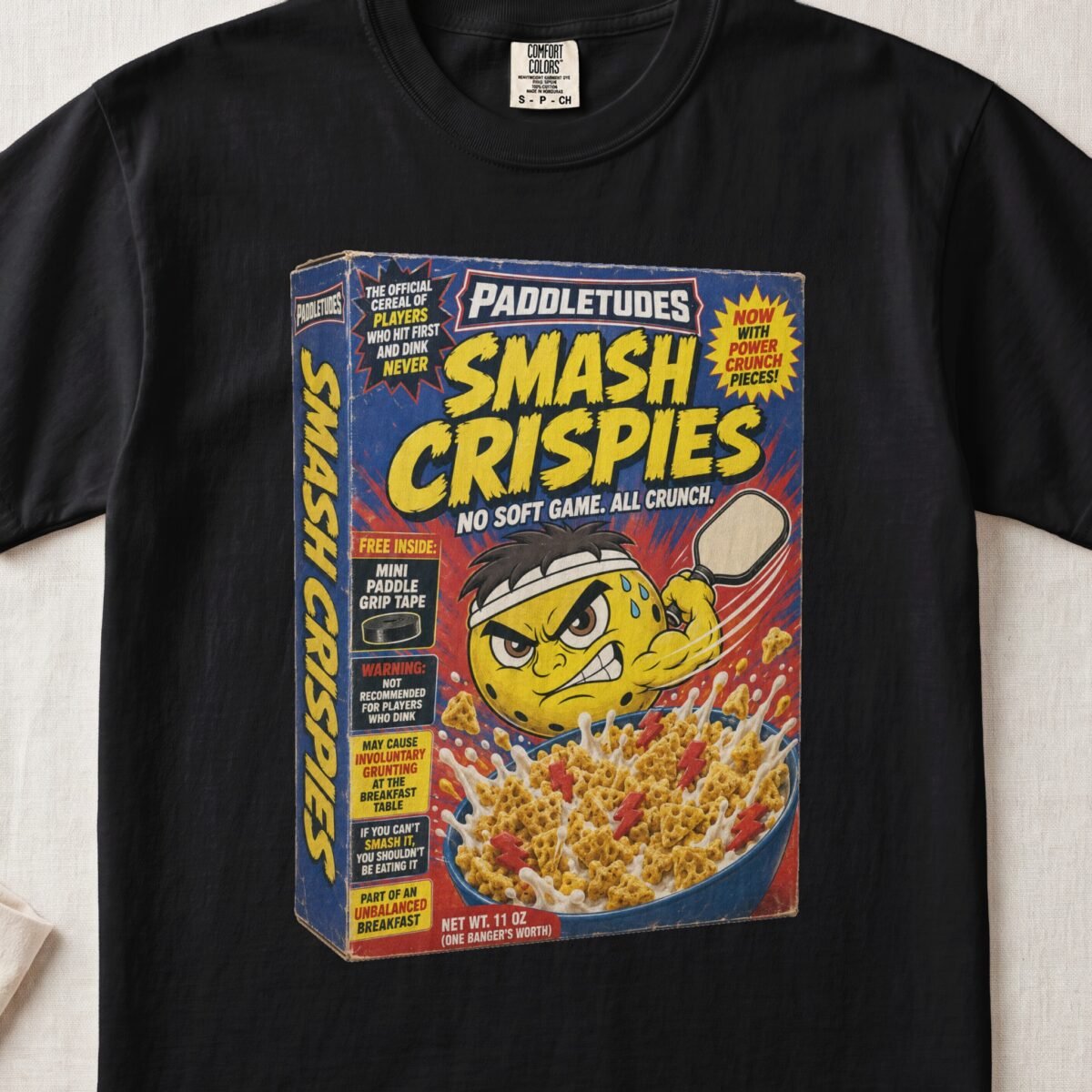
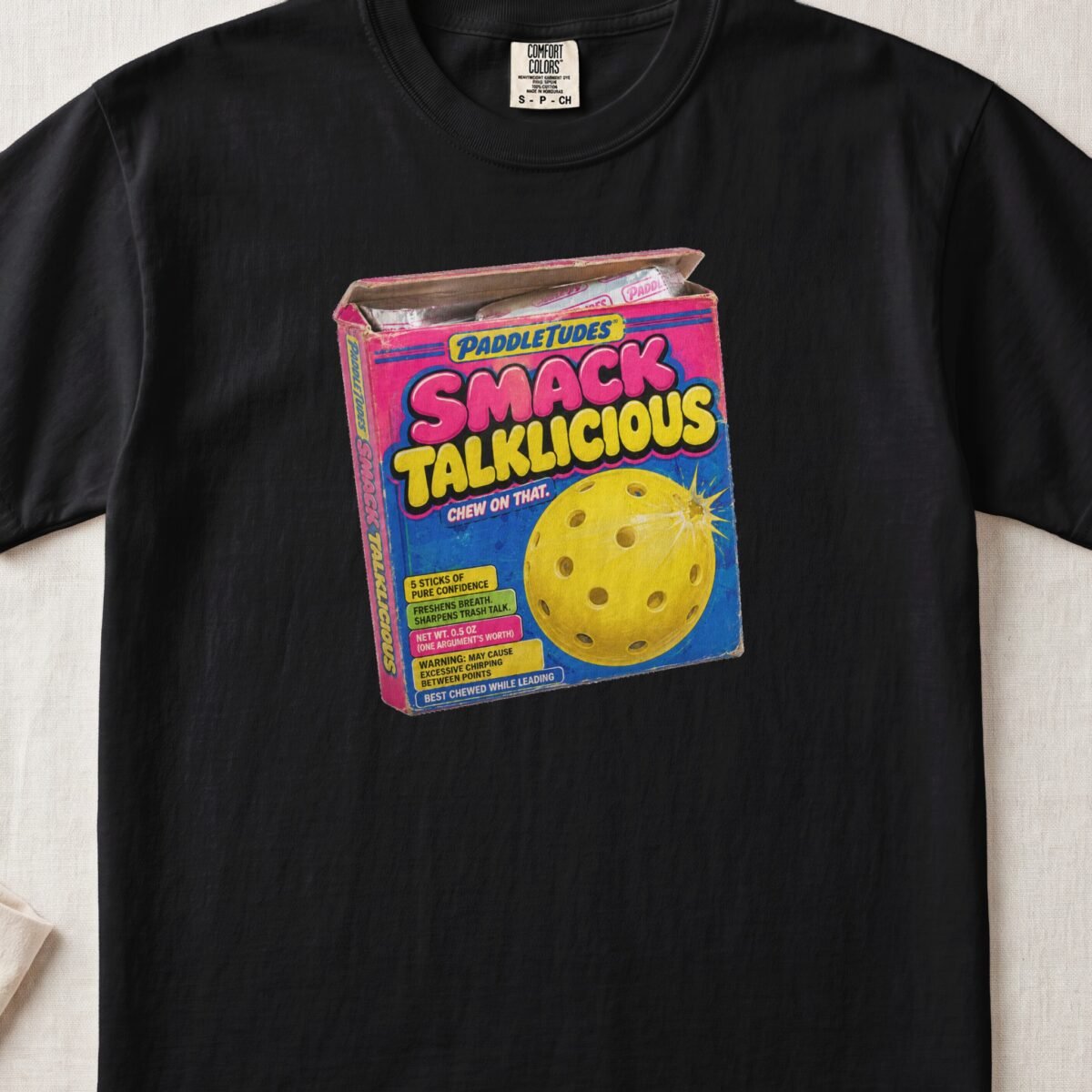
That culture is exactly why I started making pickleball shirts at Almost Seen On TV. The designs aren’t logos. They’re fake products that never existed. Electric Pickleball looks like a vintage energy drink from 1987. Smack Talklicious is a bubblegum pack for the person who talks more trash than they hit winners. Lobber Pops is a frozen treat for the player everyone pretends to hate and secretly respects. Foul Mouth Paste is a toothpaste tube for the player whose language gets worse with every missed third shot drop. They’re printed on Comfort Colors 1717 heavyweight blanks because the shirt should feel as good as the joke lands. Every one of these designs came from standing on a court and watching real people do real things. The Paddletudes Pickleball Personalities series takes it further: The Commissioner, The Coach, The Kitchen Cop, The Apologizer, The Banger. You know these people. You play with them every week. You might be one of them.

The point is that pickleball has developed its own culture fast enough that it already has its own inside jokes, its own archetypes, its own language. And San Diego, with nearly a hundred dedicated courts and a scene that ranges from a community park in Coronado to a 350-seat stadium in Spring Valley, is one of the cities where that culture runs deepest.

San Diego’s Tournament Calendar

The competitive calendar in San Diego runs year-round with a density that most metros outside of Florida can’t match.

When and where are the pickleball Nationals in 2026?

The 2026 Oceanview USA Pickleball National Championships take place at Barnes Tennis Center in San Diego from October 31 through November 8, 2026. Now in its 18th year, this is the sport’s longest-standing National Championship, returning for the second consecutive year. General admission spectator tickets are free. VIP and Championship Court seating presented by QVC are available. Off-site parking near SeaWorld is $10 per day with complimentary shuttle service.

The Coronado Island Marriott hosts APA tour events year-round: San Diego Open, Gold Cup, Amateur Open, Masters. Early-bird registration at $75. Skill levels 2.5 to 5.0, round-robin formatting, six-game guarantee. The Optimist Club of Coronado runs an annual pickleball tournament at Cays Park benefiting youth leadership programs. The NVZ Coronado Classic uses the Cays courts too. Smaller draws, but the ones where the real Coronado community shows up.

If you’ve been following the pickleball scene in other cities, you know Nashville built theirs around entertainment districts. Charlotte built theirs on sheer volume. San Diego’s version is defined by geography and variety. Cays Park in Coronado. Barnes in Point Loma. Bobby Riggs in Encinitas. The HUB in Spring Valley. Four facilities, four completely different vibes, four different communities, all within a 30-mile radius.

I’ve played courts up and down the coast of California. What San Diego has built is different from anywhere else I’ve seen. It’s not one mega-facility trying to be everything. It’s four distinct communities that each grew organically around their own people. Coronado’s scene exists because Tammy Carney showed up with a roll of tape in 2012 and Ken Irvine brought 40 years of community credibility to the coaching staff. Barnes exists because a nonprofit has been serving San Diego kids since 1953. Bobby Riggs exists because Steve and Jennifer Dawson saw what their tennis club could become and had the guts to transform it. The HUB exists because Ted Angelo looked at 50,000 players sharing 80 courts and built 26 more.

If you’re visiting and you only have time for one stop, drive across the Coronado Bridge, book a court at Cays Park for three bucks, and play where Tammy spent a decade taping lines before anyone poured the permanent ones. Then stay for the round robin. Then stay for the pub. That’s how this sport works. You think you’re going for one game.

Posted on — Leave a comment

Charleston Says Sorry After Winning and Means Every Word

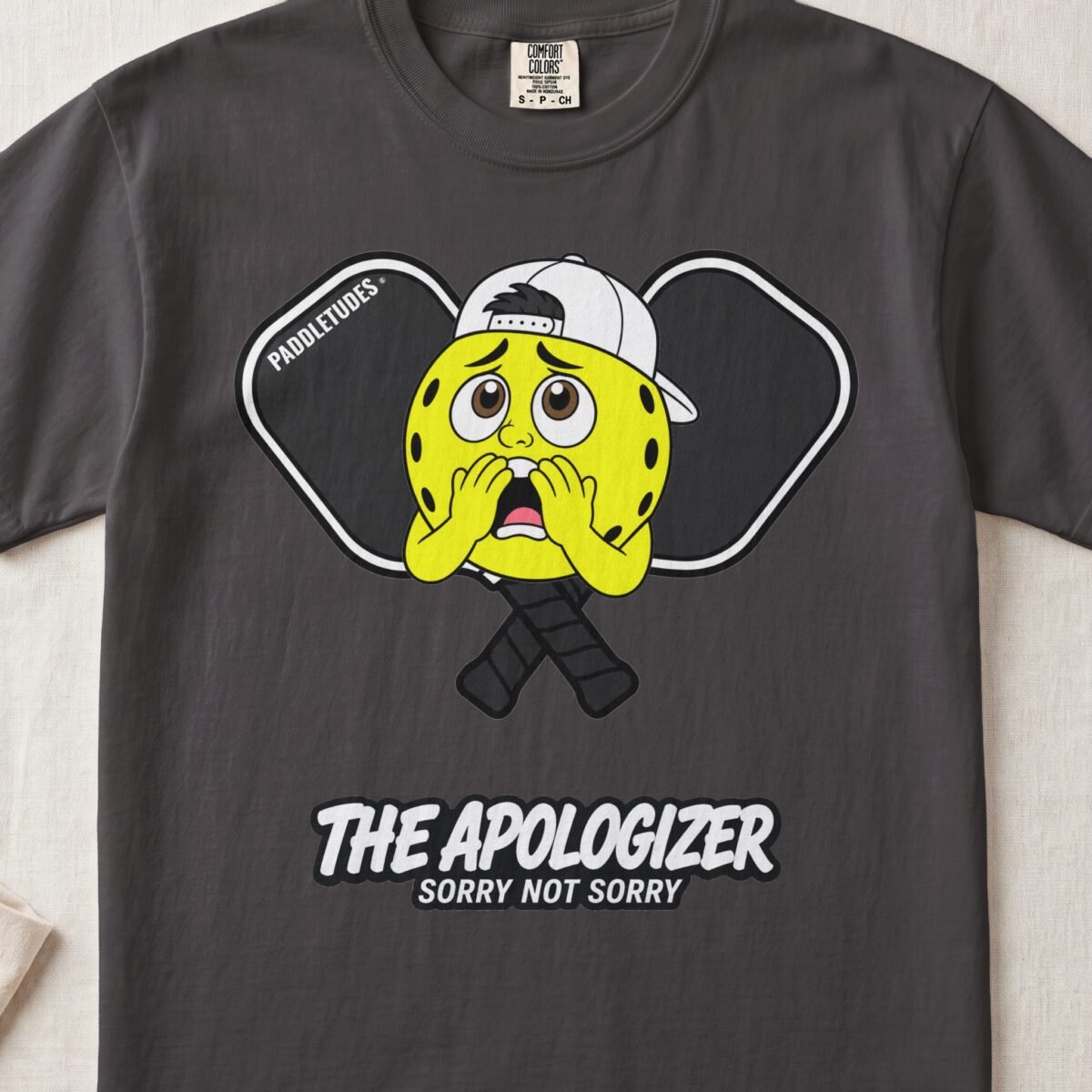
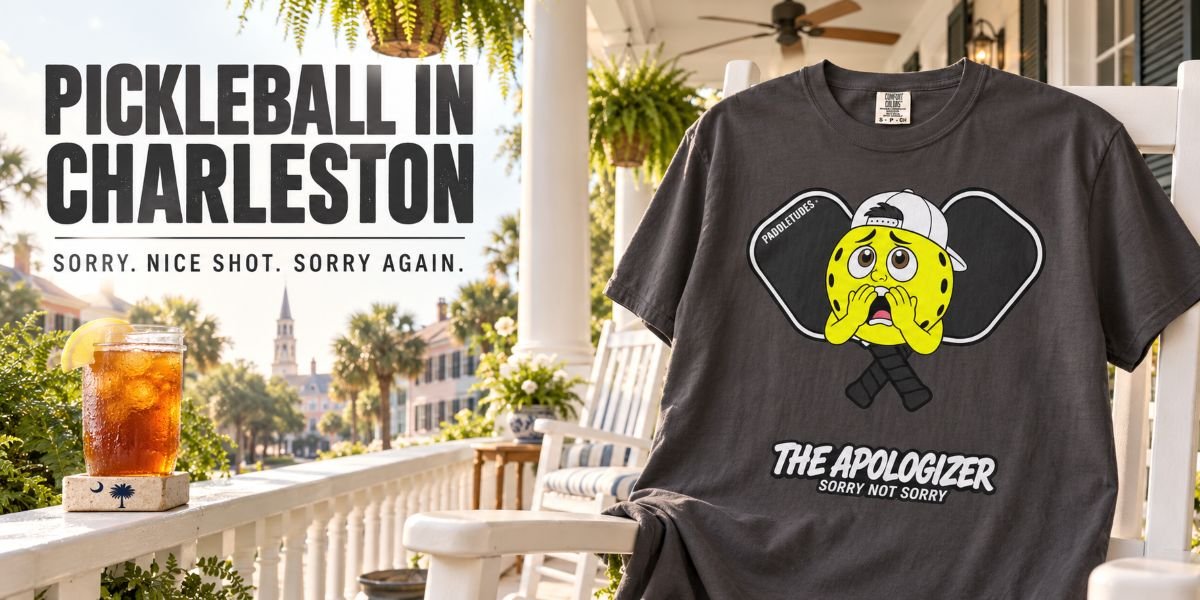
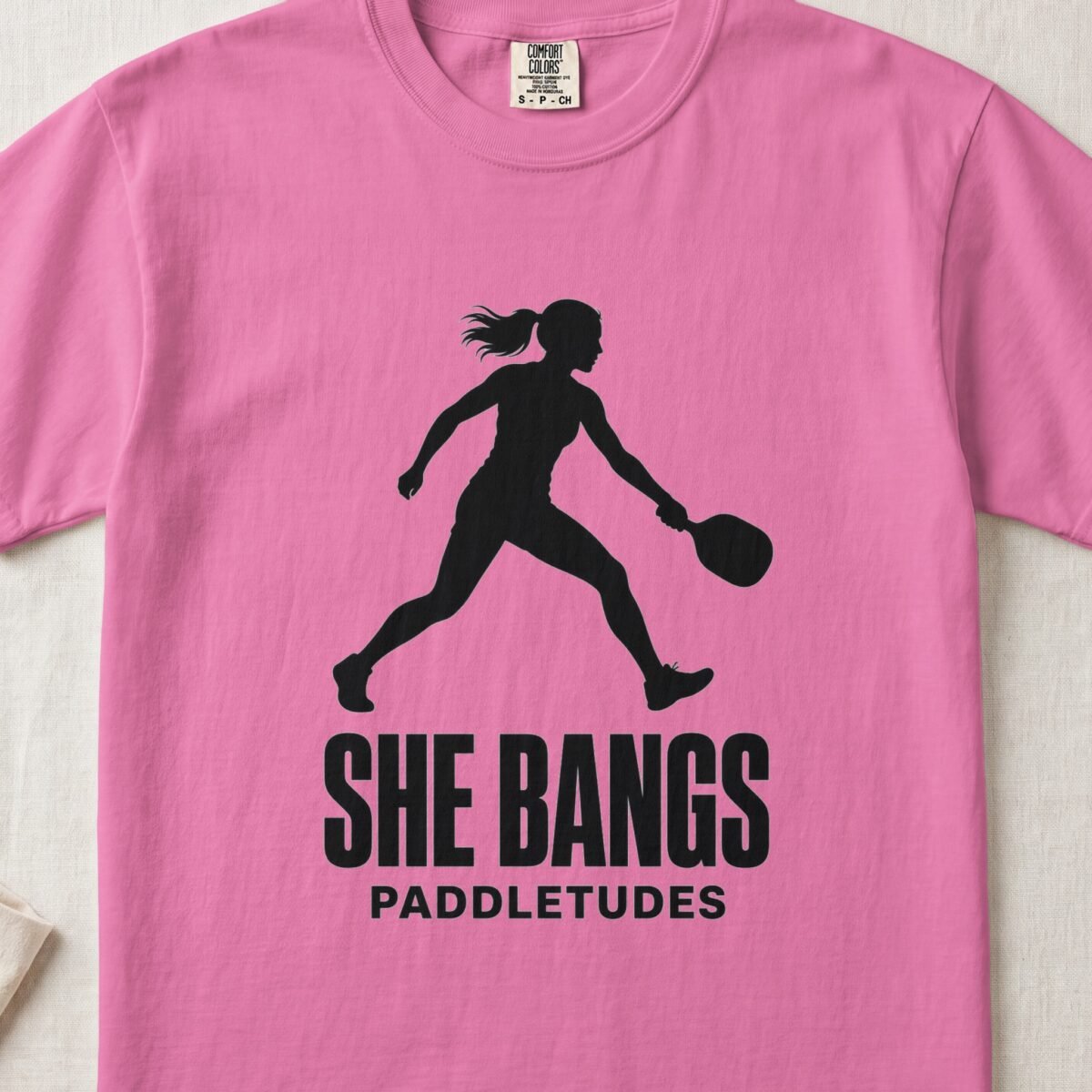
The Apologizer pickleball personality t-shirt by Paddletudes on a Charleston porch with sweet tea and Pickleball in Charleston Sorry Nice Shot Sorry Again text

Pickleball in Charleston has a sound you won’t hear anywhere else. Not the crack of the paddle or the bounce off the court. Those are universal. The sound specific to the Lowcountry is a quiet “sorry” muttered after a winning shot, followed by a tap of paddles, followed by a genuine question about whether everyone is still having a good time. It happens at the outdoor courts at The Pickle Bar in Summerville. It happens during social round-robins at LTP on Daniel Island. It happens under the live oaks at Seabrook Island where the Spanish moss hangs low enough that you could reach up and touch it between points. Charleston plays pickleball the way it does everything else: politely, socially, and with an apology loaded for any situation where someone might have accidentally enjoyed winning too much.

That is not a criticism. It is the reason the scene here works.

Charleston Pickleball Sounds Like a Cocktail Party with Paddles

The Pickle Bar in Summerville sits on 40,000 square feet that someone designed for the specific purpose of making pickleball feel like a night out. Nine outdoor courts, four of them covered. A casual restaurant and sports bar. A game yard. A live music stage. Their tagline is “Eat. Drink. Play. Repeat.” and the order of those words is not accidental. The eating and drinking come first. The playing happens in between. The repeating is what brings people back three times a week until they’ve joined a league and signed up for a tournament and started introducing themselves as pickleball players to strangers at dinner parties.
Court bookings at The Pickle Bar run through a mobile app, and they offer leagues, clinics, open play sessions, and tournaments on a regular calendar. The league registration fills because the format is right for this market: competitive enough to matter, social enough that the post-match conversation lasts longer than the match. They have over 7,000 likes on Facebook, which for a single pickleball facility in a mid-size metro is significant. That number represents something about how Charleston adopts activities. This city doesn’t just participate. It builds community around the participation. The leagues fill. The round-robins draw regulars who greet each other by first name. The fried green tomatoes with pimento cheese and bacon jam get ordered between games, and the conversation at the table is as much about the last rally as it is about someone’s daughter’s graduation or the contractor who’s been putting off their kitchen renovation since February.

Over in Mount Pleasant, Crush Yard fills the indoor gap with what they call “pickleball meets nightlife.” Food, craft drinks, high-energy leagues. Where The Pickle Bar leans into the outdoor Lowcountry social vibe, Crush Yard leans into energy. Friday night league play there has a different volume than Tuesday morning open play at a public park, but the culture is still recognizably Charleston. People are competitive. People also say “nice shot” and mean it.

Where the Lowcountry Actually Plays

The facility that carries the most instructional weight in the Charleston area is LTP Pickleball on Daniel Island. LTP sits on the same campus as Credit One Stadium, home of the Charleston Open tennis tournament, which just became the first standalone WTA 500 event to match its purse to comparable men’s events. That tennis pedigree shows up in how LTP runs its pickleball programs. Professional coaching clinics. Structured social round-robins organized by skill level. Multi-day intensive camps for players who want measurable improvement, not just exercise. The staff treats pickleball development the way a tennis academy treats court time: seriously, with progressions and feedback and drills that have a purpose beyond making you tired. LTP also hosts Pickleball Charleston tournament events, which makes Daniel Island the closest thing the Lowcountry has to a competitive home court.

Seabrook Island Racquet Club has seven courts shaded by live oaks that have been growing longer than the sport has existed. This is where the resort circuit plays. Private community. Ocean breezes. A tight-knit group of regulars who treat morning pickleball like a standing appointment that happens to be the best part of their week. Kiawah Island has eight courts and instruction from staff who understand that the person across the net might have flown in yesterday from Chicago and needs to remember what it feels like to play outside in September without sweating through their shirt. These resort courts serve a demographic that overlaps almost perfectly with the Lowcountry real estate market: affluent, active, recently retired or close to it, and looking for a sport that replaces golf’s social function without requiring four hours and a tee time. Real estate agents in Charleston now list proximity to pickleball courts as a selling feature alongside beach access and school districts.

Where can I play free pickleball in Charleston, South Carolina?

Free pickleball courts in Charleston are managed by the City of Charleston Parks and Recreation department, which maintains multiple locations for indoor and outdoor play across the city at little or no cost. The city’s own website lists locations, hours, and open play schedules. These public courts attract a different crowd than the resort clubs and the eatertainment facilities. Less curated, more drop-in. The regulars at the public courts are the backbone of the scene. They play year-round, they know every crack in the surface, and they’ll invite you into a game before you finish lacing your shoes. If you’re visiting Charleston and want to feel the Apologizer culture at its purest, the free courts are where that hospitality lives without a cover charge.

The Scene That Keeps Growing

Pickleball Charleston has built itself into the connective tissue of the Lowcountry scene. They host tournaments at venues like LTP Daniel Island and The Pickle Bar. They run a Partner Finder Group on Facebook where players connect for events and leagues. Their Facebook presence sits at over 1,200 likes, and the engagement in those comments reads like a neighborhood bulletin board: who’s playing Thursday, who needs a doubles partner for the tournament in two weeks, who just moved to Summerville and wants to know where to start.

The indoor facility gap that Charleston lived with for years is closing. PickleRage opened its first South Carolina location in North Charleston at 5101 Ashley Phosphate Road, marking the franchise’s entry into the state. Indoor courts, climate control, community events, programs for every skill level. The location sits at a high-traffic intersection that sees over 71,000 vehicles a day, which is PickleRage’s way of putting pickleball directly in the path of people who haven’t tried it yet. Summerville and North Charleston are the fastest-growing suburban markets in the Charleston metro, and both are adding courts through their parks and recreation departments. The indoor option matters here more than people outside the Lowcountry realize. Charleston summers are humid in a way that makes outdoor play between noon and 4 PM feel medical. The mornings are playable. The evenings are playable. The middle of the day in July is a decision you make once and then learn from. Indoor facilities with climate control aren’t a luxury in this market. They’re what lets the scene operate twelve months a year instead of eight.

The growth pattern here is different from what you see in a market like DFW, where private capital builds 50-court mega-facilities and franchise chains open five locations at once. Charleston’s growth is more organic. A Facebook group hits 1,800 followers. A restaurant adds courts to its footprint. A resort club hires a second pickleball instructor because the first one’s schedule is booked through the season. The community is pulling the infrastructure forward, not the other way around.

What the Apologizer Says About This City

Every pickleball court in America has player archetypes. The Body Bagger who aims at your chest and grins about it. The coach who can’t stop giving unsolicited advice between points. The banger who treats every shot like a personal vendetta. Charleston has all of those. But the player this city produces in higher concentration than anywhere else is the Apologizer.

The Apologizer says sorry after a net cord that won him the point. He says sorry after an ace. He says sorry when his partner hits a winner, because he feels like the setup shot was a little aggressive and maybe that wasn’t fair. He has apologized to opponents for beating them. He has been told to stop apologizing more times than he has been told to watch the kitchen line. Nothing changes. The apology comes out before the ball lands because somewhere in his wiring, winning a point in a recreational game feels like an imposition on the other person’s morning.

That sounds like a weakness. It is the opposite.

The Apologizer is the most requested doubles partner at every facility in Charleston because underneath the constant sorrys is a person who cares more about the experience everyone is having than he cares about the score. He never trash talks. He never argues a line call. He never makes his partner feel bad about a missed shot. He absorbs mistakes the way the soft-game players absorb pace. When someone has had a rough morning and just needs a partner who’s going to be kind to them for an hour, they look for the Apologizer. He delivers every time, with a side of forty-seven sorrys nobody asked for and everybody secretly finds endearing.

I’ve played with this person. You have too, if you’ve spent any time on courts south of the Mason-Dixon line. What separates the Charleston version from the apologizers in other cities is that the culture here reinforces it instead of trying to coach it out. Nobody at a Lowcountry round-robin is going to tell you to stop being polite. Nobody is going to suggest that your game would improve if you developed a killer instinct. The community rewards the behavior because the community was built by people who genuinely prefer kindness over intensity on a court. That preference is not soft. It is a choice made by adults who already have enough competition in their lives and chose pickleball specifically because it offered something different.

What are some unspoken rules of pickleball etiquette?

The unspoken rules of pickleball etiquette in Charleston include calling the score clearly before every serve, tapping paddles after every game regardless of outcome, acknowledging an opponent’s good shot sincerely rather than performatively, and rotating on and off courts fairly during open play. These rules exist in the national pickleball culture, but Charleston enforces them at a level that visitors from more competitive markets sometimes find startling. At Lowcountry courts, the paddle tap after a game isn’t a formality. It’s a handshake. The “nice shot” after a winner isn’t strategy. It’s manners. And the apology after a net cord isn’t weakness. It’s Charleston.

There’s a court at Seabrook Island where the live oaks form a canopy thick enough that the light comes through in patches. The salt air sits on your skin. The only sounds are paddles, the occasional laugh, and the rustle of Spanish moss when the breeze comes off the water. Someone hits a backhand passing shot that catches the corner, and before the ball stops rolling, the player who hit it is already raising a hand and saying sorry. His opponent laughs. His partner shakes her head. He means it completely. Nobody wants him to stop.

Posted on — Leave a comment

Dallas Has Instant Replay on Its Pickleball Courts and That Tells You Everything

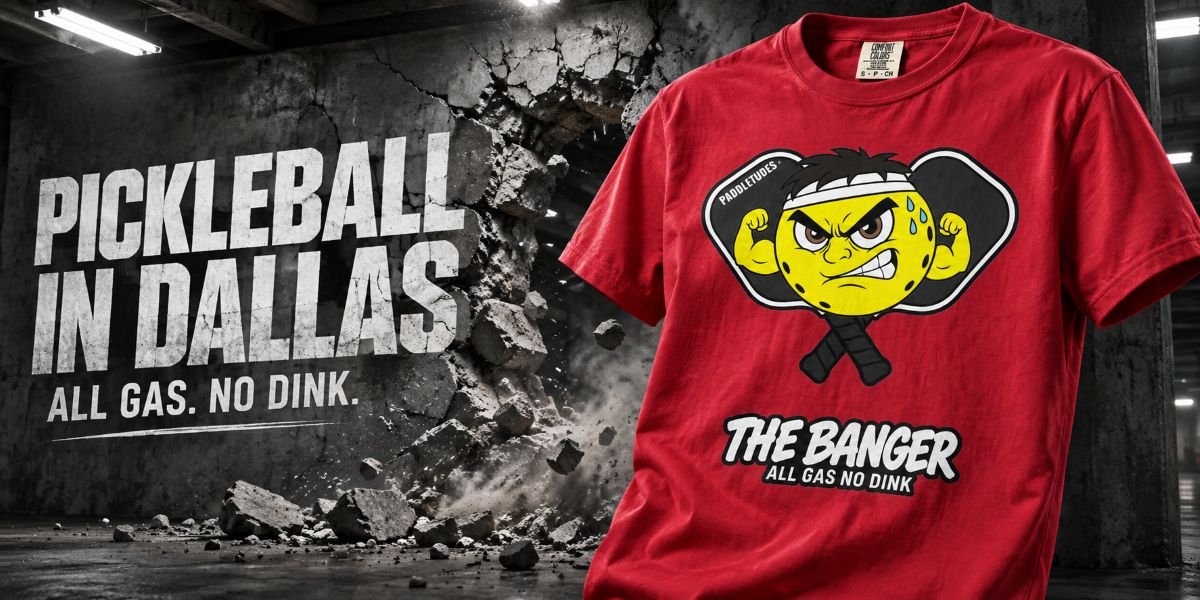
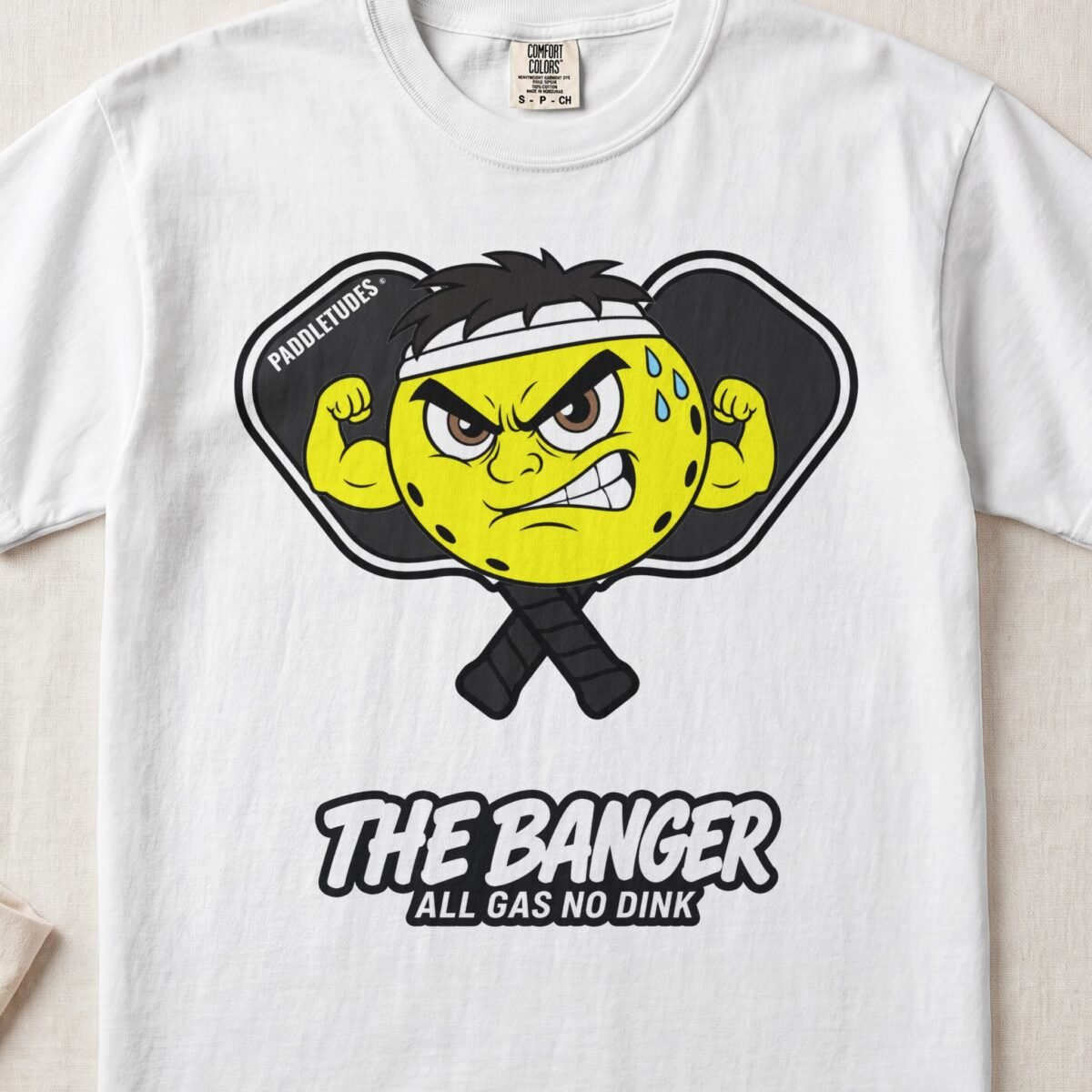
The Banger pickleball personality t-shirt in red by Paddletudes with Pickleball in Dallas All Gas No Dink text

Pickleball in Dallas now comes with instant replay, and that single fact tells you more about this city’s relationship with the sport than any court count or membership number ever could. At Fault, a 40,000-square-foot facility in Farmers Branch, installed PodPlay technology on every indoor court. It captures the last fifteen seconds of action, throws it up on a big screen by the court, and sends the clip straight to an app so you can share it or study it later. A recreational pickleball facility in a DFW suburb looked at what the NFL does and said yes, we need that for our Tuesday night open play.

That’s Dallas.

Other cities are still arguing about whether their parks department should paint pickleball lines on existing tennis courts. Dallas is building 52-court mega-facilities with stadium seating, hosting Major League Pickleball events at a 26-court indoor complex in Carrollton, and handing rec players the ability to watch their own forehand drives on a four-panel jumbotron while eating a scratch-made hot honey chicken sandwich from a chef who built Whiskey Cake and Haywire. The gap between what Dallas is doing with pickleball and what most American cities are doing with pickleball is not closing. It is getting wider by the month.

Dallas Pickleball Built a Facility with Instant Replay

At Fault opened in December 2024 at 2330 Jett Street in Farmers Branch, and it won Best of Dallas 2025 for pickleball within its first year. Nine courts total. Five indoor, four outdoor. The indoor courts have the replay tech, digital scoreboards, and that jumbotron hanging from the center that is one of the largest in the DFW area outside of an actual arena. The outdoor courts run $30 an hour during peak and $25 off-peak. Indoor is $40 peak, $35 off-peak. No membership required. Walk in, rent a court, play.

But the courts are only part of what makes this place work. Soundproof glass separates the dining room from the indoor courts, which means the restaurant seats 150 people who can watch games without hearing the constant crack of paddle on polymer. Chef John Franke runs the kitchen. His resume reads like a tour of the best casual dining in North Texas: Haywire, Whiskey Cake, Ida Claire, Sixty Vines. Everything on the menu is under $20 and made from scratch. Two full bars. An outdoor patio. Twenty-five-plus arcade and bar games including darts, pool, bocce, and air hockey for the people in your group who don’t play pickleball and need something to do while you’re arguing about a line call.

The design leans retro. WORKSHOP|studio did the interiors, inspired by the 1960s. Brass accents, checkered patterns, custom murals by local artist Alli K Design. Co-founder Bo Oh calls it “old-school club meets best-in-class technology,” and that’s not wrong. The aesthetic feels like a sports bar that actually cares about sports and also cares about what the food tastes like, which is rarer than it should be in the eatertainment world.

At Fault runs competitive leagues, beginner clinics called Pickleball 101, and a weekly event called Double Fault Fridays that is exactly as intense as it sounds. They also host fundraising tournaments for organizations like Big Brothers Big Sisters and the Susan G. Komen Foundation, and they’ve built a turn-key program where nonprofits sell sponsorships and fill teams while At Fault handles everything else. The facility is planning at least three more DFW locations in the next two years.

The player who belongs here is the one who hits a full-swing drive and wants to see it again. Immediately. From two angles. The Banger personality type exists at every court in America, but Dallas built the facility that rewards him. He can watch his own overhead on a screen the size of a compact car and then walk thirty feet to a bar stool and order a cocktail. No other city in the country has built this specific experience for recreational pickleball.

Fifty-Two Courts in Rockwall and the Metroplex Keeps Building

The scale of pickleball infrastructure in the DFW area is genuinely difficult to overstate. Oasis Pickleball Club in Rockwall has 52 total courts. Forty-two outdoor, eight covered, two championship stadium courts. Memberships start at $65 a month for seniors 65 and older and go up to $140 for families. Non-member drop-in is $20 per visit or $120 for a ten-visit punch card. They give a ten percent discount to military and first responders. It is the largest pickleball facility in Texas and one of the largest in the country.

Pickler Universe in Carrollton runs 26 indoor courts across more than 111,000 square feet and is expanding. CEO Joe Brayton’s vision is a “country club experience for pickleball.” The flagship location near DFW Airport will bring the total to 49 premium indoor courts across the metroplex. Pro coaching, video-recorded play, organized leagues, sanctioned tournaments, locker rooms, pro shop, dining. This is the facility Major League Pickleball chose for both its 2026 regular season opener and its August playoffs.

Where can I play indoor pickleball in Dallas?

Indoor pickleball in Dallas has exploded since 2024, with more dedicated indoor facilities opening across the metroplex than in any other US metro during that period. Preston Playhouse on Preston Road offers nine indoor pickleball courts plus two indoor padel courts, making it one of the few DFW facilities with both sports under one roof. Pickleball Kingdom in Plano reopened under new franchise leadership with 15 indoor courts and is adding a location near the Galleria. The Picklr operates five-plus DFW locations with plans for 15 cities, offering memberships from $99 a month that work at any location nationwide. DFW Indoor Pickleball in Farmers Branch takes the opposite approach from the eatertainment venues: pure courts, no restaurant, no frills, focused entirely on play. For the player who wants nothing between them and the game, that’s the spot.

Dallas Hosts Major League Pickleball Twice in One Season

Major League Pickleball held its 2026 regular season opener at Pickler Universe over Memorial Day weekend, May 22 through 25. The Dallas Flash hosted twelve teams across Challenger and Premier tiers, with matches broadcast on Pickleballtv. Then MLP came back. The 2026 Playoffs ran August 7 through 9 at the same venue, with the league’s top twelve seeds battling for a spot in the quarterfinals. Dallas is the only city MLP visited twice in one season.

That’s not an accident. The city’s competitive infrastructure supports it. The Dallas Classic 2026 at The Grove features DUPR-rated brackets with pool play feeding into single elimination. Every player links their DUPR account, match results get reported automatically, and the tournament directors actively police sandbagging. At Fault runs league nights that range from beginner social play to tournament-ready competition. Chicken N Pickle in Grand Prairie and the newer Allen location add more tournament and league options across the suburbs.

The competitive energy in DFW pickleball is real. It’s not the polite, rotation-focused, everyone-gets-a-turn culture you find in some cities. Open play at the serious indoor facilities is organized by skill level, and the 4.0-plus courts move fast. People are tracking their DUPR ratings. People are entering sanctioned tournaments. People are wearing headbands with intent.

What does “banger” mean in pickleball?

A banger in pickleball is the player who hits hard on nearly every shot, preferring power drives and aggressive swings over soft-touch dinking and patient kitchen-line rallies. The banger’s strategy is straightforward: hit the ball fast enough that the opponent can’t handle the pace, and keep hitting until the point ends. Most coaching advice says to add a soft game. Most bangers have heard that advice and respectfully declined. At Dallas facilities like At Fault, where the replay system lets a player watch their hardest drive again on a screen, the banger isn’t just tolerated. He’s the target customer.

The maddening thing about bangers at the rec level is how often the approach works. Most recreational players haven’t developed the wall-style reset that neutralizes hard drives. They block and hope instead of absorbing and redirecting. The banger exploits that gap, and the gap is wide enough at most open play sessions that he has no reason to change. At the pro level, Tyson McGuffin proved that controlled power is a legitimate strategic lane. The banger at your local courts isn’t McGuffin. But the sound is the same.

The Free Courts That Keep the Scene Honest

Not everything in Dallas pickleball costs $40 an hour. Fretz Park in North Dallas has dedicated courts and enough regulars that walk-on play happens most weekends. Kiest Park in Oak Cliff draws a quieter morning crowd. Reverchon Park near Uptown puts courts within walking distance of the city core. Samuell Grand Tennis Center near White Rock Lake runs structured intro clinics for people who’ve never held a paddle.

Dallas Pickleball Club is a community-organized group that connects players across the metroplex, organizing open play sessions and events at public facilities. These are the people who keep the grassroots scene alive while the multi-million-dollar complexes get the magazine features. A significant portion of DFW’s pickleball community plays at free or near-free public courts, and the culture at those courts is less polished but no less competitive. The banger personality type doesn’t require instant replay to thrive. He just needs a net and someone willing to stand on the other side of it.

Where the Court Meets the Menu

DFW’s pickleball boom is inseparable from its food and drink culture. Sandy Pickle at The Village Dallas combines six pickleball courts with six sand volleyball courts and a retro-themed bar scene that leans into pickle-themed cocktails and an energetic patio. The vibe is less serious competition, more Saturday afternoon with friends where someone eventually picks up a paddle. Chicken N Pickle now has three Texas locations. Grand Prairie and the newer Allen outpost both run indoor and outdoor courts alongside chef-driven restaurants, rooftop bars, and yard games. The Allen location opened at The Farm development near SH-121 with eight courts, two levels of dining, and a beer garden. Courtside Kitchen in Fort Worth was the city’s first restaurant-and-pickleball facility, with nine courts and court-friendly pitcher specials.

This matters for the culture because it changes who shows up. The eatertainment model brings people who weren’t looking for pickleball. They came for dinner, saw the courts through the soundproof glass, and now they play twice a week. The pickleball apparel culture in DFW reflects this mix. You see dedicated players in full court gear at Oasis at 6:45 AM, and you see groups in sundresses and button-downs playing a casual game at Sandy Pickle at 4 PM with a margarita pitcher on the bench. Both are real. Both are Dallas.

DFW is not slowing down. At Fault plans three more locations across the metroplex. Pickleball Kingdom is expanding to the Galleria corridor. The Picklr is targeting 15 DFW cities with its franchise model. Pickler Universe is building toward 49 courts, and Major League Pickleball keeps coming back because Dallas fills seats and the facility can handle it. Two years from now, someone will write an article about where to play pickleball in Dallas, and half the facilities in it won’t exist yet today. The city builds at the speed it plays: all gas, no waiting for anyone to catch up.

Posted on — Leave a comment

The Pickleball Move Nobody Teaches You and Tampa Bay’s Courts Where Everyone Knows It

Split Step Or Die pickleball footwork shirt on cracked outdoor court with paddle and water bottle — pickleball in Tampa Bay Florida

Tampa Pickleball Started in an Ybor City Warehouse

The split step is the thing nobody teaches you and everybody who gets good eventually figures out. It is a small hop, both feet landing shoulder-width apart, timed to the exact moment your opponent makes contact with the ball. Done right, it puts you in a neutral athletic position that lets you move in any direction. Done wrong, or not done at all, you are flat-footed when the ball arrives and you are reaching instead of moving.

Every competitive pickleball player in Tampa Bay knows the difference. The person who does not split step is the one lunging sideways with their weight on their heels, looking like they just remembered they left the oven on.

Tampa Bay’s pickleball scene runs from the Ybor City warehouse district to the Warehouse Arts District in St. Petersburg, and it holds both ends of the skill spectrum in one metro area. Casual players who just discovered the sport and competitive players who drill footwork patterns before their morning coffee. The infrastructure built over the last two years reflects that range.

Ybor City Has Eighteen Courts and a Speed Dating Night

Tampa Pickleball Crew operates out of a 28,000-square-foot warehouse at 1701 East 2nd Avenue in Ybor City. Eighteen courts. Open-air but covered, which matters in Florida where a 2 PM thunderstorm can shut down outdoor play in ninety seconds. The facility was founded by Susan Forsyth, Jen Plummer, Dene Williamson, and Kayla Goldman, four women who understood that Tampa’s problem was not demand but access. Courts were packed. Wait times were long. Indoor options barely existed. They fixed it by taking a warehouse in the Gas Worx development and turning it into Tampa’s first dedicated indoor pickleball facility.

Court rental runs $40 an hour on weekday evenings and weekends, $30 before 4 PM on weekdays. Drop-in scramble sessions cost $14. The programming is structured by skill level and gender: women’s low intermediate on Monday mornings, women’s high intermediate on Tuesdays and Friday evenings, advanced on Thursday mornings at 8 AM, beginner on Saturday at 10, intermediate on Sunday afternoon. Coach-led Drill and Play sessions run $30 for an hour of targeted work on returns, serves, target placement, and, yes, footwork.

They also run a pickleball speed dating event. Love at first dink. That is not a sentence I expected to write about a warehouse in Ybor City, but Tampa does things its own way.

St. Pete Athletic Looks Like a Country Club That Happens to Have Pickleball

Across the bay, St. Pete Athletic Paddle and Social Club opened in January 2026 inside The Factory, a 90,000-square-foot arts and culture campus in the Warehouse Arts District at 680 28th Street South. The club itself takes up around 50,000 square feet and holds 14 indoor pickleball courts, 2 padel courts, and 6 table tennis tables. It is the only facility in Florida that houses all three paddle sports under one roof.

The founding team reads like a local power move. Graham D’Amico co-owns the MLP Florida Smash. Nathan Stonecipher co-founded Green Bench Brewing, one of St. Pete’s most recognized craft breweries. Jarrett Sabatini runs Intermezzo and Bar Mezzo. Reuben Pressman brought the vision together. The result is a facility that half its members joined without any intention of playing pickleball. They came for the restaurant, the cocktail bar, the coffee bar, the coworking space, the sauna, the cold plunge, the gym, the member lounge, and the garden.

The courts were a bonus.

Individual memberships are $250 a month. Couples pay $450. Families, $600. The membership cap is 800 and it is currently waitlisted. Day passes for non-members run $25 on weekdays, $40 on weekends. Court shoes are required. The dress code is not posted on a sign. It is communicated through the decor, which borrows heavily from the Soho House playbook: clean lines, warm lighting, the unspoken suggestion that you should look like you belong here.

Rose’s, the in-house restaurant, serves an all-day menu from 11 AM to 10 PM with a cocktail bar open until midnight. Green Bench Brewing has a dedicated concept inside the facility. You can show up at 7 AM for coffee and coworking, play three hours of pickleball in the middle of the day, eat a prime burger at Rose’s, and close out the evening at the bar, all without leaving the building. Pressman described half his members as people who joined specifically for the social side, not the athletics. That is the model.

The SPA Classic tournament carries a $10,000 prize purse across 36 divisions. St. Pete Athletic also runs Pickleball On The Pier at the St. Petersburg Pier, where anyone can drop in for $5 and rent equipment for another $5. No membership required. Courts open 10 AM to 7 PM weekdays, 8 AM to 9 PM weekends. That is the entry point for people who want to try the sport before committing to a $250 monthly membership across the bridge.

The Rest of Tampa Bay’s Court Map

Dill Dinkers in St. Petersburg runs 10 indoor CushionX courts on 34th Street North. National franchise with a joint-friendly surface, membership that works at all locations nationwide, individual court fencing between each court, and a pro shop powered by Pickleball Central. CushionX is the surface that competitive players with knee issues seek out because it absorbs impact in a way that hard concrete courts do not.

When you are split stepping forty times a game, the surface under your feet matters more than the paddle in your hand.

The Pickleball Academy in Oldsmar, founded by brothers Kennedy and Ben Klaus under the TBPB brand, takes a different approach. Indoor, air-conditioned, professional acrylic courts. Structured skill-based play. They started in Tampa Bay and expanded across the Southeast to Lakeland, Savannah, Atlanta, and Greenville. The instruction philosophy is curriculum-driven: you come in at your current level, work through a progression, and leave measurably better. Lessons, classes, leagues, tournaments, private events. For someone who wants to go from a 3.0 to a 3.5, this is where the transition zone work happens.

Tampa’s public park system also runs pickleball programming across the city, with outdoor courts at multiple recreation centers. For outdoor play in the Tampa heat, early mornings are the window. By 10 AM in July, the court surface is hot enough to feel through your shoes.

What the Split Step Actually Does

What is a split step in pickleball?

A split step in pickleball is a small hop timed to the moment your opponent makes contact with the ball, landing on both feet shoulder-width apart in a neutral athletic position. It loads your body to move laterally in any direction. The technique comes from tennis, badminton, and volleyball, and it is the single most important footwork habit that separates intermediate players from competitive ones.

The split step exists because pickleball is a reaction sport. You do not know where the ball is going until your opponent hits it. If you are standing still when that happens, your first movement is a weight shift, then a step, then a push. That takes time. If you are mid-hop and landing on the balls of your feet at the moment of contact, your body is already loaded to move. The time savings is fractions of a second, but fractions of a second at the kitchen line are the difference between a clean volley and a ball that gets past you.

Tennis players have done it for decades. Badminton players. Volleyball players. Any sport where you need to react laterally to an incoming shot uses some version of this movement. Pickleball adopted it as the transition zone became the most important part of the court, that stretch of no-man’s-land between the baseline and the kitchen line where points are won and lost by whoever gets their feet right.

What is the difference between a 3.0 and a 4.0 pickleball player?

The footwork gap between a 3.0 and a 4.0 player is not about speed. It is about preparation. A 3.0 player reacts after the ball is hit. A 4.0 player prepares before the ball is hit. That preparation is the split step. At the competitive end of Tampa Bay’s scene, from the tournament courts at St. Pete Athletic to the advanced Thursday morning sessions in Ybor City, everyone does it.

Every facility in Tampa Bay, from the $14 drop-in scramble at Tampa Pickleball Crew to the $250-a-month membership at St. Pete Athletic, has players who do this unconsciously. They land, they read, they move. The hop is so small you might not see it from the sideline. But it is there. And it is the reason that player just got to a ball you thought was unreachable, turned it into a reset, and walked calmly to the kitchen line while you were still wondering what happened.

Nobody teaches it first. You learn the rules, you learn the serve, you learn the kitchen line, you learn to dink. Somewhere around the 3.5 level, someone tells you about the split step, or you watch a 4.5 player and notice they never seem to be in the wrong spot.

That is the moment the game changes.

Tampa Bay is adding courts faster than most metros can fill them, and filling them faster than most metros can add them. The Pickleball Academy just expanded to its fifth Southeast location. St. Pete Athletic hit its membership cap within months of opening. Tampa Pickleball Crew’s Thursday morning advanced session runs a waitlist. The demand side of this market is not slowing down, and the supply side is still building. Whatever Tampa Bay’s pickleball scene looks like in two years, it will not look like this. It will be bigger, more competitive, and full of people who split step without thinking about it.

Posted on — Leave a comment

What to Wear to Pickleball When the World’s First Pickleball Stadium Is Watching

My First Pickleball Outfit blister pack shirt with pink wall and court fashion clothing rack — pickleball in Fort Lauderdale Florida

Fort Lauderdale Pickleball Lives at a 43-Court Campus in Snyder Park

The woman walking into The Fort in Fort Lauderdale at 8 AM on a Wednesday is wearing a coordinated skirt-and-top set in teal, court shoes that match, a visor with her club logo embroidered on it, and sunglasses pushed up on her head like she might need them later or might just like how they look there. Her paddle bag has a shoulder strap. Her water bottle has a sticker on it. She is not here to be casual about any of this.

Pickleball fashion in South Florida is real. It is not ironic. It is not accidental. It is very popular on Google, which tells you that a meaningful number of people are searching for what to wear to pickleball with the same intensity they bring to the actual sport. Fort Lauderdale sits at the center of that conversation because The Fort is not just the largest pickleball facility in Broward County. It is the headquarters of the Association of Pickleball Players, the home of the world’s first dedicated pickleball stadium, and a place where 650 members show up regularly enough that what you wear on court has become part of the culture.

The Fort Is Not a Pickleball Club. It Is a Campus.

Forty-three courts. Fourteen of them covered and weatherproof. A 10-acre complex inside the 93-acre Snyder Park, adjacent to the Fort Lauderdale-Hollywood International Airport. A $30 million build with 20,000 square feet of solar panels, a lakeside restaurant run by a Top Chef alumni, a pro shop with an outdoor bar, locker rooms, a recovery center, a 4,000-square-foot event space, and Advanced Playsight technology on the courts for live-streaming and coaching analysis.

That is a lot of infrastructure for a sport that started on someone’s driveway.

The Fort was co-founded by Brad Tuckman and Rich Campillo. Tuckman described the vision as wanting to build “the Cheers of pickleball,” a place where everyone is recognized and nobody feels out of place. The APP moved its official headquarters and training facility here, making it the first pro pickleball organization to have a permanent physical home. The APP Next Gen National Team trains on these courts. The Humana APP Fort Lauderdale Open was among the first major tournaments hosted here.

The Fourth-Largest Pickleball Market Built This

Miami-Fort Lauderdale is the fourth-largest pickleball market in the country. Twenty percent of Florida’s entire pickleball-playing population lives in this metro area. The Fort was built for that demand. Free introductory clinics. Paddle rentals. A skill-rating system that sorts players so a 2.5 and a 4.5 are not on the same court wondering how they got there.

Beyond the courts: bocce, beach tennis, kayaking, live music events. The complex is designed as a full-day destination, not a drop-in-and-leave facility.

When a facility this visible, this well-funded, and this connected to pro-level play exists in your city, the culture around it tightens. People start caring about details they did not care about at the public park. What shoes are acceptable. What fabric breathes in 90-degree humidity. Whether your outfit coordinates or just coexists. The Fort did not create pickleball fashion in South Florida. But it gave it a stage.

Court Shoes Are the Only Non-Negotiable

Running shoes are not designed for lateral movement, and pickleball is almost entirely lateral movement. The soles on a running shoe are built for forward momentum. The sole on a court shoe is built for stopping and changing direction, which is what you do forty times in a fifteen-minute game. Wearing running shoes on a pickleball court is how rolled ankles happen. Every serious facility, The Fort included, either requires or strongly recommends proper court shoes. Some will not let you play without them.

After that, it opens up.

What should I wear to play pickleball?

Wear court shoes with lateral support, moisture-wicking fabrics that handle heat and humidity, and clothing that allows a full range of motion for lunges, volleys, and overhead shots. Sun protection matters in outdoor play. Beyond the basics, wear whatever makes you feel ready to compete. The person who invested ten minutes choosing their outfit usually invested ten minutes warming up, too.

What the Matching Teal Set Actually Means

Women’s pickleball fashion has become its own market segment. Skorts are the dominant choice at clubs from South Florida to Scottsdale, and the reason is functional: the skirt allows airflow in heat, the built-in shorts underneath provide coverage during lunges and low volleys. Major athletic brands have launched pickleball-specific apparel lines in the last two years. Moisture-wicking fabrics. UV protection built into the weave. Pockets engineered for a ball, not a phone.

The color coordination is not vanity. It is brand identity for a sport where looking like you belong signals that you take it seriously enough to invest in the details.

Men’s fashion on the pickleball court is simpler but not absent. Performance shorts with stretch panels, fitted athletic tops in technical fabrics, visors or baseball caps with club or brand logos. The guy in cotton basketball shorts and a concert tee from 2014 is not breaking any rules, but he is also not getting invited to the league team photo.

Fort Lauderdale accelerates all of this because the climate demands it. You cannot play in heavy cotton in South Florida humidity without being drenched by the third game. Technical fabrics are not a luxury here. They are survival. The premium heavyweight tees that work beautifully off the court are for after, at the lakeside restaurant, with a drink, when you are telling someone about the shot you hit in the third game that you will be thinking about for the rest of the week.

The Stadium Where People Come to Watch

The world’s first dedicated pickleball stadium sits inside The Fort’s complex. It is not a converted tennis venue or a repurposed gym with bleachers pushed against the walls. It was designed and built specifically for pickleball, with sightlines for spectators, broadcast infrastructure for streaming, and a court surface that matches tournament specifications. When the APP hosts events here, the stadium fills.

People come to watch. And watching changes everything.

When there is an audience, even a small one, players become more aware of how they present themselves. Not in a shallow way. In the way that a musician cares about their stage presence or a chef cares about plating. The sport is visual. The court is small enough that spectators can see everything. Your movement, your paddle technique, your reaction to a bad call, and yes, your outfit. Fort Lauderdale’s pickleball scene has internalized this faster than most because the stadium makes the sport a spectator experience, not just a participant one.

A shirt that looks like a vintage toy package with a doll in pickleball attire, complete with paddle, visor, court shoes, and three changeable outfits, gets the joke because the joke is also the truth. “How you look matters as much as how you play.” “Ages 21+.” “Warning: may cause overdressing for recreational play.” That lands at The Fort because the people there have been there. They showed up to their first open play in the wrong shoes, realized everyone else had matching outfits, went home, and opened their browser to figure out what they were supposed to be wearing. Thousands of people a month do exactly that.

The Fort sits on ten acres of a 93-acre park, with a $30 million stadium and an APP headquarters and 43 courts and a lakeside restaurant. But the moment that captures the culture is smaller than all of that. It is the woman in the matching teal set at 8 AM on a Wednesday, paddle bag over her shoulder, visor on, ready. She did not dress for the court. She dressed for the day. The court is just where it starts.

Posted on — Leave a comment

Pickleball in New York Runs Until 2 AM Because Nobody Here Knows When to Stop

Picklefellas retro VHS pickleball shirt on dark New York City street at night — pickleball in New York

New York City Pickleball Took Over the Paramount Building

Pickleball in New York City has roughly forty venues across the five boroughs, a 37,000-square-foot flagship club inside the building where Paramount Studios once screened pictures, and at least one facility that stays open until 2 AM on a Tuesday. The sport arrived here the same way everything arrives here. Fast, loud, and with opinions about who has next.

CityPickle planted a court in the middle of Times Square in August and turned the New Year’s Eve Ball into a giant pickleball. Gotham Pickleball runs from 5 AM to 2 AM in Long Island City and is opening a second location before the year is out. PKLYN put five courts and an Alidoro sandwich counter inside a Gowanus warehouse with 23-foot ceilings and skylights. Pier 2 at Brooklyn Bridge Park has covered courts with the Manhattan skyline behind the baseline, free to anyone who shows up with a paddle and the patience to wait their turn.

None of this existed three years ago.

The Paramount Building Gets a New Act

CityPickle’s Times Square flagship opened in February 2026 inside the Paramount Building at 1501 Broadway, between 43rd and 44th. Seven courts on the eighth floor. Full-service bar and restaurant run by Kim Russen, whose résumé includes TAO Group. Private shower suites. Co-working phone booths. The Paramount Building originally housed Paramount Studios in 1926, and CityPickle leaned into the showbiz heritage, preserving exposed brick and the building’s rare column-free construction while adding dark green tones, leather, felt, and rift-cut oak.

It feels less like a recreation center and more like someone built a members’ club where the membership requirement is a decent third shot drop.

Only 120 memberships were offered in 2026. Open play runs $5. Clinics are $20. The two-minute walk from the Times Square-42nd Street station puts every subway line in the system within reach, which means the competitive pool draws from every borough. CityPickle was co-founded by Mary Cannon and Erica Desai, and they’ve been systematically claiming iconic New York real estate for pickleball since their first seasonal pop-up at Hudson Yards. Their Long Island City club was the city’s first indoor pickleball venue with a full restaurant and bar, one subway stop from Midtown on the 7 train.

Then came the Wollman Rink deal. CityPickle signed a 20-year agreement to operate Central Park’s iconic rink during non-ice-skating seasons. Fourteen courts. In Central Park. For the next two decades.

That’s not a pop-up. That’s a real estate play disguised as a sport, which is the most New York sentence you can write about pickleball.

In late August, CityPicklePalooza took over Times Square Plaza for five days of free play, professional exhibitions from Major League Pickleball athletes, and brand activations from Prince, Rhone, and K-Swiss. One Times Square transformed its New Year’s Eve Ball into a giant pickleball for the event. The image of a pickleball where the ball drop happens on New Year’s Eve is the kind of thing that only makes sense in a city that takes everything exactly one step too far.

Gotham Pickleball Doesn’t Believe in Closing Time

Gotham Pickleball runs from 5 AM to 2 AM, seven days a week, at 5-25 46th Avenue in Long Island City. Twenty-one hours of daily court time.

The bagel shops close before Gotham does.

The original location opened in December 2024 with four courts and an 8,000-square-foot facility. It reached capacity almost immediately. The courts are Laykold Cushion Plus surfaces, tournament-grade, and the entire club is autonomous. You book through the app. You unlock the door through the app. You can record highlight replays without staff present. The place runs like a self-service bodega for competitive pickleball at hours when the rest of the city’s courts are dark. Non-members pay $80 an hour off-peak or $110 during prime time. Open play sessions are $40 per person. Clinics follow a curriculum developed by the Racket Professional Organization, founded by Collin Johns.

The expansion tells you everything about NYC demand. Gotham signed a 10-year lease for 26,000 square feet at 52-37 Second Street, still in Long Island City, near the Hunters Point Ferry terminal and the Vernon Boulevard station on the 7 train. Six indoor courts, two outdoor courts, and flexible event space. The outdoor courtyard was what caught founder Goldberg’s attention: outdoor courts in a city where finding outdoor pickleball space is a blood sport of its own. The second location is opening this fall.

NYC Pickleball, the grassroots community organization, runs league play at Gotham’s Hunters Point location across every skill level, from beginner sessions on Saturdays, 3.0 to 3.5 rounds on Sundays, and a Monday night league that draws players from all five boroughs. The league structure isn’t a nice-to-have in New York. It’s the connective tissue. Without organized play to sort skill levels, open play in a city this competitive turns into a situation that requires its own vocabulary.

From Brooklyn Bridge Park to Roy Wilkins in Queens

The Brooklyn pickleball story starts at Pier 2 in Brooklyn Bridge Park, where a group of players during the pandemic brought their own nets, their own tape, and their own intensity to the handball courts. That crew grew into the thousands. One of them, David Friedman, decided Brooklyn needed a real facility and built PKLYN.

It opened in Gowanus in late 2024. Five professional indoor courts plus a dedicated dink court inside an 18,000-square-foot warehouse at 80 4th Street, right off the F/G at Carroll Street. The ceilings are 23 feet. The walls are purple. The court surface is asphalt, chosen for optimal bounce and visibility. A central mezzanine with glass guardrails gives you a 270-degree view of all five courts from above. Below, there’s a full bar pouring Threes Brewing on tap and Social Hour cocktails. Alidoro supplies the sandwiches from their SoHo shop. Court reservations are $110 an hour for non-members.

Pier 2 itself still runs. Four covered, lighted courts with the Manhattan skyline and Brooklyn Bridge overhead, arguably the most scenic pickleball courts in the country. They’re also the only ones where you can borrow a paddle from a roller rink. Play is free, first-come first-served. When courts are full, you stack your paddle in a single line, left to right, and wait. Games run to 11, win by 1. The etiquette is self-enforced because this is New York and nobody is paying a referee to manage a free court at a pier.

CityPickle’s Dumbo location is the next chapter. An 11-court complex at Anchorage Plaza underneath the Brooklyn Bridge, on a site that was closed to the public for 15 years. Sixty thousand square feet. Cabanas adjacent to the courts. Food trucks. The site will operate seasonally, March through November, with pedestrian amenities available year-round. CityPickle won the contract through a request for proposals from NYC Parks in 2024 and broke ground on a three-year license agreement with options for extension. The Brooklyn Bridge location is listed as opening summer 2026.

Where can I play free pickleball in New York?

Free pickleball in New York City is available at several locations across the boroughs. Hudson Yards offers free CityPickle courts with free paddle rentals and free pro-led lessons at 10 Hudson Yards, walk-up, no reservation needed. Pier 2 at Brooklyn Bridge Park has four free covered courts, first-come first-served. Roy Wilkins Park in St. Albans, Queens has public courts. Dean Street Playground in Prospect Heights hosts a growing community. Staten Island has three outdoor courts.

The NYC Pickleball community organization tracks every court in every borough, sorts pickup games by skill level through the TeamReach app, and functions as the grassroots guide for anyone trying to find a game that doesn’t require a membership or a reservation two weeks out. The range tells the whole story of New York pickleball. A 37,000-square-foot flagship in a Paramount Studios building and a free covered court at a Brooklyn pier, existing in the same city at the same time. The sport scales up and down to meet the city.

Why It Feels Like a Martin Scorpickle Film

Pickleball in New York inherited the same DNA that runs pickup basketball in this city. The courts are contested. The wait lists have politics. Someone always has something to say about your backhand, your serve, your choice to dink when you could have driven it, and whether that ball was actually in. The trash talk at open play sessions across Manhattan and Queens has the specificity and conviction of people who have been arguing about sports in this city for generations. It’s not mean. It’s theater.

CityPicklePalooza drawing crowds to a court set up between Broadway theaters and Midtown billboards makes a particular kind of sense when you think about it. Pickleball in New York was always going to become a show. The players are the cast. The courts are the set. Everyone in the city who’s ever waited 45 minutes for a paddle sport with a crowd watching knows the feeling of finally stepping onto that court with something to prove.

The Paramount Building used to premiere pictures. Now it hosts people who dink like their reputation depends on it. Take the paddle, leave the ball.

If someone at your open play session in Long Island City is wearing a VHS cover from a movie that never existed, starring characters named Vinny “The Pickle” D’Amico and Sal “The Bruise” Rizzo, don’t worry about it. They probably earned those names at a 6 AM Tuesday session at Gotham when nobody else was watching.

Posted on — Leave a comment

Denver Has More Dogs Than Children and More Pickleball Courts Than It Knows What to Do With

Siberian Husky pickleball shirt in snowy Denver dog park with pickleball in snow and paw prints — dogs and pickleball in Denver

Denver Pickleball and Dog Culture Share the Same Backyard

Denver has more dogs than children. That is not a joke, not an exaggeration, not a Chamber of Commerce talking point that someone rounded up. An estimated 160,000 dogs live in the Mile High City, and roughly half of all Denver households have at least one. Those dogs go everywhere. They go to breweries in RiNo where the patio at Improper City is functionally a dog park with craft beer on tap. They go to Cherry Creek State Park, which has a 107-acre off-leash area with rolling hills and creek access. They go to Saturday morning farmers’ markets and Tuesday evening walks along Sloan’s Lake, where the Front Range glows at sunset and every third person has a leash in one hand and a coffee in the other.

They also go to pickleball.

Not on the court, obviously. But they go to the parking lot, to the spectator area, to the patio at Chicken N Pickle in Thornton, which hosted a “Doggie Day” during its opening week and welcomes dogs in all outdoor areas. They sit next to the fence at public courts in Washington Park while their owners argue about whether that last serve clipped the line. They ride in the passenger seat to 6 AM open play sessions at Epic Pickleball Club in Littleton because nobody in Denver leaves the dog at home if they can help it.

The City Where Both Obsessions Live

Pickleball in Denver has grown into one of the deepest scenes in the Mountain West. The Denver Pickleball Club, run by Deven (@dinklikedeven on Instagram), organizes the Colorado Cup Tour, Friday night round robin ladders, and Saturday socials across the Front Range. Silly Pickles runs ladder leagues at Moodswing Denver, Gates Tennis Center, and Mile Hi Pickleball, with seasons selling out fast. The Denver Iconics, Colorado’s first professional pickleball team, play their home matches at 3rd Shot Pickleball in Sheridan. Southpark Complex in Littleton opened 19 new outdoor courts in January 2026. The infrastructure is real and still growing.

The dog infrastructure has been real for decades. Cherry Creek Trail stretches 40 miles from downtown through the reservoir, and mornings on the path look like a parade of golden retrievers, huskies, and mutts pulling their owners toward something only they can smell. Kennedy Dog Park has enough room for a border collie to sprint until it runs out of opinions. Railyard Dog Park near Union Station separates high-energy dogs from low-energy ones, which is the same sorting mechanism every open play coordinator wishes they had for 3.0 players.

The overlap is not accidental.

Denver’s outdoor culture produces people who want to be moving, outside, with their dog, doing something competitive that also involves a post-game patio. Pickleball checks every box. The person who hikes fourteeners with a husky on Saturday plays doubles at Epic on Sunday morning and brings the dog along because the dog would lose its mind if left behind.

Playing at 5,280 Feet with a Husky Watching

Does altitude affect pickleball?

Yes. At 5,280 feet, Denver’s thinner air means the pickleball travels faster and bounces higher than it does at sea level. Dinks that die on coastal courts carry an extra six inches at elevation. Drives come in hotter. Lobs hang longer. Players visiting from Florida or Texas notice it on the first point and spend the rest of the session adjusting.

Locals just call it normal.

Chicken N Pickle’s Thornton location sits at the northern edge of the metro, right off I-25 at 144th Avenue. Over 45,000 square feet with eight pickleball courts, six indoor and two outdoor, plus a scratch kitchen serving wood-fired rotisserie chicken that is not the usual bar food. Court rates run $20 an hour on weekday mornings, $40 for evenings and weekends. The outdoor courts open into a beer garden with mountain views, and the game yard has bocce, shuffleboard, giant Jenga, and cornhole. It is the kind of place where you bring twelve people, half of whom came for the food and half for the courts, and everyone ends up staying three hours.

Epic Pickleball Club runs two locations on the Front Range, Littleton and Highlands Ranch, both with climate-controlled indoor courts and a full bar. Drop-in and membership options. Leagues from friendly to competitive. Mile Hi Pickleball and Gates Tennis Center fill out the Denver indoor circuit. Silly Pickles organizes eight-week ladder leagues at multiple Denver venues, Wednesdays at Moodswing, Sundays at Gates and Mile Hi, with no partner needed and rotating opponents at your skill level. The social atmosphere is the selling point. Food and drinks on site. Registration at $158 to $178 a season.

Why the Husky Fits Denver

The Siberian Husky was bred by the Chukchi people of northeastern Siberia as an endurance sled dog capable of making decisions on the move. Three thousand years of engineering went into producing an animal that could pull a sled across frozen tundra in whiteout conditions, overrule the musher when the ice was cracking, and then do it again the next day. That independence, that refusal to follow orders it disagrees with, that need to run until the horizon changes, all of it is alive and well in the husky sitting in the back of a Subaru in a Denver parking lot at 7 AM waiting for its owner to finish warming up on court three.

Denver is a husky city. The cold winters, the dry air, the mountain access, the culture of people who think a two-hour hike before breakfast is a reasonable Tuesday. Husky owners in Denver tend to be the same people who treat pickleball like a sport rather than a hobby. They show up early. They bring water for the dog and a towel for themselves. They have opinions about paddle weight and footwork and whether the new courts at Southpark Complex drain properly after rain.

The breed’s escape artist reputation is well earned. Huskies scale fences, dig under barriers, slip collars, and figure out gate latches that other breeds ignore. Every husky owner in Denver has a story about the time their dog decided that the pickleball court fence was a suggestion, not a boundary. The ball is right there. It has holes in it. The dog has been watching it bounce for twenty minutes.

At some point, the math becomes inevitable.

Where the Two Worlds Collide

Can I bring my dog to pickleball?

Whether you can bring your dog to pickleball depends entirely on the facility. Public parks with outdoor courts generally allow leashed dogs in spectator areas. Chicken N Pickle in Thornton welcomes dogs in all outdoor areas and hosted a “Doggie Day” during its opening week. Indoor facilities like Epic Pickleball Club and Mile Hi Pickleball do not allow dogs, for reasons involving court surfaces and liability. The smart move is to call ahead, but in Denver, the assumption is yes until someone says otherwise.

One thing vets increasingly warn about: tennis balls can wear down a dog’s teeth over time because of the abrasive fuzz. Pickleballs, with their smooth plastic surface and holes, do not have that problem. They do have the problem of being exactly the right size for a mid-sized breed to grab and refuse to return, but that is a training issue, not a dental one.

The real crossover between pickleball culture and dog culture in Denver happens off the court. At the brewery patio after open play, where someone’s husky is lying under the table looking personally offended that it did not get to play. At Cherry Creek State Park on a Sunday when half the cars in the lot have paddle bags and leashes visible through the back window. At Chicken N Pickle on a Wednesday evening when someone’s golden retriever has fallen asleep next to a cornhole board while its owner is down 9-7 in the third game and too locked in to notice.

Denver does not separate its hobbies into categories. The dog person and the pickleball person are the same person. They live at altitude, they play at altitude, and their dog watches every point from the sideline like it is keeping score.

If you recognize both obsessions in yourself, you already know. Two things you love most. Nobody said you had to pick one.