Animals Comfort Colors 1717
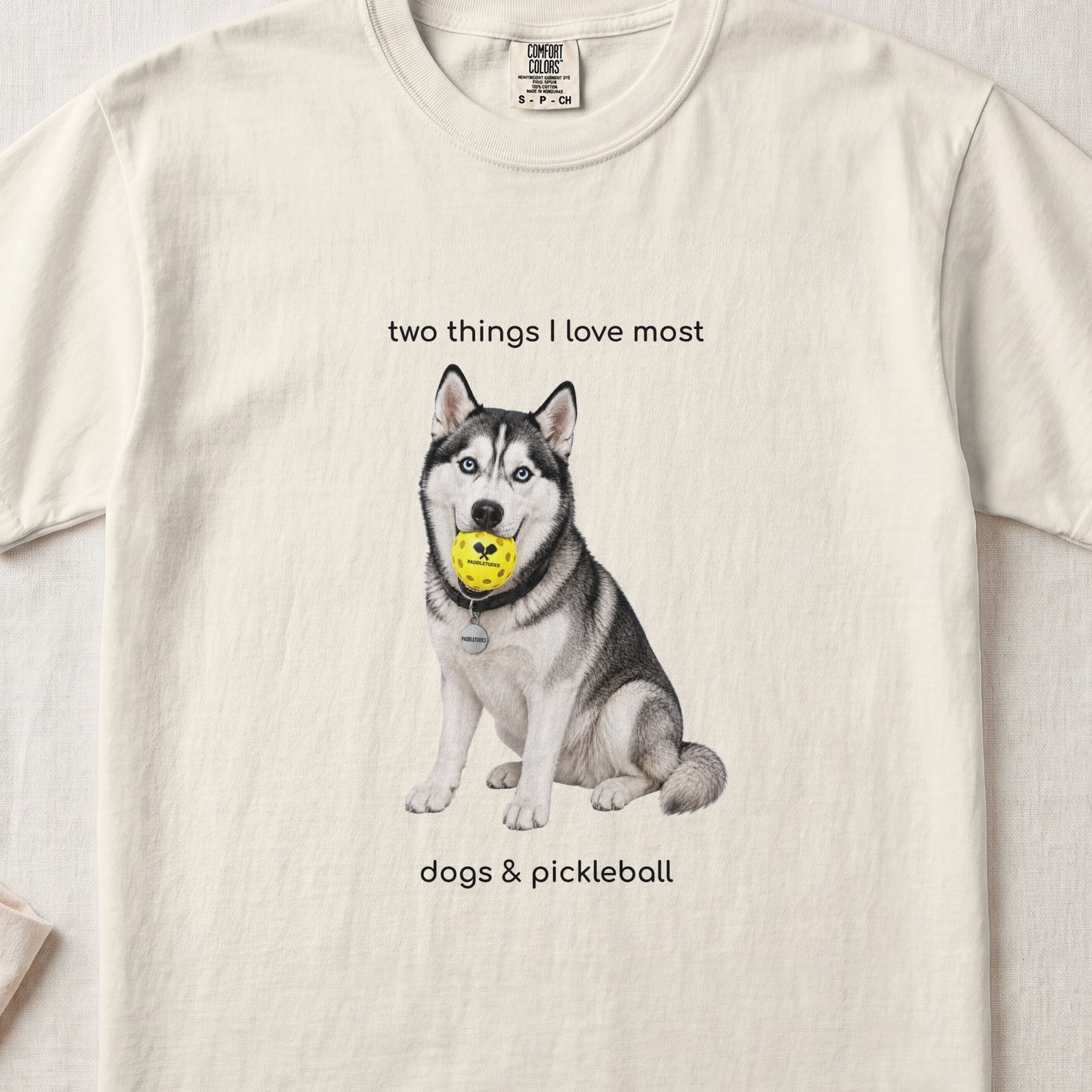
Siberian Husky Happy
$39.99
- Comfort Colors 1717 heavyweight cotton
- Original design · printed to order
- U.S. print partners
Would Steal the Ball Mid-Rally — Siberian Husky Shirt
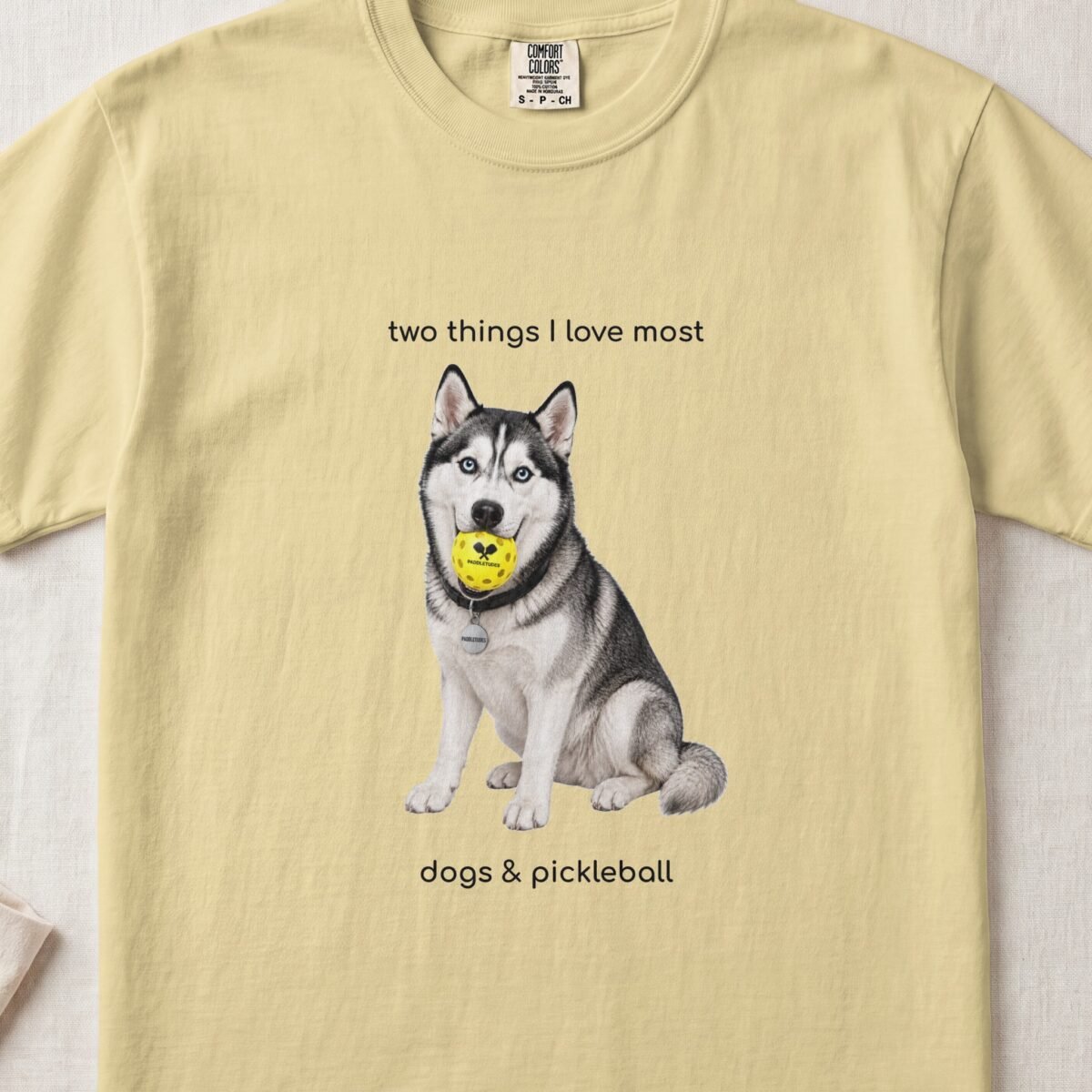
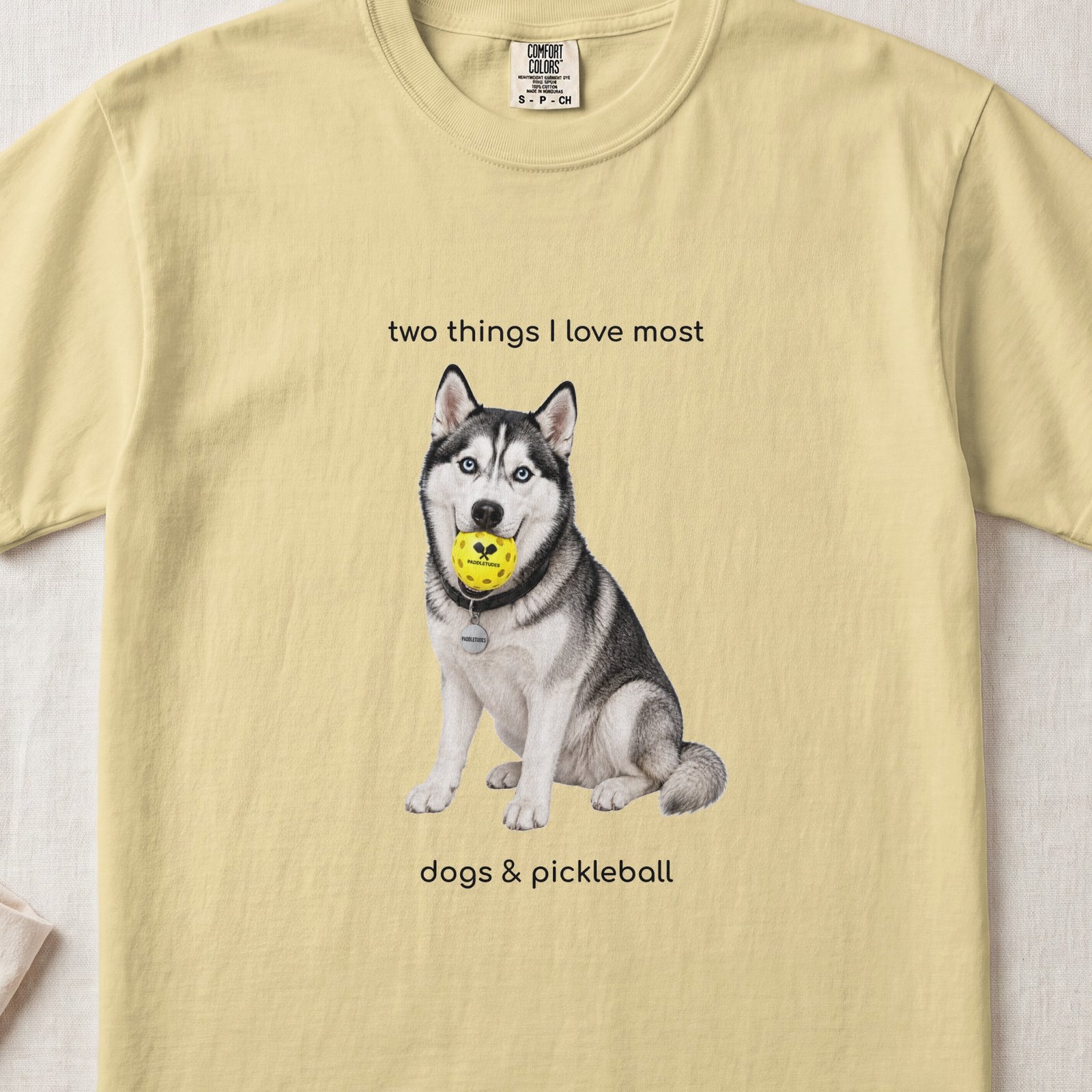
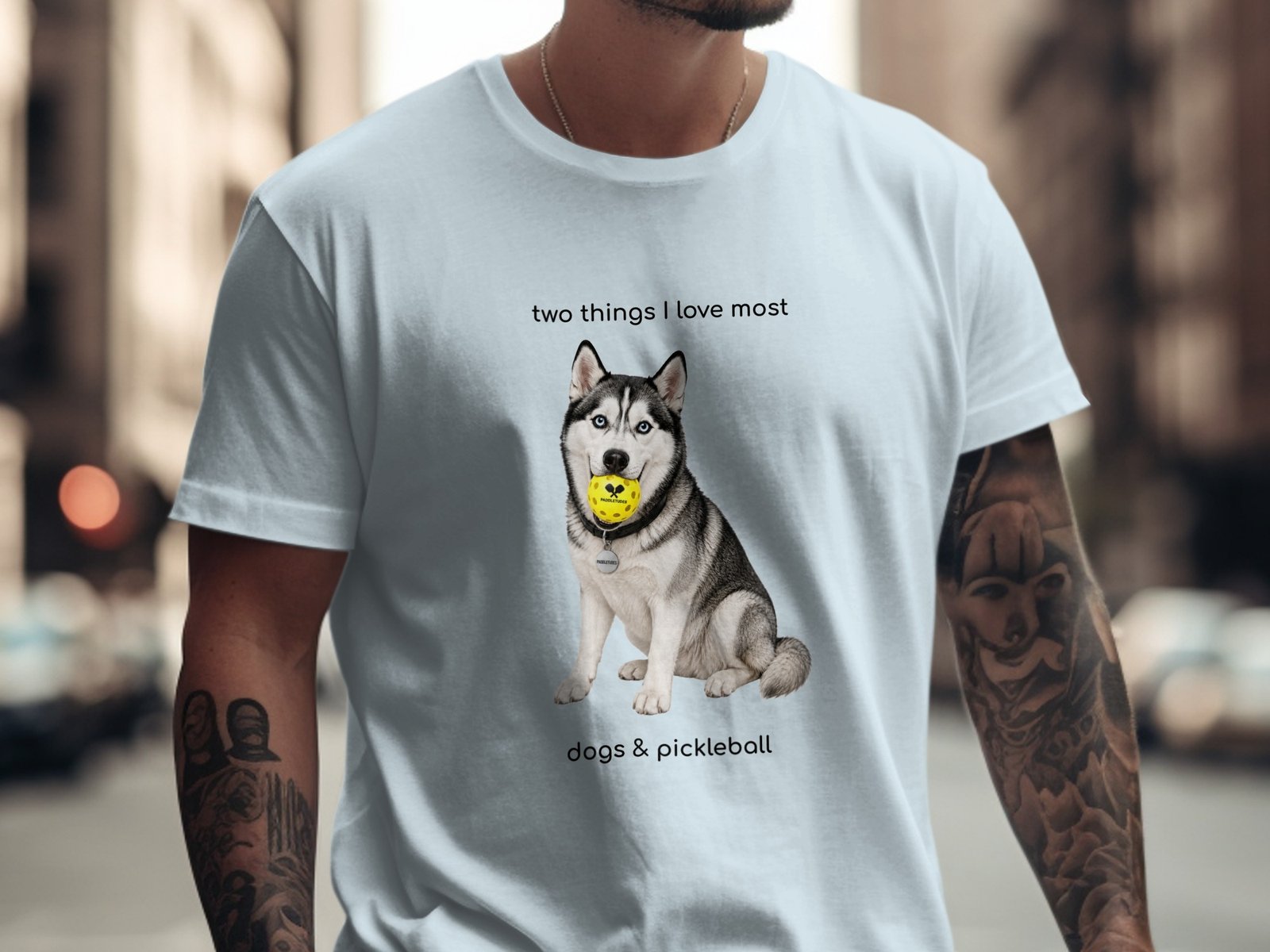
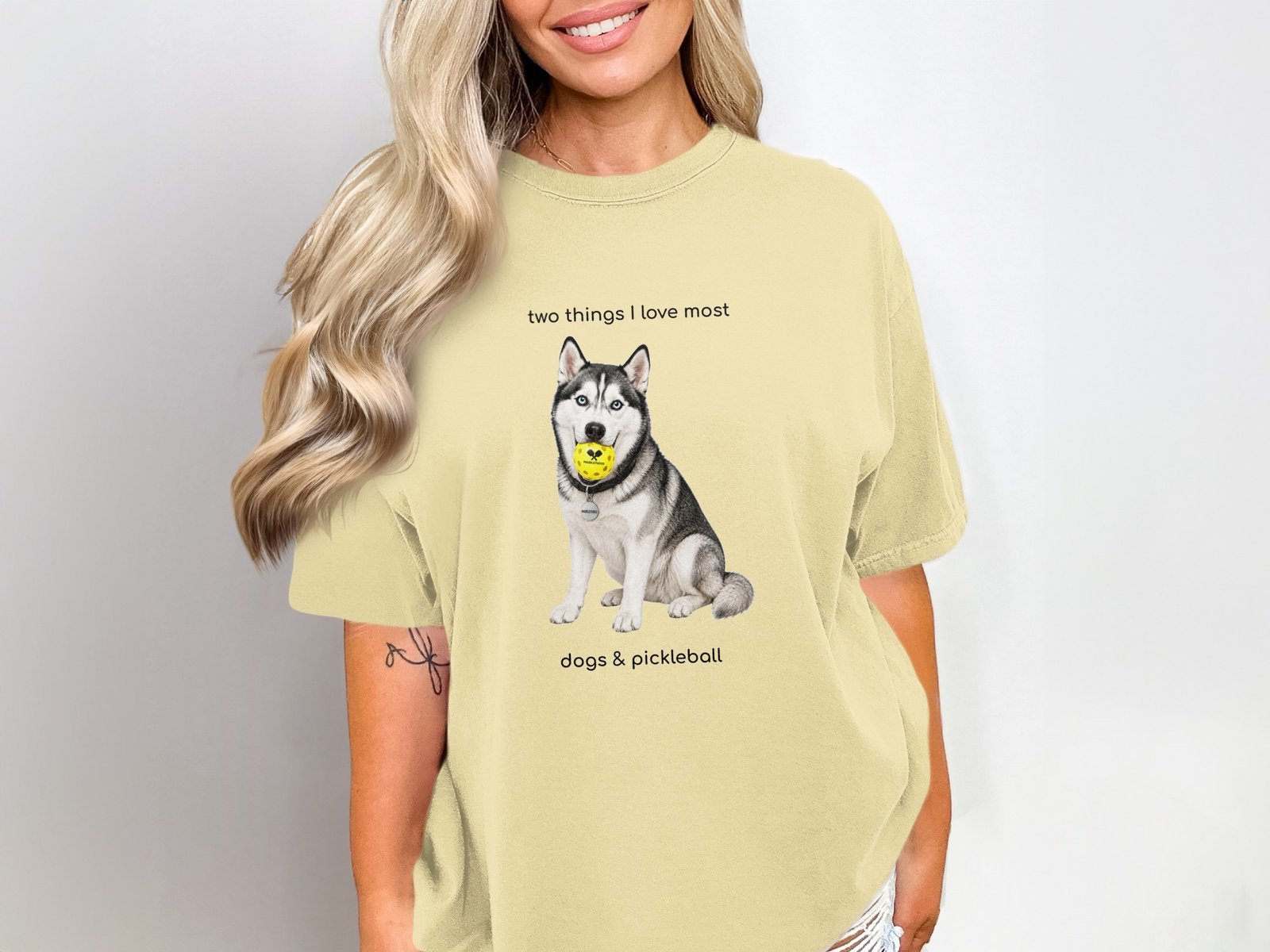
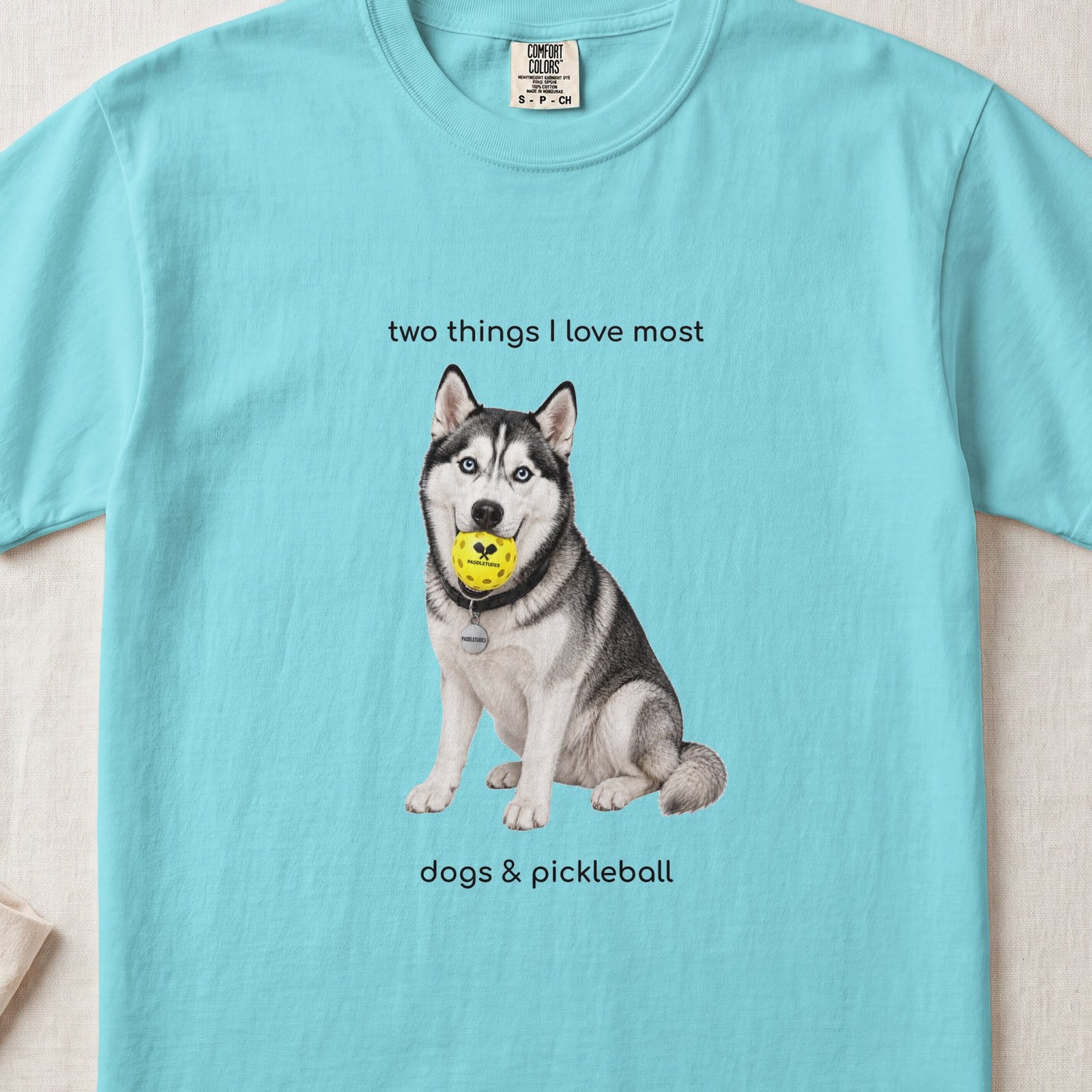
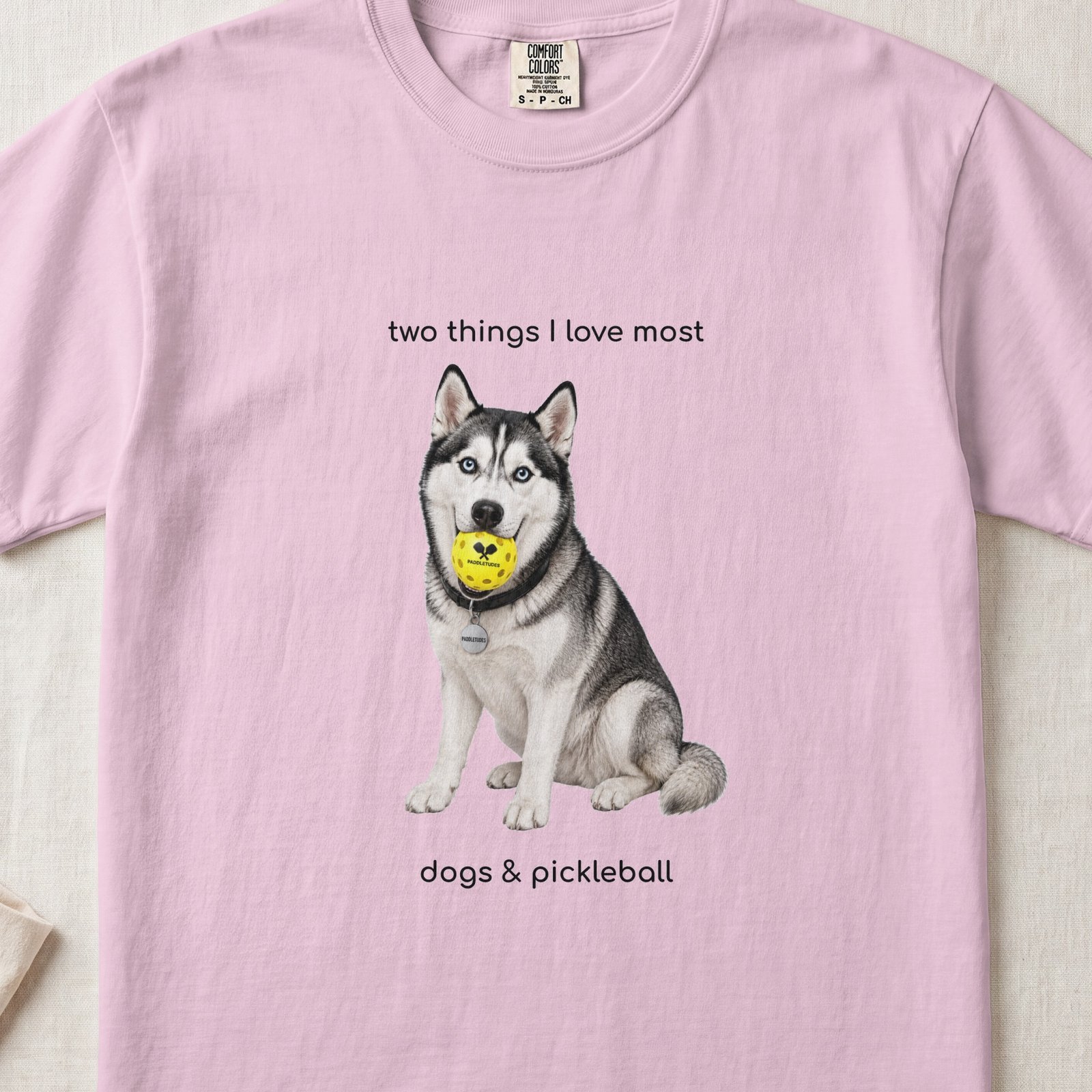
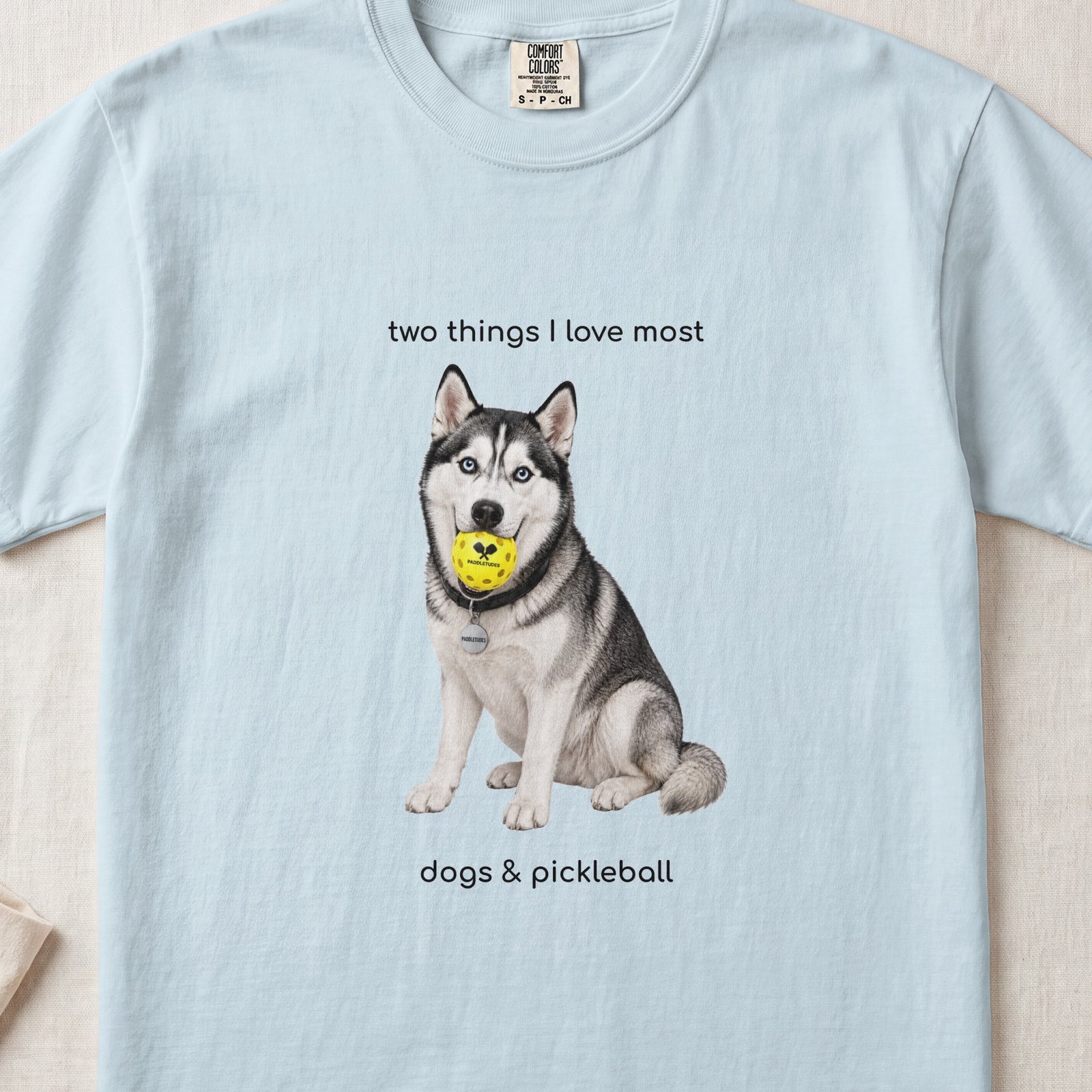
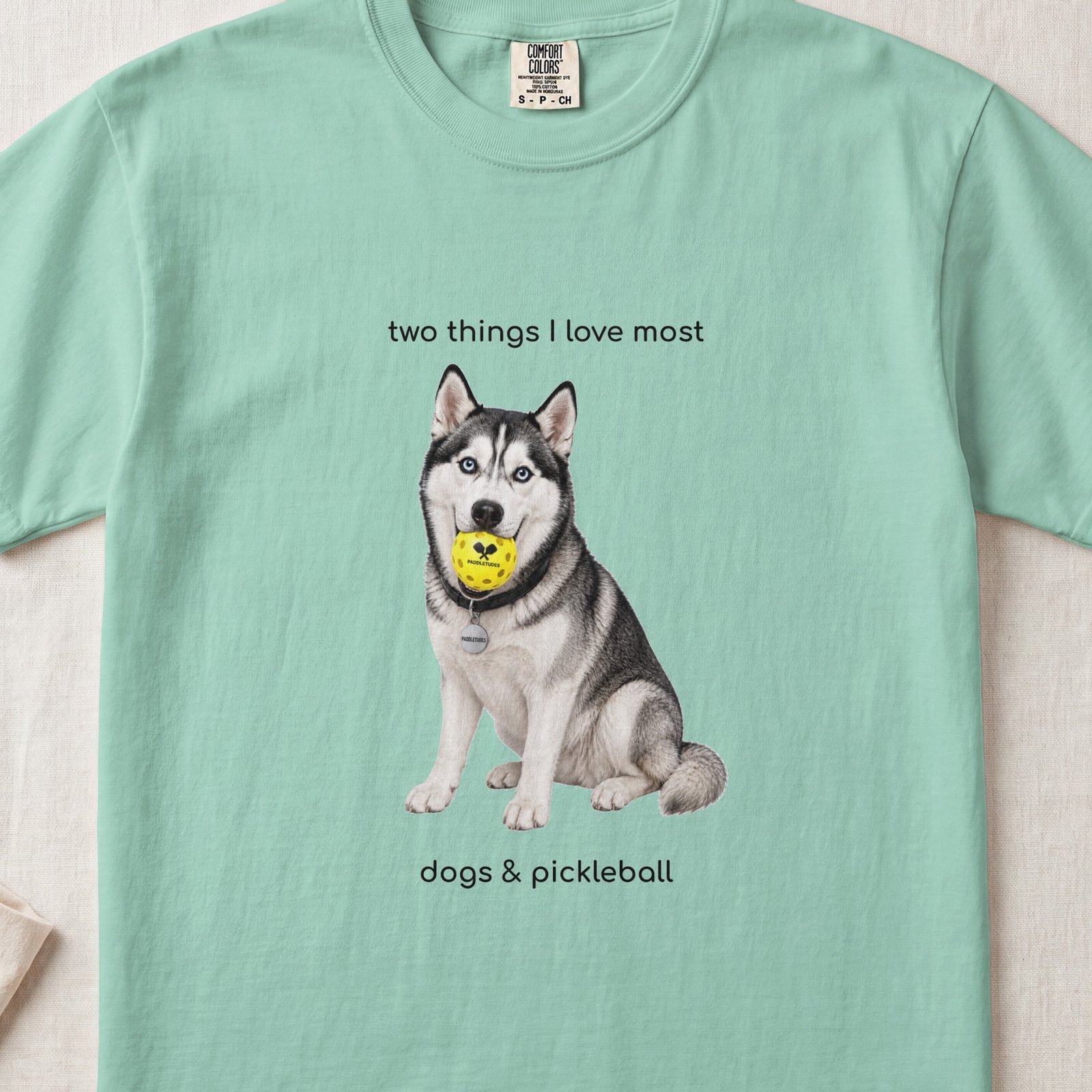
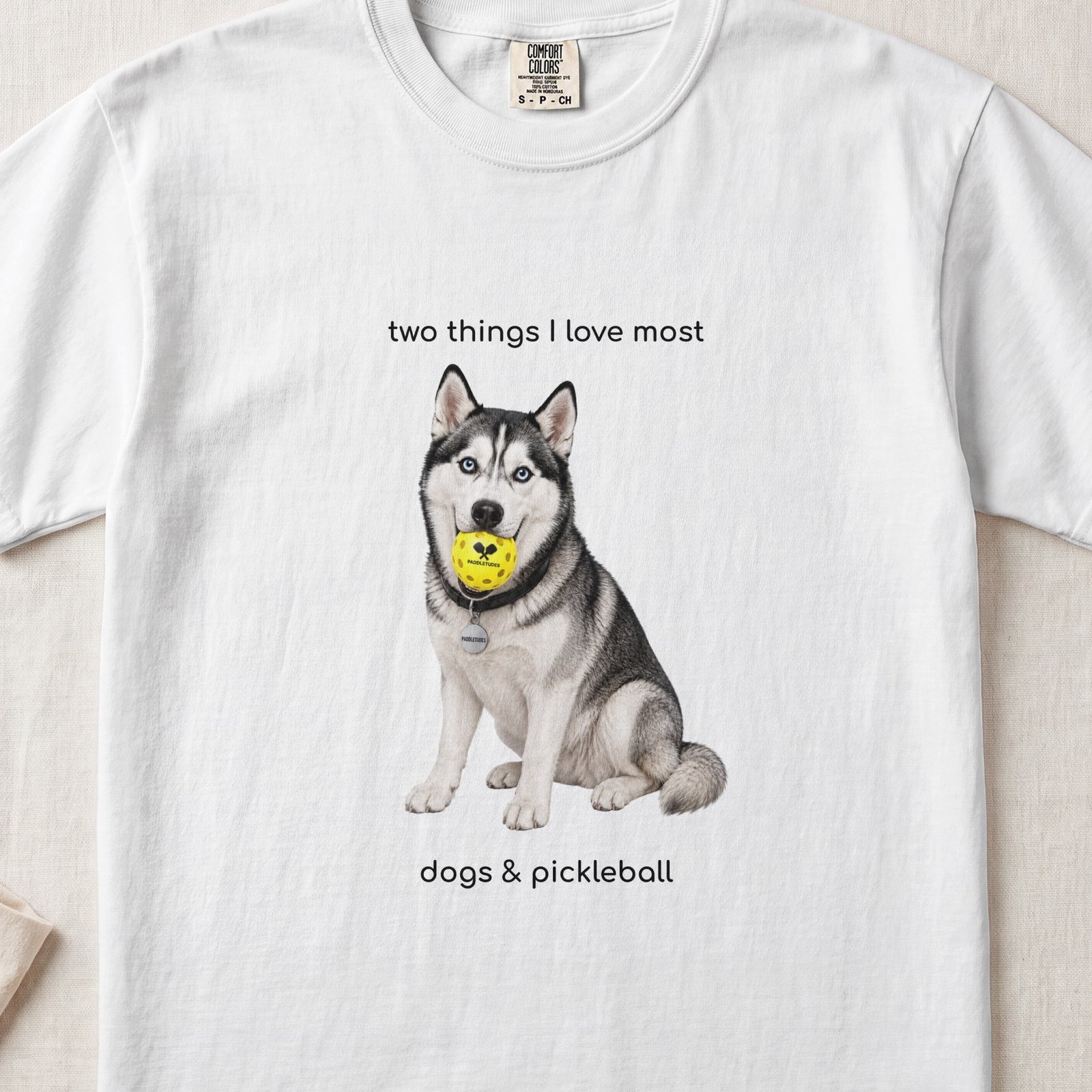
This Siberian Husky shirt is for the owner whose dog would steal a pickleball mid-rally and deliver a howling monologue about why it’s theirs now. It captures the Husky in full joy mode — ears forward, tail up, pickleball locked in those jaws, absolutely no intention of returning it. If you’ve ever tried to negotiate with a Husky who has something they want, you know this face. You also know you’re not getting the ball back on your terms.
The design catches the exact moment every Husky owner recognizes. Not the obedient retriever who drops it at your feet. Not the anxious herder who brings it back because that’s the rule. This is the dog who has decided the pickleball is the single most interesting object that has ever existed, and they are going to carry it around the court at full speed while you stand there holding an empty paddle. The look isn’t mischief — it’s conviction. They genuinely believe they’ve made the better decision here.
This is the shirt that gets you recognized at the pickleball court, the dog park, and the vet’s waiting room. Another Husky owner sees it and the conversation starts immediately — the escape stories, the 3 AM howling sessions, the couch cushion that didn’t survive week two. Huskies create a specific kind of owner. The kind who stopped expecting a quiet house and started finding the noise endearing. The kind who has accepted that their dog will always have opinions and will always share them at full volume. Wearing this shirt is a public declaration that you live with a beautiful, vocal, deeply opinionated animal and you wouldn’t trade it for a breed that actually listens. Every Husky lover knows the other side of that joy — the days when pickleball doesn’t happen and the drama hits a level that deserves its own sad version.
The Siberian Husky’s independence isn’t a personality quirk — it’s three thousand years of intentional engineering. The Chukchi people of northeastern Siberia developed this breed as endurance sled dogs capable of making decisions on the move. A dog pulling a sled across frozen tundra in whiteout conditions needed to think for itself. If the musher said go straight but the ice was cracking, the lead dog overruled the musher — and that independent judgment saved lives. That same wiring is running the show when your Husky decides the pickleball belongs to them and your opinion on the matter is noted but irrelevant. Compare that wiring to a Border Collie, a breed engineered to take every command literally and execute it faster than the handler can think — opposite software, equally impressive hardware. Huskies gained international fame during the 1925 serum run to Nome, Alaska, when relay teams of Siberian Huskies carried diphtheria antitoxin 674 miles through a blizzard to stop an epidemic. The Siberian Husky Club of America has been the national breed club since 1938, and the breed has been making its own rules in American households ever since.
If you know someone who just adopted their first Husky and their social media has become an increasingly unhinged documentary — the chewed baseboards, the midnight howling concerts, the dog who figured out the gate latch and visited three neighbors before anyone noticed — this is the gift. Not a sympathy card. A membership badge. It says you understand exactly what they’ve gotten themselves into, and you’re not going to pretend it calms down after the puppy phase. If that person also plays pickleball, this shirt is going to become the most accurate thing in their closet. It’s the kind of dog lover gift that doesn’t require guessing a favorite color or wondering if they already have one — browse the full lineup on the Dogs page and find the breed that matches.
Printed on a Comfort Colors 1717 garment-dyed heavyweight tee with water-based DTG ink — sizing and care details here.
Why Do Huskies Howl Instead of Bark
Huskies howl because they’re genetically closer to wolves than most domestic breeds, and howling carries far greater distances than barking — up to ten miles across open terrain versus a few hundred yards for a bark. Bred to communicate across vast Arctic landscapes with their sled teams, that instinct stayed fully intact when they moved into living rooms.
What most people call Husky “talking” is actually a range of vocalizations that includes howling, yodeling, grumbling, and sounds that genuinely seem like attempts at human speech. They can bark — their vocal cords work the same as any other dog’s — but they choose not to most of the time. The reason traces back to their sled dog origins. Wolves communicate primarily through howling because the sustained sound carries through wind and terrain in a way that short barks cannot. A bark echoes and disperses. A howl holds its shape and direction, allowing pack members to locate the source across vast distances. For a breed developed to work in teams spanning miles of frozen landscape, howling was simply more practical than barking ever could be.
Your Husky isn’t misbehaving when they howl at the doorbell, sing along to a passing siren, or vocally protest their dinner being two minutes late. They’re doing exactly what three thousand years of Chukchi breeding tells them to do — communicate loudly, clearly, and with unmistakable feeling. Husky owners often describe the experience as living with a roommate who has something to say about every single decision you make, from what time you wake up to whether the walk was long enough to whether that tone you just used was acceptable. The AKC describes the breed as friendly, fastidious, and dignified — but anyone who has heard a Husky argue about bedtime knows that “dignified” is doing some heavy lifting in that sentence.
Are Huskies Escape Artists
Yes — and it’s not even close. Huskies are among the most determined escape artists of any dog breed. They can scale fences, dig under barriers, slip collars, and figure out gate latches that other breeds don’t even notice. This isn’t disobedience. It’s the direct result of a breed engineered to run vast distances across open terrain, combined with intelligence and an independent streak that has zero interest in staying put.
The escape instinct is hardwired. The Chukchi didn’t breed Huskies to stay in one place — they bred them to cover ground. A sled dog that didn’t want to run was useless. A sled dog that wanted to run and had the problem-solving intelligence to figure out how was essential. That combination of drive and ingenuity didn’t disappear when the breed moved out of the Arctic. It just redirected toward backyard fences, front doors, and any gap in supervision that lasts more than thirty seconds. Every Husky owner has an escape story. Most of them have several.
A bored Husky is a Husky who is currently planning their next breakout. They need at least one to two hours of vigorous exercise daily — not a casual stroll around the block, but actual running, hiking, or pulling. Mental stimulation matters just as much. A tired, well-exercised Husky has no desire to escape. An under-exercised Husky will dig trenches, jump barriers, and open latches with a precision that suggests they’ve been studying the mechanism since the day you installed it. The Beagle runs on a similar drive — different fuel, same unstoppable single-track mind — except a Beagle escapes by following a scent trail rather than by engineering a jailbreak. The Siberian Husky Club of America has guided breed owners since 1938, and their advice is consistent: secure fencing, daily vigorous exercise, and never trust an off-leash Husky in an unfenced area. If you’re considering the breed, understand that a Husky requires a lifestyle commitment, not just a backyard. But for owners who match the energy, there is no more loyal, entertaining, or loudly devoted companion on the planet. The SHCA Trust supports breed rescue and health research for Siberians who need a second chance at the right home.
-
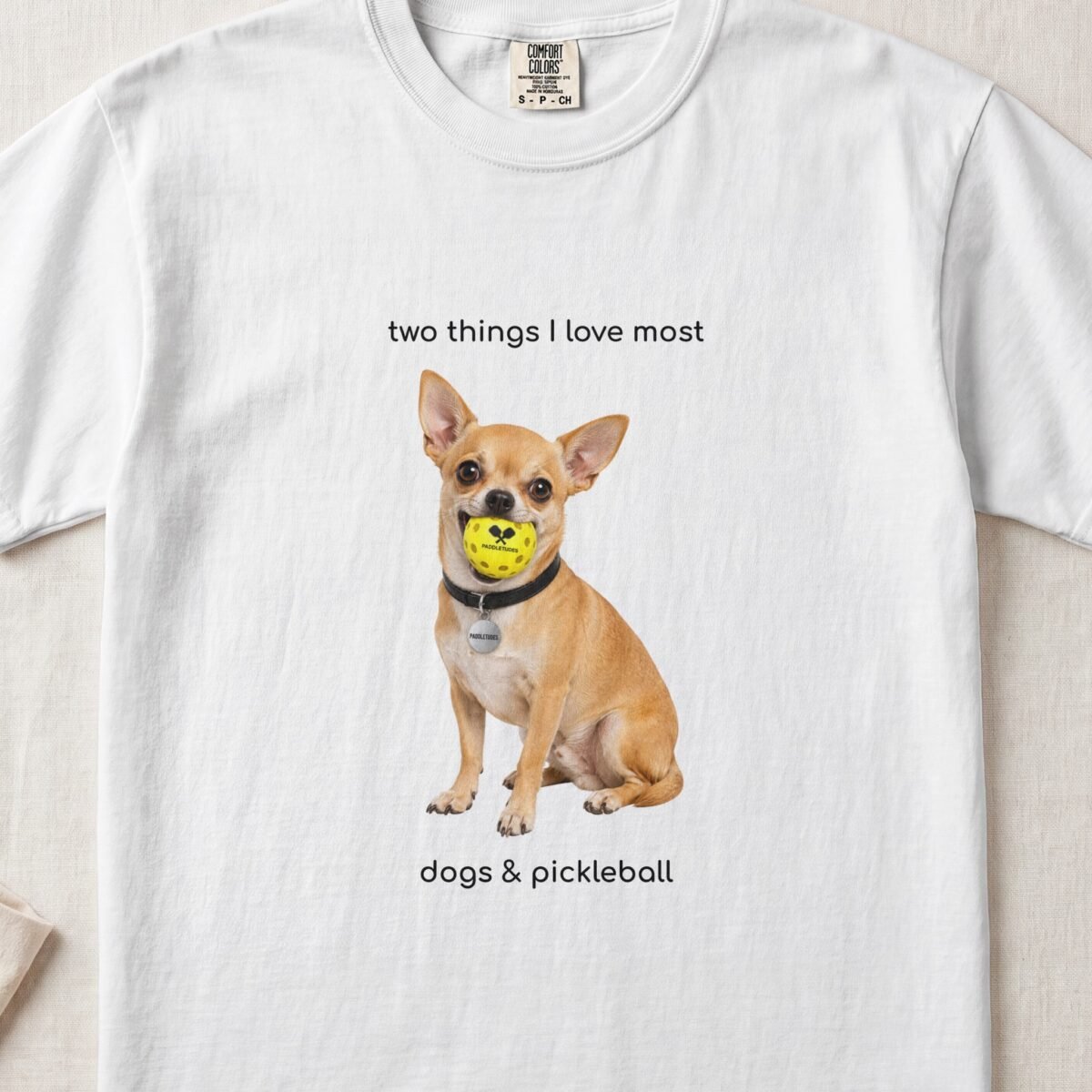
Chihuahua Happy
$39.99 Select options This product has multiple variants. The options may be chosen on the product page -
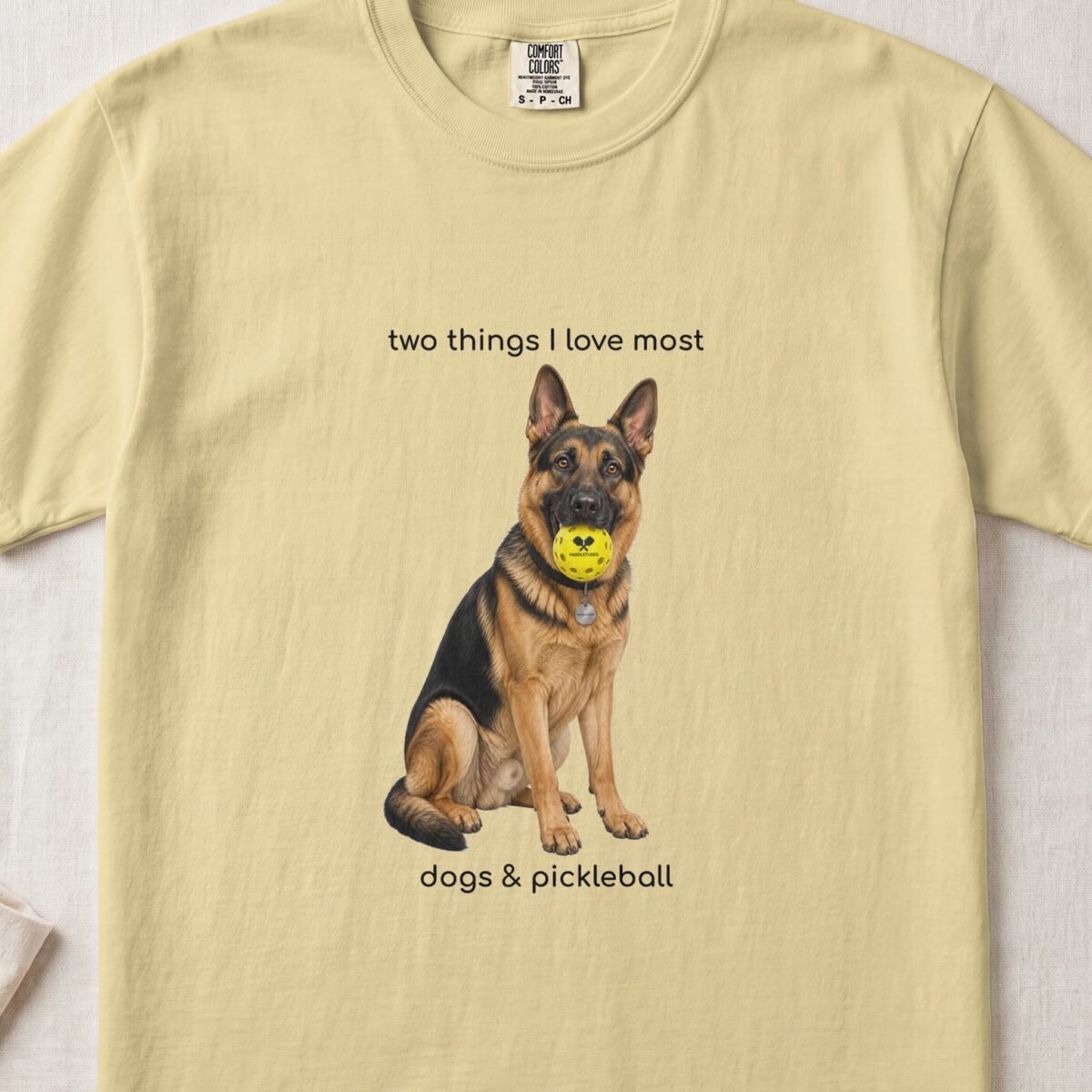
German Shepherd Happy
$39.99 Select options This product has multiple variants. The options may be chosen on the product page -
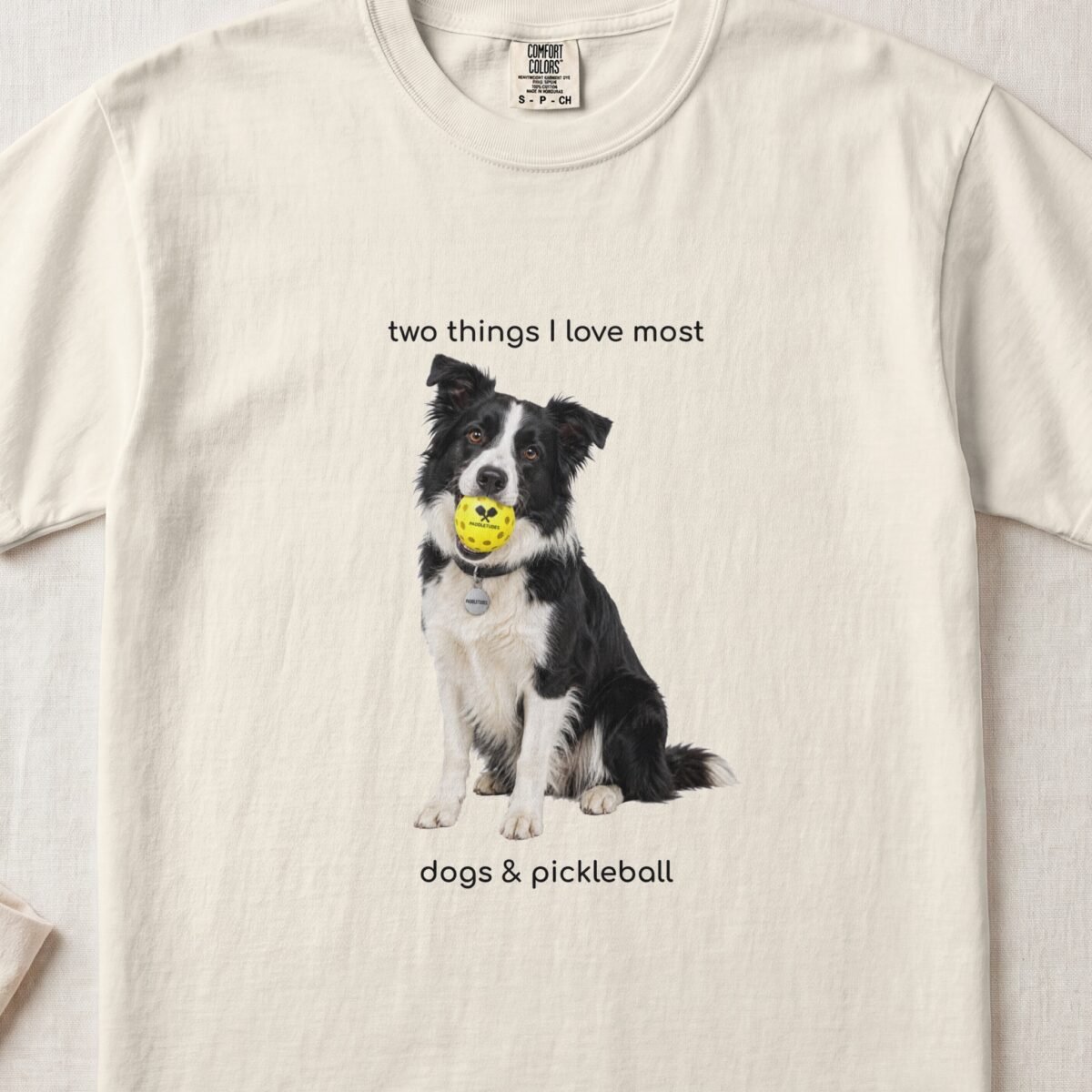
Border Collie Happy
$39.99 Select options This product has multiple variants. The options may be chosen on the product page