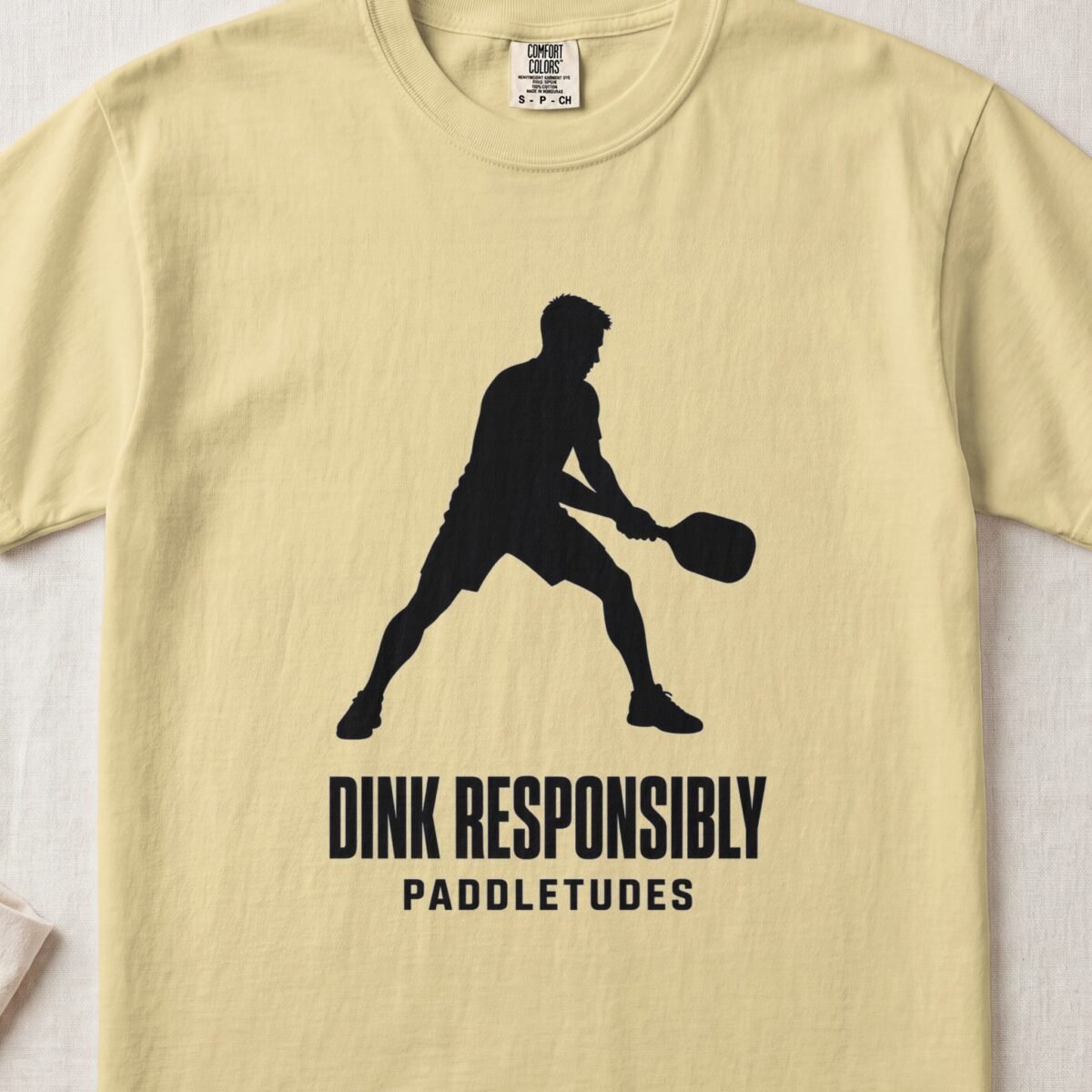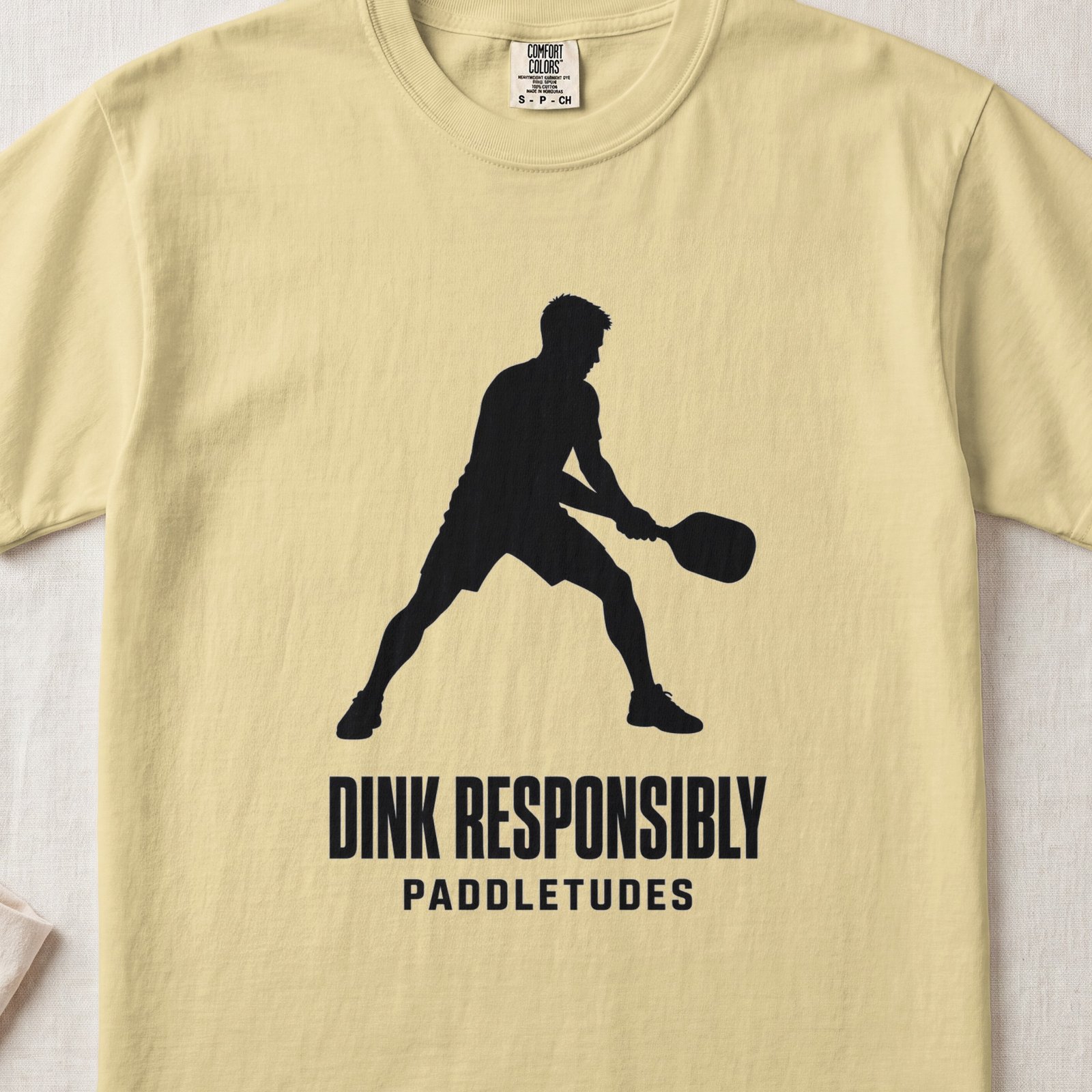
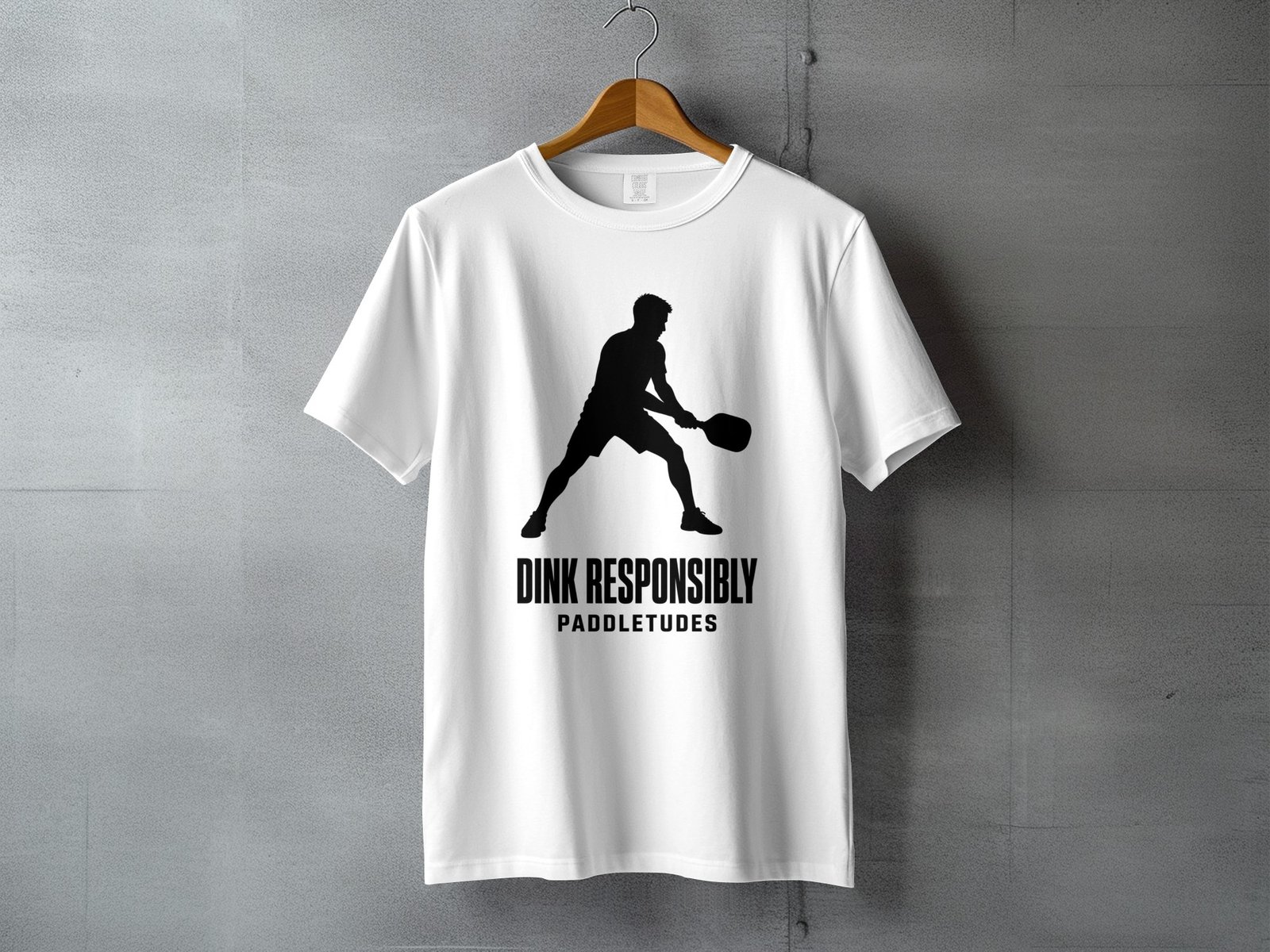
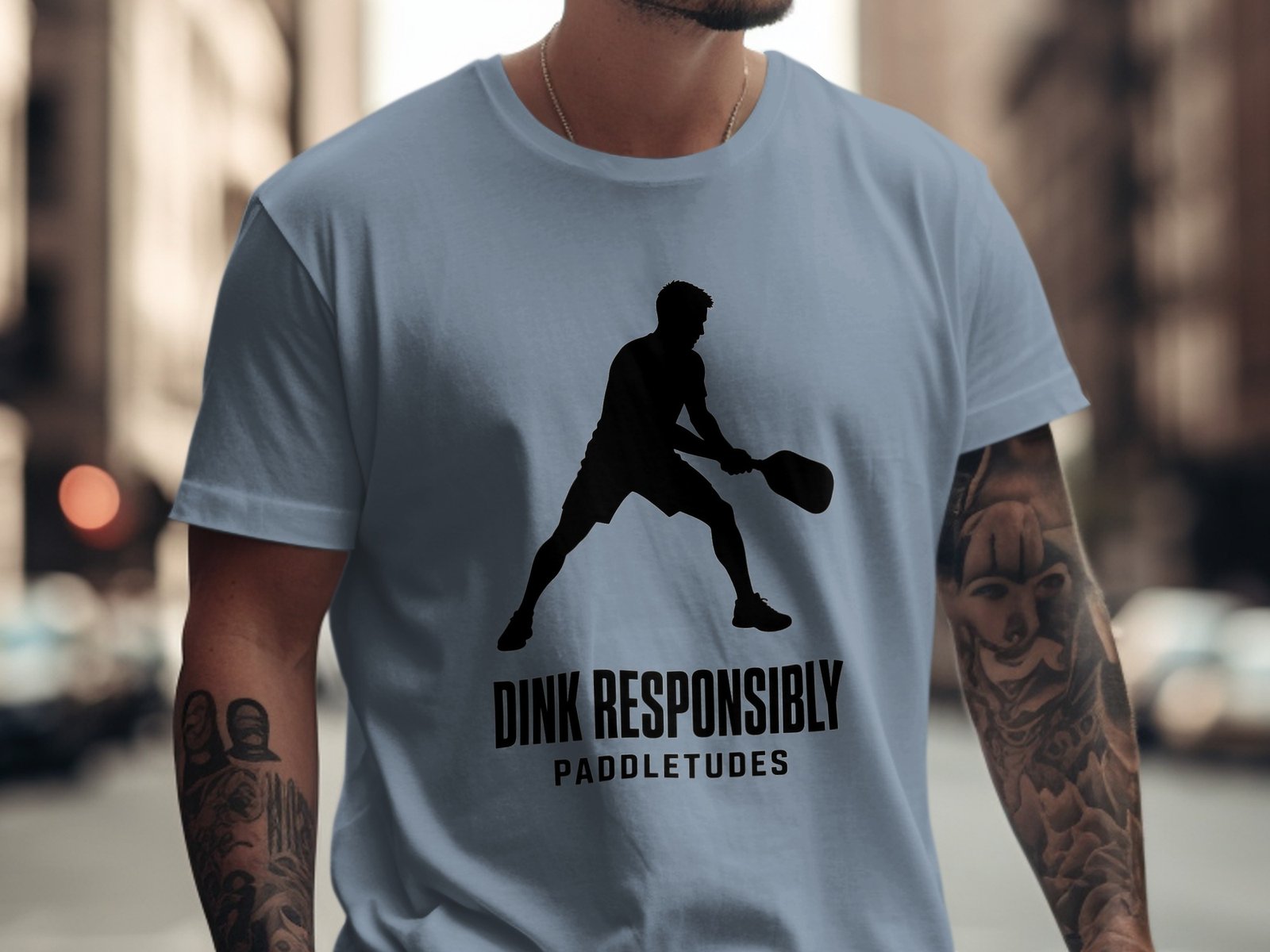
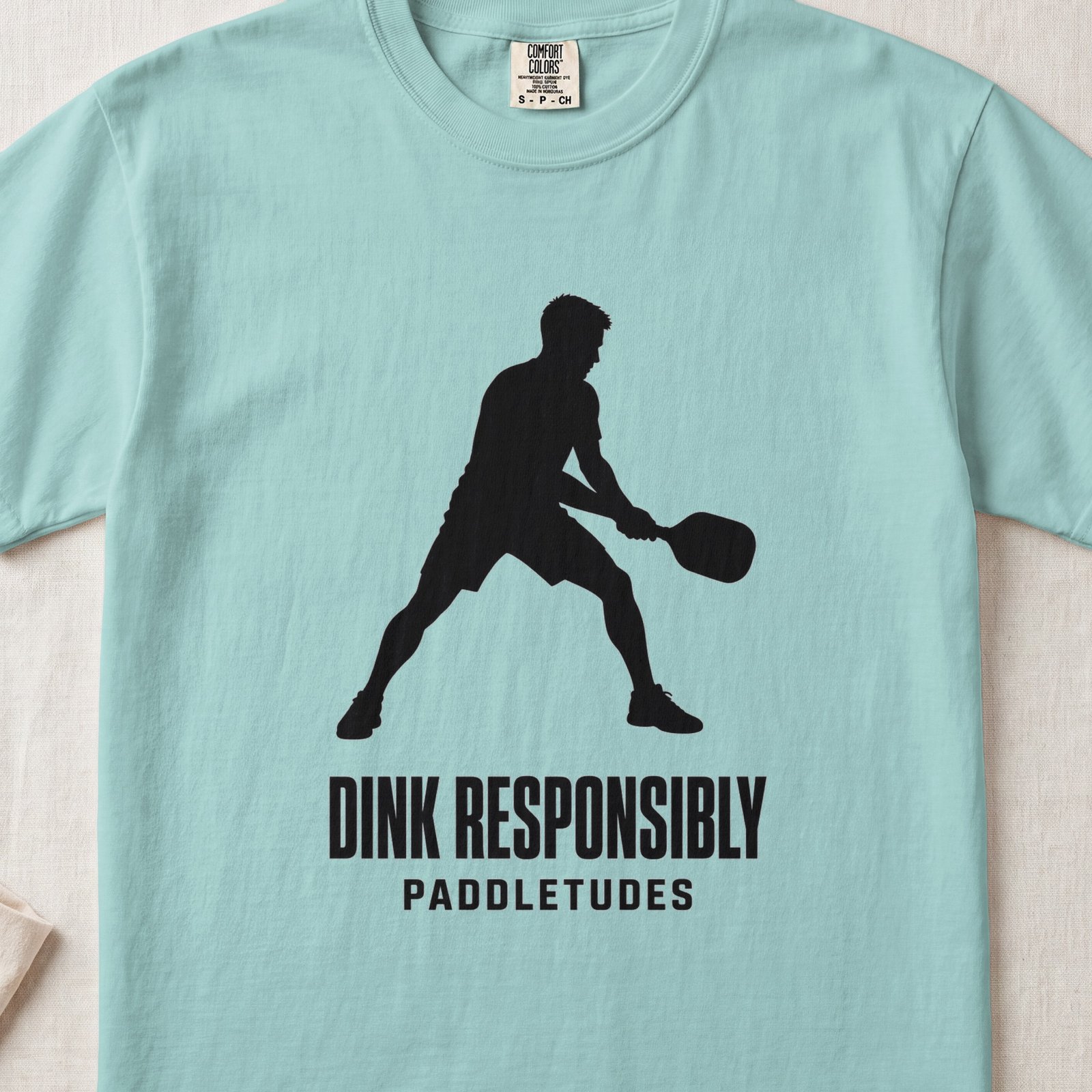
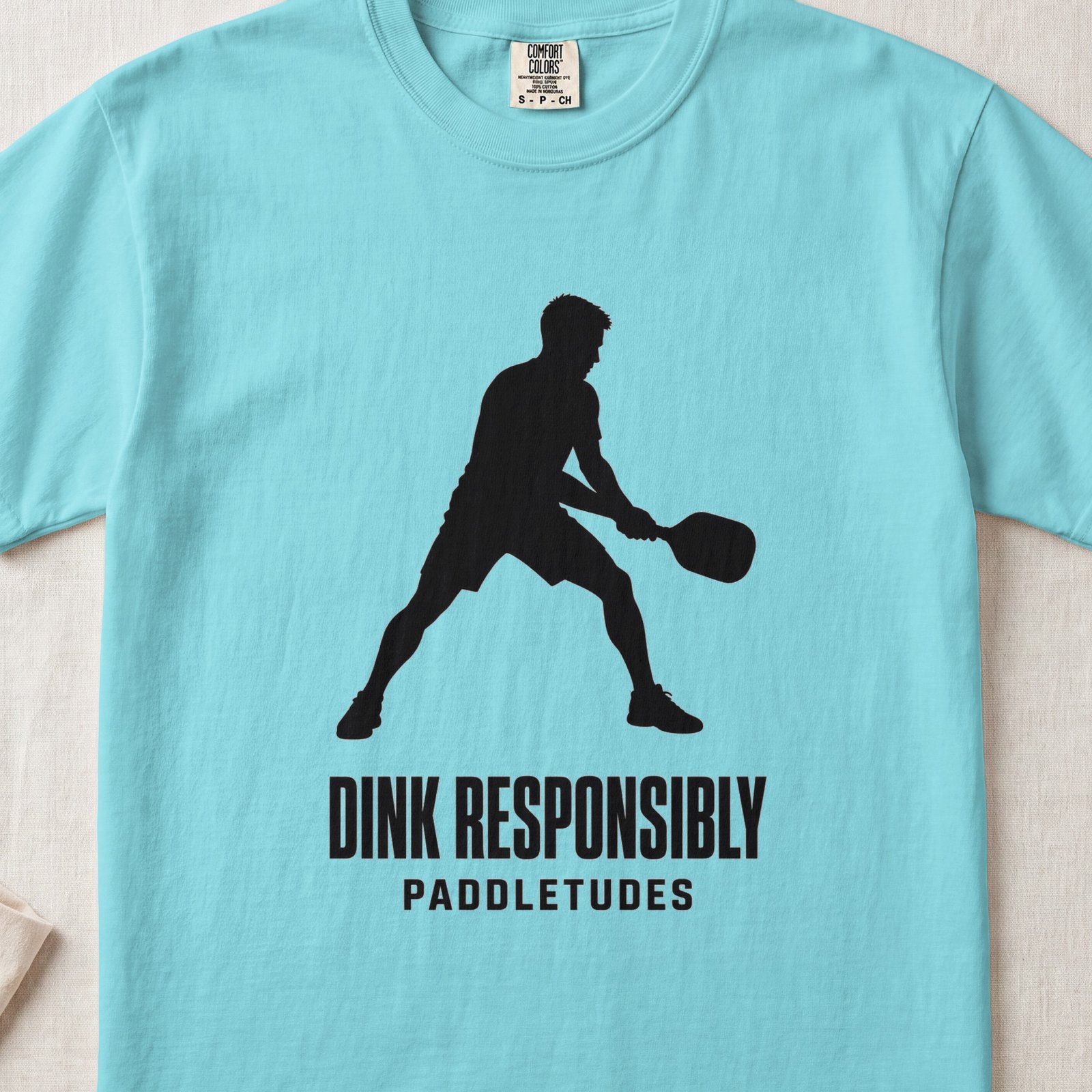
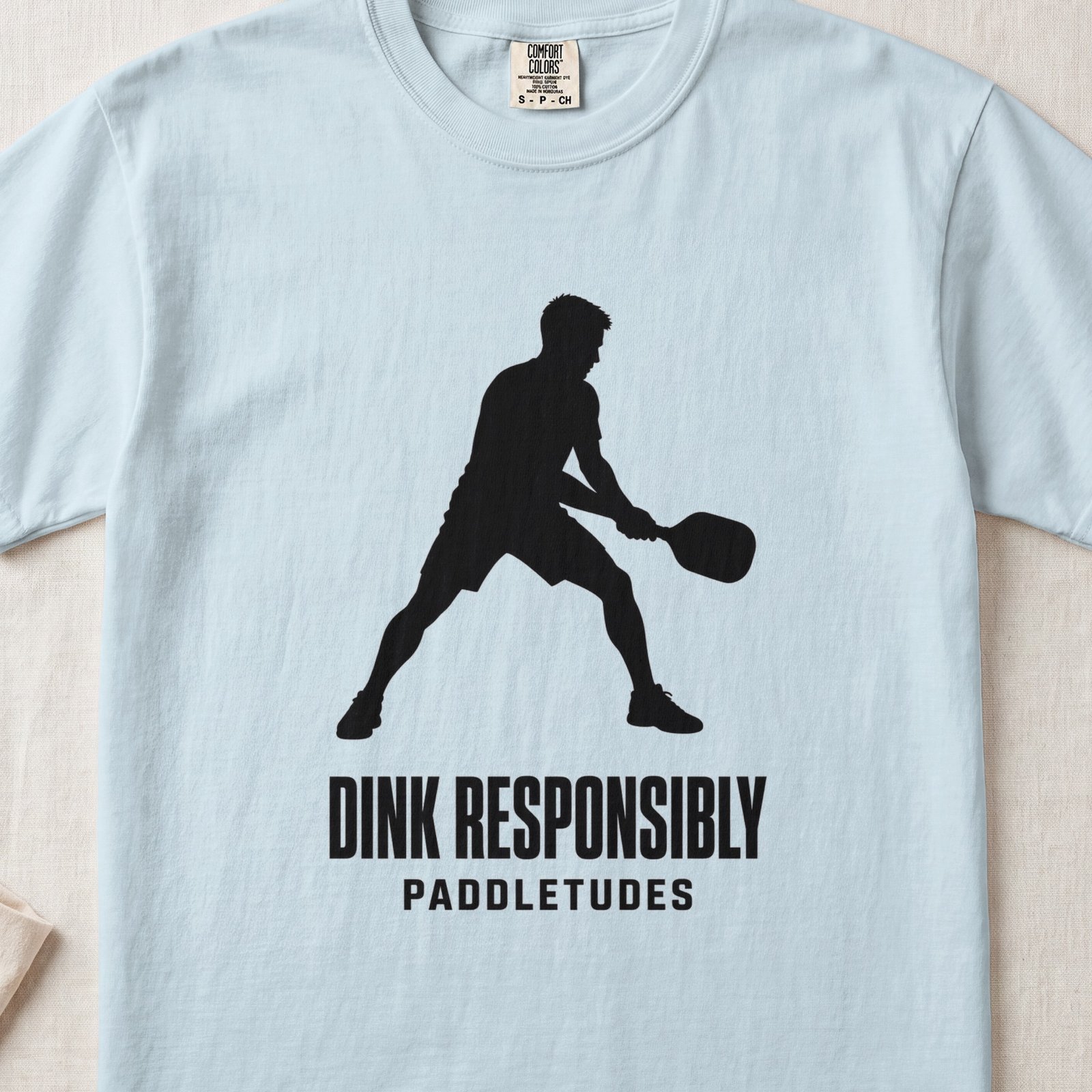
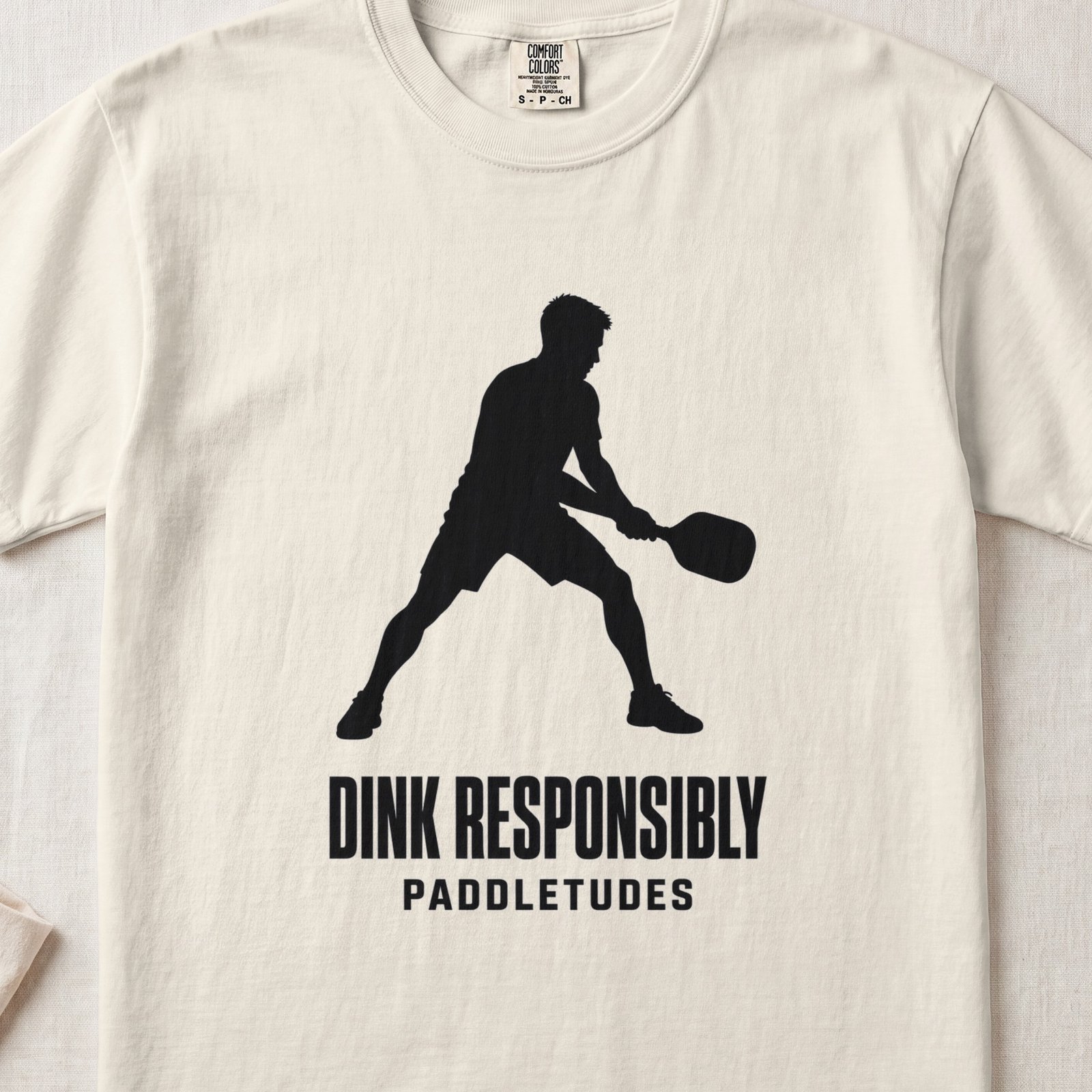
Sports Comfort Colors 1717
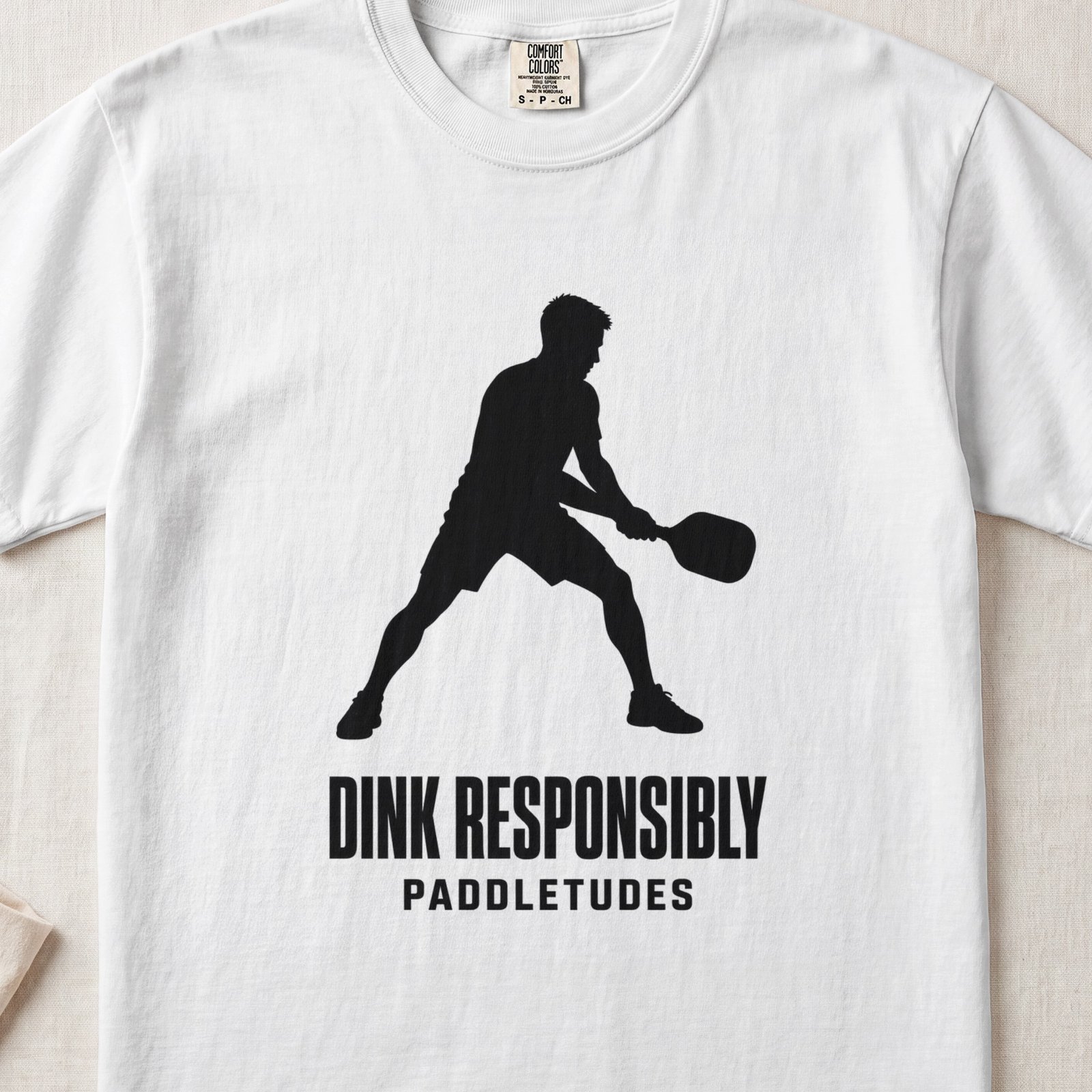
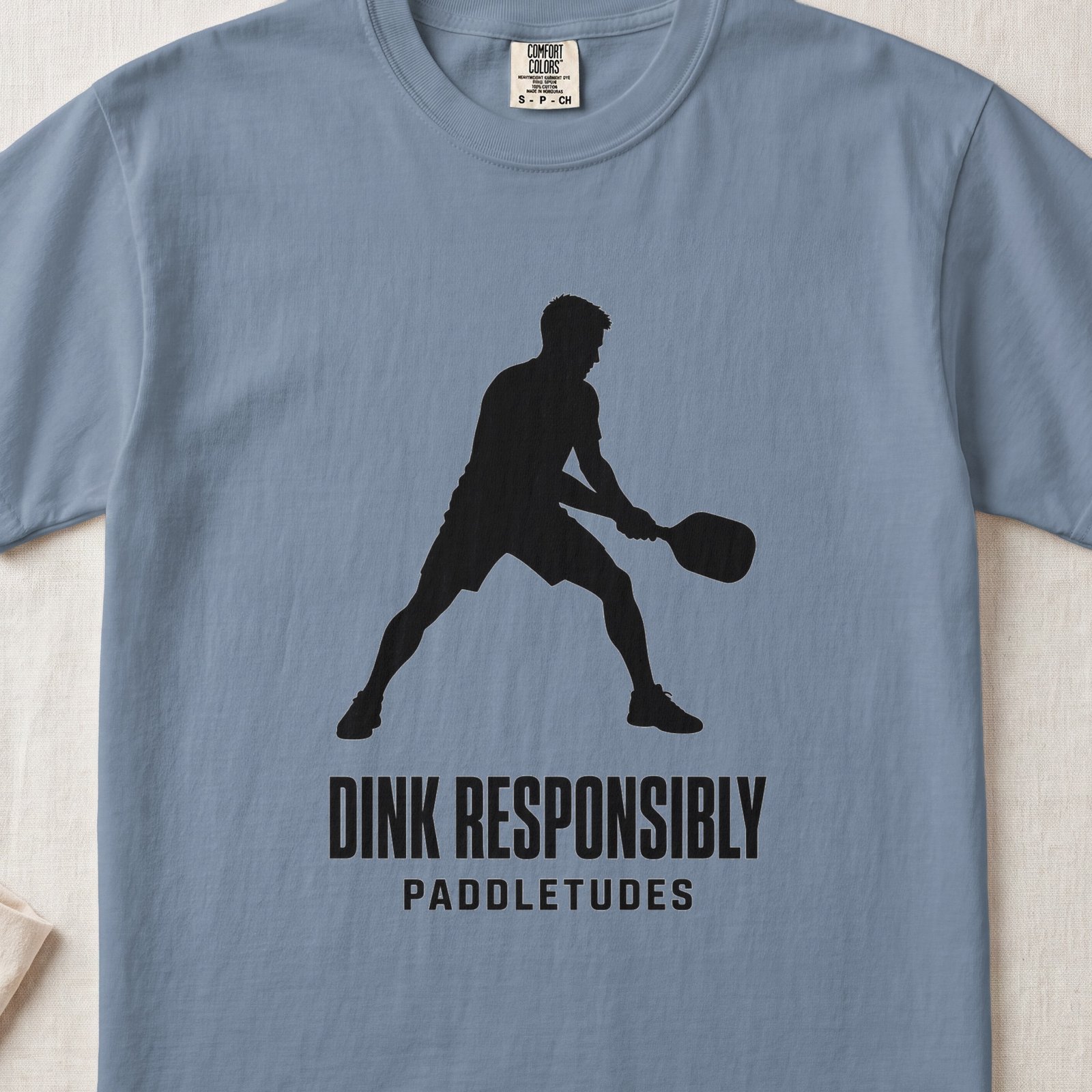
Dink Responsibly
$29.99
- Comfort Colors 1717 heavyweight cotton
- Original design · printed to order
- U.S. print partners
A Public Service Announcement About Pickleball Dinking
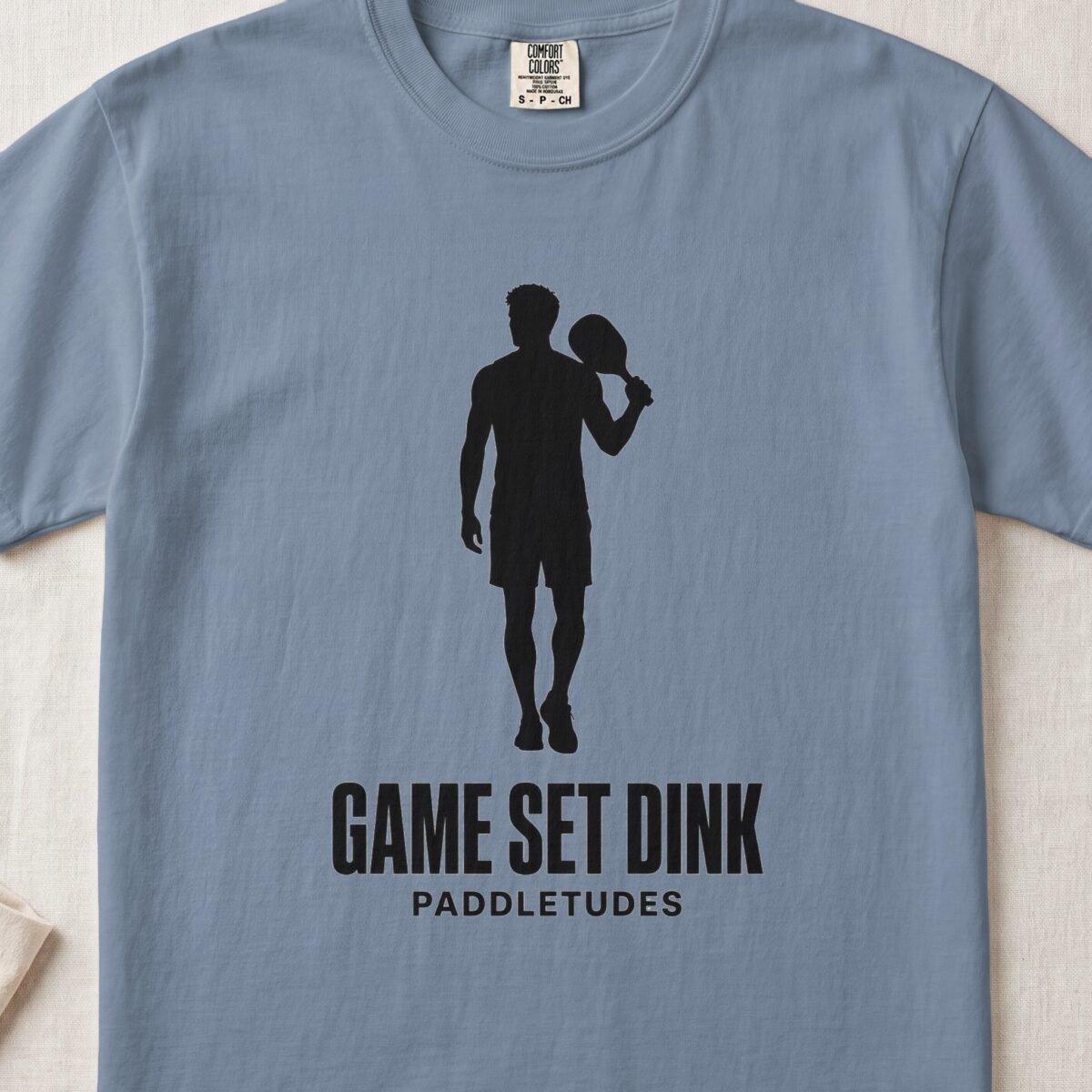
This shirt reads like a warning label on a bottle of something you’re going to enjoy too much. Dink Responsibly. Not recklessly. Not lazily. Not with the paddle face wide open so the ball floats up like a balloon at a party nobody invited it to. Responsibly — with intention, placement, and the understanding that every dink you hit is either building pressure or relieving it.
Only one of those directions wins points.
The humor works because every pickleball player has dinked irresponsibly. The dink that sat up two inches too high and became a put-away. The dink that drifted wide and handed the point over on a silver platter. The dink that was supposed to land at the opponent’s feet and instead landed at their paddle face, which is a very different destination with very different consequences.
Off the court, this is the person who paces themselves in everything. The designated driver. The friend who reminds you to drink water between drinks. The one who reads the assembly instructions, lays out the parts in order, and finishes while everyone else is still looking for the Allen wrench they lost in step two. The Dink Responsibly player approaches pickleball the same way — measured, intentional, and visibly amused by the people around them who are doing it the hard way.
Responsible dinking isn’t mindless dinking. It’s target selection that changes one variable every two or three shots. Cross-court, then down the line. Three feet past the net, then one foot. Topspin, then slice. The pattern pulls the opponent slightly out of position on each exchange, building a gap that doesn’t exist on any single shot but opens up across the sequence. That gap is where the winning shot lives. The player who dinks responsibly knows it’s coming before the opponent feels it happening.
The paddle for this game needs feel, not firepower. A thicker core — 16 millimeters — with a textured face for spin control is the standard setup for players whose game lives in the kitchen. Selkirk and CRBN both make control-oriented paddles that prioritize the soft contact responsible dinking demands. Joola’s Scorpeus shape offers a wider face with a generous sweet spot for players who want stability on every dink, even the off-center ones that come at awkward angles during a long rally.
The drill that builds responsible dinking fastest is skinny singles — one player per side, both at the kitchen line, using only half the court from center to sideline. Every shot must land in the non-volley zone. Play to eleven. This drill forces placement, consistency, and composure under the pressure of a real score. Do fifteen minutes before open play at whatever facility is closest on the Pickleheads court map — at Pictona in Holly Hill, at Bobby Riggs in Encinitas, at your neighborhood rec center — and the improvement shows up in games the same afternoon.
If your group has a post-match ritual — food after the session, a group text that roasts the day’s worst shots, a running tally of who popped up the most balls — this is the collective gift for the player who kept the dink rallies going longer than anyone wanted. The person who refused to speed up, refused to pop the ball up, and forced every point to go the full distance. Buy it as a group. Split it five ways. Nobody will argue the price because nobody can argue with the results.
For the natural talent behind responsible dinking, Can’t Teach Touch is the feel that makes the placement possible. For the partner philosophy — staying in your lane, doing your job, trusting the soft game to produce the opening — No Speed Up is the discipline companion. And for the player who watches you dink responsibly and decides the counter is maximum violence, She Bangs is the opposite side of the sport’s most entertaining argument. The USA Pickleball kitchen rules created the conditions for this debate to exist. The debate will never be settled. The dink will never stop working.
Printed on a Comfort Colors 1717 garment-dyed heavyweight tee with water-based DTG ink — sizing and care details here.
How Do You Get Better at Dinking in Pickleball
Repetition with intention. The dink is a mechanical skill built through volume — the same way a free throw improves through thousands of shots with consistent form. Start with straight-ahead dinking from the kitchen line: two players facing each other, dinking back and forth, focused on keeping every ball below net height on the other side.
Once that feels automatic, add cross-court dinks. Then alternate between cross-court and down-the-line. Then add lateral movement — slide left, dink, recover center, slide right, dink. Each layer builds on the last, and the progression from static dinking to dynamic dinking mirrors what happens in a real match.
The three most common dinking mistakes all have mechanical fixes. Popping the ball up too high usually means the paddle face is too open — close it slightly so the ball moves forward more than upward. Hitting too deep past the kitchen usually means the swing is too long — shorten the motion and use less arm. Inconsistent placement usually means the grip is too tight — soften to a three or four out of ten, and the paddle becomes an instrument of precision rather than a blunt object.
The drill that builds match-ready dinking fastest is skinny singles on half the court. Every shot in the kitchen. Play to eleven. This adds the element static drills can’t replicate — the pressure of a real score. When the game is 9-9, your grip tightens, your paddle face drifts, and the ball sits up. Learning to maintain form under that pressure is what separates practice dinking from match dinking. Do it for fifteen minutes before open play and the transfer is immediate.
Is Dinking More Important Than Power in Pickleball
At competitive levels, yes — and the gap widens the higher you go. Power wins individual shots. Dinking wins points, games, and matches. A hard drive into two set players at the kitchen line gets blocked or redirected more often than it produces a clean winner. A consistent dink rally builds pressure one exchange at a time until the opponent makes the mistake that was always coming.
The math is unambiguous. Most points at the 4.0 level and above are decided by errors, not winners. The player who forces errors without making their own is the player who wins. Dinking is the primary tool for forcing errors because it keeps the ball in play, demands constant precision from the opponent, and creates the slow accumulation of positional pressure that produces mistakes over time.
Power is the secondary tool — it finishes what dinking started. The speed-up that wins the point at the end of a twenty-shot rally only existed because nineteen soft shots built the opening. The overhead that brought the crowd to its feet started with a dink that pulled the opponent three inches out of position.
None of this means power is irrelevant. A player who can dink but can’t drive will plateau where opponents exploit the missing threat. A player who can drive but can’t dink will plateau where opponents wait out the predictable attack. The complete player does both. But if you could only develop one skill — if you had to win a match tomorrow with one tool — dinking is the answer. It keeps you in every rally, forces decisions on the opponent, and gives you time to find the opening that power alone can’t manufacture.
-
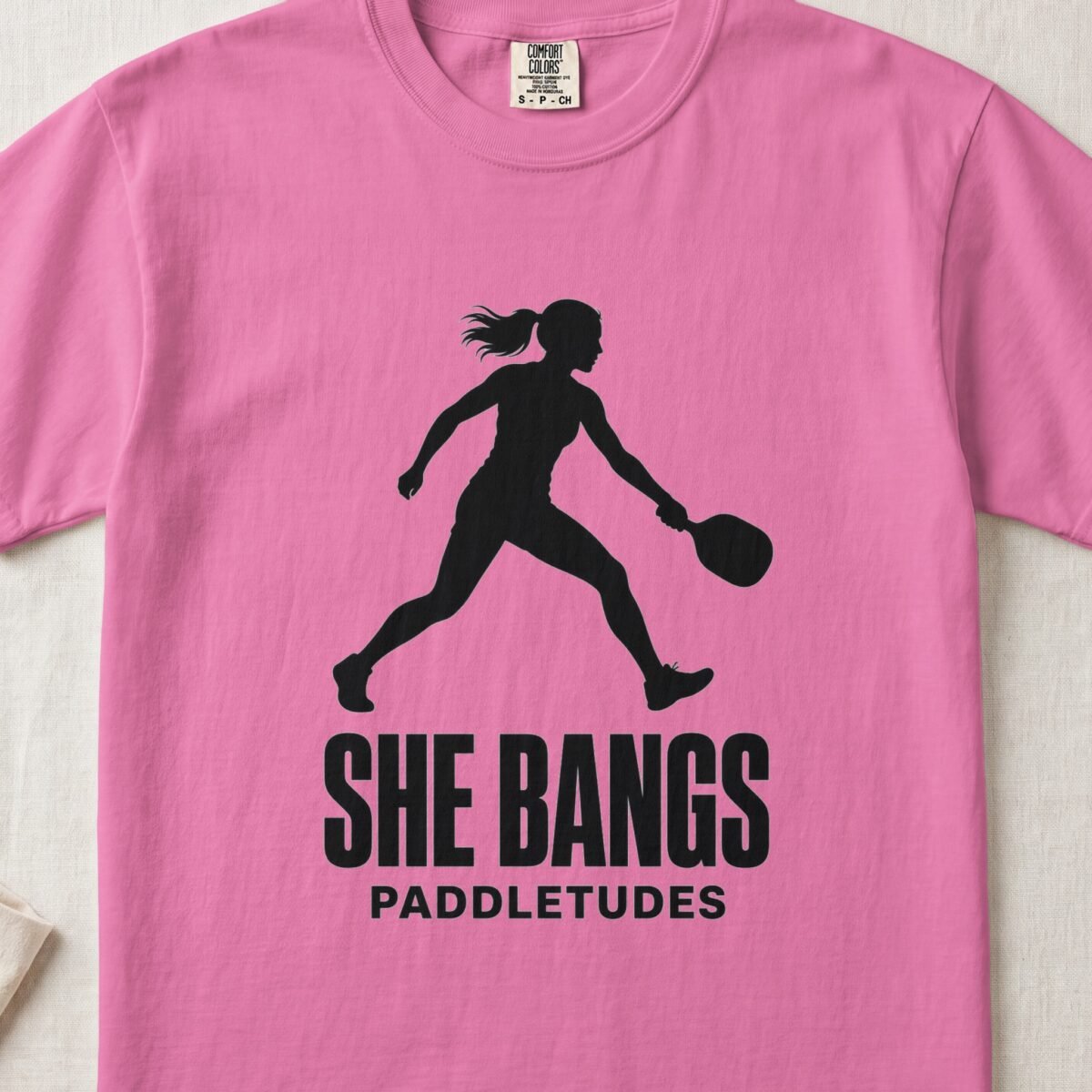
She Bangs
$29.99 Select options This product has multiple variants. The options may be chosen on the product page -
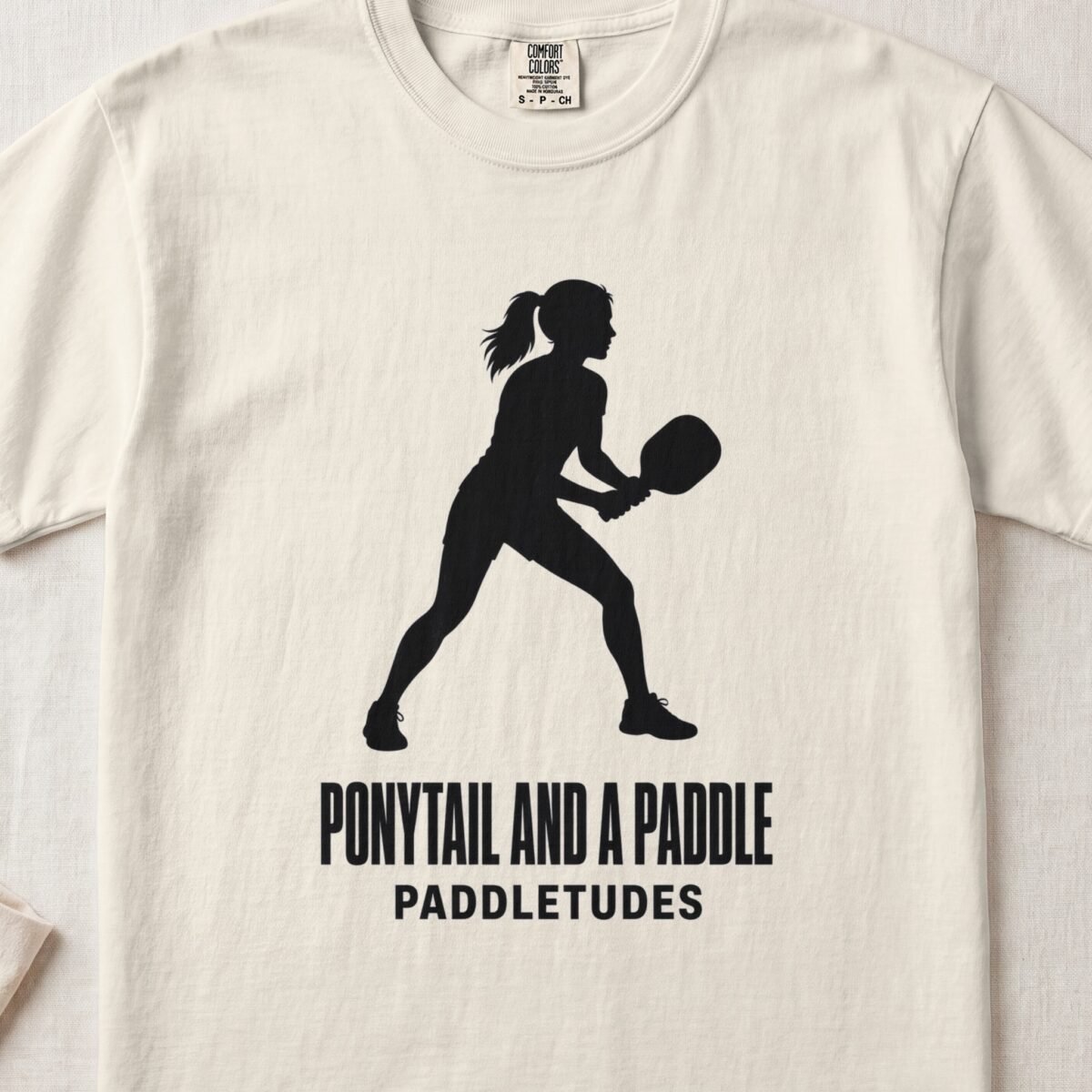
Ponytail And A Paddle
$29.99 Select options This product has multiple variants. The options may be chosen on the product page -
Game Set Dink
$29.99 Select options This product has multiple variants. The options may be chosen on the product page