Animals Comfort Colors 1717
Shih Tzu Sad
$39.99
- Comfort Colors 1717 heavyweight cotton
- Original design · printed to order
- U.S. print partners
A Shih Tzu Gift for the Most Dramatic Dog Alive
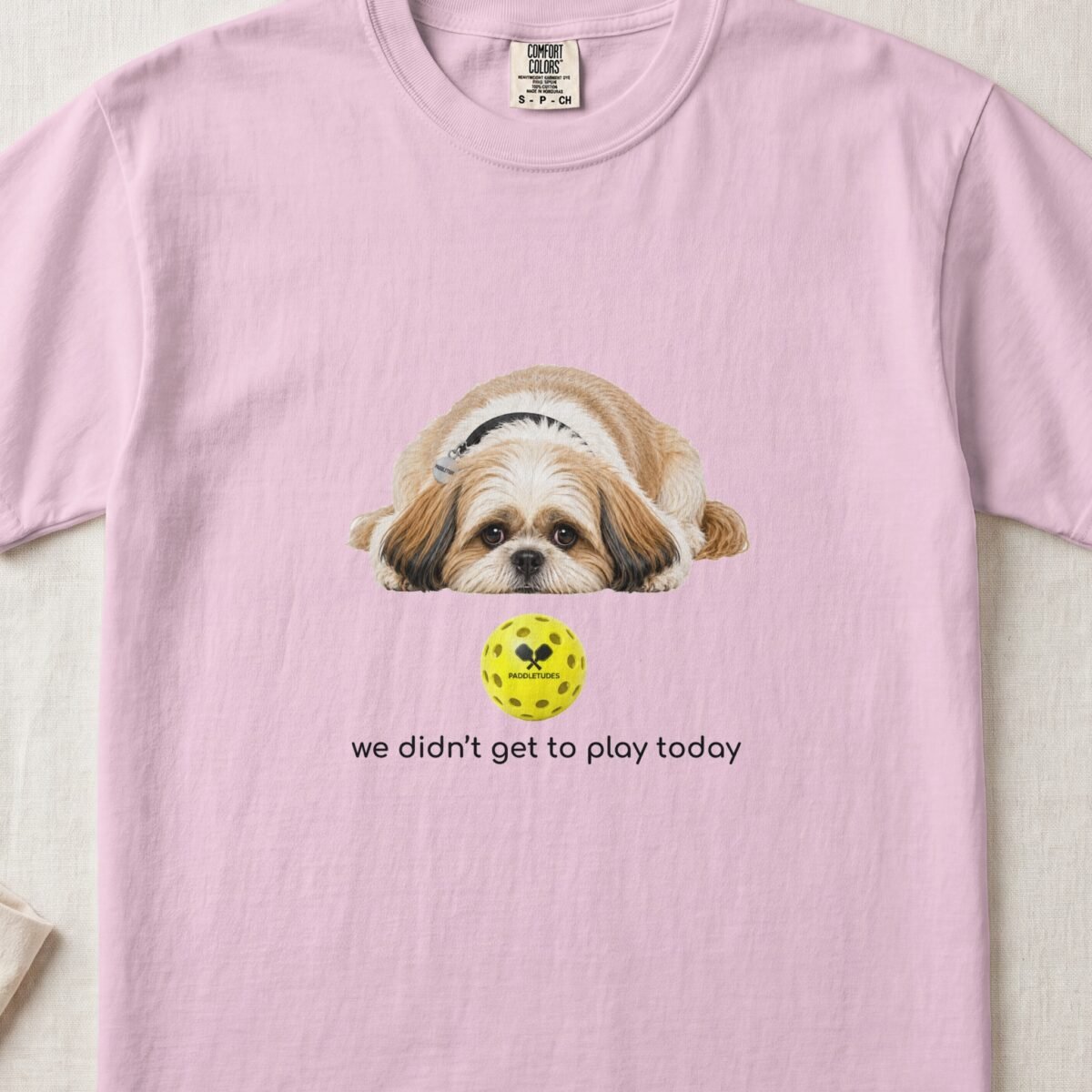
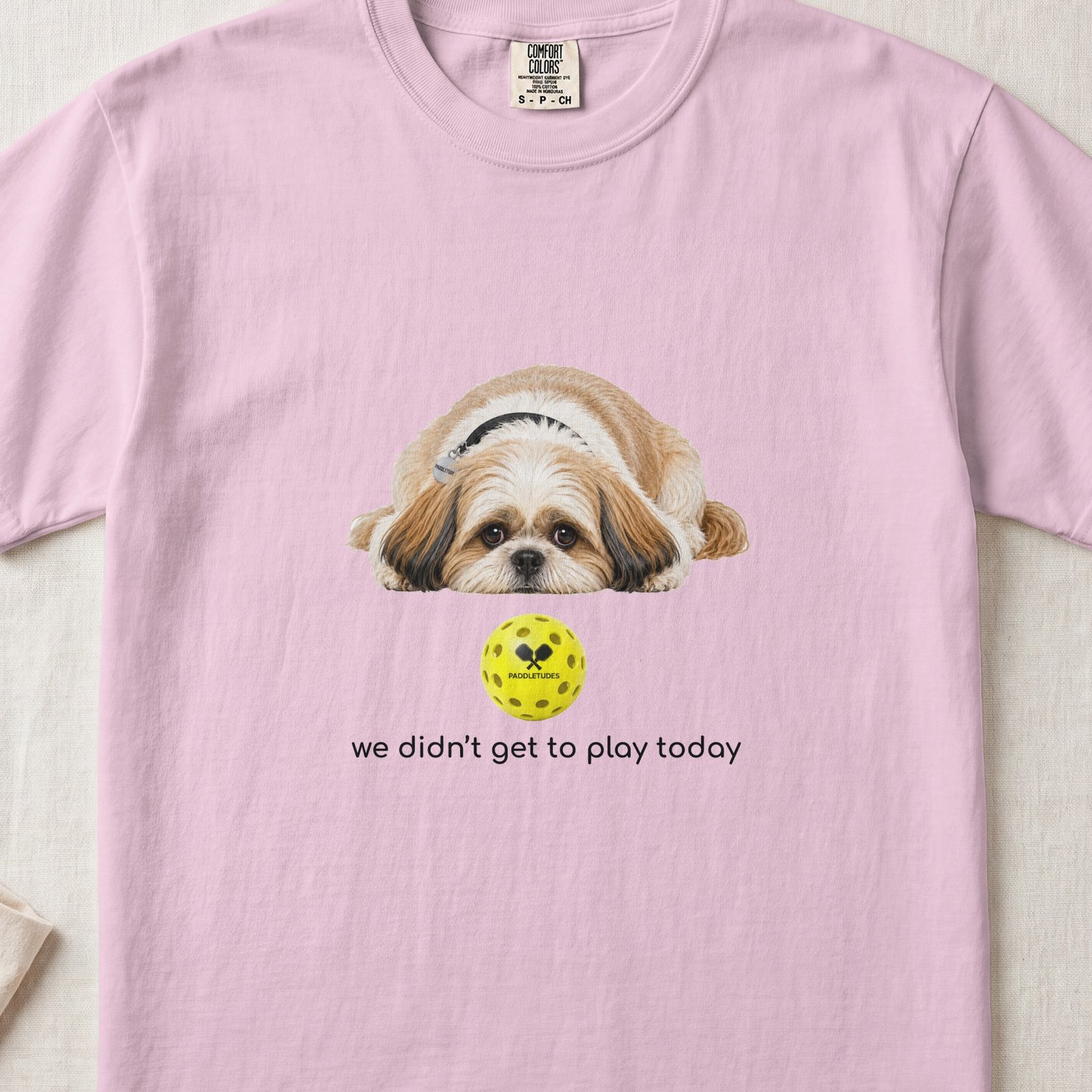
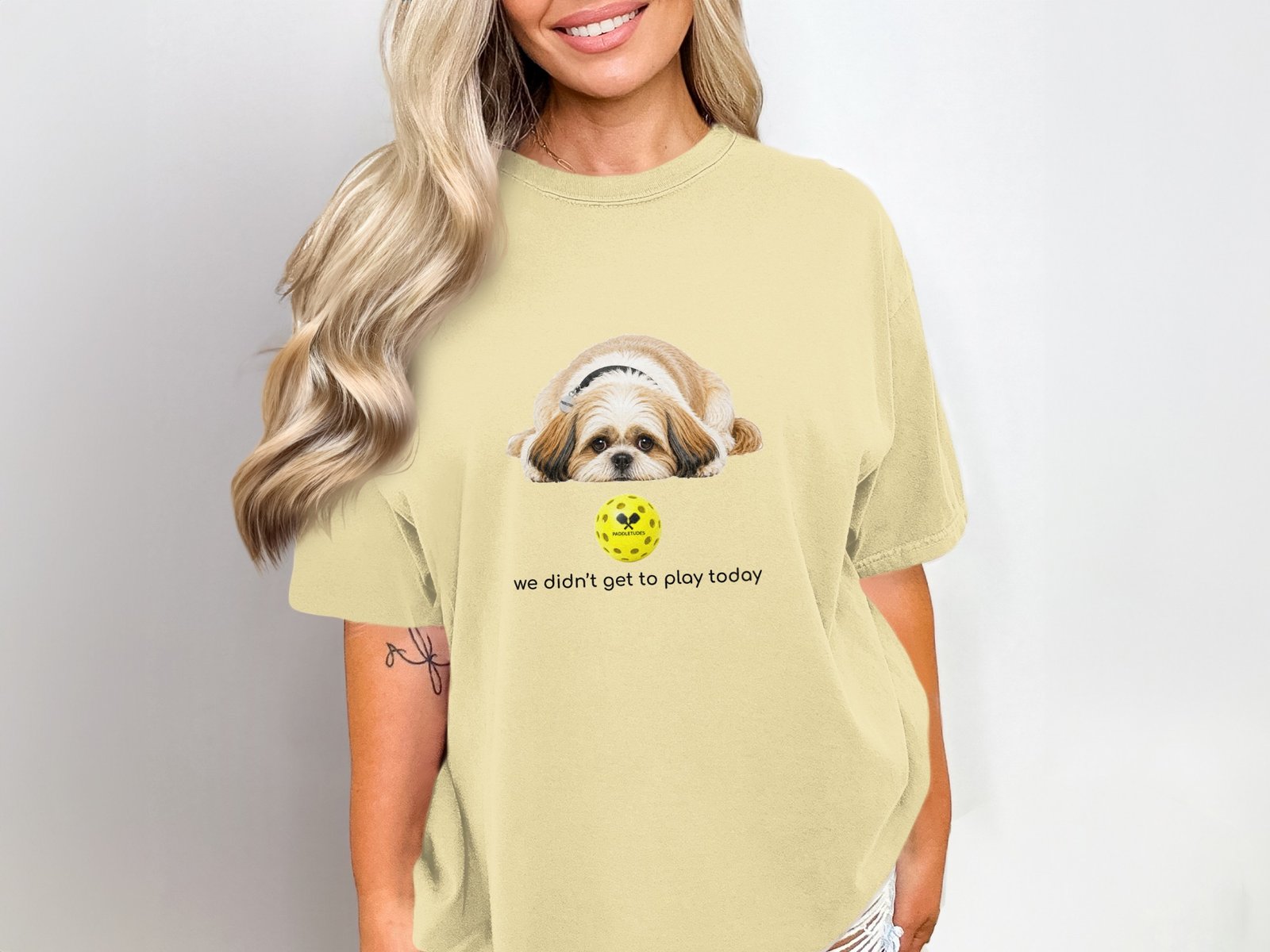
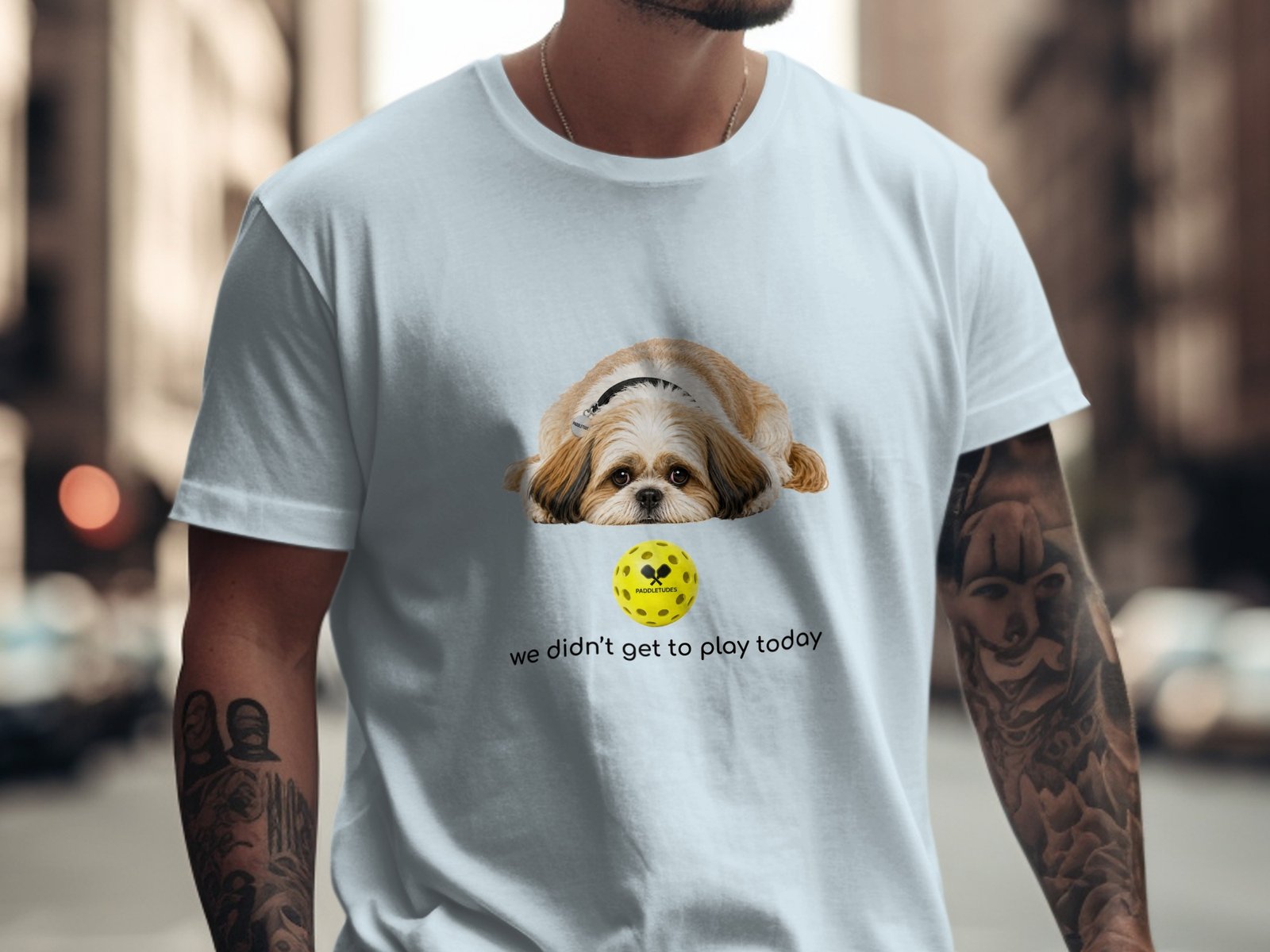
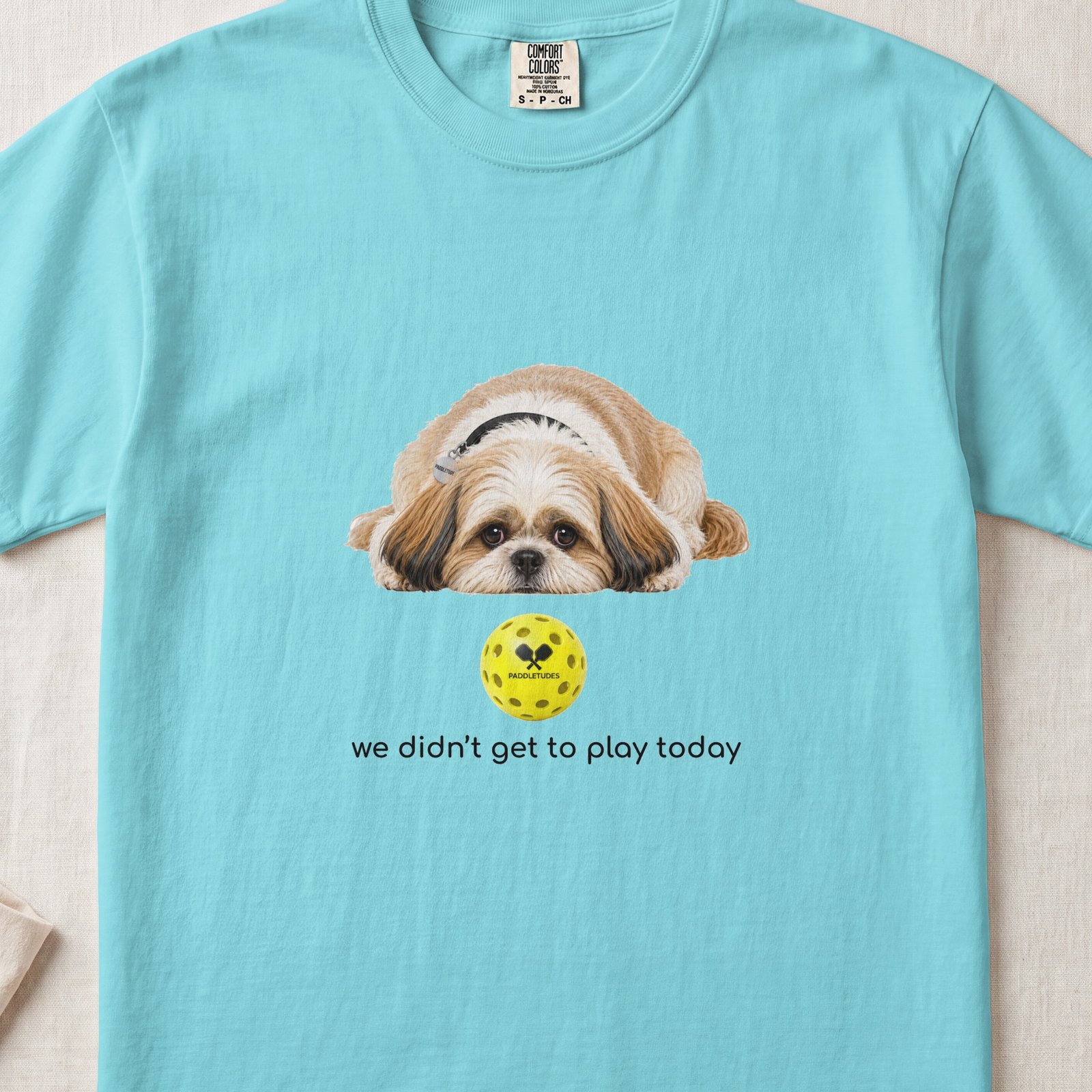
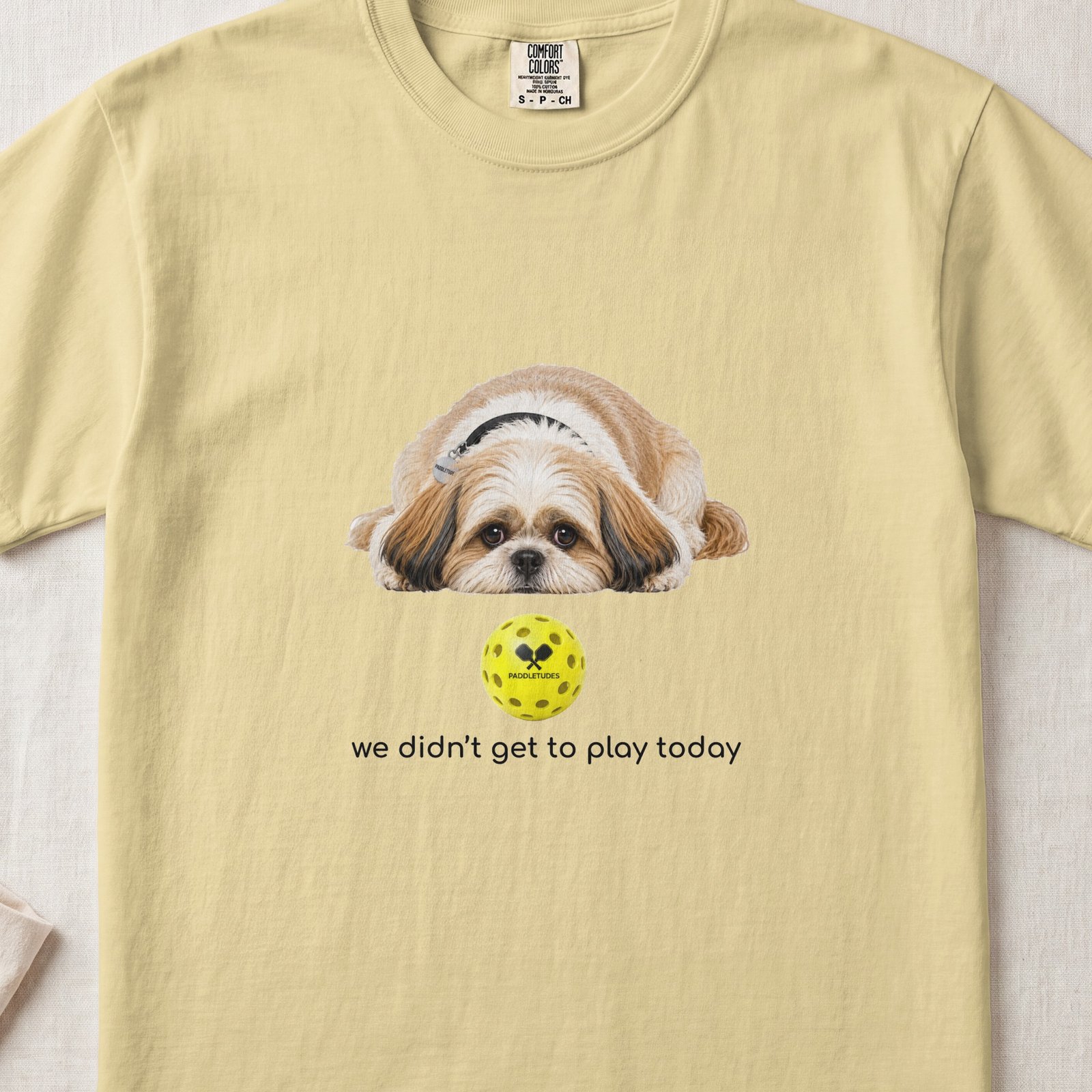
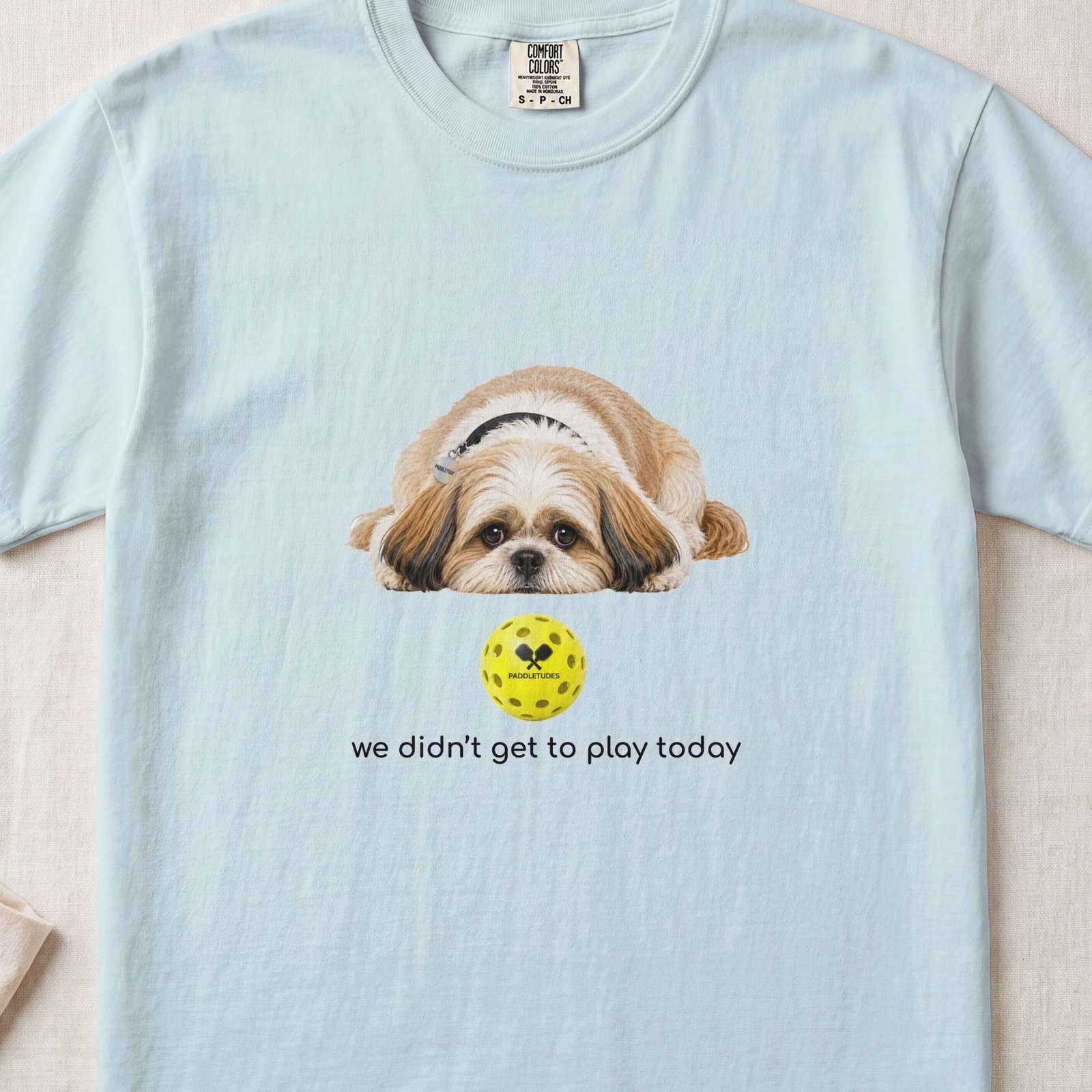
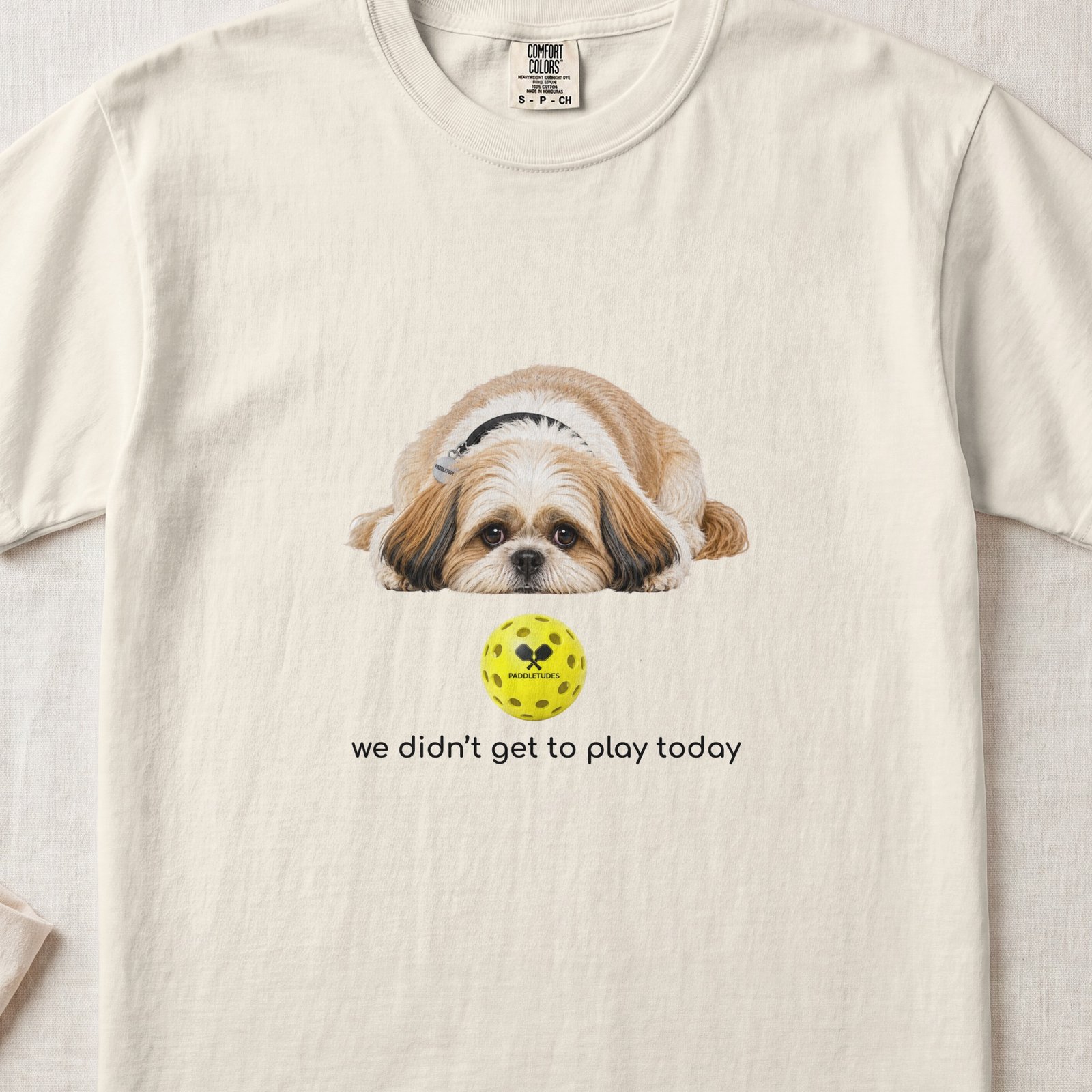
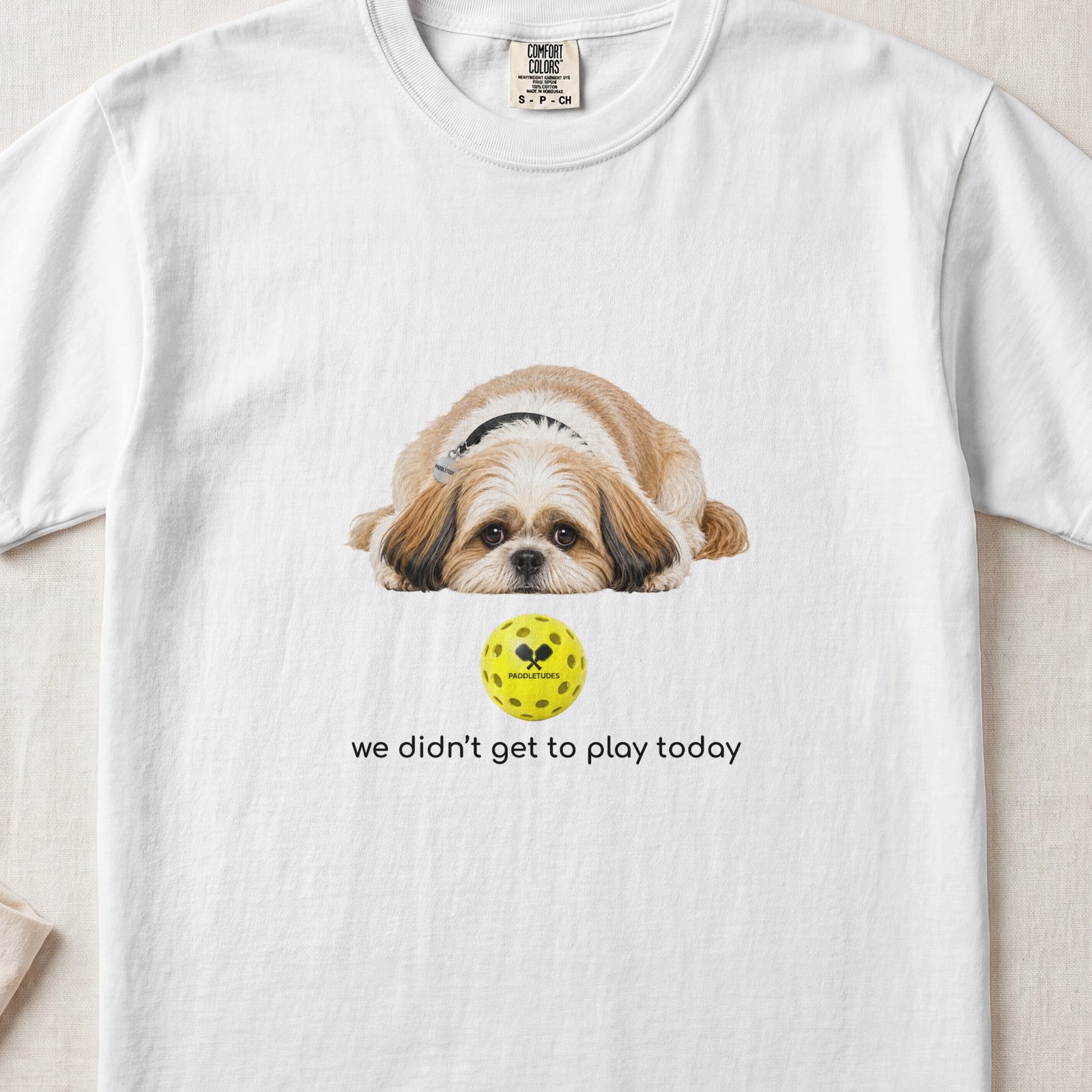
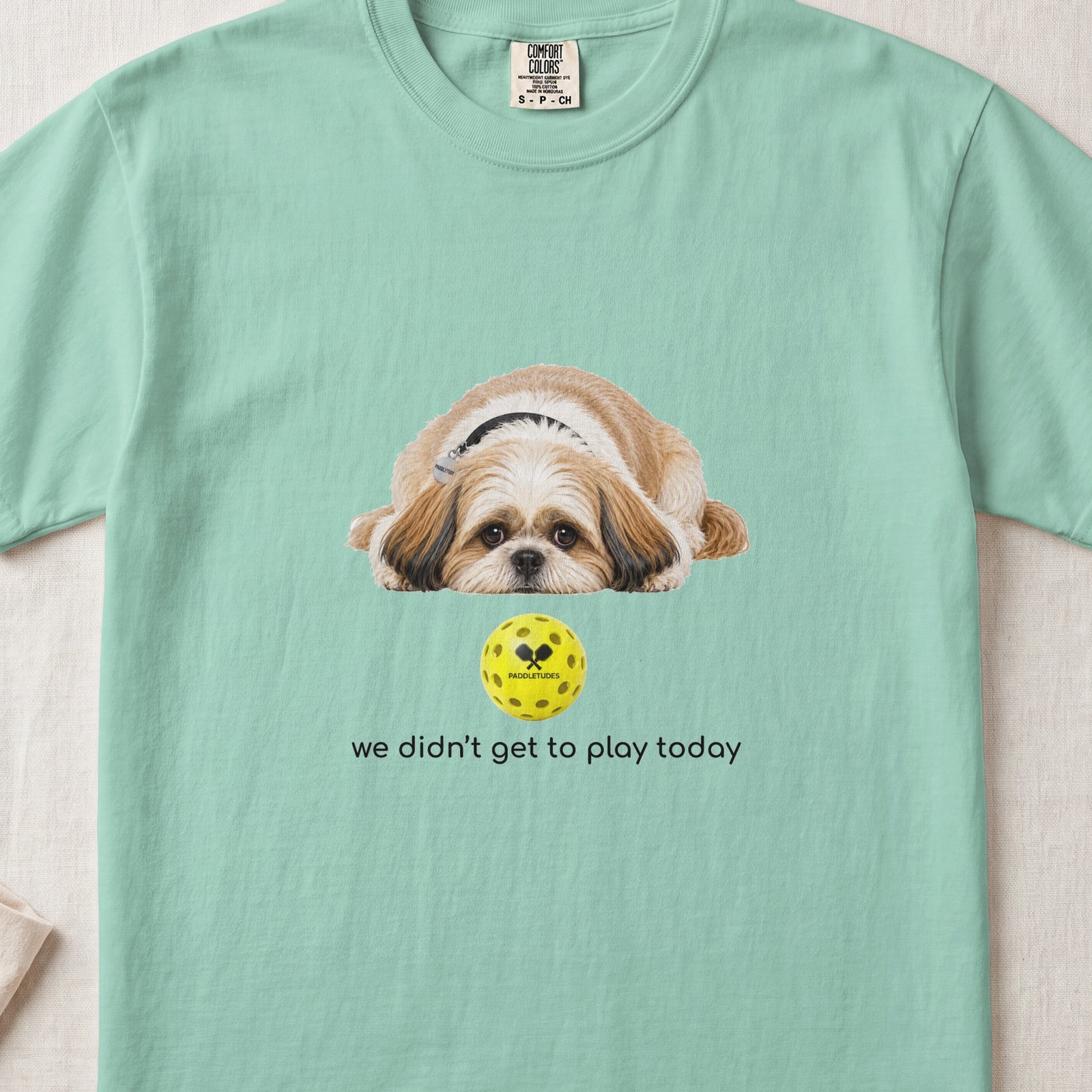
The guilt starts before you leave the house — this Shih Tzu shirt captures the flat-on-the-floor, chin-on-paws, enormous-eyed dramatic production your lion dog puts on every time pickleball happens without them. Printed on a garment-dyed Comfort Colors 1717 heavyweight tee with water-based DTG ink.
If someone in your mixed doubles group has told you — unprompted, between games, while checking their phone camera — that their Shih Tzu has not moved from the window since they left, and has then shown you the screenshot as proof, this is their shirt. Not a gag gift. Not a novelty. The shirt that says I love this dog more than most humans, I feel terrible every time I leave for the court, and I go anyway because the homecoming makes it worth it. Shih Tzu gift searches run strong for a reason — these owners identify with the breed at a cellular level, and anything that captures both the dog and the pickleball obsession in one piece earns permanent wardrobe status.
You know the scene. You reach for the paddle bag. The Shih Tzu watches. Not frantic — that is not how they operate. No barking, no spinning, no door-blocking theatrics. Just a slow, deliberate descent to the floor, followed by the most devastatingly sad expression a twelve-pound creature has ever produced. The pickleball sits in front of them like a prop in a one-dog play about abandonment. The caption reads “we didn’t get to play today” and it is delivered not as an accusation but as a statement of fact that somehow feels worse. At the dog park the next morning, wearing this shirt while your Shih Tzu trots beside you with restored dignity, another Shih Tzu owner spots it and immediately says “mine does the EXACT same thing” — and now you have a new friend. The Dachshund version runs on the same stubborn devotion, just closer to the ground.
The breed’s talent for emotional leverage is not an accident. Shih Tzus were bred across a millennium for one job — being the most important presence in someone’s life. Tibetan monks and Chinese emperors refined a dog whose entire purpose was companionship, not hunting, not herding, not guarding. Pure, concentrated togetherness. The result is a breed with an almost supernatural ability to communicate through facial expression alone. They do not need to bark. They do not need to whine. They just look at you, and you understand everything they are saying, and most of what they are saying is “you are leaving and I am disappointed and I will be right here when you get back because where else would I possibly go.” The happy version shows the other end — pickleball in mouth, all forgiven.
Living with a Shih Tzu also means understanding a brachycephalic breed’s limits — and those limits matter for pickleball players who bring their dogs along. The flat face that makes their expressions so readable also means they overheat faster than longer-muzzled breeds, and summer court sessions with a Shih Tzu in the car require shade, airflow, and attention to temperature that you might not need with a hardier dog. Their prominent eyes sit in shallow sockets, making them more vulnerable to corneal injury and dry eye than most breeds — even something as simple as a strong wind or a dusty court surface can irritate them. Those beautiful long ears need weekly cleaning because trapped moisture leads to infection. None of this diminishes the breed. It just means the Shih Tzu owner is more attentive than average, which tracks — a person who notices every micro-expression on a twelve-pound face is already paying closer attention to their dog than most people pay to anything. Find every breed’s version on the Dogs page.
That depth of attachment is what makes this shirt hit harder than it should for a shirt about a small dog and a plastic ball. The Chihuahua processes the same abandonment at maximum volume — opposite delivery, same bottomless devotion. For the Shih Tzu lover in your life, this is the dog lover gift that says you get it. Every Shih Tzu owner knows the reentry moment — the door opens, the tail starts, and the full-body wiggle begins as if you have been gone for a geological age instead of an hour and a half of rec play. The American Shih Tzu Club describes the breed’s temperament as “outgoing, happy, affectionate, friendly and trusting towards all,” and that is accurate right up until the moment you pick up the paddle bag, at which point “trusting” becomes “betrayed” in about four seconds flat.
Printed on a Comfort Colors 1717 garment-dyed heavyweight tee with water-based DTG ink — sizing and care details here.
How Long Can You Leave a Shih Tzu Alone
Most adult Shih Tzus can handle two to four hours alone, but pushing much past that is asking for trouble. The breed was developed over a thousand years as dedicated companion animals — first for Tibetan monks, then for Chinese imperial royalty — and the result is a dog whose entire emotional wiring is organized around proximity to their person. When that person leaves, the Shih Tzu does not simply wait. It worries.
The signs range from subtle to unmistakable. A mildly anxious Shih Tzu might follow you from room to room more closely than usual before you leave, or station itself by the door the moment it detects the pattern — shoes, keys, bag. A moderately anxious one might refuse to eat while you are gone, or rearrange every pillow on the couch into a nest-like structure and lie in the center of it without sleeping. A severely anxious one may bark continuously, scratch at doors, or have accidents in the house despite being perfectly trained when you are home. The behavior is not defiance. It is genuine distress from a dog that was never designed to be alone.
Gradual desensitization helps. Start with short departures — five minutes, then ten, then twenty — so the dog learns that leaving is not permanent. A consistent routine reduces uncertainty, because Shih Tzus are sharp enough to learn patterns and take comfort from them. Background noise, a worn piece of your clothing left on their bed, and a calm exit without prolonged goodbyes all lower the emotional temperature. Some owners find that a second dog helps, though two Shih Tzus with separation anxiety is not necessarily an improvement — it may just be stereo.
For pickleball players, this is the daily negotiation. You want to play. Your Shih Tzu wants you to stay. The compromise — a brisk walk before you leave, a calm departure, and the world’s most enthusiastic homecoming ninety minutes later — becomes the rhythm of life with a breed that loves you with a focus most humans reserve for their firstborn child. The sad face on this shirt is not a joke. It is a portrait.
-
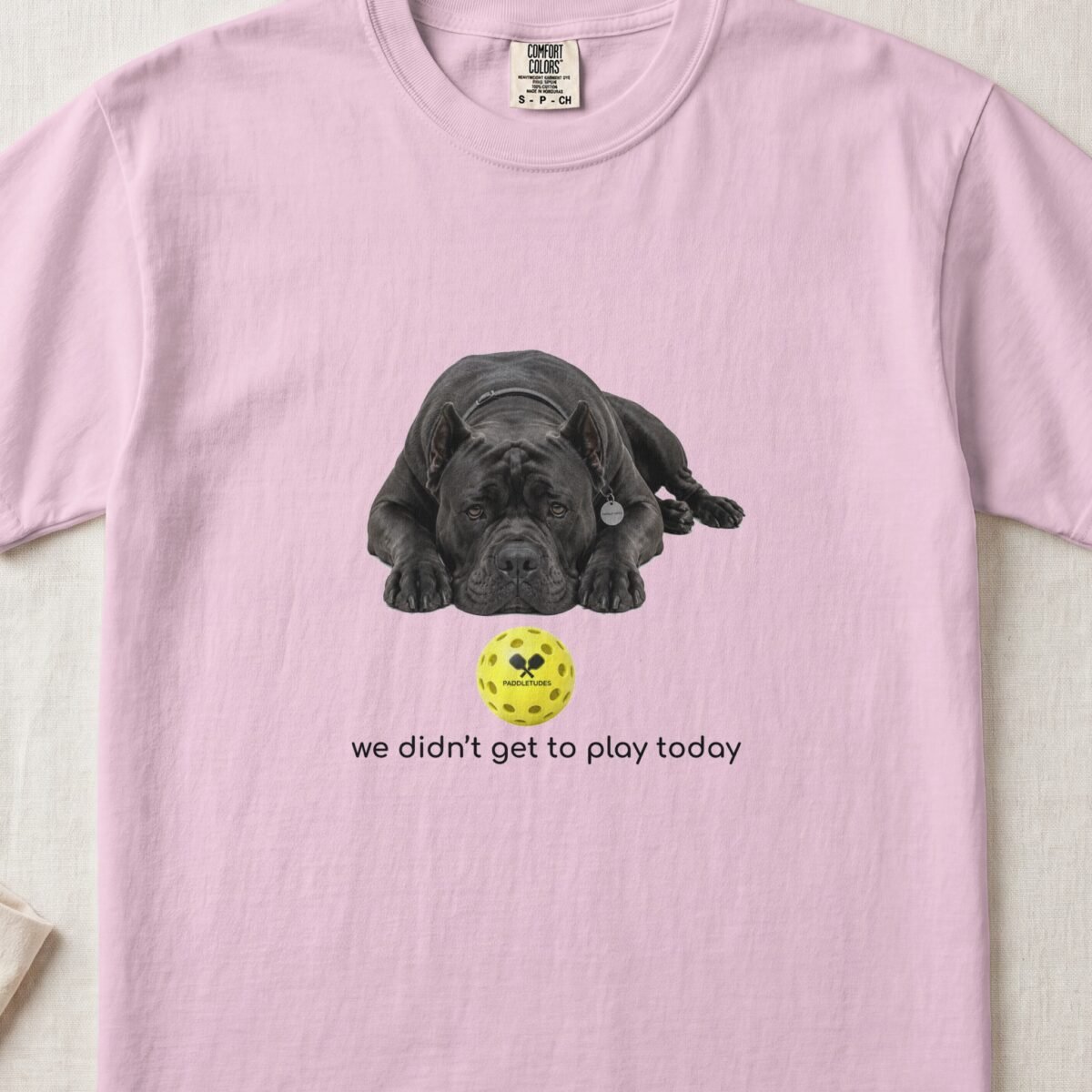
Cane Corso Sad
$39.99 Select options This product has multiple variants. The options may be chosen on the product page -
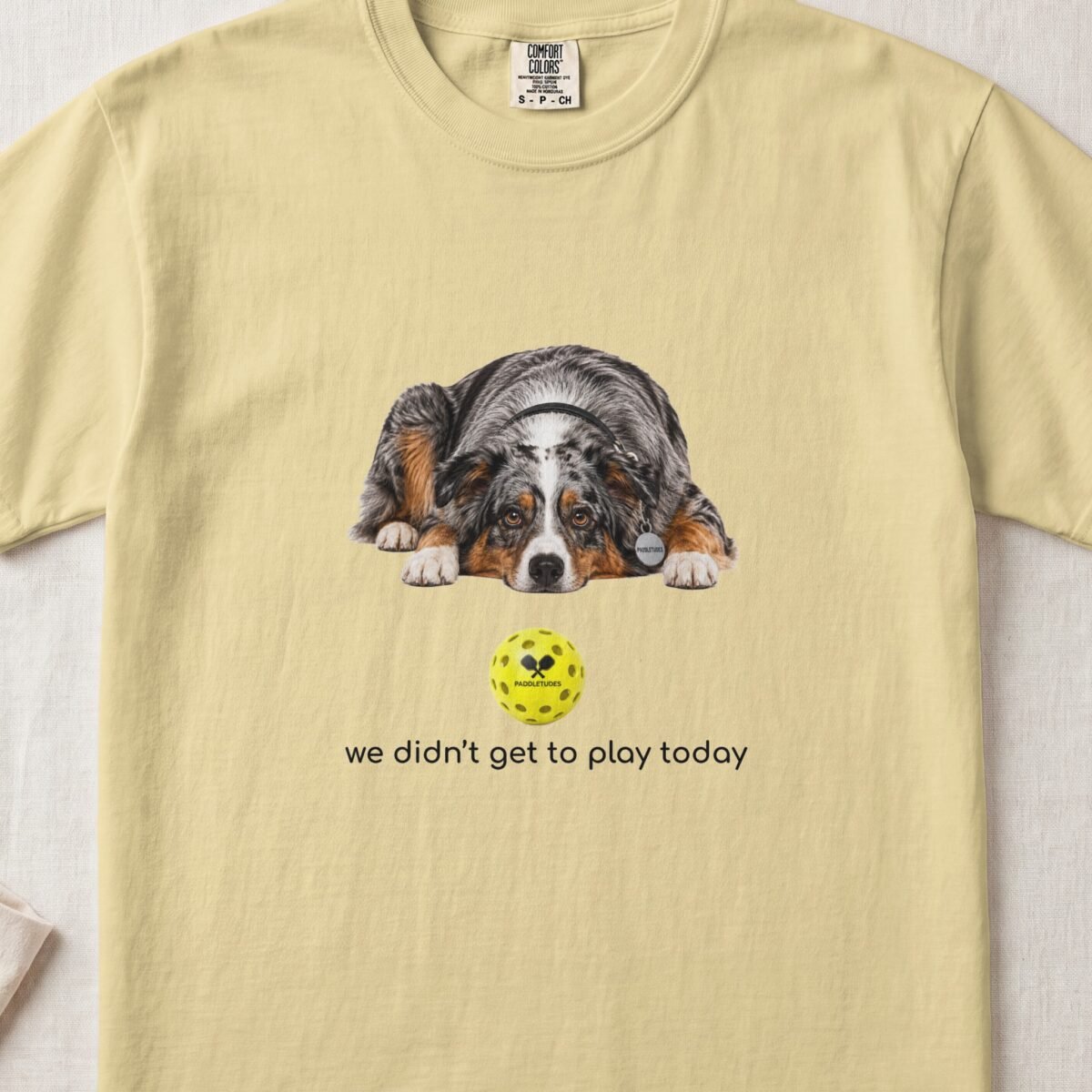
Mini Australian Shepherd Sad
$39.99 Select options This product has multiple variants. The options may be chosen on the product page -
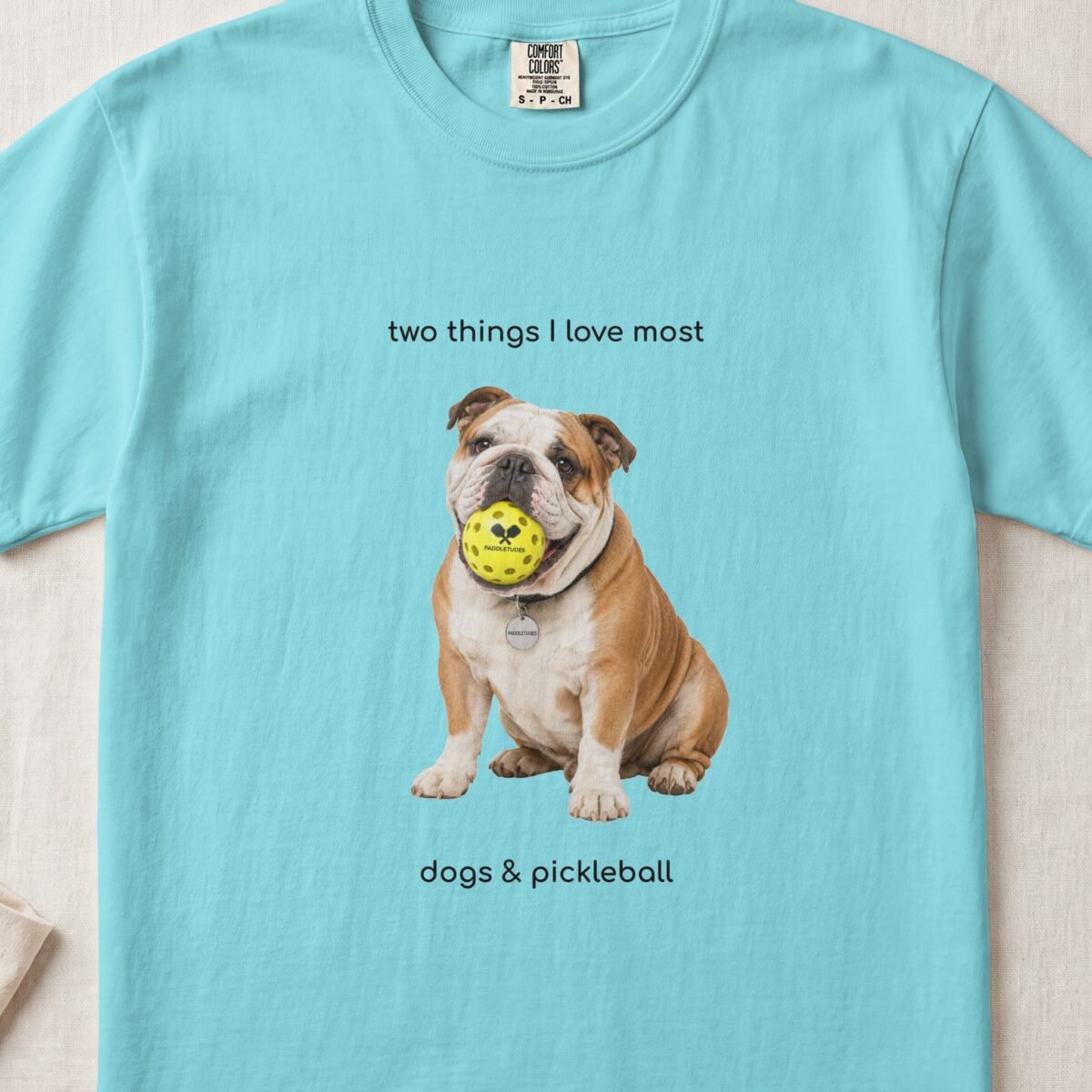
Bulldog Happy
$39.99 Select options This product has multiple variants. The options may be chosen on the product page