Animals Comfort Colors 1717
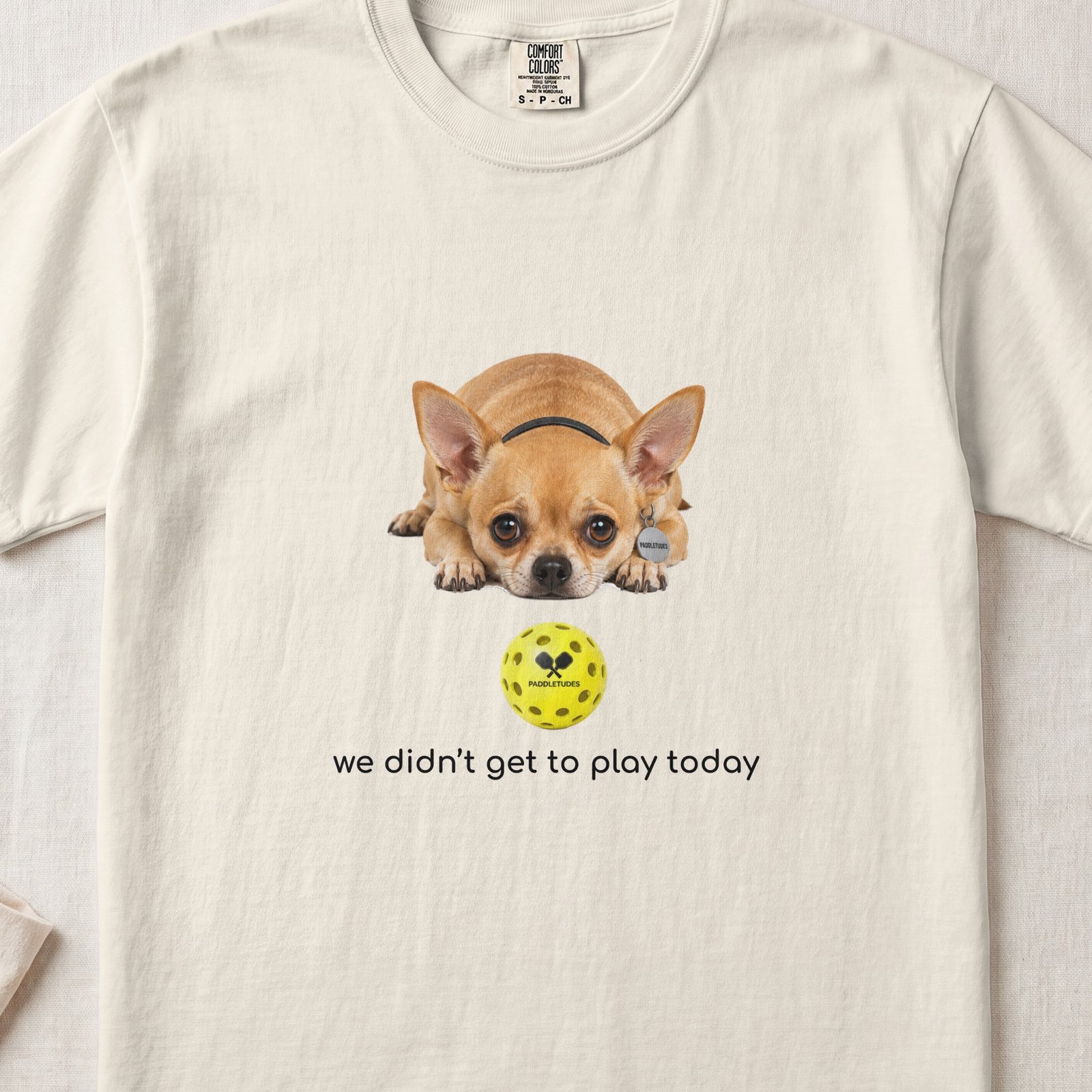
Chihuahua Sad
$39.99
- Comfort Colors 1717 heavyweight cotton
- Original design · printed to order
- U.S. print partners
A Chihuahua Gift That Weighs More Than the Dog
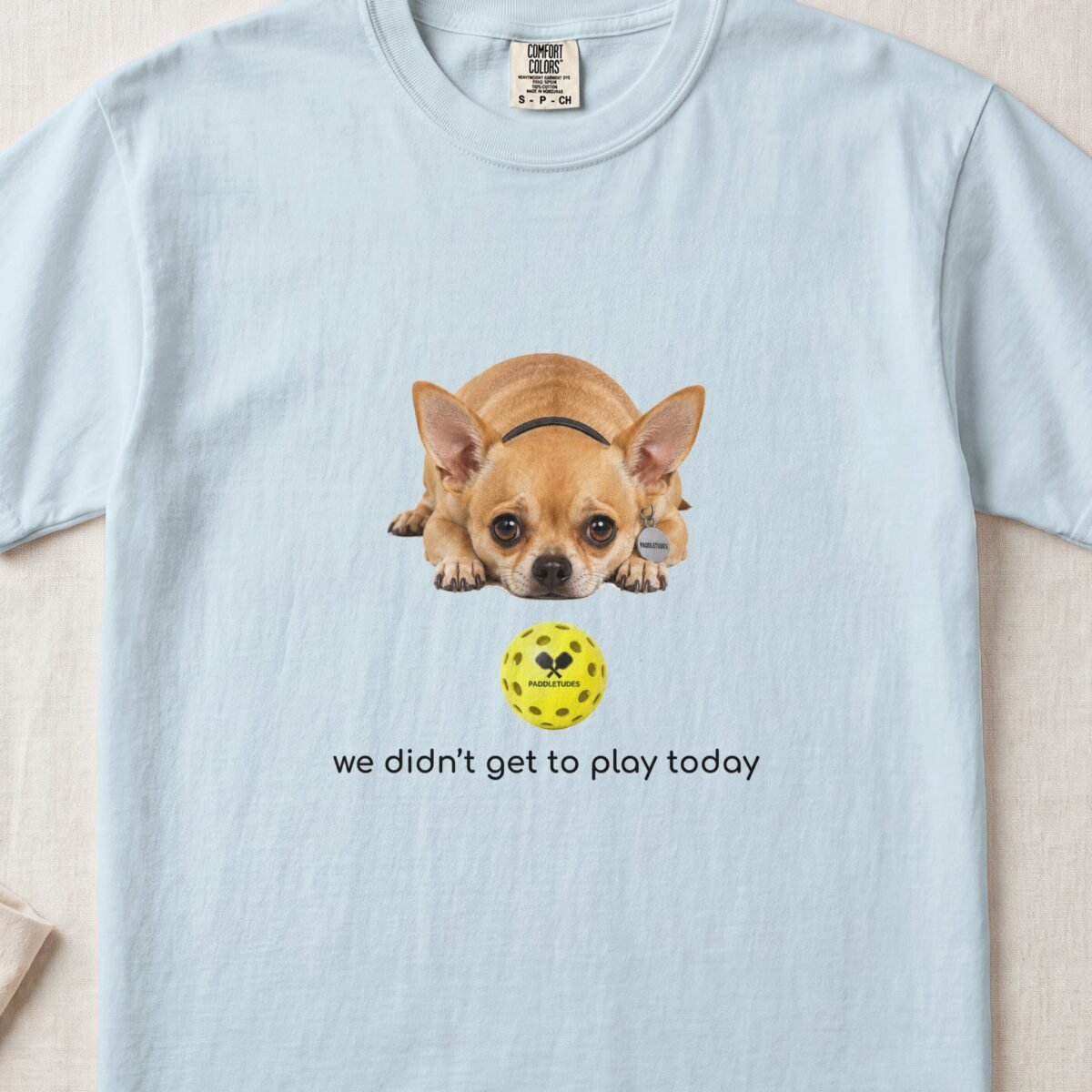
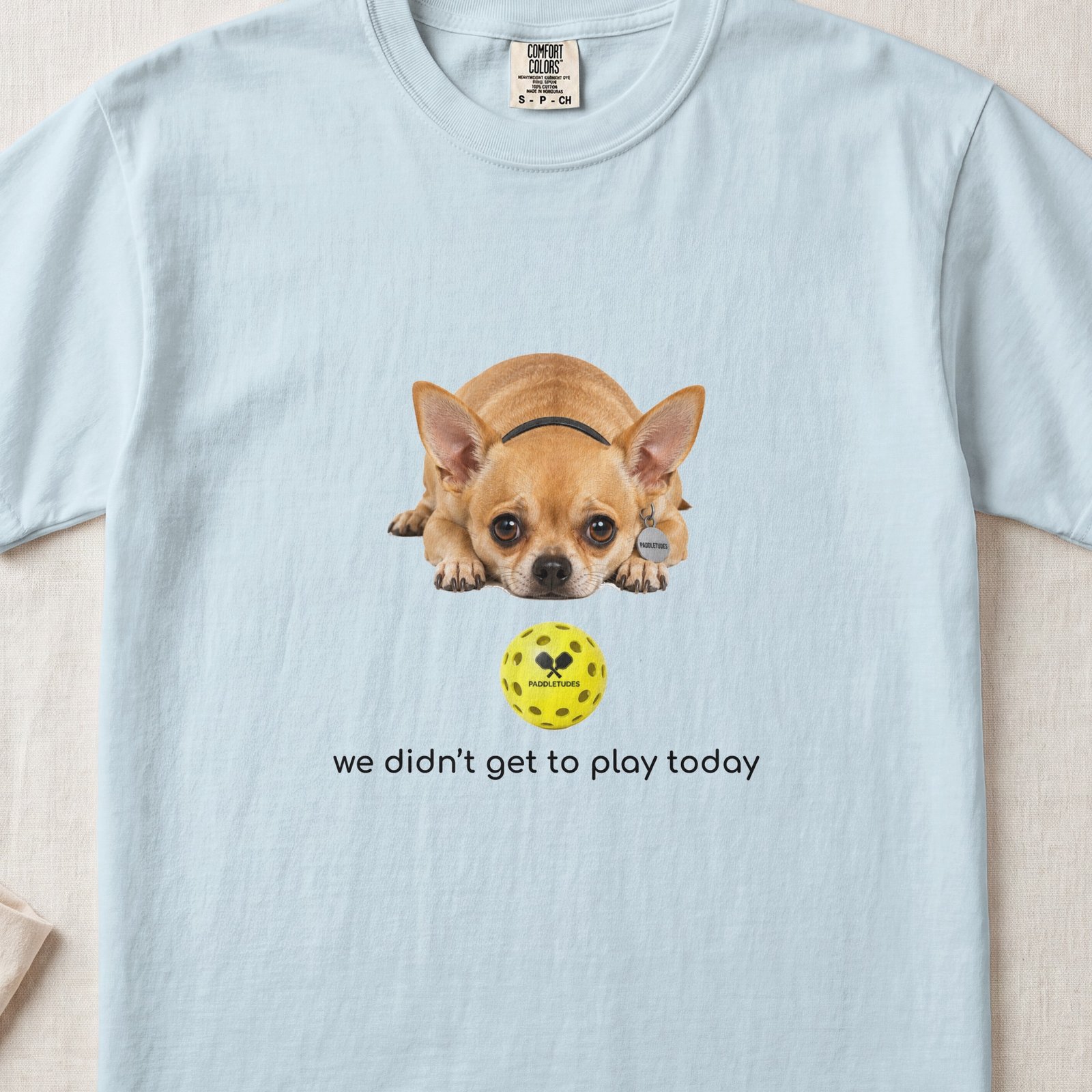
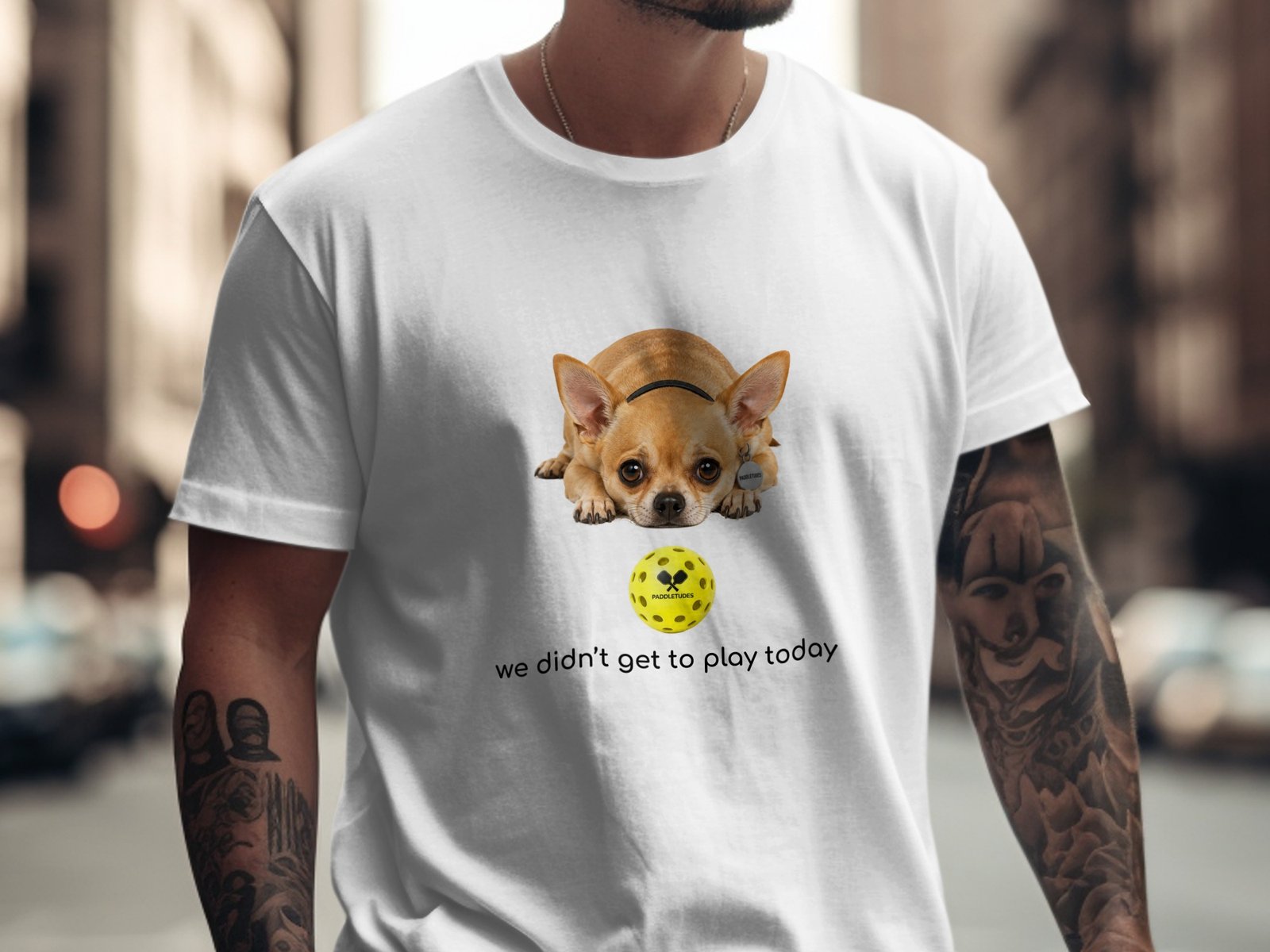
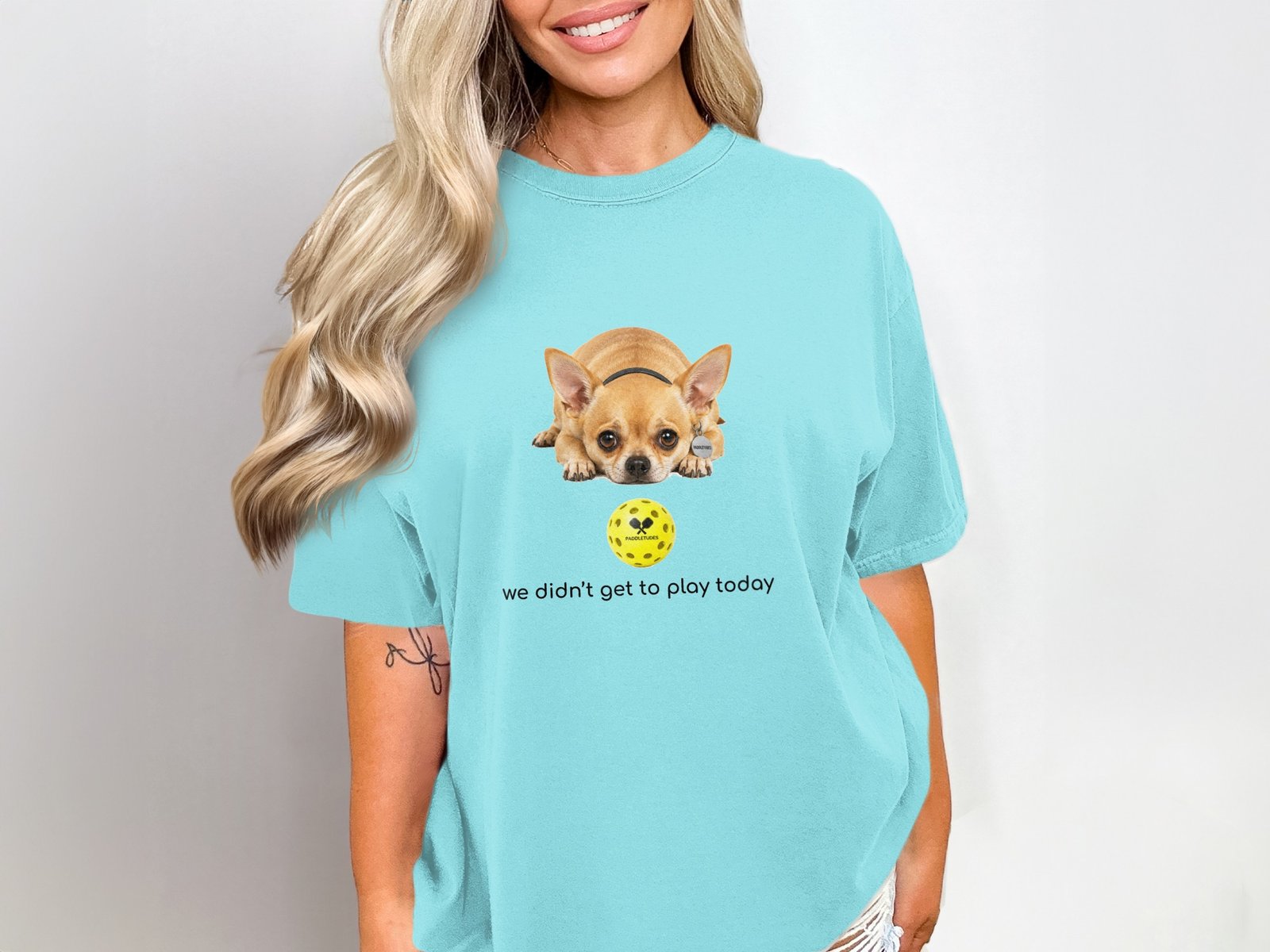
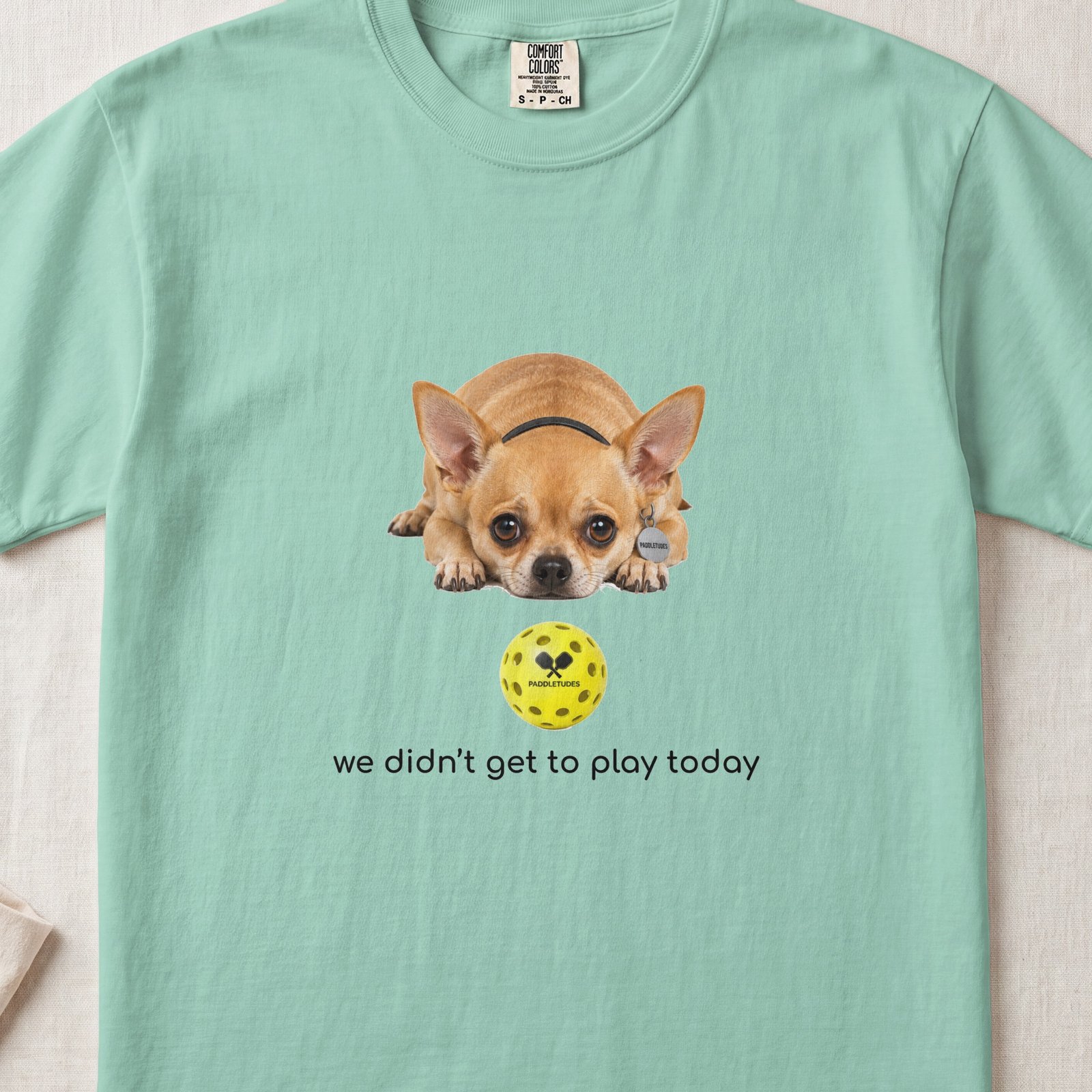
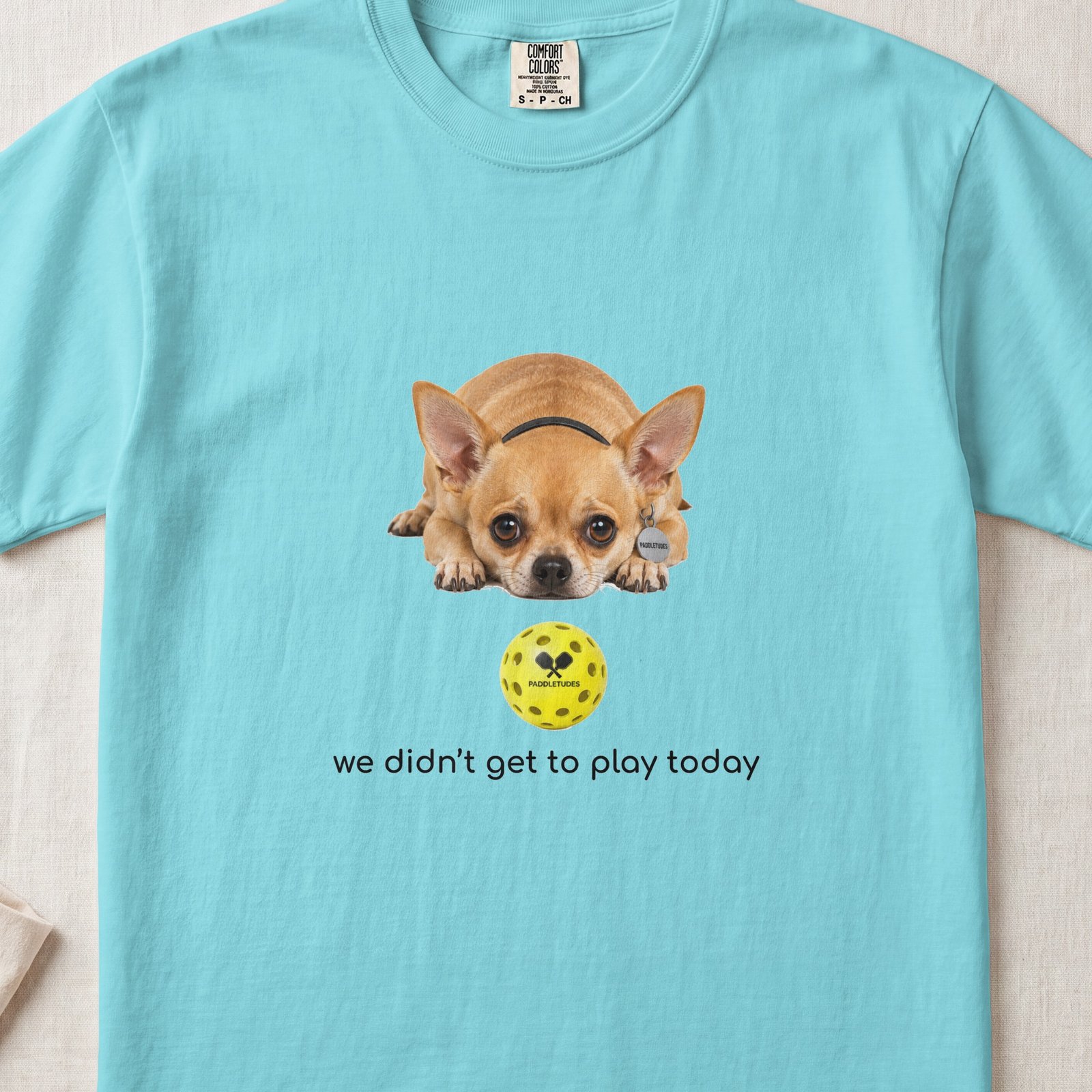
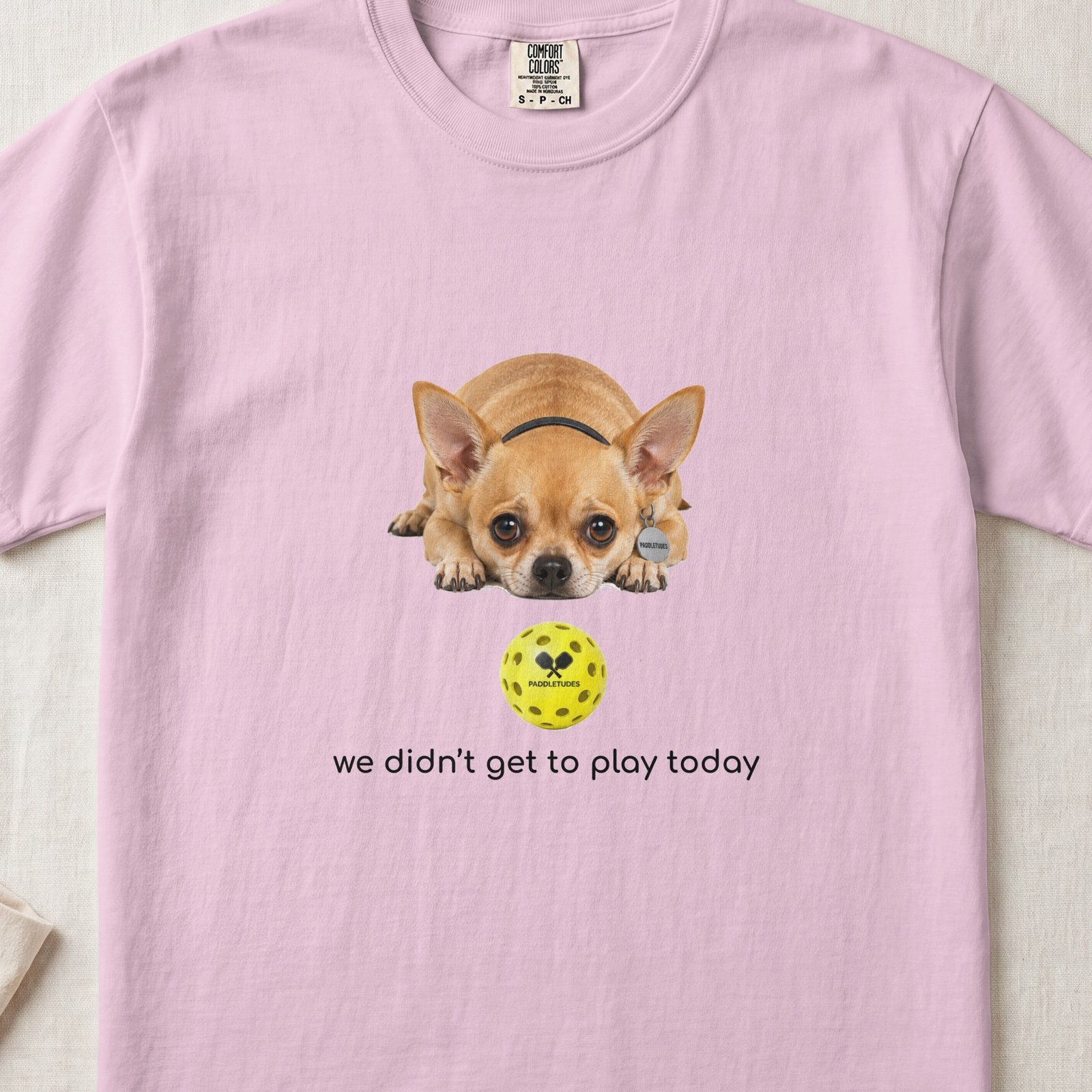
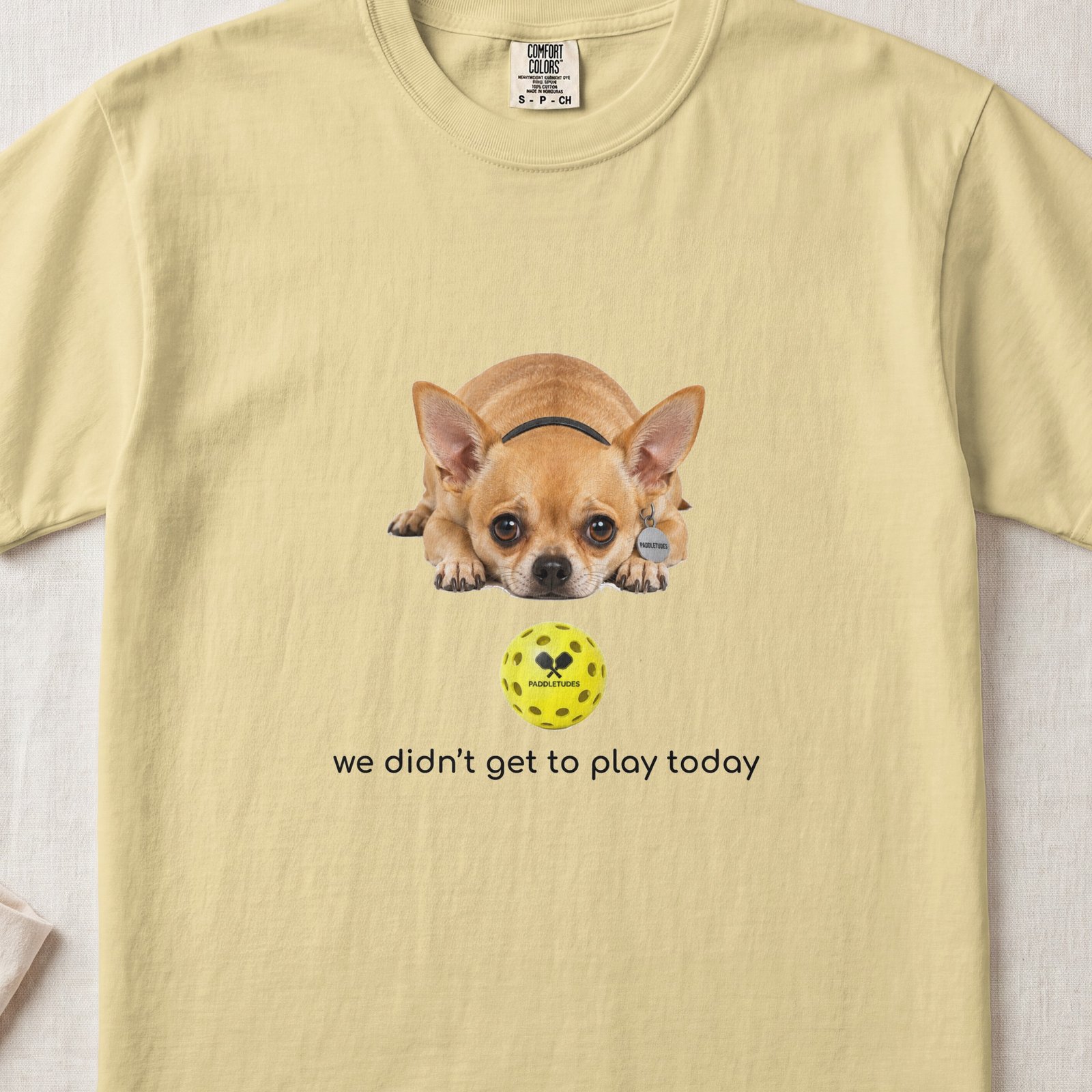
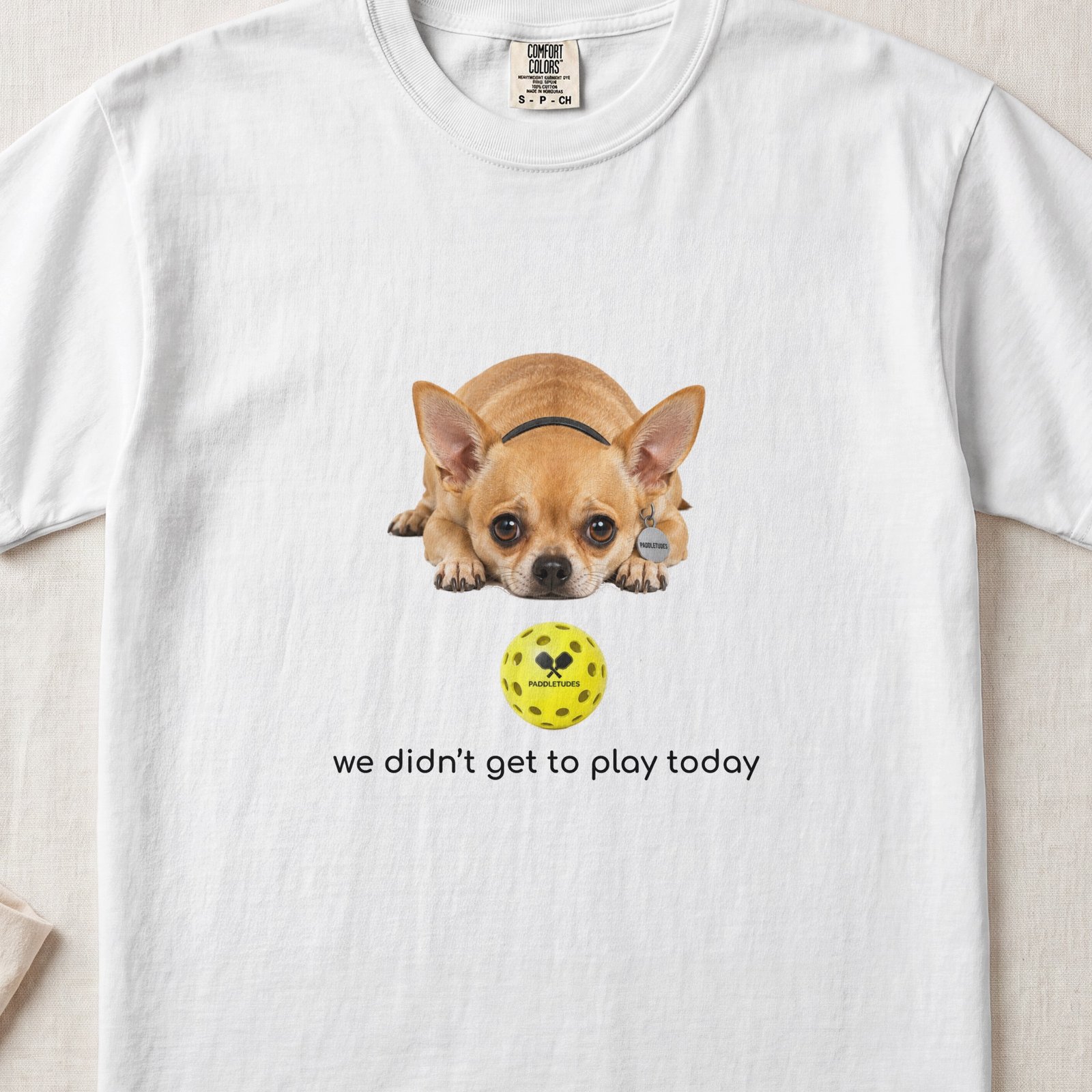
The ball hasn’t moved. The Chihuahua hasn’t moved. The guilt has been building since you put the paddle back in the closet, and this gift tee captures every ounce of it.
A disappointed Chihuahua does not process the emotion internally. A disappointed Chihuahua becomes the emotion. The body flattens. The ears — those enormous, satellite-dish ears that normally rotate to track every sound in the house — go sideways and stay there. The eyes get wider, which shouldn’t be physically possible on a skull this small, and yet here we are. They don’t look at you. They look past you, at the spot where the pickleball bag was sitting thirty minutes ago, and they hold that stare like they’re memorizing a crime scene. If disappointment were a competitive sport, the Chihuahua would be nationally ranked.
The drama is real, and that’s exactly why this is the Chihuahua gift that makes people lose it. The Mother’s Day gift for the dog mom whose Chi has been performing this exact scene every Tuesday and Thursday since she started league play — and who has screenshots of the pet camera to prove it. The Christmas gift for the dog dad whose Chihuahua rides in his jacket to the court and screams from the car when he doesn’t bring it inside. The birthday gift for the grandma whose Chi sits on her lap during dinner and has opinions about the menu, the conversation, and everyone’s posture. The retirement dog owner gift for the neighbor who now plays morning pickleball every day and whose Chihuahua has responded by claiming the front window as a permanent surveillance post. This is a dog lover gift that works as a stocking stuffer because the person opening it on Christmas morning is going to point at the dog on the shirt and then point at the actual dog sitting three feet away making the exact same face. And the whole room is going to lose it because they’ve all seen that face at every family gathering for years.
The Chihuahua bonds to one person with an intensity that borders on surveillance — and when that person leaves for the court, the dog’s entire emotional framework leaves with them. This isn’t separation anxiety in the clinical sense for every Chi, though plenty of them qualify. It’s more specific than that. The Chihuahua knows your routine. They know which shoes mean pickleball. They know the sound of the paddle bag zipper. They’ve built a mental model of your pre-departure sequence, and when that sequence fires without producing the expected result of them coming along, the system crashes. What you see on this shirt is the crash screen. The Dachshund processes the same departure with an equally dramatic shutdown — different breed, same absolute commitment to making you feel guilty about it.
The Chihuahua Club of America describes the breed as having “terrier-like” temperament, which is diplomatic language for a dog that punches thirty weight classes above its own and does not care. That temperament doesn’t soften in moments of disappointment — it sharpens. A sad Chihuahua isn’t defeated. A sad Chihuahua is loading the next argument. The look on this shirt is the pause between rounds, and every Chihuahua lover who has lived through the post-missed-court-day standoff knows that the silence is temporary and the retaliation is coming. Usually at 5 AM the next morning. Usually at volume. For the version where court time happened and your Chi has a pickleball locked in with the full confidence of a dog who has never acknowledged its own size, grab the Happy Chihuahua tee.
Printed on a Comfort Colors 1717 garment-dyed heavyweight tee with water-based DTG ink — sizing and care details here.
Do Chihuahuas Get Attached to One Person
Chihuahuas are one of the most intensely bonded breeds in existence — the AKC breed profile lists devotion as a defining characteristic. They pick a person — usually whoever spends the most consistent time with them — and build their entire emotional architecture around that individual. Everyone else in the household gets tolerated. Visitors get the stare. The chosen person gets the lap time, the under-blanket burrowing at 2 AM, and the full-body meltdown whenever they leave the room for more than four minutes.
This is not a training failure. It’s a trait embedded in the breed across centuries. The Techichi — the Chihuahua’s ancestor in pre-Columbian Mexico — was bred specifically for closeness with one owner, and that instinct survived intact through a thousand years of history. The modern Chihuahua reads its person’s body language with startling accuracy, responds to perceived threats with vocal intensity that makes no sense relative to its size, and physically positions itself between you and anything it considers suspicious — which can include the mailman, your neighbor, and sometimes the other dog in your own house.
For pickleball players, this bond is the entire reason the sad version of this shirt exists. You are their person. You are leaving for the court. They cannot come. This is, in their assessment, a betrayal of historic proportions — and they will communicate that assessment at volume until the door closes. When you come home ninety minutes later, they greet you like you just returned from overseas deployment. The bond is real, it is intense, and if you own a Chihuahua and play pickleball, this tension between the court and the couch is the most relatable thing on the shirt. Browse the full breed lineup on our Dogs and Pickleball page.
Why Are Chihuahuas So Protective
Chihuahuas don’t know they’re small. This isn’t a cute exaggeration — it’s a behavioral reality that shapes every interaction the breed has with the world. A six-pound Chihuahua will bark at a German Shepherd, lunge at a delivery driver, and position itself between its owner and a stranger with the same conviction a Rottweiler brings to the job. The difference is the Rottweiler has the body to back it up. The Chihuahua has the audacity.
The protectiveness comes from the same one-person bonding that defines the breed. When a Chihuahua has chosen its human, everything that approaches that human is evaluated as a potential threat until proven otherwise. Other dogs, other people, loud noises, sudden movements — the Chi’s default setting is suspicion, and the response is immediate and disproportionate. This is why Chihuahuas are among the breeds most likely to bite, though the bites are rarely reported because a six-pound dog doing damage isn’t taken as seriously as a sixty-pound dog doing damage. The behavior is identical. The consequences are just scaled differently.
For owners, managing the protectiveness means early socialization and consistent exposure to new people and situations. A Chihuahua who meets different humans regularly from puppyhood develops a broader definition of “not a threat.” But the core instinct doesn’t disappear. Even the most well-socialized Chi will position itself between you and a stranger if something feels off. They’re not guard dogs in the traditional sense. They’re alarm systems with legs and opinions — and they are never, ever off duty. The Beagle runs the same melodrama from a completely different operating system — less surveillance, more howling at volume until the situation resolves itself.
-
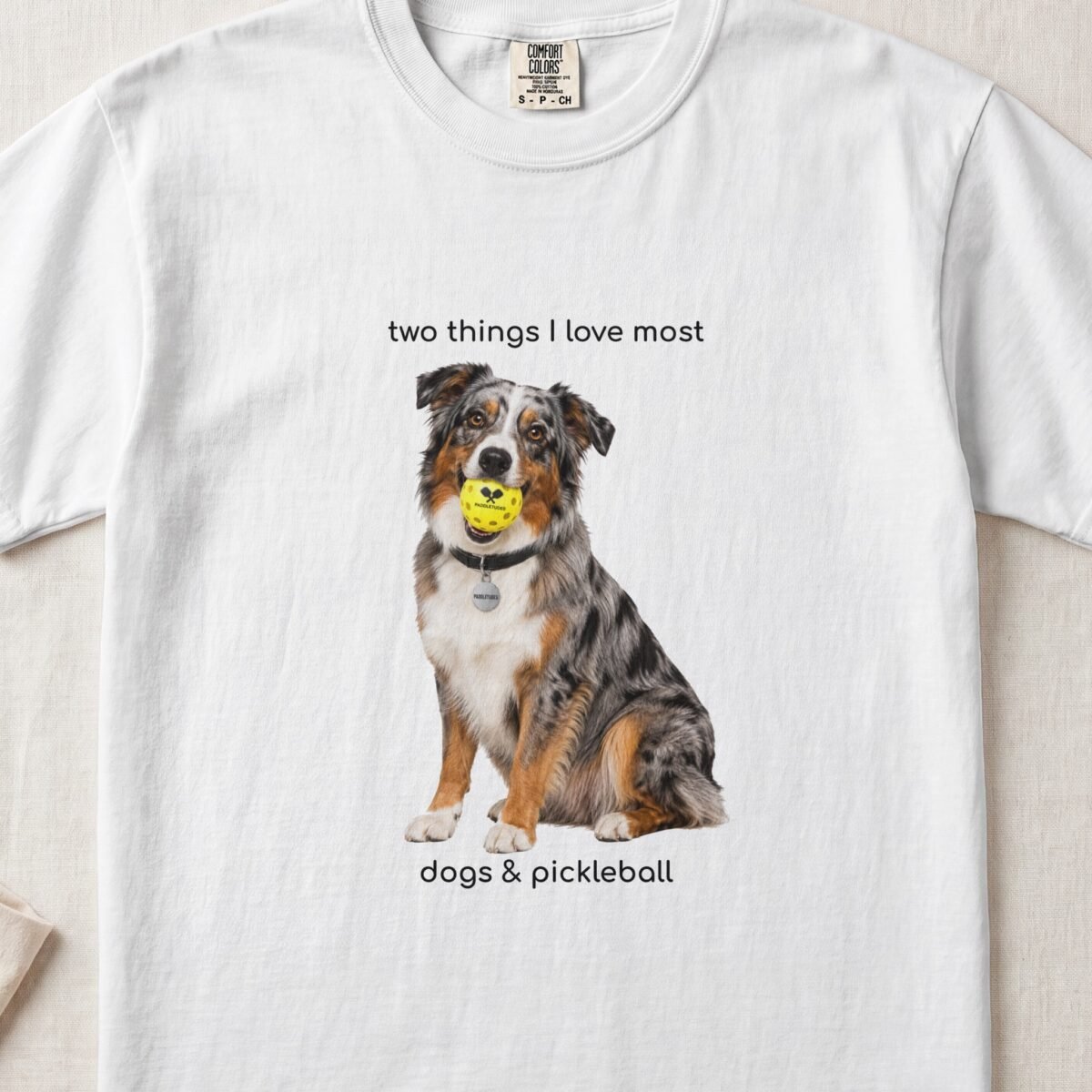
Mini Australian Shepherd Happy
$39.99 Select options This product has multiple variants. The options may be chosen on the product page -
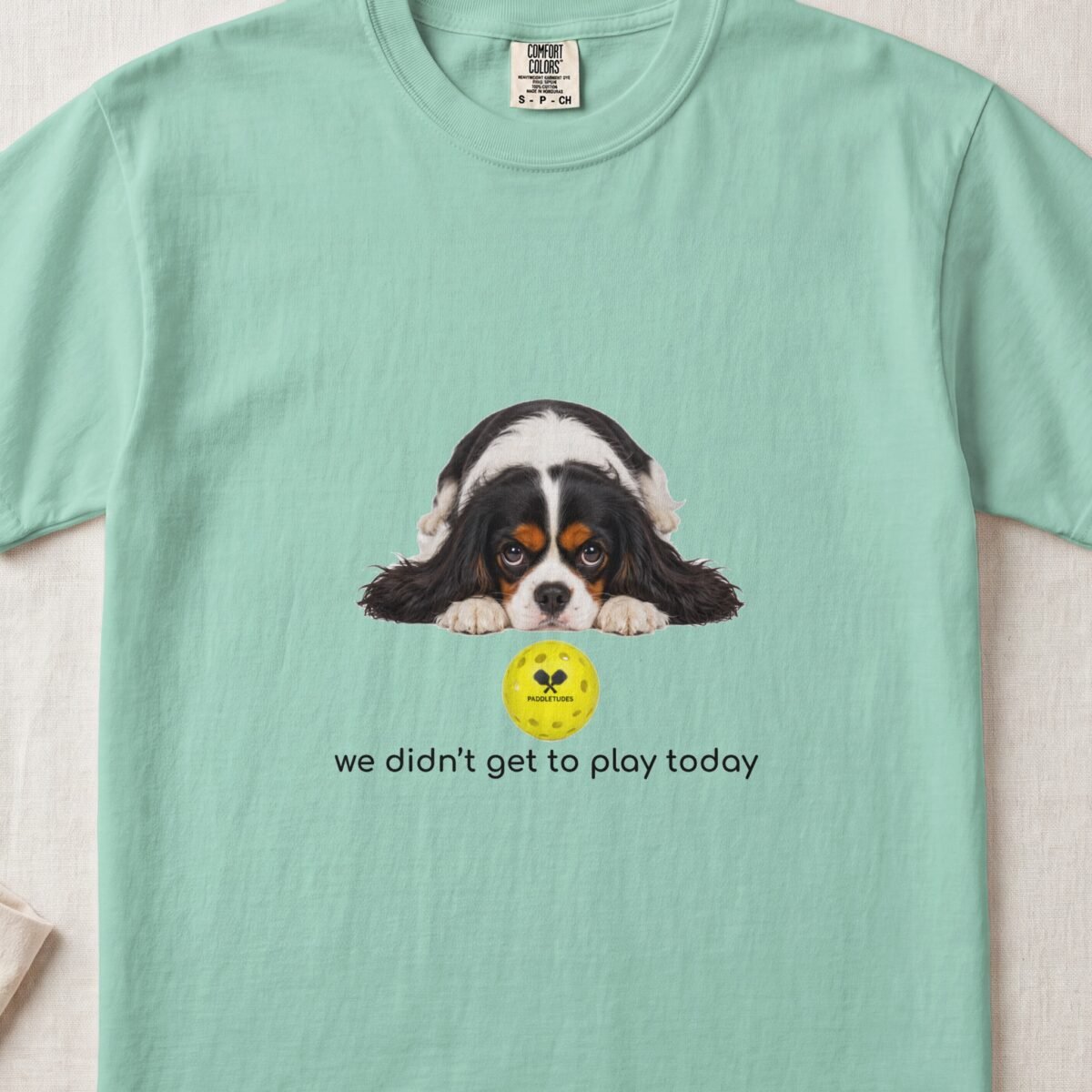
Cavalier King Charles Spaniel Sad
$39.99 Select options This product has multiple variants. The options may be chosen on the product page -
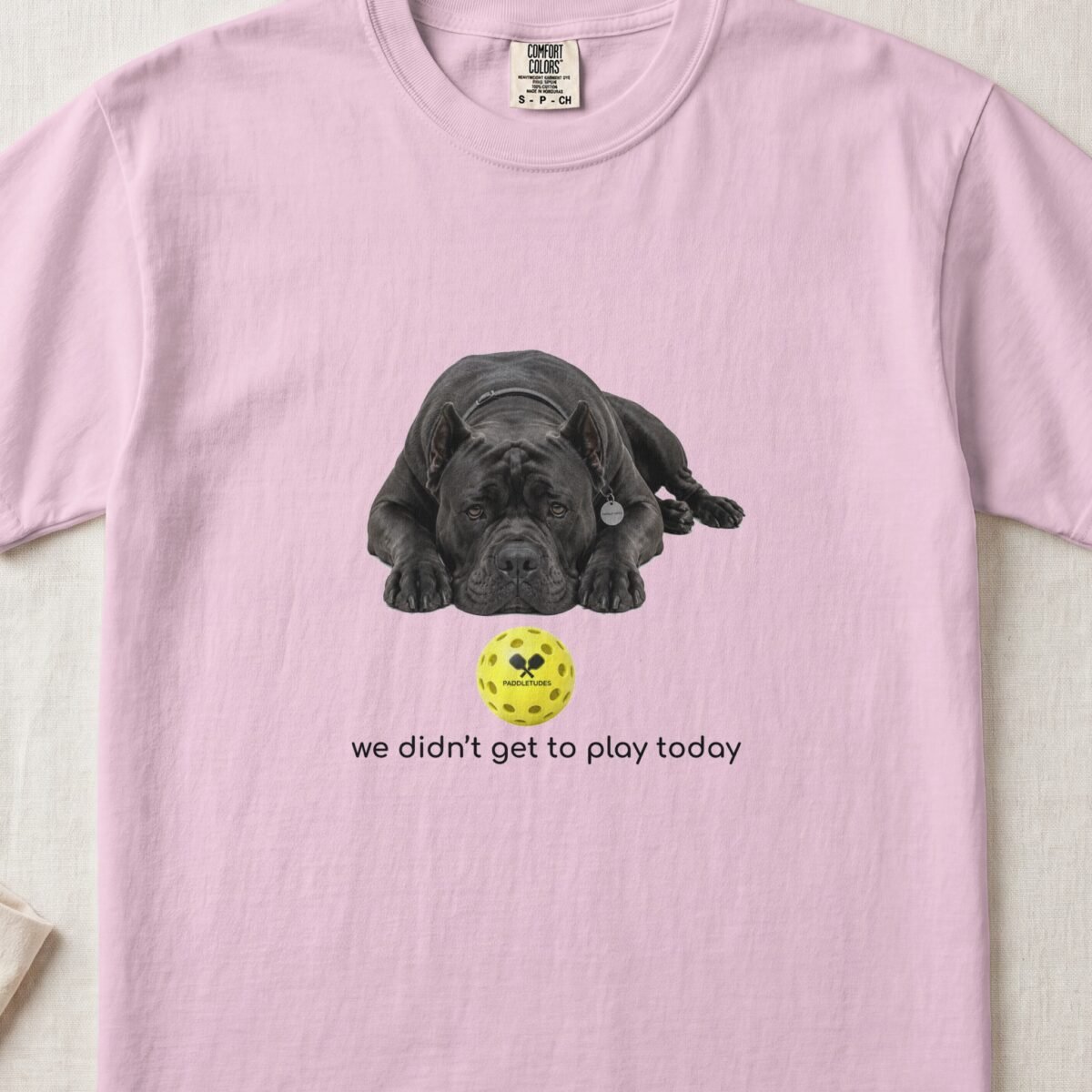
Cane Corso Sad
$39.99 Select options This product has multiple variants. The options may be chosen on the product page