Animals Comfort Colors 1717
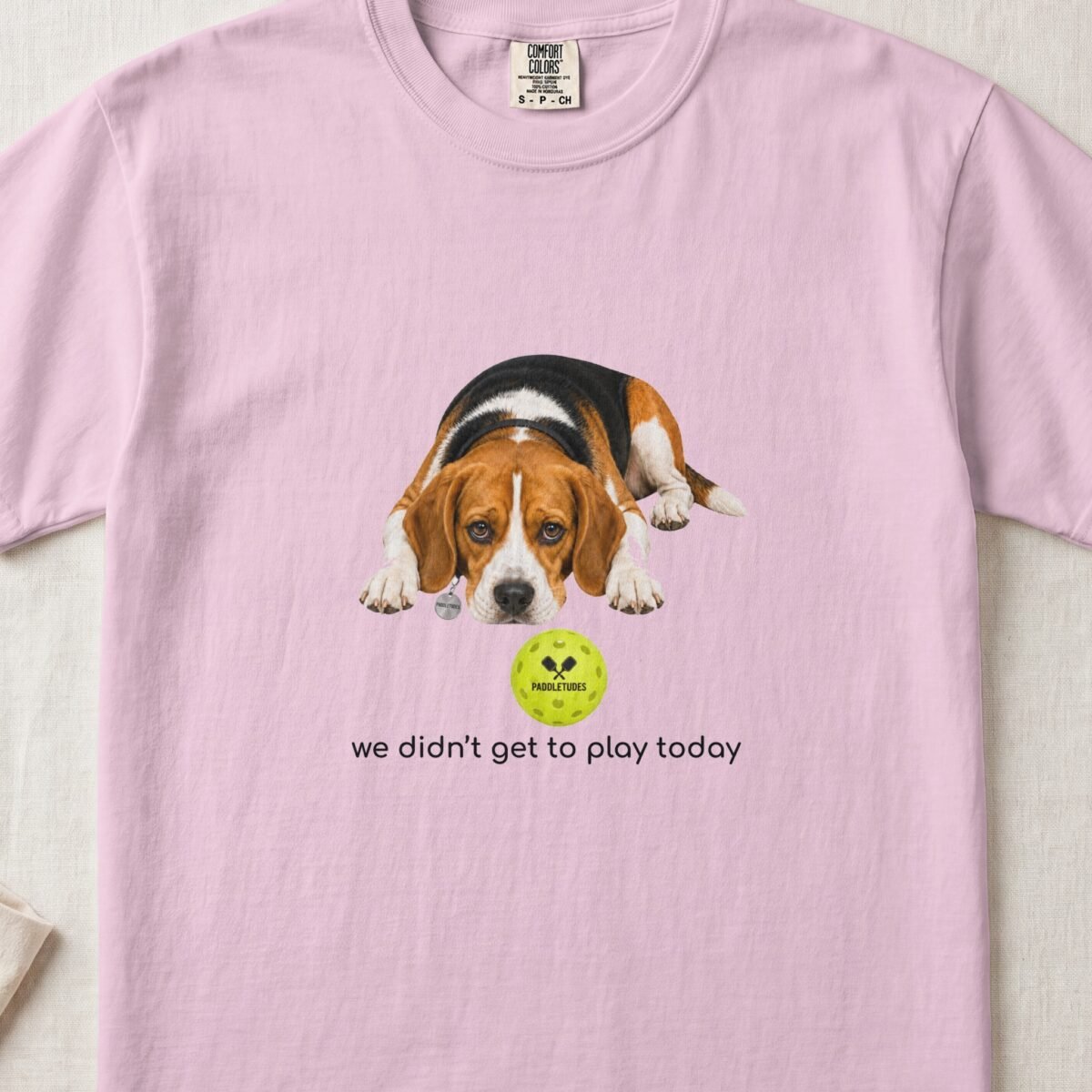
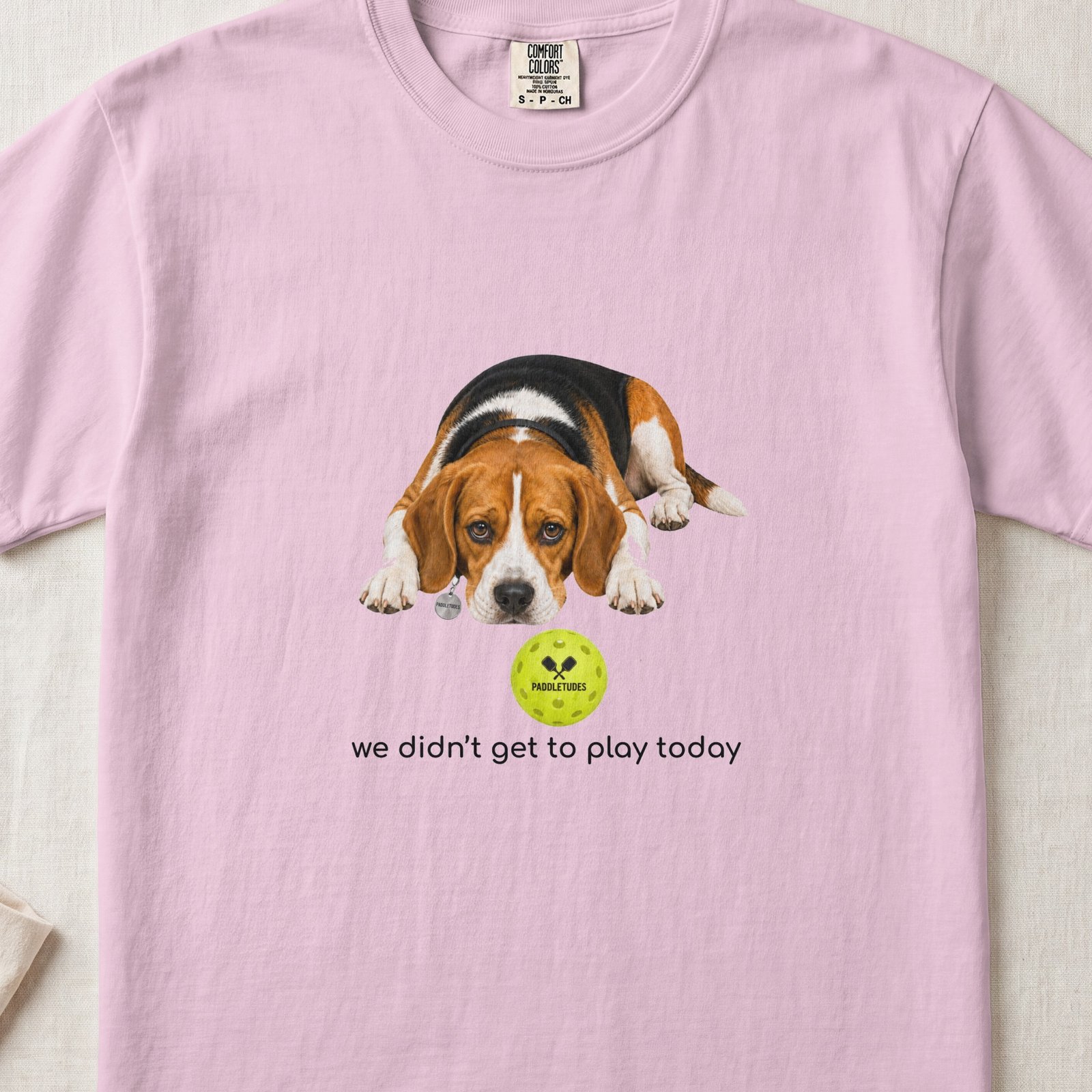
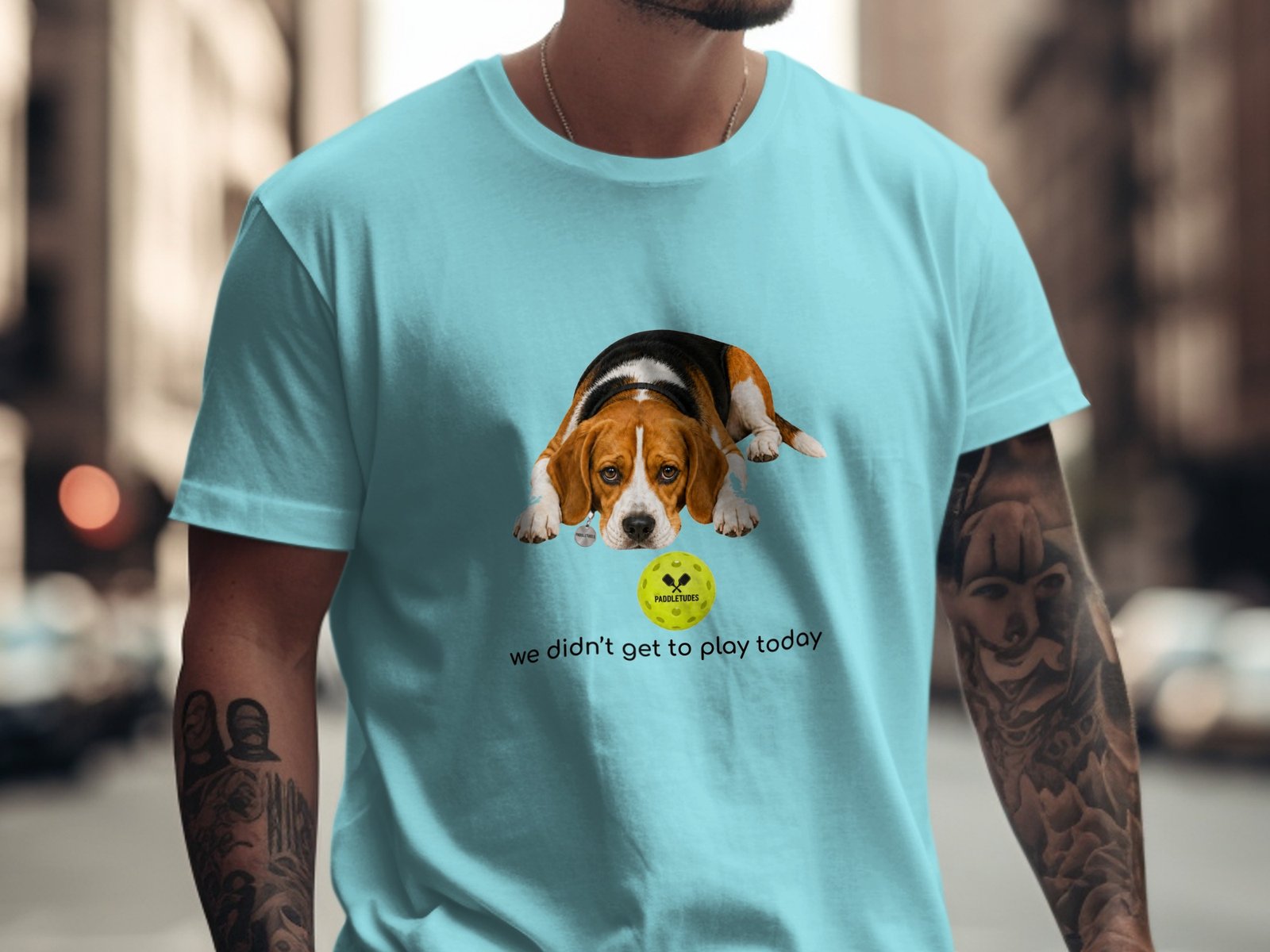
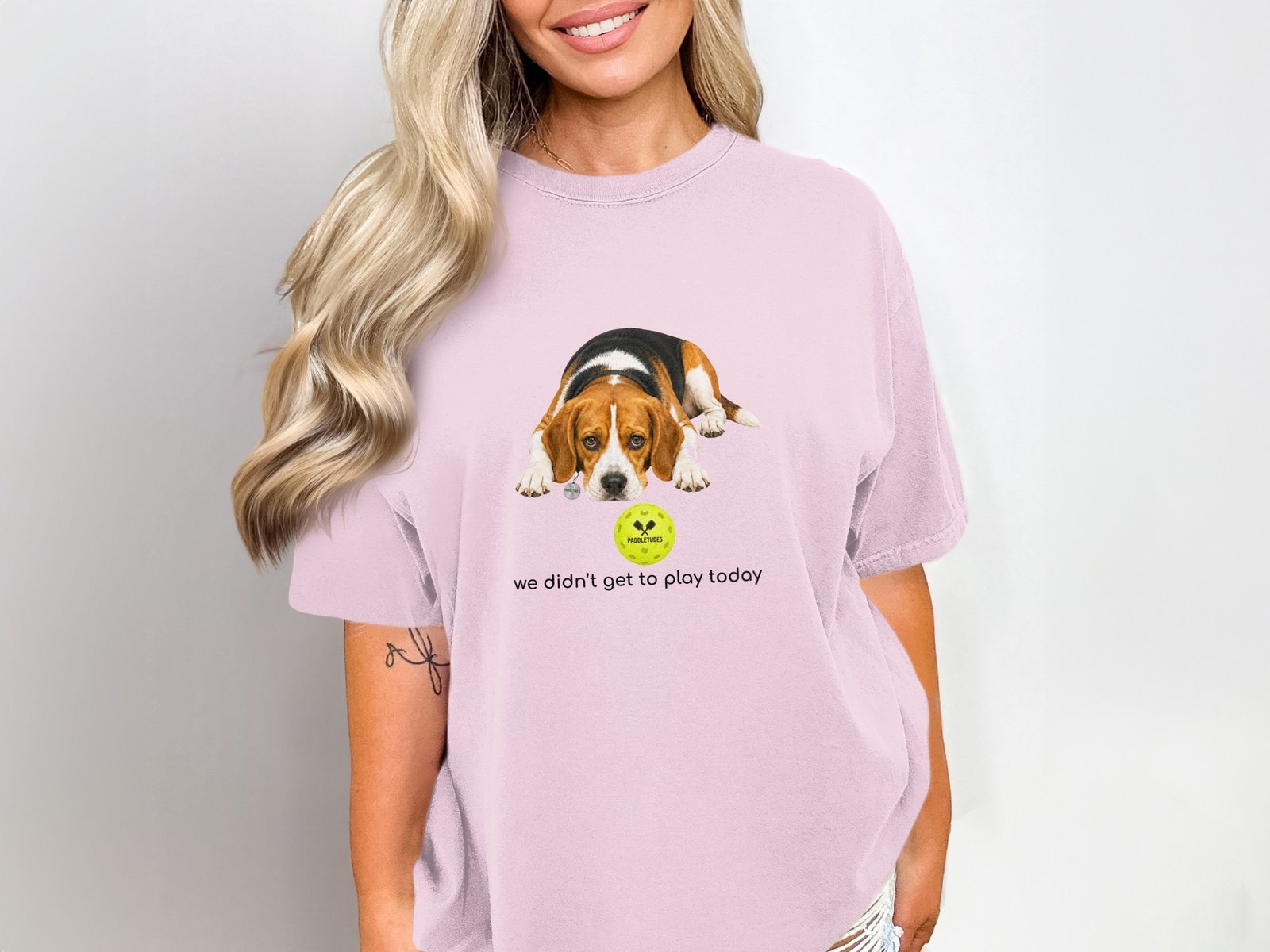
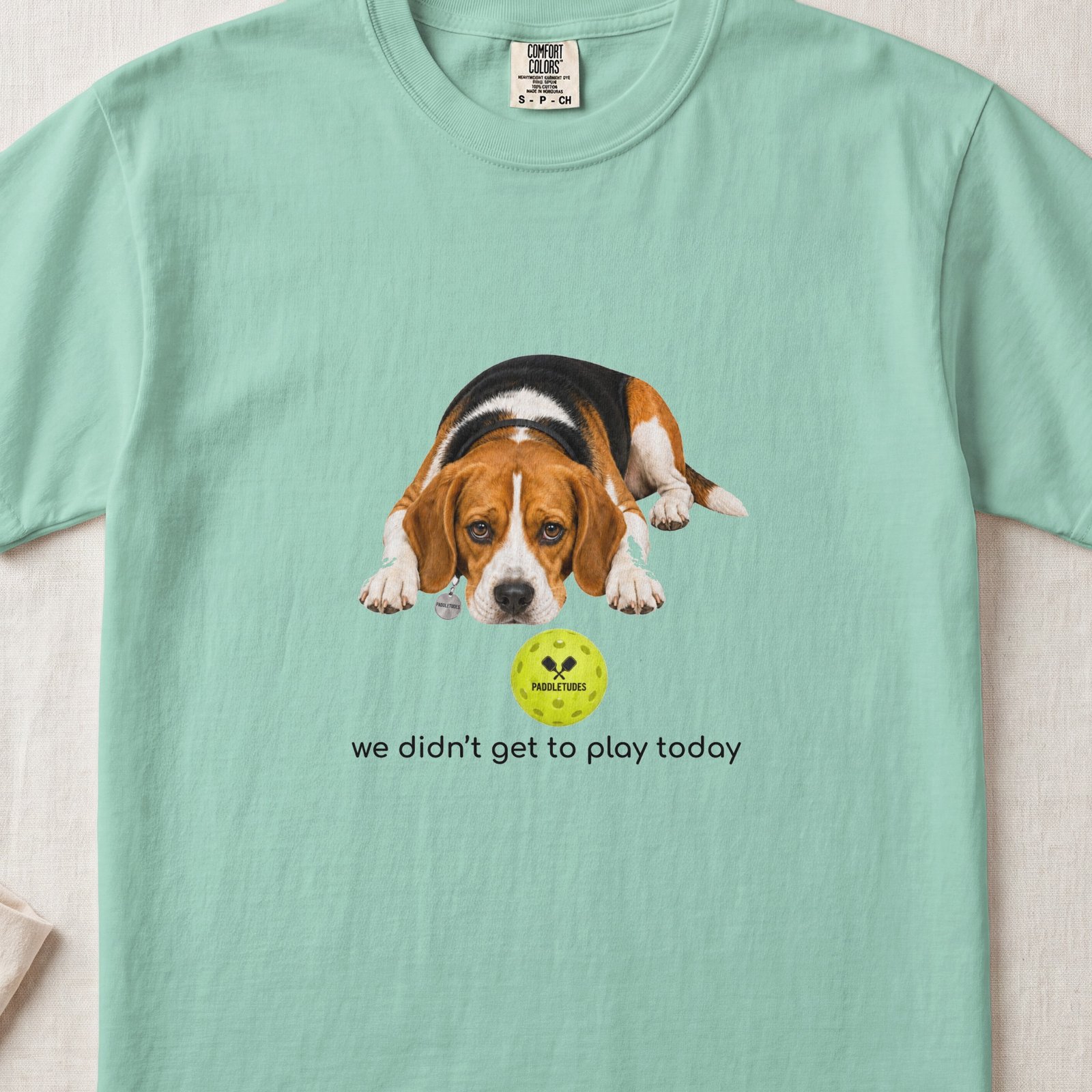
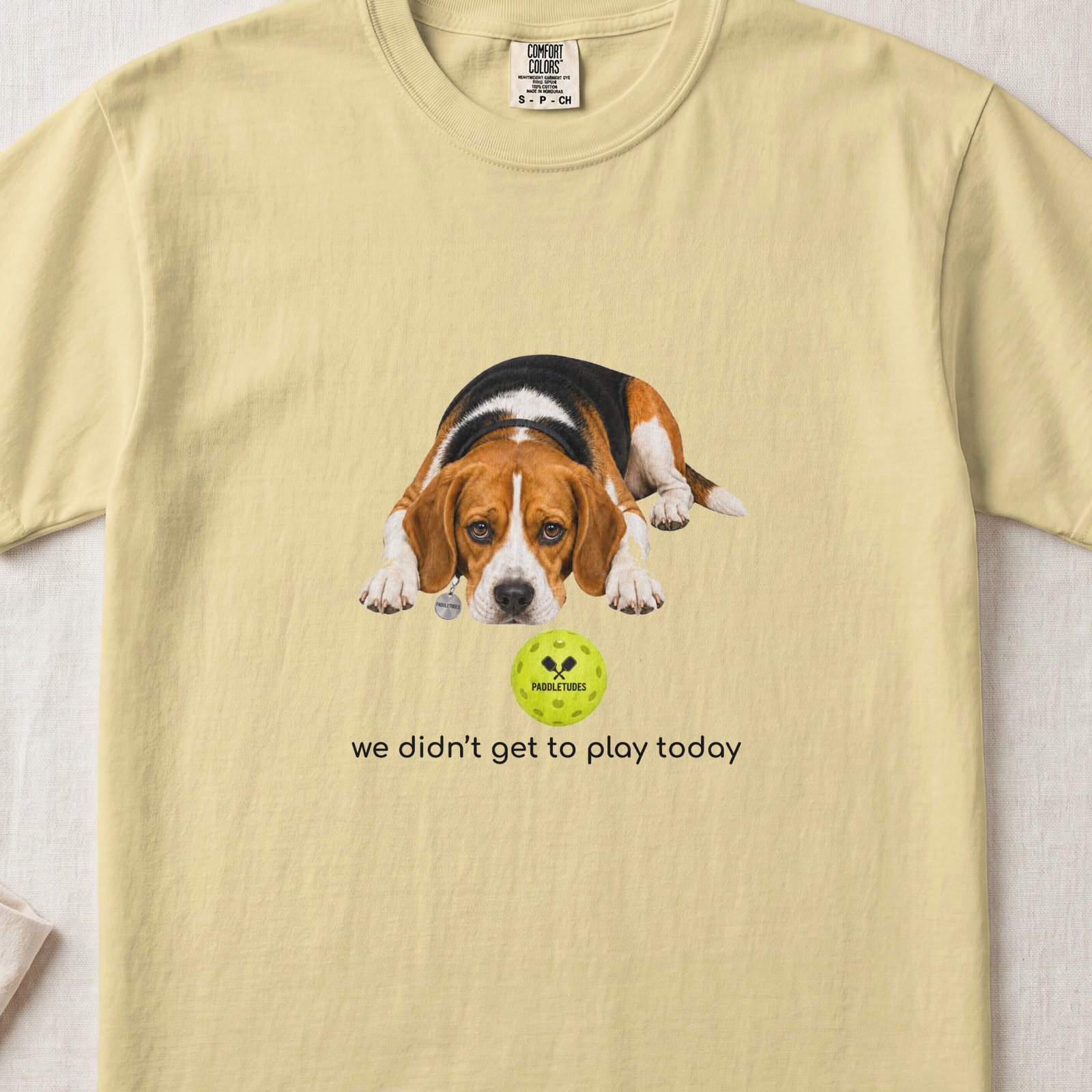
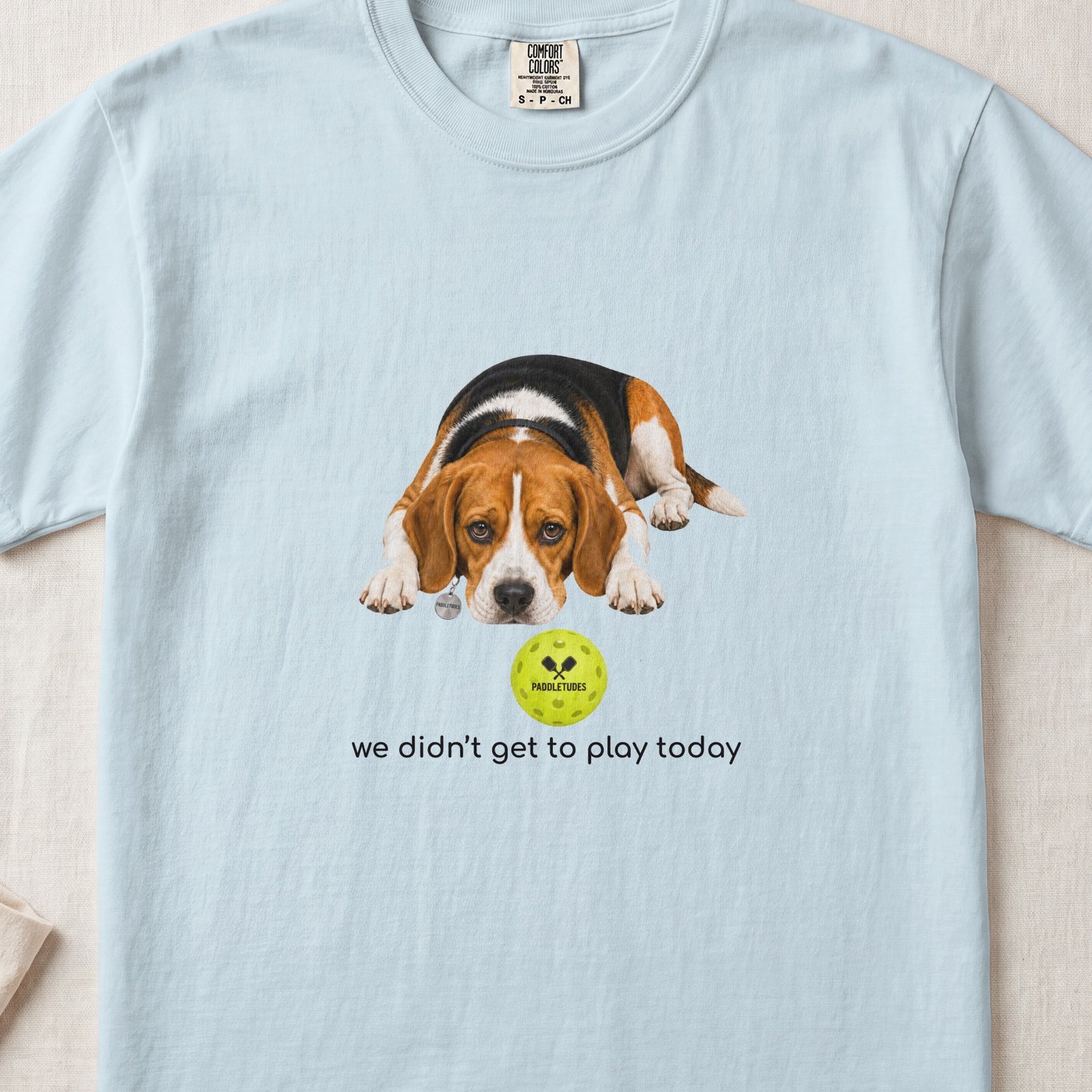
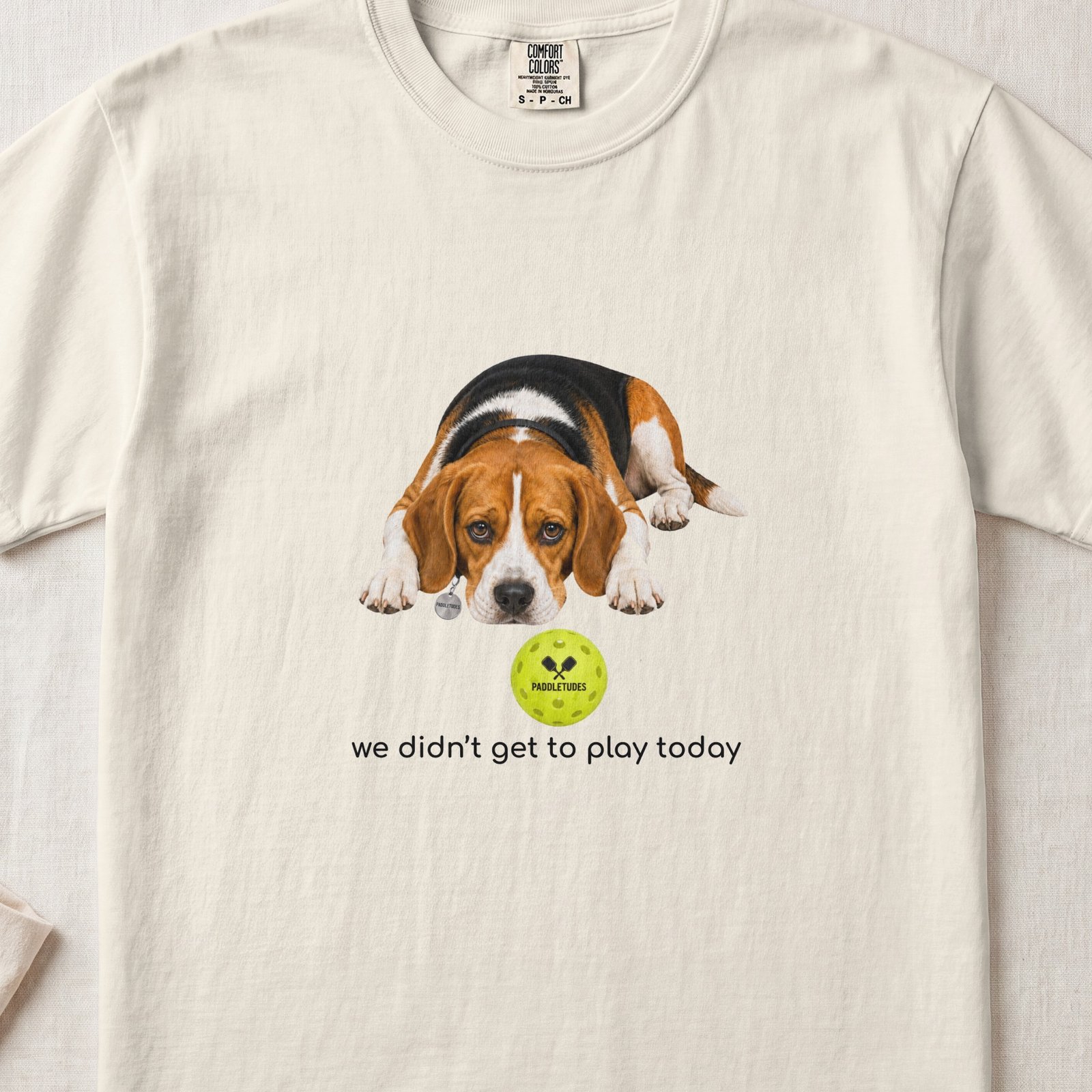
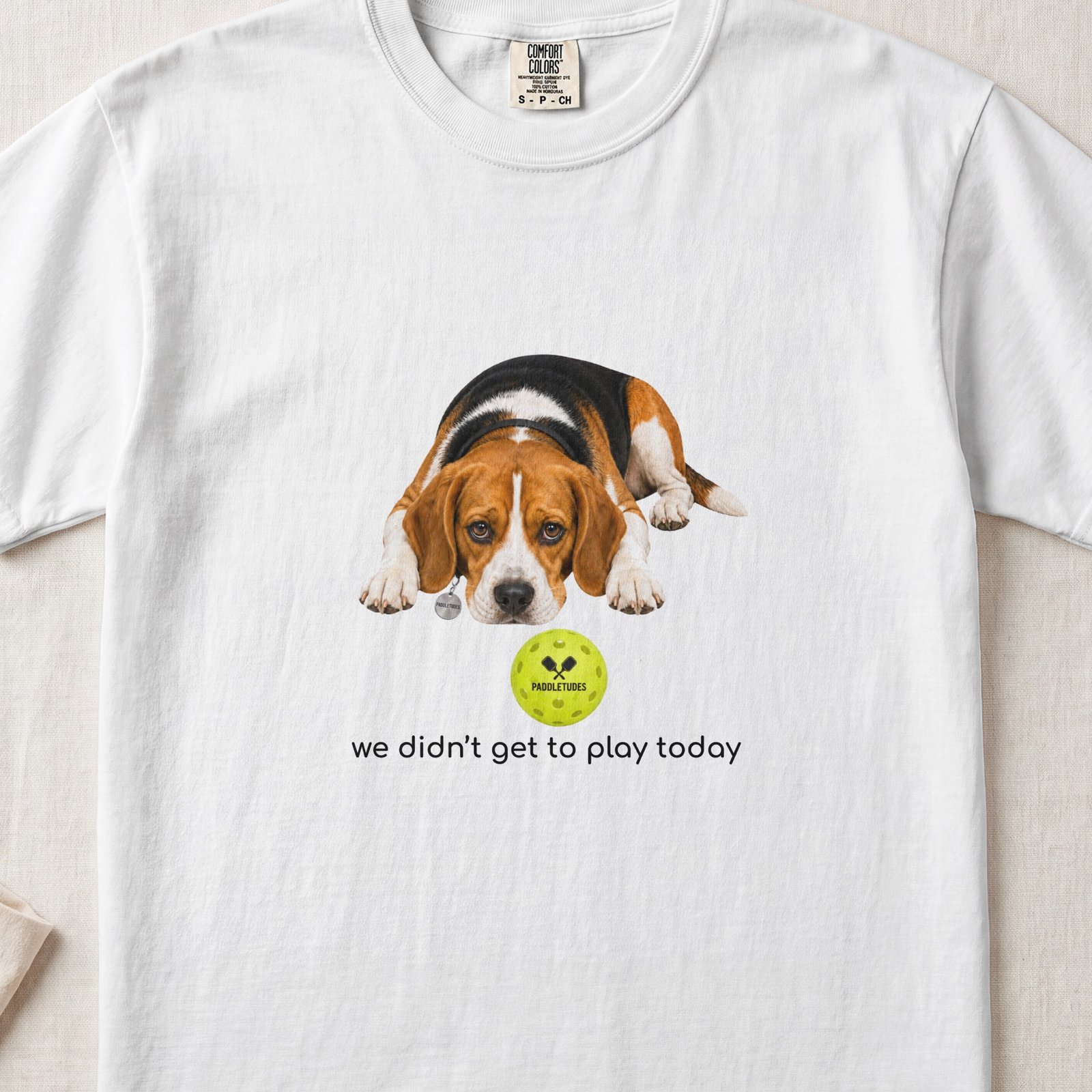
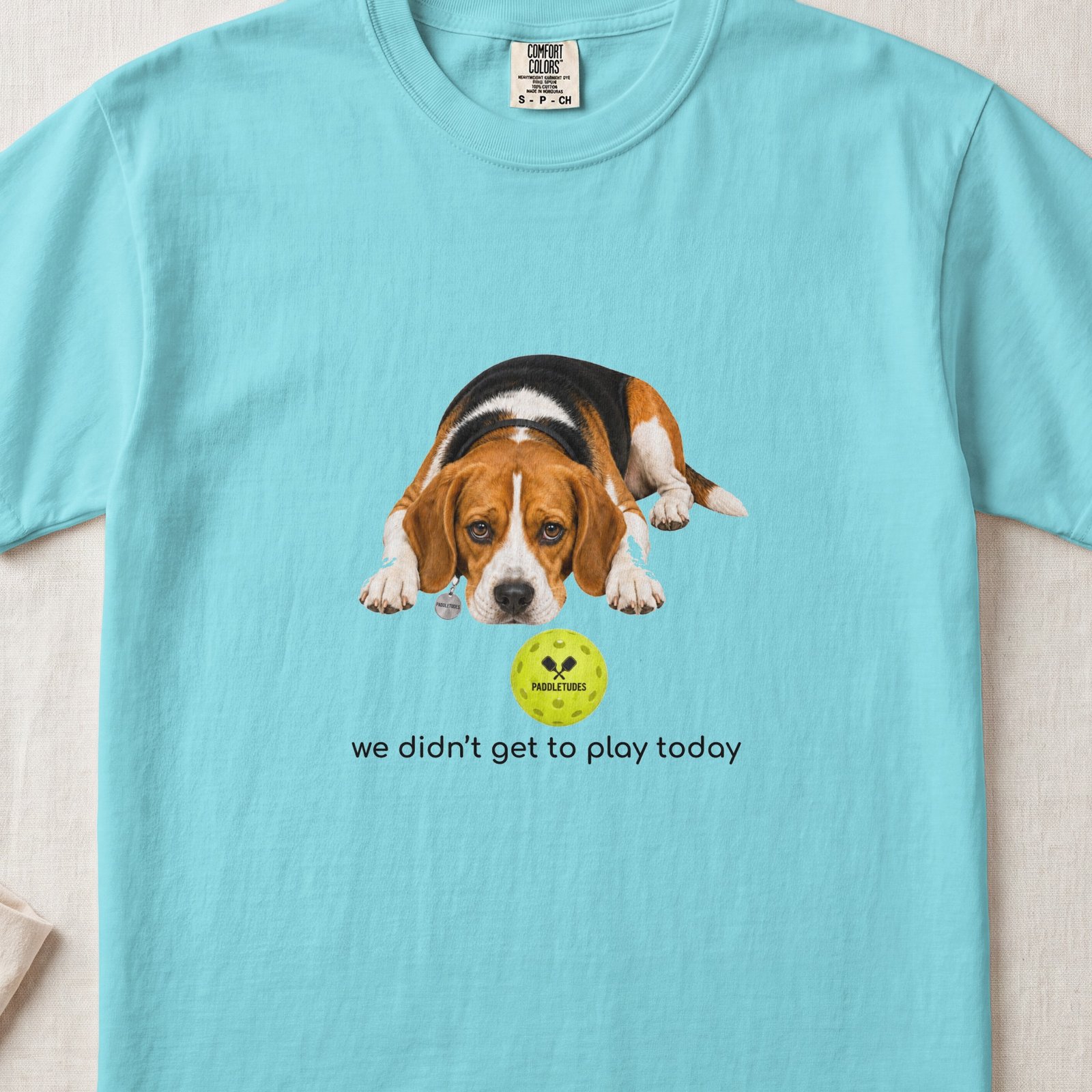
Beagle Sad
$39.99
- Comfort Colors 1717 heavyweight cotton
- Original design · printed to order
- U.S. print partners
The Beagle Gift for Thirty Pounds of Hound-Dog Guilt
Thirty pounds of hound, chin on the floor, eyes tracking you to the door. Your Beagle knows you’re leaving without them. This beagle shirt captures the specific sadness of a dog who was bred to run with the pack and is now watching the pack leave for pickleball without a backward glance. If you’ve ever stepped over a Beagle who has strategically positioned themselves between you and the exit, this is your beagle gift.
The sad Beagle isn’t quiet about it, either. The same dog who howls when the mailman arrives will deploy a completely different sound for this occasion — a low, sustained whimper that comes from somewhere near the floor and follows you through every room of the house as you get ready. The beagle lover who wears this shirt knows the soundtrack. They’ve heard it at six in the morning while lacing up court shoes. They’ve heard it through the garage door. They’ve heard it from the driveway, because a Beagle’s guilt frequency carries through walls, glass, and the reasonable assumption that the dog has already moved on. The Chihuahua delivers dramatic sadness in an even smaller package — different volume, same devastating eye contact.
For Christmas, this is the dog lover gift that makes the whole family point at one person — the one who sneaks out the side door to avoid the eyes. For Mother’s Day, it’s the shirt for the dog mom who has explained to her Beagle, out loud, more than once, that she’ll be back in two hours and the dog is welcome to sleep on the couch while she’s gone. Grandma’s Beagle once sat at the front window for an entire afternoon waiting for her to come home from a round-robin that ran long, and this shirt is how you commemorate that. For a retirement beagle gift, it’s the marker that says the morning routine just permanently expanded to include a longer walk before anyone picks up a paddle. Browse all the breeds on the dog shirts collection.
The Beagle’s reaction to being left behind runs deeper than most people realize. Beagles are pack animals in a way that most modern breeds aren’t — they were literally developed to work in groups, running shoulder to shoulder with other hounds, taking turns on the scent trail, and sleeping in piles after the hunt. The AKC breed profile notes that Beagles “enjoy company and are generally easygoing,” which is the polite version of saying they were never meant to be alone. When your Beagle watches you leave, they’re not just missing you as an individual. They’re experiencing the dissonance of a pack animal whose pack just walked out the door. The mournful face isn’t drama — it’s instinct. The Bulldog channels the same departure guilt through fifty pounds of pure stubbornness — less vocal, equally immovable.
What makes the sad Beagle different from the sad Rottweiler or the sad German Shepherd is the transparency. A Rottweiler goes silent. A German Shepherd vocalizes. A Beagle does everything at once — the eyes, the whimper, the strategic floor positioning, the nose pressed against the crack under the door to track your scent as long as physically possible. There’s no dignity in a sad Beagle. There’s no restraint. There’s just a thirty-pound dog who has decided that your departure is the worst thing that has ever happened, and they are going to make sure you know it before you reach the car. If the nose-driven chaos and selective hearing are more your household’s daily reality, the happy Beagle tee captures that joy perfectly.
Printed on a Comfort Colors 1717 garment-dyed heavyweight tee with water-based DTG ink — sizing and care details here.
Do Beagles Get Lonely
Beagles get lonely faster and more intensely than most breeds because they were developed as pack animals — bred to live, work, eat, and sleep in groups of other hounds. A Beagle left alone isn’t just bored. They’re experiencing the absence of the group dynamic their brain was wired to expect, and they express it through vocalization, restlessness, and the kind of mournful face that makes you feel guilty from three rooms away.
The pack instinct means Beagles often do better in households with other pets or with people who are home frequently. A Beagle with a companion — another dog, a cat who tolerates them, or a human who works from home — tends to be calmer and less vocal than a Beagle who spends long stretches alone. This isn’t neediness in the way that some breeds need constant reassurance. It’s structural. The Beagle’s brain expects company the way a retriever’s brain expects something to carry. Without it, the dog improvises — and improvisation for a Beagle usually means howling, digging, or finding the one item in your house that smells most like you and sleeping on it.
For the Beagle owner who plays pickleball regularly, the loneliness question isn’t about whether the dog can handle an hour alone. Most can. It’s about the transition — the moment you’re clearly about to leave and the dog shifts from “comfortable” to “abandoned.” That shift produces the face on this shirt: chin on the floor, eyes tracking, ears at half-mast. The Beagle isn’t broken. They’re just experiencing, in real time, the thing their DNA says shouldn’t happen — the pack is leaving without them.
Why Do Beagles Follow You Everywhere
Beagles follow you everywhere because they’re pack-oriented dogs who default to proximity — if you’re moving, the Beagle’s instinct is to move with you, whether that’s from the bedroom to the kitchen or from the couch to the bathroom. The behavior isn’t trained or taught. It’s the same instinct that kept a pack of hounds moving together across open fields for hours during a hunt.
The following intensifies around departure cues. A Beagle who normally lounges on the couch while you work will suddenly appear at your heels the moment you pick up keys, change shoes, or glance at the door. They’re not reading your mind — they’re reading your patterns. Beagles are observational learners who catalog routine with surprising accuracy. They know which shoes mean a walk, which bag means pickleball, and which combination of movements means they’re about to be alone. The following behavior at that point isn’t affection. It’s interception — the dog is trying to insert themselves into the departure sequence before it reaches the part where the door closes.
What makes Beagle following distinctive is the nose component. A Beagle isn’t just following your body through the house. They’re following your scent, which means they’ll track you into rooms you left five minutes ago, check the spots where you stood, and assess the trail like they’re working a rabbit path through your own hallway. It’s thorough, methodical, and slightly unnerving when you realize the dog knows exactly where you’ve been for the last hour. For the Beagle owner heading to the courts, the following is the preview of the guilt face — the dog’s last attempt to join the pack before the door says otherwise.
-
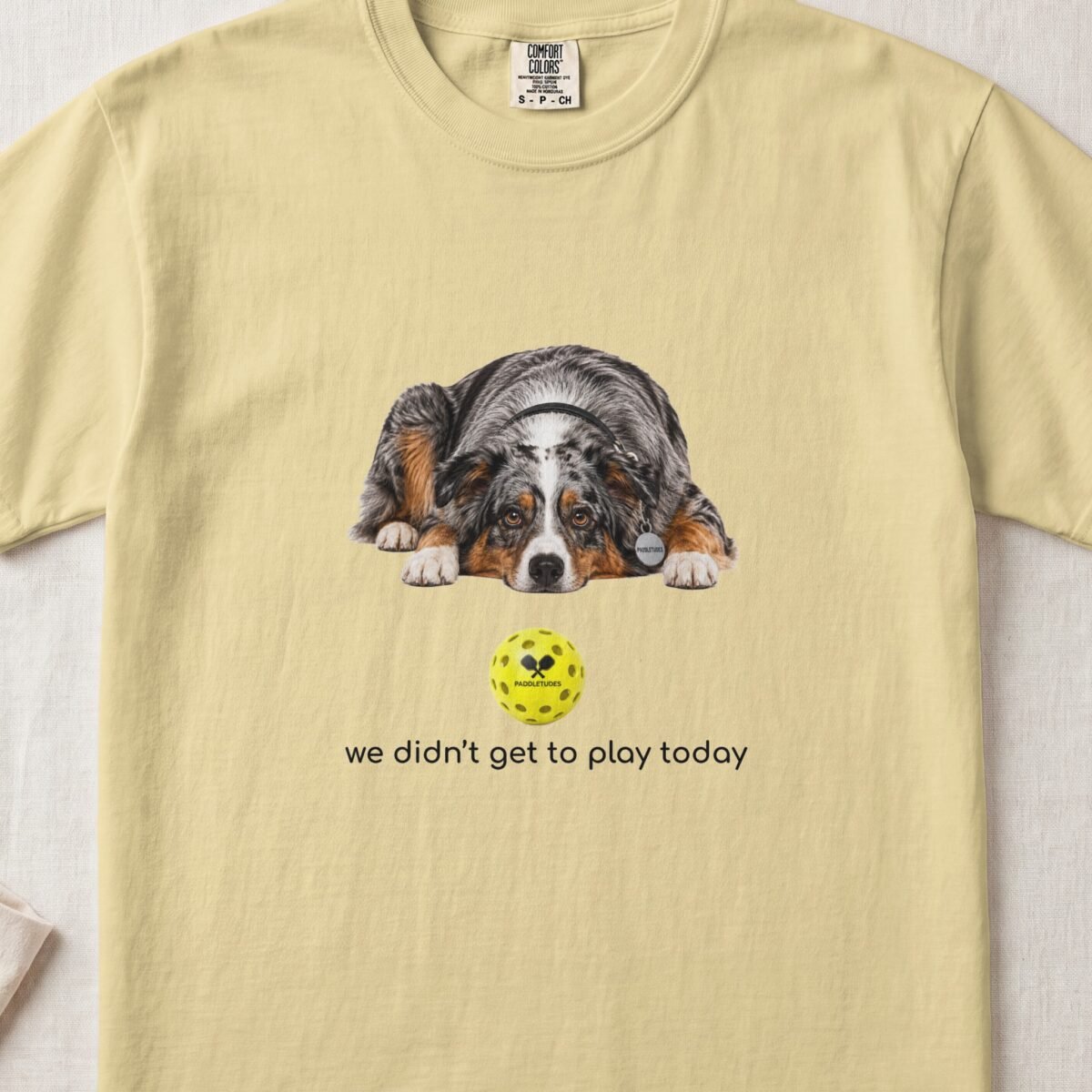
Mini Australian Shepherd Sad
$39.99 Select options This product has multiple variants. The options may be chosen on the product page -
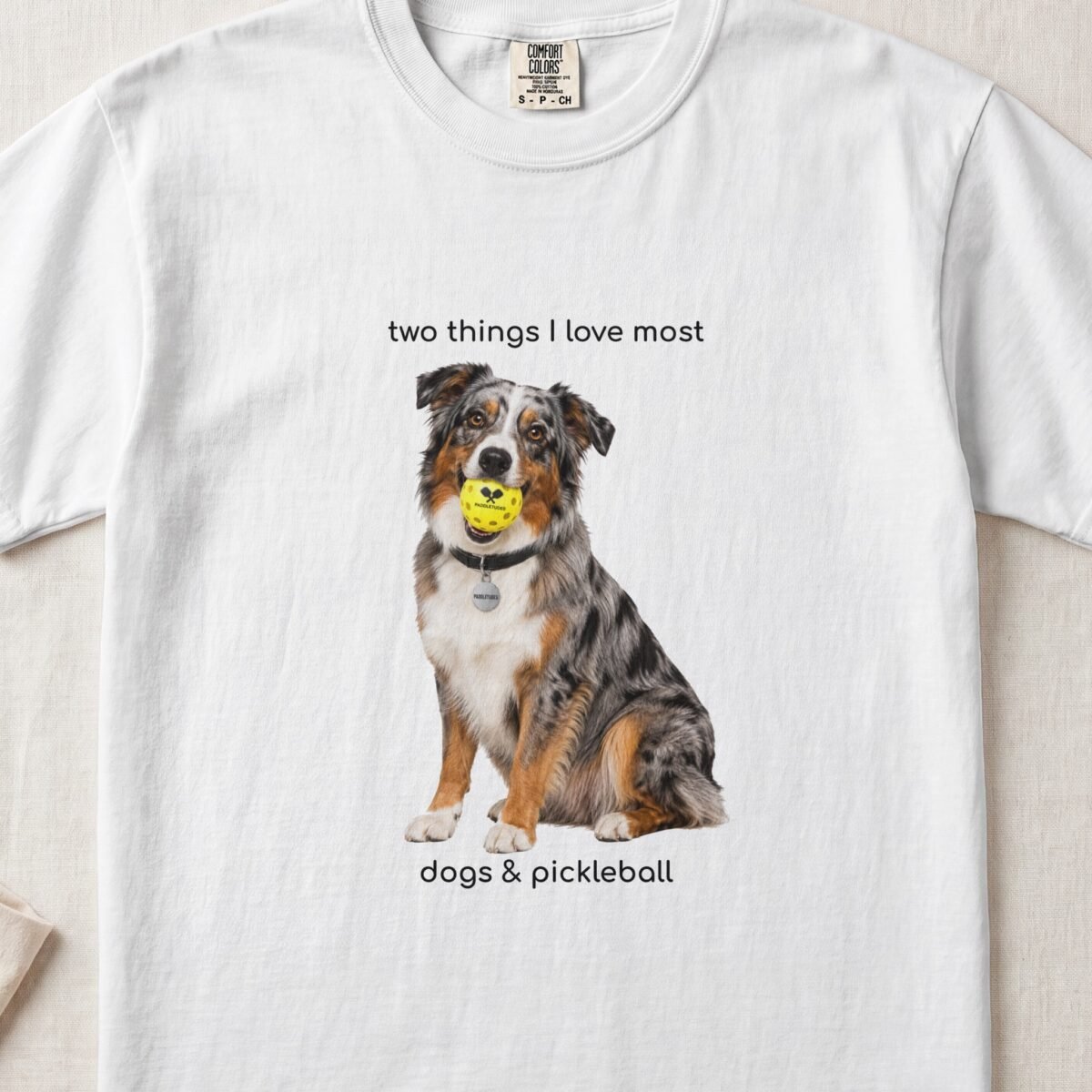
Mini Australian Shepherd Happy
$39.99 Select options This product has multiple variants. The options may be chosen on the product page -
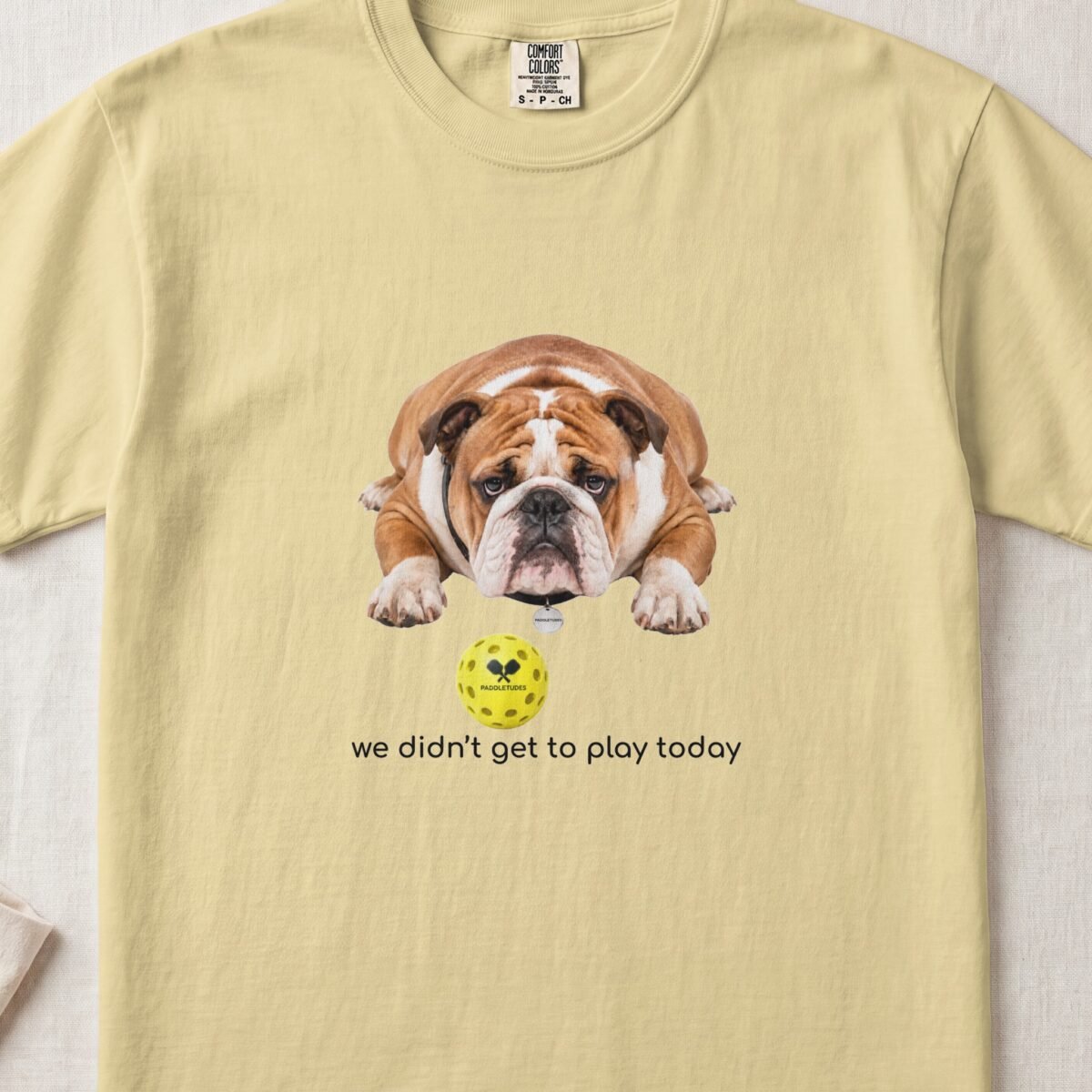
Bulldog Sad
$39.99 Select options This product has multiple variants. The options may be chosen on the product page