Animals Comfort Colors 1717
Shih Tzu Happy
$39.99
- Comfort Colors 1717 heavyweight cotton
- Original design · printed to order
- U.S. print partners
A Thousand Years of Royalty on a Shih Tzu T Shirt
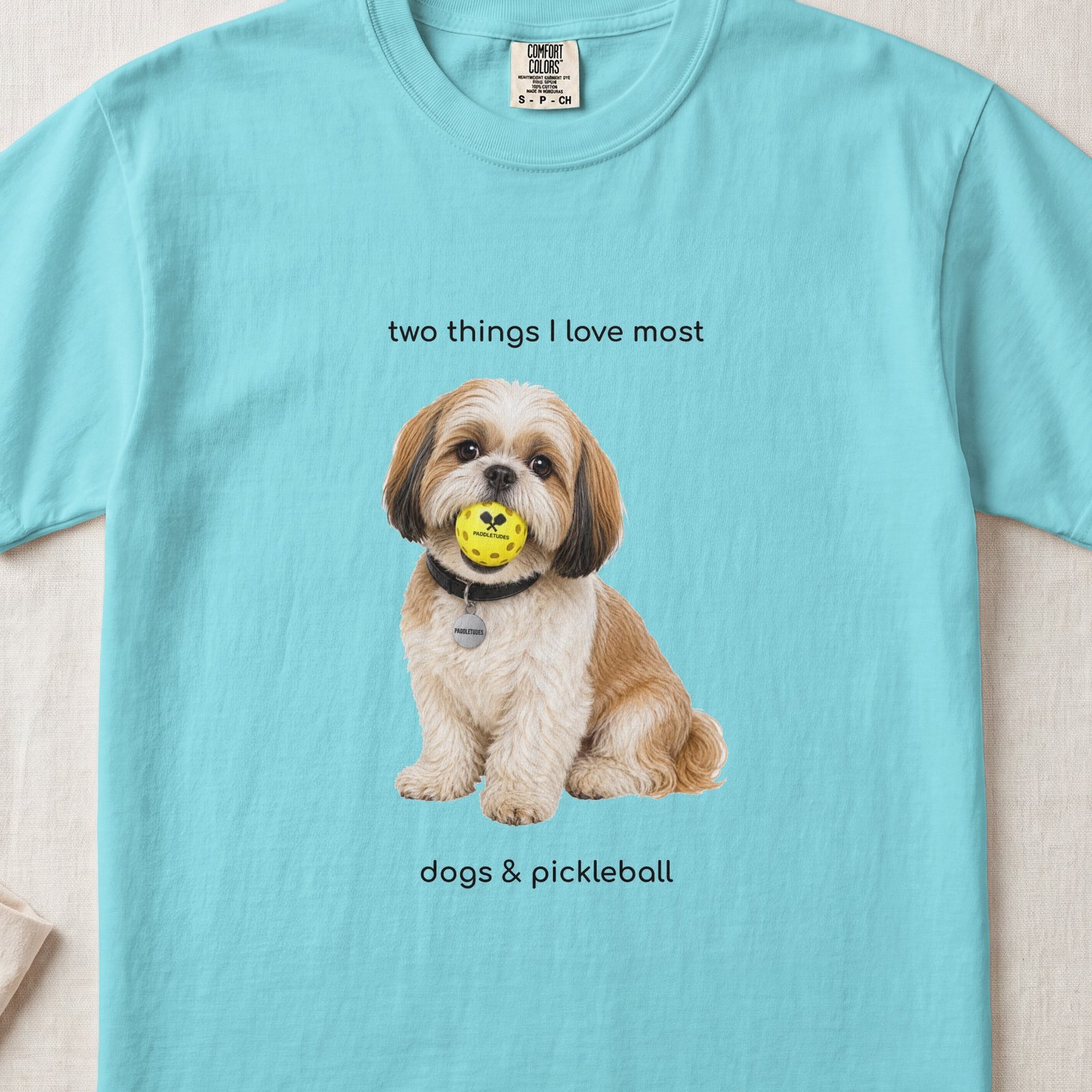
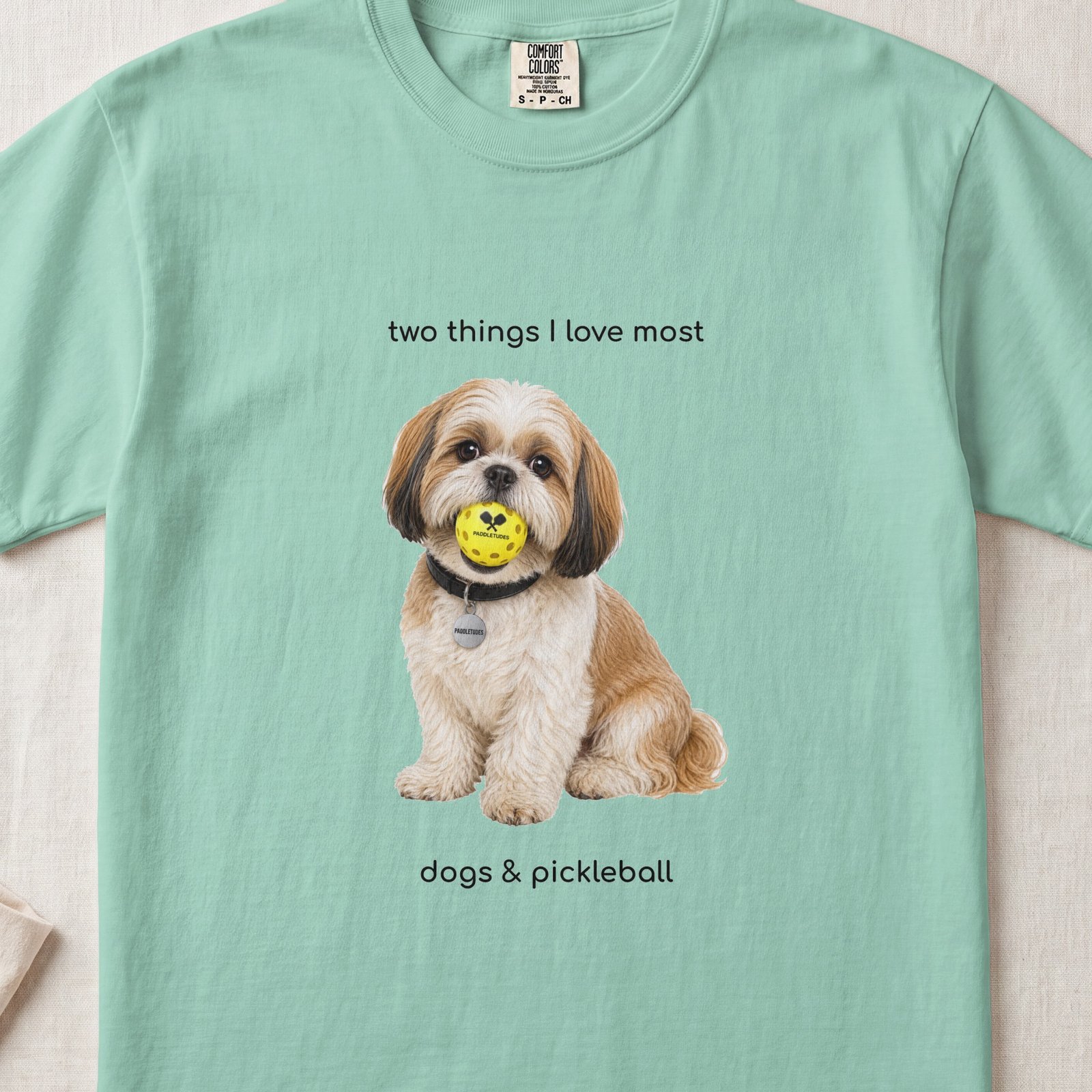
A thousand years of royal companion breeding meets the fastest-growing sport in America — this Shih Tzu shirt puts your lion dog and a Paddletudes pickleball together on a garment-dyed Comfort Colors 1717 heavyweight tee, printed with water-based DTG ink that bonds directly into the cotton.
The person who wears this shirt is the one at Thursday morning open play who left a warm lap behind and still feels slightly guilty about it three games in. Their Shih Tzu is at home right now on the exact couch cushion where they were sitting ten minutes ago, keeping it warm on principle, waiting with the calm patience of a dog that has never once doubted its own importance. Shih Tzu owners recognize each other by instinct — it is the way they talk about their dog. Not as a pet, exactly, but as a presence. A small, furry diplomat who has evaluated your living room and found it acceptable as an embassy. Spotting this shirt at the dog park triggers an immediate twenty-minute conversation about grooming routines, sleeping arrangements, and which one of you has the more dramatic dog, because every Shih Tzu owner is convinced theirs invented the concept of quiet authority.
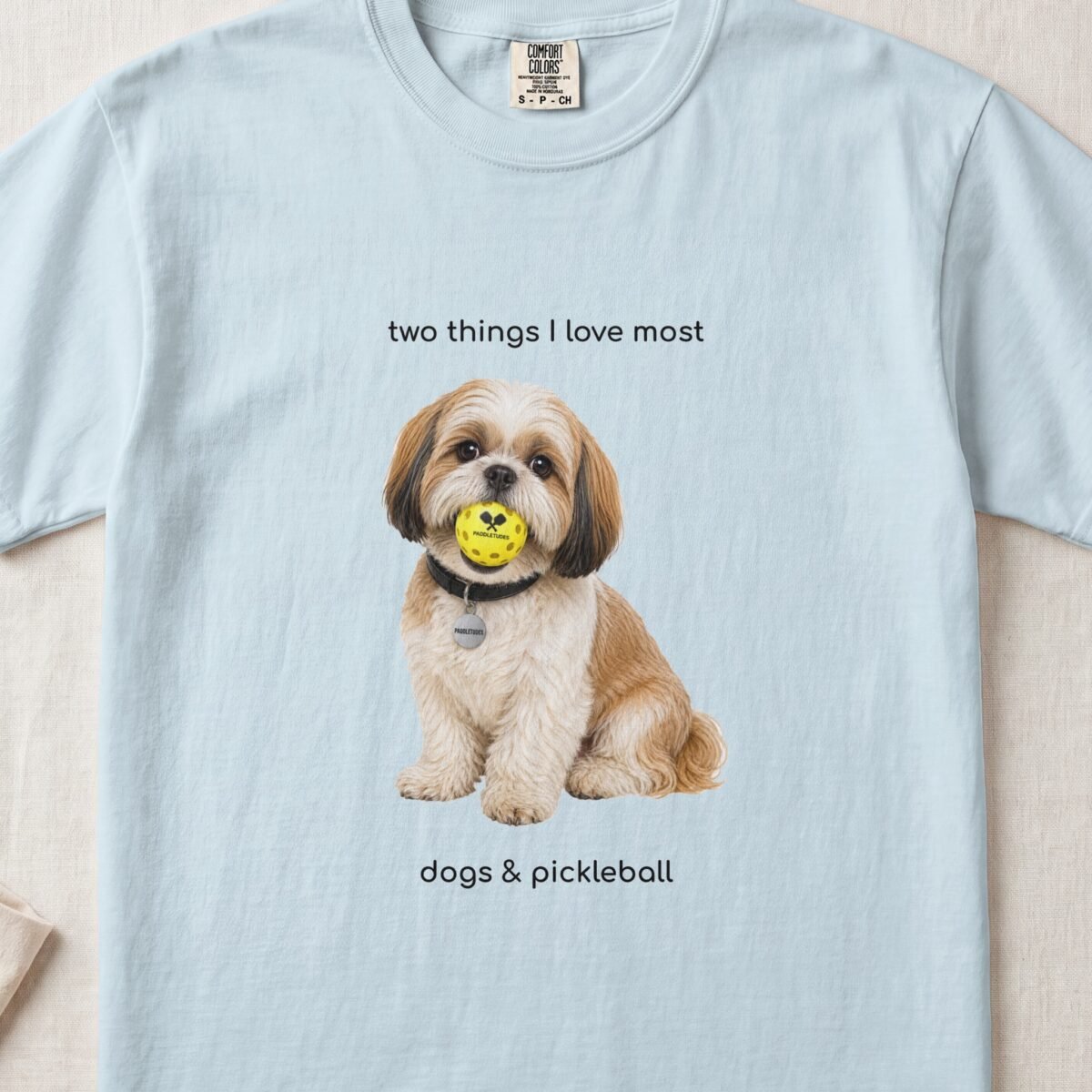
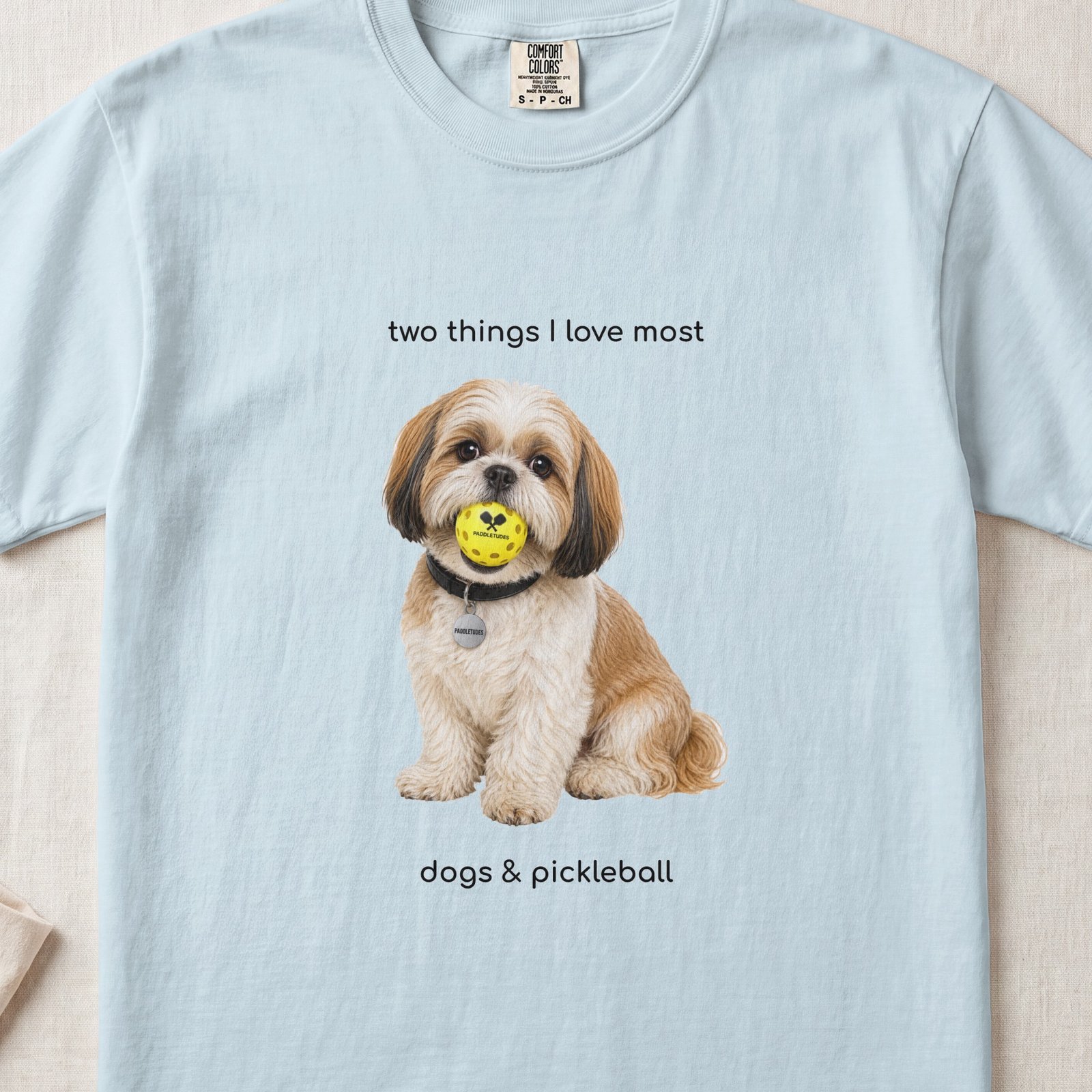
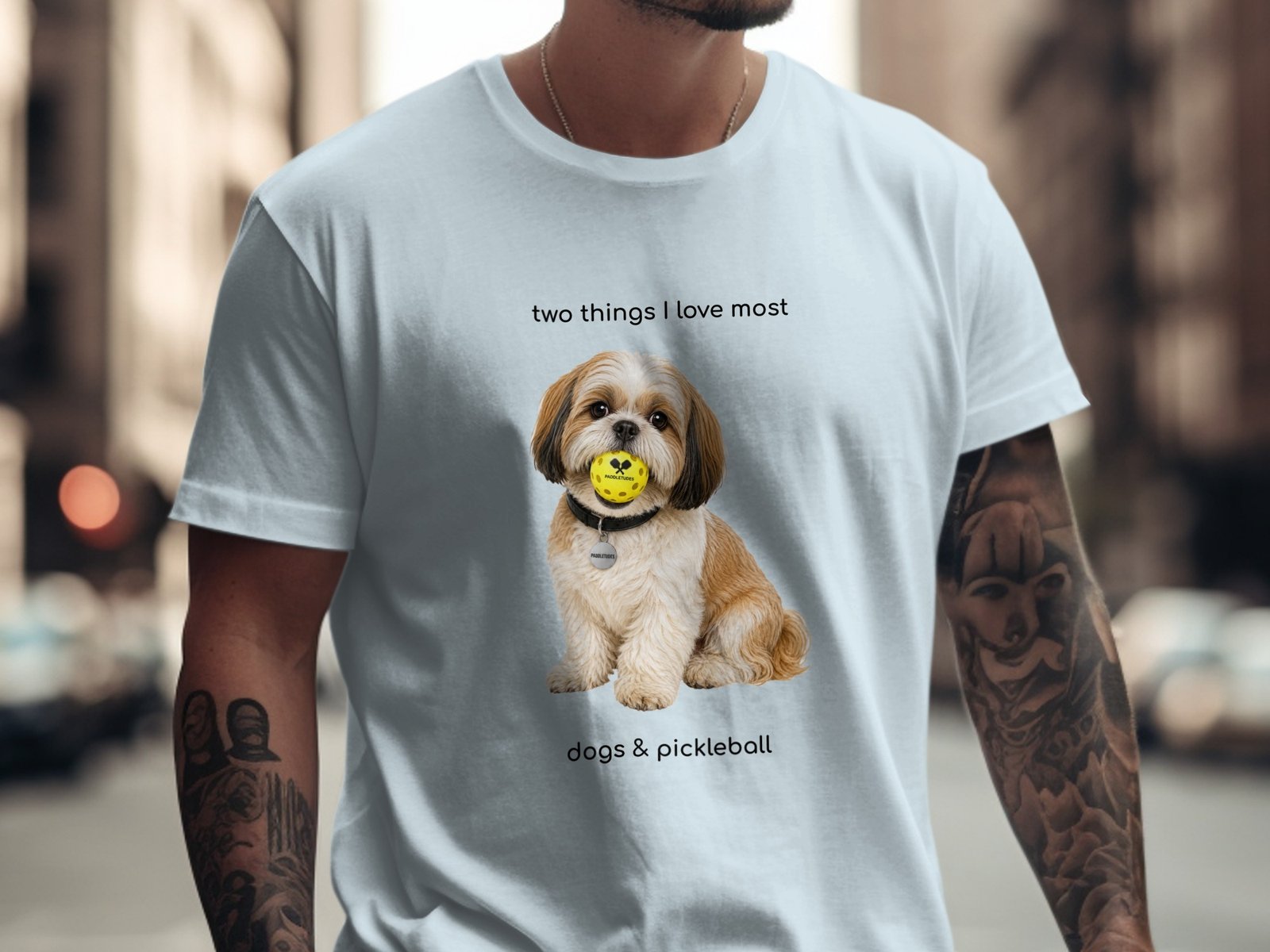
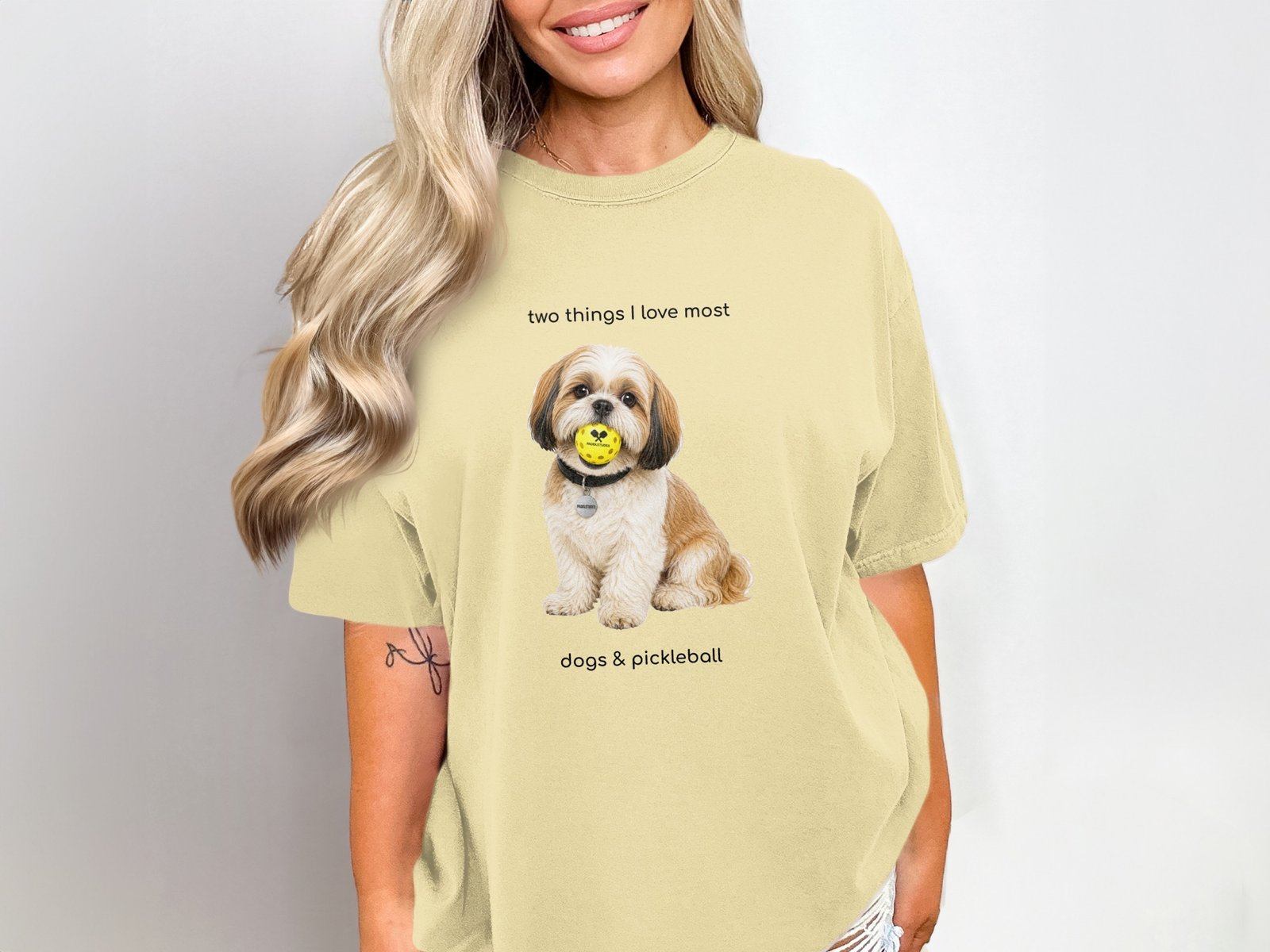
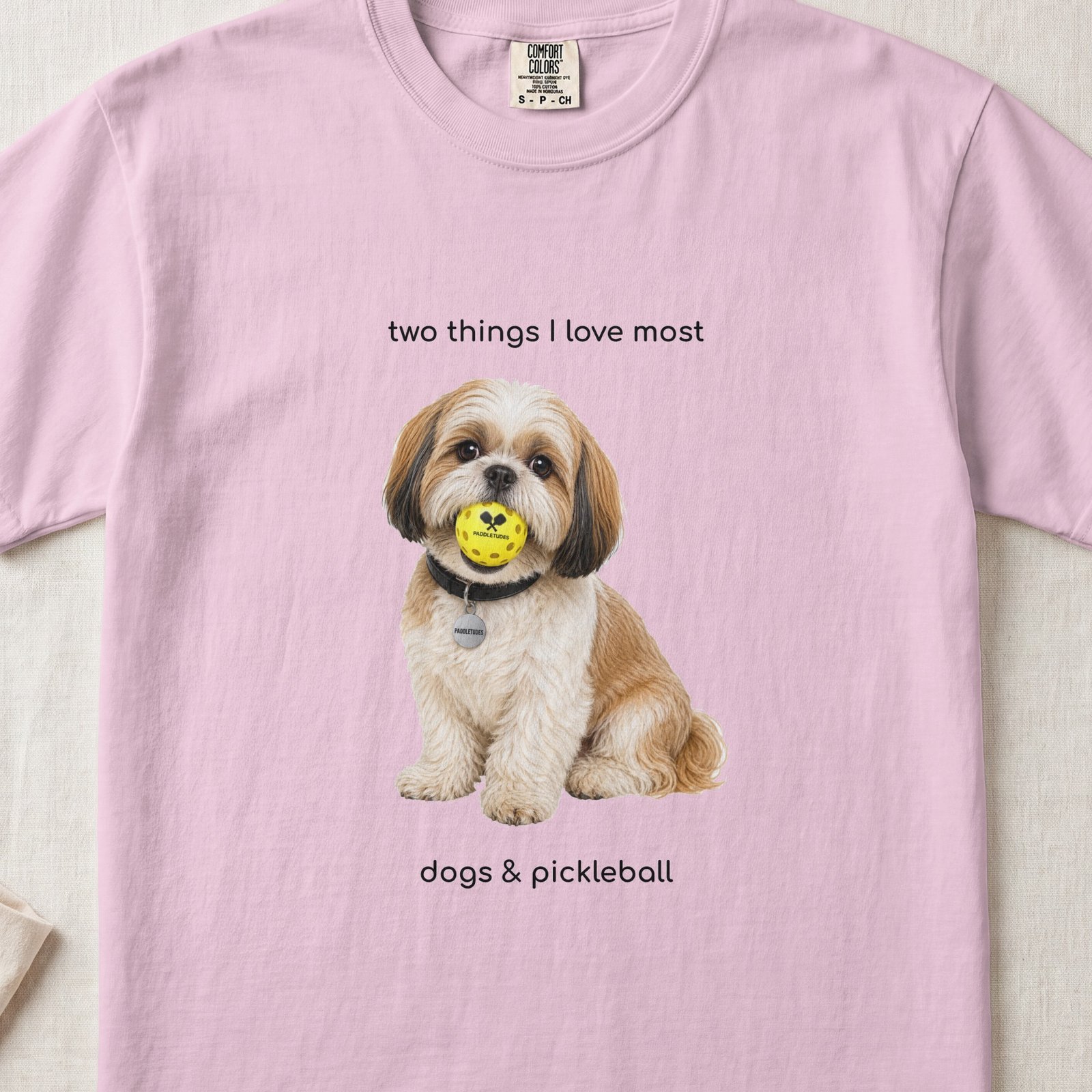
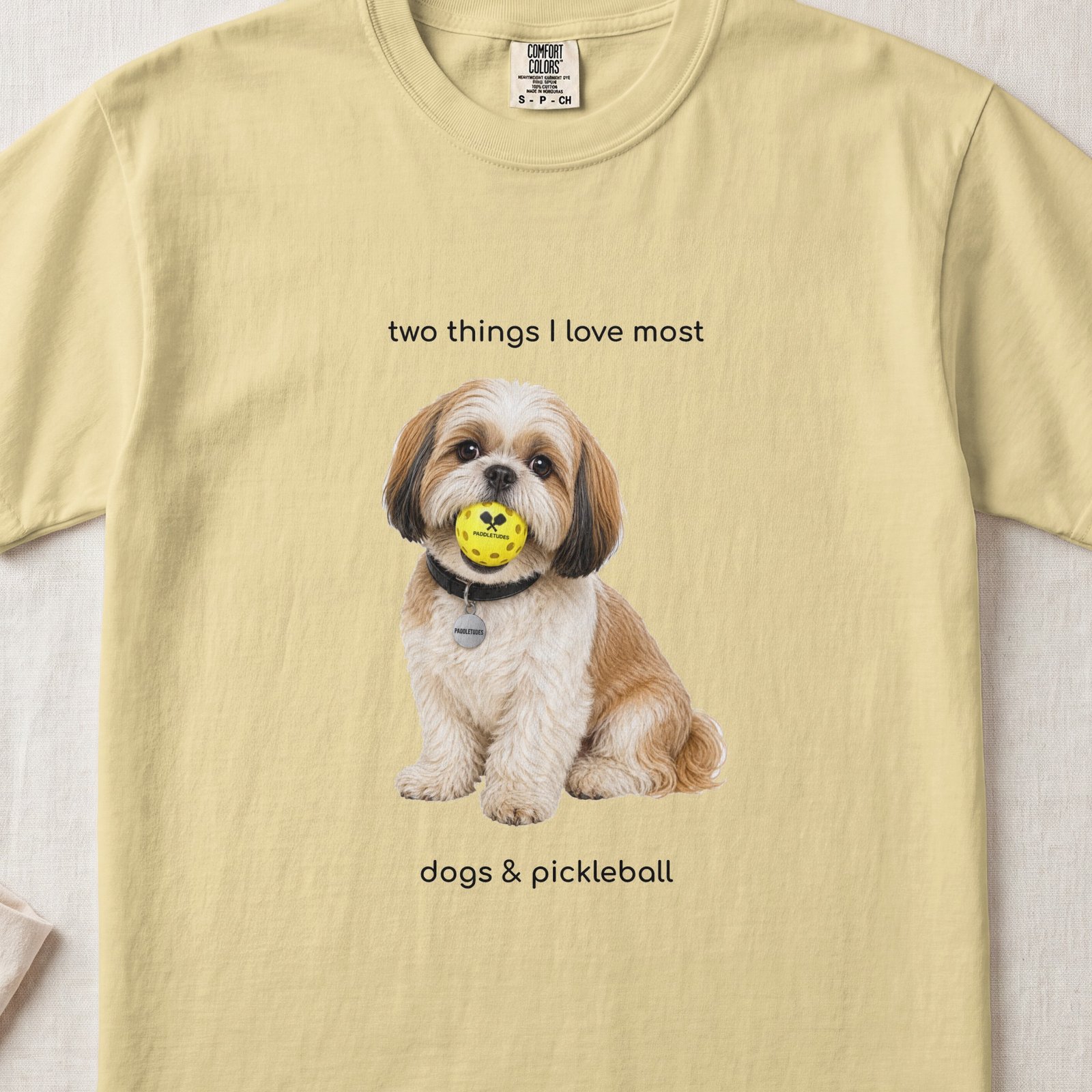
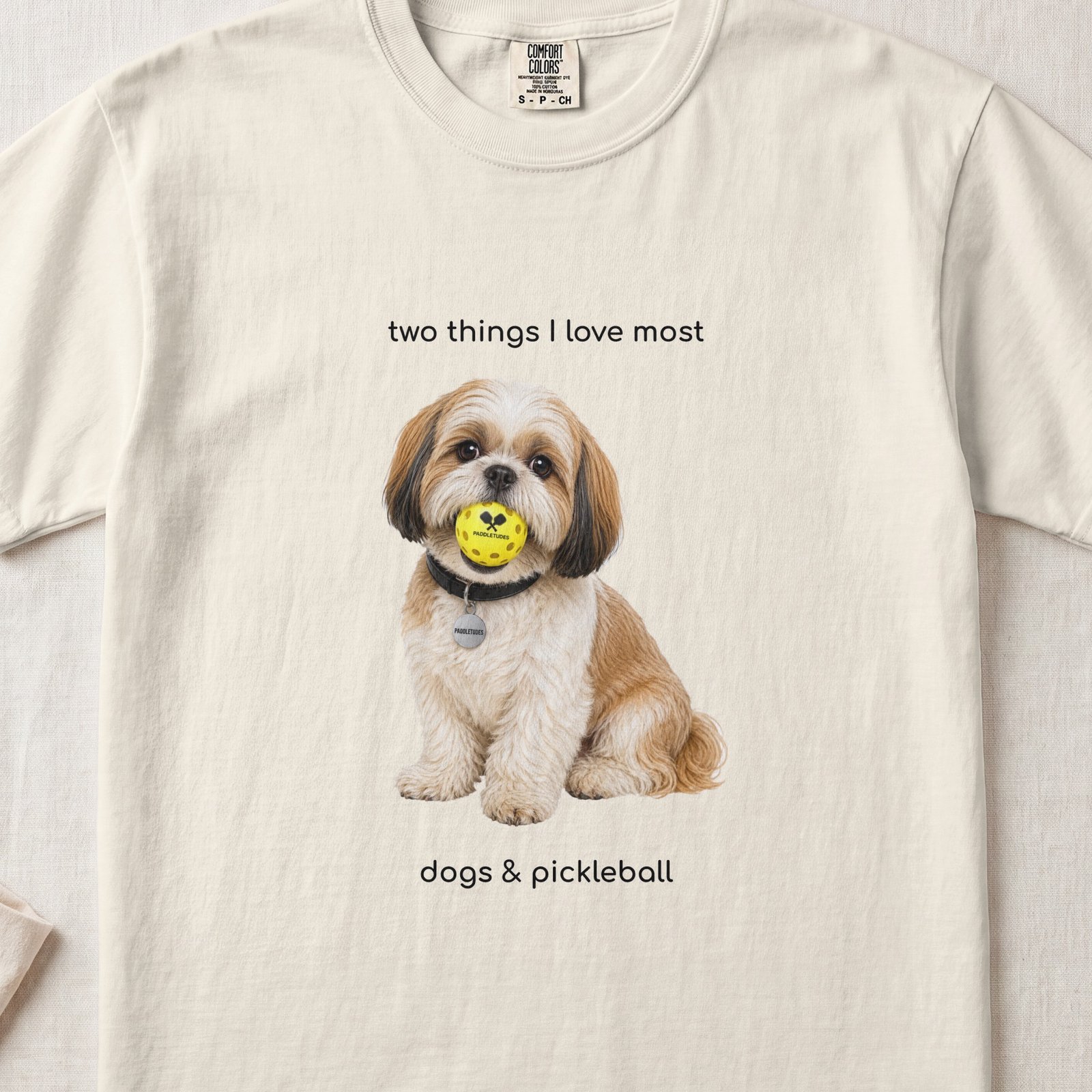
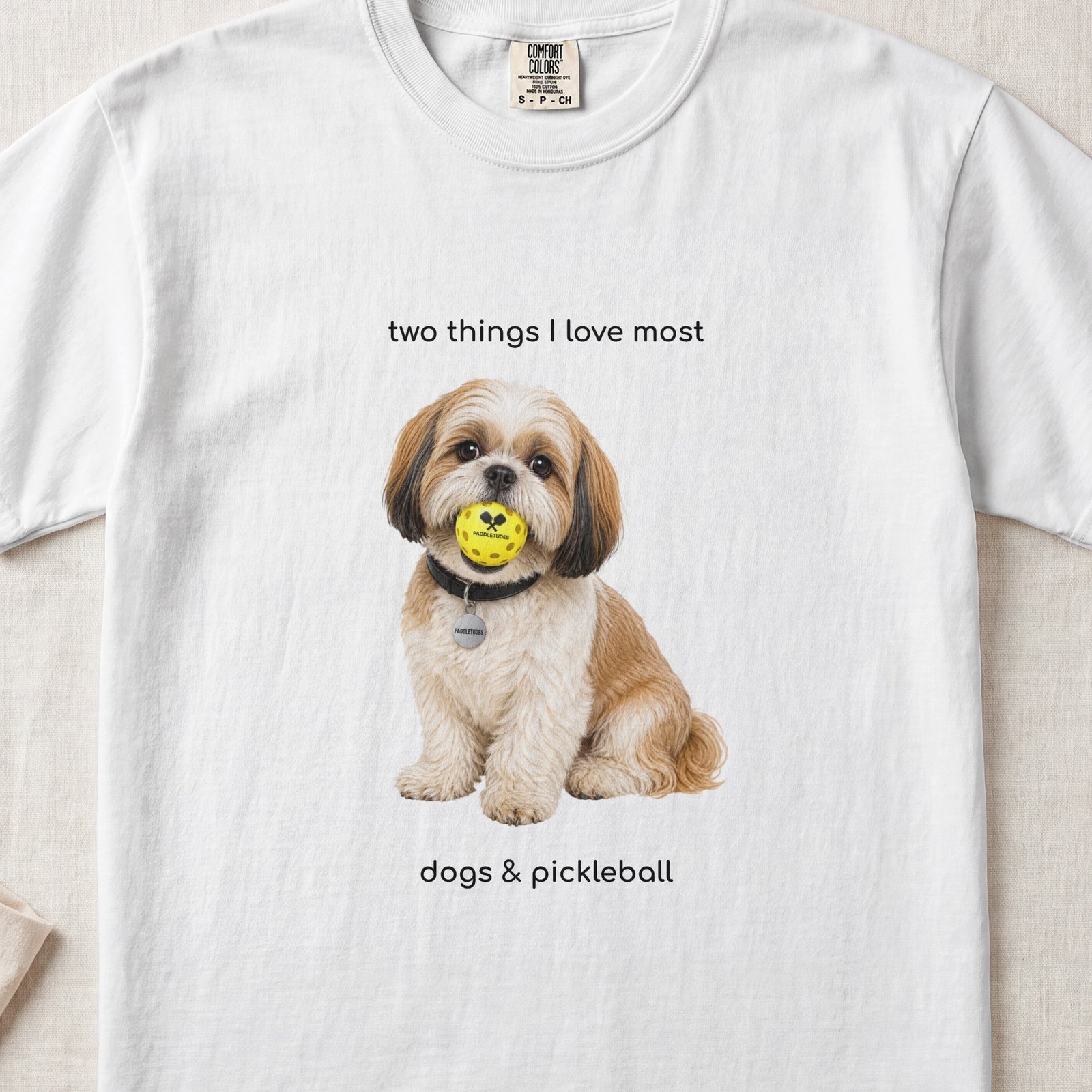
The design is pure wish fulfillment. Your Shih Tzu sitting upright with a pickleball in its mouth, looking directly at you with the calm self-assurance of a breed that spent centuries in imperial Chinese palaces and has never fully adjusted to the idea that it does not still live in one. The sad version shows what that imperial composure looks like when it collapses — the flat-on-the-floor disappointment of a lion dog who did not get their way. The pickleball is not stolen. It is claimed — politely, firmly, and with a dignity that suggests the dog would prefer if you stopped making a scene about it.
If a couple in your league just got a Shih Tzu and the husband has already started carrying grooming photos on his phone like they are wallet-sized school portraits — this is the birthday present that tells him you see him, you understand him, and you accept that his dog now outranks you in the friendship hierarchy. Shih Tzu gift searches run five hundred times a month because these owners are vocal, devoted, and absolutely certain their breed is the greatest thing that has ever walked on four legs. A shirt that captures both the dog and the court in one design earns permanent rotation status because it speaks to both halves of their identity without making them choose. It’s the Shih Tzu lover’s dog lover gift — find every breed on the Dogs page.
What most people do not realize is how much history is packed into that small, hairy body. The Cavalier King Charles Spaniel shares that royal pedigree — both breeds designed from birth as palace companions — but the Cavalier is all gentle compliance where the Shih Tzu is quiet stubbornness. The name means “lion dog” in Chinese — shih-tzu kou — because the breed was shaped over centuries to echo the lion imagery in Buddhist art and Chinese imperial sculpture. Tibetan monks bred the earliest versions and sent them as gifts to Chinese emperors, where they entered palace breeding programs during the Ming Dynasty. Palace eunuchs managed the programs and answered directly to the emperor, and the dogs were considered too valuable to be seen outside court walls. The breed nearly went extinct during China’s Communist Revolution because of its association with the imperial aristocracy — every modern Shih Tzu alive today descends from a group of just fourteen dogs that made it out of China and into Europe in the early twentieth century.
Living with a Shih Tzu also means managing a brachycephalic breed — the flat face that makes them beautiful also makes them vulnerable. Those wide, prominent eyes sit in shallow sockets, which means they are more exposed to injury, more prone to dry eye and corneal ulcers, and more susceptible to conditions like progressive retinal atrophy and cataracts than longer-muzzled breeds. The short muzzle also means they overheat faster than most dogs, which is worth knowing if you play pickleball in the summer and your Shih Tzu rides along — shade, water, and a cool car are not optional. On the upside, the breed lives twelve to sixteen years on average, and their calm temperament and moderate exercise needs make them one of the best companion breeds for people whose primary cardio comes from the pickleball court rather than the hiking trail. The Chihuahua handles the same compact-breed-meets-pickleball intersection with maximum volume instead of quiet diplomacy — opposite energy, equally devoted owners.
Printed on a Comfort Colors 1717 garment-dyed heavyweight tee with water-based DTG ink — sizing and care details here.
Why Are Shih Tzus Called Lion Dogs
The name Shih Tzu translates directly from Chinese as “lion” — the full traditional name, shih-tzu kou, means “lion dog.” The breed was deliberately shaped over centuries to echo the lion imagery found throughout Buddhist culture and Chinese imperial art, where lions symbolized strength, divine protection, and spiritual authority.
Lions were never native to China or Tibet, so the artists and sculptors who created the guardian lion statues flanking palace gates and temple entrances were working from descriptions and imagination rather than observation. The dogs came to resemble the statues, or the statues came to resemble the dogs — historians disagree on which direction the influence ran, and the honest answer is that nobody knows for certain. What is documented is that Tibetan monks bred small companion dogs and sent them as gifts to Chinese emperors, where the dogs entered imperial breeding programs and were refined into the Shih Tzu as it exists today.
During the Ming Dynasty, these lion dogs lived exclusively within the walls of the Forbidden City. The breeding programs were managed by palace eunuchs who answered directly to the emperor, and the dogs were considered too valuable to be seen outside the court. The Dowager Empress Cixi maintained a dedicated breeding program in the late nineteenth century that is credited with shaping much of the modern Shih Tzu’s appearance — the flat face, the wide-set eyes, the chrysanthemum-like pattern of hair growing outward from the nose.
When your Shih Tzu settles onto the highest cushion in the room and surveys everything below with an air of quiet authority, that is a thousand years of imperial breeding expressing itself. They are not being dramatic. They are doing exactly what they were designed to do — be the most important presence in the room, and look spectacular doing it. The fact that the room is now your living room instead of a palace does not change the program.
-
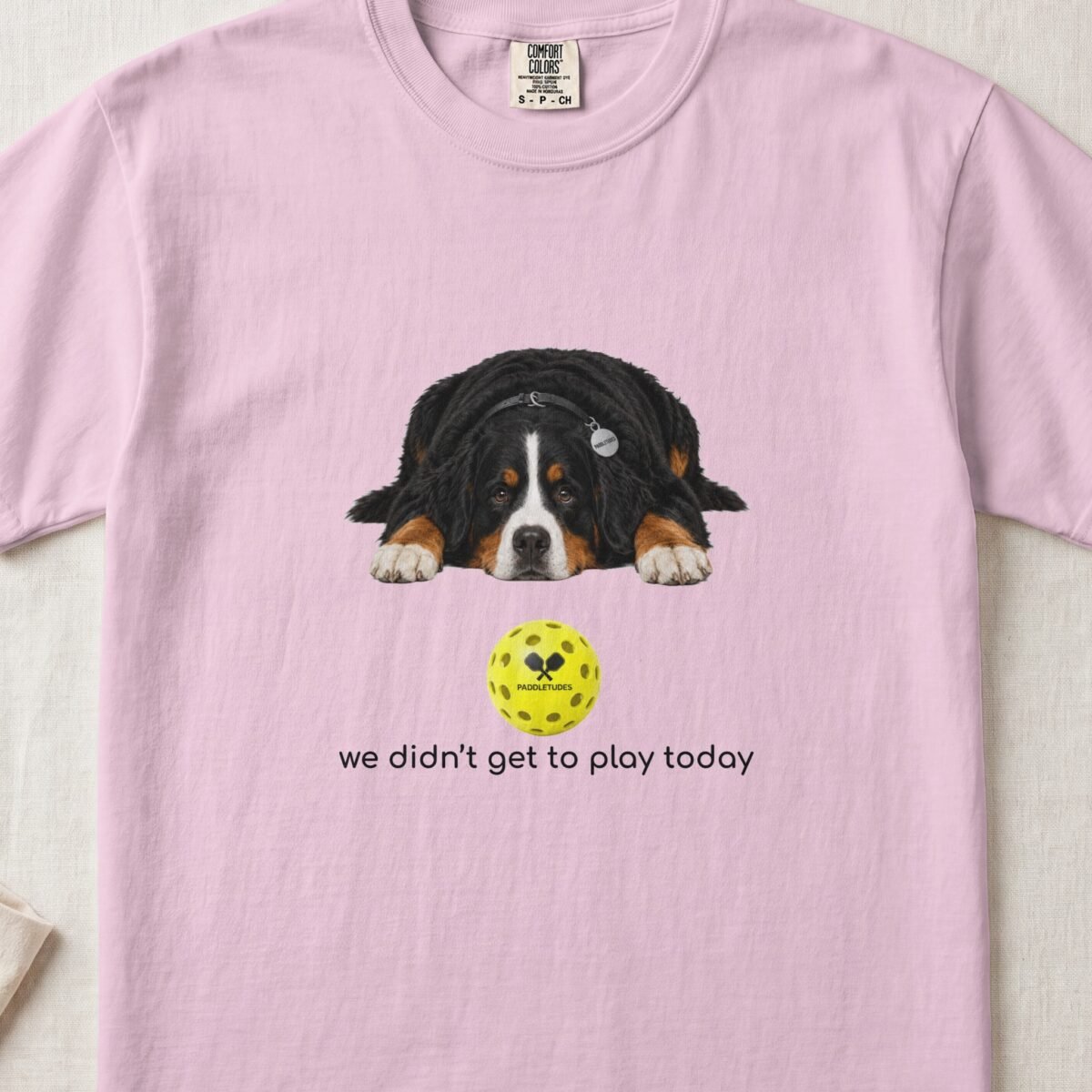
Bernese Mountain Sad
$39.99 Select options This product has multiple variants. The options may be chosen on the product page -
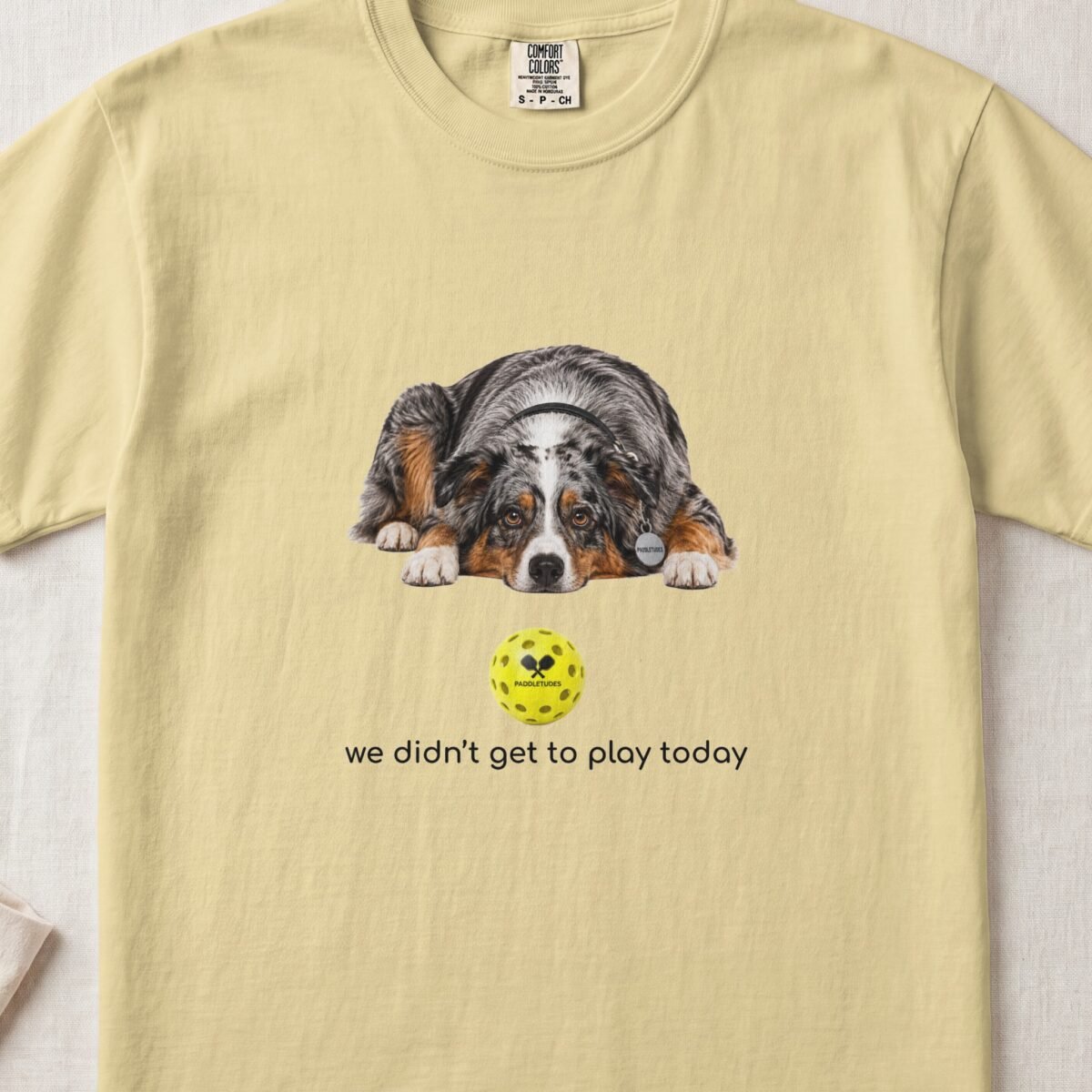
Mini Australian Shepherd Sad
$39.99 Select options This product has multiple variants. The options may be chosen on the product page -
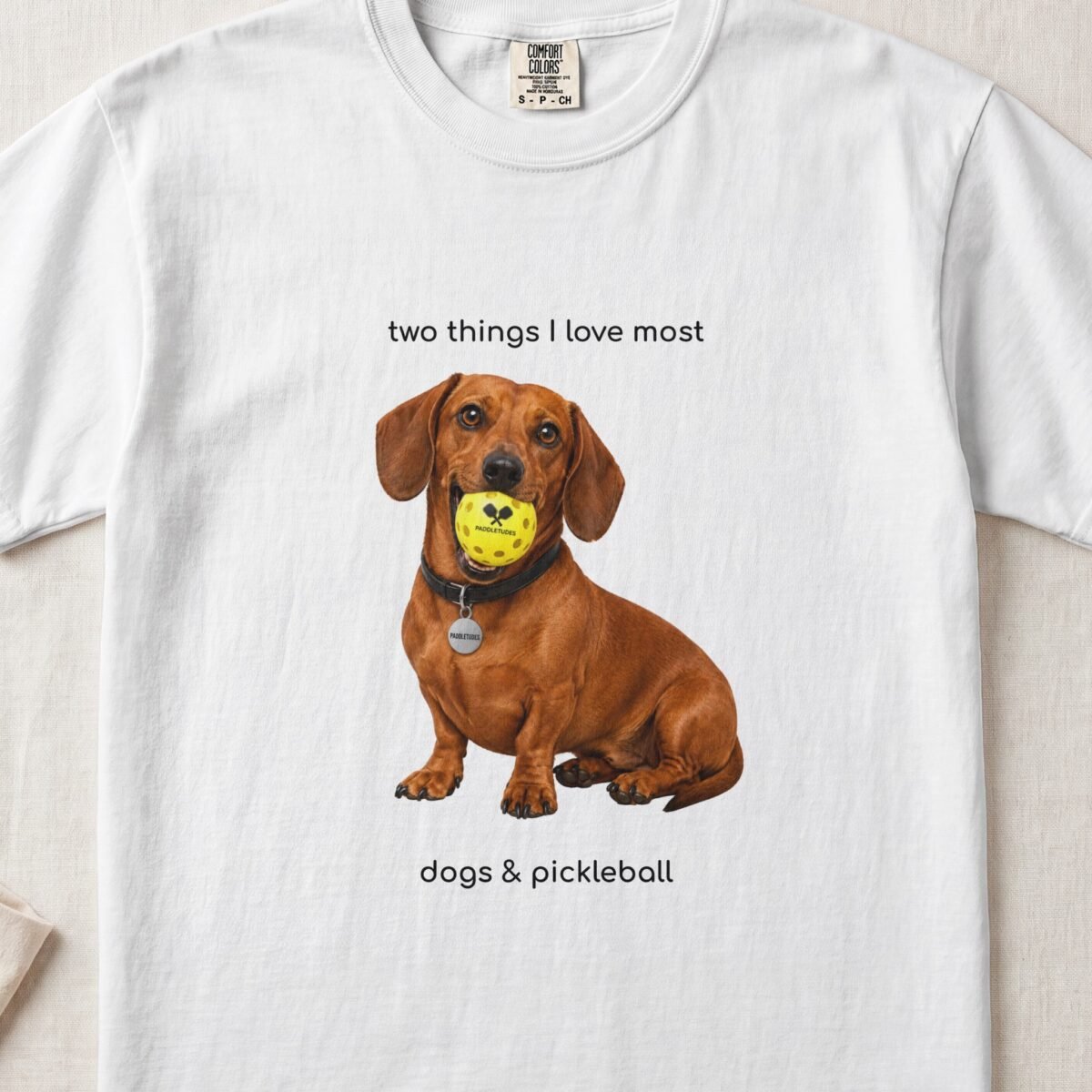
Dachshund Happy
$39.99 Select options This product has multiple variants. The options may be chosen on the product page