Animals Comfort Colors 1717
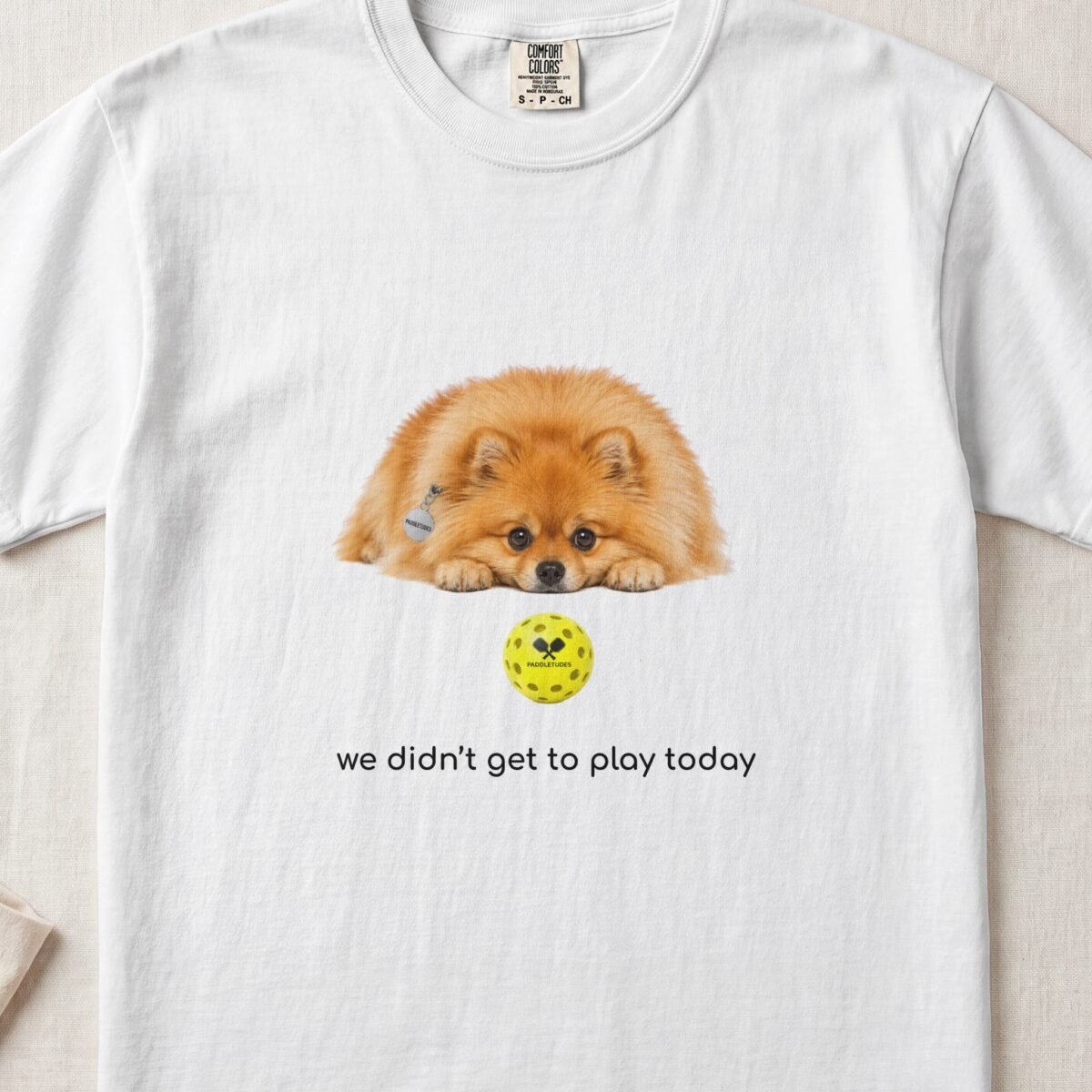
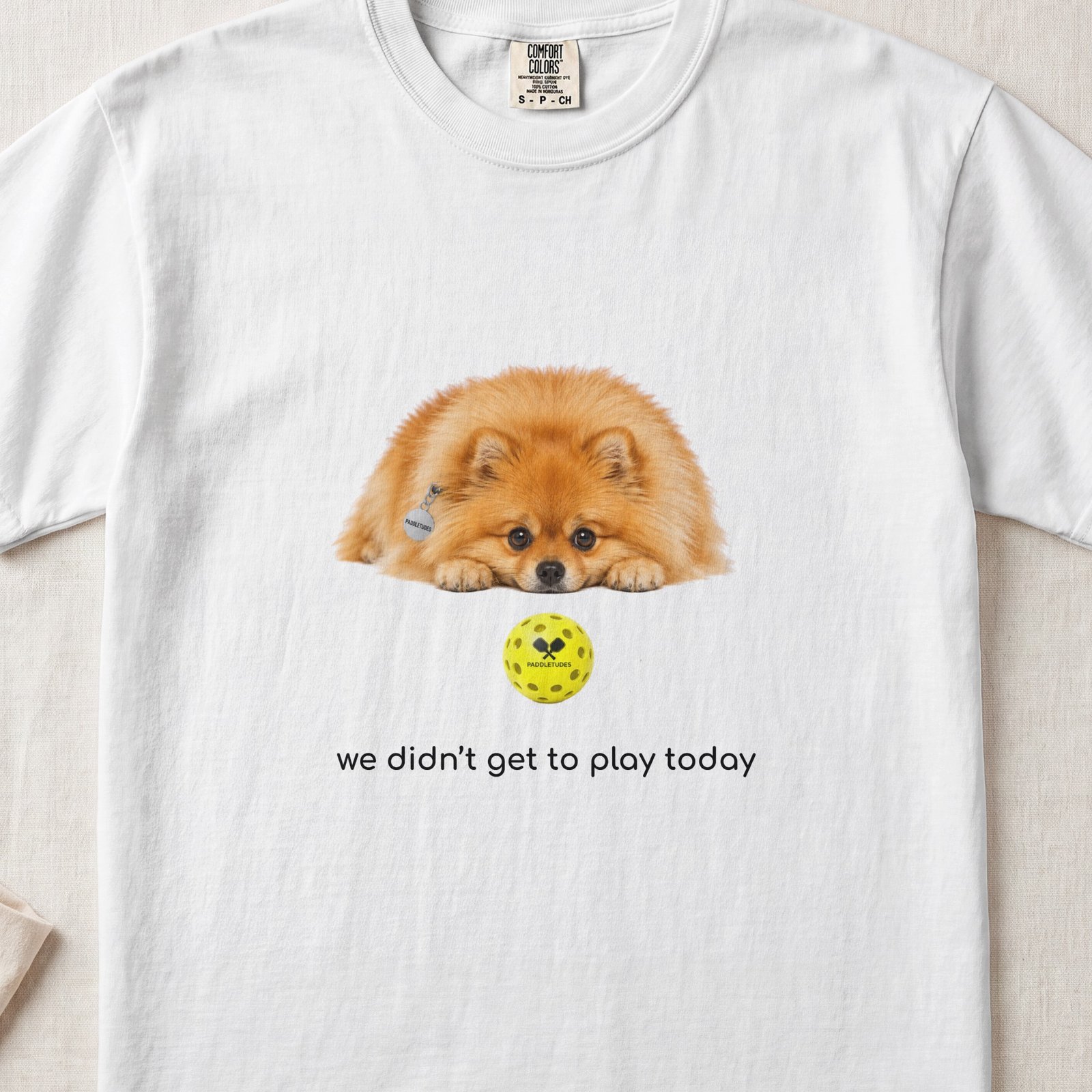
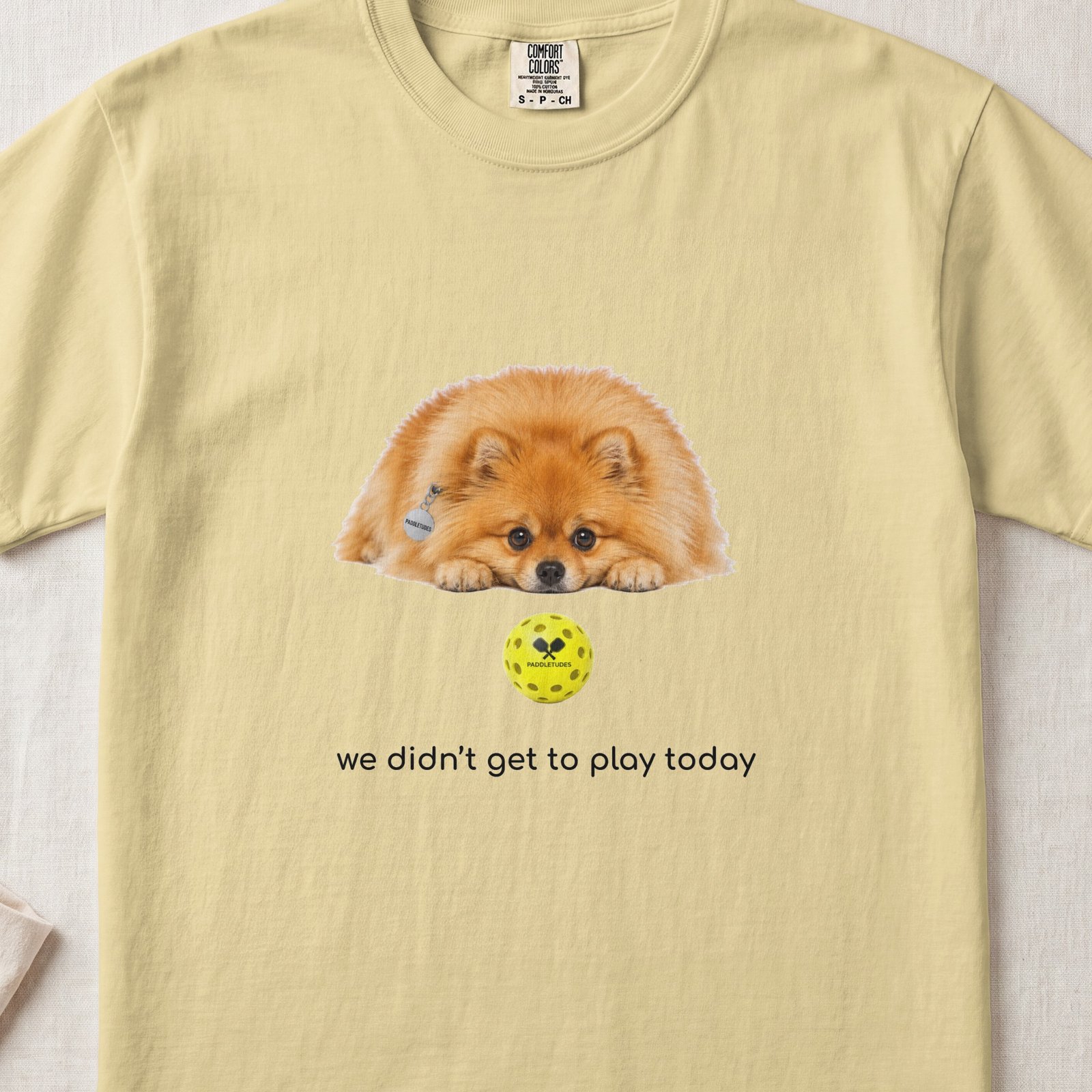
Pomeranian Sad
$39.99
- Comfort Colors 1717 heavyweight cotton
- Original design · printed to order
- U.S. print partners
All Fur, All Feelings — A Pomeranian Gift
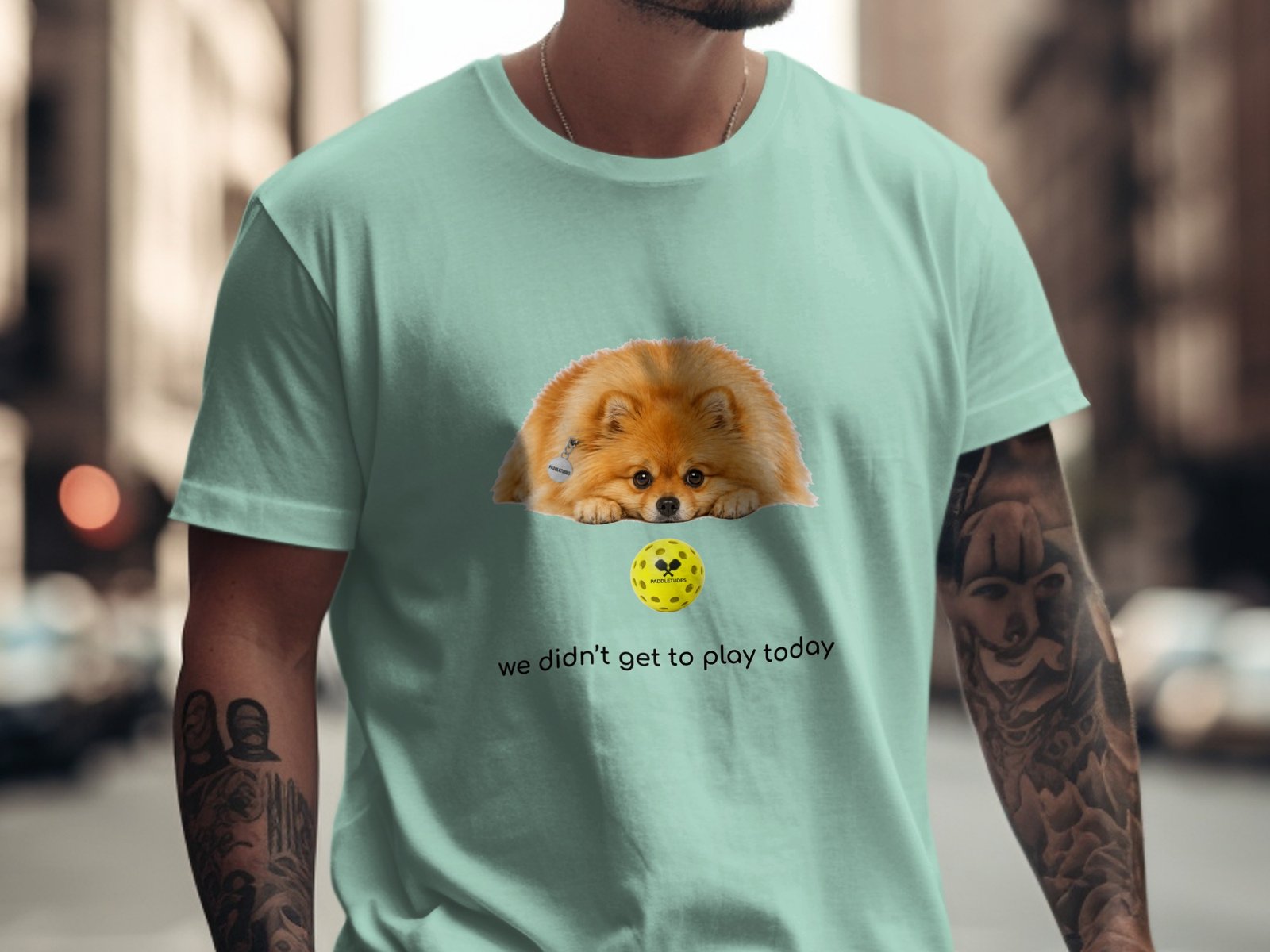
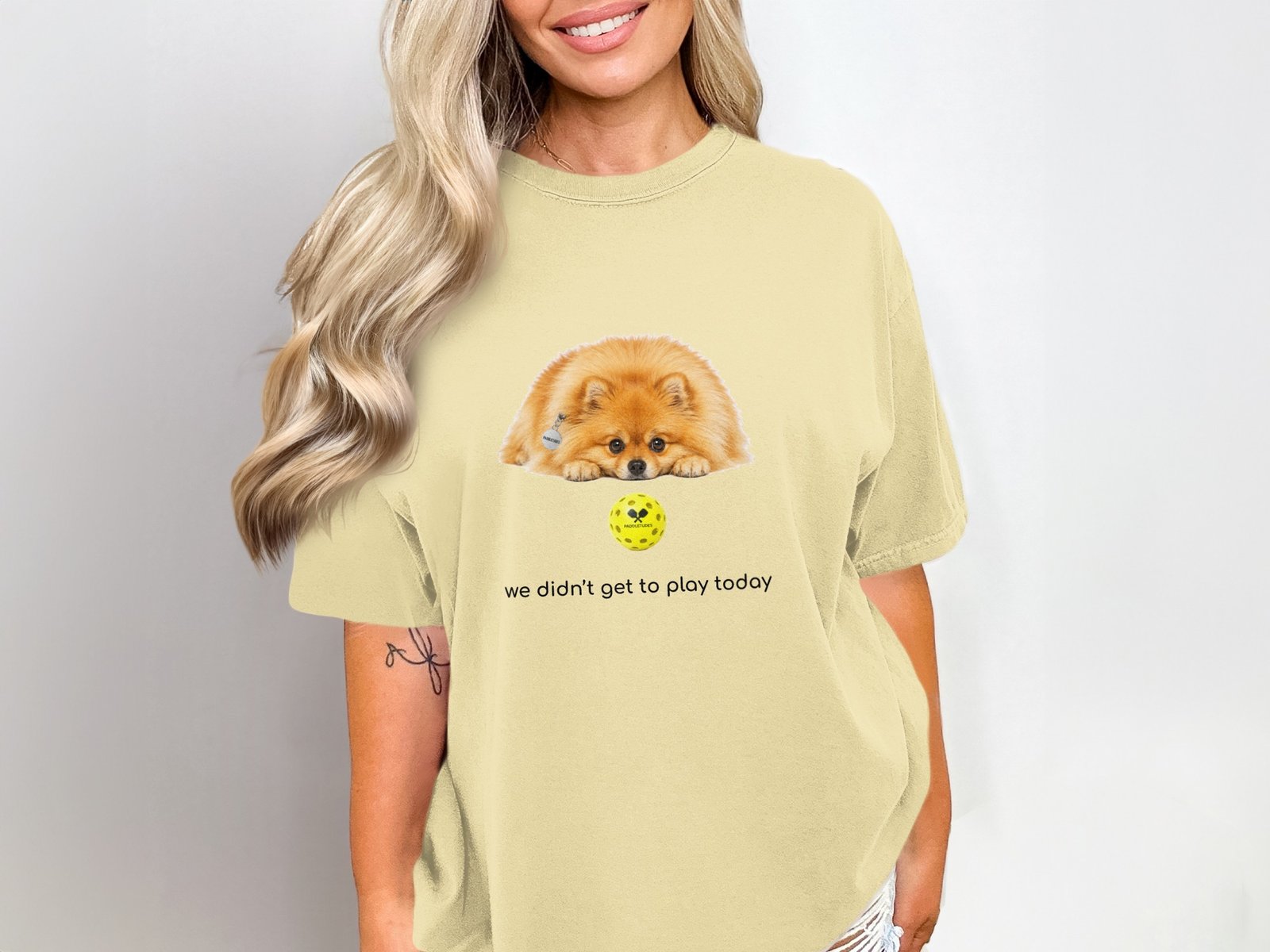
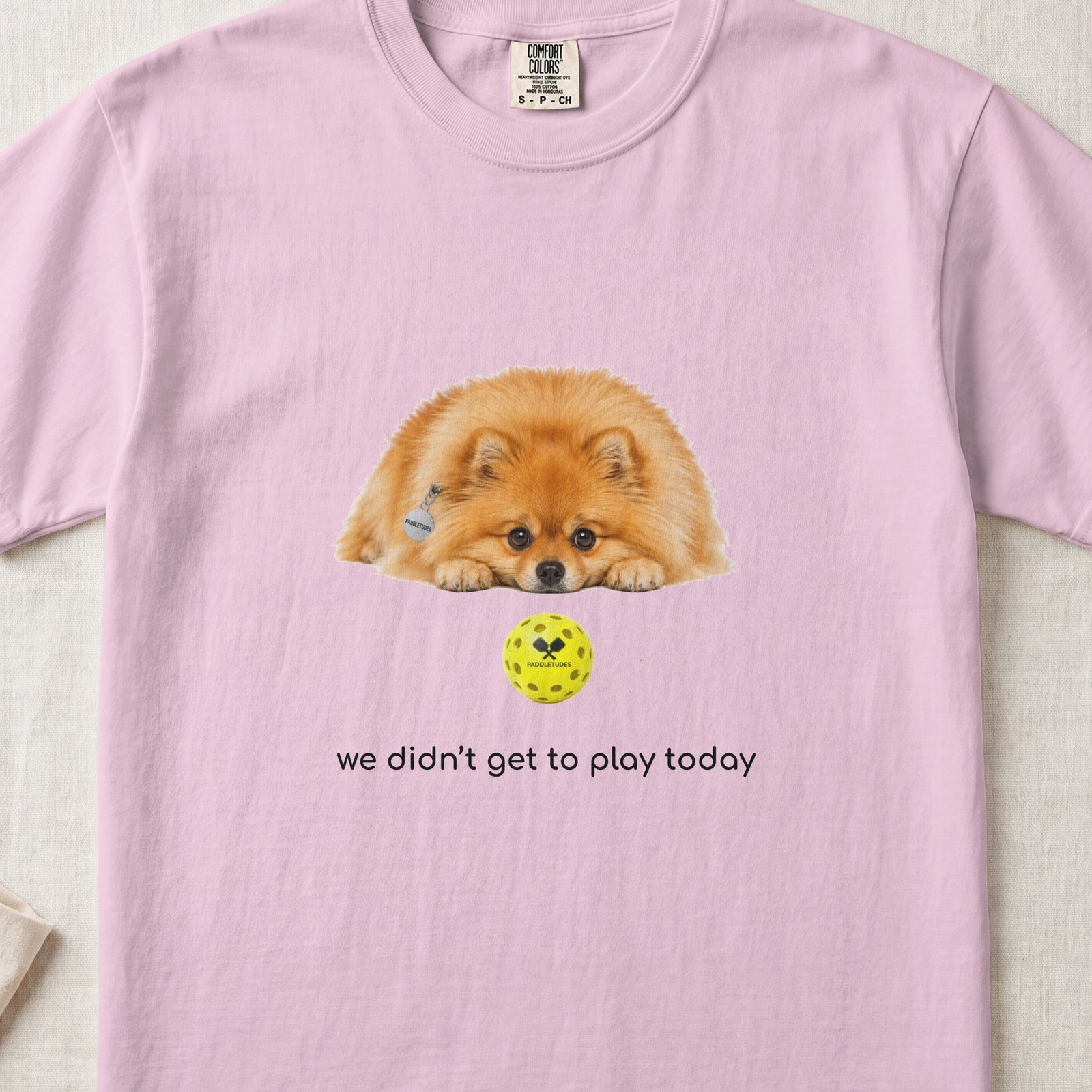
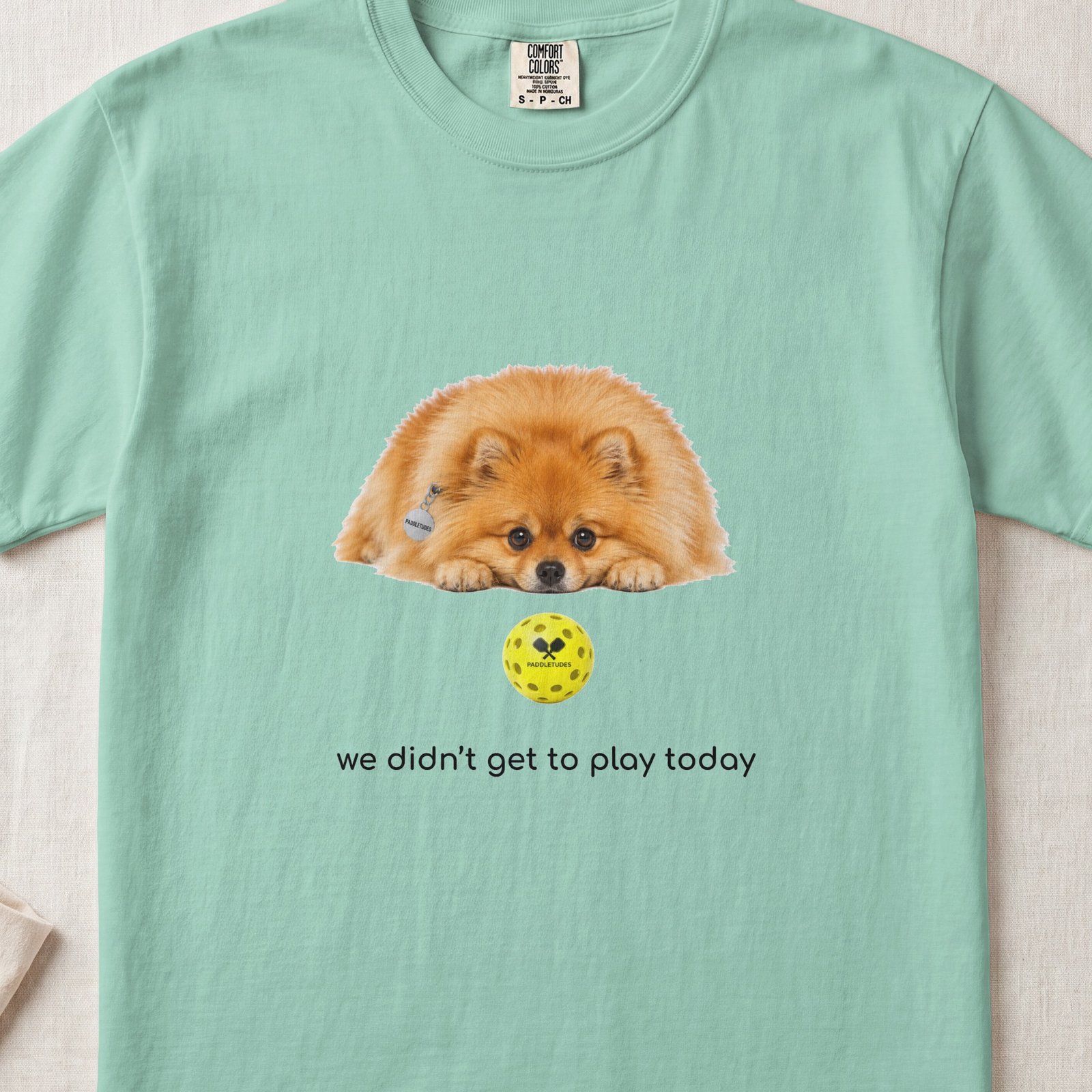
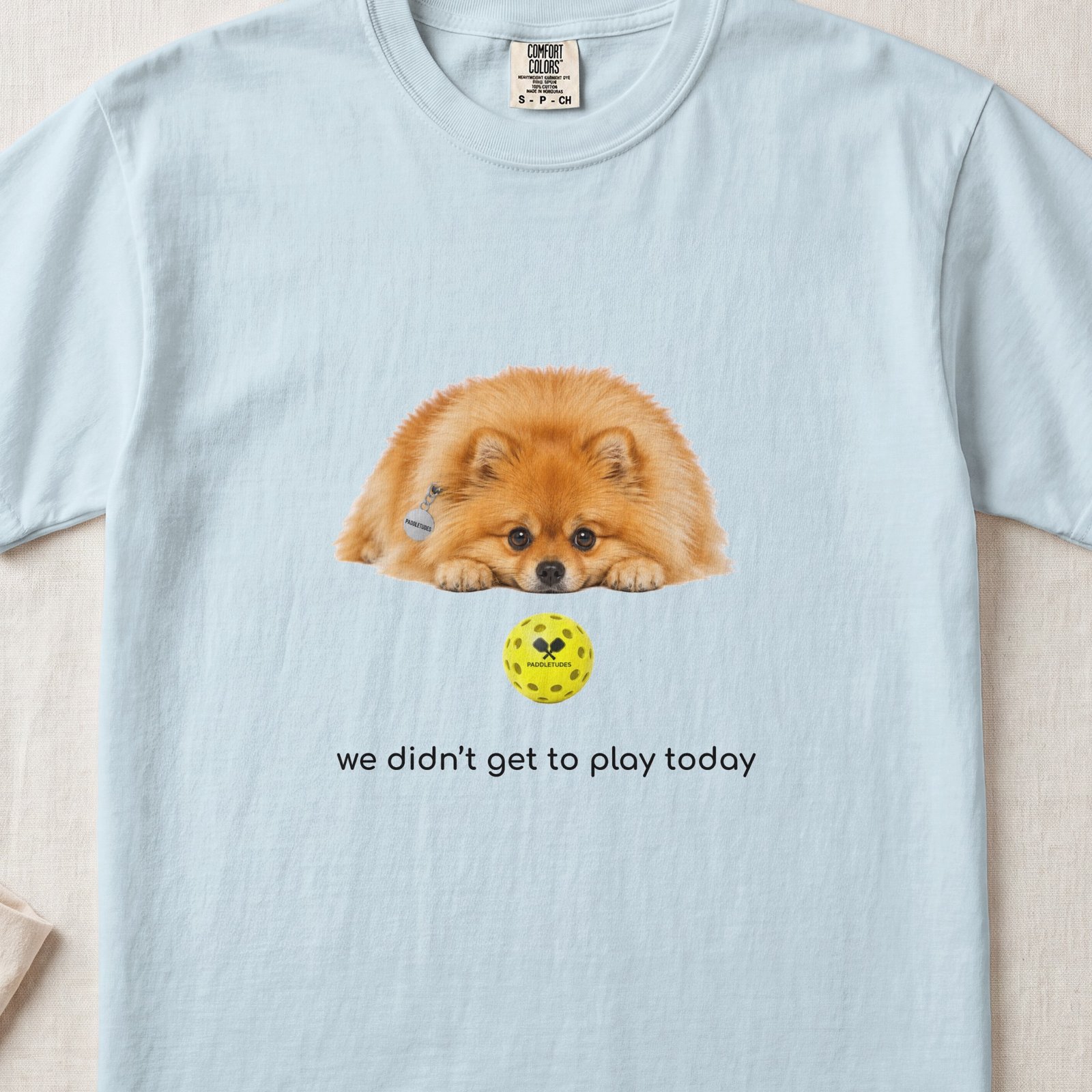
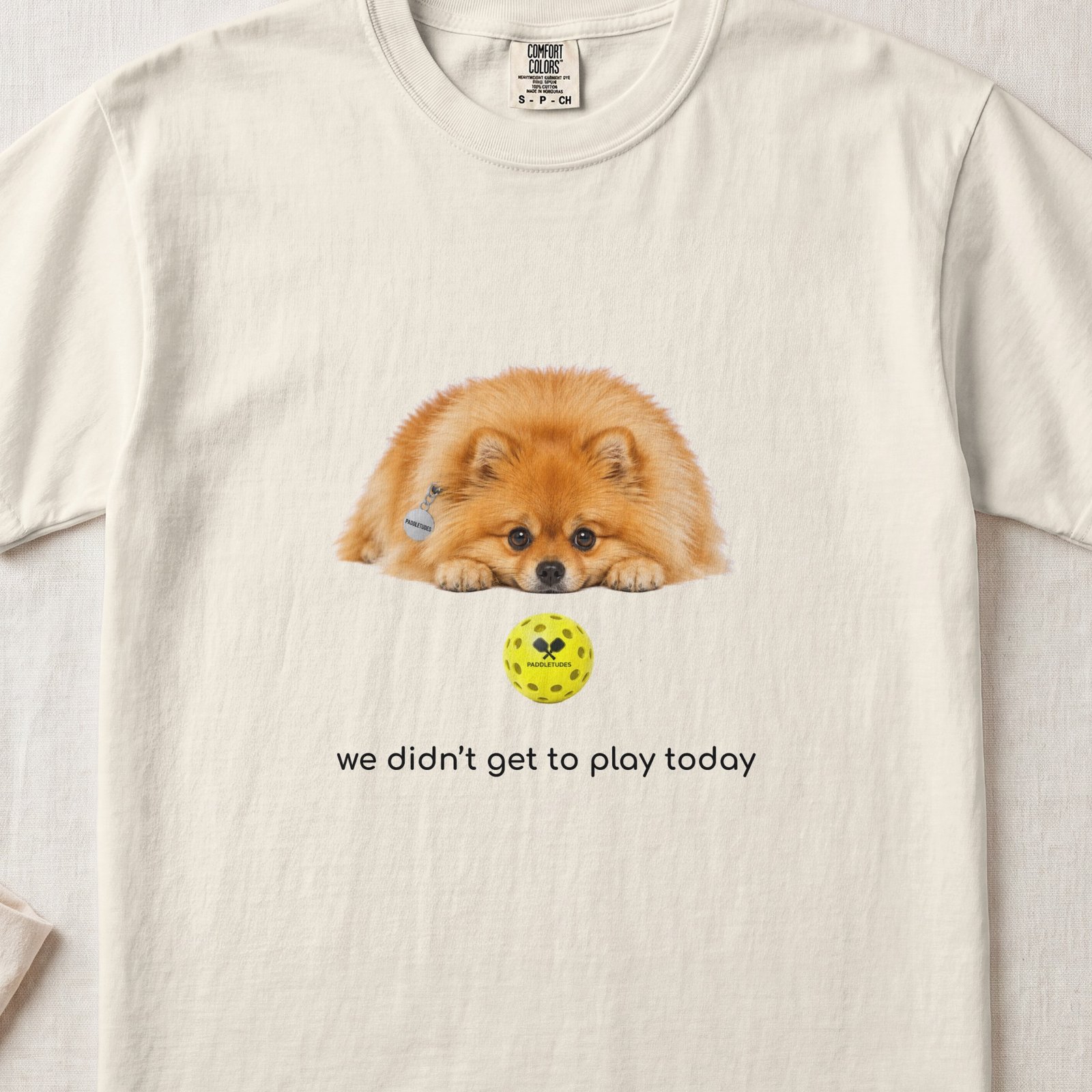
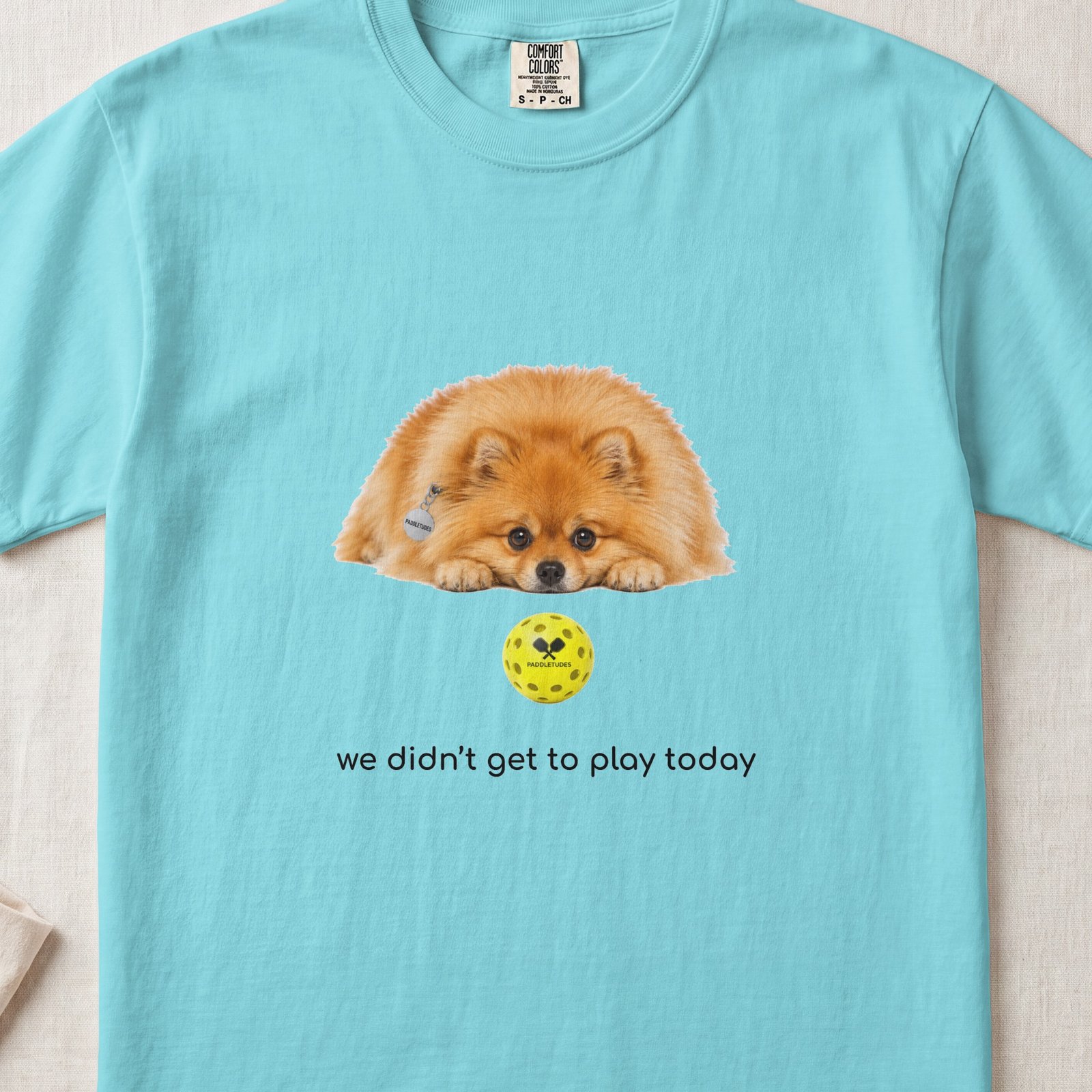
All fur, all fury, all feelings — this Pomeranian shirt captures the exact moment your Pom realizes today is not a pickleball day and decides the entire household needs to know about it. The happy version shows the polar opposite — ball in mouth, full sled-dog confidence engaged. Printed on a garment-dyed Comfort Colors 1717 heavyweight tee with water-based DTG ink.
If there is someone at your court whose Pomeranian can be heard barking from the parking lot for the entire duration of open play — and who arrives at every session looking slightly frazzled because the departure sequence involved a twelve-minute negotiation with an animal that weighs less than the paddle bag but has the emotional leverage of a labor union — this is the Valentine’s Day gift that tells them you see the situation and you respect the struggle. Pom people recognize this shirt instantly because they have lived it, photographed it, and posted it to the group chat with a caption that says “she’s mad at me again.”
A disappointed Pomeranian is not quiet about it. There is no stoic floor collapse, no dignified silence, no subtle ear droop. There is a noise — a rising, sustained, operatic production that starts as a whimper, escalates through several octaves of indignation, and arrives at a volume that seems physically impossible from a dog this size. Your Pom is lying in front of an untouched pickleball, staring at you with eyes that are equal parts heartbreak and accusation, and the message is not complicated: you are leaving, you are not taking me, and I am going to make certain you carry this guilt all the way to the court and back. At the dog park the next day, wearing this shirt while your Pom trots ahead with restored confidence and a bark that clears the path for both of you, another Pom owner spots the design from twenty yards and starts laughing before they even reach you — because the scene on the shirt is every Pom owner’s morning, and they know it.
Pomeranian owners know this performance because they see it every time the routine breaks. The Pom has your schedule memorized. It knows which shoes mean court time, which jacket means errands, and which hesitation at the door means you are considering staying home — at which point the volume drops instantly and the tail starts, because the Pom has won and it knows it. The dog that descended from Arctic sled pullers has retained the stubbornness, the vocal power, and the absolute refusal to accept any decision it did not participate in making.
The breed’s history makes the attitude make sense. Pomeranians descend from large Spitz-type sled dogs — thirty to fifty pound working animals bred for endurance in Arctic conditions. Queen Victoria imported smaller Pomeranians from Italy in 1888 and began a breeding program that reduced the breed’s size by roughly fifty percent in a single generation. The American Pomeranian Club maintains the standard for a dog that went from pulling sleds to riding in purses, and the behavioral software — the bark, the stubbornness, the independent judgment — never downgraded with the body.
Living with a Pom also means managing a breed whose tiny frame carries specific vulnerabilities. Luxating patella — the kneecap slipping out of alignment — is the most common orthopedic issue, and it shows up as an intermittent skip in their gait that can worsen over time without management. Dental disease runs rampant in the breed for the same reason it does in every toy dog: 42 teeth crammed into a jaw that was not designed for that count. Alopecia X — also called “black skin disease” — is a cosmetic condition unique to Pomeranians and other Spitz breeds where patches of the double coat thin or disappear entirely. And tracheal collapse, the weakening of the windpipe cartilage that produces a harsh honking cough, is common enough in Poms that a harness instead of a collar is not a fashion choice but a medical recommendation. None of this slows a Pom down. It just means the person who loves one is paying attention — which is the same trait that made them notice the shirt in the first place.
Printed on a Comfort Colors 1717 garment-dyed heavyweight tee with water-based DTG ink — sizing and care details here. The Cane Corso handles the same heartbreak at ten times the body weight — opposite scale, same devoted stare. Browse every breed on the Dogs page.
Were Pomeranians Originally Sled Dogs
Yes. The Pomeranian descends from large Spitz-type working dogs that pulled sleds, herded livestock, and served as watchdogs in the Arctic and northern European regions. Early ancestors of the breed weighed between thirty and fifty pounds — roughly seven to ten times the size of a modern Pom — and were built for endurance work in freezing conditions. The thick double coat, the alert bark, and the independent streak that define the modern breed are all direct inheritance from those working sled dogs.
The breed takes its name from Pomerania, a historical region along the Baltic coast in what is now northeastern Germany and northwestern Poland. It was there that the first deliberate downsizing began, as the dogs transitioned from pulling sleds to guarding farms and homes. But the dogs were still large by modern standards — paintings from the 1760s show Queen Charlotte of England with her Pomeranians Phebe and Mercury, both estimated at thirty to fifty pounds, already recognizable as Poms but nowhere near the toy size we associate with the breed today.
The transformation to toy size was driven almost entirely by Queen Victoria, who imported smaller Pomeranians from Italy in 1888 and launched a breeding program that favored progressively smaller dogs. Her favorite, Marco, weighed twelve pounds — already a dramatic reduction from the breed’s working ancestors. The Queen’s influence was so strong that the breed’s average size dropped by roughly fifty percent during her lifetime. She kept thirty-five Pomeranians at one point and is credited with making the smaller version fashionable across Britain and eventually the world.
Modern Pomeranians weigh three to seven pounds, but the behavioral inheritance from their sled dog ancestors remains remarkably intact. The coat still insulates. The bark still alerts — at a volume that suggests the dog has not been informed of the size change. The stubbornness still resists every command that was not the dog’s idea first. That is the energy on this shirt — a dog whose body belongs in a purse but whose spirit belongs on a sled team, and the disappointment of a missed pickleball day is processed at a scale that matches the spirit, not the body.
-
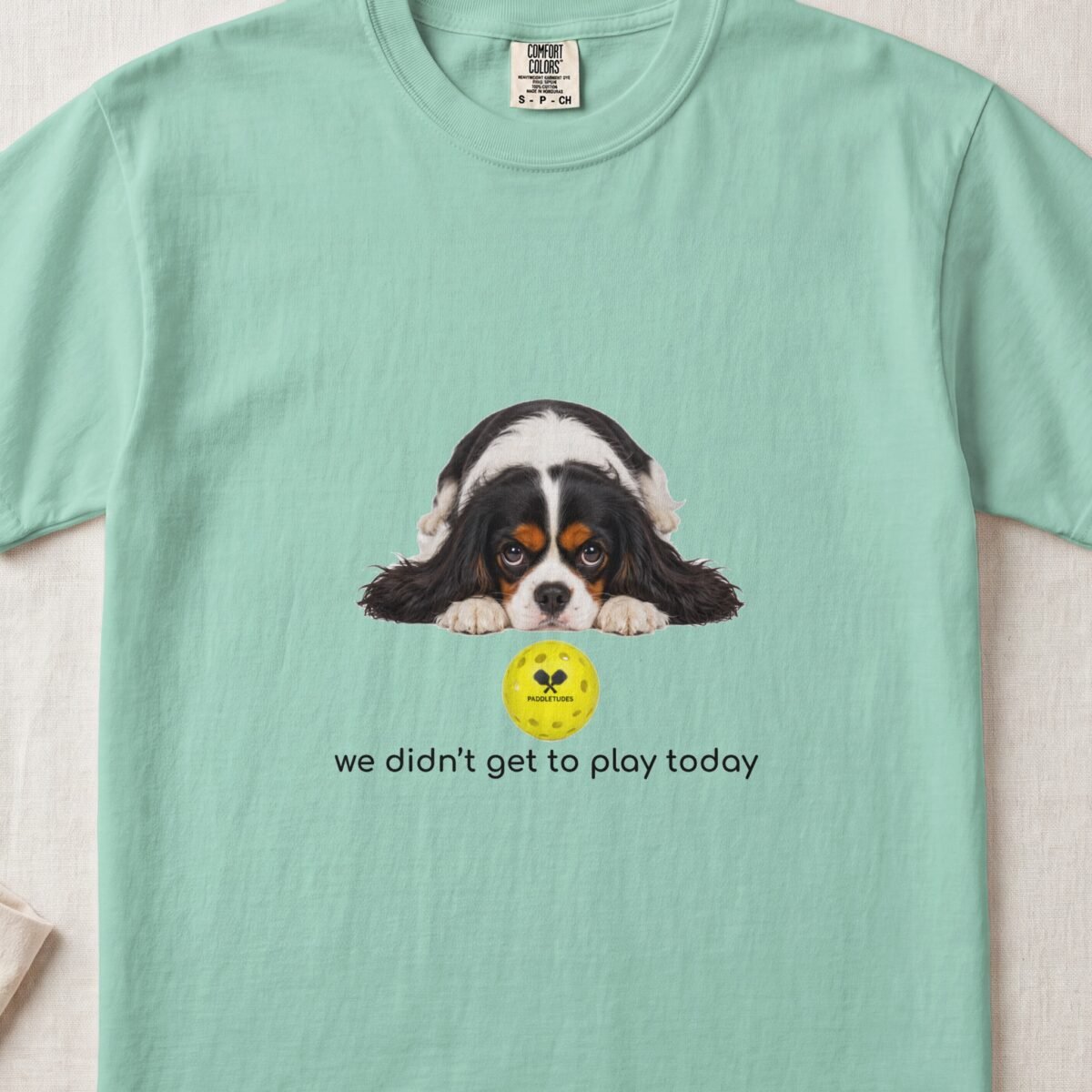
Cavalier King Charles Spaniel Sad
$39.99 Select options This product has multiple variants. The options may be chosen on the product page -
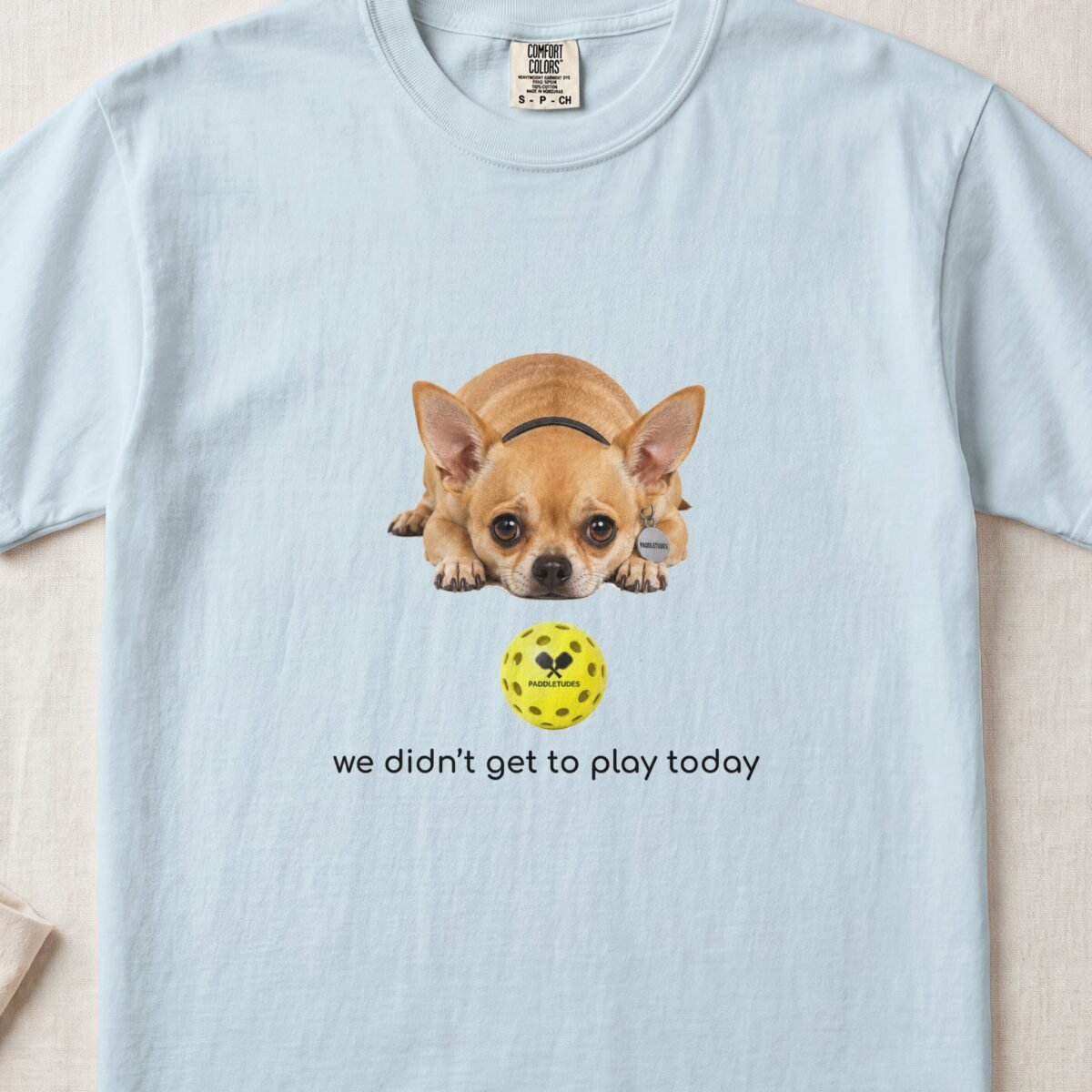
Chihuahua Sad
$39.99 Select options This product has multiple variants. The options may be chosen on the product page -
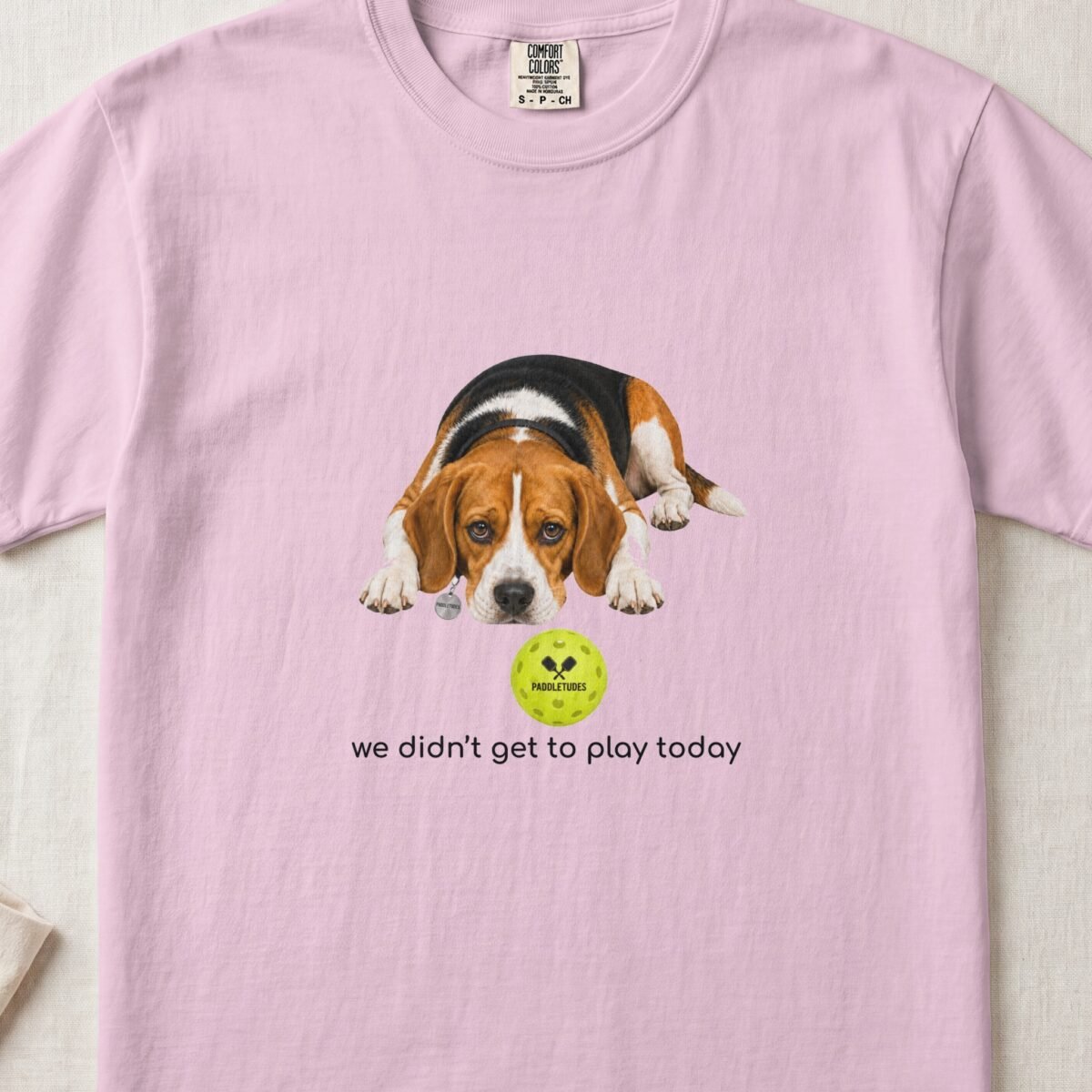
Beagle Sad
$39.99 Select options This product has multiple variants. The options may be chosen on the product page