
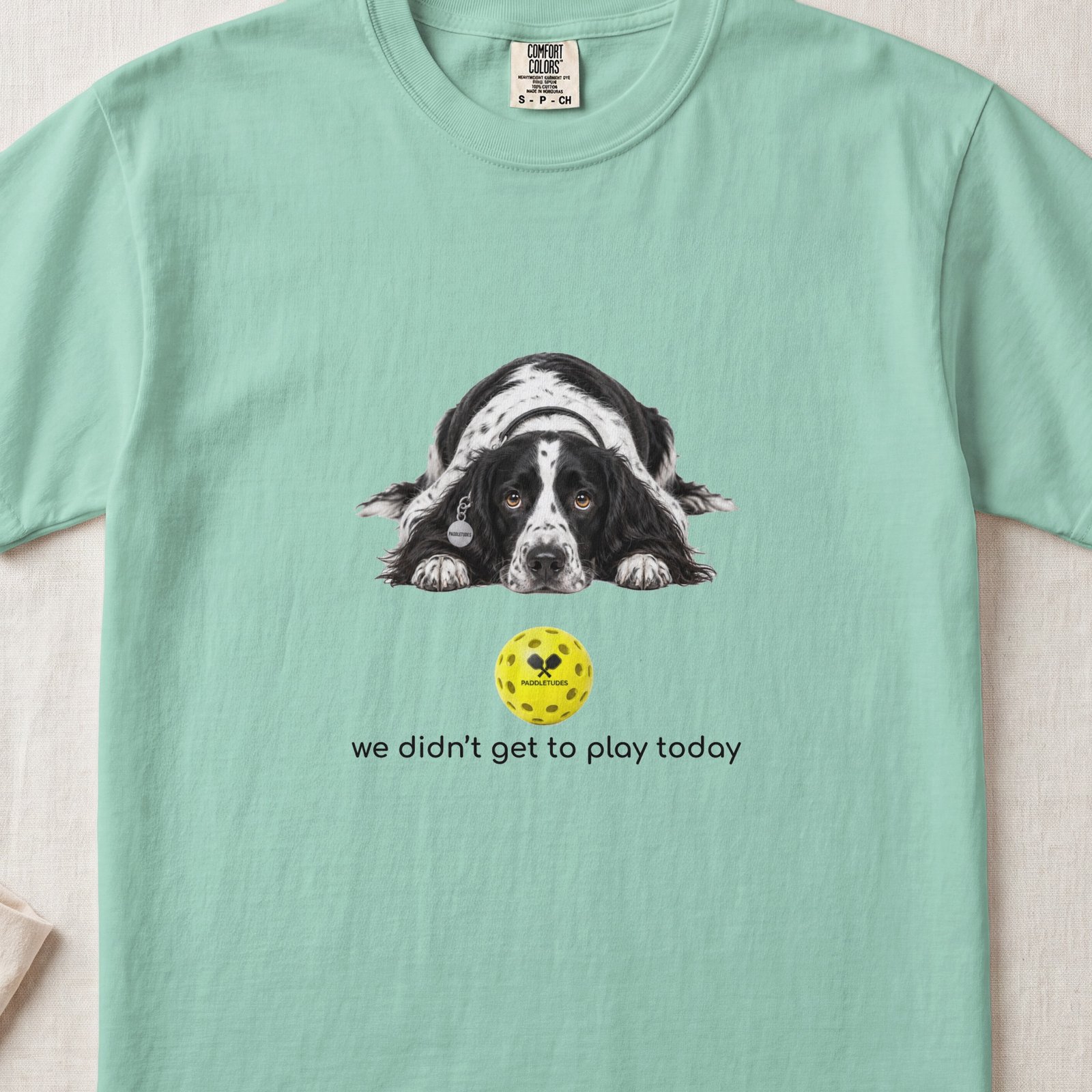
Animals Comfort Colors 1717
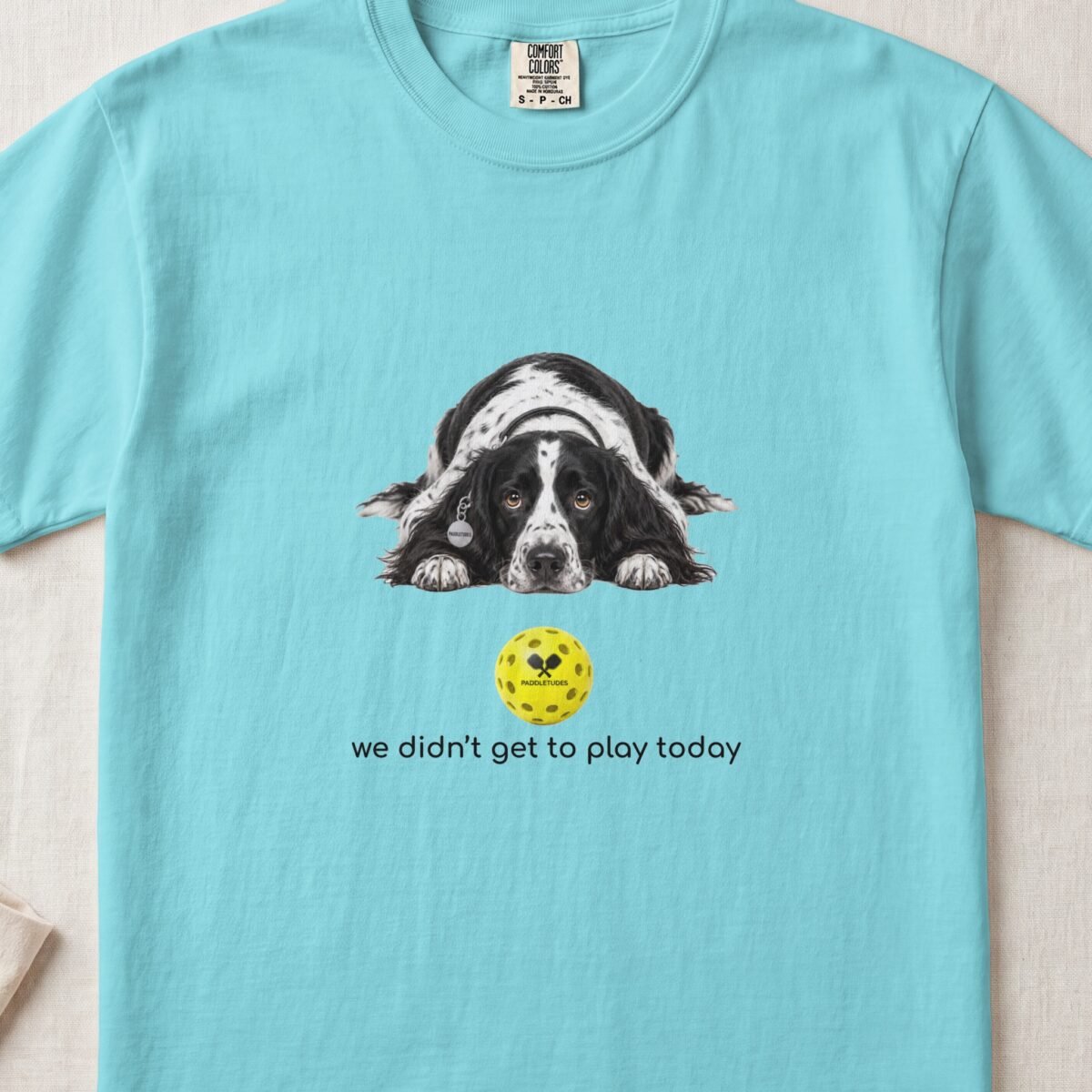
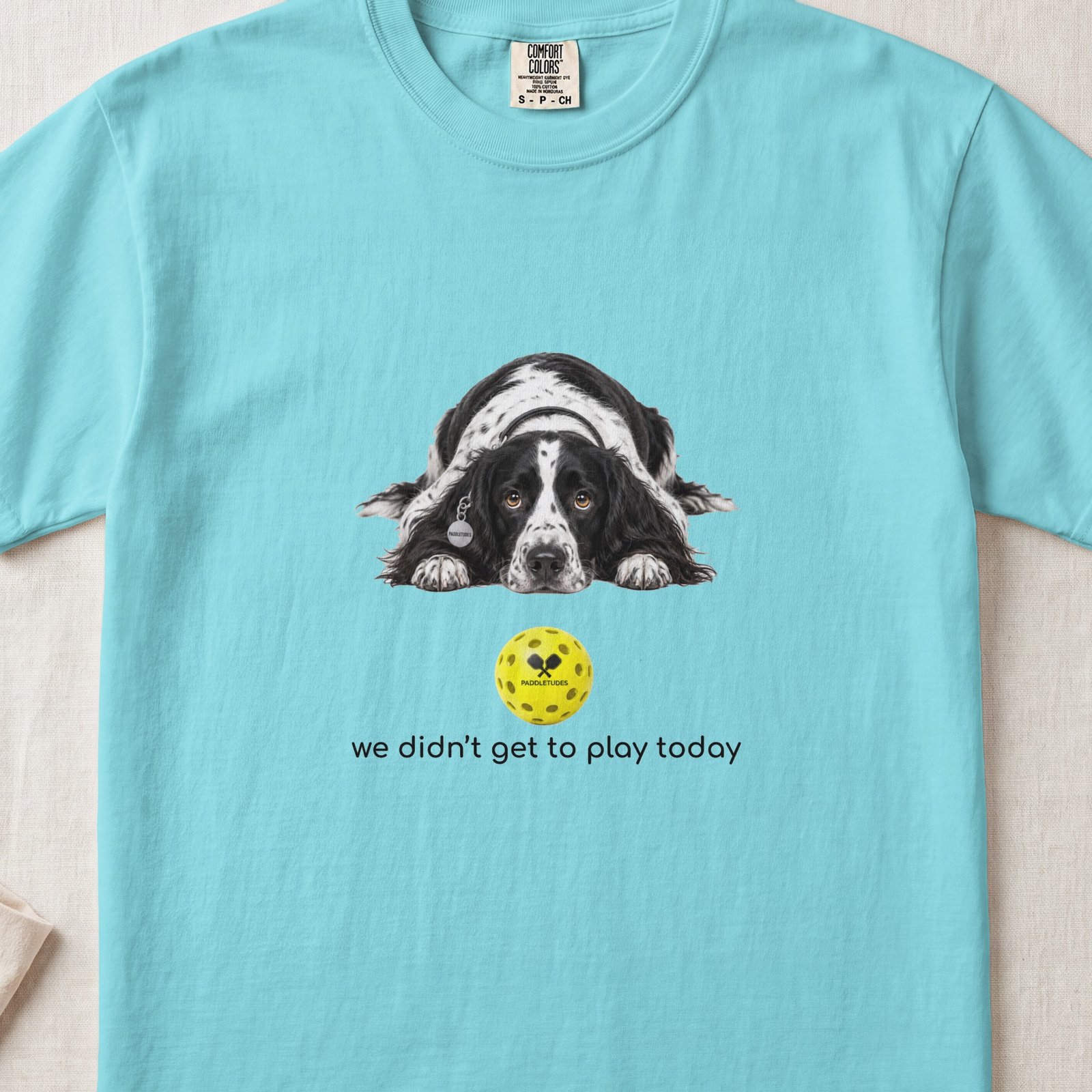
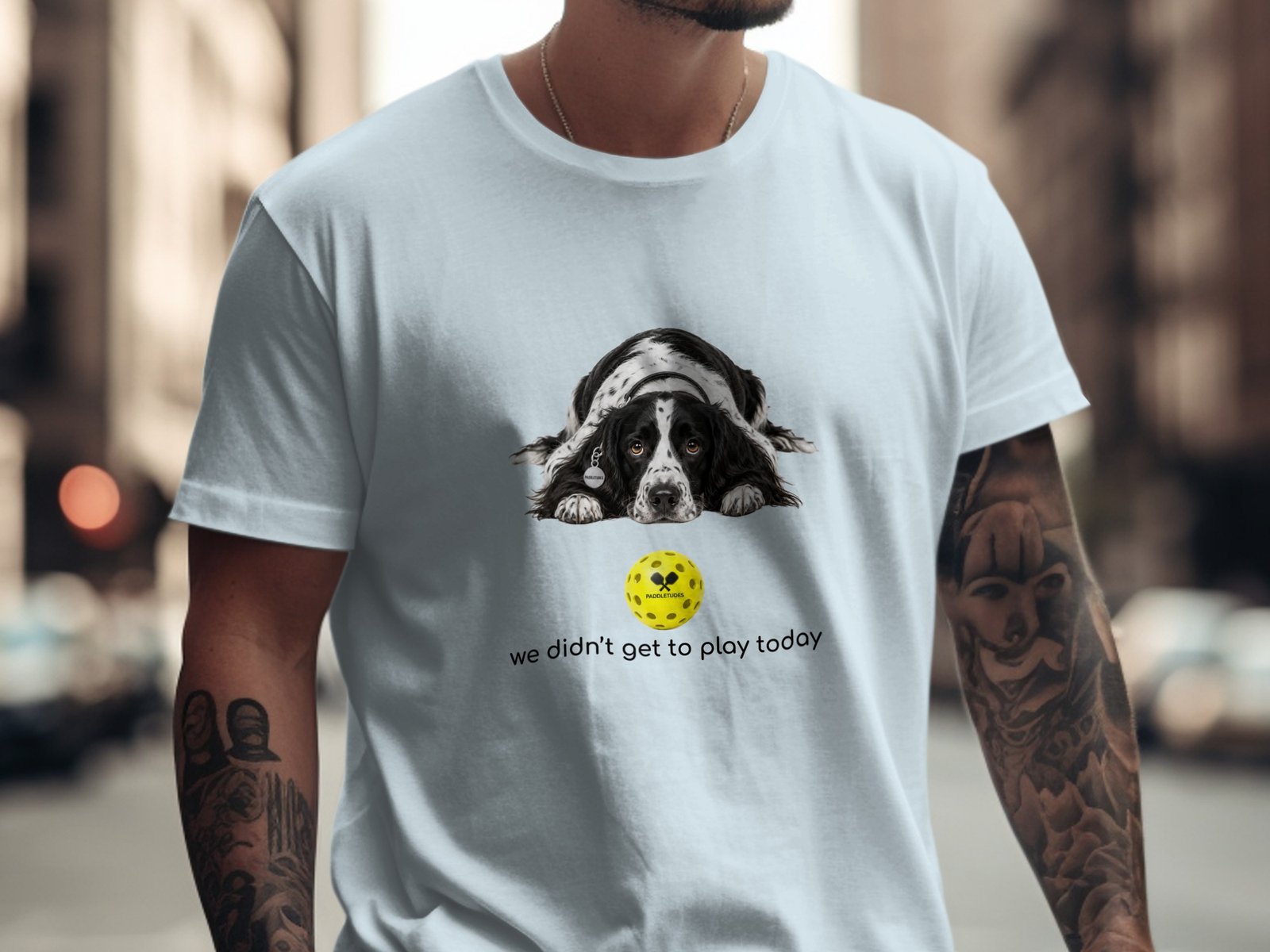
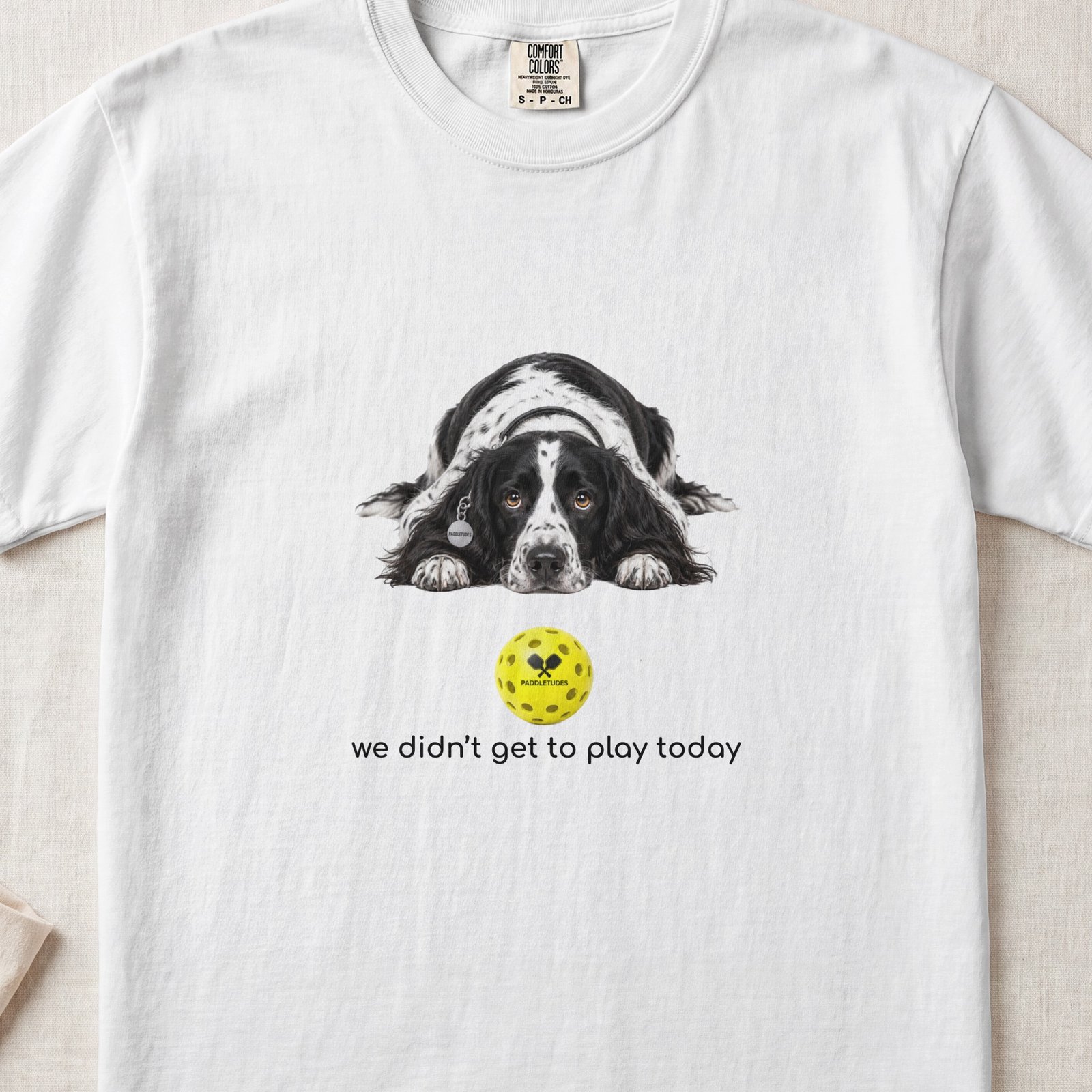
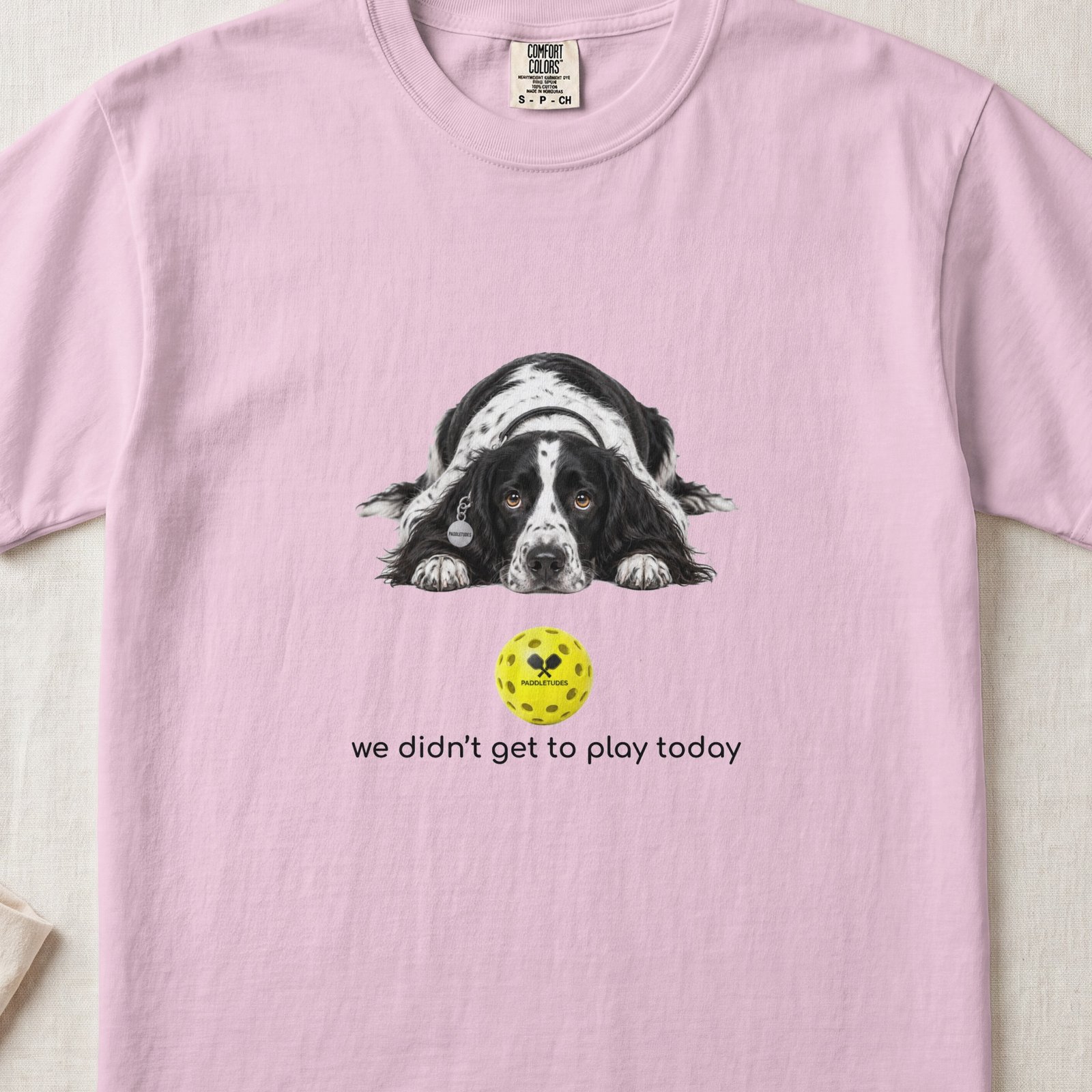
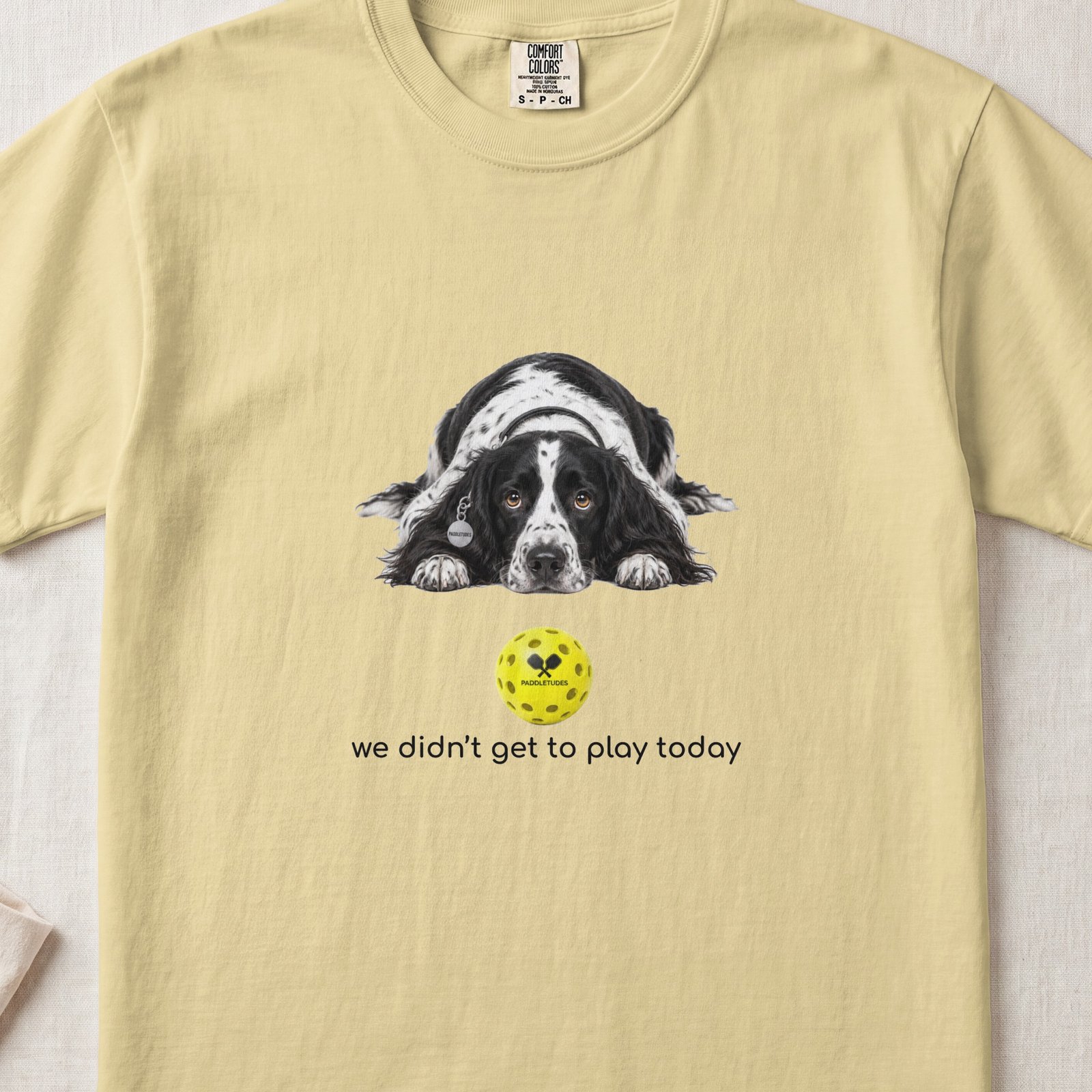
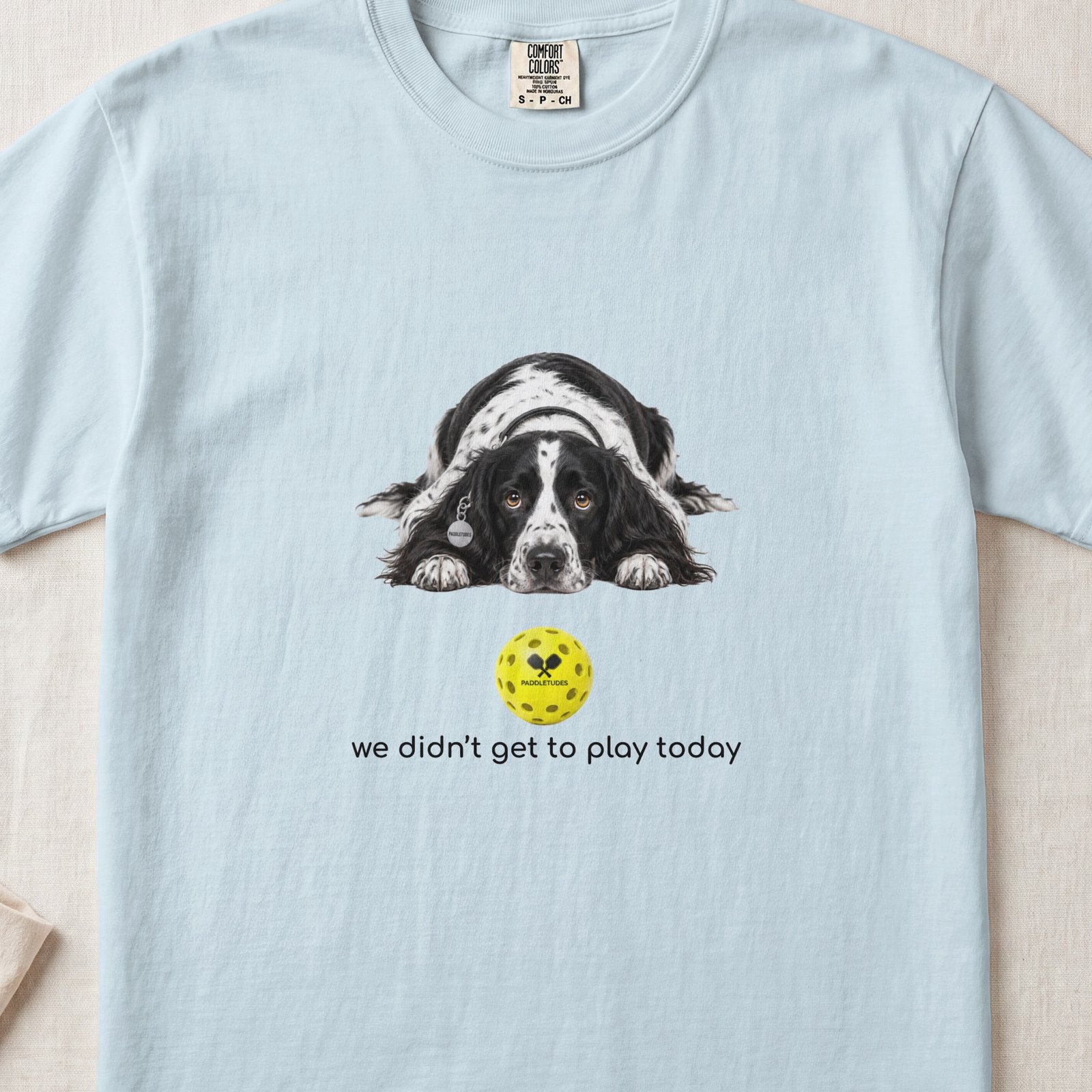
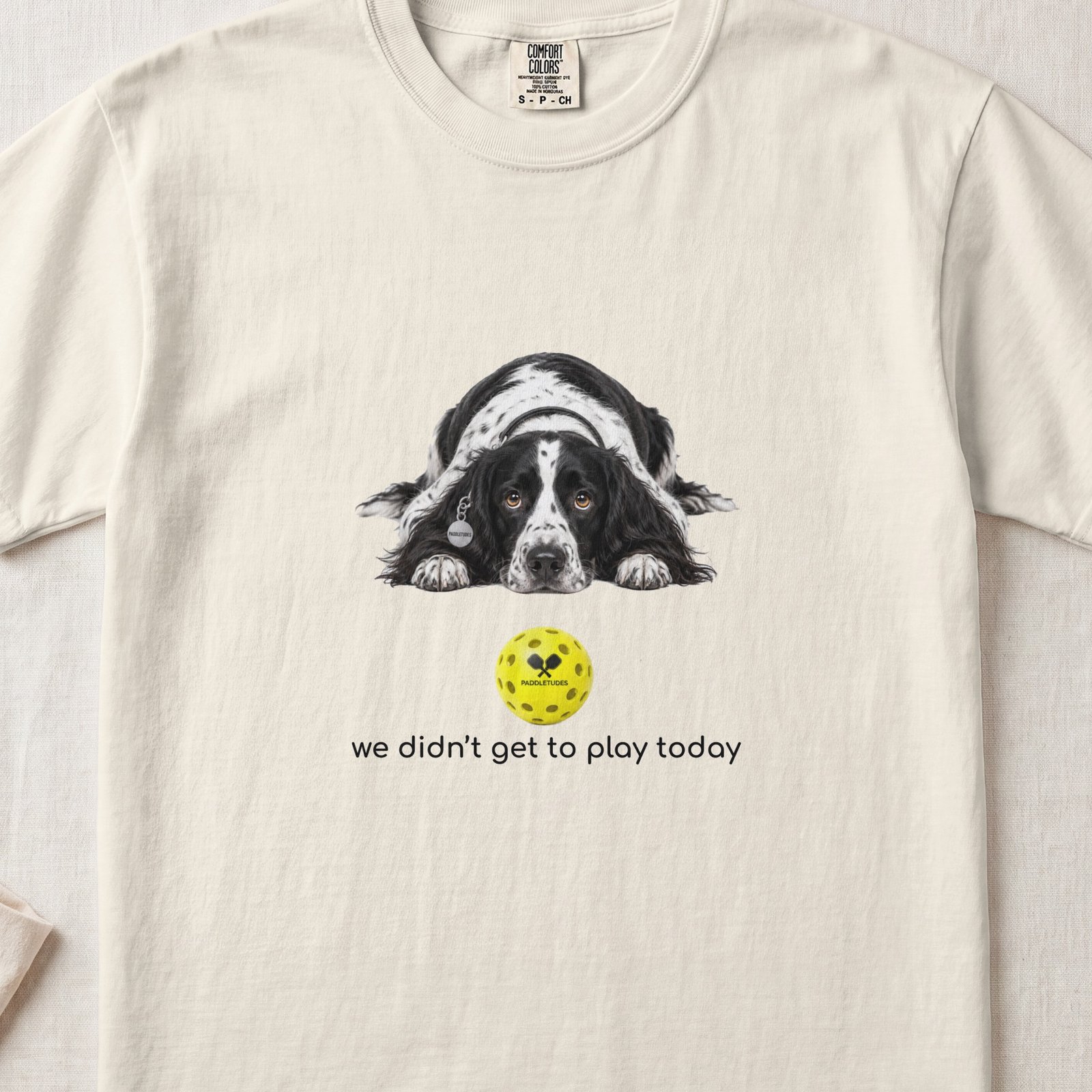
Cocker Spaniel Sad
$39.99
- Comfort Colors 1717 heavyweight cotton
- Original design · printed to order
- U.S. print partners
The Cocker Spaniel Gift for an Impossible Sadness
A sad Cocker Spaniel should be impossible — a breed that wags at rainstorms, at vacuum cleaners, at the concept of Tuesday. But there is one scenario that breaks the streak: the pickleball didn’t happen today. And the Cocker’s face when that registers is something no dog lover forgets.
If there is a kid in your family who comes home from school every day to a Cocker Spaniel that has been waiting on the exact couch cushion since 7 AM — not by the door, not by the window, but on the precise spot where they said goodbye, as if moving would break the contract — and if that kid also watches their parent leave for pickleball three mornings a week and has started narrating the dog’s expressions into the family group chat, this is the birthday present that turns a household ritual into something the whole family wears. Cocker Spaniel gift volume runs deep because these owners buy for each other, and a cocker spaniel shirt that captures the one moment their relentlessly happy dog goes quiet hits a nerve that generic dog humor never reaches.
That is what makes this design different from the sad version of any other breed. A melancholy Husky is dramatic but expected. A sad Chihuahua is tiny and furious, which is just a regular Chihuahua with the volume turned down. But a sad Cocker Spaniel is wrong. It goes against the fundamental operating system of the dog. Those long ears that usually frame a face full of uncomplicated joy are drooping. Those soulful brown eyes that normally sparkle with the news that something good is about to happen are just looking at you, quietly, with a question that has no good answer. At the dog park the next day, wearing this shirt while your Cocker bounces beside you with restored happiness, another owner laughs and says “mine did that exact thing yesterday” — and the shared recognition is instant.
The Cocker Spaniel owner who sees this shirt will buy it on instinct because they have lived this exact moment. They know the specific face their dog makes when the routine breaks — when the rain cancels the morning session, when the schedule fills up, when a Sunday that was supposed to start at the court starts at the grocery store instead. The Cocker does not rage about it. There is no door-scratching, no howling, no punitive destruction of a shoe. There is just a dog lying on the floor with its chin on its paws, being quietly un-merry for the first time all week, and somehow that silence is worse than anything a more vocal breed could produce. The Havanese handles that same quiet devastation from a breed that’s even more physically glued to its owner’s hip.
The breed’s emotional transparency is structural. Cocker Spaniels were bred as flushing dogs — partners that worked in close physical proximity to their handlers through dense undergrowth, reading body language and responding to the subtlest signals. That selection process produced a dog with an extraordinarily high capacity for emotional attunement. A happy Cocker is the most visibly happy creature in any room. And a sad Cocker — a Cocker that expected something good to happen and it did not — communicates that disappointment with a clarity that requires no translation. The American Spaniel Club describes the breed’s temperament as merry. This design captures the rare exception, and the exception proves the rule.
Owning a Cocker also means managing the breed’s physical vulnerabilities alongside that emotional depth. Those long, beautiful ears are a chronic infection risk — the heavy flap traps moisture and reduces airflow to the ear canal, and recurrent ear infections are the single most common health issue in the breed. Their eyes are prone to cataracts, cherry eye, and progressive retinal atrophy. The silky coat mats quickly without regular brushing and professional grooming every four to six weeks. None of this makes a Cocker high-maintenance in the way that word usually implies — it makes them a dog that rewards attentiveness, and the person who notices every shift in their Cocker’s mood is already the person who notices when the ears need cleaning. The care and the bond are the same instinct.
The happy version is the other half — your Cocker holding the ball with the full wigglebutt engaged and the unshakeable certainty that today is going to be the best day that has ever happened. See the Cocker Spaniel Happy Tee. Browse the full breed lineup on our dog shirts collection.
Printed on a Comfort Colors 1717 garment-dyed heavyweight tee with water-based DTG ink — sizing and care details here.
Do Cocker Spaniels Get Depressed When Left Alone
Cocker Spaniels are among the breeds most susceptible to separation distress, and in persistent cases, it can resemble depression. They were bred for over a century as close-working field companions — dogs that spent entire days within arm’s reach of their handler — and that proximity requirement did not switch off when the breed transitioned to family life. A Cocker left alone for extended periods does not simply wait. It deflates.
The signs are specific to the breed’s emotional wiring. A mildly distressed Cocker will follow you from room to room more closely than usual before you leave, as if proximity alone might prevent the departure. A moderately distressed one may stop eating, lose interest in toys, and station itself at the door or window for the duration of your absence. A severely affected Cocker can develop repetitive behaviors — pacing, excessive licking, or quiet whimpering that continues long after most dogs would settle. What makes Cocker separation distress distinctive is the absence of destruction. Unlike breeds that chew furniture or tear cushions when anxious, the Cocker typically just goes still. The tail stops. The ears droop. The merry switch turns off.
The solution is structural, not emotional. Cockers do best with gradual alone-time training — short departures that slowly extend as the dog learns that leaving is not permanent. A consistent departure routine helps because the breed is intelligent enough to learn patterns and take comfort from predictability. Background noise, a piece of your clothing on their bed, and a calm exit without dramatic goodbyes all reduce the intensity. Some Cocker owners find that a second dog helps significantly, because the breed’s distress is about isolation from companionship, not specifically about one person — any reliable company lowers the anxiety.
For pickleball players, this is the practical reality of owning a breed built for togetherness while playing a sport that takes you away for ninety minutes at a time. The most effective approach is the simplest one: walk the dog before you leave, keep the departure boring, and understand that the full-body wigglebutt waiting for you at the door is not just happiness — it is relief. Your Cocker spent the entire session counting down, and the reunion confirms what they suspected the whole time: you were always coming back.
-
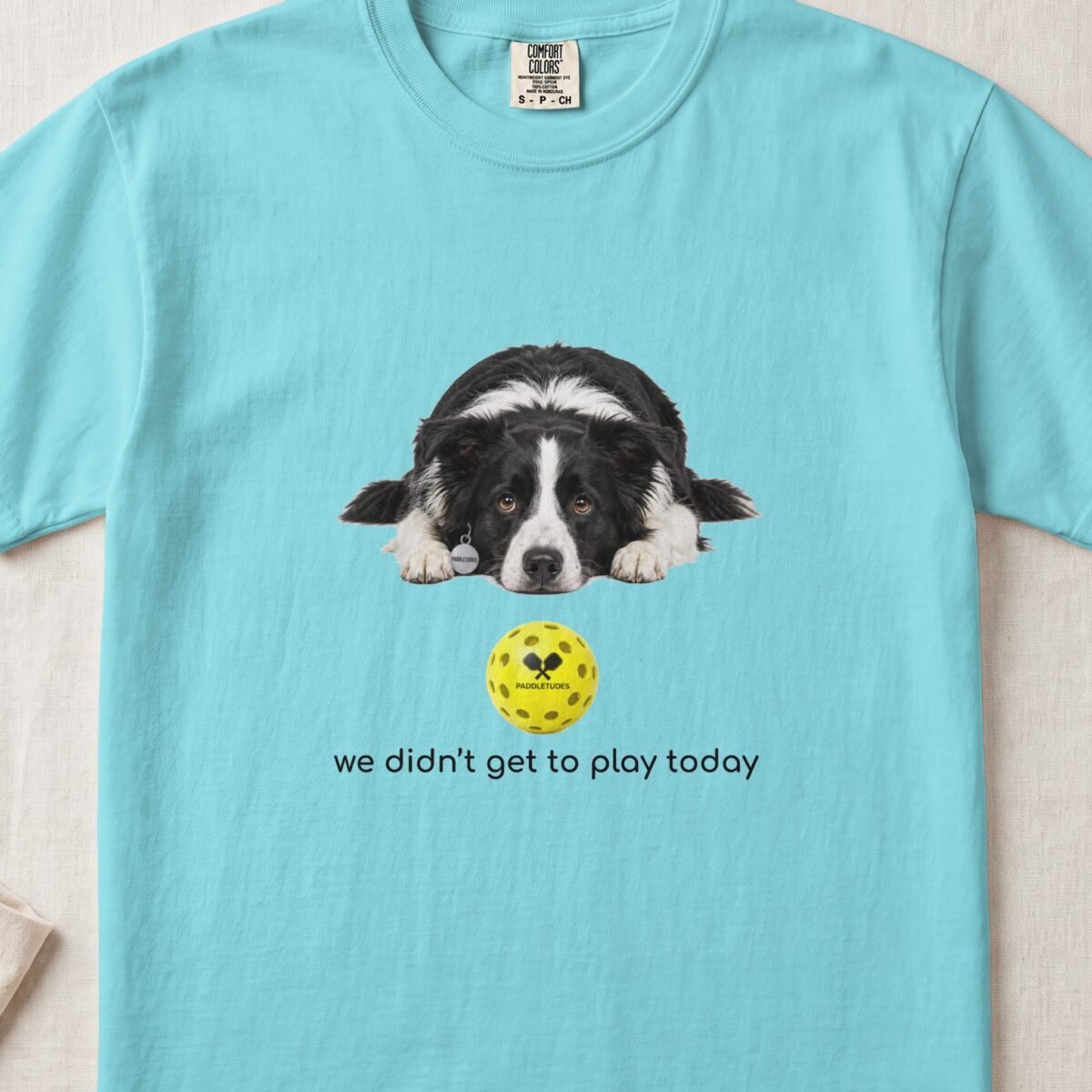
Border Collie Sad
$39.99 Select options This product has multiple variants. The options may be chosen on the product page -
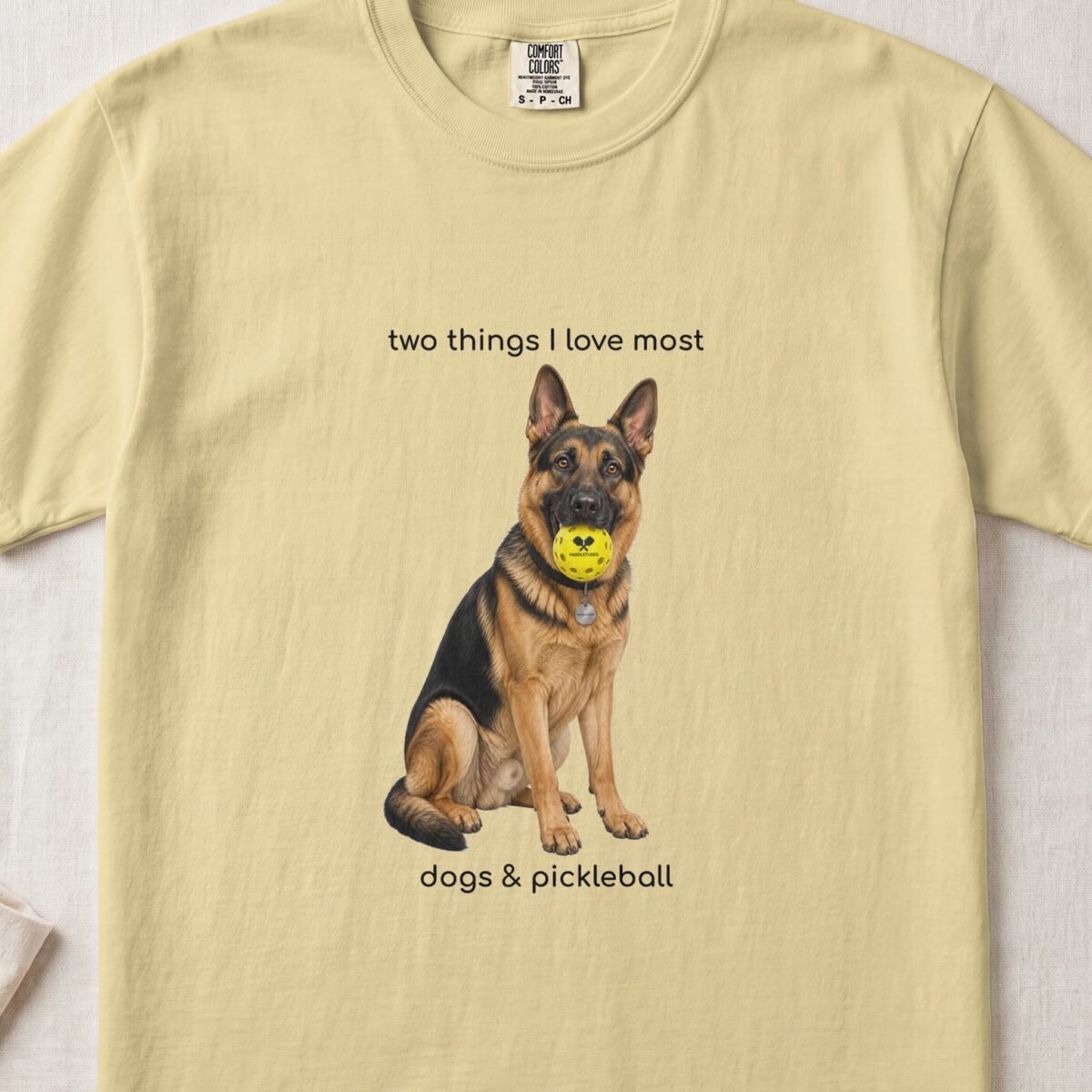
German Shepherd Happy
$39.99 Select options This product has multiple variants. The options may be chosen on the product page -
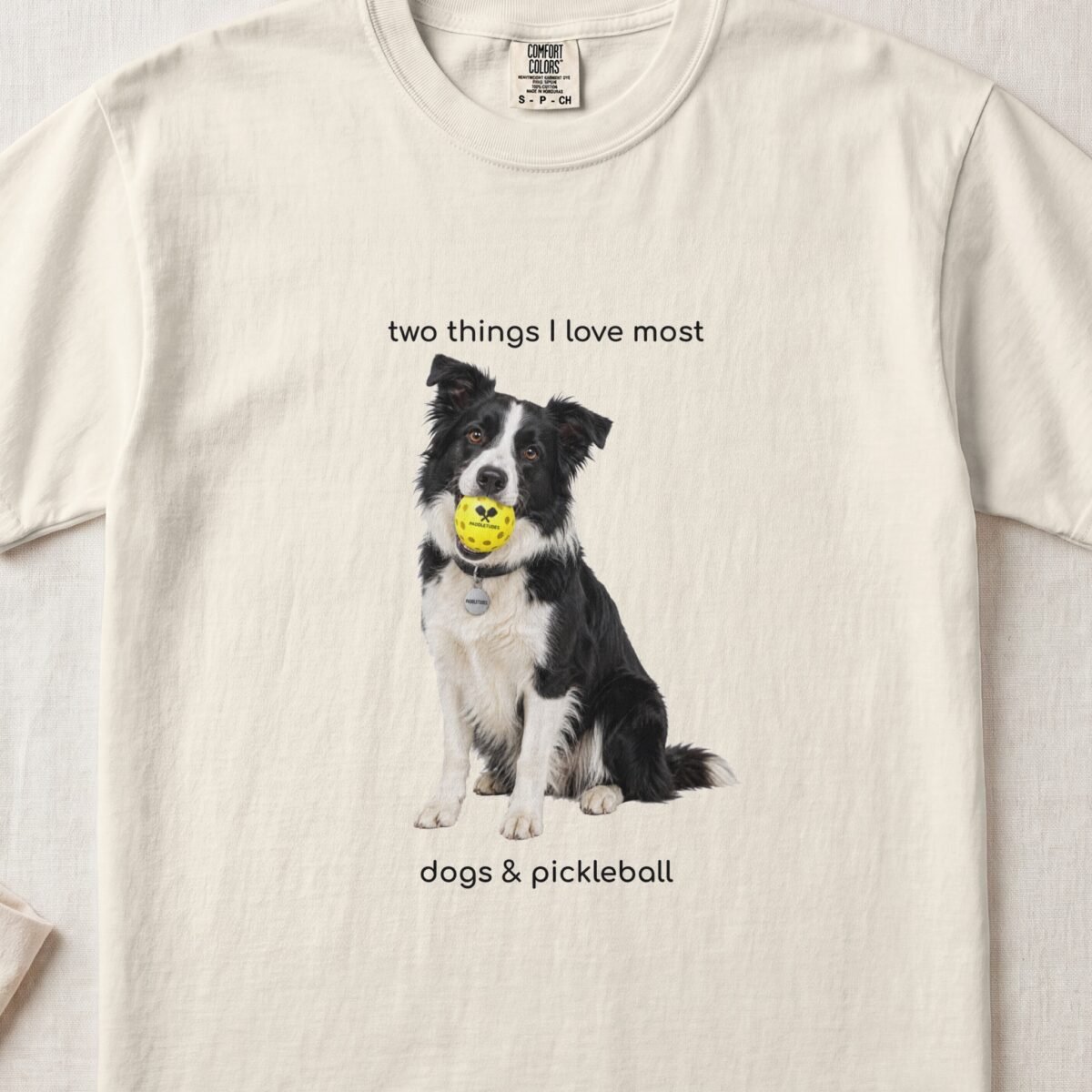
Border Collie Happy
$39.99 Select options This product has multiple variants. The options may be chosen on the product page