Animals Comfort Colors 1717
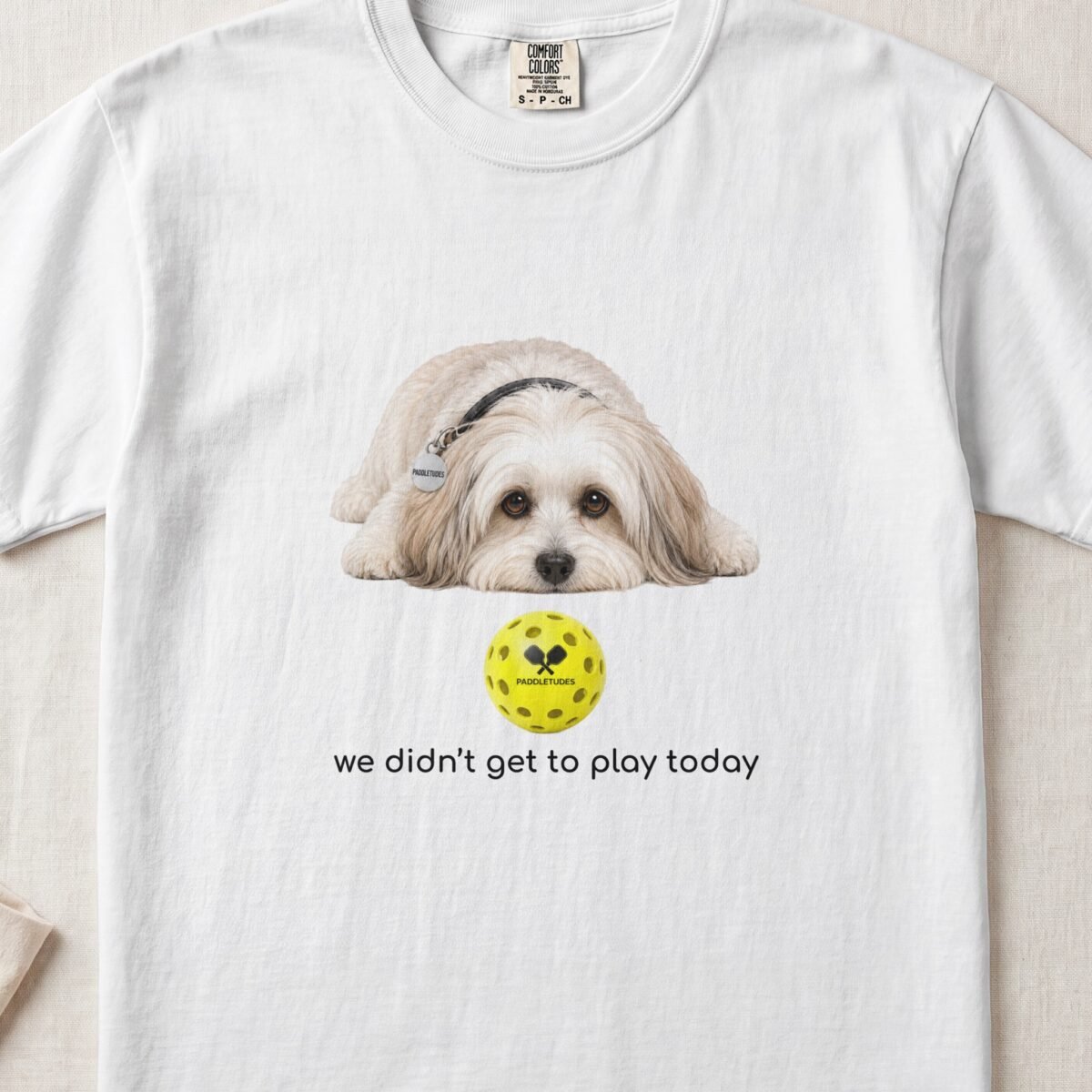
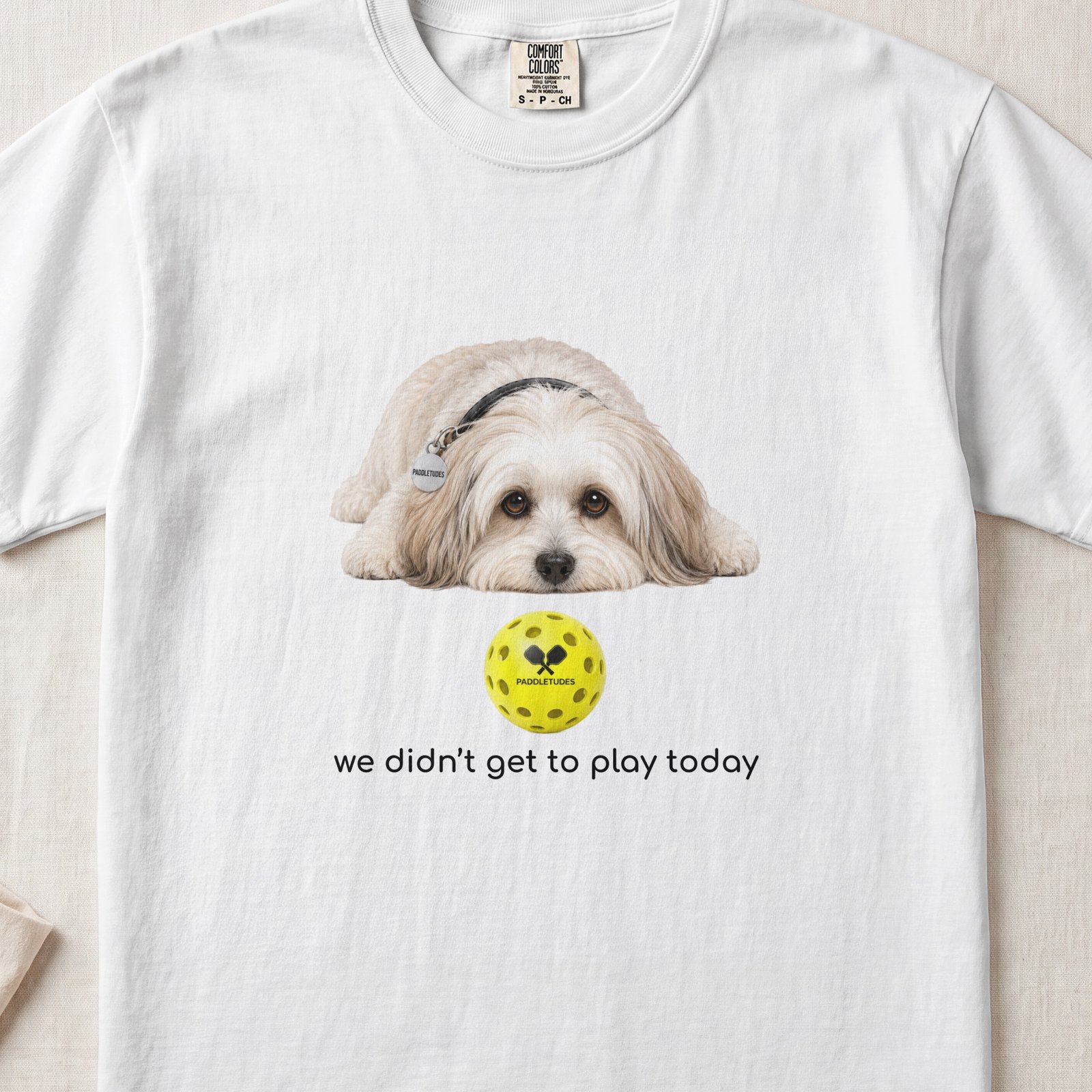
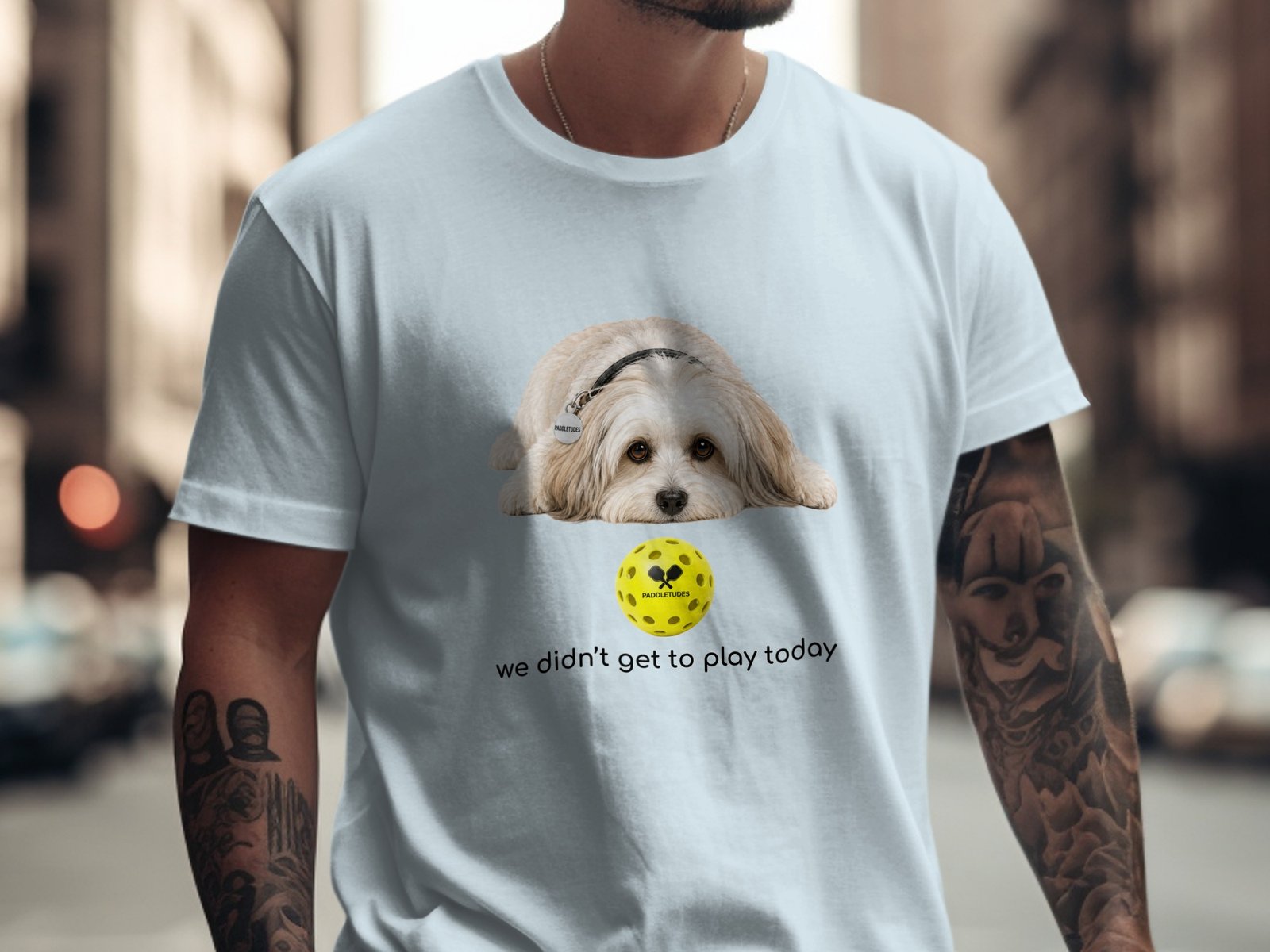
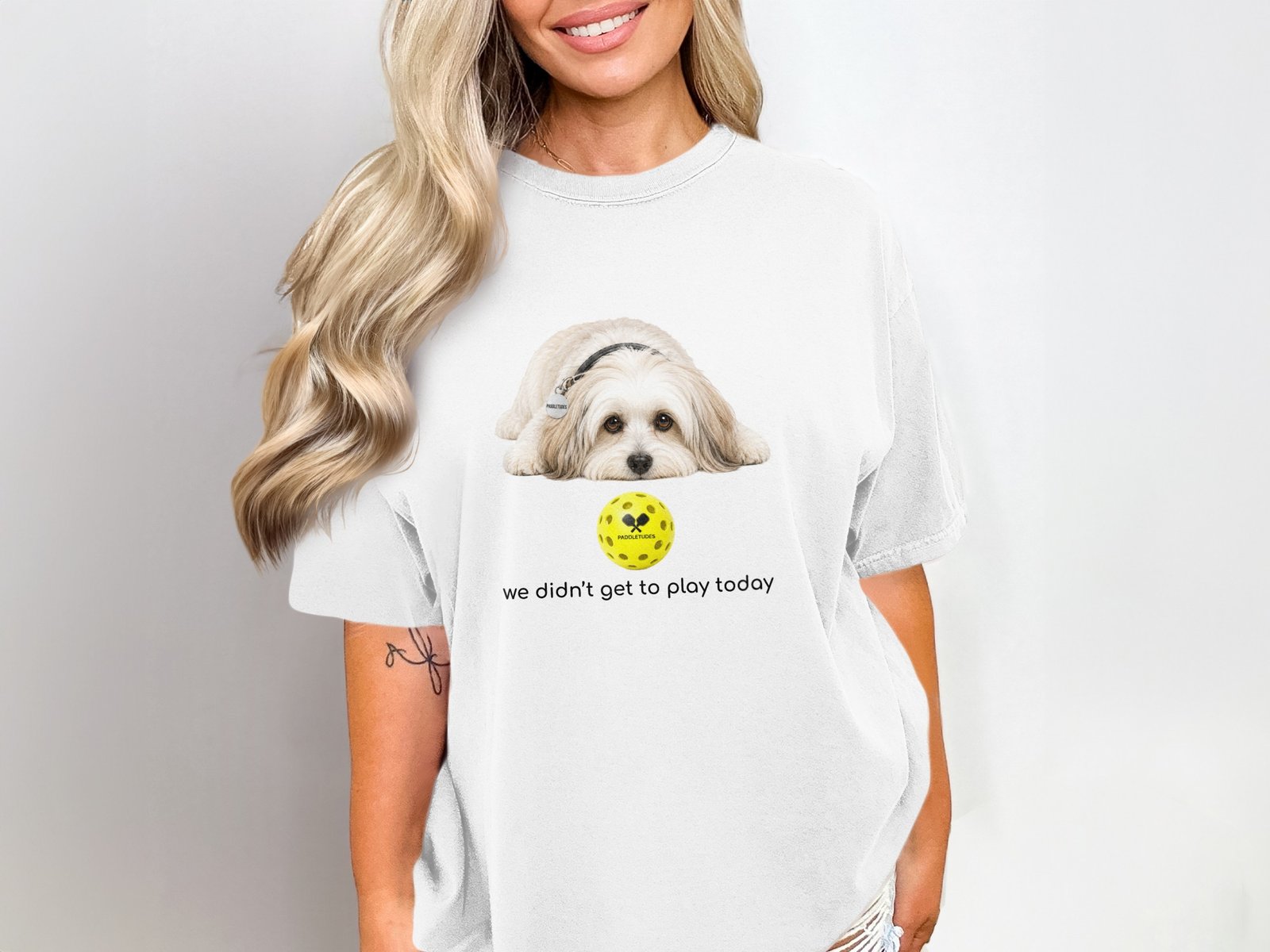
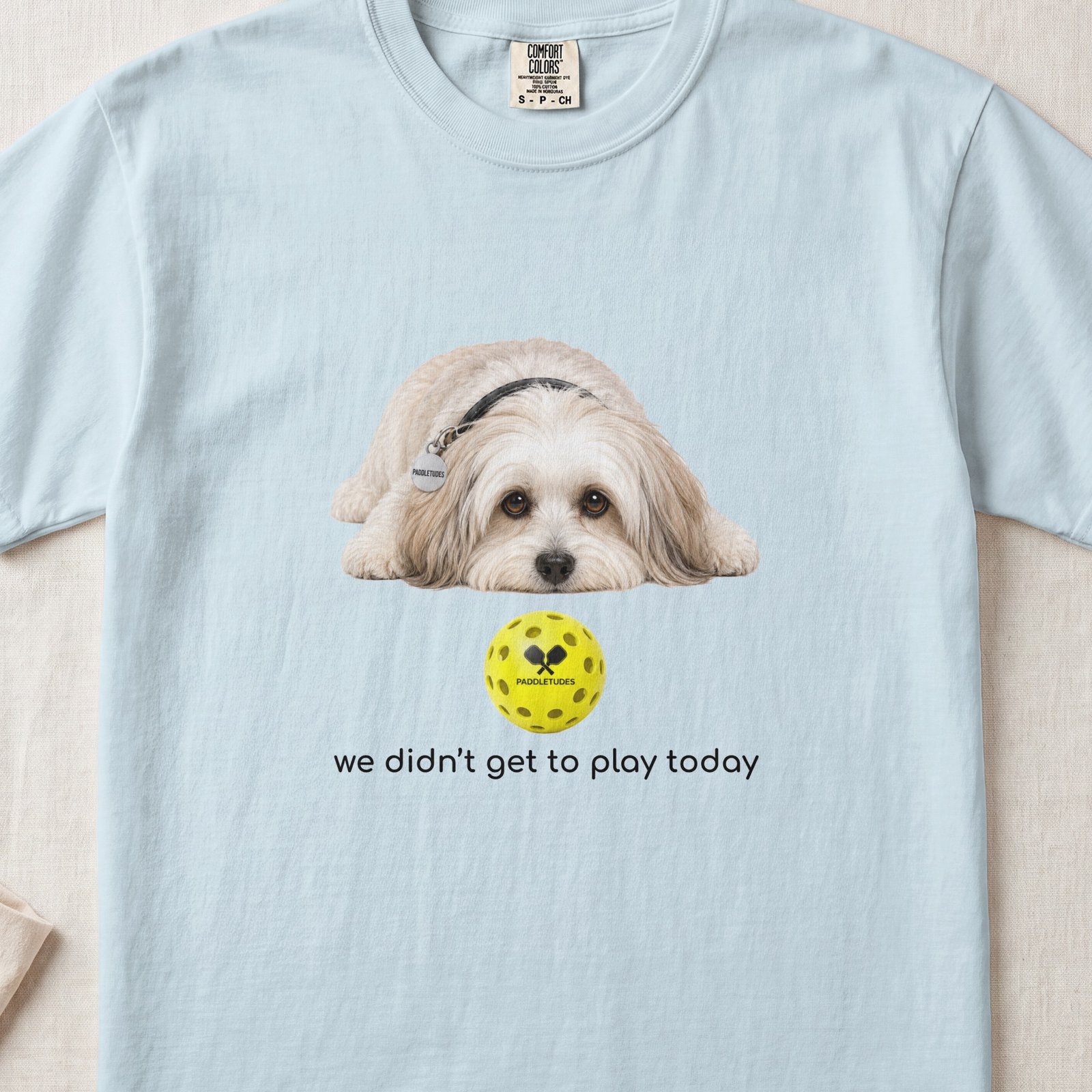
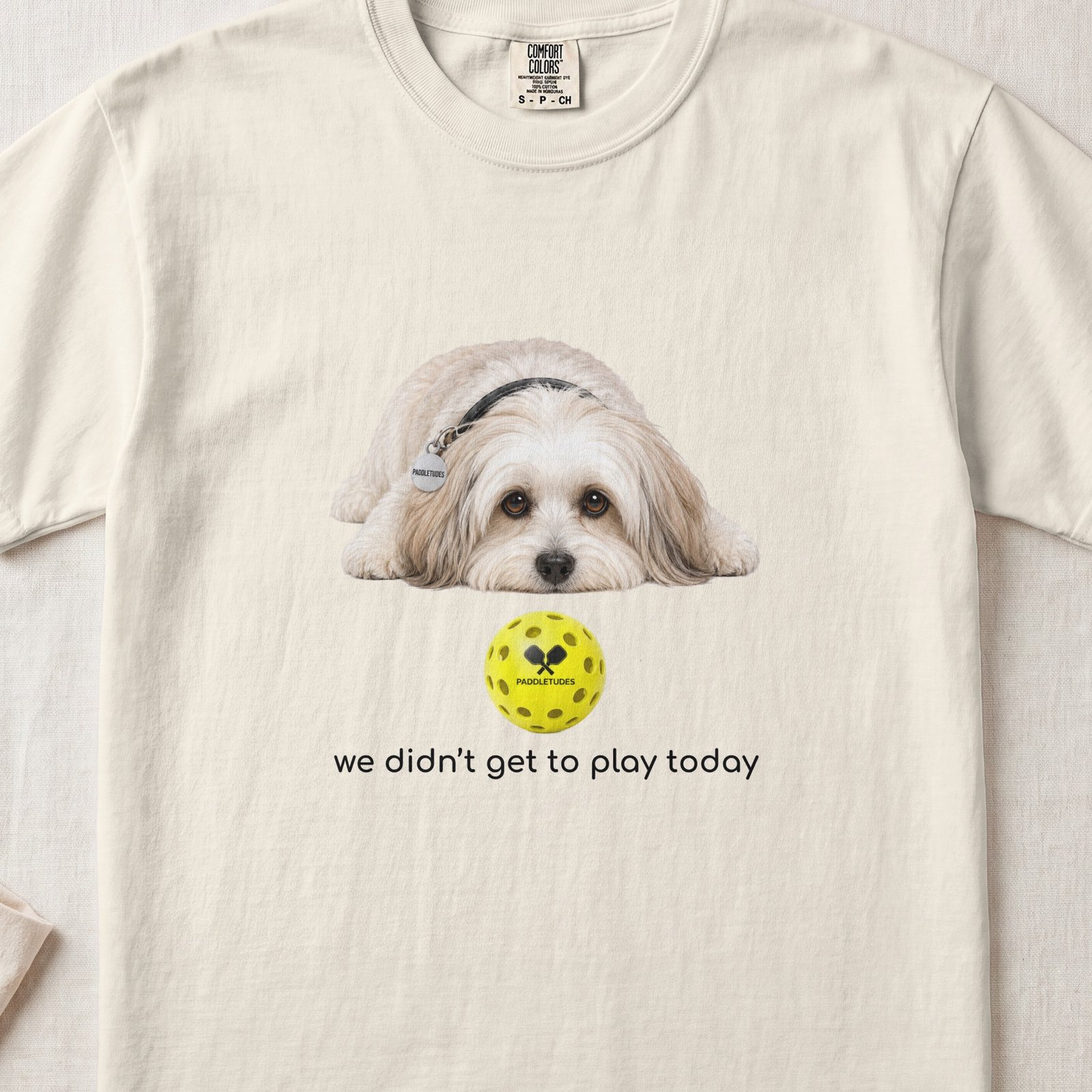
Havanese Sad
$39.99
- Comfort Colors 1717 heavyweight cotton
- Original design · printed to order
- U.S. print partners
A Havanese Gift for the Dog Who’s Never Quiet — Until Now
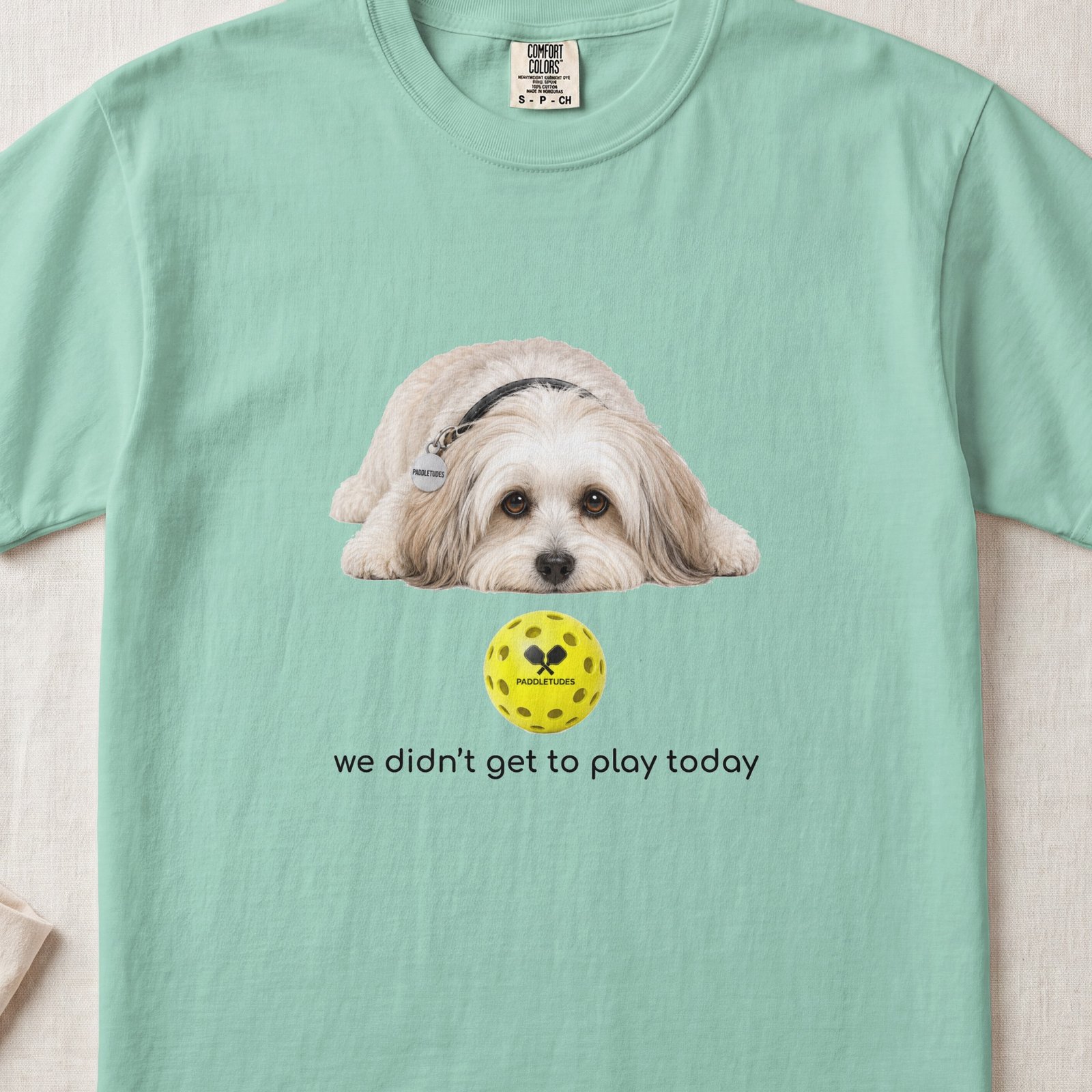
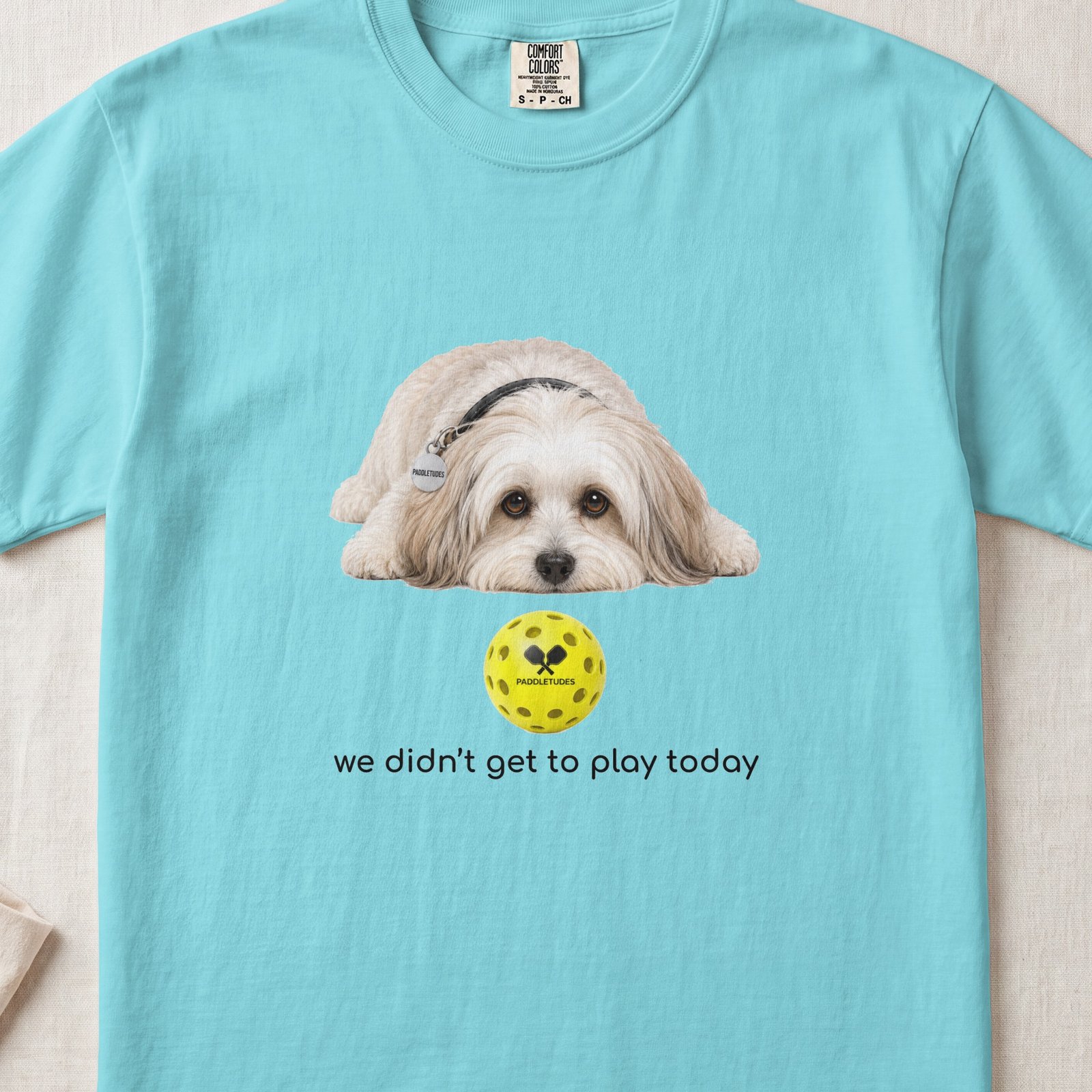
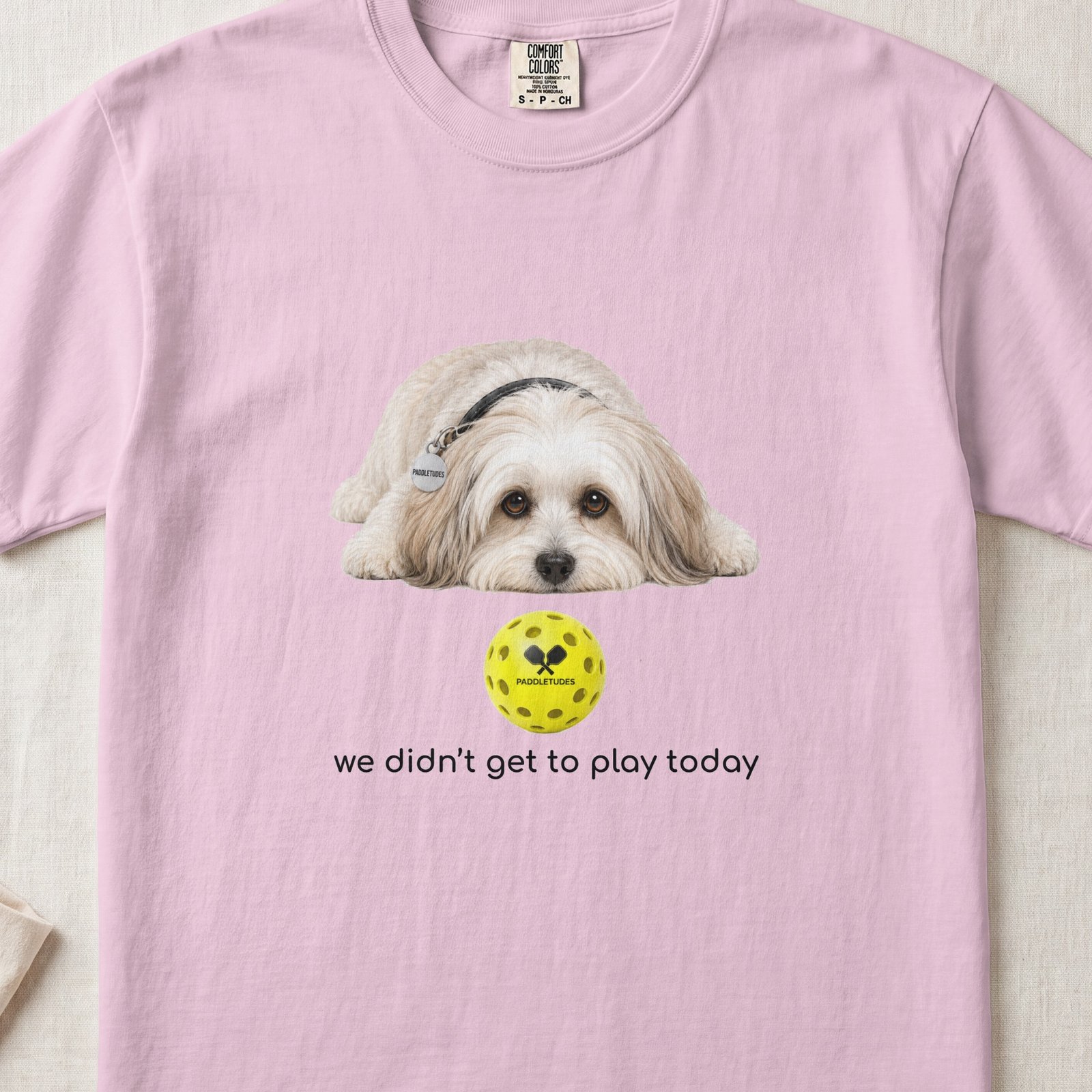
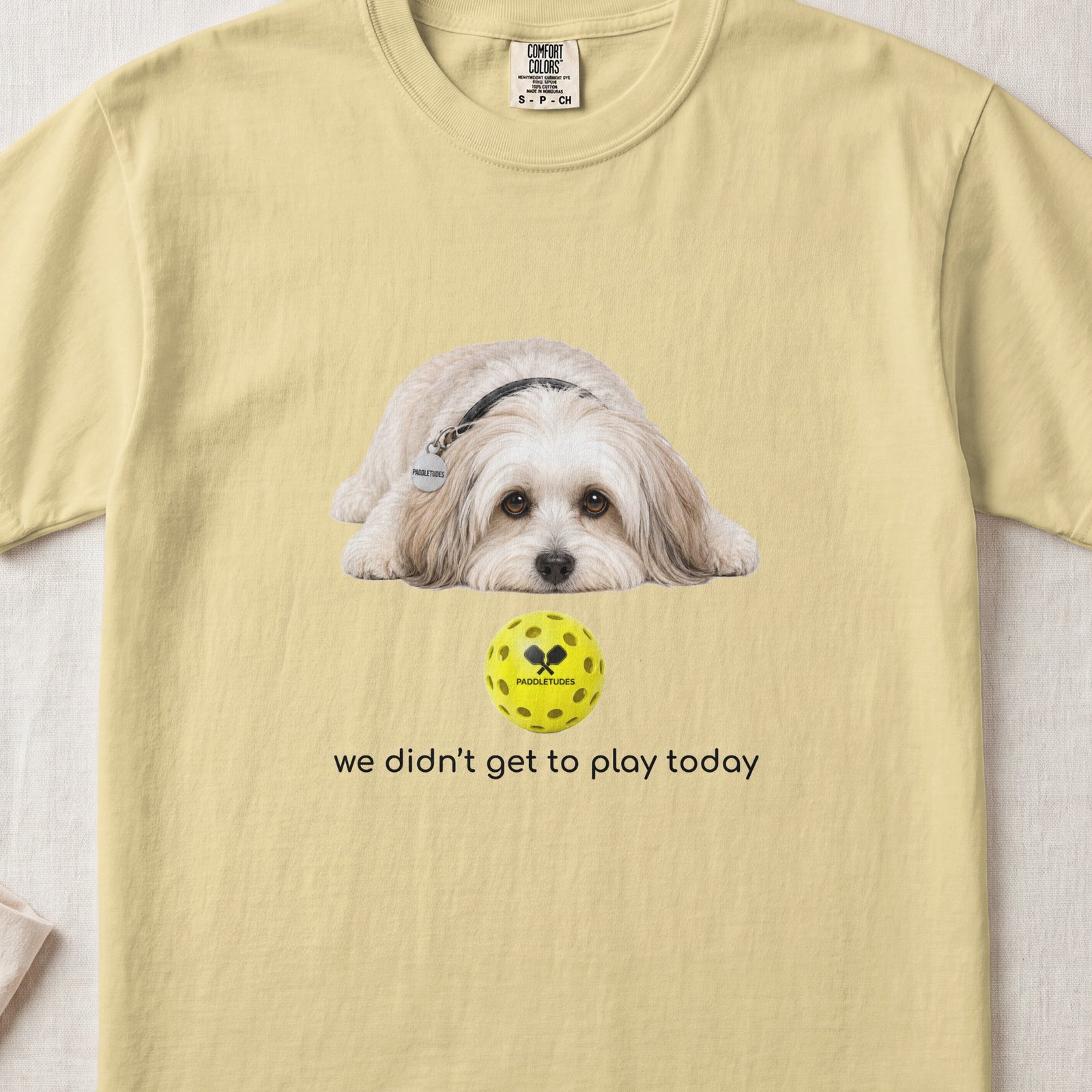
The house is quiet, and that’s how you know something is wrong. A Havanese is never quiet. A Havanese is padding behind you from room to room, sitting on your foot while you make coffee, watching you from the bathroom doorway like a tiny Cuban surveillance program with a silky coat and separation issues. When you pick up the paddle bag and the house goes silent, the dog isn’t being dramatic. The dog has processed the information — you’re leaving, they’re not invited, and the only available response is to sit in the exact center of the hallway and stare at you with the saddest brown eyes in the Western Hemisphere. The Havanese doesn’t howl when you leave. It doesn’t bark. It just stops being cheerful, and the absence of cheer from a dog whose entire evolutionary purpose was to be cheerful is the loudest silence in the house.
The owner who has never once left the house without feeling watched — that’s who recognizes this havanese shirt instantly. The Havanese earned the nickname “velcro dog” because they physically attach themselves to their person — not metaphorically, not occasionally, but constantly, on contact, from the moment you sit down until the moment you stand up, at which point they follow you to whatever surface you sit on next. The breed was literally developed as a companion dog for Cuban aristocracy. Their job description for four hundred years has been “be near the human.” When the human leaves for pickleball, the Havanese doesn’t understand why the job is suddenly suspended. They were right here. They were doing their job. And now the paddle bag has taken their person away and the only thing left to do is wait by the door until the person comes back and the job resumes.
The Havanese is Cuba’s national dog — the only breed native to the island — and its story is one of survival against odds that should have ended the breed entirely. Spanish settlers brought small Bichon-type dogs to Cuba from the Canary Islands in the 1600s, and over centuries those dogs adapted to the island’s climate, developing a lighter, silkier coat and a personality calibrated for close human companionship. The breed became the lap dog of Havana’s aristocracy. Then came the Cuban Revolution in 1959, and the world the Havanese knew collapsed overnight. Wealthy Cuban families fled to the United States, and most couldn’t bring their dogs. The breed that had been a status symbol in Havana salons nearly went extinct. It was saved by Dorothy Goodale, an American breeder who tracked down eleven Havanese from Cuban exile families in the mid-1970s and began a careful breeding program. Every Havanese in the United States today traces back to those eleven dogs. The Havanese Club of America, established in 1979 with just nine members, shepherded the breed through AKC recognition in 1996. Ernest Hemingway and Charles Dickens both owned Havanese — Dickens’s was a dog named Tim who some believe inspired the character of Tiny Tim, though that connection has never been verified.
If someone in your life became an empty-nester and the Havanese became the child who never left home — the one who still follows them from the kitchen to the living room, who sits on their lap during every phone call, who sleeps pressed against their side every night — this havanese gift captures the one moment where the attachment runs both directions. The owner feels the guilt of leaving. The dog feels the absence of the person who is their entire world. It’s not a sad shirt. It’s a love story told from the hallway. The Cocker Spaniel knows this same quiet devastation from a breed whose default happiness makes the silence even louder.
For the happy version of this bond — the Havanese at full cheer, pickleball in mouth, ears up, ready to play — the Havanese Happy Tee is the other side of the story. The Cavalier King Charles Spaniel was bred for the same purpose — royal lap dog, loyal to one person, devastated by their absence. Browse the full breed lineup on our dog shirts collection.
Printed on a Comfort Colors 1717 garment-dyed heavyweight tee with water-based DTG ink — sizing and care details here.
Do Havanese Do Well When Left Alone
Most Havanese struggle with being left alone, and the reason is hardwired into four centuries of breeding. The breed was developed as a companion dog for Cuban aristocracy — their singular purpose was to be physically near their person at all times. When that proximity is broken, the Havanese can respond with distress that ranges from quiet refusal to eat to pacing, whining, and a withdrawal from their normally cheerful disposition.
The severity varies by individual dog, but the tendency is near-universal in the breed. Havanese who are left alone for extended periods without gradual conditioning often develop distress that gets worse over time rather than better. The fix isn’t punishment or ignoring the behavior — it’s building independence slowly, starting with short absences of five to ten minutes and gradually extending the duration as the dog learns that the person always comes back. Crate training helps some Havanese by providing a secure den space, but others find the crate more stressful than an open room. Knowing your specific dog’s response is more useful than following a generic protocol.
The practical reality for a Havanese owner who plays pickleball is that the departure routine matters as much as the departure itself. A calm, unremarkable exit — no long goodbyes, no apologetic voice, no lingering at the door — tells the dog that leaving is normal and not a crisis. An enrichment toy or a frozen Kong given thirty seconds before you walk out redirects the dog’s attention to a positive activity instead of the closing door. The Havanese who learns that the paddle bag means a treat and twenty minutes of alone time before you return adjusts faster than the one whose owner broadcasts guilt on the way out, because the dog reads the owner’s anxiety as confirmation that something is wrong.
-
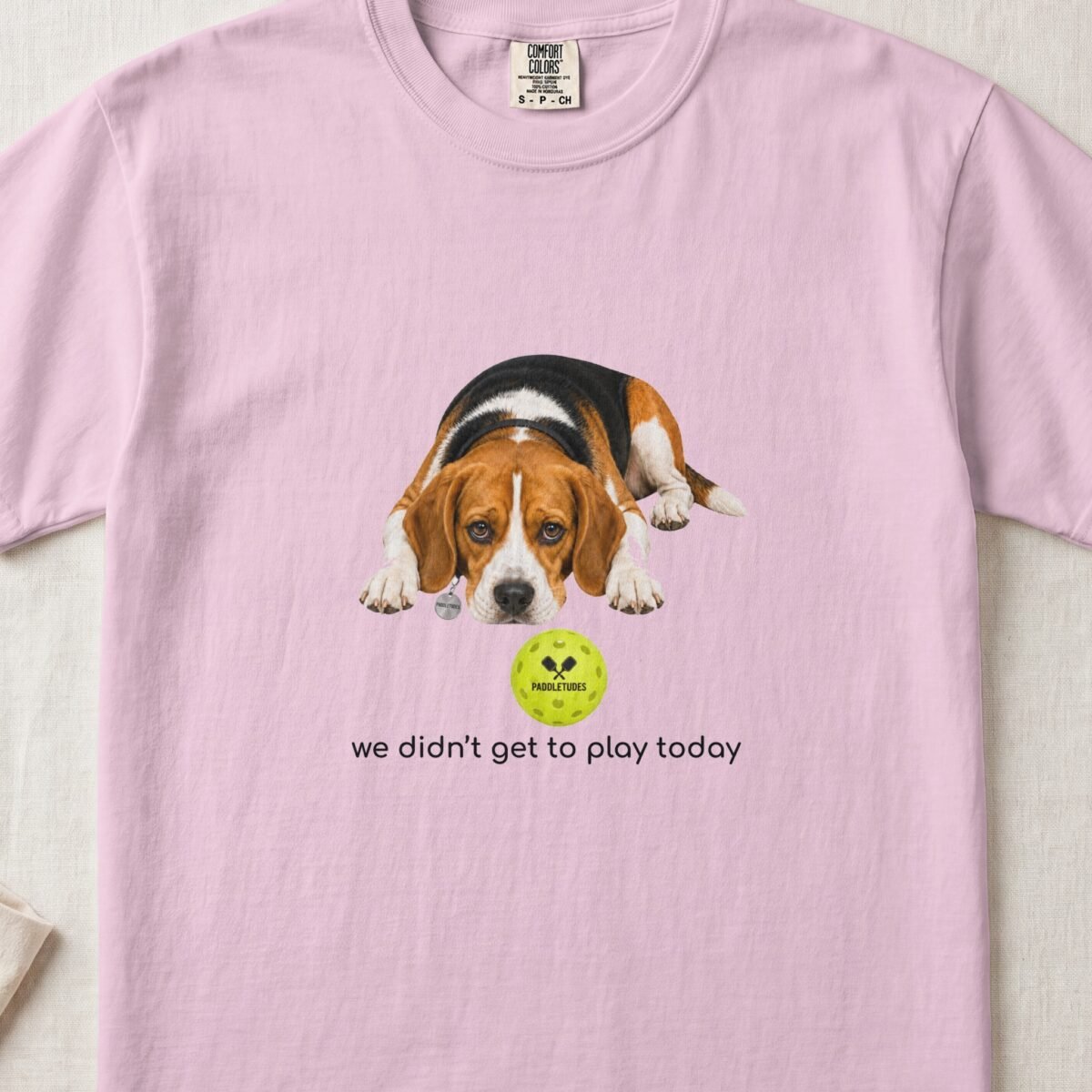
Beagle Sad
$39.99 Select options This product has multiple variants. The options may be chosen on the product page -
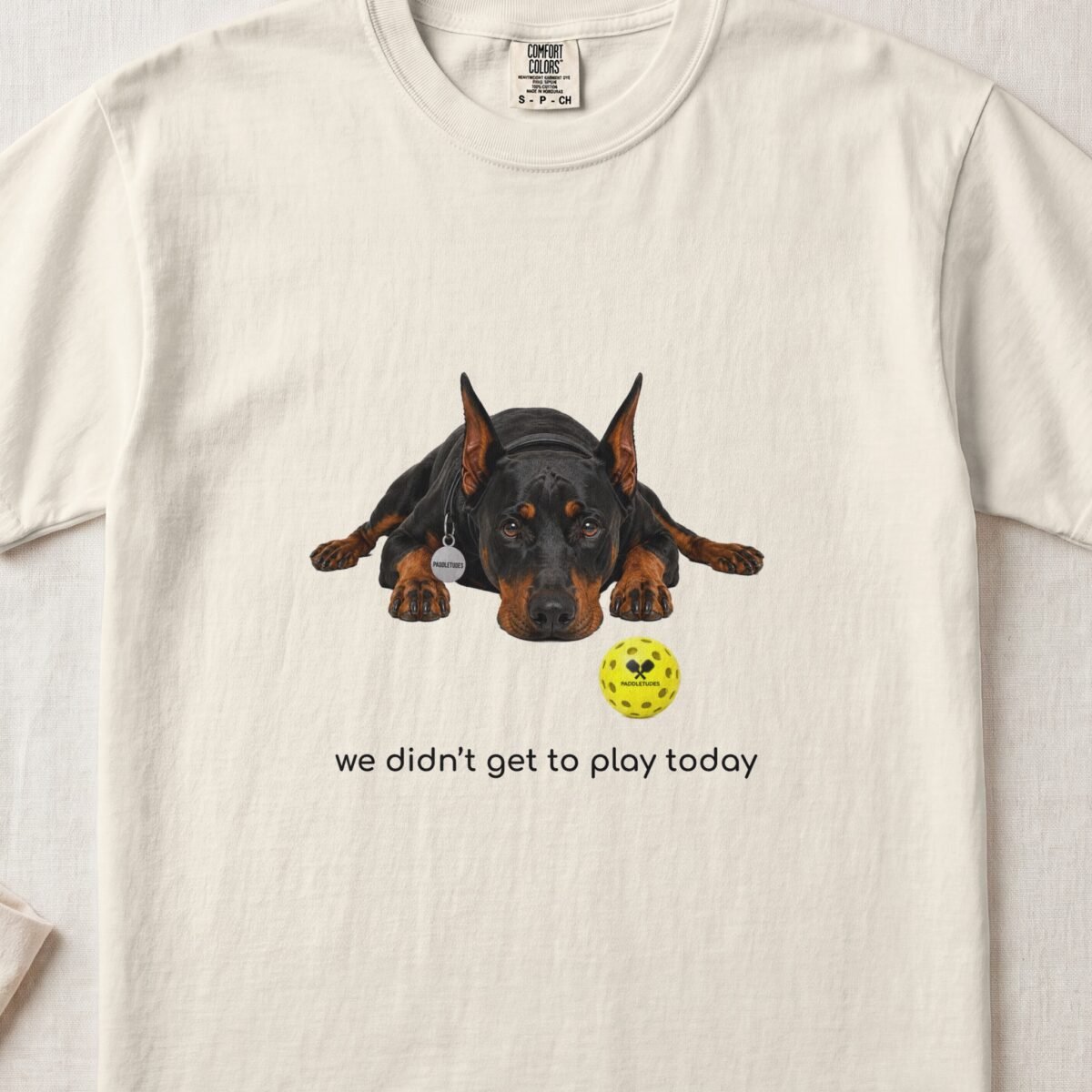
Doberman Sad
$39.99 Select options This product has multiple variants. The options may be chosen on the product page -
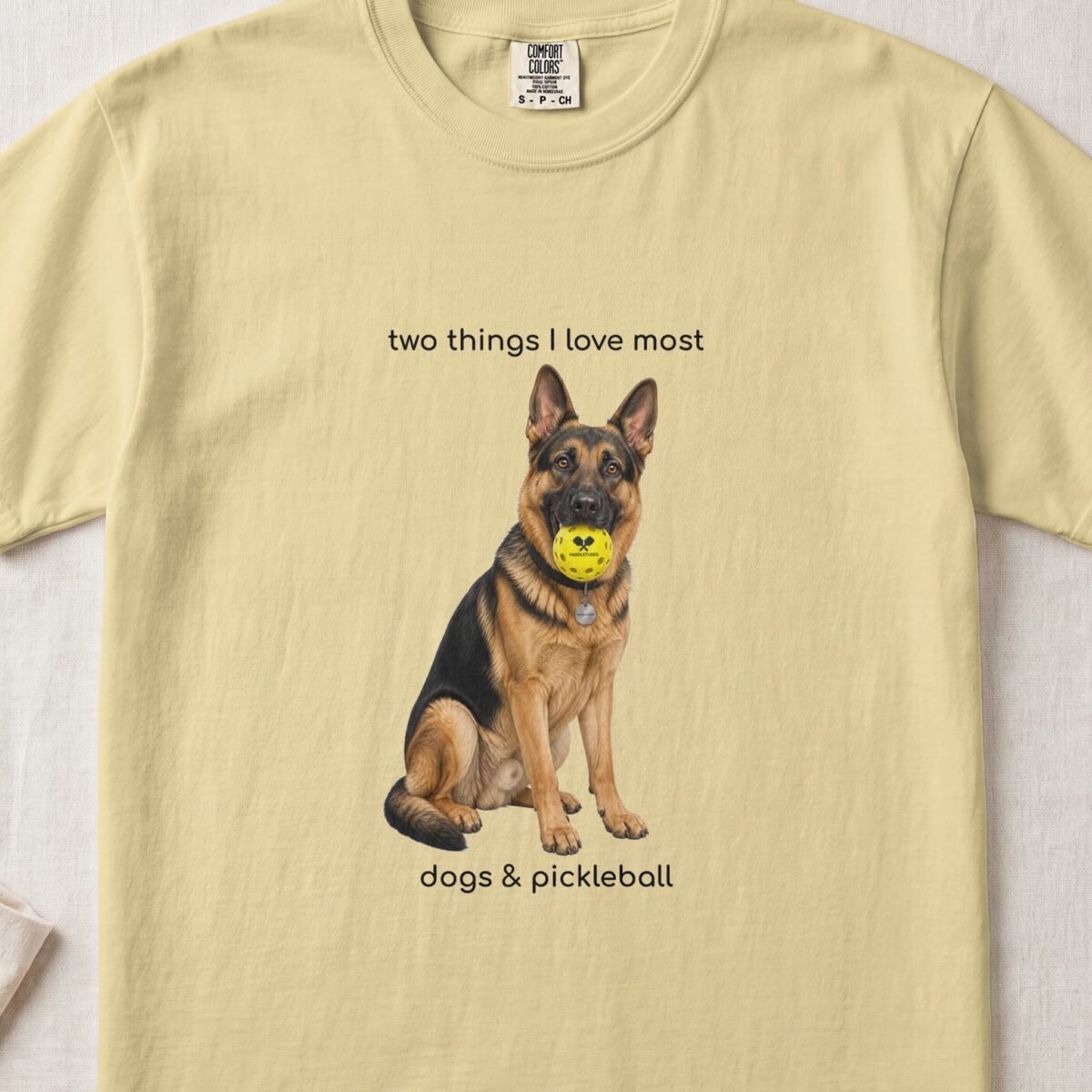
German Shepherd Happy
$39.99 Select options This product has multiple variants. The options may be chosen on the product page