
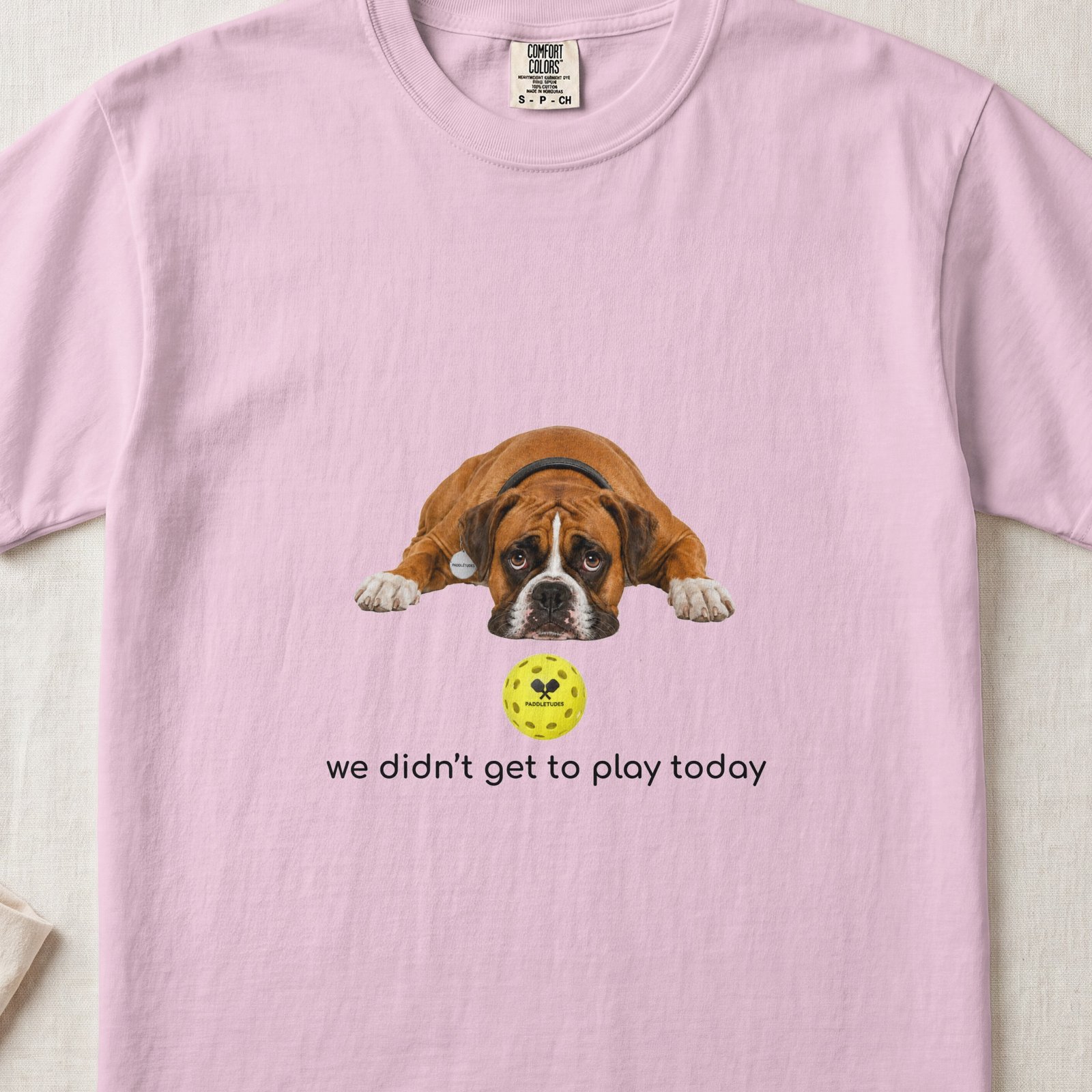
Animals Comfort Colors 1717
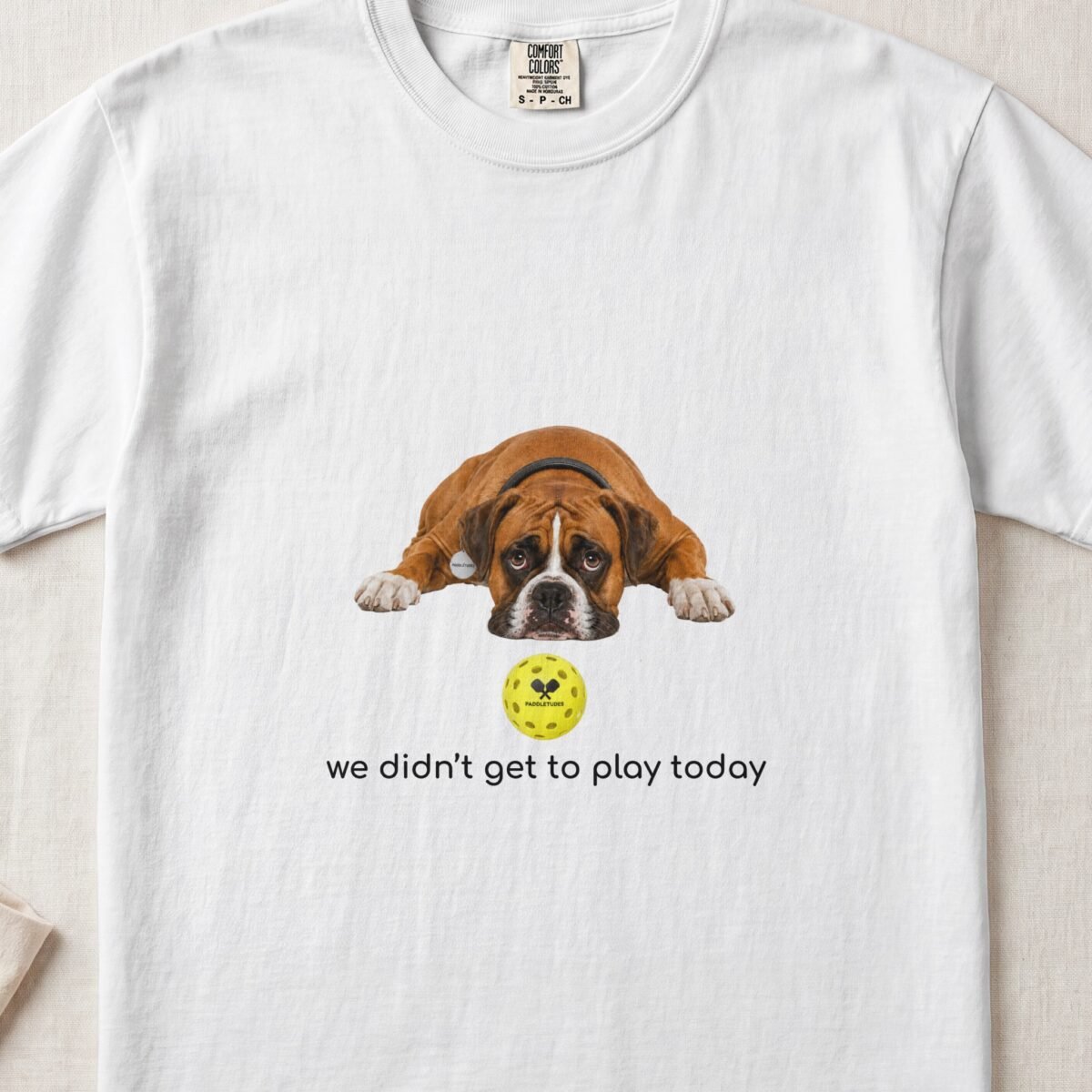
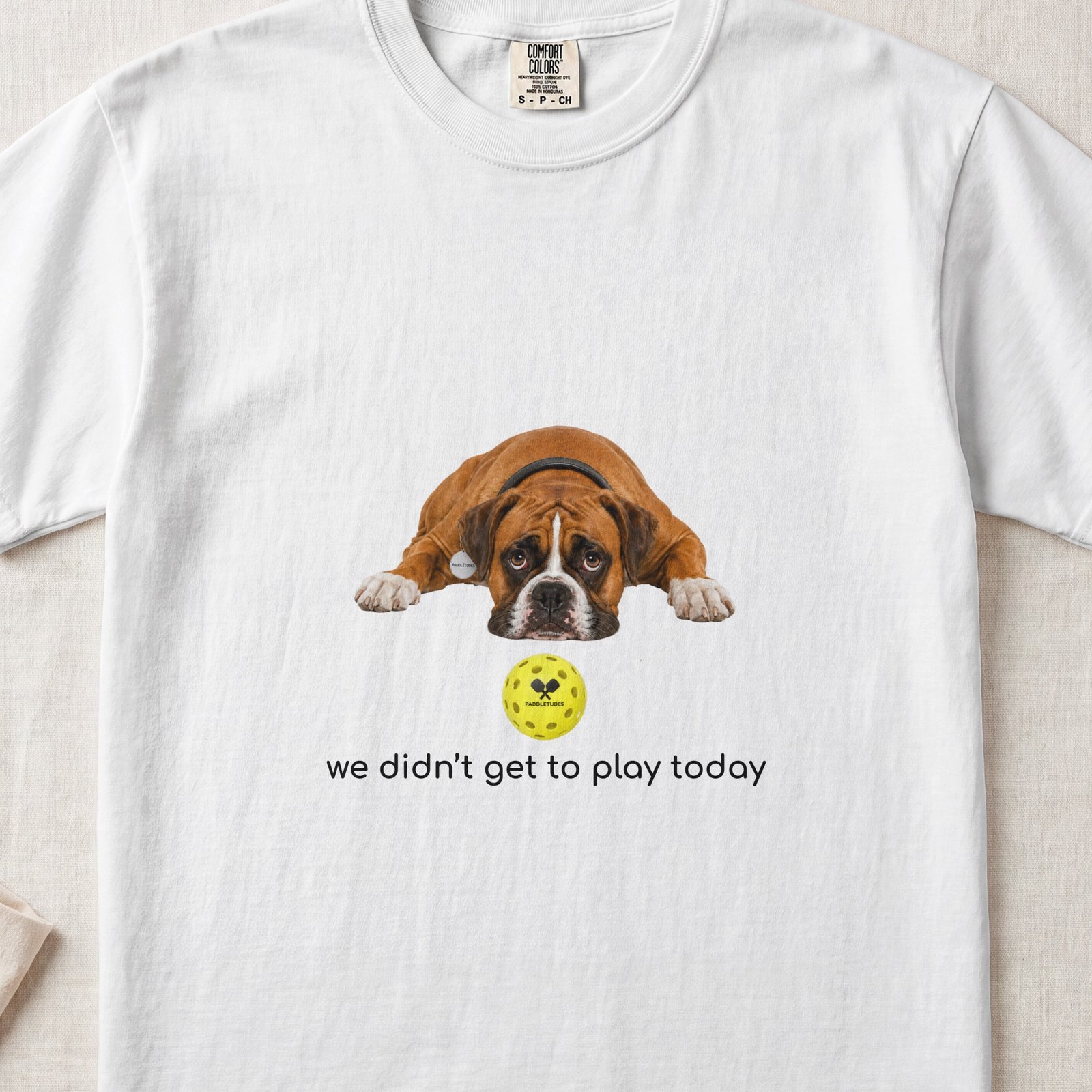
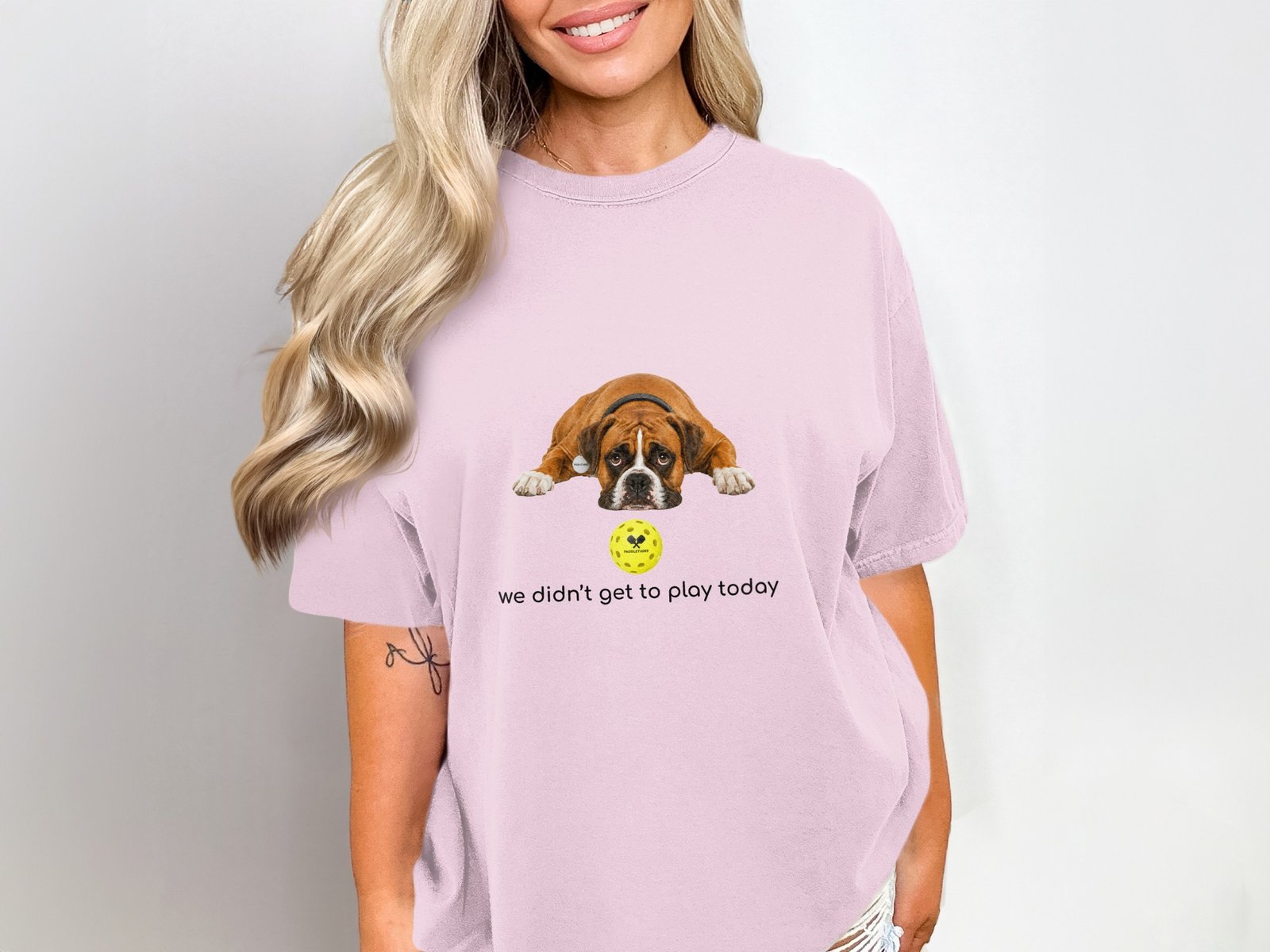
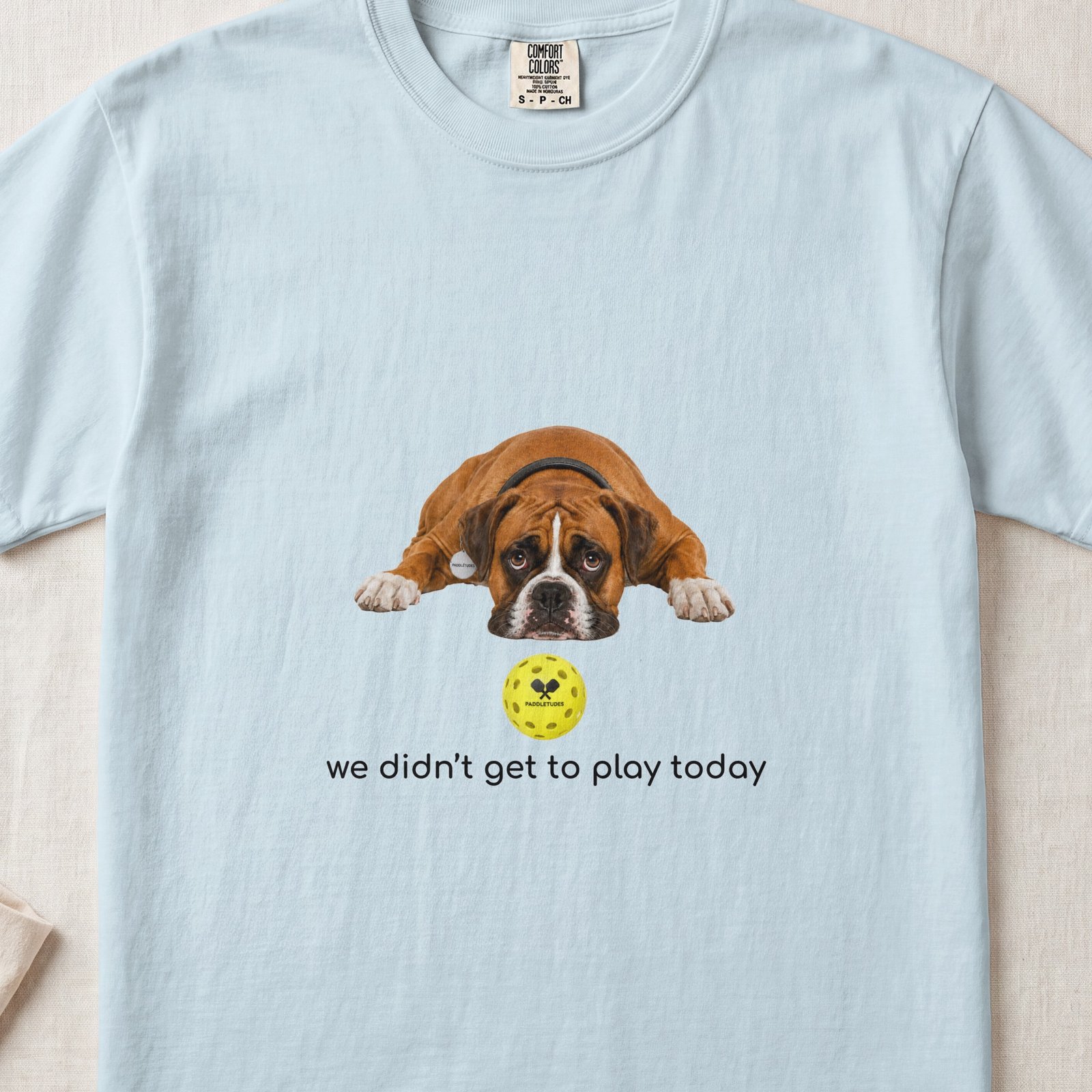
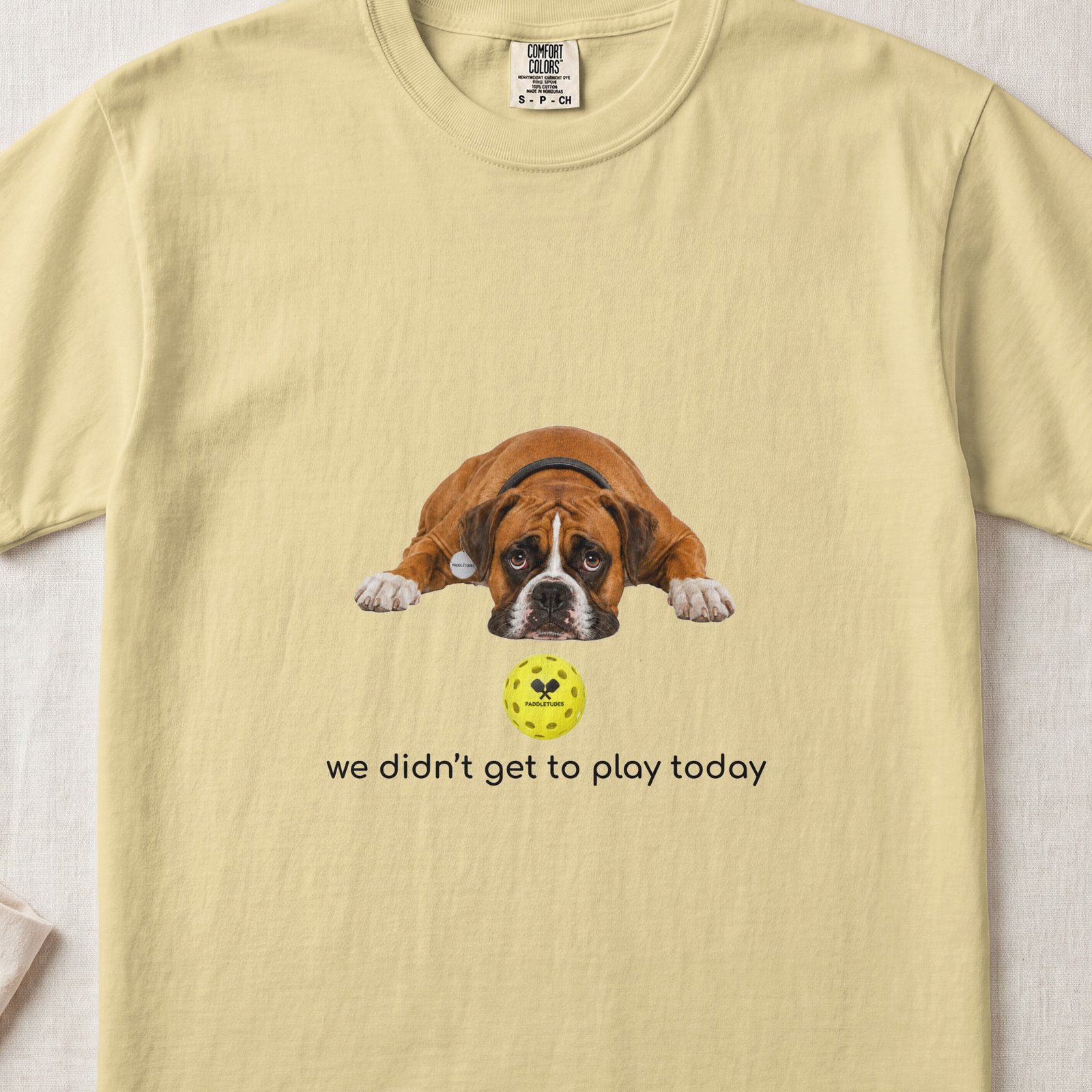
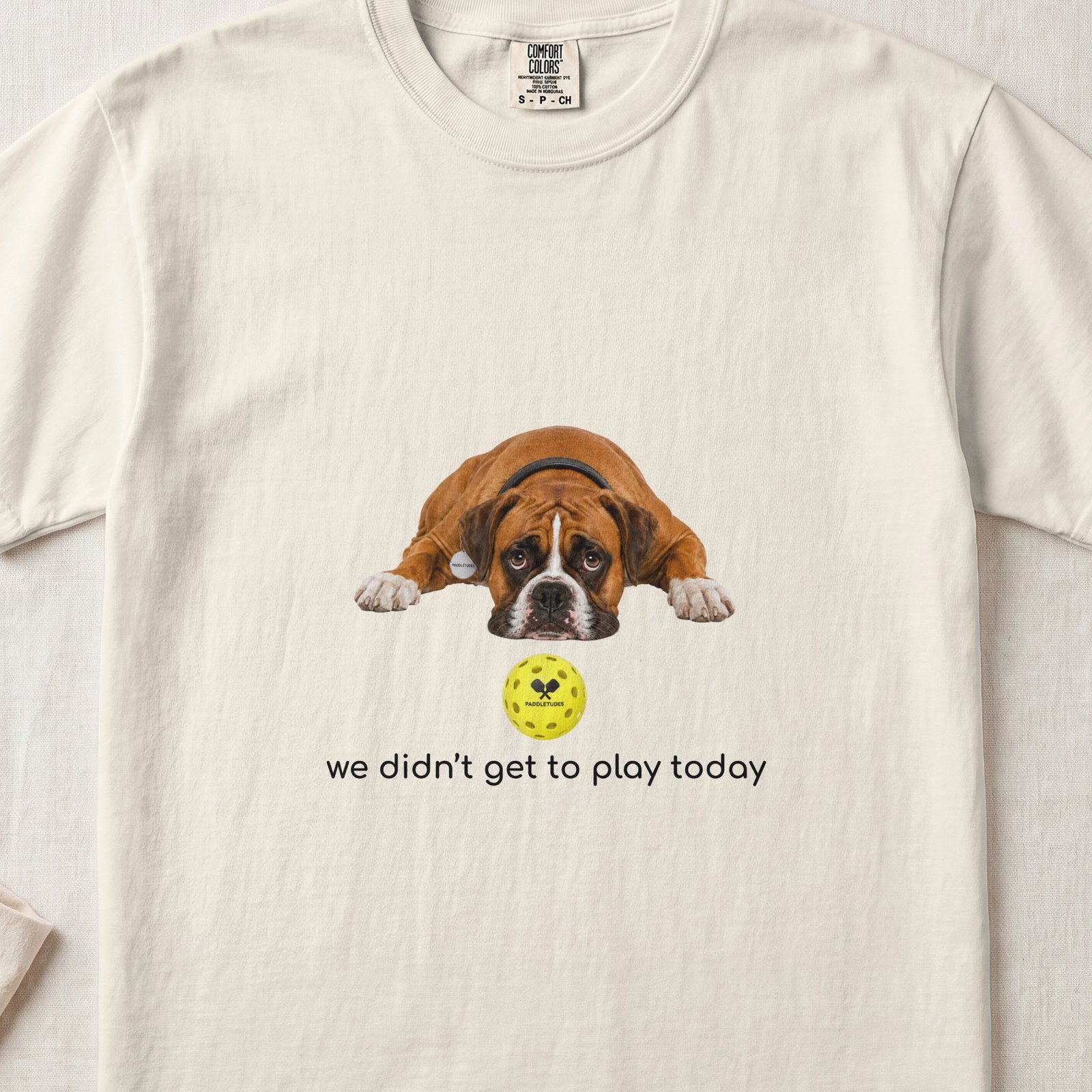
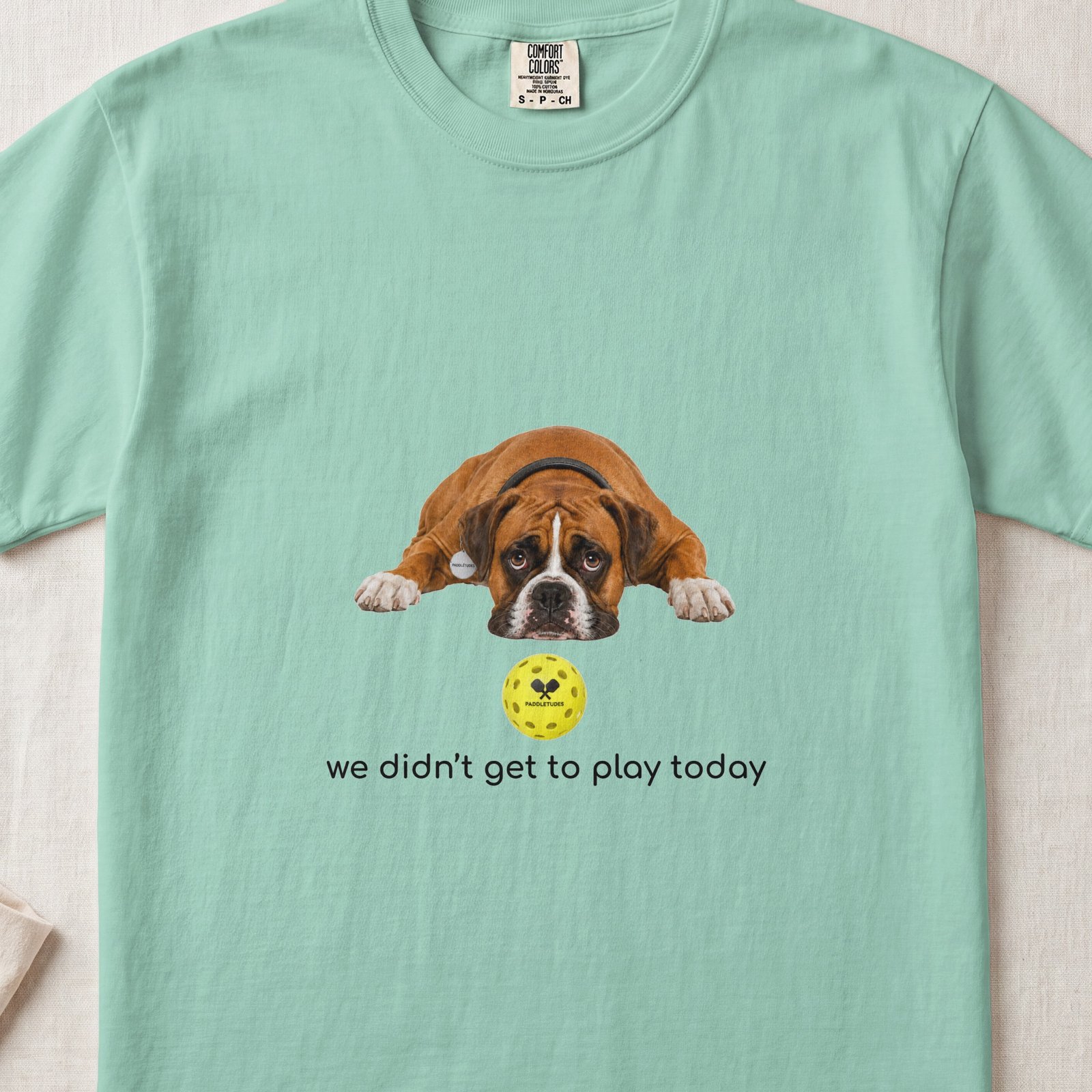
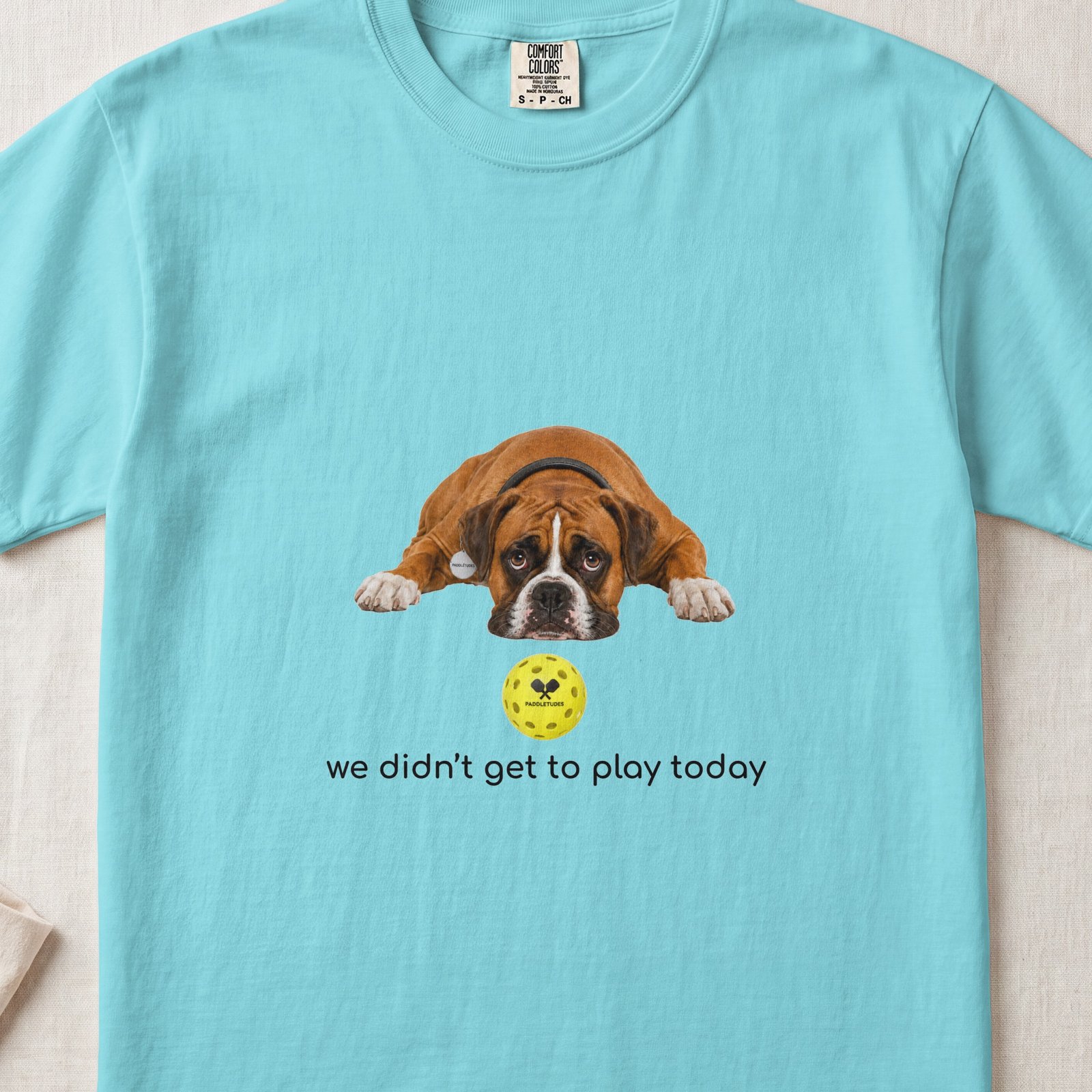
Boxer Sad
$39.99
- Comfort Colors 1717 heavyweight cotton
- Original design · printed to order
- U.S. print partners
What Happens When a Boxer Dog Lover Leaves for the Courts
The goofiest dog in any room just went still. This Boxer dog shirt is the gift for anyone who’s seen that face — the one that says the walk isn’t happening and neither is their dignity.
A Boxer’s sadness is theatrical. They don’t mope quietly — they mope at you. The chin goes on the floor. The eyes track you across the room without the head moving. The tail, which five minutes ago was a weapon of mass destruction, is completely still. You could offer a treat, and the Boxer would look at it, look at you, and look back at the treat as if to say “Is this supposed to fix what you did?” The design on this shirt captures that exact energy — the Boxer who has decided that today is ruined and you are responsible.
This is the shirt for the dog mom who canceled plans because the Boxer looked too sad to leave alone. It’s the Mother’s Day gift for your wife who talks to the dog in complete sentences and genuinely expects a response. The happy Boxer version gets the celebration. This one gets the truth — that loving a Boxer means negotiating with an animal that has weaponized disappointment.
The Boxer’s emotional range is part of the breed’s design. Bred from the Bullenbeisser in 19th-century Germany, Boxers were selected not just for strength but for responsiveness to their handler. The AKC breed standard describes them as having an “intelligent” and “alert” expression, which is a clinical way of saying they are watching you at all times and forming opinions. The breed was among the first used as police and military dogs in Germany, and that attentiveness translated directly into family life — a Boxer doesn’t just live in your house, they audit it.
That emotional transparency is something Boxer owners share with Rottweiler people — both breeds carry a reputation that doesn’t match the reality at home. And if you know someone whose dog communicates in full dramatic monologues the way a Beagle does, they’ll understand the concept immediately. The sadness isn’t real distress. It’s performance art, and the Boxer is the Meryl Streep of dogs.
Every Boxer owner has a version of this story. The walk that didn’t happen. The car ride that went to the vet instead of the park. The retirement party where someone gave this shirt instead of another gift card, and it was the only thing he laughed at all night. This shirt isn’t a joke — it’s a documentary. Find more breeds that wear their hearts on their faces in the full dog shirt collection.
Printed on a Comfort Colors 1717 garment-dyed heavyweight tee with water-based DTG ink — sizing and care details here.
Why Do Boxers Lean On You
Boxers lean because physical contact is their primary communication tool. Unlike breeds that bark or paw for attention, Boxers press their full body weight against the person they want to be near. It is an affection behavior, not a dominance signal, and it starts in puppyhood.
The lean often intensifies when the Boxer senses stress or change. If you sit down after a long day, the dog is against your leg within seconds. If you’re having an argument, the Boxer is leaning on whoever seems more upset. Trainers and behaviorists note that this is a breed-specific version of contact comfort — the same instinct that makes Boxers press against children during thunderstorms. The dog isn’t trying to control you. The dog is trying to be as close to you as physics allows.
For Boxer owners, the lean becomes furniture. You don’t sit on the couch alone. You don’t stand at the kitchen counter alone. The dog is always there, pressing into your calf, your thigh, your hip. It’s endearing until you’re carrying hot coffee. It’s annoying until you have a bad day and the lean is exactly what you needed. That contradiction — the inconvenient comfort — is what Boxer people mean when they say the breed “gets” them.
Do Boxers Get Cancer More Than Other Dogs
Yes. Boxers have a significantly higher cancer rate than most breeds. Veterinary oncologists estimate that cancer accounts for roughly 40 to 44 percent of Boxer deaths, making it the leading cause of death in the breed. Mast cell tumors, lymphoma, and brain tumors are the most common types.
The PetMD breed profile lists cancer as the primary health concern for Boxers, and the American Boxer Club has funded research into the genetic markers that predispose the breed. Mast cell tumors appear as lumps on or under the skin and can range from benign to aggressive. Lymphoma affects the lymph nodes and is one of the more treatable cancers in dogs if caught early. Brain tumors, particularly gliomas, appear more frequently in brachycephalic breeds like the Boxer, though research into why remains ongoing.
This reality doesn’t define the breed, but it shapes how Boxer owners live with them. Regular vet checkups matter more for Boxers than for many breeds, and most experienced Boxer owners learn to check for new lumps during belly rubs. The breed’s average lifespan of 10 to 12 years is shorter than many medium-to-large breeds, and much of the community’s energy goes toward making those years count. It’s also why the Boxer’s emotional intensity hits different — this is a dog that lives like every moment matters, and their owners tend to do the same.
-
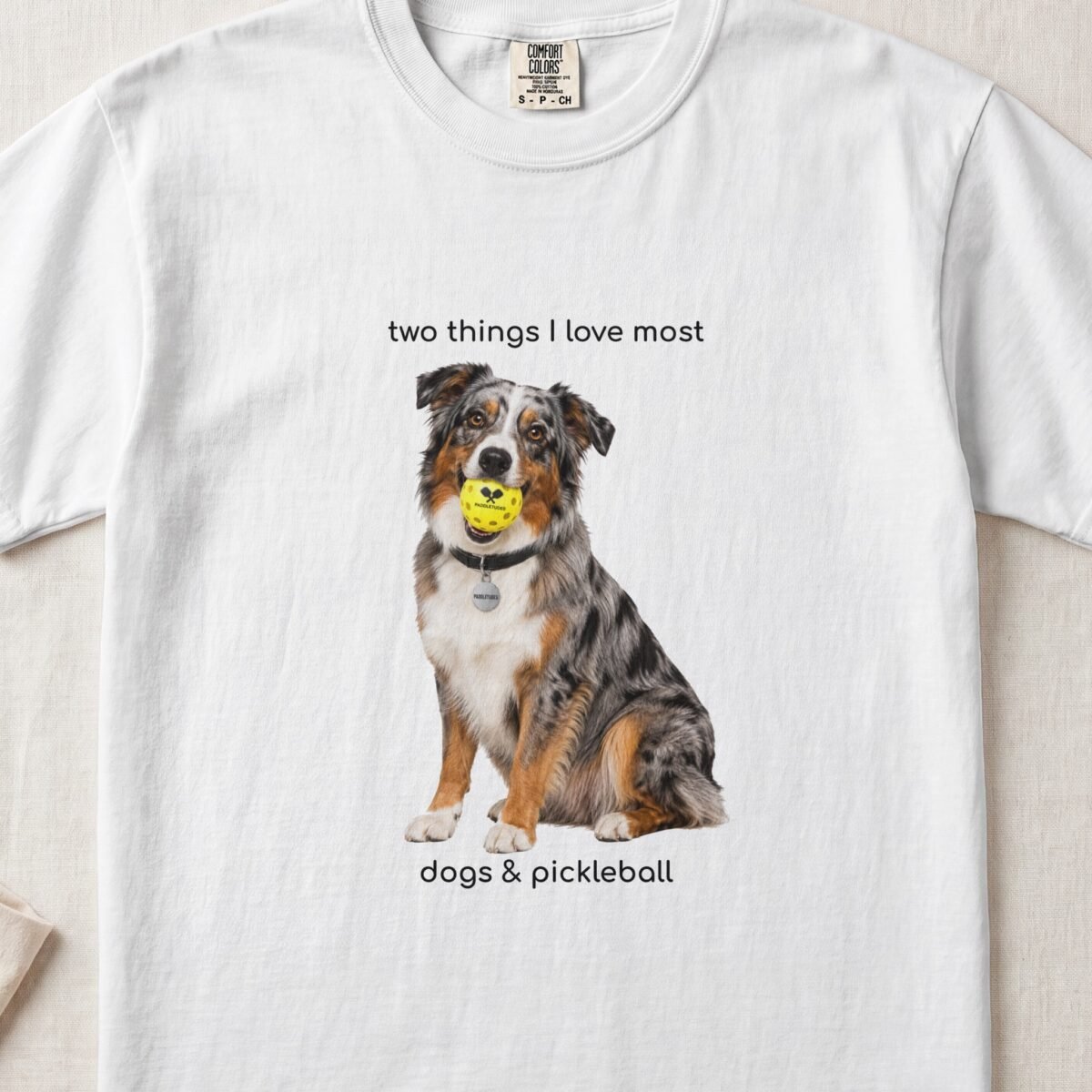
Mini Australian Shepherd Happy
$39.99 Select options This product has multiple variants. The options may be chosen on the product page -
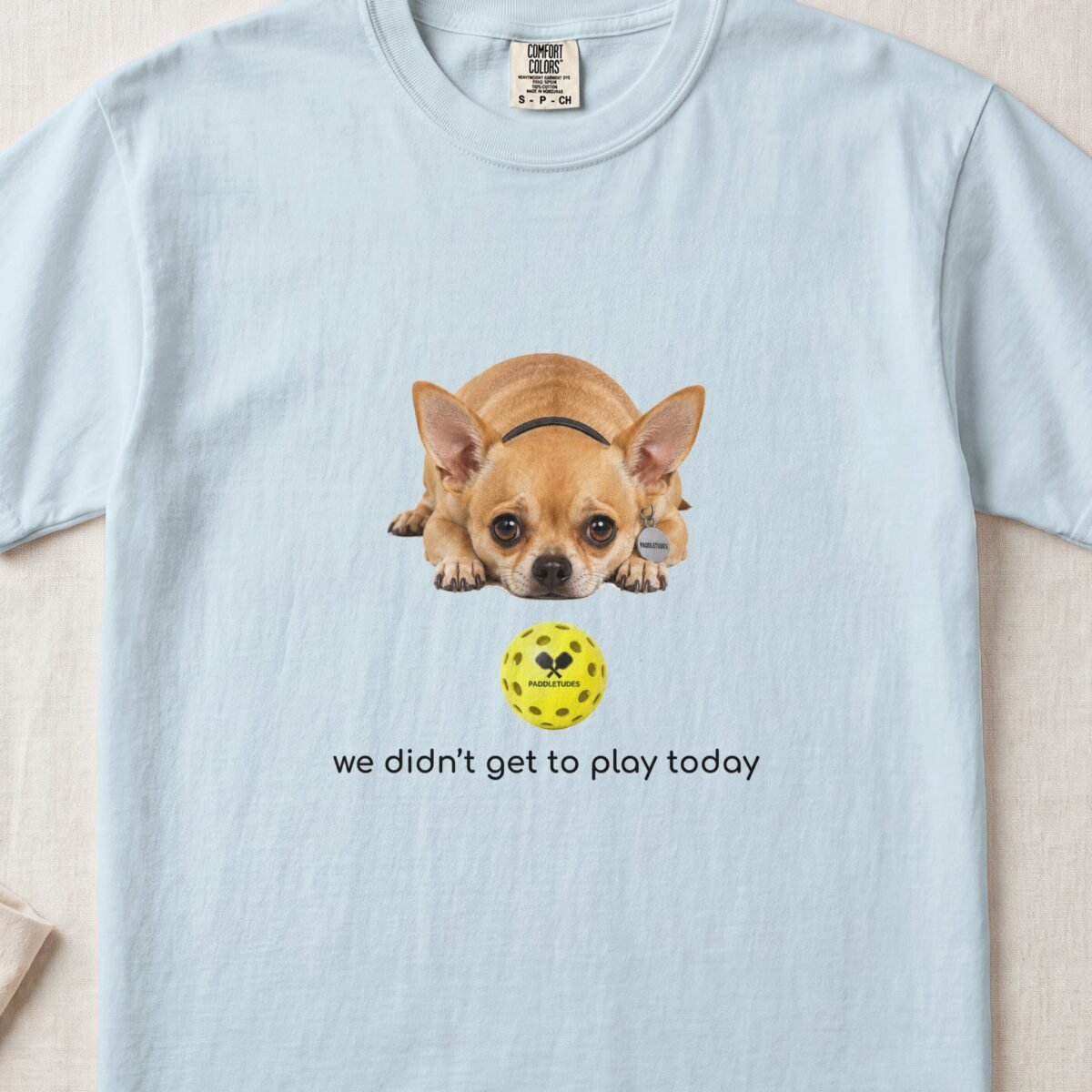
Chihuahua Sad
$39.99 Select options This product has multiple variants. The options may be chosen on the product page -
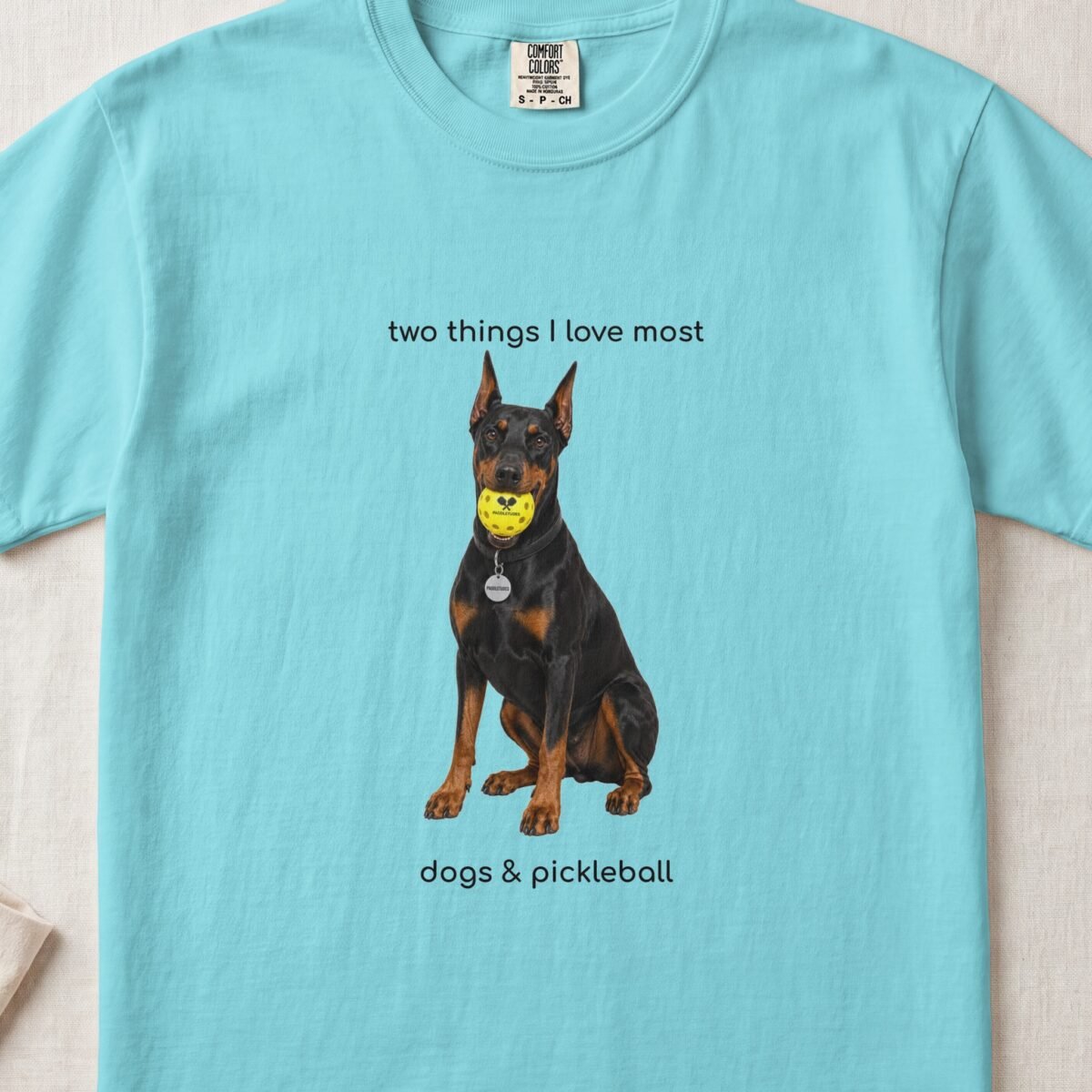
Doberman Happy
$39.99 Select options This product has multiple variants. The options may be chosen on the product page