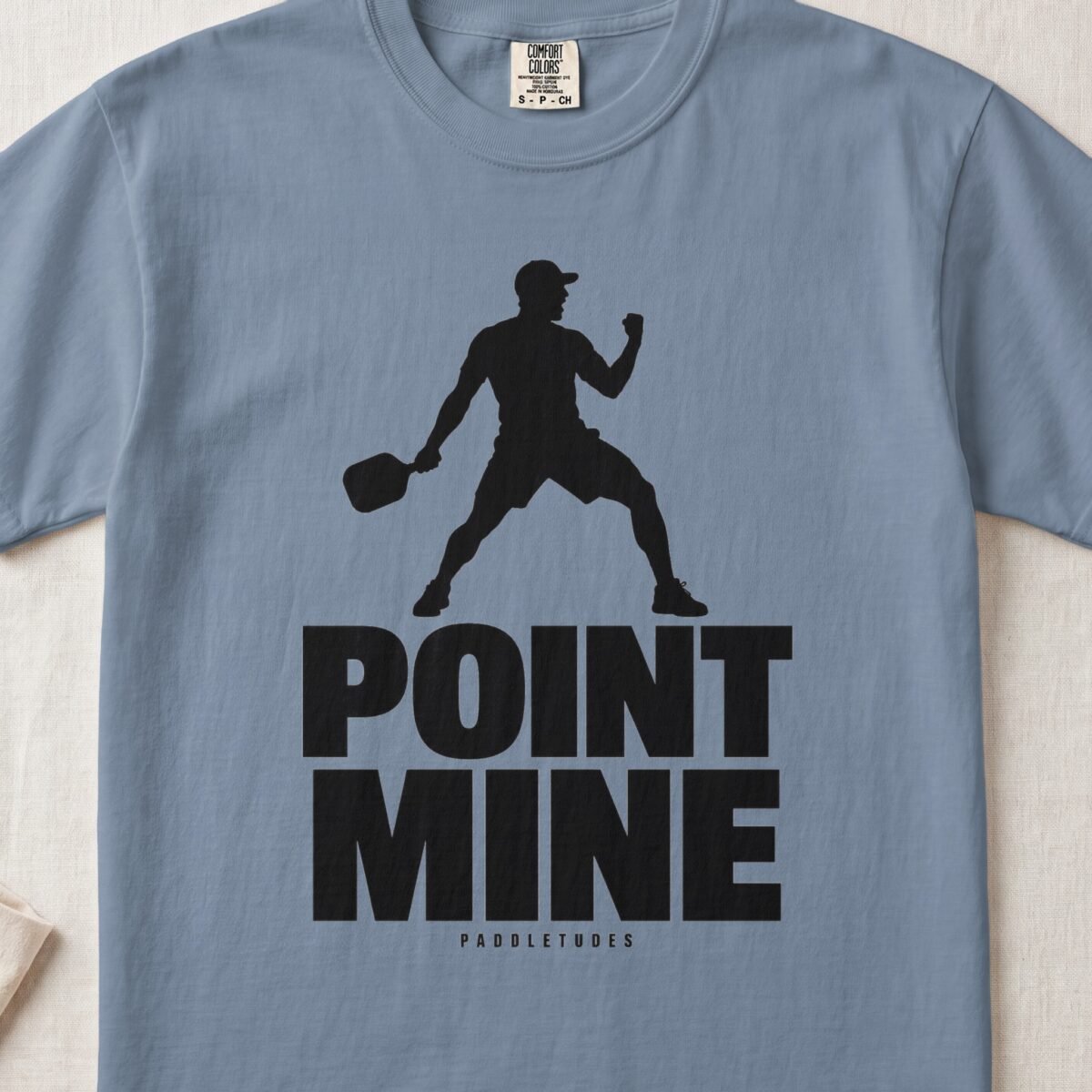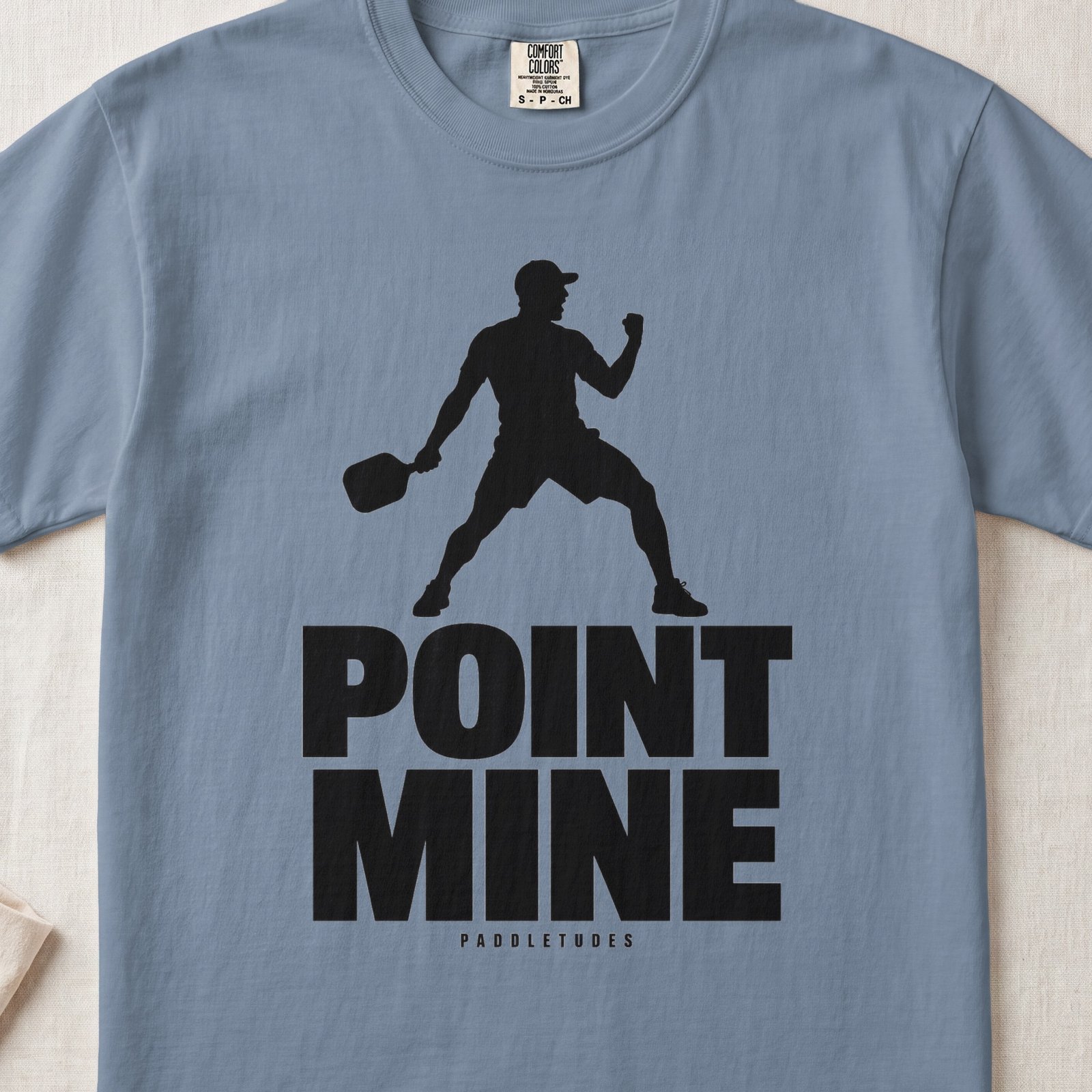
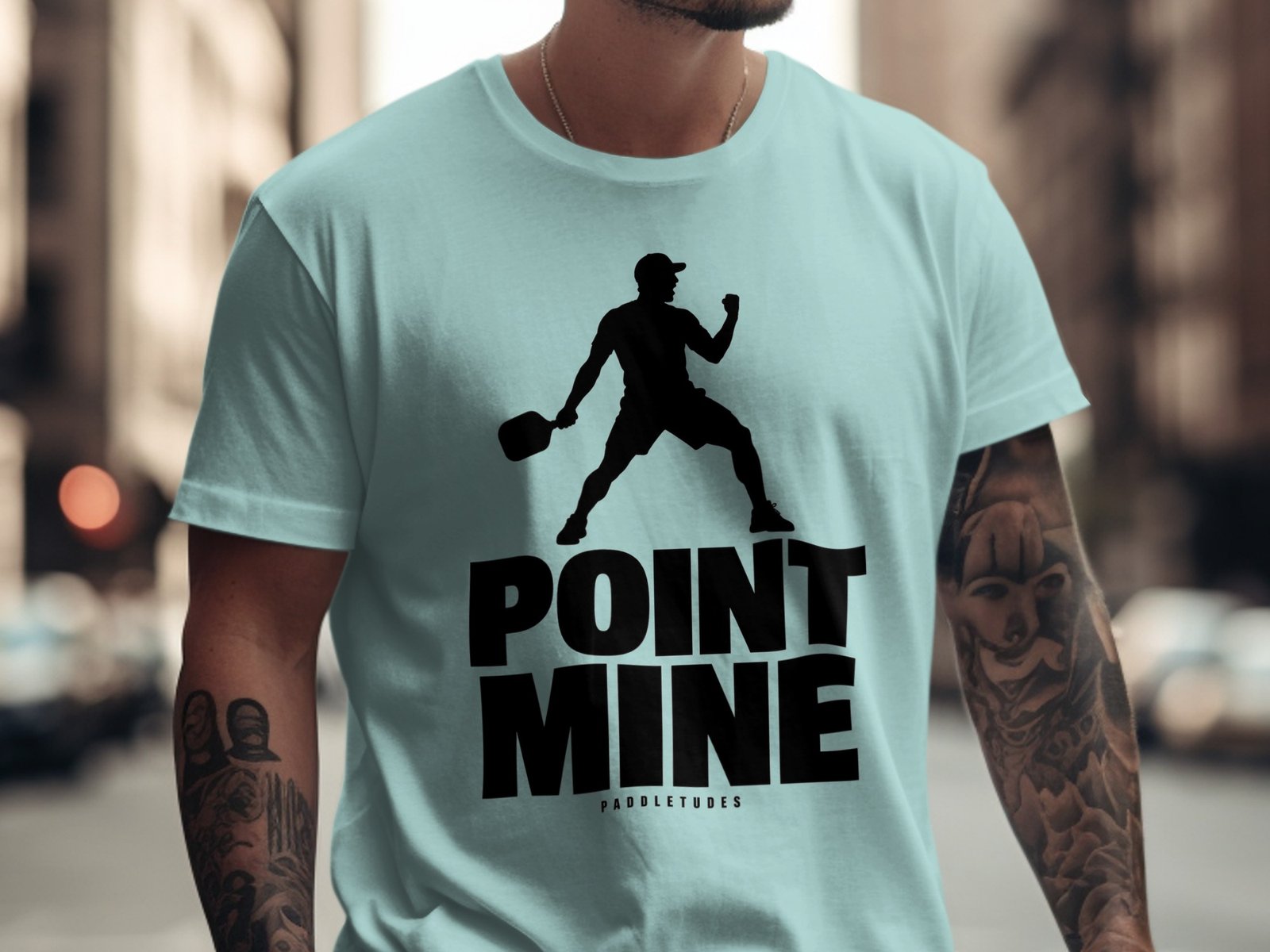
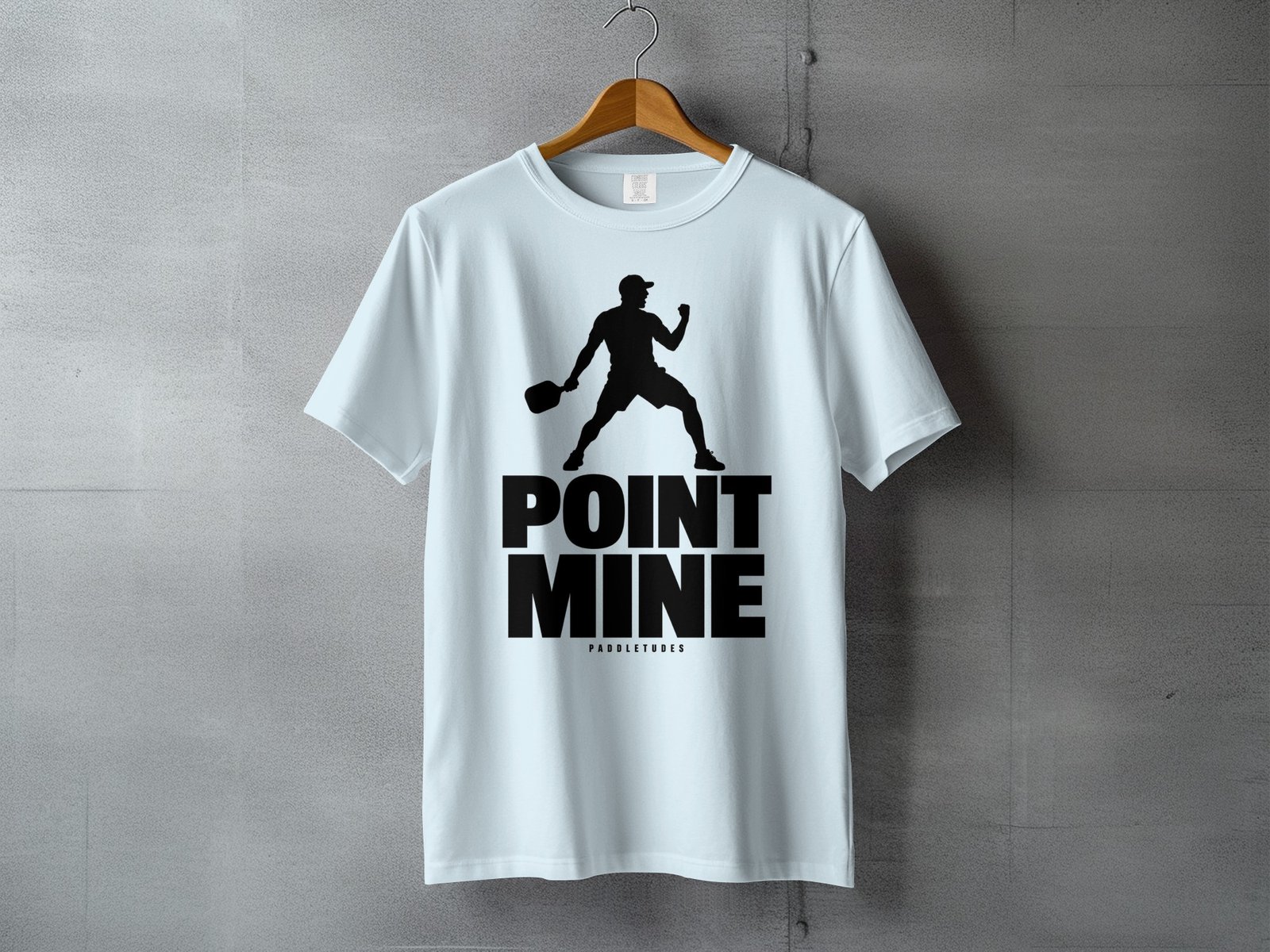
Sports Comfort Colors 1717
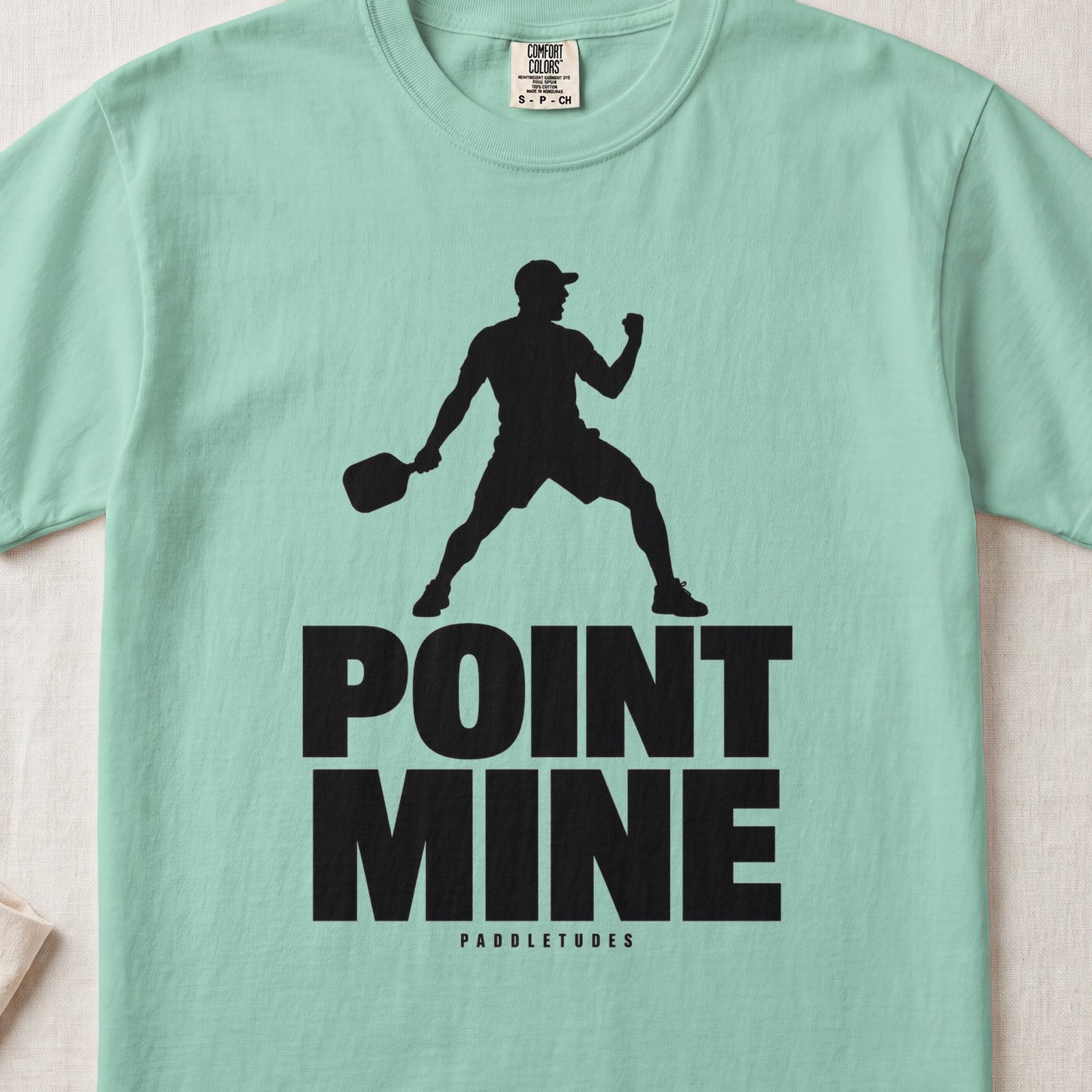
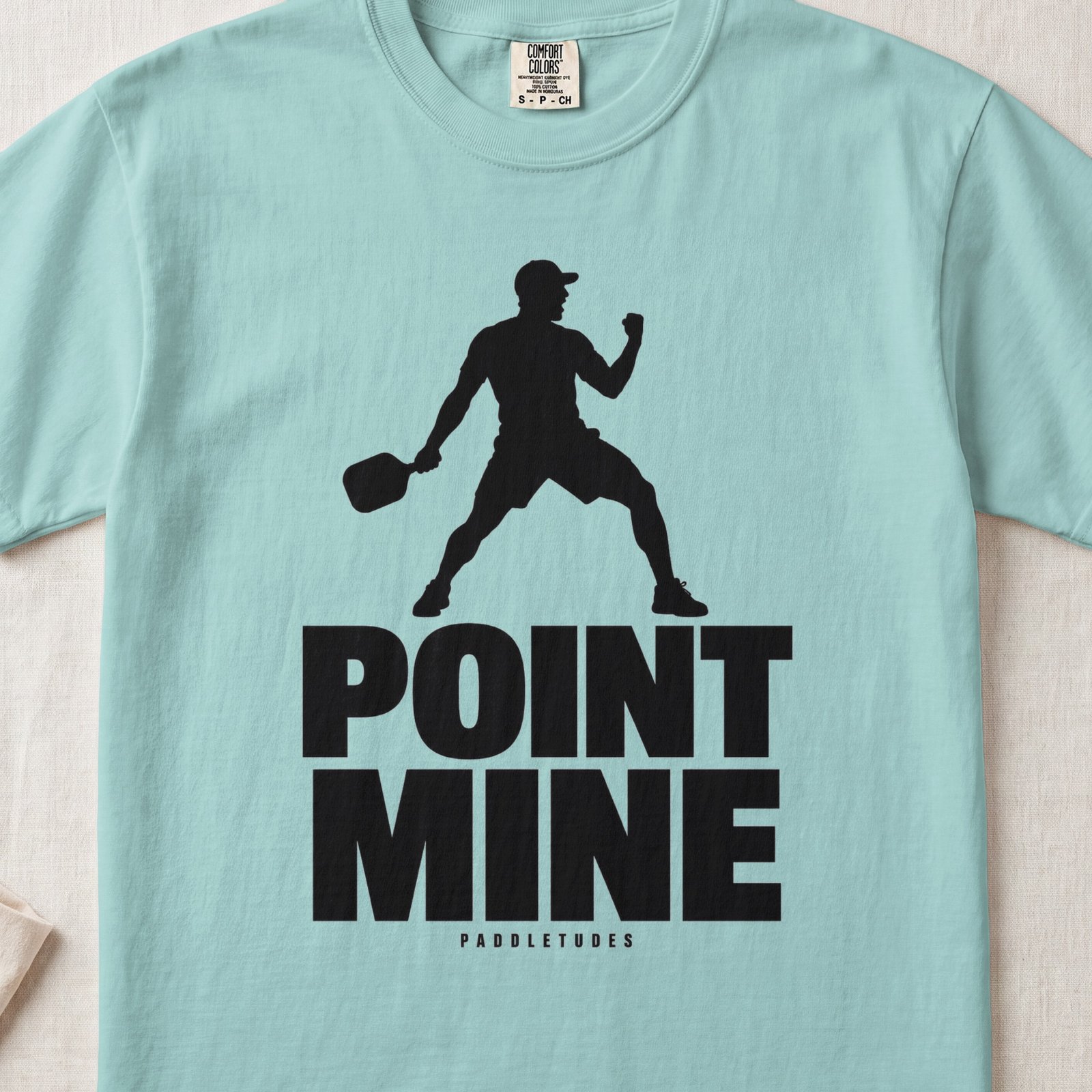
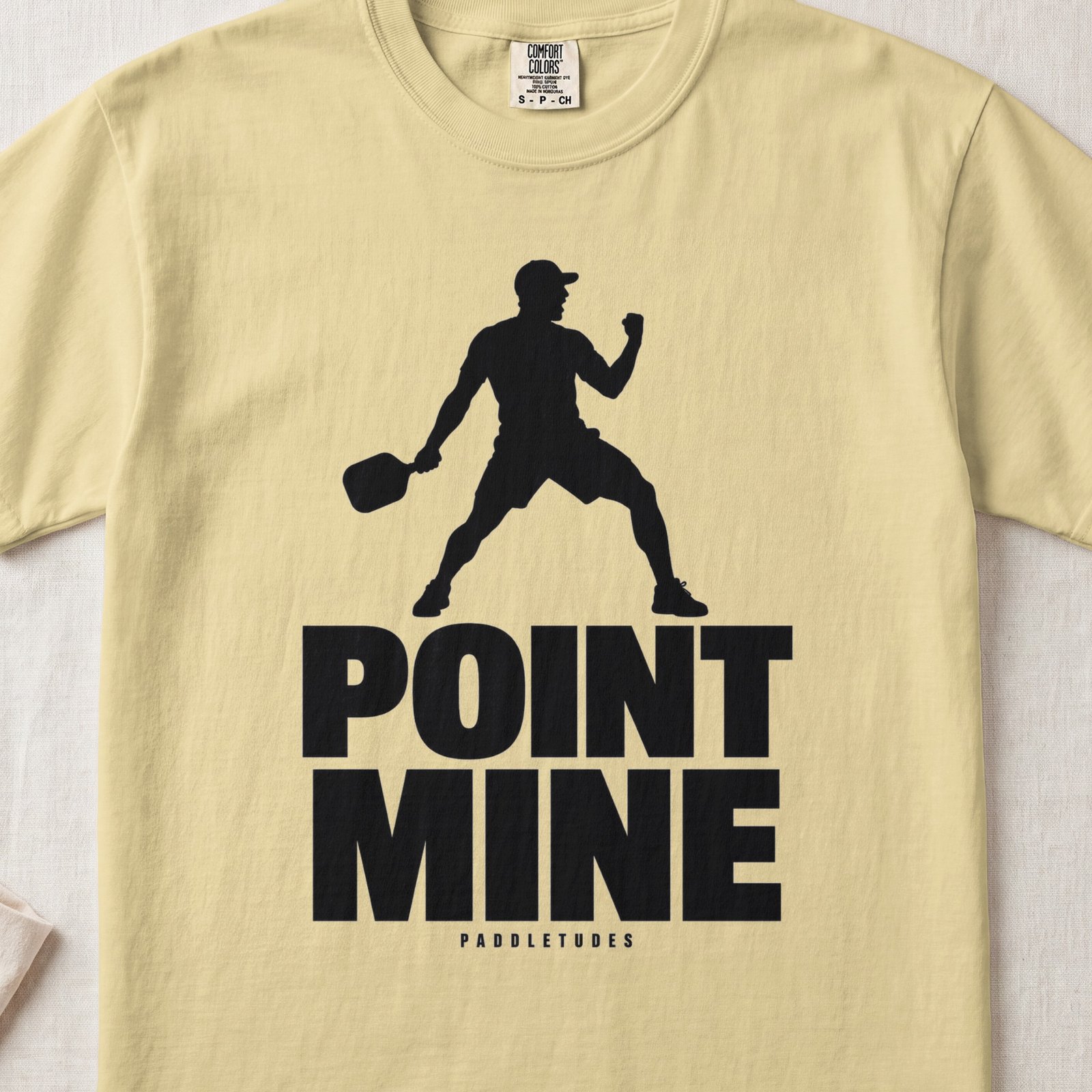
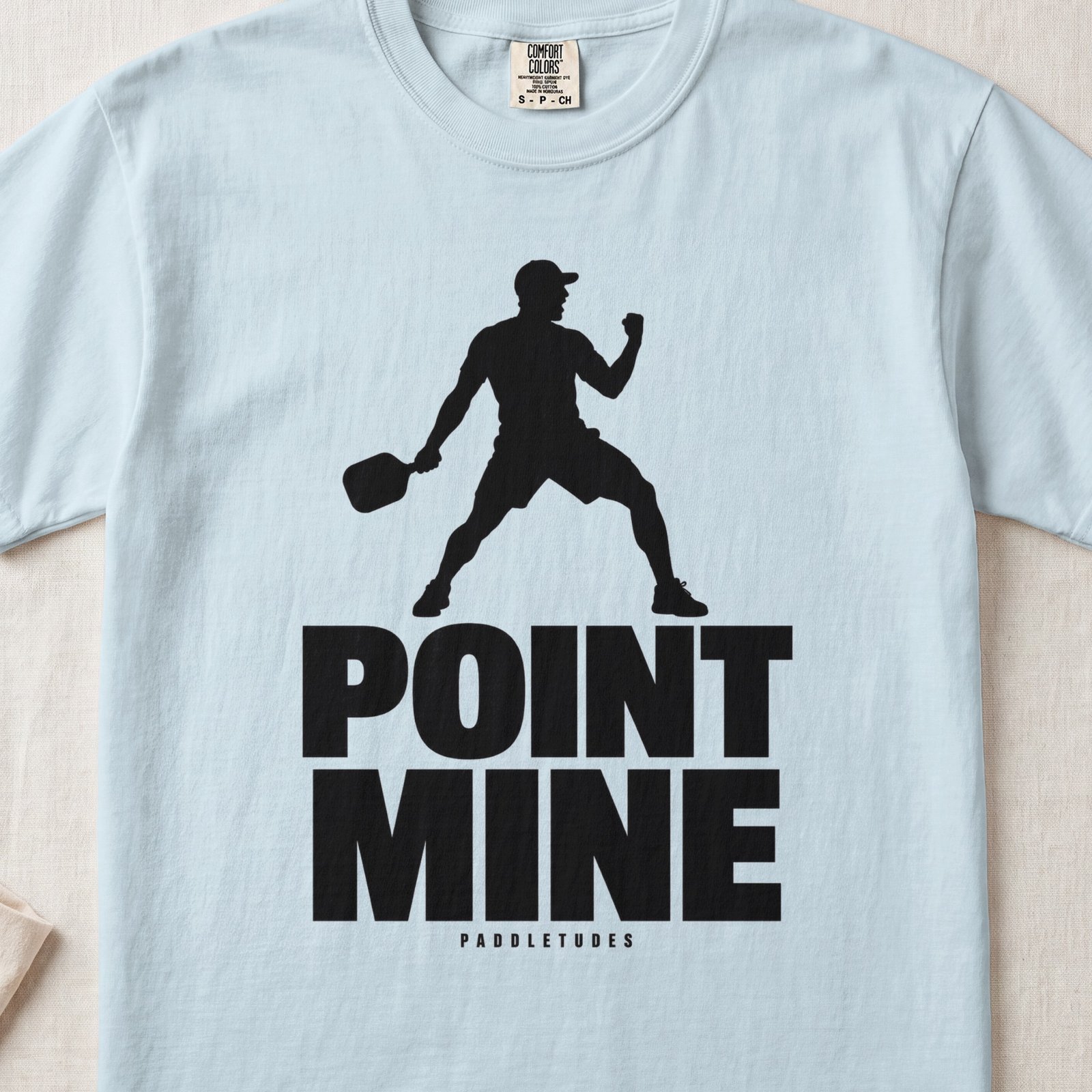
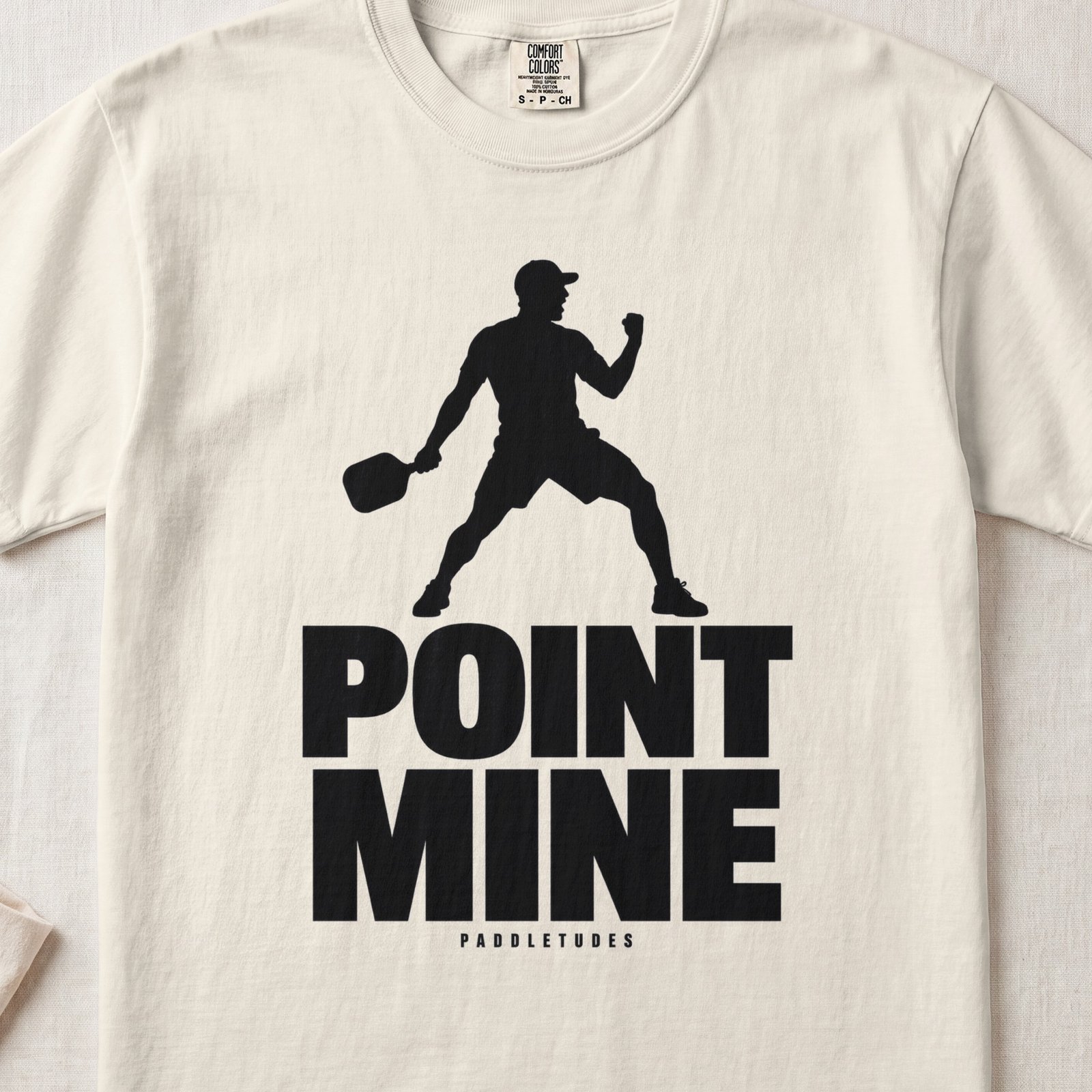
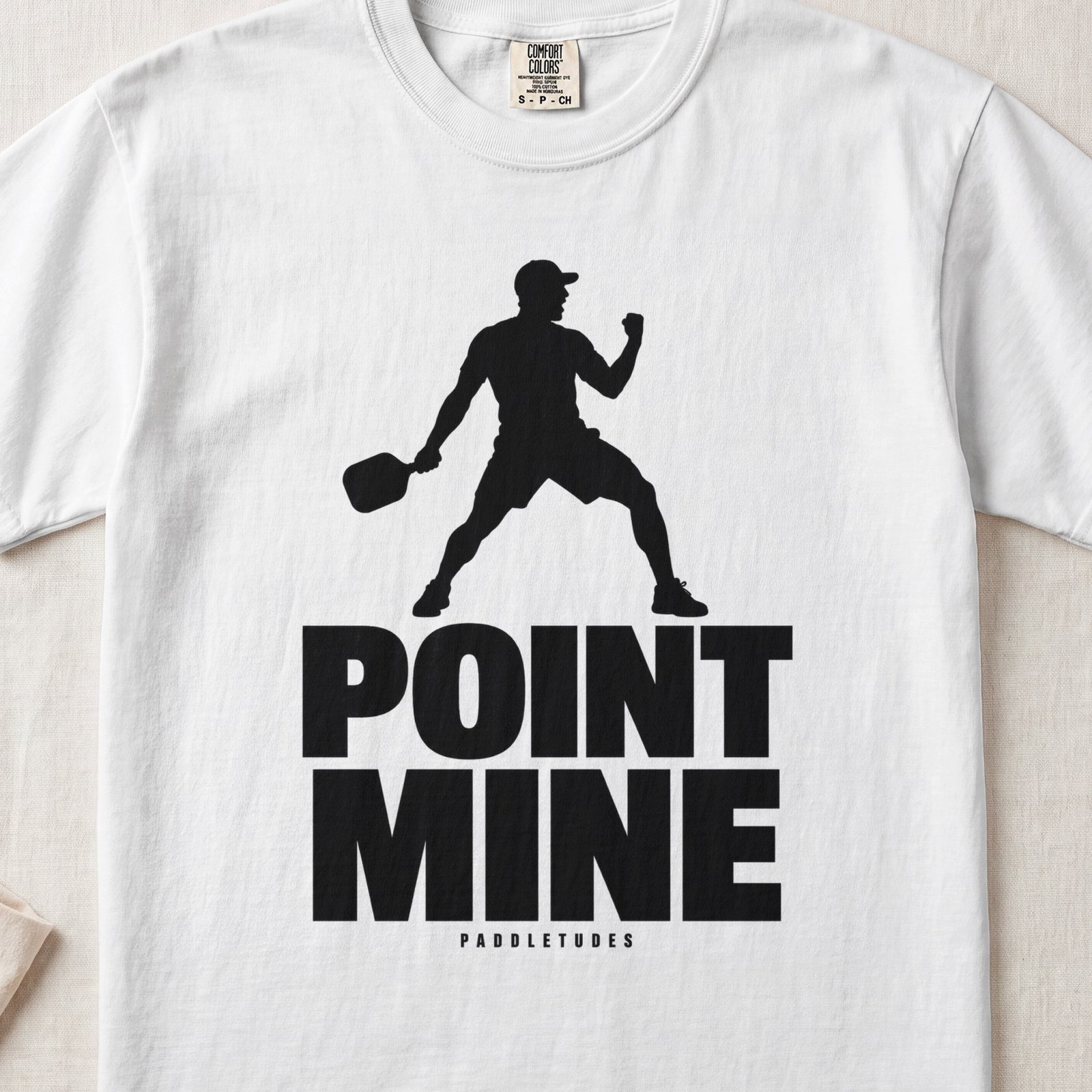
Point Mine
$29.99
- Comfort Colors 1717 heavyweight cotton
- Original design · printed to order
- U.S. print partners
Point Mine — Claiming What the Dink Rally Built
Three dinks into the rally, she already knows. The opponent on the right is leaning. Paddle face tilted slightly up, weight drifting backward, a half-second from being off-balance. The next dink goes wide to the backhand. The return comes back high — not high enough for an overhead, but high enough. The speed-up is aimed at the gap between both opponents before either of them registers the tempo change. The ball hits the court untouched. She doesn’t celebrate with her body. She celebrates with her eyes — a look across the net that says she knew it was coming before the opponent did. Point mine.
She’s a 34-year-old project coordinator who swam competitively from age eight through college — Division II, middle-distance freestyle, the kind of swimming where you stare at a black line on the bottom of a pool for two minutes and the entire race comes down to who touches the wall first. No racket sport in her past. No hand-eye coordination to draw from. What she brought to pickleball when her neighbor introduced her to the game four years ago was something harder to teach than technique: the ability to want the ball at 9-9. The willingness to speed up when the safe play is to dink one more time. The competitive instinct that treats every point like it has a name on it — and the name is hers. At 7am on a Tuesday, she’s reviewing project timelines and answering emails. By 5:30pm, she’s at the courts in a t-shirt and running shoes, and the person from the morning meeting would not recognize the person on the court.
The competitive mindset in pickleball operates differently at each skill level because the definition of aggression changes. At 3.0, aggression means hitting hard — big serves, big drives, swinging at everything and hoping placement follows. The player claims points through power, and it works until the opponent learns to block. At 3.5, aggression gets smarter — the speed-up targets a specific hip or backhand rather than just clearing the net with pace. The claim happens because the shot has a purpose, not just a direction. By 4.0, the claiming starts before the shot. The aggressive player reads the rally pattern and identifies the moment two or three shots before the speed-up — sensing when an opponent is drifting, reaching, or mentally disengaging from the exchange. By 4.5, claiming the point is invisible. No wind-up. No telegraph. Just a dink that looks like every other dink until it doesn’t, and the opponent is still processing the pattern when the ball is already past them.
The drill for this player is about reading, not hitting. Both teams dink cross-court at the kitchen line. Normal rally speed. After every five dinks, the aggressive player decides: speed up or extend. Twelve reps. The goal isn’t to win every speed-up — it’s to learn WHEN to pull the trigger. Did the opponent’s paddle drop? Were they reaching? Were they standing too tall? The player who reads the correct moment eight out of twelve times is developing pattern recognition that translates directly into match play. The advanced version adds a rule: the speed-up can only go to the body, not the open court. That forces the aggressive player to target a specific spot under realistic pressure.
Paddles for the aggressive player need to generate pace on demand without sacrificing touch during the setup dinks that precede the attack. A thermoformed paddle with a stiff face delivers the pop on speed-ups while the core still provides enough feel for the soft shots that build toward the moment. Selkirk’s Vanguard Power Air was designed for this player — the one who dinks patiently until the window opens and then sends the ball through it at a speed that leaves no time for a response.
If your office Secret Santa pool includes someone who turns every team-building exercise into a competition — the person who keeps score at bowling night, who has strong opinions about trivia team strategy, who plays recreational volleyball like it’s the Olympics — this shirt explains them in two words. Nobody at work knows what to buy for the competitive one. This is what to buy.
The competitive edge runs through our entire pickleball collection. Overhead Everything is the specific shot version of this energy — the player who sees a high ball and sees a closed point, not a decision. She Bangs is the women’s power game distilled to a single declaration — the speed-up that nobody expected from the quiet side of the court. And Zero Regrets Zero Unforced is the flip side of aggression — the player who channels competitive fire into perfect execution rather than risky attacks. Book competitive court time at Pictona in Holly Hill, Florida, or find tournament-level play through USA Pickleball’s tournament directory.
Printed on a Comfort Colors 1717 garment-dyed heavyweight tee with water-based DTG ink — sizing and care details here.
What Is the Mental Game in Pickleball
The mental game in pickleball is the ability to manage focus, confidence, and competitive pressure during play — staying present on the current point instead of replaying the last mistake, executing your strategy under tension instead of abandoning it, and maintaining aggression or patience as the situation demands rather than defaulting to comfort.
The most important mental skill is staying in the present shot. Pickleball rallies happen fast enough that a player replaying the last error in their head is already late to the next ball. The technique for this is simple to describe and difficult to execute: after every point, win or lose, take a breath and reset your attention to the next serve or return. No analysis. No frustration. No celebration that lasts longer than the fist pump. The player who moves on fastest plays the next point cleanest, and clean points compound over a game the way compound interest compounds over years.
Visualization is the tool that separates players who perform under pressure from players who fold. Before a match, visualizing specific scenarios — a dink rally at 9-9, a speed-up opportunity on a floating return, a deep serve to the backhand corner — primes the brain to recognize those moments in real time instead of reacting to them cold. Pre-point routines serve the same function on a smaller scale: a specific breath, a paddle tap, a mental cue that signals the body to engage before the serve. The routine doesn’t matter as much as the consistency of doing it, because the routine tells your nervous system that the next few seconds are performance time, not thinking time.
The competitive mindset isn’t about wanting to win — every player wants to win. It’s about wanting the pressure moments. The player wearing this shirt doesn’t avoid the 9-9 point. They welcome it. They don’t hope the opponent makes an error at game point. They plan the shot that ends it. That willingness to take the big swing when the safe play is available is what separates players who compete from players who participate, and it’s built through exposure to pressure, not through avoiding it. League play, tournament brackets, and even casual side-bet games with friends all provide the tension that trains the competitive muscle.
-
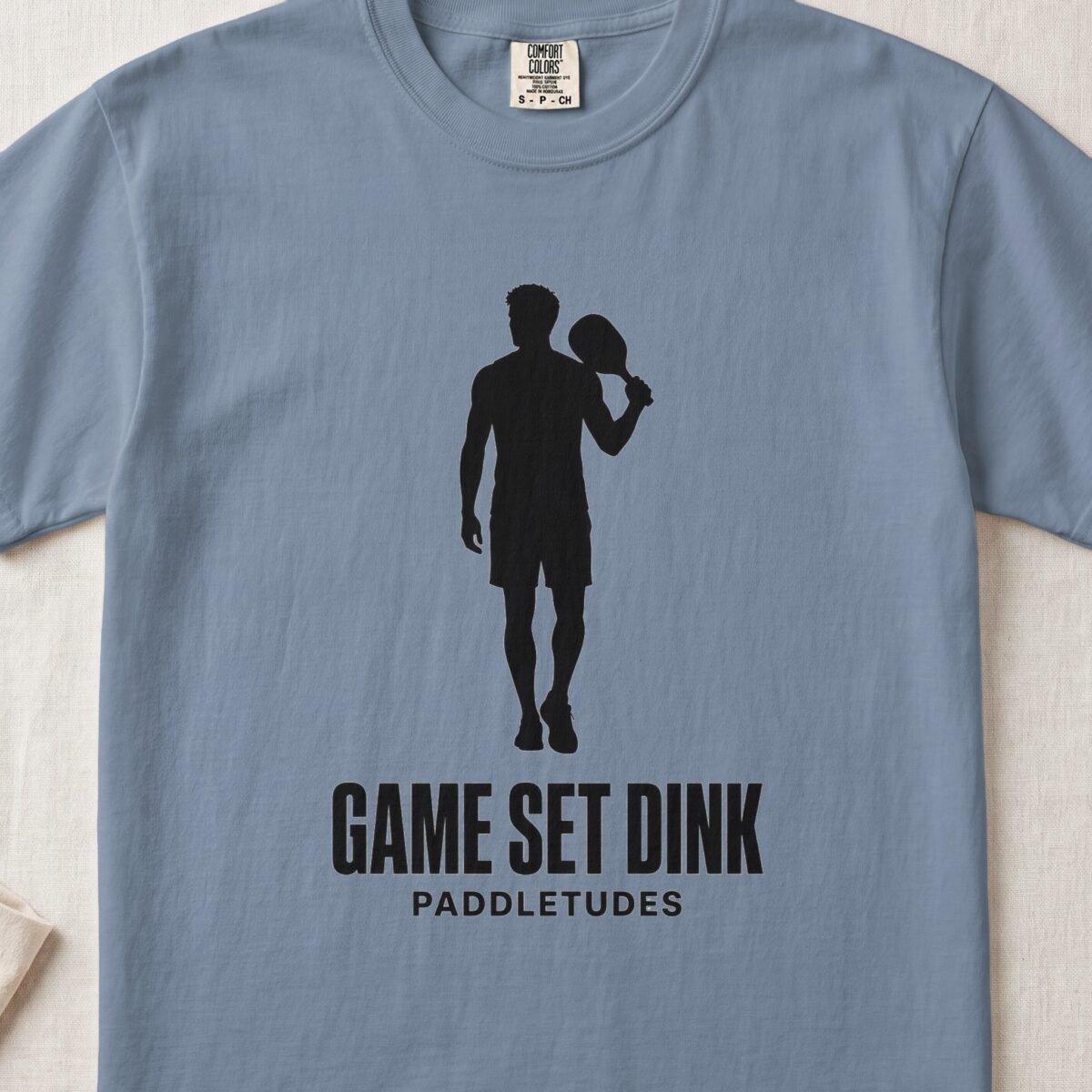
Game Set Dink
$29.99 Select options This product has multiple variants. The options may be chosen on the product page -
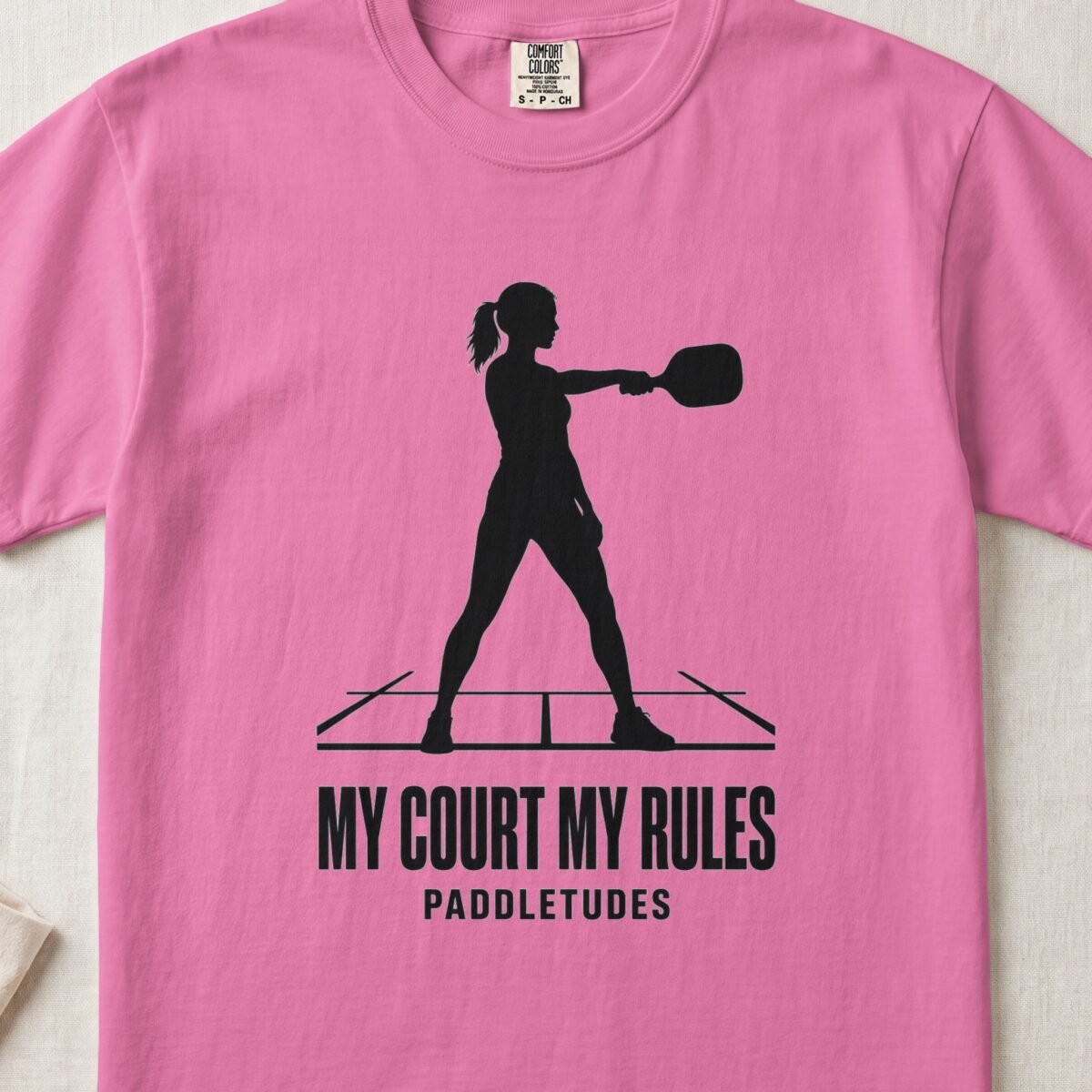
My Court My Rules
$29.99 Select options This product has multiple variants. The options may be chosen on the product page -
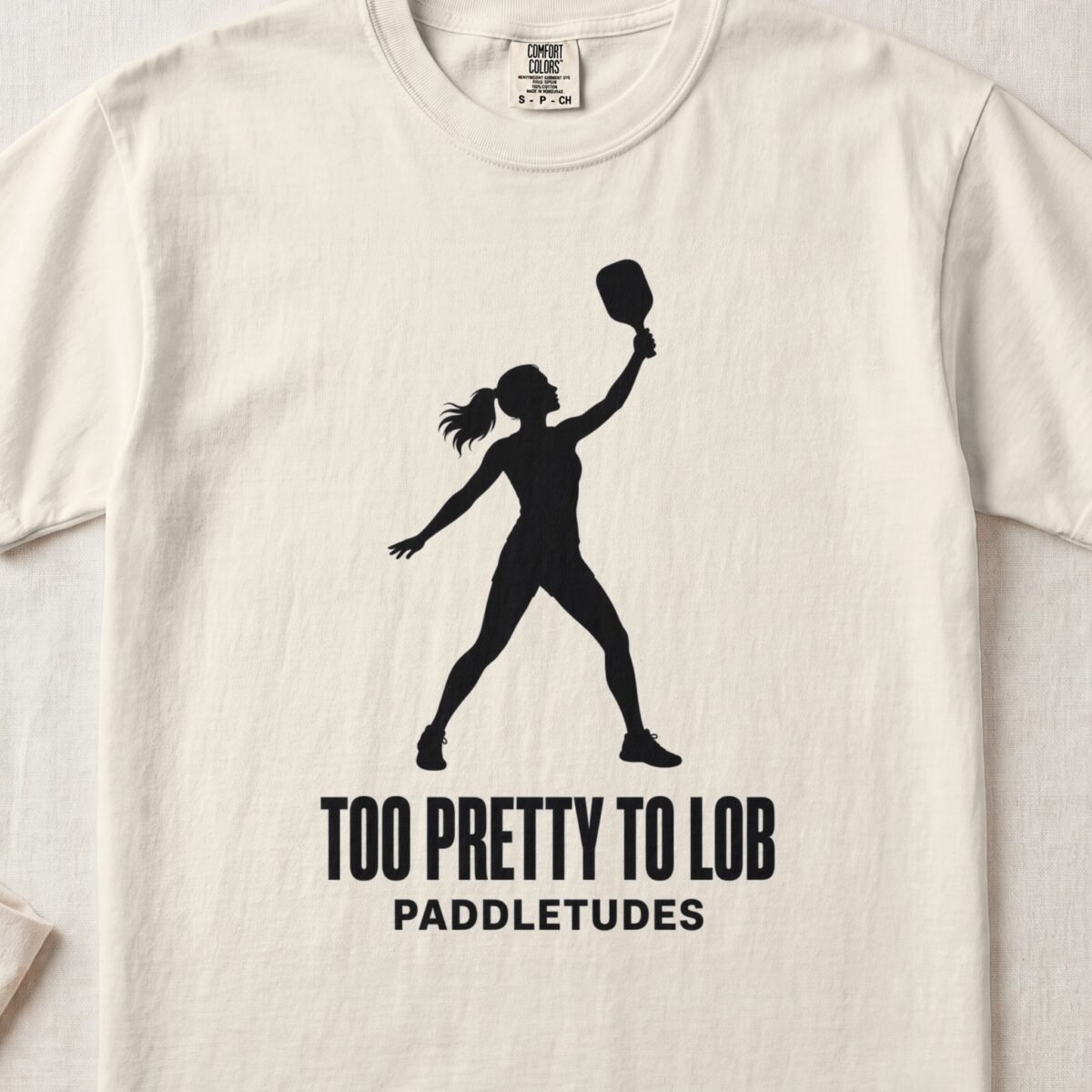
Too Pretty To Lob
$29.99 Select options This product has multiple variants. The options may be chosen on the product page