Sports Comfort Colors 1717
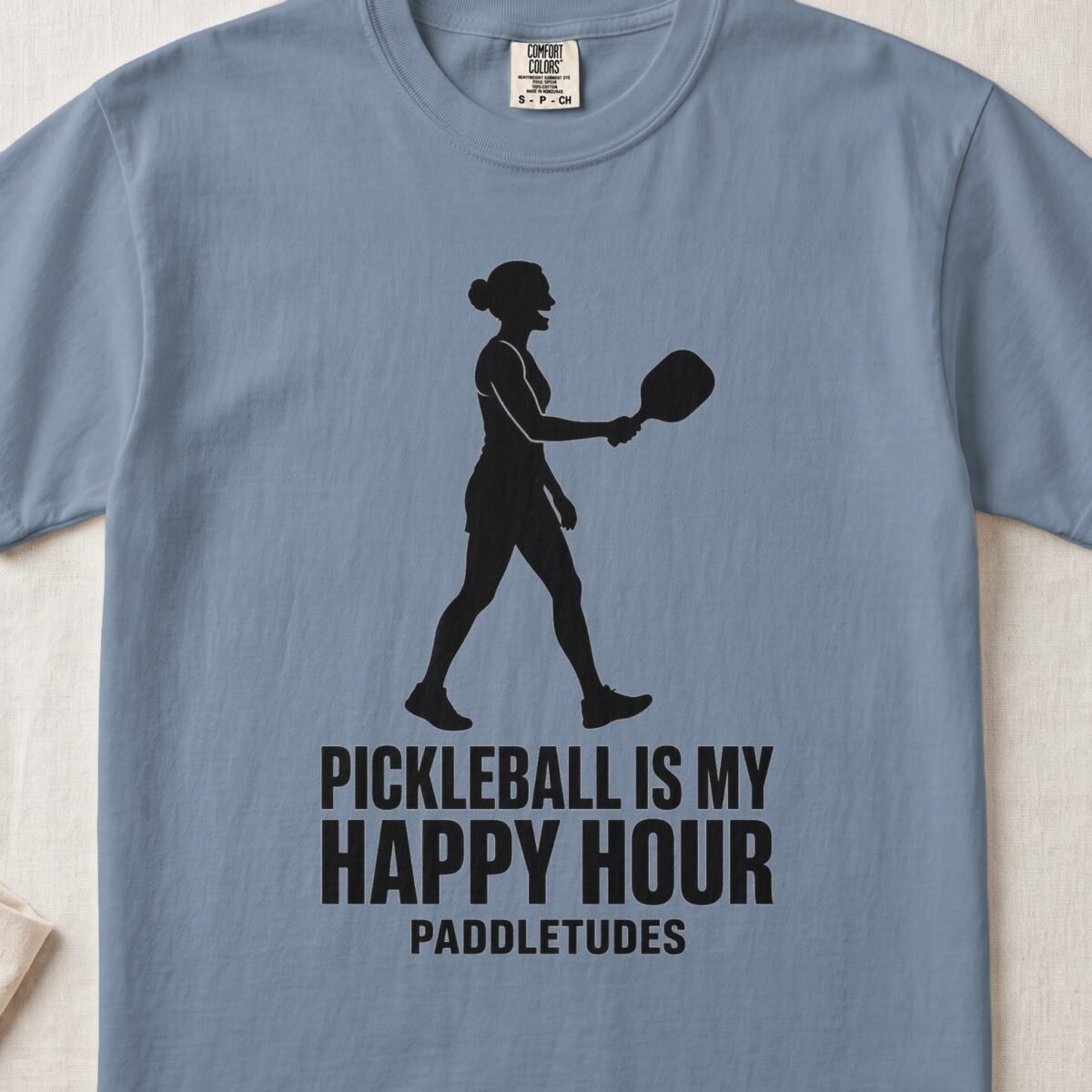
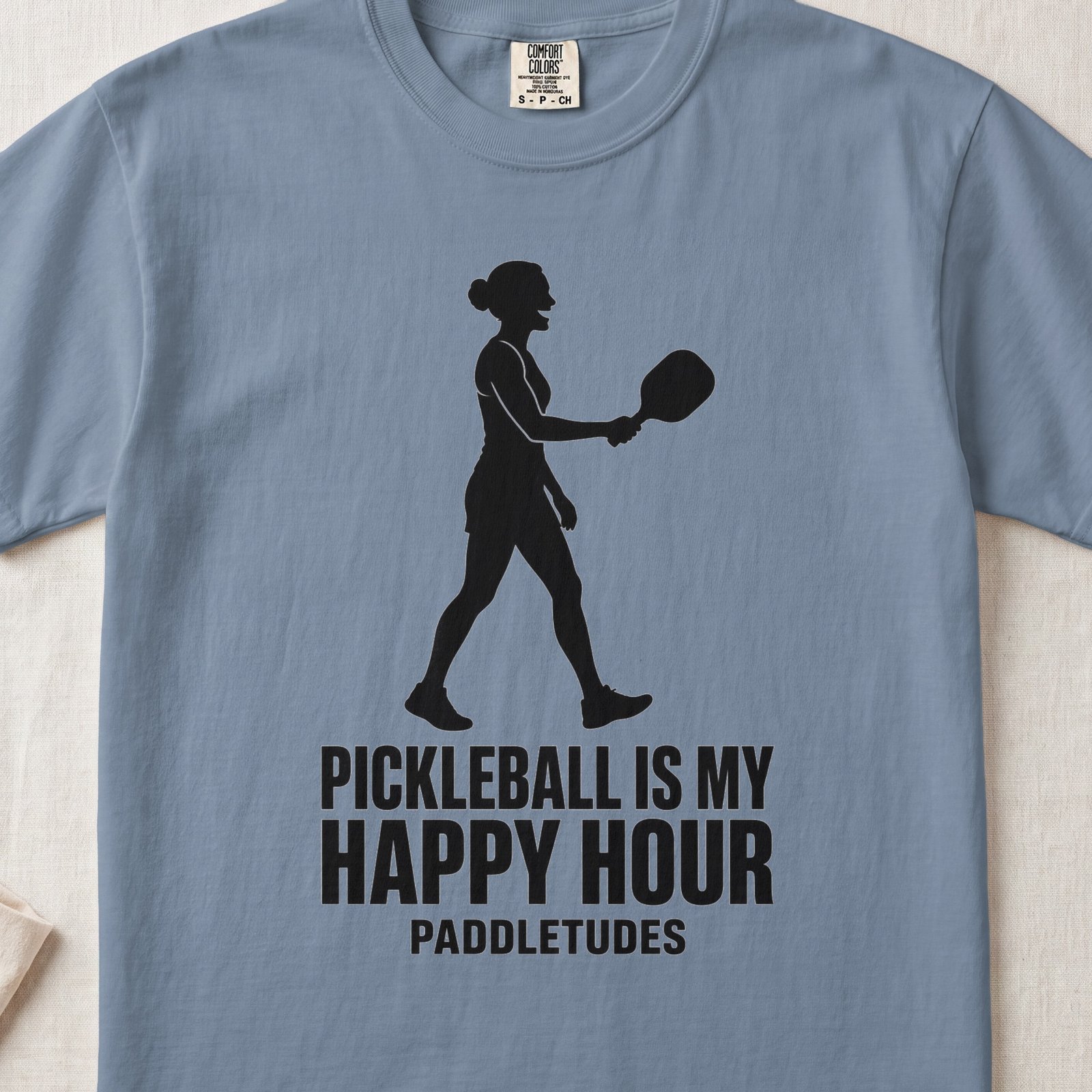
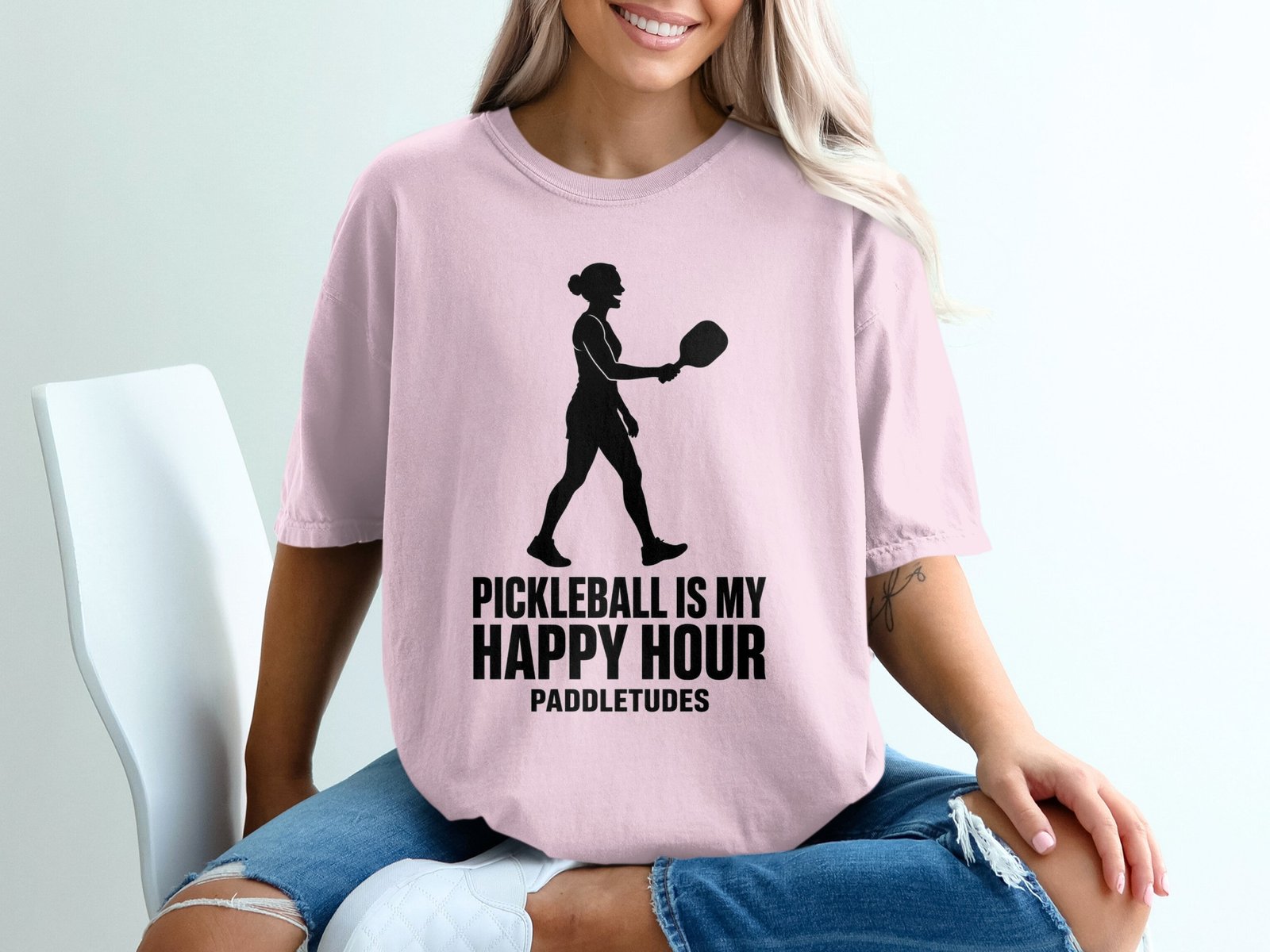
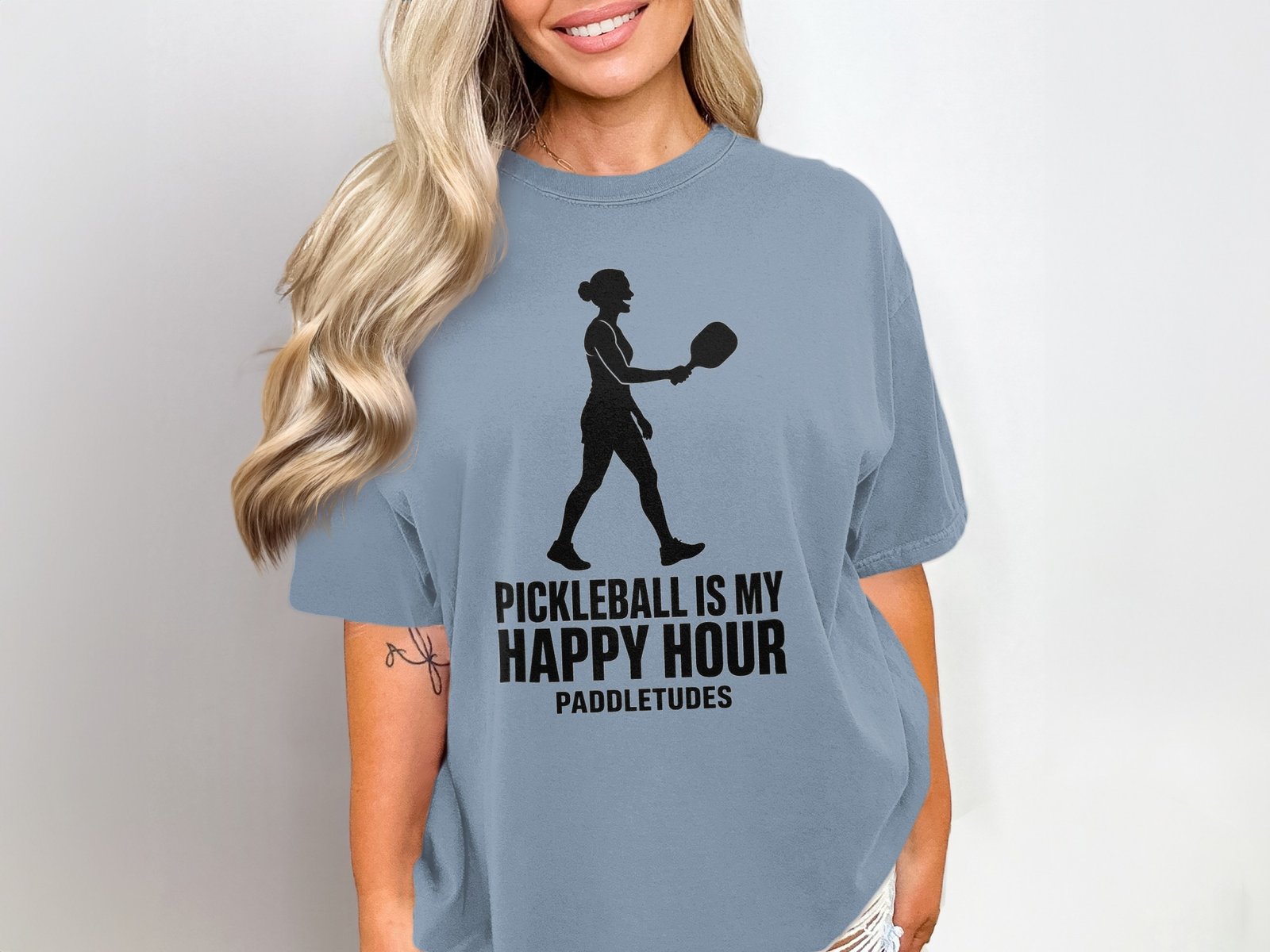
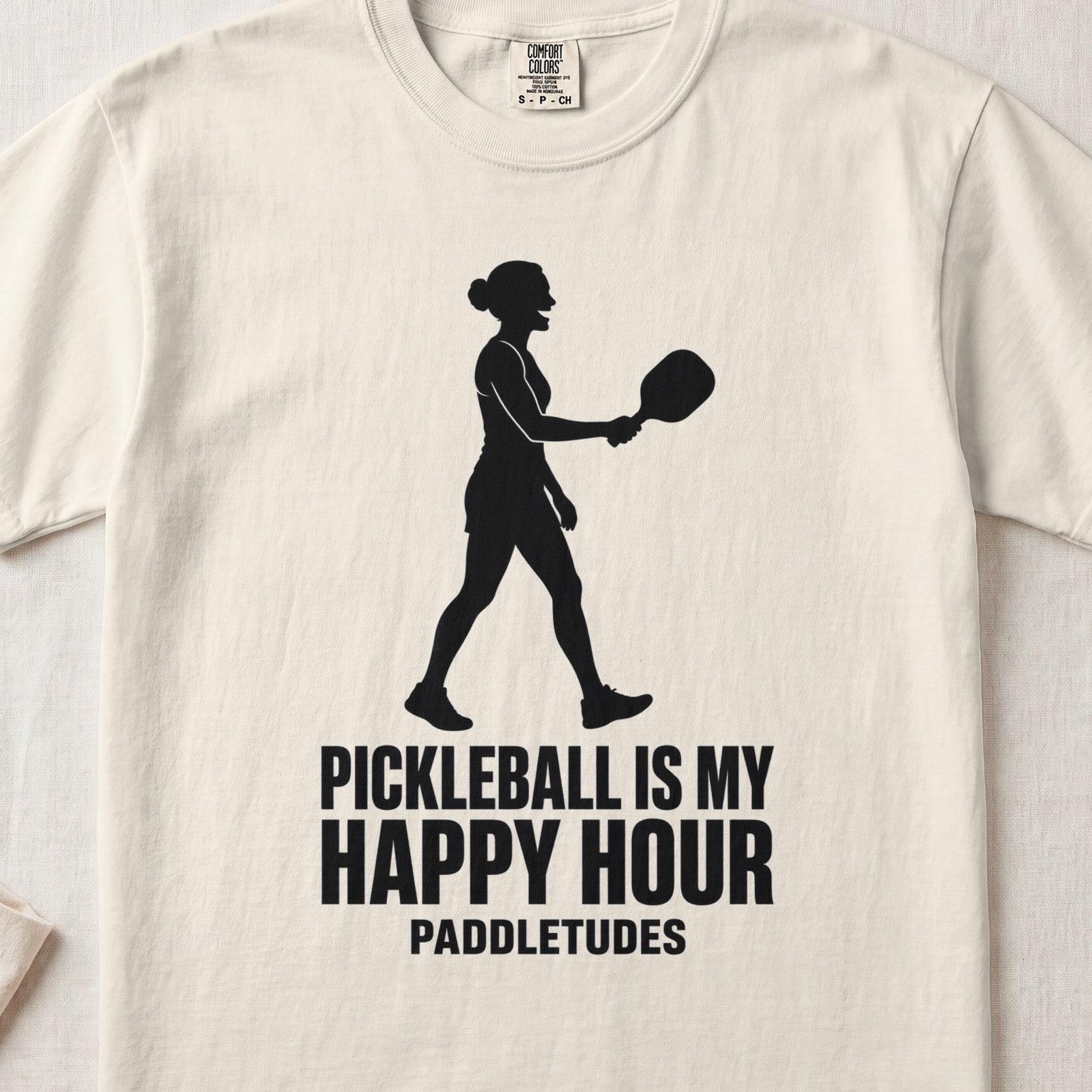
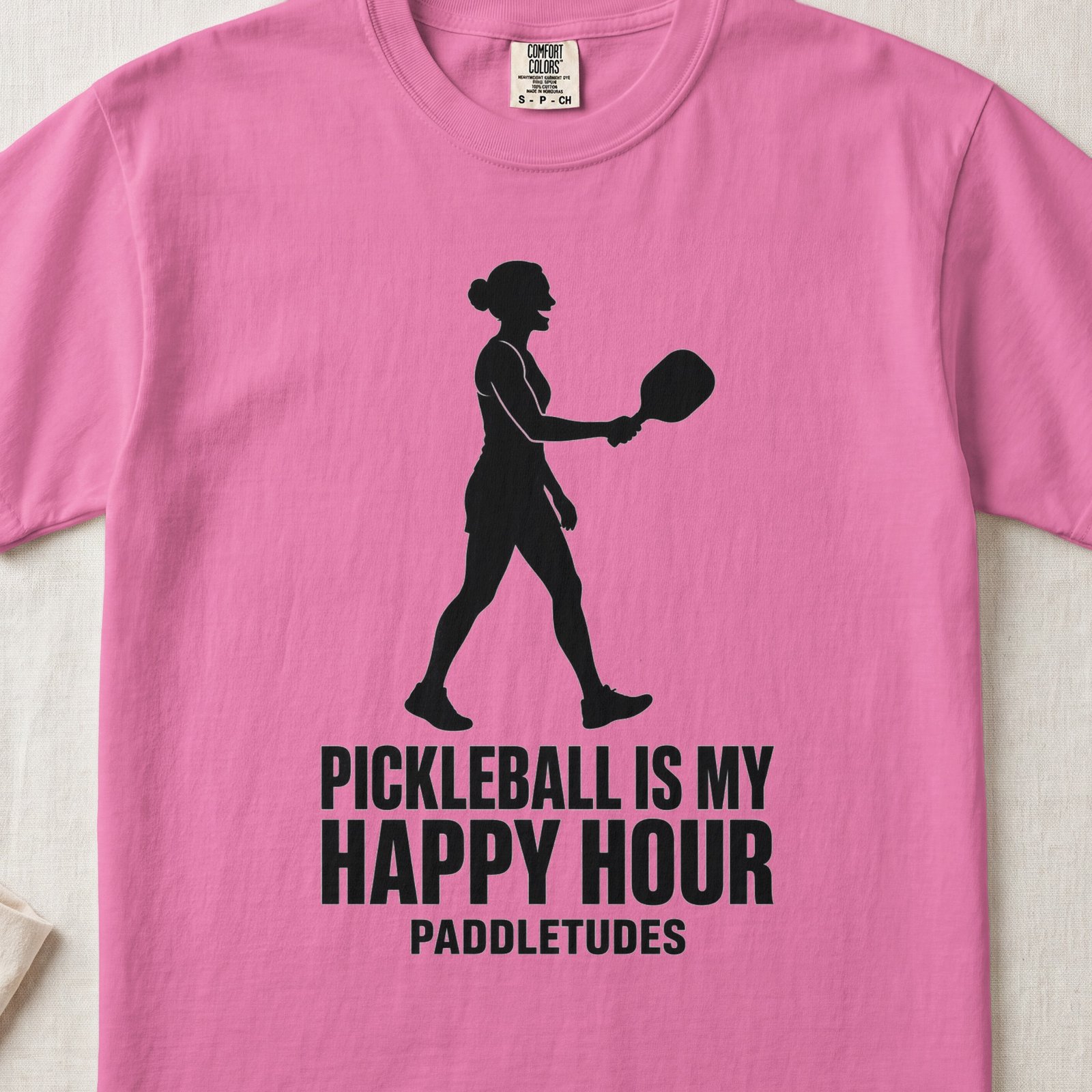
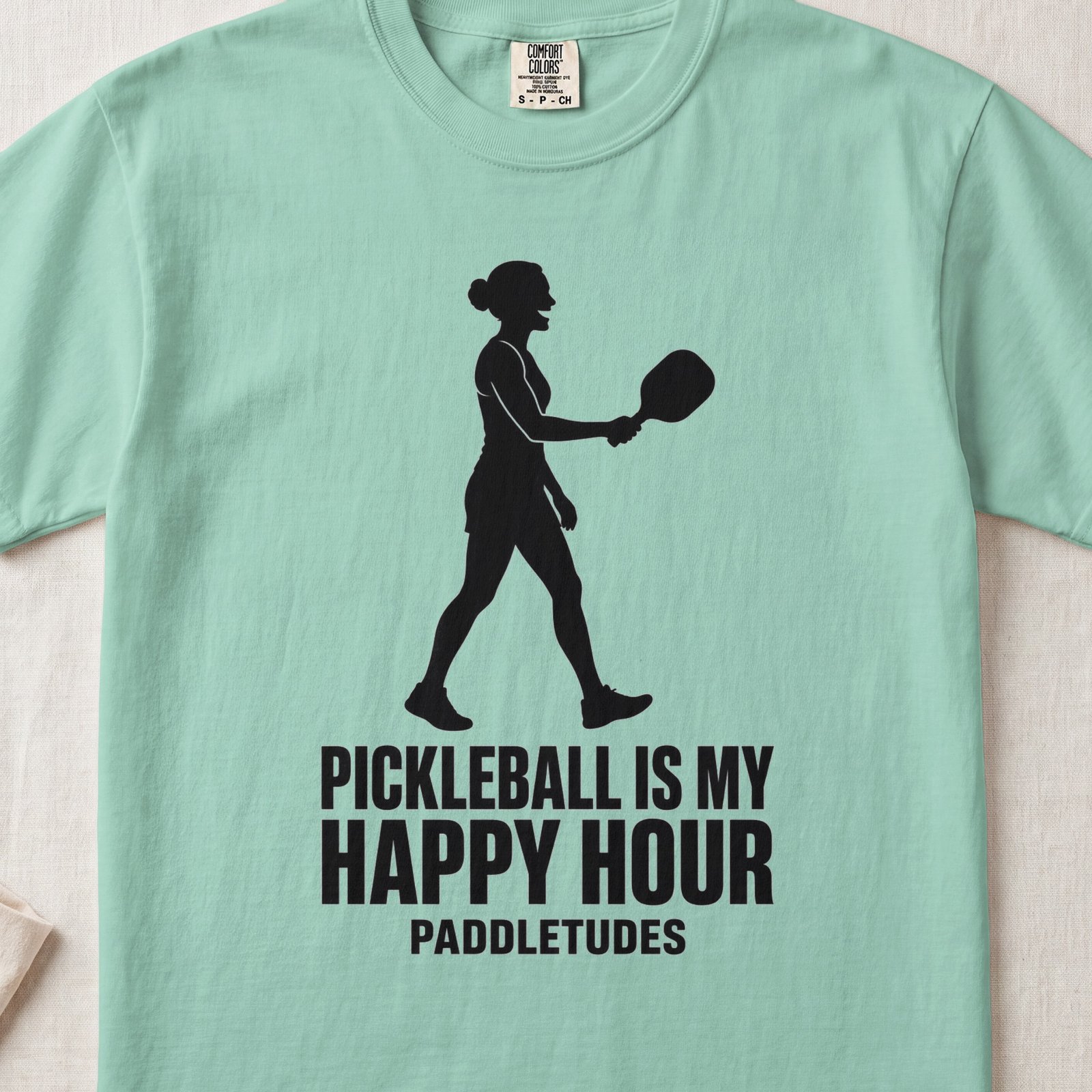
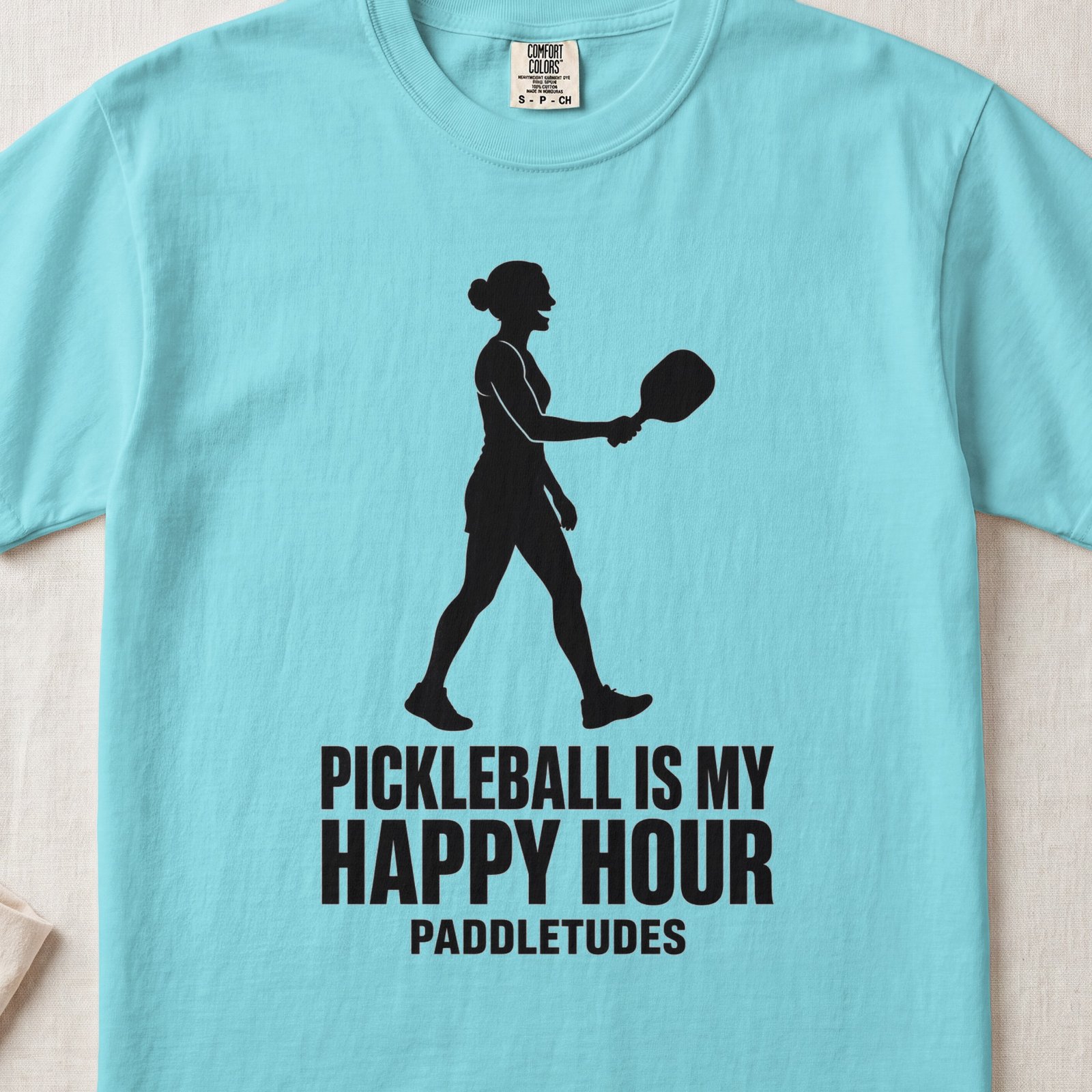
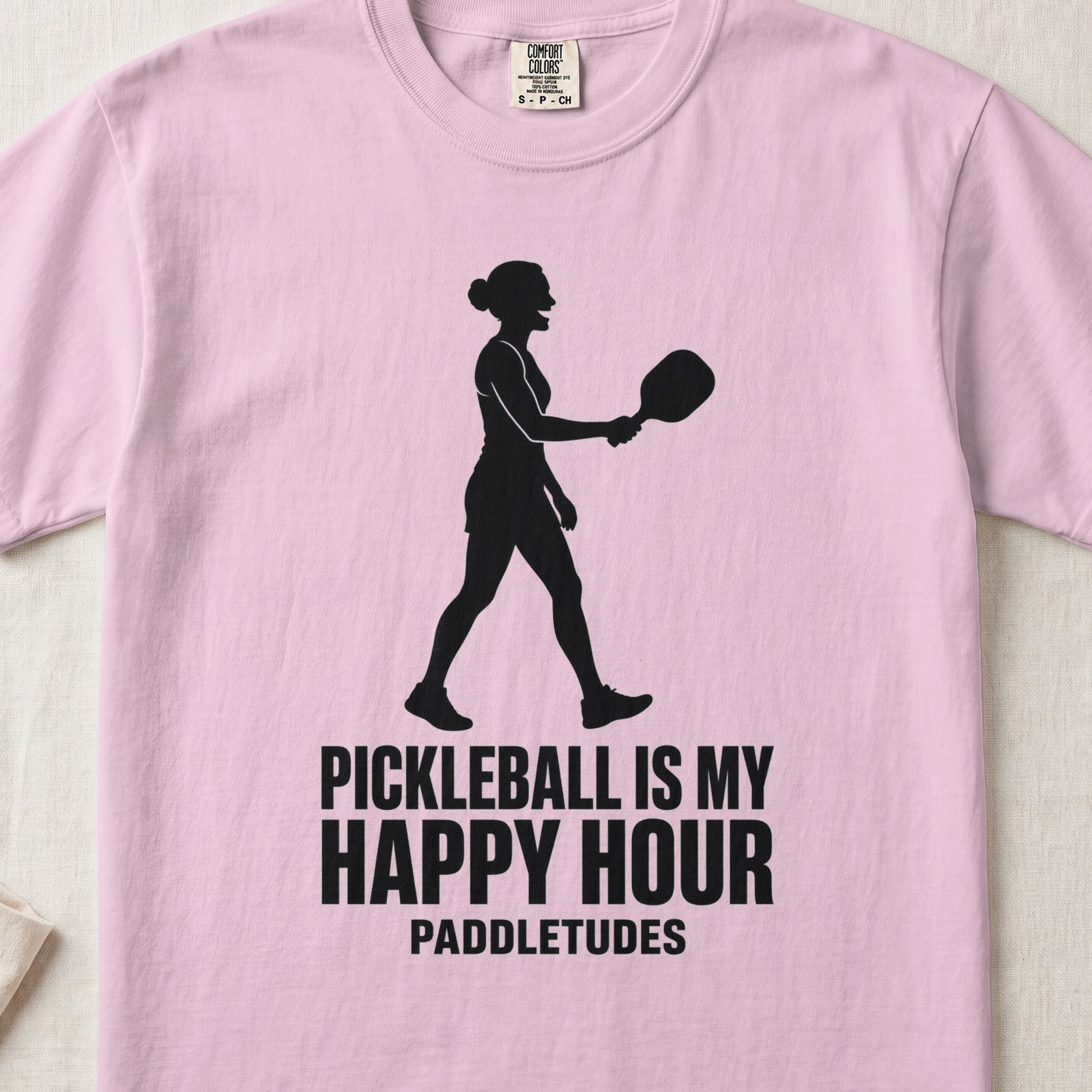
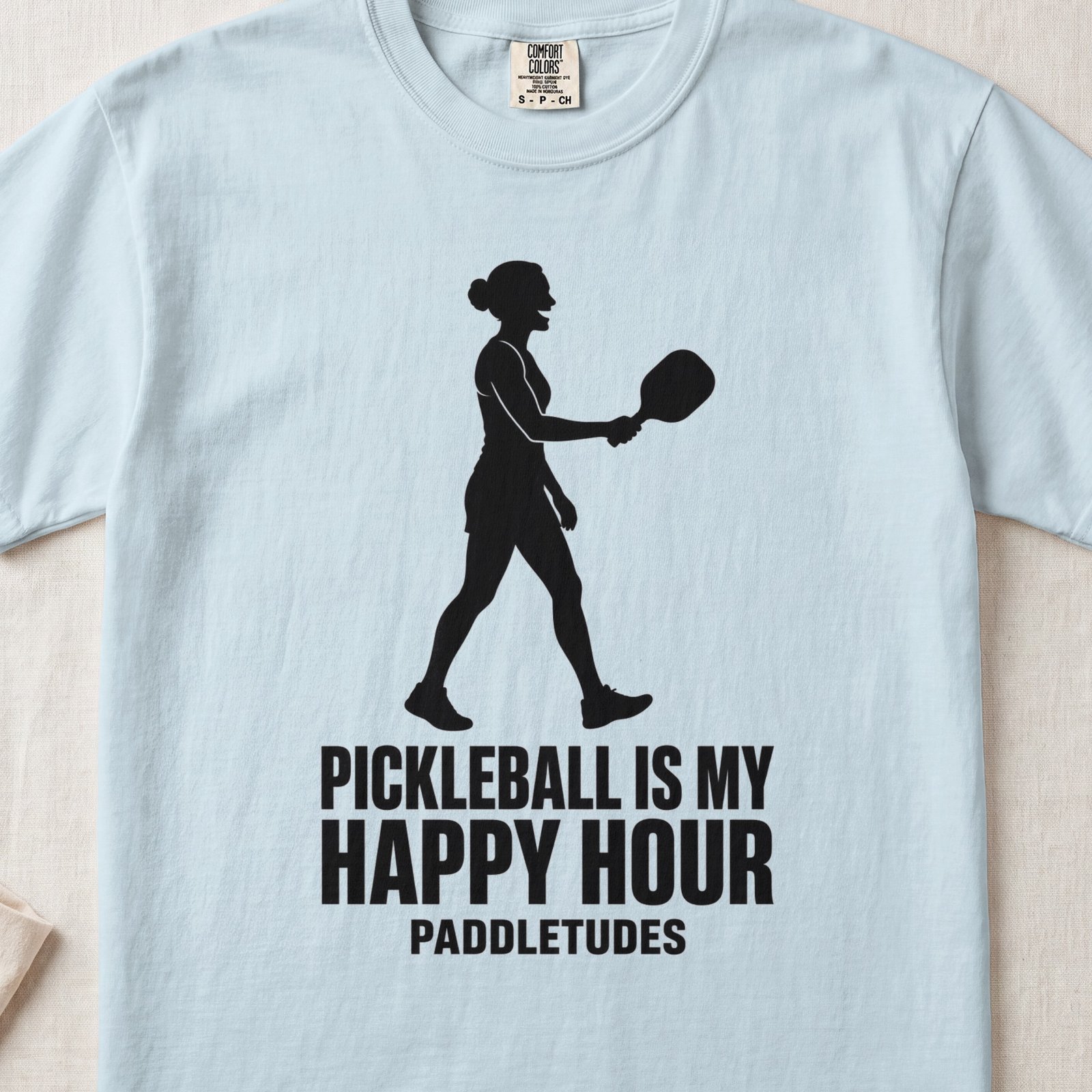
Pickleball Is My Happy Hour
$29.99
- Comfort Colors 1717 heavyweight cotton
- Original design · printed to order
- U.S. print partners
Pickleball Is My Happy Hour — The Court Is Open and the Drinks Can Wait
Five o’clock used to mean something different. Now it means the evening courts are open and the group chat just confirmed eight players. Pickleball Is My Happy Hour is a funny pickleball shirt for the woman who traded bar stools for baselines and hasn’t looked back.
The shift happened slowly and then all at once. First it was one session after work. Then it was two. Then the after-work drink turned into the after-pickleball drink, which is a completely different thing because you’ve earned it and you’re telling your friends about the shot you just made instead of complaining about your boss. The social energy on a pickleball court at 5:30 PM is something no happy hour can replicate — real competition, real laughter, real friendships forming between people who would never have met at a bar. The group gets bigger every week. Someone always brings a cooler. And by 7:00, the courts are full of people who used to spend that hour scrolling their phones at home and now spend it split-stepping in the golden hour light.
Pickleball culture and social culture have always been the same thing. The sport grew through word of mouth, community centers, and the specific kind of invitation that only works in person: “You should come play with us Tuesday.” That invitation is how every pickleball obsession starts. One session turns into a routine. A routine turns into a social calendar. And that calendar replaces a lot of what people used to do with their free time — including happy hour, gym sessions, and the guilty feeling of not exercising. Pickleball handles all three at once, which is why the people who play it don’t just like it. They restructure their entire week around it.
The gift here writes itself. If someone in your life has replaced every after-work plan with court time, this shirt says you’ve noticed and you’re not mad about it. It works for the woman whose husband keeps asking “are you playing again tonight?” and whose answer is always yes. It works for the friend who sends more pickleball court selfies than happy hour photos. And it works as a gift to yourself, because sometimes the best way to explain your new priority to the people around you is to just wear it. Pair this with Ponytail And A Paddle for the pregame look, or browse the full pickleball shirt collection for the one that matches tomorrow’s session.
How Do You Find People to Play Pickleball With
The fastest way to find people to play pickleball with is to show up at an open play session at your nearest court. Most public parks, recreation centers, and dedicated pickleball facilities run open play at scheduled times where anyone can show up, get added to the rotation, and play with whoever’s there. No partner required. No reservation needed.
Apps and websites make this even easier. Pickleheads maintains the most comprehensive court finder in the US, with locations, schedules, and player reviews for thousands of facilities. Facebook groups for local pickleball communities exist in almost every city and most suburbs. Search “[your city] pickleball” and you’ll find a group with schedules, skill-level guidelines, and people actively looking for partners. Meetup groups, recreation center bulletin boards, and YMCA programs are also reliable sources.
The social structure of pickleball is designed for exactly this. The rotation system at open play means new players meet experienced players immediately. Doubles play forces communication and partnership. And the culture is famously welcoming — the running joke in pickleball is that everyone who plays is always trying to recruit the next person. Finding people to play with is rarely the problem. Finding enough court time for everyone who wants to play is the harder challenge.
What Is Social Pickleball and How Is It Different From Competitive Play
Social pickleball is the recreational side of the sport where the primary goal is exercise, community, and fun rather than winning, rankings, or tournament advancement. Most pickleball played in the United States is social. The competitive side gets the media coverage, but the social players are the engine that keeps the sport growing.
The practical differences show up in the pace and the stakes. Social play is typically round-robin format at open play sessions, where teams shuffle after every game and the emphasis is on including everyone in the rotation. Competitive play involves registered tournaments, rated leagues, DUPR tracking, and structured brackets where results matter. Social players keep score but don’t keep standings. Competitive players track every win, loss, and performance metric. Both are valid. Both are pickleball. They just answer different questions about why someone shows up.
The USA Pickleball membership numbers tell the story. Registered tournament players represent a small fraction of total participation. The vast majority play recreationally — mornings, evenings, weekends, whenever the courts are open and the group chat says go. Happy hour pickleball is the purest version of social play. It’s after work. It’s with friends. It’s the transition from the day you had to the evening you wanted. And the shirt that says Pickleball Is My Happy Hour is for the player who doesn’t need a DUPR rating to know she’s having the best two hours of her day.
What Are the Health Benefits of Pickleball for Adults Over 40
The health benefits of pickleball for adults over 40 include improved cardiovascular fitness, better balance and coordination, stronger bone density from weight-bearing lateral movement, and significant mental health benefits from consistent social interaction. Multiple studies show that regular pickleball play reduces the risk of depression, improves sleep quality, and provides a more sustainable exercise habit than gym routines or solo cardio.
The physical profile of pickleball is ideal for the 40-plus demographic. The court is small enough to minimize running but large enough to require movement. The paddle is light enough to avoid shoulder strain but substantial enough to build upper-body engagement. The underhand serve eliminates the overhead stress that causes rotator cuff issues in tennis. And the low-impact nature of the game — played on a flat surface with a lightweight ball — reduces joint stress compared to basketball, tennis, or running. For adults who haven’t played a sport in years, pickleball is often the first activity that feels competitive and fun without feeling dangerous.
The mental health benefits deserve equal billing. Loneliness and social isolation are among the leading health risks for adults over 40, and pickleball addresses both by building a social network around a shared activity. The group shows up at the same time every week. Conversations happen between games. Friendships form without anyone planning them. For the woman who replaced happy hour with court time, the health benefits aren’t abstract. They’re the reason she sleeps better on Tuesday nights than any other night of the week.
Printed on a Comfort Colors 1717 garment-dyed heavyweight tee with water-based DTG ink — sizing and care details here.
-
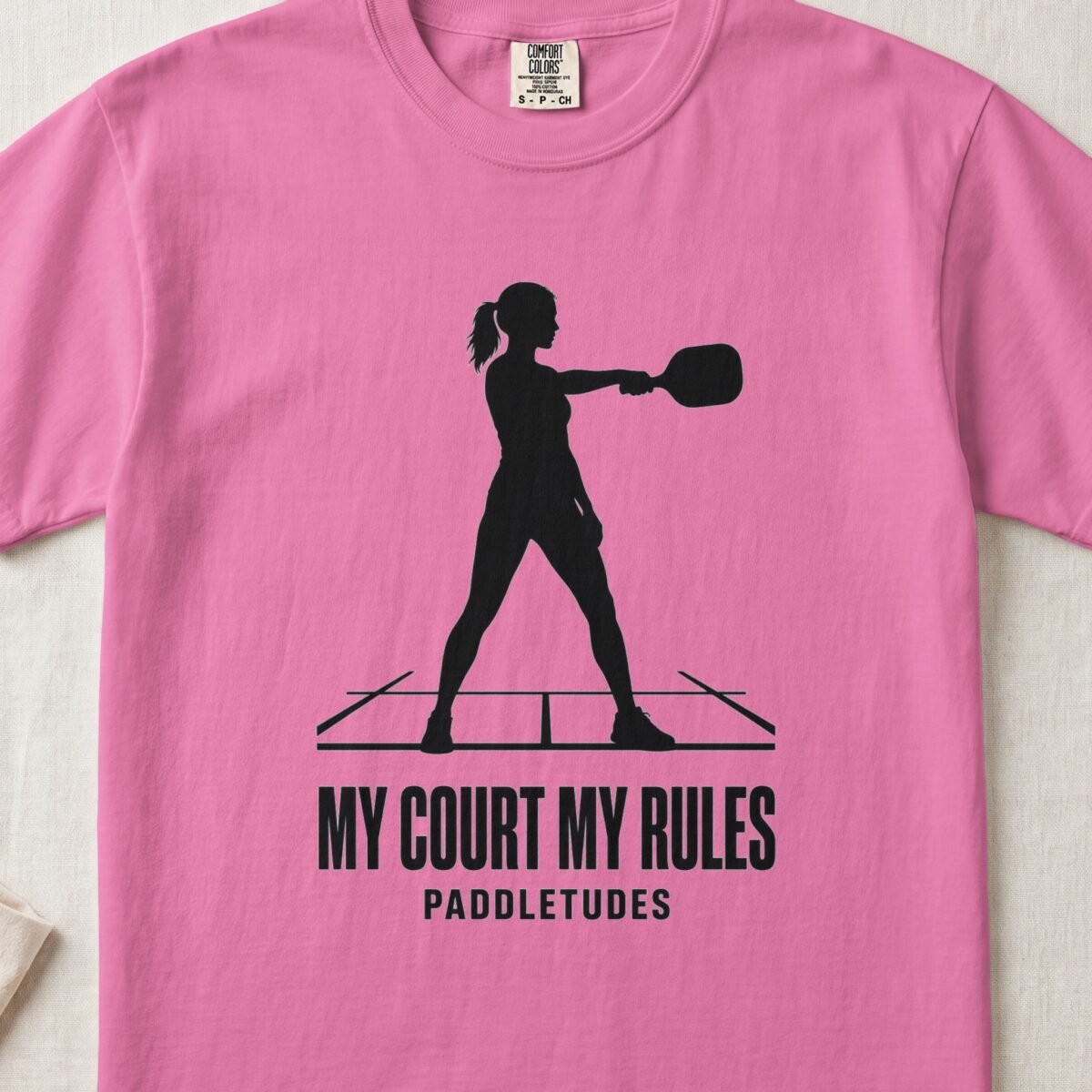
My Court My Rules
$29.99 Select options This product has multiple variants. The options may be chosen on the product page -
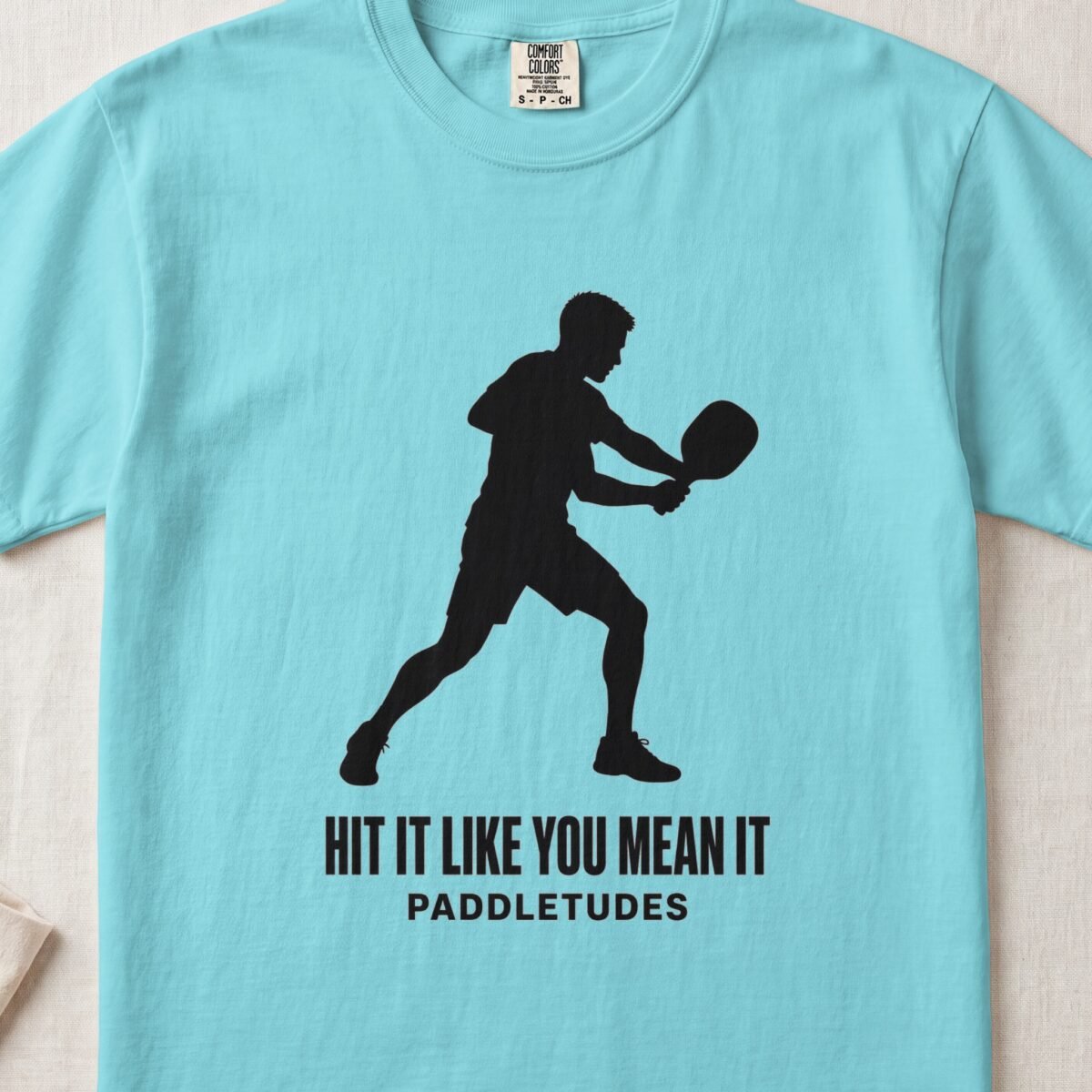
Hit It Like You Mean It
$29.99 Select options This product has multiple variants. The options may be chosen on the product page -
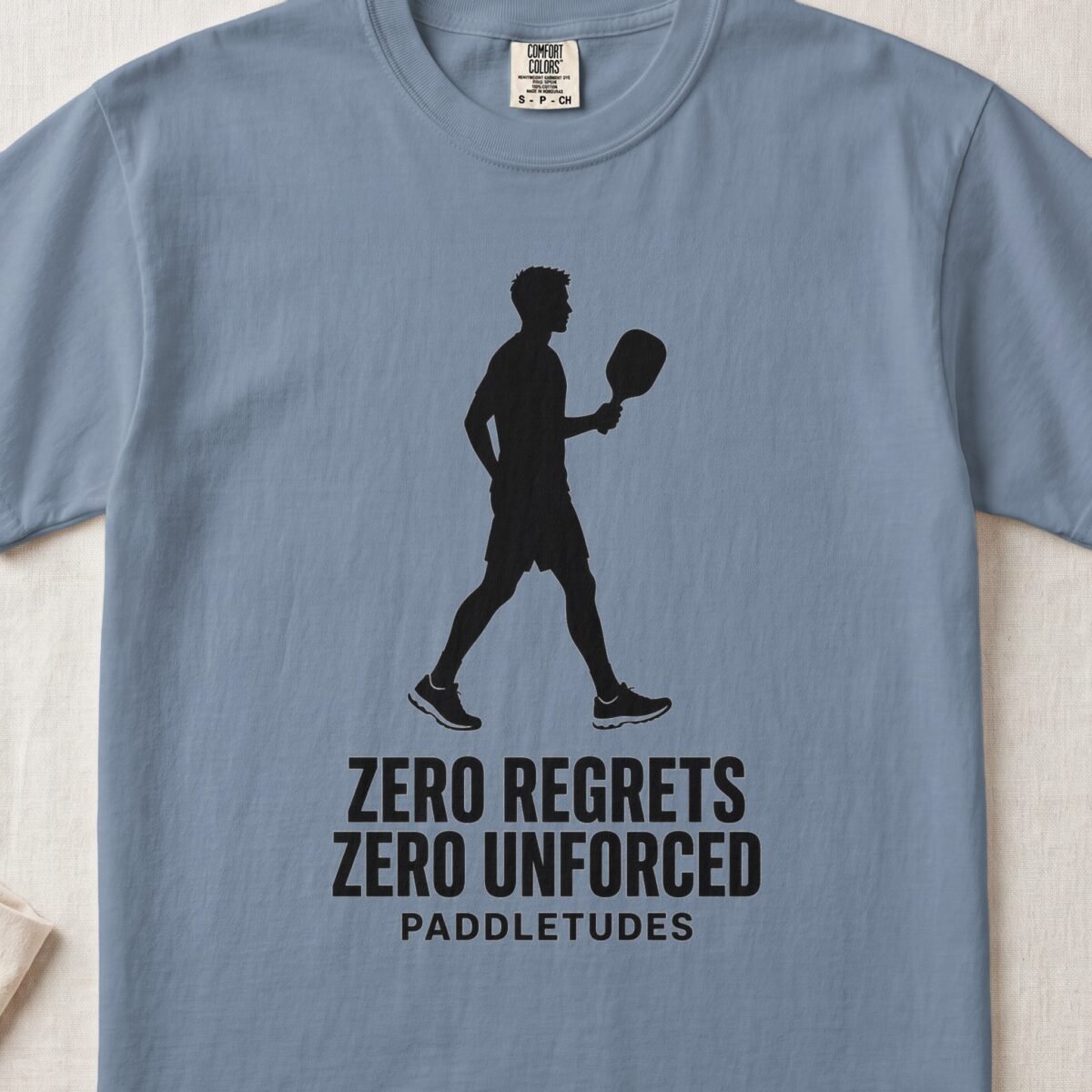
Zero Regrets Zero Unforced
$29.99 Select options This product has multiple variants. The options may be chosen on the product page