The Pickleball Move Nobody Teaches You and Tampa Bay’s Courts Where Everyone Knows It

Tampa Pickleball Started in an Ybor City Warehouse
The split step is the thing nobody teaches you and everybody who gets good eventually figures out. It is a small hop, both feet landing shoulder-width apart, timed to the exact moment your opponent makes contact with the ball. Done right, it puts you in a neutral athletic position that lets you move in any direction. Done wrong, or not done at all, you are flat-footed when the ball arrives and you are reaching instead of moving.
Every competitive pickleball player in Tampa Bay knows the difference. The person who does not split step is the one lunging sideways with their weight on their heels, looking like they just remembered they left the oven on.
Tampa Bay’s pickleball scene runs from the Ybor City warehouse district to the Warehouse Arts District in St. Petersburg, and it holds both ends of the skill spectrum in one metro area. Casual players who just discovered the sport and competitive players who drill footwork patterns before their morning coffee. The infrastructure built over the last two years reflects that range.
Ybor City Has Eighteen Courts and a Speed Dating Night
Tampa Pickleball Crew operates out of a 28,000-square-foot warehouse at 1701 East 2nd Avenue in Ybor City. Eighteen courts. Open-air but covered, which matters in Florida where a 2 PM thunderstorm can shut down outdoor play in ninety seconds. The facility was founded by Susan Forsyth, Jen Plummer, Dene Williamson, and Kayla Goldman, four women who understood that Tampa’s problem was not demand but access. Courts were packed. Wait times were long. Indoor options barely existed. They fixed it by taking a warehouse in the Gas Worx development and turning it into Tampa’s first dedicated indoor pickleball facility.
Court rental runs $40 an hour on weekday evenings and weekends, $30 before 4 PM on weekdays. Drop-in scramble sessions cost $14. The programming is structured by skill level and gender: women’s low intermediate on Monday mornings, women’s high intermediate on Tuesdays and Friday evenings, advanced on Thursday mornings at 8 AM, beginner on Saturday at 10, intermediate on Sunday afternoon. Coach-led Drill and Play sessions run $30 for an hour of targeted work on returns, serves, target placement, and, yes, footwork.
They also run a pickleball speed dating event. Love at first dink. That is not a sentence I expected to write about a warehouse in Ybor City, but Tampa does things its own way.
St. Pete Athletic Looks Like a Country Club That Happens to Have Pickleball
Across the bay, St. Pete Athletic Paddle and Social Club opened in January 2026 inside The Factory, a 90,000-square-foot arts and culture campus in the Warehouse Arts District at 680 28th Street South. The club itself takes up around 50,000 square feet and holds 14 indoor pickleball courts, 2 padel courts, and 6 table tennis tables. It is the only facility in Florida that houses all three paddle sports under one roof.
The founding team reads like a local power move. Graham D’Amico co-owns the MLP Florida Smash. Nathan Stonecipher co-founded Green Bench Brewing, one of St. Pete’s most recognized craft breweries. Jarrett Sabatini runs Intermezzo and Bar Mezzo. Reuben Pressman brought the vision together. The result is a facility that half its members joined without any intention of playing pickleball. They came for the restaurant, the cocktail bar, the coffee bar, the coworking space, the sauna, the cold plunge, the gym, the member lounge, and the garden.
The courts were a bonus.
Individual memberships are $250 a month. Couples pay $450. Families, $600. The membership cap is 800 and it is currently waitlisted. Day passes for non-members run $25 on weekdays, $40 on weekends. Court shoes are required. The dress code is not posted on a sign. It is communicated through the decor, which borrows heavily from the Soho House playbook: clean lines, warm lighting, the unspoken suggestion that you should look like you belong here.
Rose’s, the in-house restaurant, serves an all-day menu from 11 AM to 10 PM with a cocktail bar open until midnight. Green Bench Brewing has a dedicated concept inside the facility. You can show up at 7 AM for coffee and coworking, play three hours of pickleball in the middle of the day, eat a prime burger at Rose’s, and close out the evening at the bar, all without leaving the building. Pressman described half his members as people who joined specifically for the social side, not the athletics. That is the model.
The SPA Classic tournament carries a $10,000 prize purse across 36 divisions. St. Pete Athletic also runs Pickleball On The Pier at the St. Petersburg Pier, where anyone can drop in for $5 and rent equipment for another $5. No membership required. Courts open 10 AM to 7 PM weekdays, 8 AM to 9 PM weekends. That is the entry point for people who want to try the sport before committing to a $250 monthly membership across the bridge.
-
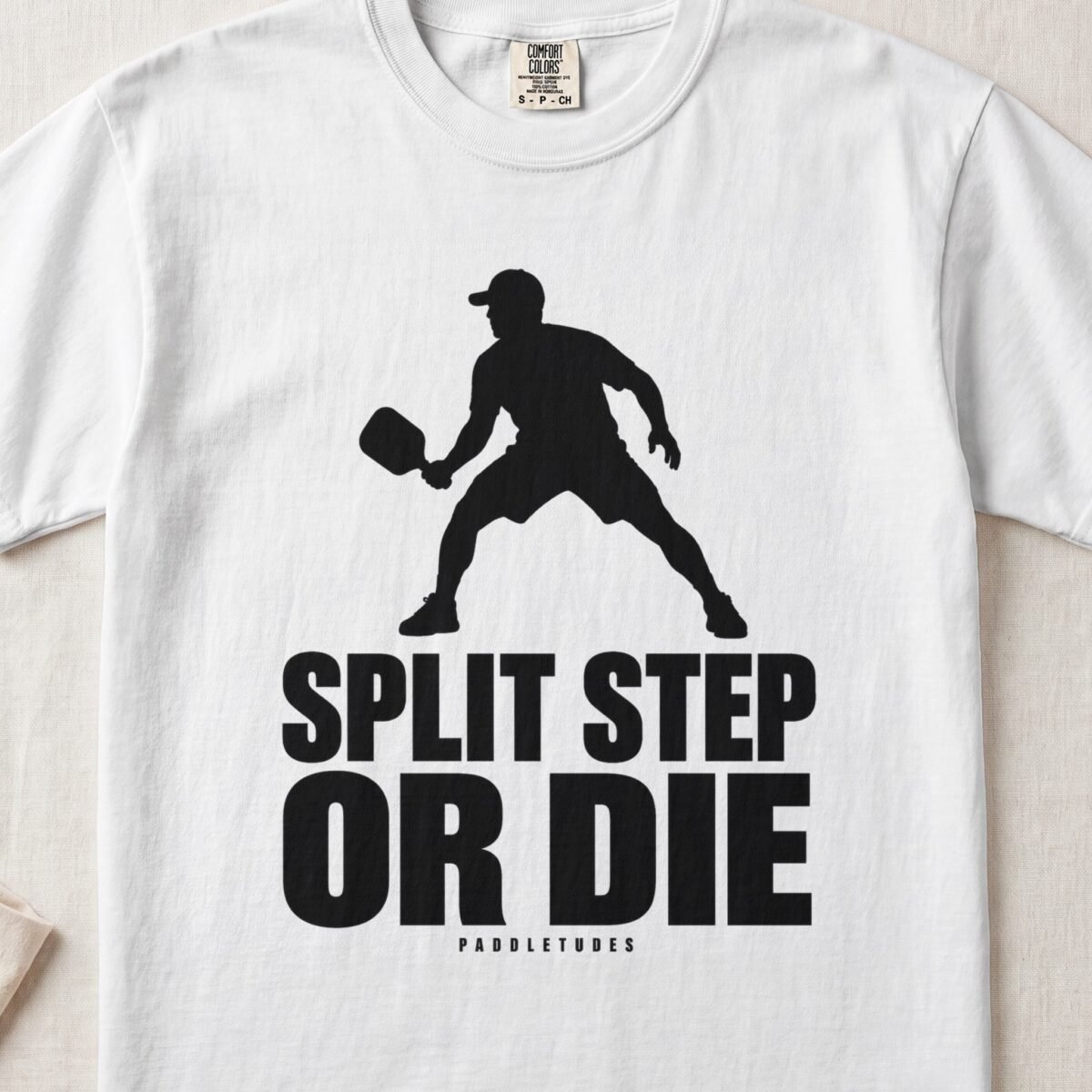
Split Step Or Die
$29.99 Select options This product has multiple variants. The options may be chosen on the product page -
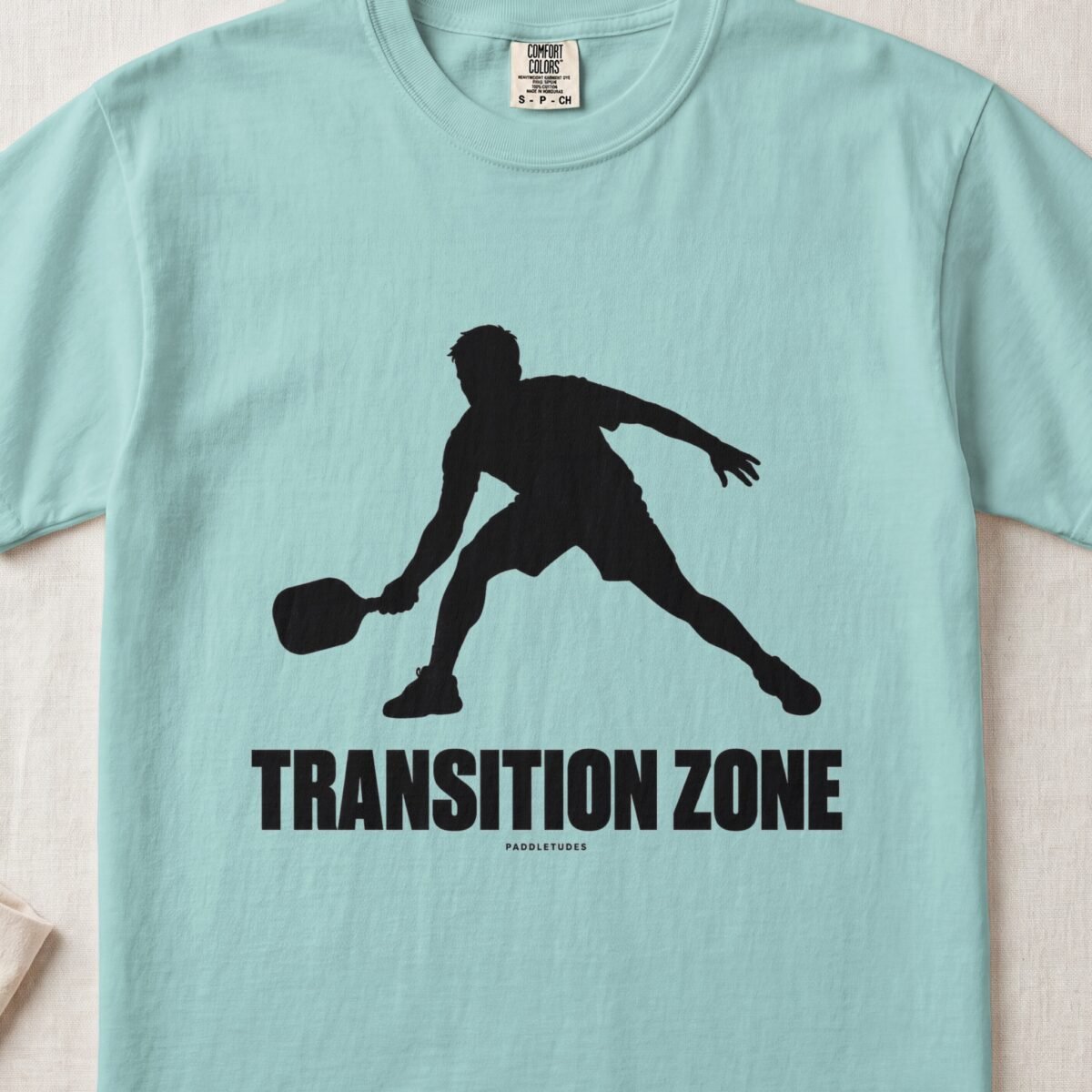
Transition Zone
$29.99 Select options This product has multiple variants. The options may be chosen on the product page -
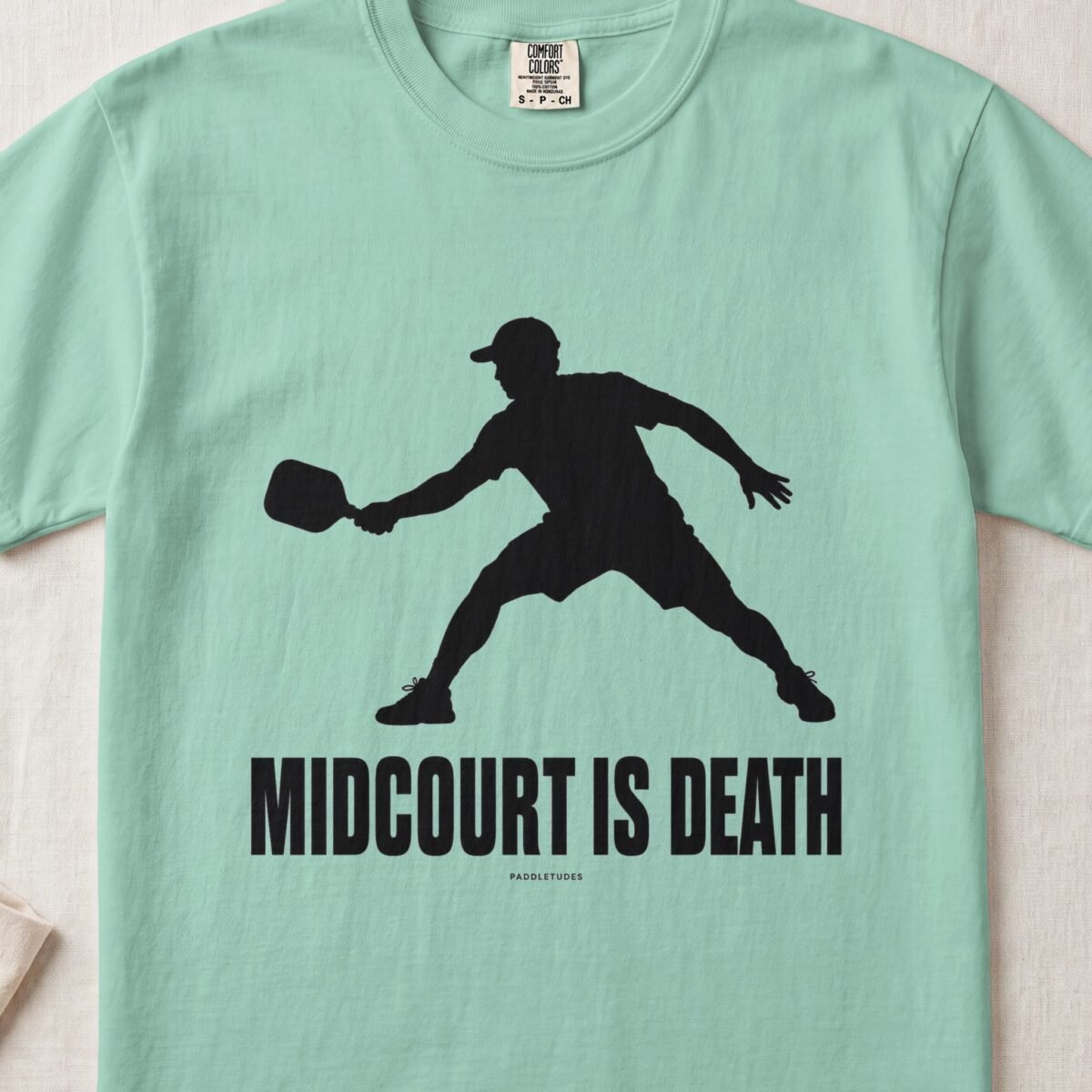
Midcourt Is Death
$29.99 Select options This product has multiple variants. The options may be chosen on the product page -
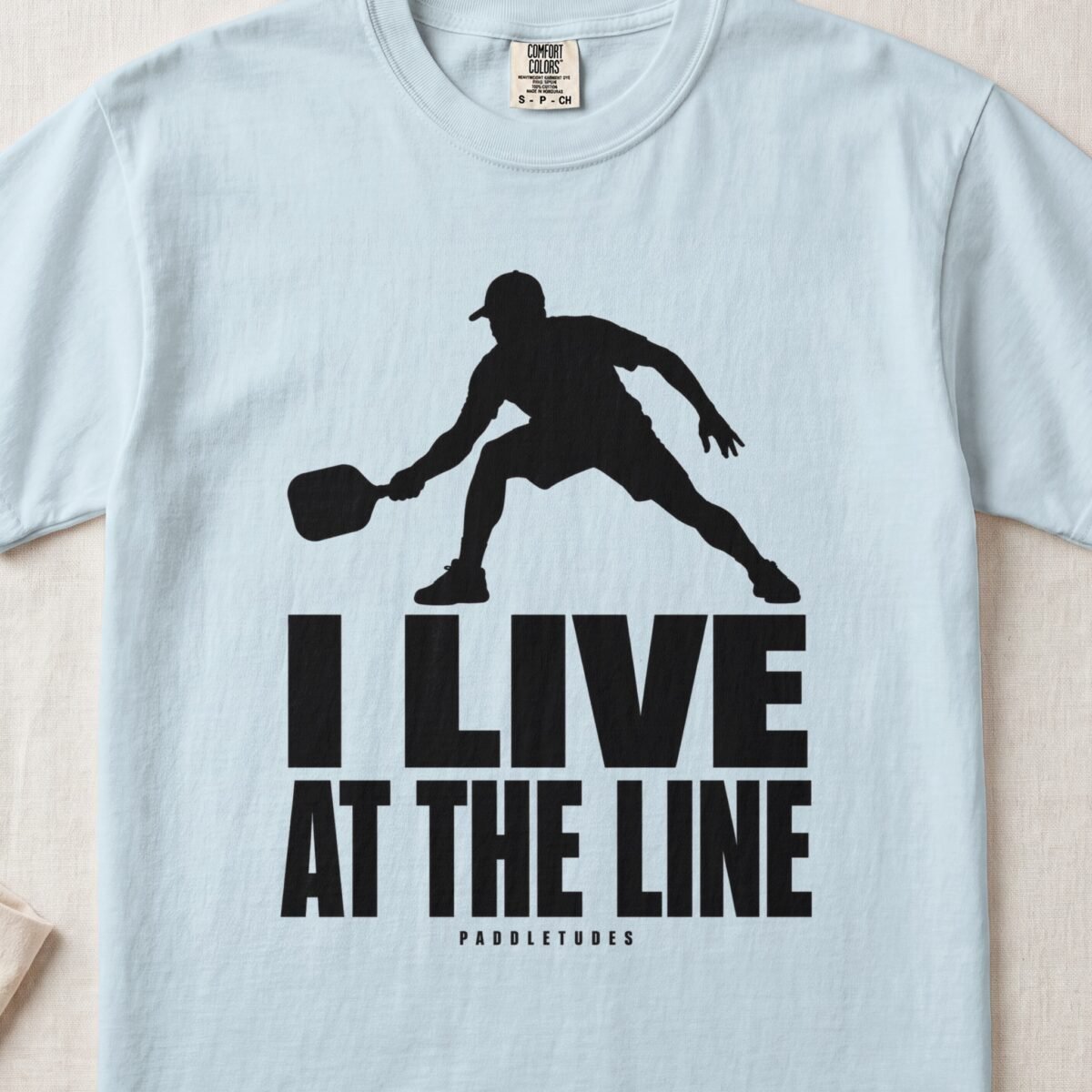
I Live At The Line
$29.99 Select options This product has multiple variants. The options may be chosen on the product page
The Rest of Tampa Bay’s Court Map
Dill Dinkers in St. Petersburg runs 10 indoor CushionX courts on 34th Street North. National franchise with a joint-friendly surface, membership that works at all locations nationwide, individual court fencing between each court, and a pro shop powered by Pickleball Central. CushionX is the surface that competitive players with knee issues seek out because it absorbs impact in a way that hard concrete courts do not.
When you are split stepping forty times a game, the surface under your feet matters more than the paddle in your hand.
The Pickleball Academy in Oldsmar, founded by brothers Kennedy and Ben Klaus under the TBPB brand, takes a different approach. Indoor, air-conditioned, professional acrylic courts. Structured skill-based play. They started in Tampa Bay and expanded across the Southeast to Lakeland, Savannah, Atlanta, and Greenville. The instruction philosophy is curriculum-driven: you come in at your current level, work through a progression, and leave measurably better. Lessons, classes, leagues, tournaments, private events. For someone who wants to go from a 3.0 to a 3.5, this is where the transition zone work happens.
Tampa’s public park system also runs pickleball programming across the city, with outdoor courts at multiple recreation centers. For outdoor play in the Tampa heat, early mornings are the window. By 10 AM in July, the court surface is hot enough to feel through your shoes.
What the Split Step Actually Does
What is a split step in pickleball?
A split step in pickleball is a small hop timed to the moment your opponent makes contact with the ball, landing on both feet shoulder-width apart in a neutral athletic position. It loads your body to move laterally in any direction. The technique comes from tennis, badminton, and volleyball, and it is the single most important footwork habit that separates intermediate players from competitive ones.
The split step exists because pickleball is a reaction sport. You do not know where the ball is going until your opponent hits it. If you are standing still when that happens, your first movement is a weight shift, then a step, then a push. That takes time. If you are mid-hop and landing on the balls of your feet at the moment of contact, your body is already loaded to move. The time savings is fractions of a second, but fractions of a second at the kitchen line are the difference between a clean volley and a ball that gets past you.
Tennis players have done it for decades. Badminton players. Volleyball players. Any sport where you need to react laterally to an incoming shot uses some version of this movement. Pickleball adopted it as the transition zone became the most important part of the court, that stretch of no-man’s-land between the baseline and the kitchen line where points are won and lost by whoever gets their feet right.
What is the difference between a 3.0 and a 4.0 pickleball player?
The footwork gap between a 3.0 and a 4.0 player is not about speed. It is about preparation. A 3.0 player reacts after the ball is hit. A 4.0 player prepares before the ball is hit. That preparation is the split step. At the competitive end of Tampa Bay’s scene, from the tournament courts at St. Pete Athletic to the advanced Thursday morning sessions in Ybor City, everyone does it.
Every facility in Tampa Bay, from the $14 drop-in scramble at Tampa Pickleball Crew to the $250-a-month membership at St. Pete Athletic, has players who do this unconsciously. They land, they read, they move. The hop is so small you might not see it from the sideline. But it is there. And it is the reason that player just got to a ball you thought was unreachable, turned it into a reset, and walked calmly to the kitchen line while you were still wondering what happened.
Nobody teaches it first. You learn the rules, you learn the serve, you learn the kitchen line, you learn to dink. Somewhere around the 3.5 level, someone tells you about the split step, or you watch a 4.5 player and notice they never seem to be in the wrong spot.
That is the moment the game changes.
-

Dr Paddletudes Overhead Elixir
$39.99 Select options This product has multiple variants. The options may be chosen on the product page -
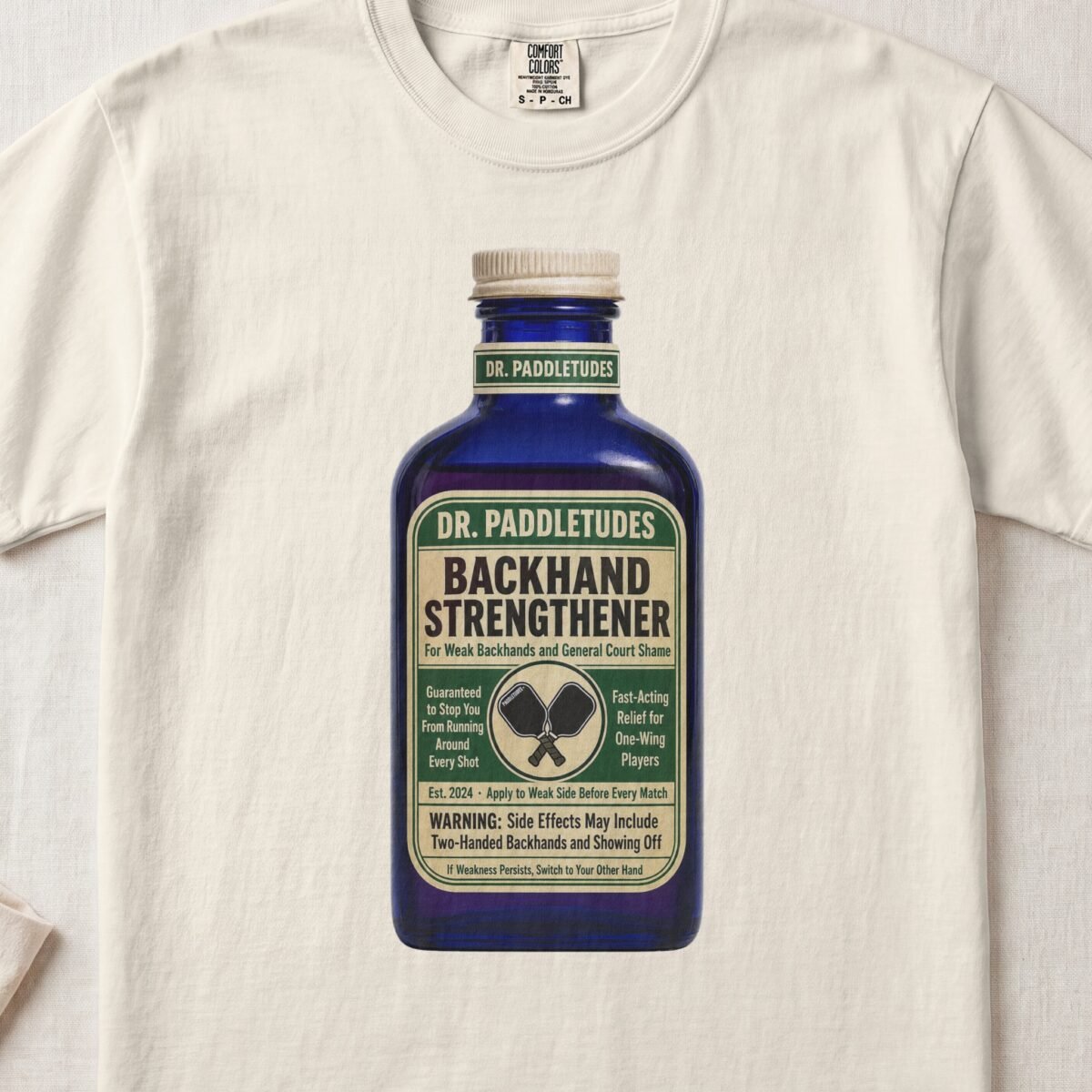
Dr Paddletudes Backhand Strengthener
$39.99 Select options This product has multiple variants. The options may be chosen on the product page -
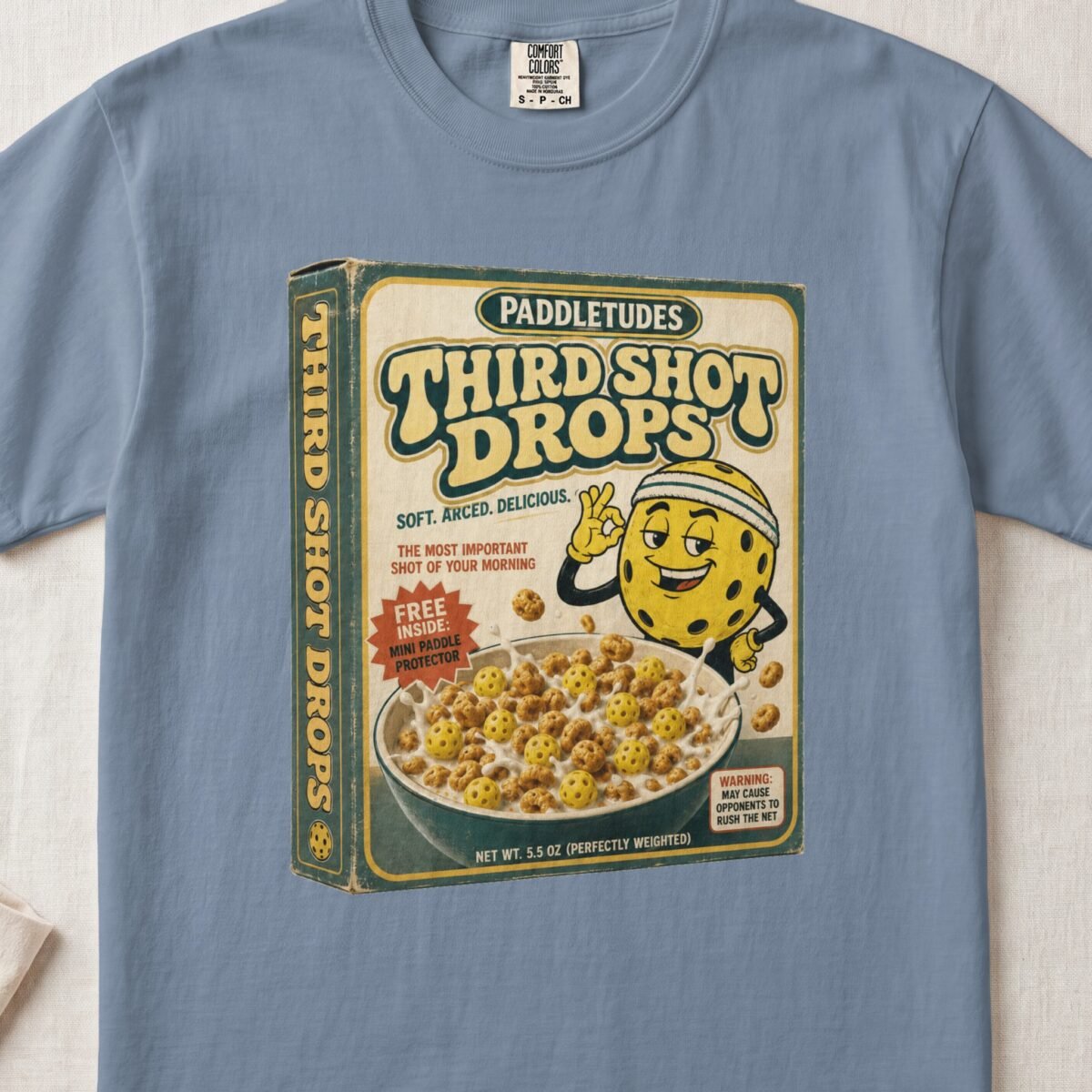
Third Shot Drops
$39.99 Select options This product has multiple variants. The options may be chosen on the product page -

Kitchen Foot Cure
$39.99 Select options This product has multiple variants. The options may be chosen on the product page