The Corgi Who Built Seattle’s Dog Culture (And the Sport That Started Next Door)
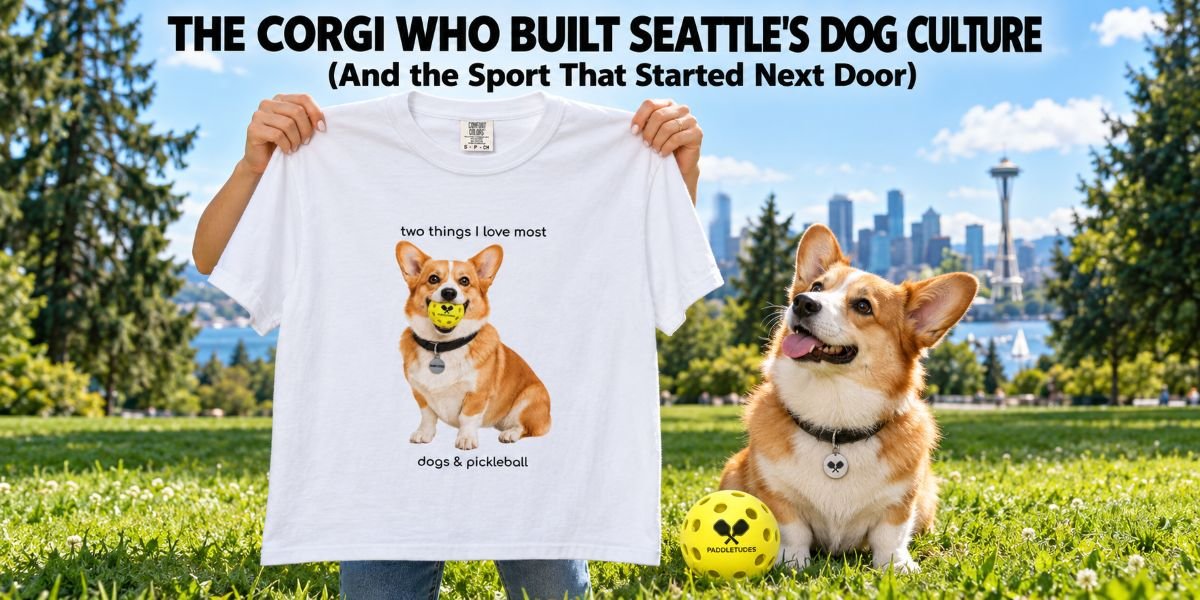
A Corgi named Rufus is the reason Amazon lets dogs into its offices. In 1998, Rufus belonged to Amazon’s editor-in-chief and principal engineer, and he showed up to work every day at the company’s early Seattle headquarters like he was on the payroll. He attended meetings. He napped in his crate. He chased tennis balls down the hallway. Employees would place his paw on a computer mouse to click products live during launches. When Amazon grew from a warehouse into a global company, they wrote Rufus into the lease agreements with new landlords so he could keep coming. He died in 2009, but there’s a building on the Amazon campus named after him. Today, over 10,000 dogs are registered to come to work at Amazon’s Seattle headquarters, and Corgis remain one of the most popular breeds on campus. A Welsh Corgi literally built the dog-friendliest workplace culture in America.
Seattle is the most dog-obsessed city in the country. There are more dogs than children living within the city limits. Rover, the pet services company, is headquartered here. Dog-friendly bars, restaurants, offices, and parks are the default, not the exception. And 35 minutes across the Puget Sound by ferry sits Bainbridge Island, where pickleball was invented in 1965 in Joel Pritchard’s backyard. The most dog-friendly city in America and the birthplace of the fastest-growing sport in America are practically neighbors. The Corgi in between them connects both worlds perfectly, because Corgis don’t just participate in things. They take over.
The Dog That Thinks It’s in Charge
Why do Corgis try to herd everything that moves?
Because they were bred to do exactly that, and a few centuries of living in apartments hasn’t changed the wiring. Pembroke Welsh Corgis were cattle herding dogs in Wales, and they moved animals by nipping at their heels and darting underneath them. The low center of gravity wasn’t a cute accident. It was functional. A Corgi is built close to the ground so a cow’s kick passes over its head. That same instinct now gets redirected at children, other pets, joggers, bicycles, and anyone walking through the house in the wrong direction.
Corgi owners know the look. The dog locks eyes on something that’s moving, drops into a crouch, and starts circling. Kids in the backyard get herded into a corner. Cats get cut off from doorways. Guests walking from the living room to the kitchen get ankle-nipped with a precision that suggests the dog has been planning the route. None of this is aggression. It’s project management. The Corgi has decided where everyone should be, and it’s executing the plan.
This is the same energy that makes Corgis hilarious to live with. They argue with you. Not barking, but actual vocalized opinions delivered in grumbles, groans, and a specific whine that every Corgi owner can distinguish from the “I’m hungry” whine. They sploot on the floor with their back legs stretched out behind them like a tiny bearskin rug. They follow their favorite person from room to room with the dedication of a security detail. And they are absolutely, spectacularly stubborn about things they’ve decided are their business.
Are Corgis good family dogs?
They’re great family dogs, but they come with fine print. Corgis are loyal, protective, intelligent, and genuinely funny to be around. They bond deeply with their families and treat the household like their personal jurisdiction. They’re small enough for apartments but athletic enough for long hikes. They learn commands fast because they’re one of the smartest breeds on the planet.
The fine print is the herding. Small children will get nipped at the heels. Not out of meanness, but because the Corgi has decided the child is going the wrong way and needs to be redirected. This is trainable, but it takes consistency and patience, because the Corgi is convinced it knows better than you about where the toddler should be walking. The other fine print is the barking. Corgis are vocal. They were watchdogs on farms, which means they announce everything. The mailman. A leaf. A sound three blocks away that only the dog heard. This is also trainable, but you need to start early, because a Corgi that learns barking works will never stop volunteering its opinion.
The people who love Corgis don’t love them despite these traits. They love them because of them. A Corgi has more personality per pound than any breed alive. They’re the dog that will stare you down when you tell them to get off the couch, then slowly, deliberately, lie down while maintaining eye contact like they’re daring you to say it again. They’re the dog that learns to open the treat drawer, then acts surprised when you catch them. They’re the dog that every other dog owner at the park recognizes by name after one visit because the Corgi made absolutely sure everyone noticed it arrived.
Owning one is like living with a very small, very confident middle manager who sheds.
Where the Sport Started and Where the Dogs Live
Where was pickleball invented?
On Bainbridge Island, Washington, in the summer of 1965. Joel Pritchard, a congressman, came home from a golf game and found his family bored. The badminton court in the backyard had no shuttlecock, so he and his friend Bill Bell improvised with a wiffle ball, lowered the net, and made paddles out of plywood. The game stuck. The rules evolved. And sixty years later, pickleball is played by nearly 50 million people in the United States.
Bainbridge Island is a 35-minute ferry ride from the Seattle waterfront. Battle Point Park on the island still has six dedicated Founders Courts, and they carry a significance in the pickleball community that’s hard to overstate. Playing there is a pilgrimage. The courts are free, first-come-first-served, and maintained by a community that understands exactly what happened in their backyard.
The proximity matters for this article because Seattle didn’t become a pickleball city by accident. The sport was born next door. The culture seeped across the water. And now the Seattle metro area has 196 pickleball venues with over 700 courts. The city that built the most dog-friendly workplace culture in the world also happens to sit 35 minutes from the birthplace of America’s fastest-growing sport. The Corgi holding a pickleball isn’t a random pairing. It’s geographic destiny.
Where can you play pickleball in Seattle?
Everywhere, and the list keeps growing. Lower Woodland Park has 12 dedicated courts and is the most popular public venue in the city. Green Lake has six dedicated courts in a setting that makes you forget you’re playing in a major metro. Bitter Lake Community Center in North Seattle has 11 courts (eight outdoor, three indoor), all free to play with reservable court times, lights for evening play, and restrooms.
The indoor scene is expanding fast because Seattle’s rain makes outdoor play unreliable eight months a year. The Picklr opened a location in Fremont with pristine courts and a growing membership. Side Out Tsunami Pickleball Center in South Seattle is building what will be Washington’s largest dedicated indoor facility with 26 courts. Rally Pickleball Club in Auburn runs 14 pro-level indoor courts. The Seattle region is adding nearly 150 new courts across nine major facilities, with openings rolling through 2026.
The Seattle Parks system is actively building its racquet sports strategy, with designated pickleball hubs across the city. The parks department’s approach separates “open play” venues from “drop-in/reservation” venues, so you can find both casual walk-up courts and structured play depending on what you’re looking for. For a city that gets 37 inches of rain a year, the investment in indoor and covered facilities is what keeps the sport growing year-round.
If you make the trip to Bainbridge, take the ferry from the downtown Seattle waterfront to Winslow. It’s a 35-minute ride with views of the Olympic Mountains and the city skyline. Battle Point Park is a 10-minute bike ride from the terminal. Play a game on the courts where the sport started, then grab lunch on the island before heading back. It’s the kind of day trip that only works if you live in Seattle, which is one more reason the city’s pickleball culture runs deeper than most people outside the Pacific Northwest realize.
-
Poodle Happy
$39.99 Select options This product has multiple variants. The options may be chosen on the product page -
Bulldog Happy
$39.99 Select options This product has multiple variants. The options may be chosen on the product page -
Boston Terrier Sad
$39.99 Select options This product has multiple variants. The options may be chosen on the product page -
Great Dane Sad
$39.99 Select options This product has multiple variants. The options may be chosen on the product page
Why Corgis and Pickleball Belong Together
What is the best gift for someone who loves Corgis?
Something that tells them you actually understand the breed, not just that you know they own a dog. Generic dog gifts are fine. Breed-specific gifts are better because they signal that you’ve paid attention to what makes their particular dog ridiculous. A Corgi lover doesn’t just love dogs. They love the sploot. They love the arguing. They love the tiny legs and the enormous attitude. They love telling stories about the time their Corgi tried to herd the Roomba.
A shirt with their breed on it works because it’s identity, not just merchandise. The Corgi person wears it to the dog park, to the vet, to the farmer’s market, and every other Corgi owner within eyeshot will comment on it. Breed-specific apparel is a conversation starter in a community that never needs encouragement to start conversations. It’s also the kind of gift that works for birthdays, holidays, and the specific occasion of “I saw this and thought of you and your insane dog.” That last one is how most Corgi gifts actually get bought.
Can you bring your dog to pickleball?
It depends on the facility, and the answer is more often yes than you’d think, especially in a city like Seattle. Most outdoor public courts allow leashed dogs. Some indoor facilities are dog-friendly in their lounge and social areas but not on the courts themselves. The concern is straightforward. A Corgi watching a wiffle ball bounce back and forth across a net is going to want to get involved. The herding instinct doesn’t distinguish between a sheep and a pickleball. If the ball is moving, the Corgi has opinions about where it should go.
The better question is whether your dog will let you play. Corgi owners who play pickleball outdoors have all experienced the moment when the dog decides the ball belongs to them. The low drive, the quick paws, the absolute conviction that this is now their job. It’s the same instinct that makes them herd kids, applied to a sport with a ball that’s the perfect size for a Corgi mouth. You don’t bring a Corgi to pickleball. The Corgi brings itself to pickleball and then tries to run the court.
Seattle’s dog-friendly culture means more venues accommodate dogs than in most cities. The parks with outdoor courts generally allow leashed dogs in adjacent areas. The indoor clubs vary, so check before you show up with your four-legged doubles partner.
-
Rally Pickleball Hoodie
$65.99 Select options This product has multiple variants. The options may be chosen on the product page -

Strong Pickleball Hoodie
$65.99 Select options This product has multiple variants. The options may be chosen on the product page -
My Court My Rules
$29.99 Select options This product has multiple variants. The options may be chosen on the product page -
Built Different
$29.99 Select options This product has multiple variants. The options may be chosen on the product page
The reason Corgis and pickleball pair so well isn’t the obvious one. It’s not just that both are trendy, or that both photograph well, or that putting a pickleball in a Corgi’s mouth makes people stop scrolling. It’s that both are constantly underestimated. Pickleball looks like a backyard game until you play against someone who knows what they’re doing. Corgis look like a decorative breed until one decides to herd your entire family into the kitchen at dinnertime.
Both are faster than they look. Both are smarter than people expect. And both have a way of taking over a room, a court, or a city without asking permission first. Seattle figured both of these things out before the rest of the country did, which is probably why a Corgi and a pickleball feel like they belong together. In this city, they always have.
If you know someone who loves Corgis and plays pickleball, you don’t need to keep looking for the gift. You already found it.