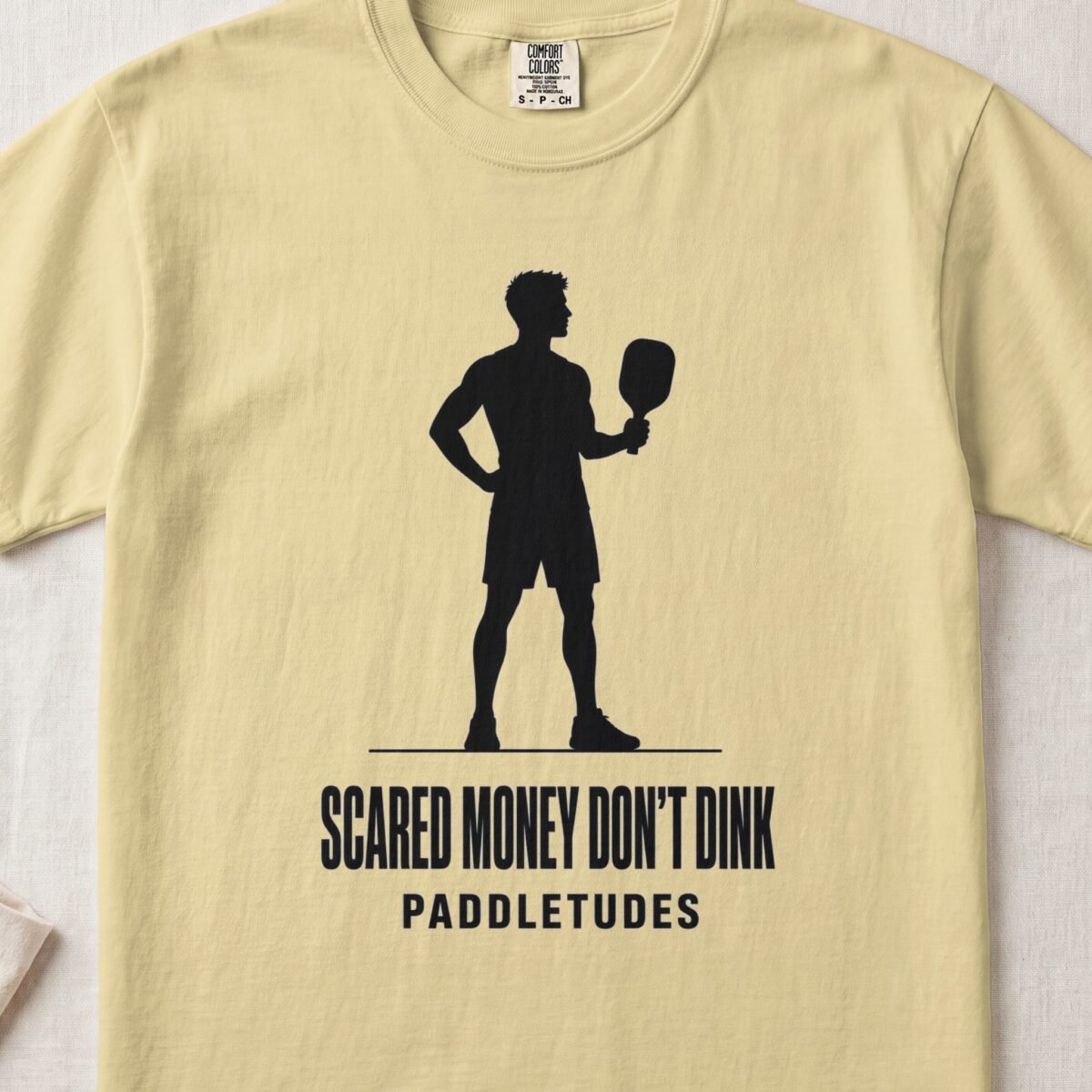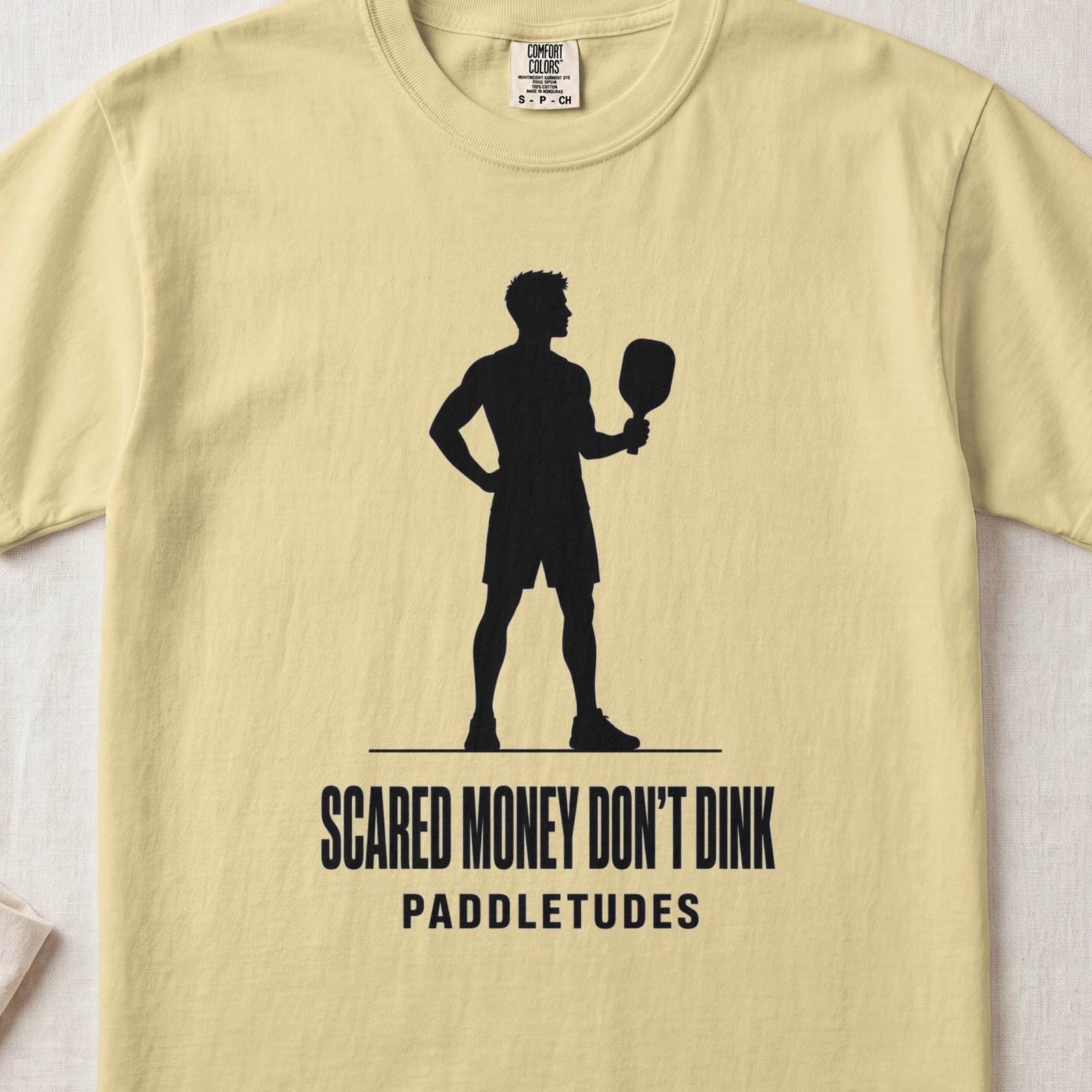
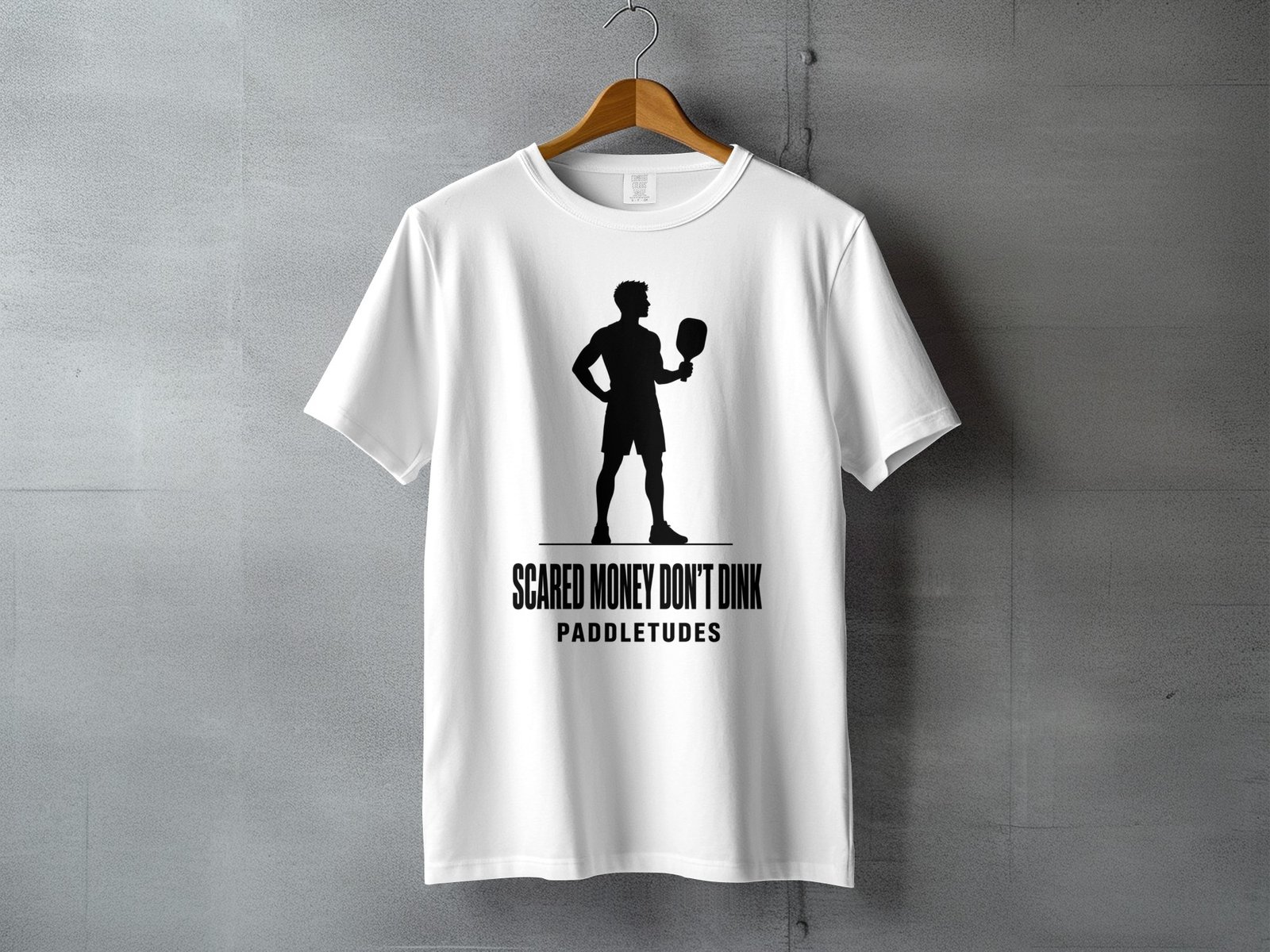

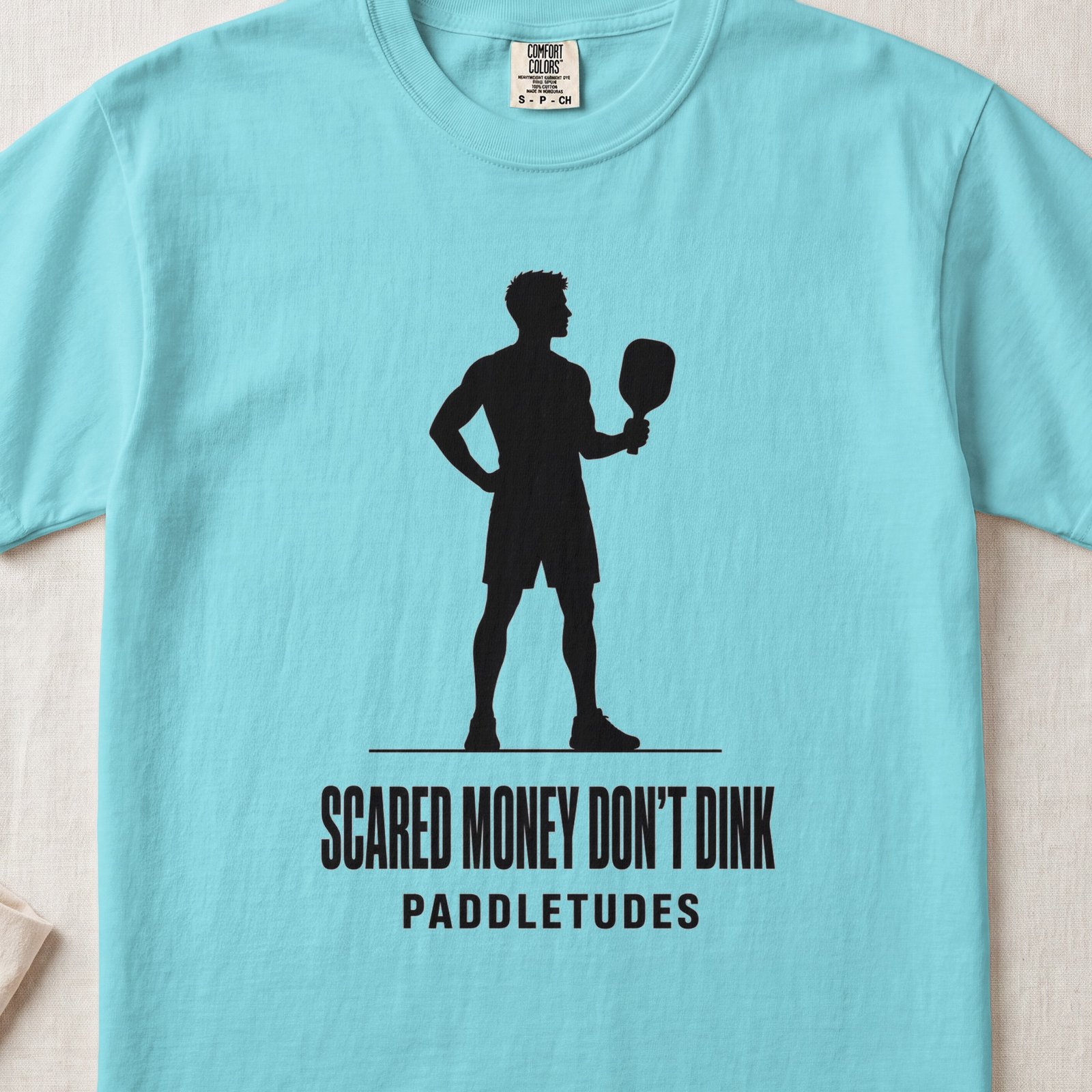
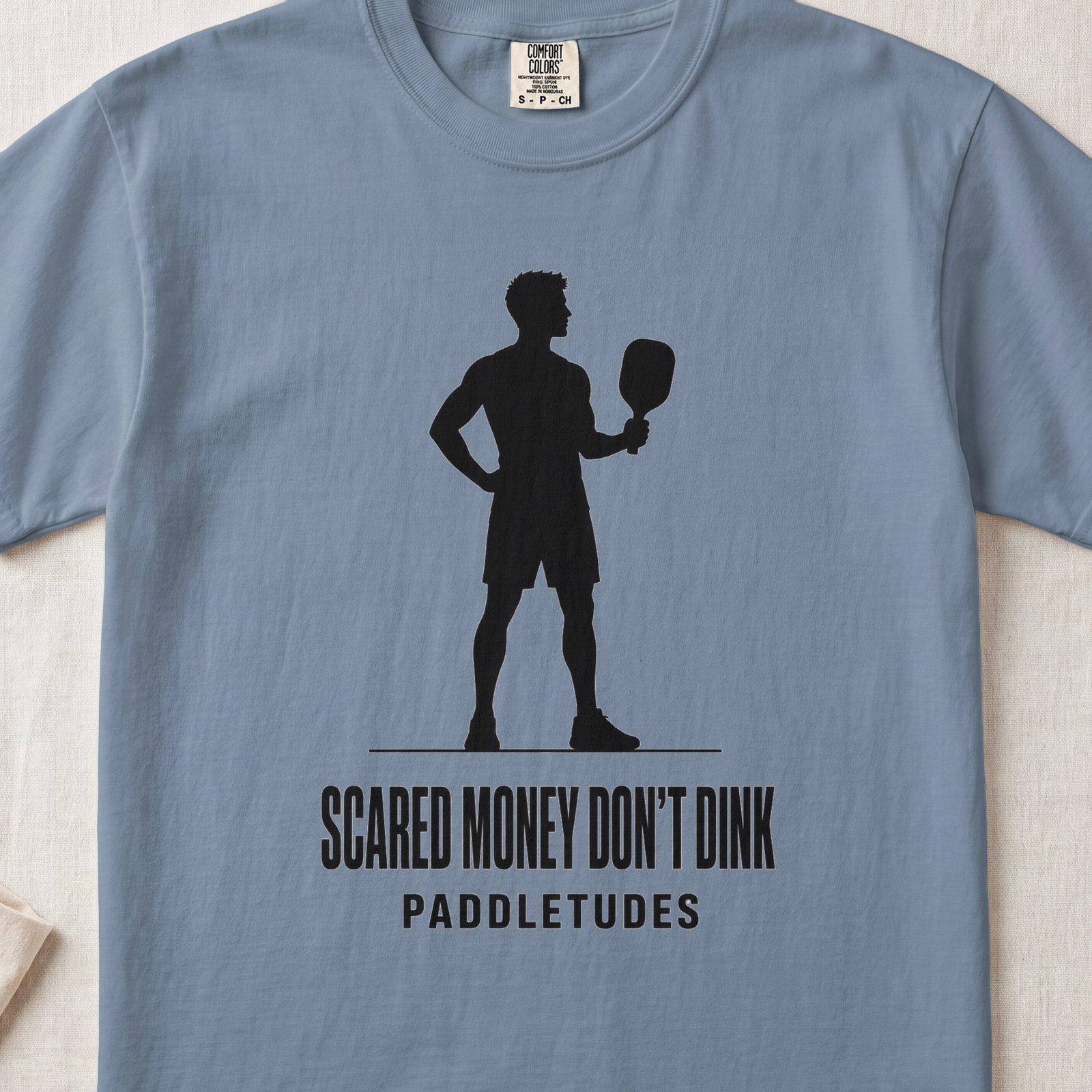
Sports Comfort Colors 1717
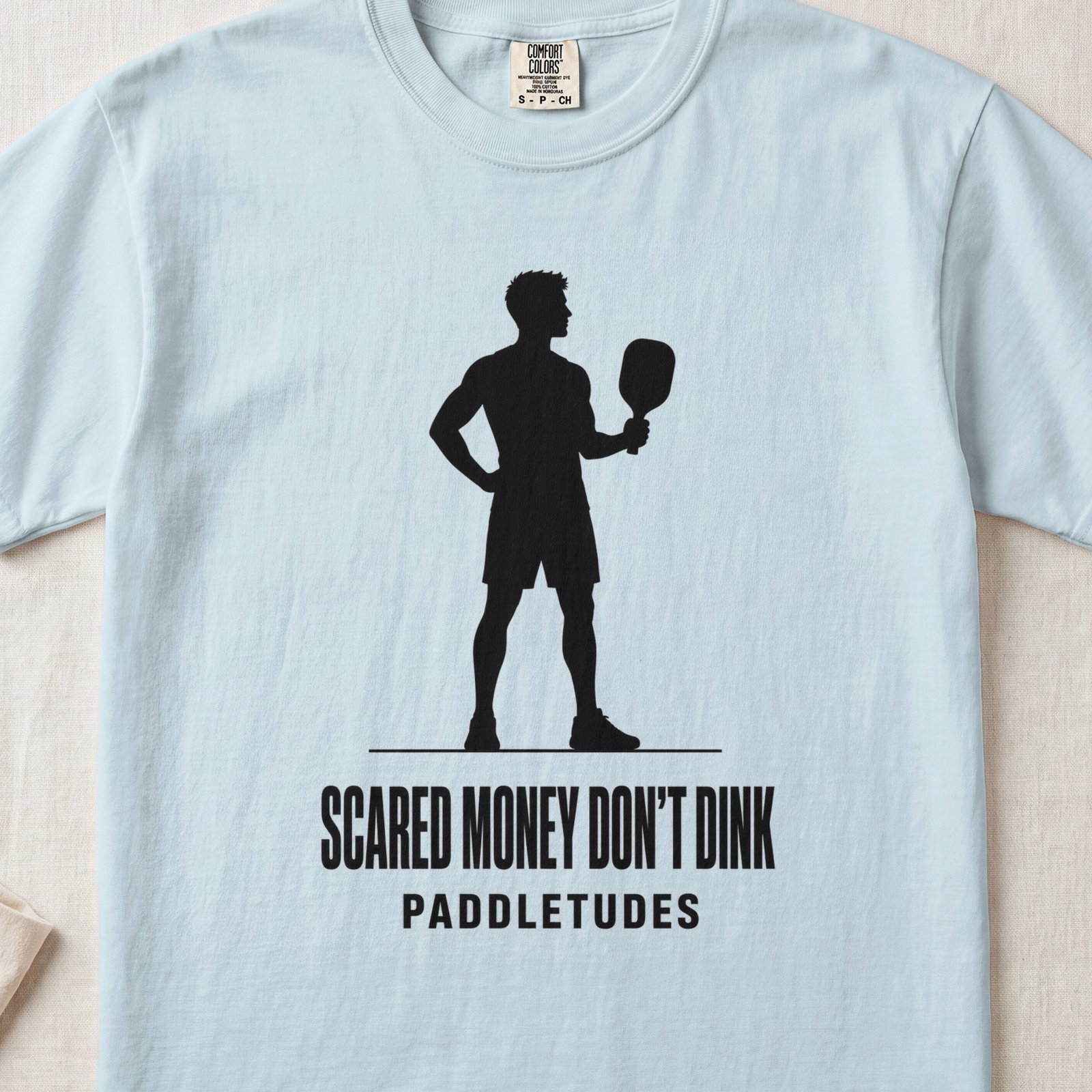
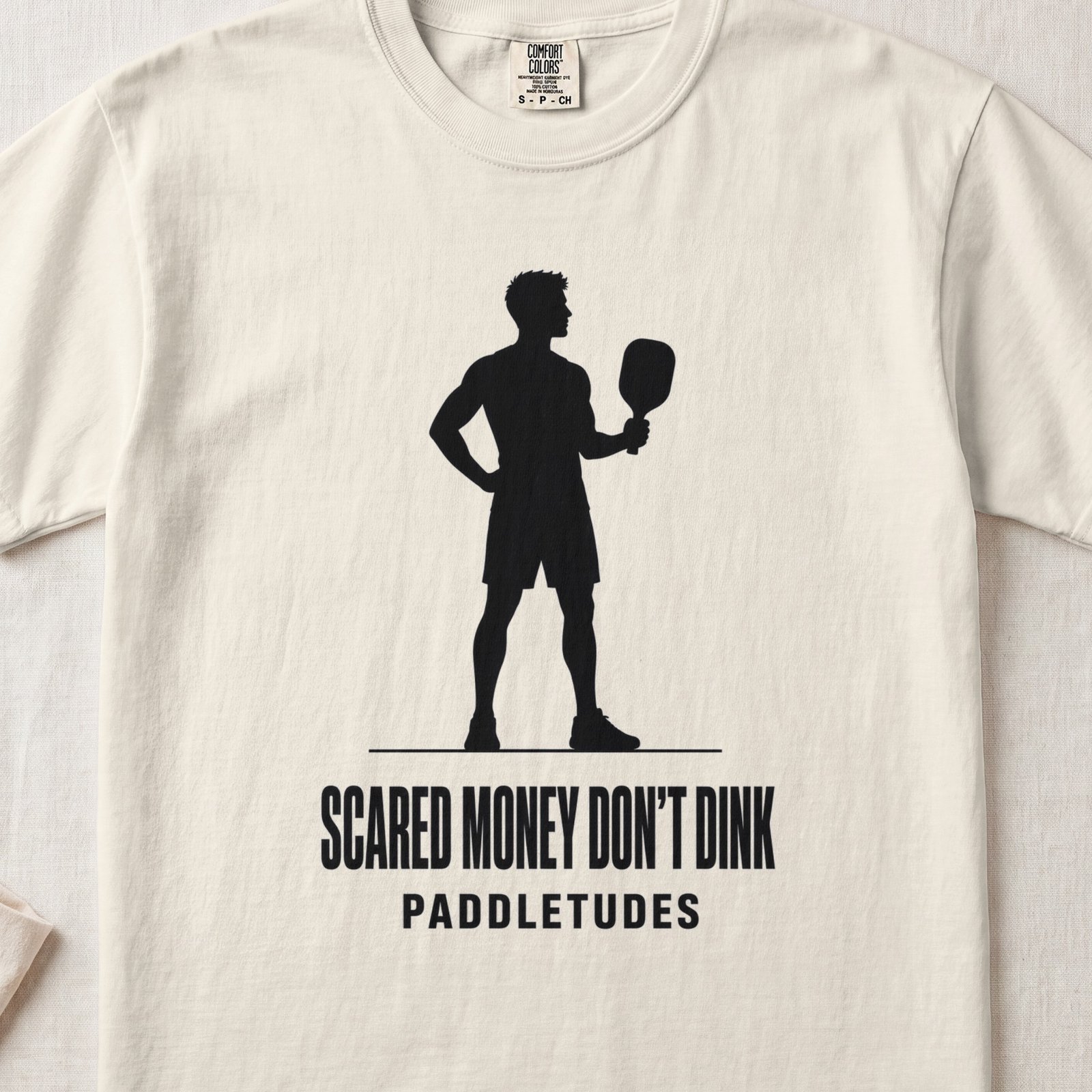
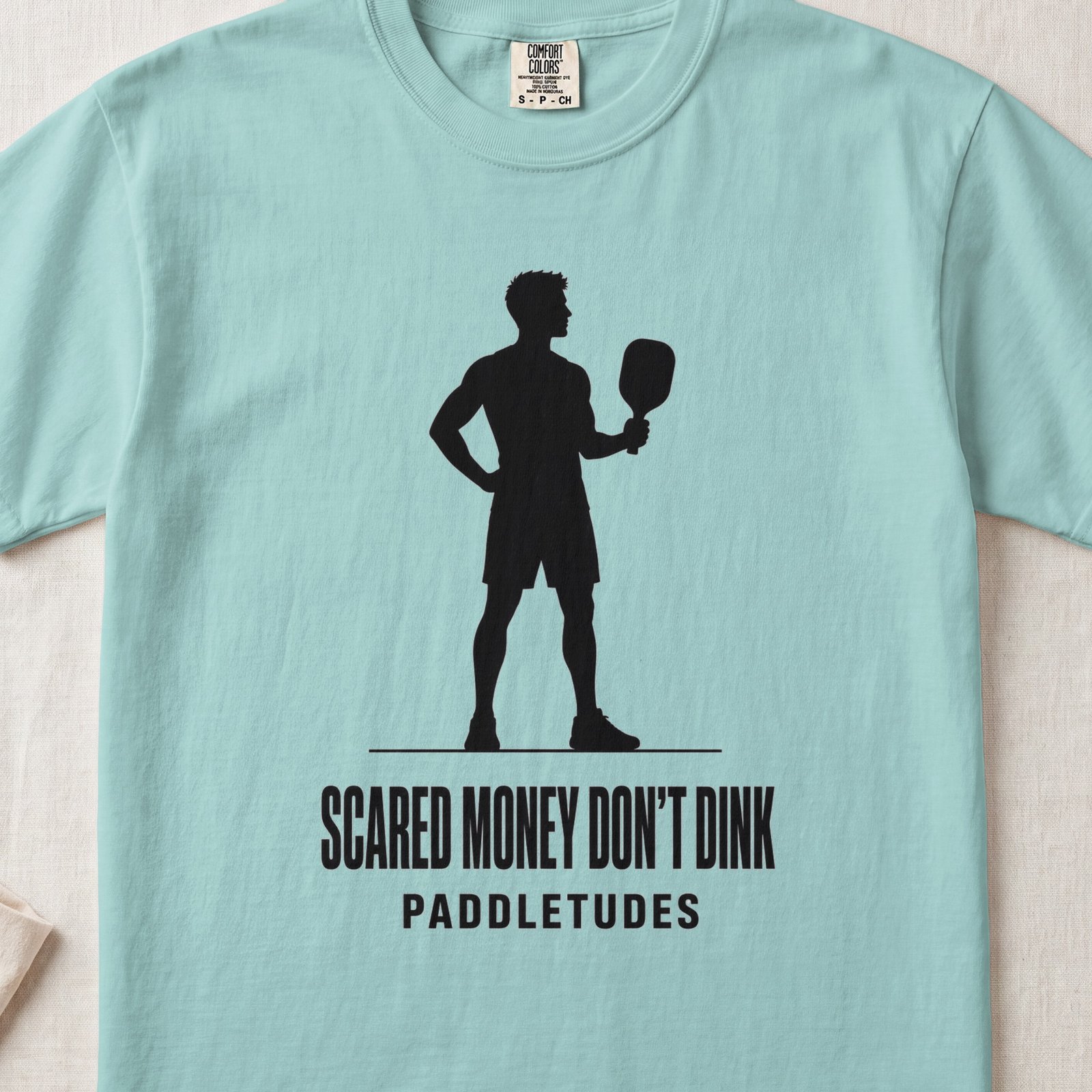
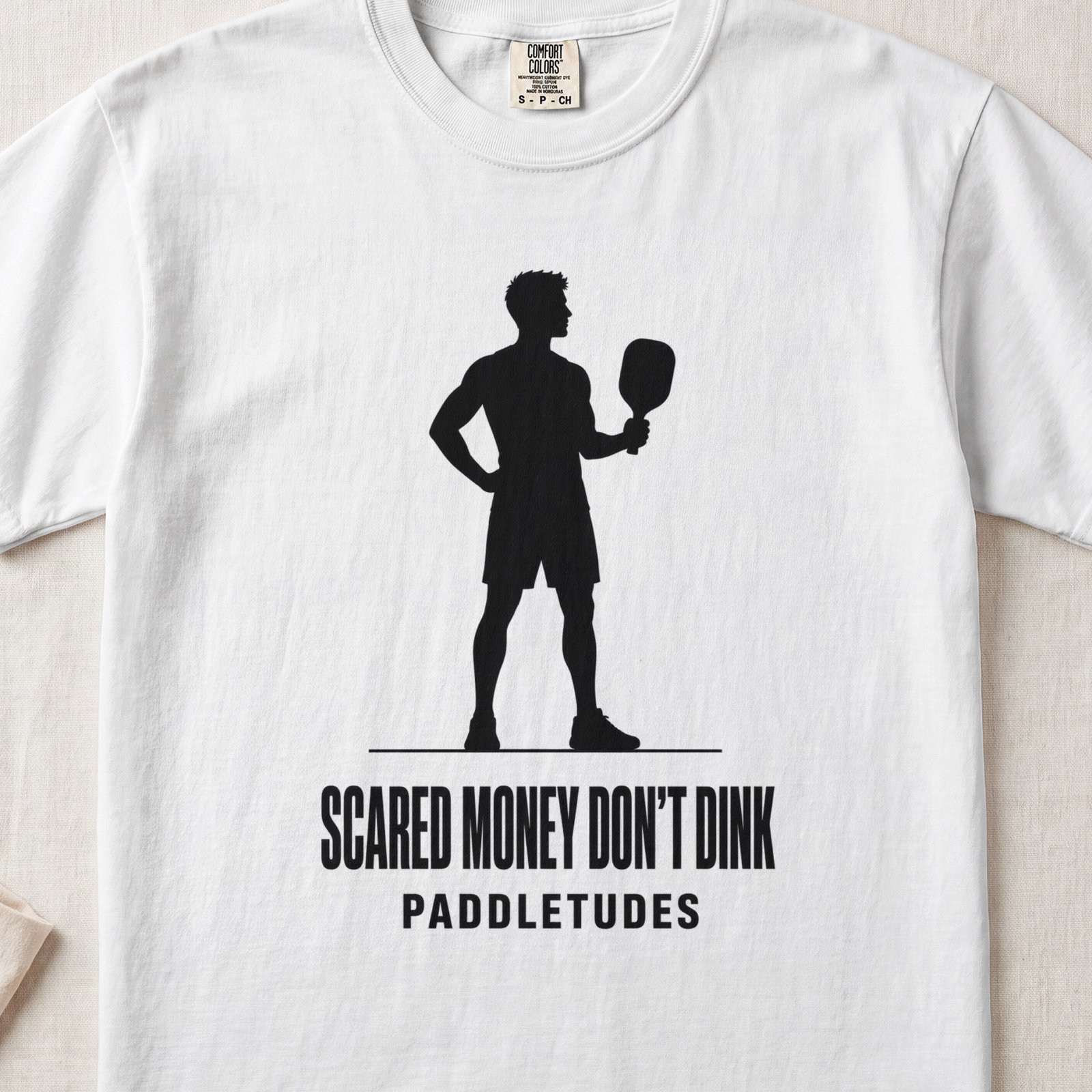
Scared Money Don’t Dink
$29.99
- Comfort Colors 1717 heavyweight cotton
- Original design · printed to order
- U.S. print partners
Scared Money Don’t Dink — For the Player Who Commits to the Soft Game When Everyone Else Panics
Scared money don’t dink. That’s not just a funny pickleball shirt slogan. It’s a scouting report on every player who speeds up because they can’t handle the patience a dink rally demands.
You’ve seen the player who falls apart at the kitchen line. Ball comes soft, they’re fine for two exchanges, and then something in their brain says this is taking too long and they rip a drive into the net. Or worse, they rip a drive that pops up because they rushed the contact point, and the other team puts it away. That’s scared money. Not scared of losing. Scared of the silence. Scared of standing three feet from someone on the other side of the net and trading soft shots until one of them makes a mistake. The dink rally is the part of pickleball where patience is the weapon, and the player wearing this shirt has more of it than you want to deal with.
The phrase borrows from a gambling line that’s been around longer than pickleball. Scared money doesn’t bet big because it can’t handle the risk. In pickleball, scared money doesn’t dink because it can’t handle the tension. A well-executed dink rally at the competitive level might go 15, 20, 25 shots before someone creates an opening. Each shot is a decision. Cross-court or straight? Higher arc or lower? Closer to the sideline or safer to the middle? The player who blinks first usually loses, and the player in this shirt has stopped blinking. If you’ve played against someone who makes you feel rushed even though the ball is moving slowly, you’ve played against the opposite of scared money.
The dink is also the shot that separates recreational pickleball from everything above it. At the 3.0 level, most points end on drives and put-aways. At 4.0 and above, most points start with a dink rally and end when someone creates an opening through patience, placement, or deception. Learning to dink is easy. Trusting the dink under pressure takes months. Trusting it when you’re down 9-7 in a tournament game and the crowd is watching takes something else entirely. The person who gets to that level didn’t get there by being cautious. They got there by being bold about being soft. That contradiction is the whole shirt.
The gift angle on this one cuts specific. Your league partner who always bangs when they’re nervous. The one who says “I know I should dink more” after every loss and then drives the first ball of the next game into the tape. Hand them this pickleball gift and watch them laugh because they know it’s aimed directly at them. For the player who already dinks without fear, Dink Responsibly covers the discipline angle and Can’t Teach Touch covers the natural talent side. And if their whole identity is the soft game, the full sports graphic tee lineup has a dozen ways to say it.
Why Is Dinking So Important in Competitive Pickleball
Dinking is the foundation of competitive pickleball strategy because it keeps the ball unattackable while both teams are at the kitchen line. A well-placed dink forces the opponent to hit up on the ball, which limits their offensive options and creates the opening for a speed-up or a put-away. Without the dink, every point becomes a power contest, and power contests are coin flips.
At the recreational level, dinking feels optional. Drives work because defensive positioning is sloppy and reaction time is slower. But at 4.0 and above, a hard drive from the baseline gets blocked, reset, or countered by players who’ve drilled for exactly that situation. The dink game is where the real chess happens. Cross-court dinks stretch the court. Straight-ahead dinks test the opponent’s footwork. Dinks aimed at the transition zone catch players moving forward. Each one sets up the next, and the player who controls the pattern controls the point. That’s why the best players in the world spend more practice time dinking than driving. Joola’s coaching library covers the technical side, but the mental side is simpler: trust the process, stay patient, and let the other team crack first.
How Do You Stay Patient During a Long Dink Rally
Staying patient during a long dink rally means committing to each shot individually instead of thinking about when the rally will end. The players who lose dink rallies are almost always the ones who start thinking about the speed-up before the opening exists. They rush a dink, pop it up, and give away the point they were building.
The mental framework that works is treating each dink as its own point rather than part of a sequence. You’re not trying to win the rally. You’re trying to win the next shot. If that shot is a cross-court dink six inches over the net, you hit it and reset. If the next one is a straight dink to the backhand, you hit it and reset. The opening reveals itself when you stop looking for it and start focusing on quality contact. Breathing helps. Conscious exhale on every shot keeps the shoulders loose and the grip light, which is where touch comes from. Tight grip equals hard shot. Loose grip equals soft shot. The player who understands that equation at a physical level can dink all day. The player wearing this shirt already does. USA Pickleball’s fundamentals section covers the mechanics, but the patience isn’t in any manual. That part you bring yourself.
Printed on a Comfort Colors 1717 garment-dyed heavyweight tee with water-based DTG ink — sizing and care details here.
-
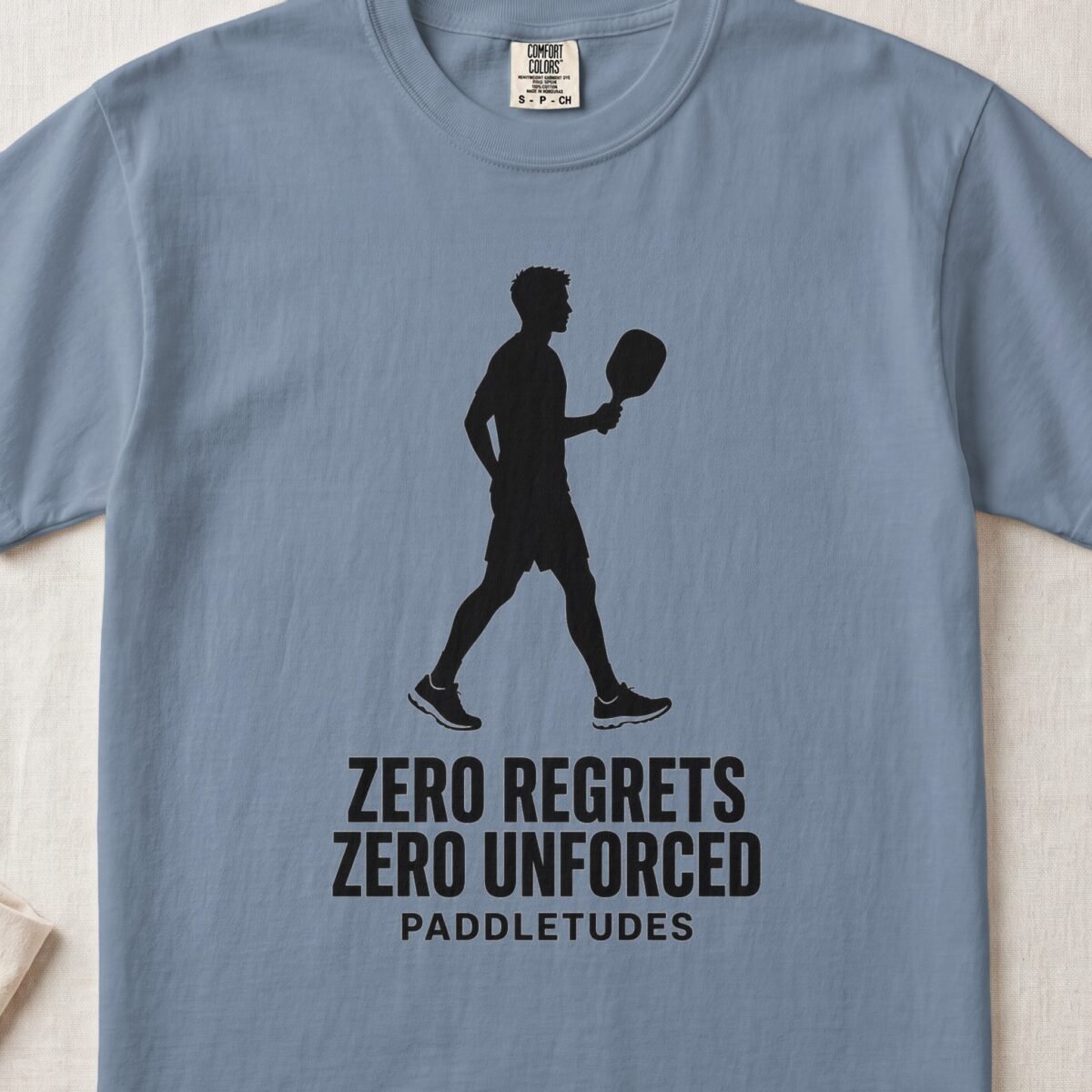
Zero Regrets Zero Unforced
$29.99 Select options This product has multiple variants. The options may be chosen on the product page -
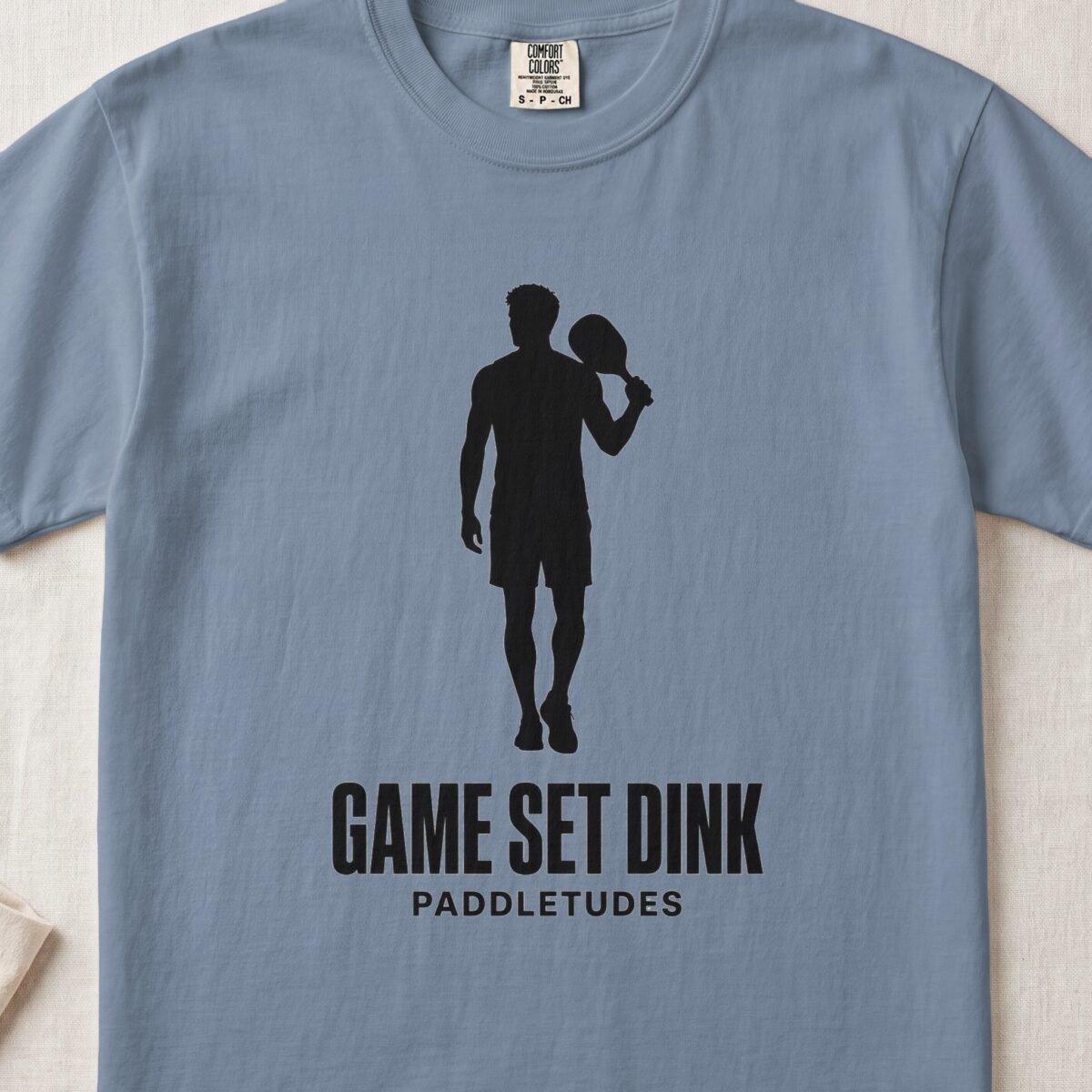
Game Set Dink
$29.99 Select options This product has multiple variants. The options may be chosen on the product page -
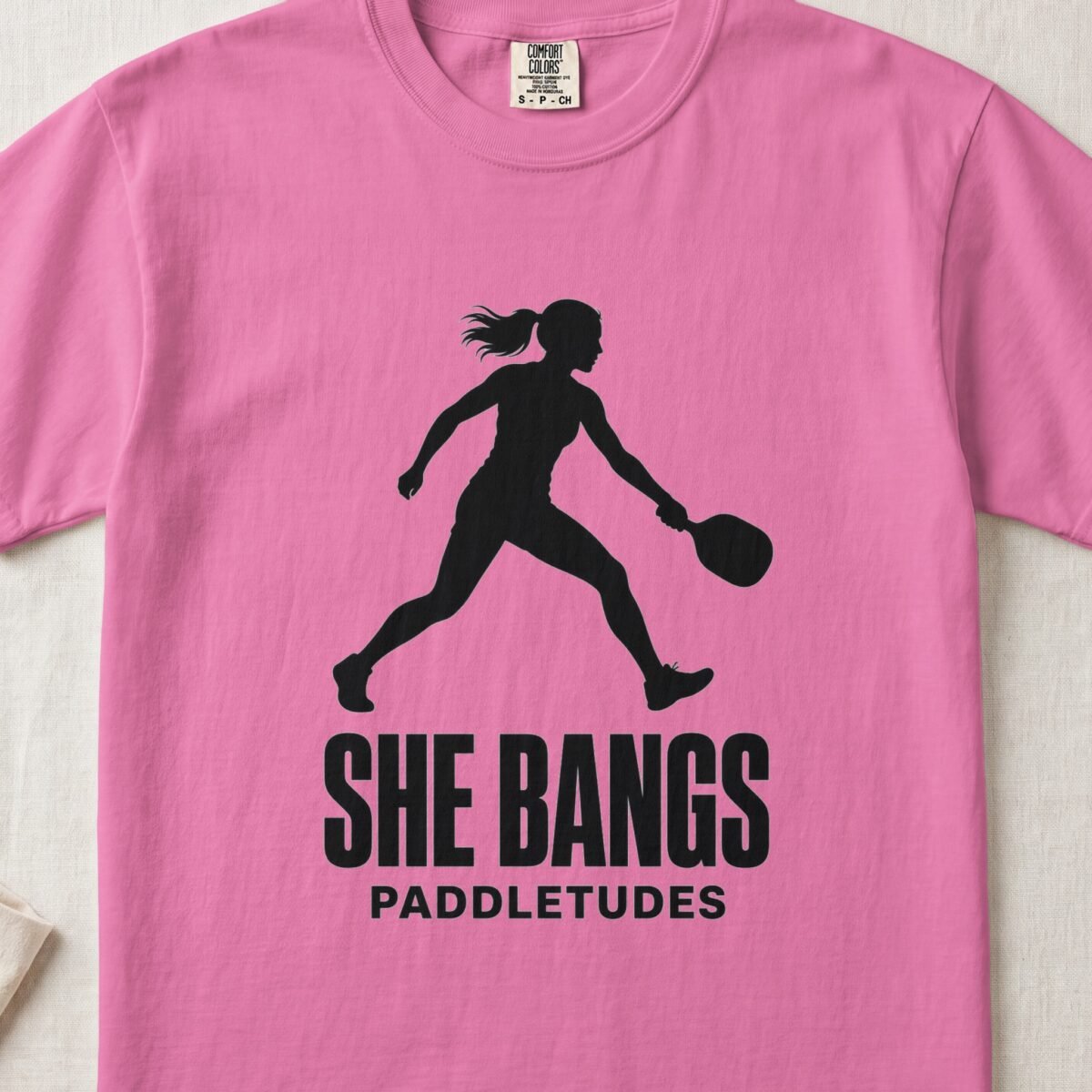
She Bangs
$29.99 Select options This product has multiple variants. The options may be chosen on the product page