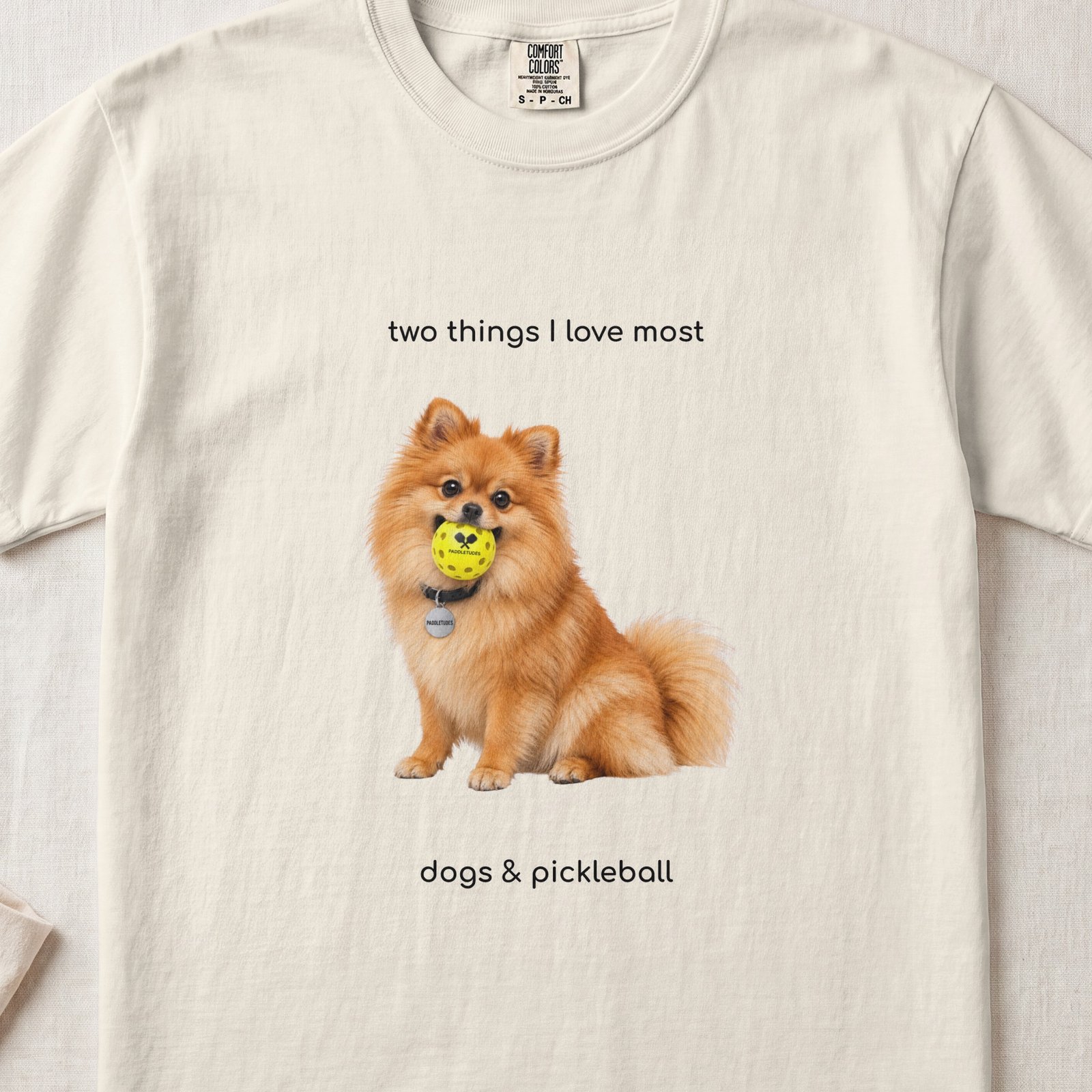
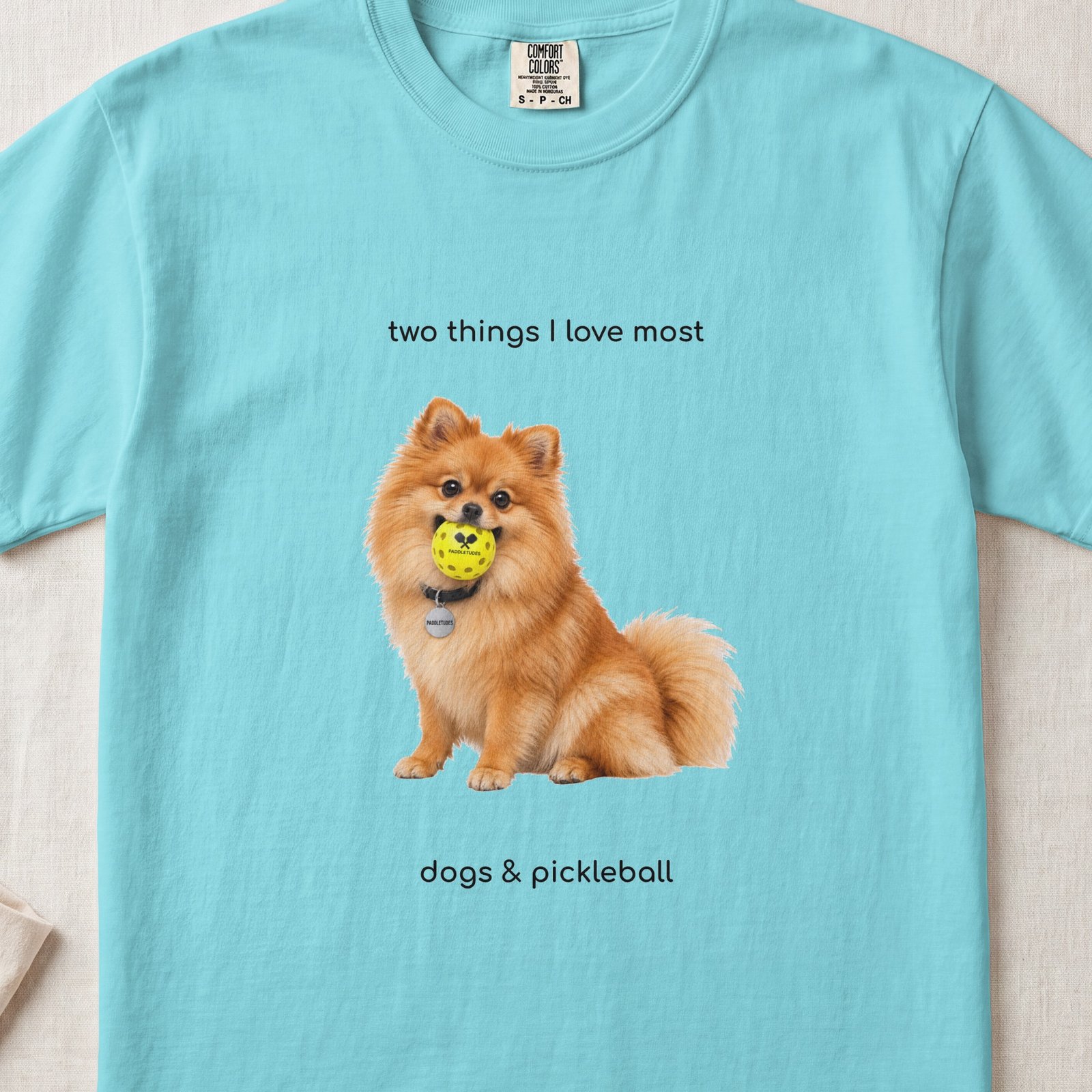
Animals Comfort Colors 1717
Pomeranian Happy
$39.99
- Comfort Colors 1717 heavyweight cotton
- Original design · printed to order
- U.S. print partners
Pure Double-Coated Confidence on a Pomeranian T Shirt
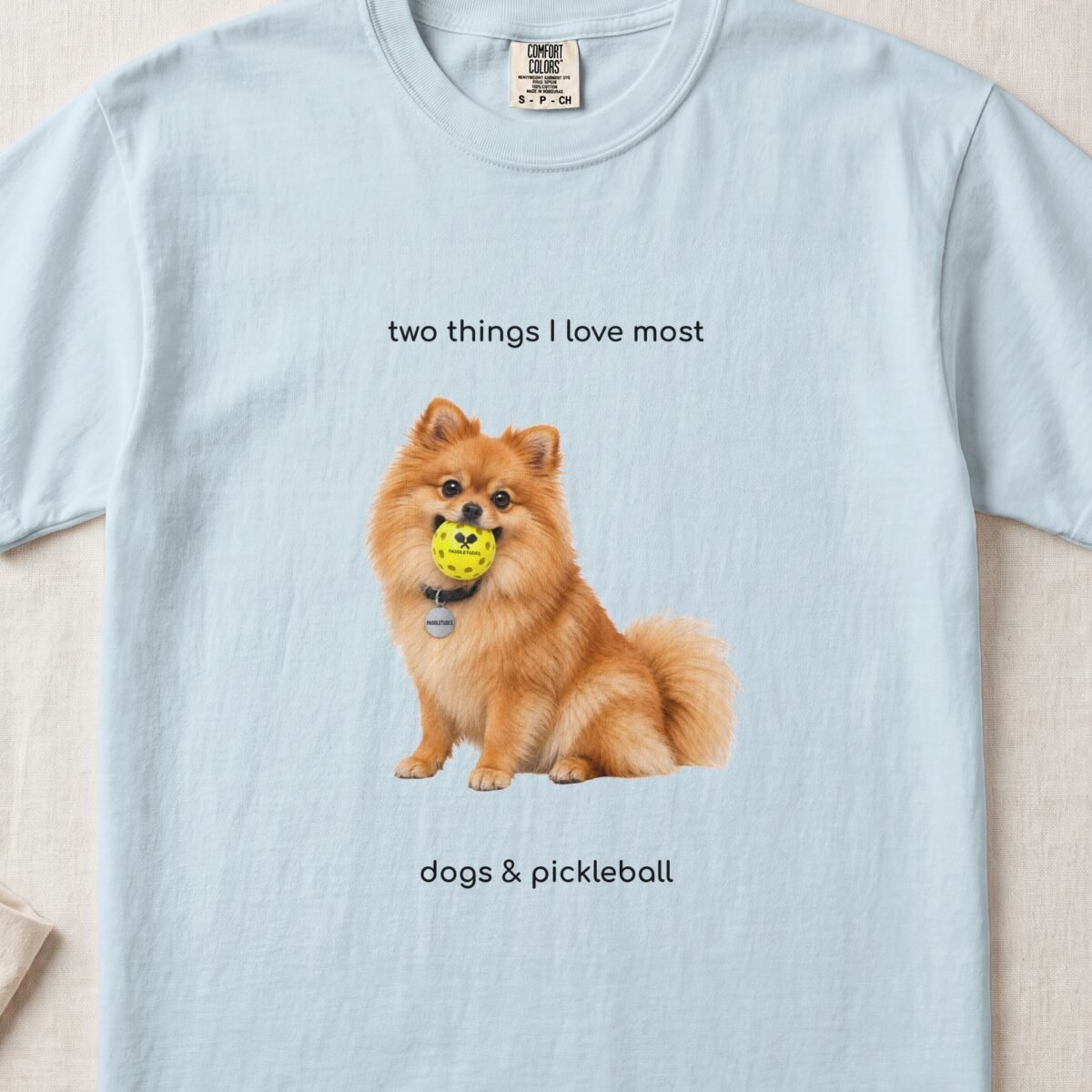
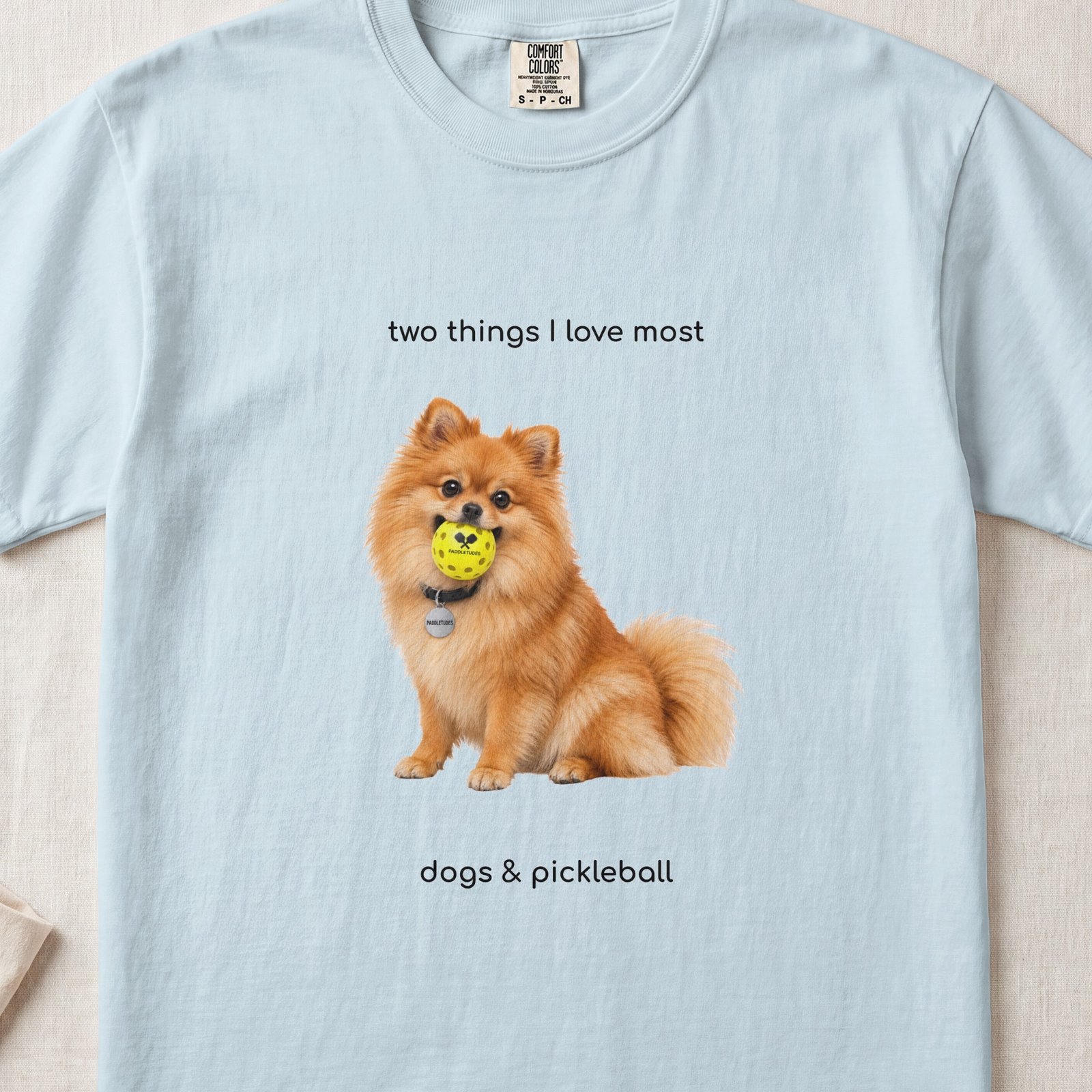
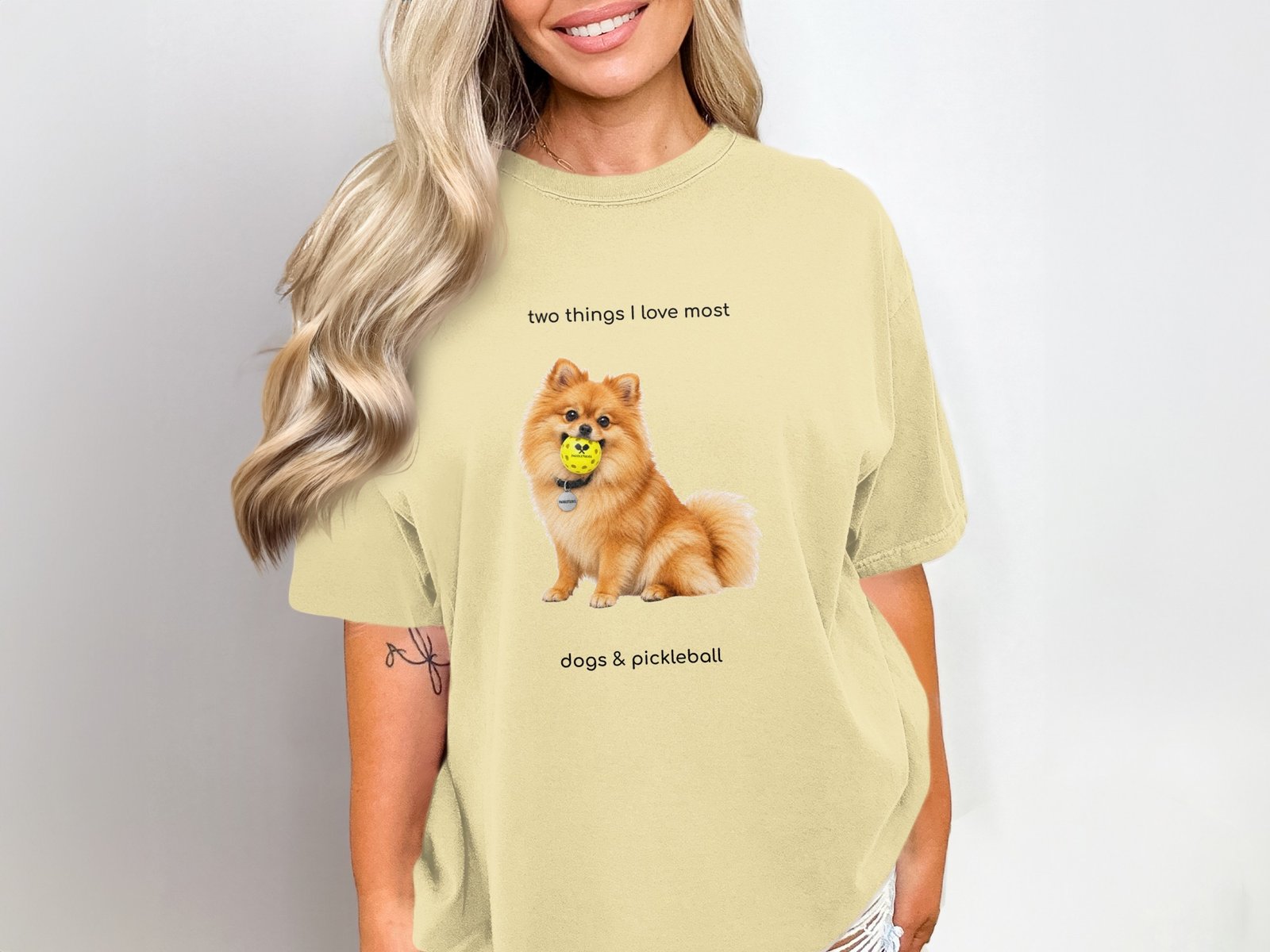
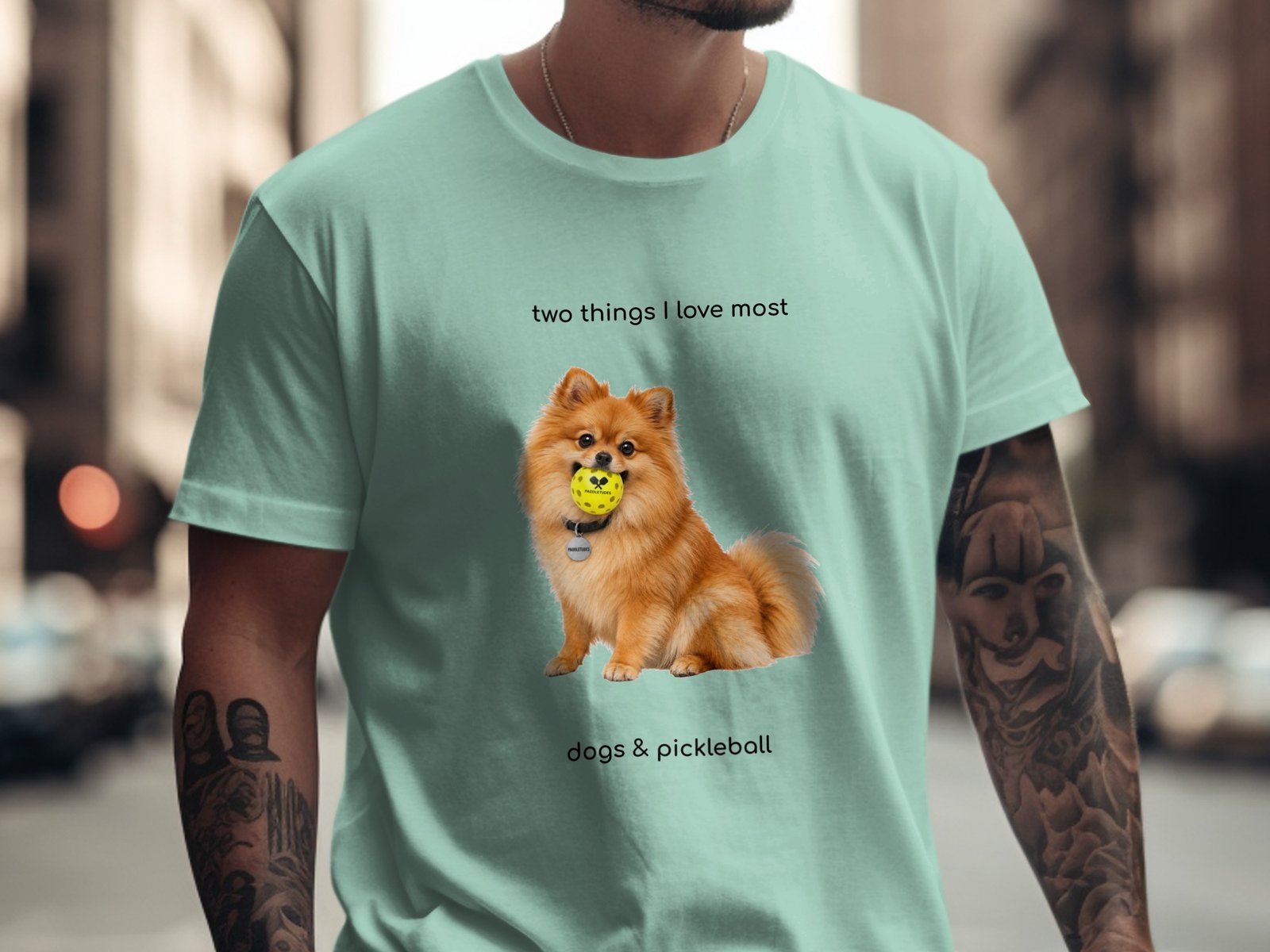
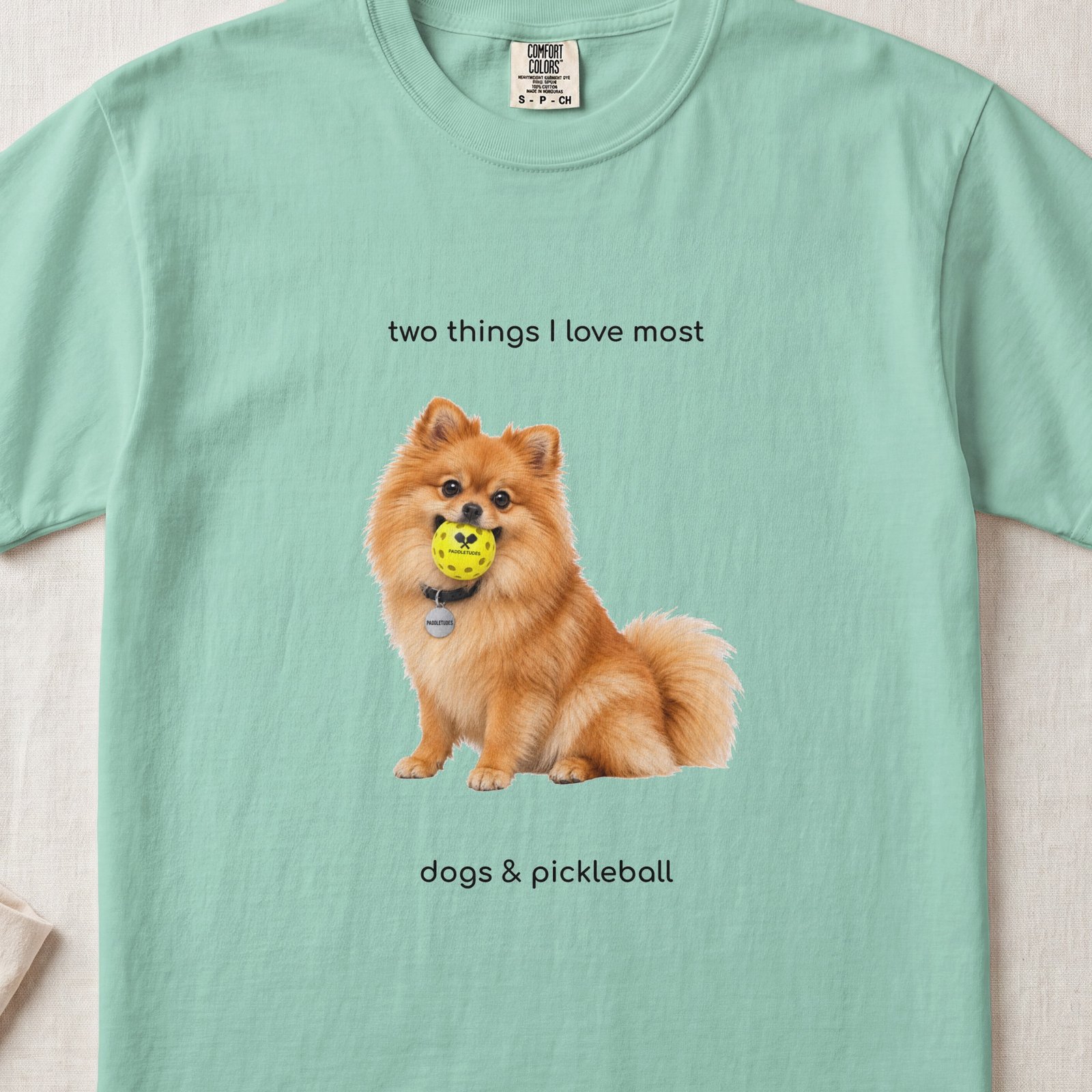
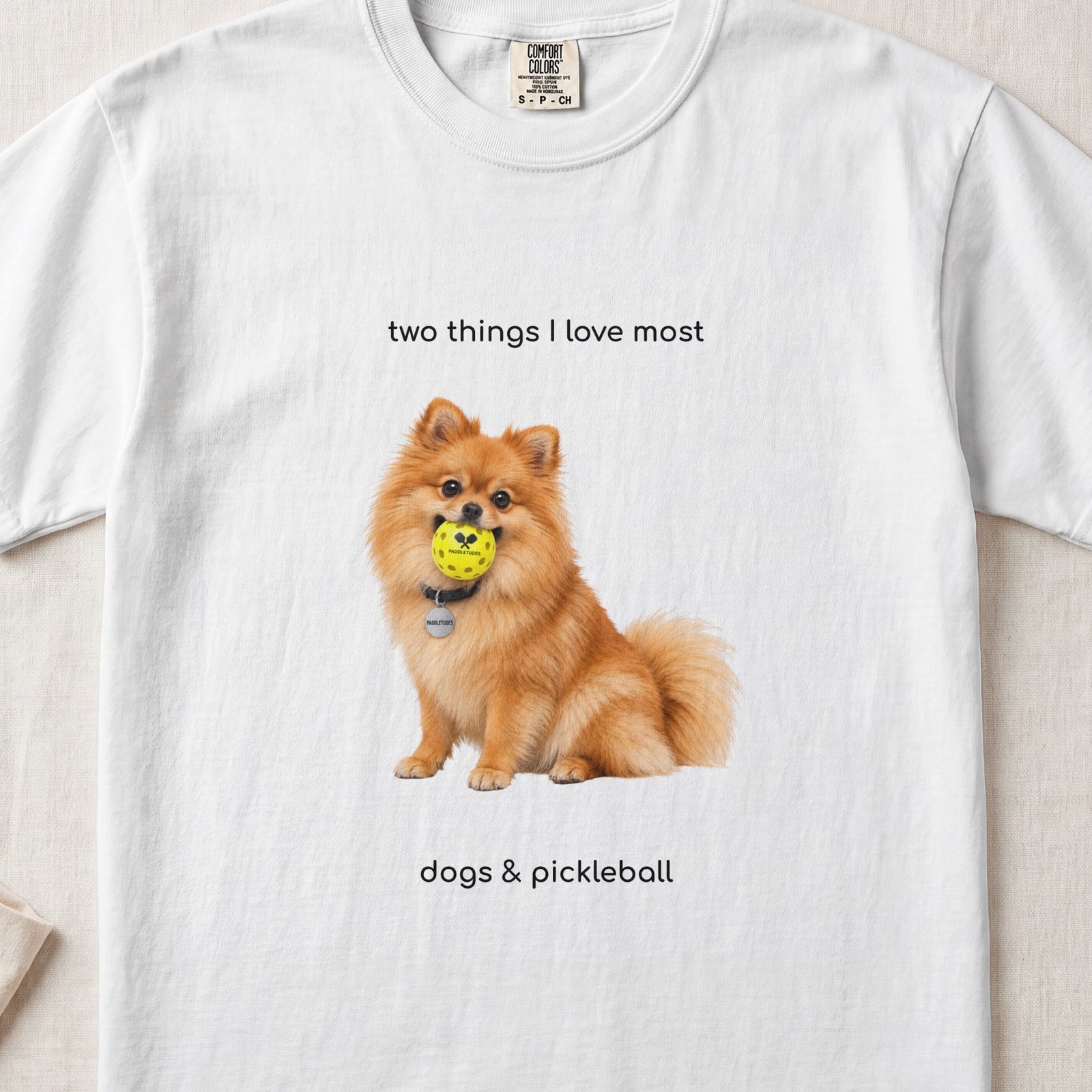
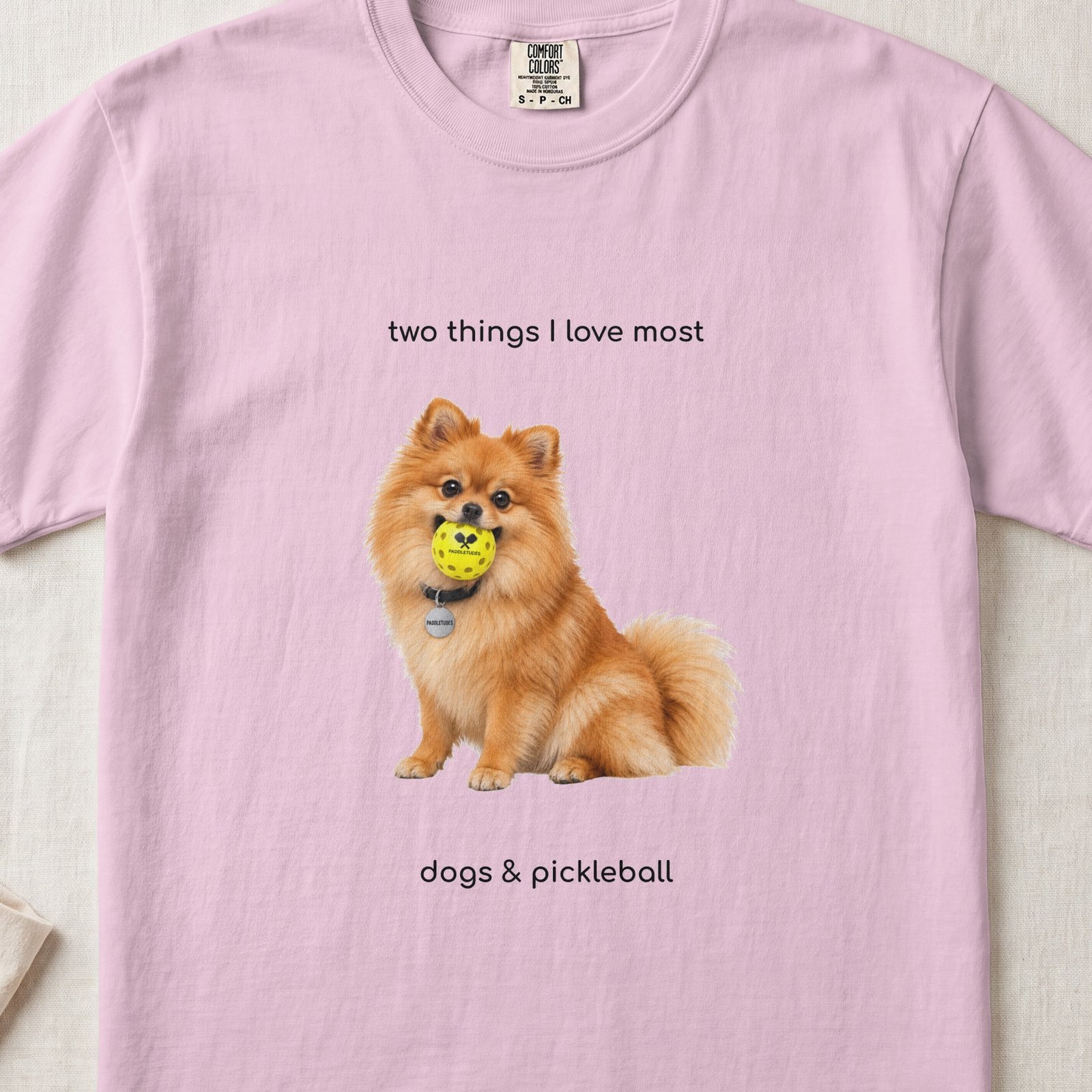
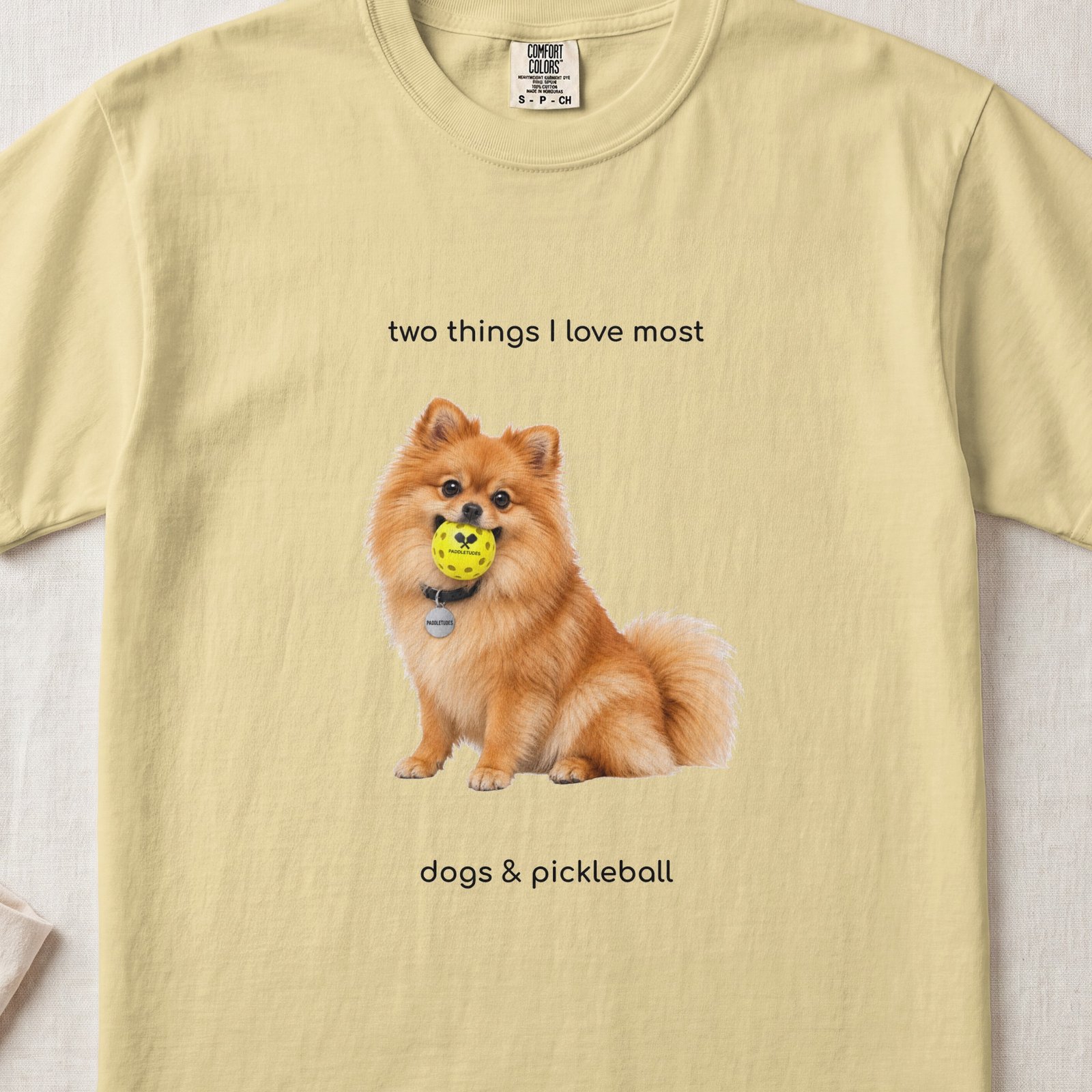
That unmistakable trot — head up, tail curled, pure double-coated confidence heading toward you with a Paddletudes pickleball in its mouth and not a single doubt in its body that this is the most important delivery in pickleball history — this pomeranian shirt captures your Pom at full operational swagger, ball secured, tail up, personality at maximum output. Printed on a garment-dyed Comfort Colors 1717 heavyweight tee with water-based DTG ink.
If there is a guy in your office who didn’t want a Pomeranian — his wife picked the breed, his kids picked the name, and he was outvoted three to one — but who is now the person who carries that dog into the hardware store on Saturday mornings, sleeps with it on his chest, and has a dedicated camera roll titled “The Princess” that he will show you without provocation — this is the white elephant gift that wins the holiday party. Not because it’s the funniest thing on the table, but because everyone in the room turns and looks at him, and he doesn’t deny a word of it. Pomeranian gift shoppers are people who know a Pom person and want them to feel deeply, specifically seen.
The Pom owner at the pickleball court is the one with a system. They arrive exactly when they planned to. Their gear is organized. Their warm-up is real. They don’t play chaotically — they play with precision, placing shots where they want them, and the whole operation has the same composed, unhurried confidence their dog radiates walking through the dog park like a five-pound dignitary on a state visit. At that dog park, wearing this shirt, another Pom owner sees the design and immediately skips every normal human greeting to ask which color Pom you have — because Pom people classify each other by coat variant the way wine people classify by grape, and the conversation that follows will outlast any rally you played that morning.
A Pomeranian’s confidence is not performance. It is inheritance. These dogs descend from thirty-to-fifty-pound Arctic sled dogs — Spitz-type working animals bred for endurance in freezing conditions — and the downsizing that produced the modern five-pound Pom eliminated the body mass but left the operating system untouched. The bark that alerts the neighborhood to a leaf on the sidewalk is the same bark that once warned a sled team about wolves. The stubbornness that refuses to come inside when you call is the same stubbornness that pulled a load through snow for eight hours without quitting. The dog changed. The software did not.
Pomeranians are also far more athletic than their size suggests, and the person wearing this shirt knows it. That double coat — a dense undercoat beneath the longer outer fur — was designed for Arctic temperatures, which means hot-weather exercise needs careful timing. Morning walks and evening play sessions work. Midday summer heat does not. The coat itself requires consistent brushing two to three times a week with an undercoat rake to prevent matting close to the skin, and full grooming every four to six weeks keeps the distinctive ruff from turning into a tangled mess. PetMD’s breed profile. The American Pomeranian Club has resources for owners navigating the breed’s specific health and grooming needs notes that Poms are intelligent and quick learners — they pick up tricks faster than many larger breeds and get bored faster too, which means the Pom that isn’t mentally stimulated will invent its own entertainment, and you will not enjoy the results.
The sad version captures the fallout when pickleball doesn’t happen — all that sled-dog confidence redirected into a full-volume protest. For the Pomeranian lover, this is the dog lover gift — find every breed on the Dogs page.
Printed on a Comfort Colors 1717 garment-dyed heavyweight tee with water-based DTG ink — sizing and care details here.
Do Pomeranians Know They’re Small
Pomeranians show no behavioral evidence of understanding their own size. They bark at large dogs without hesitation, claim furniture as sovereign territory, and insert themselves into the center of every family activity with the same authority a ninety-pound dog would bring. The breed’s behavioral patterns are consistent with a dog that has no internal model of its own physical dimensions.
The reason is historical. The modern Pomeranian descends from large Spitz-type sled dogs that weighed thirty to fifty pounds — working animals bred for stamina, independence, and the kind of confident judgment that keeps a sled team moving through Arctic conditions without constant human direction. When Queen Victoria’s breeding program reduced the breed’s size by roughly fifty percent in a single generation in the late 1800s, the physical frame shrank dramatically but the neurological wiring did not downsize with it. The bark, the assertiveness, the territorial instinct, and the unshakable self-confidence are all inheritance from a much larger ancestor, running on a body that no longer matches the software’s original specifications.
Dog behaviorists generally agree that dogs do not possess the kind of self-reflective body awareness that would let them compare their own size to another animal’s. What looks like a small dog “thinking it’s big” is actually a dog responding to stimulus — another dog, a noise, a perceived threat — with the behavioral toolkit it was genetically given, which in a Pomeranian’s case was calibrated for a dog several times its current size. The Pom that barks at a Great Dane is not being brave. It is being normal — for a dog whose ancestors outweighed it by forty-five pounds.
For Pom owners, the practical takeaway is that this confidence is genuine and manageable but not optional. Socialization from puppyhood teaches a Pom how to interact with larger dogs safely without suppressing the breed’s natural boldness. Letting a Pom avoid all encounters with bigger dogs, or scooping it up every time a larger breed approaches, creates the anxious, snappy version of the confidence that gives small dogs a bad reputation. The well-socialized Pom meets a Labrador at the dog park and does not flinch — not because it is reckless, but because it has been taught that confidence and caution can coexist, which is exactly the balance its sled-dog ancestors needed to survive.
-
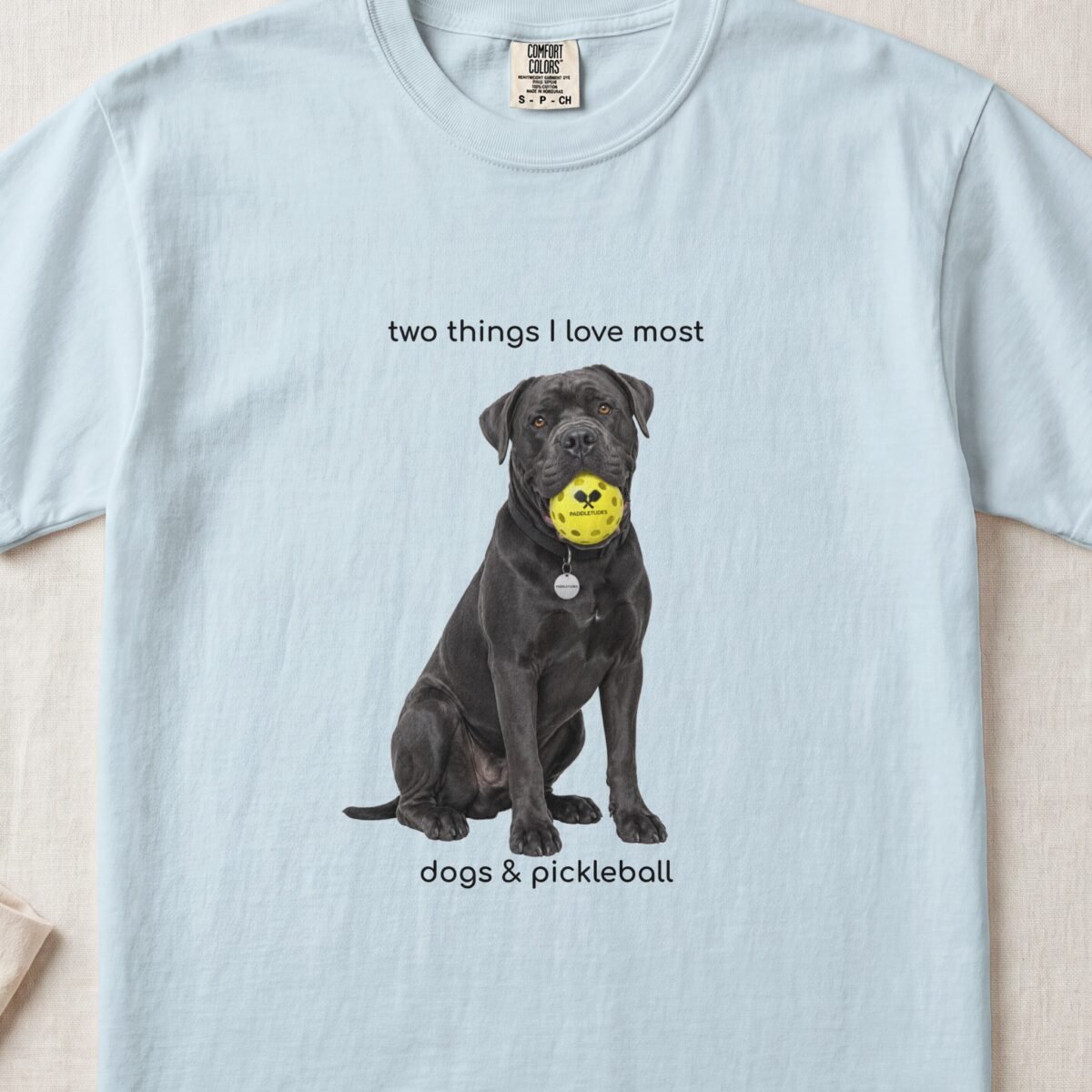
Cane Corso Happy
$39.99 Select options This product has multiple variants. The options may be chosen on the product page -
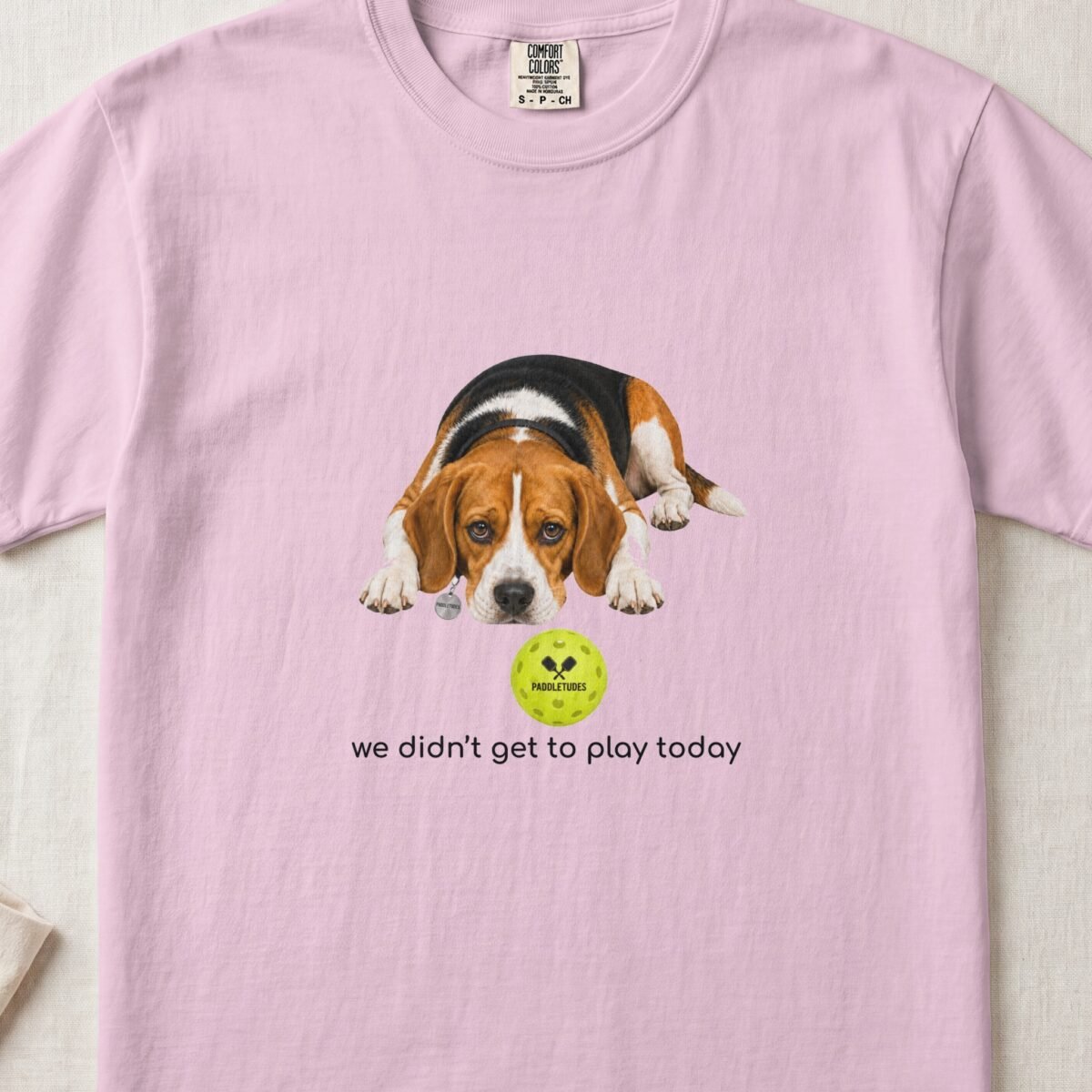
Beagle Sad
$39.99 Select options This product has multiple variants. The options may be chosen on the product page -
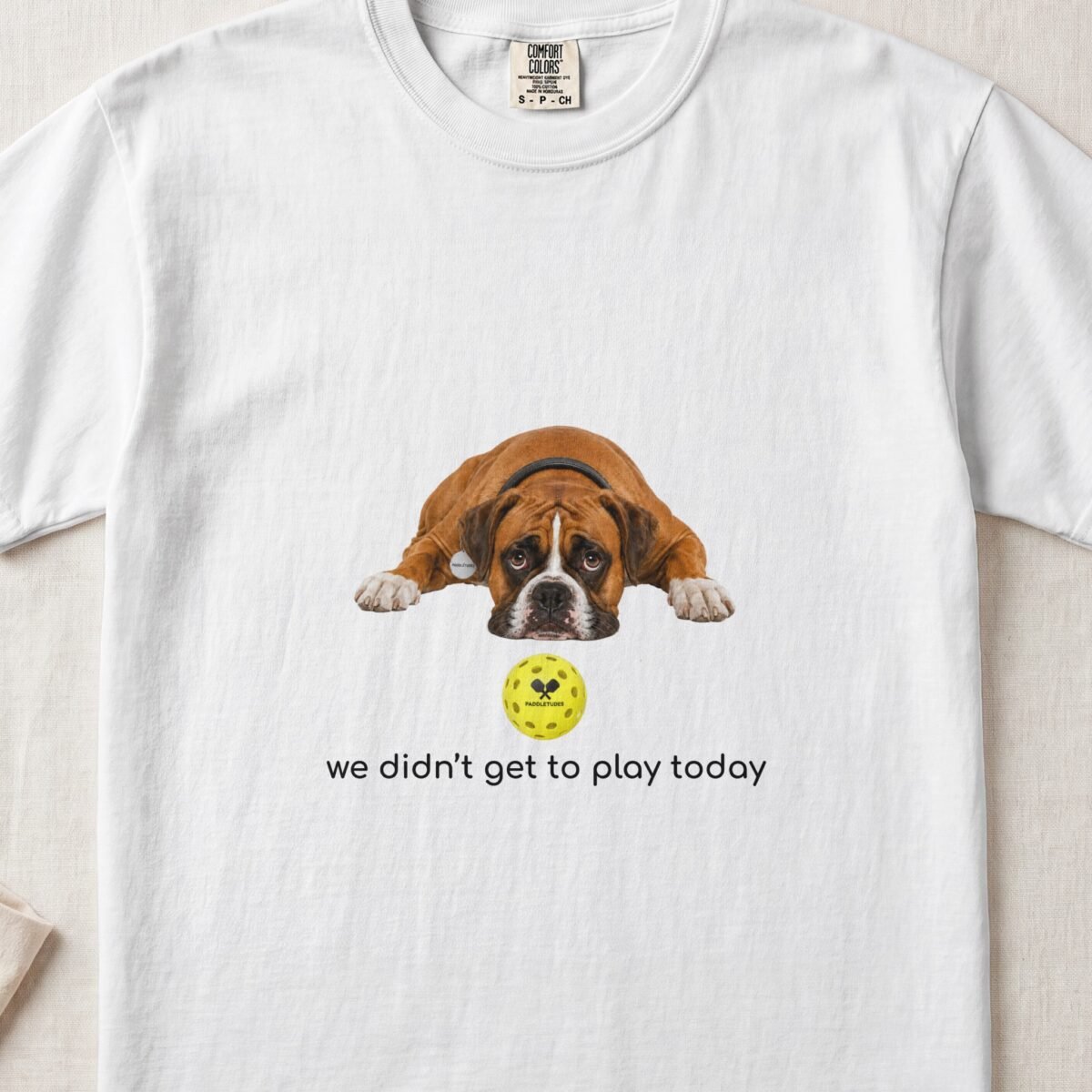
Boxer Sad
$39.99 Select options This product has multiple variants. The options may be chosen on the product page