Sports Comfort Colors 1717
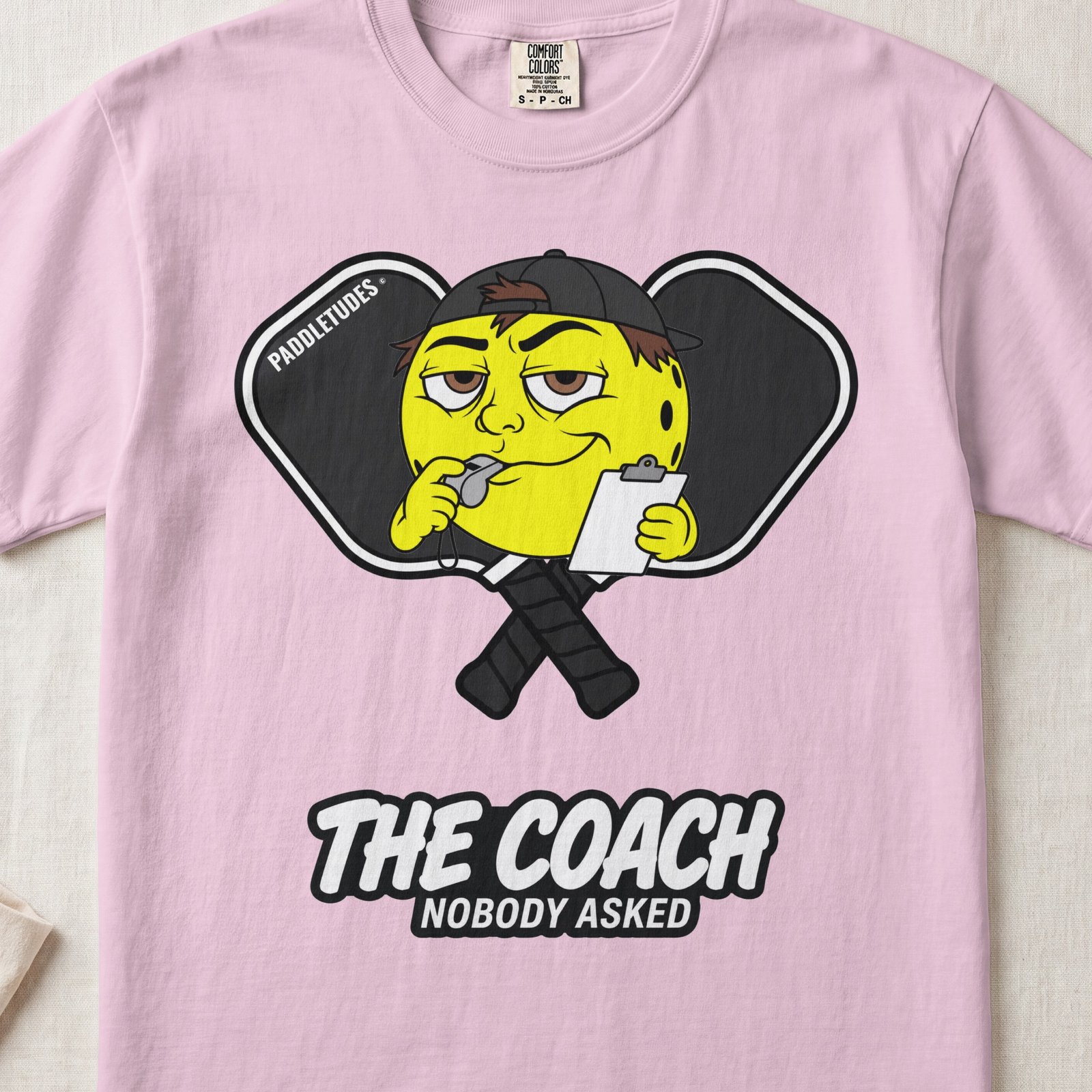
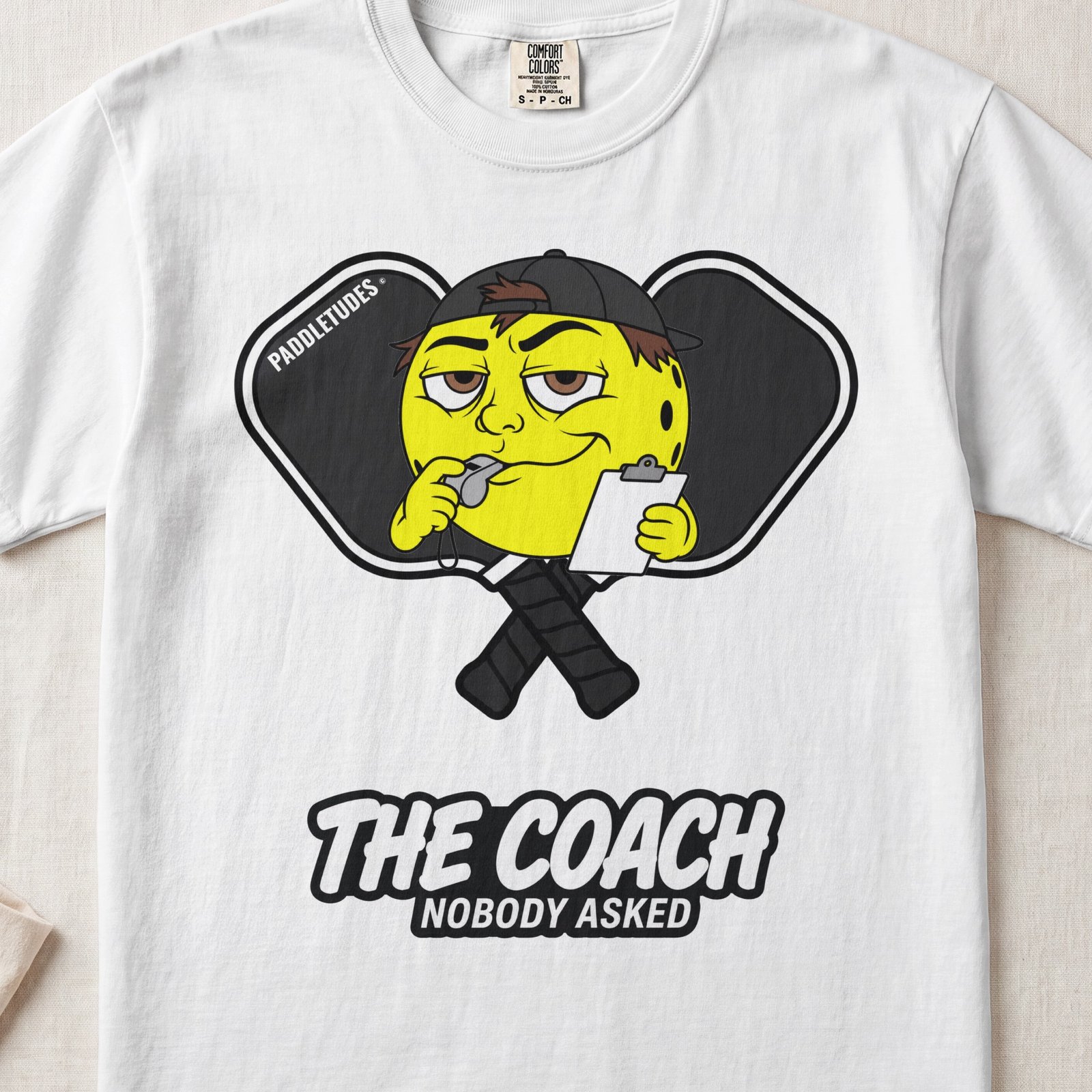
The Coach – Pickleball Personality
$39.99
- Comfort Colors 1717 heavyweight cotton
- Original design · printed to order
- U.S. print partners
The Coach: A Funny Pickleball Personality Tee for the Self-Appointed Instructor Nobody Hired
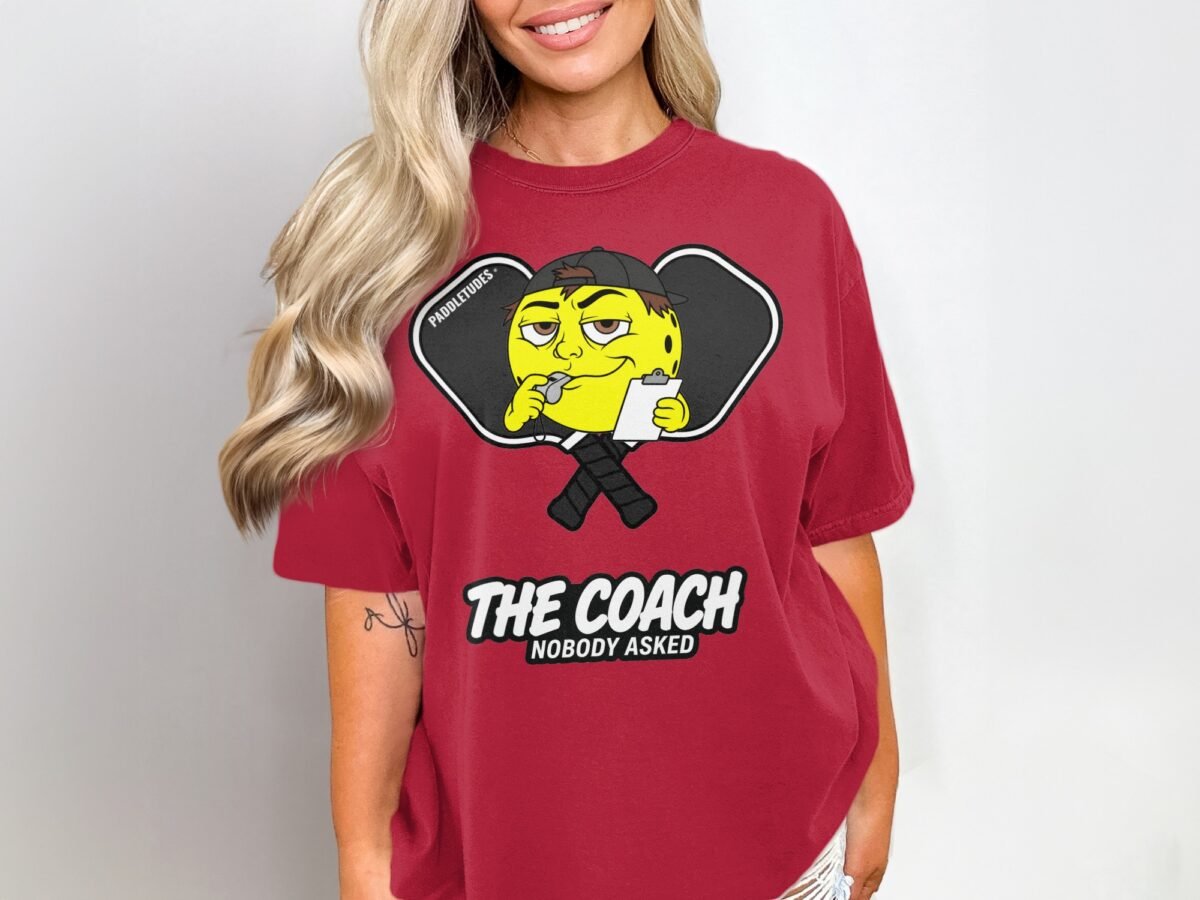
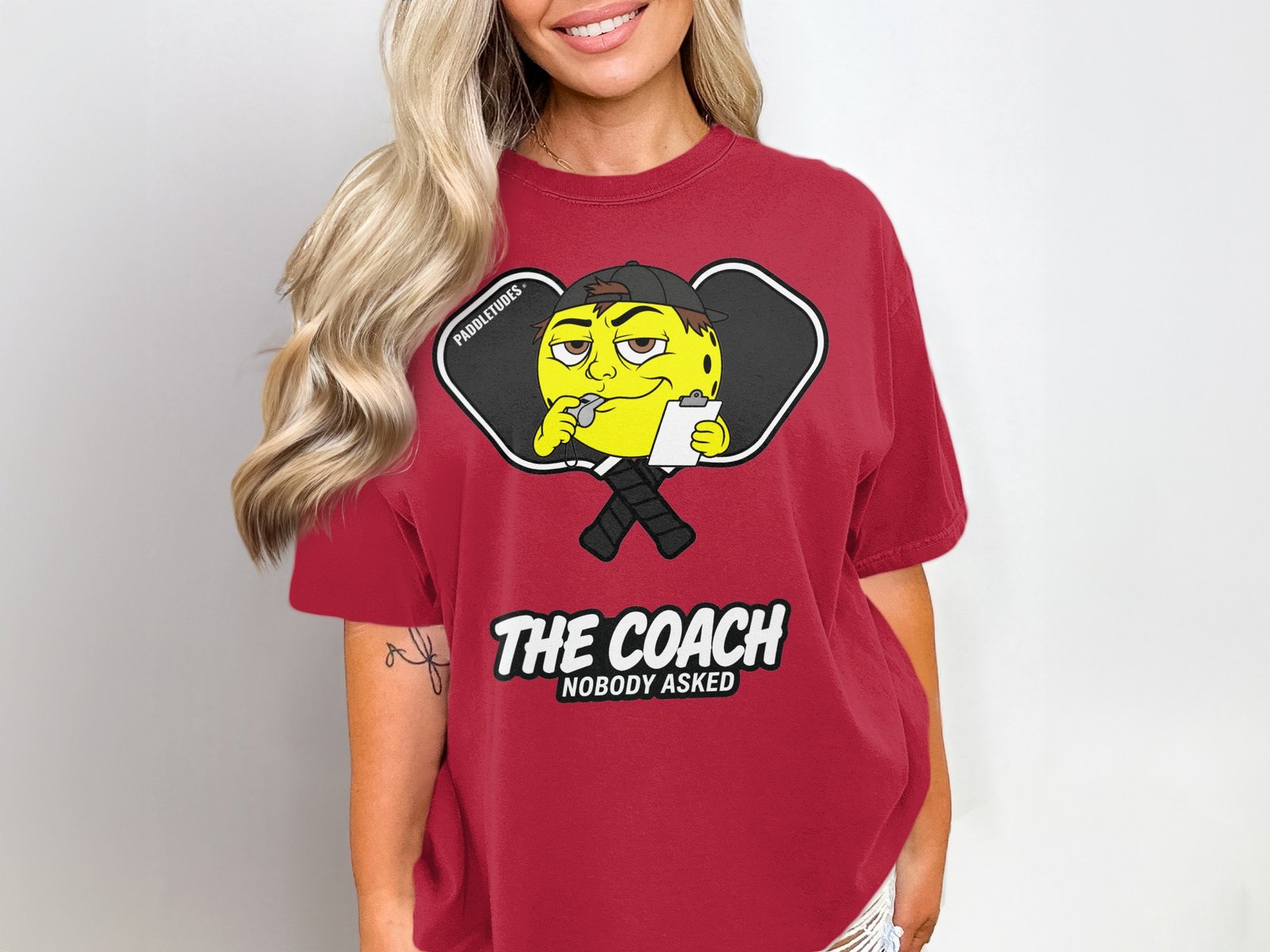
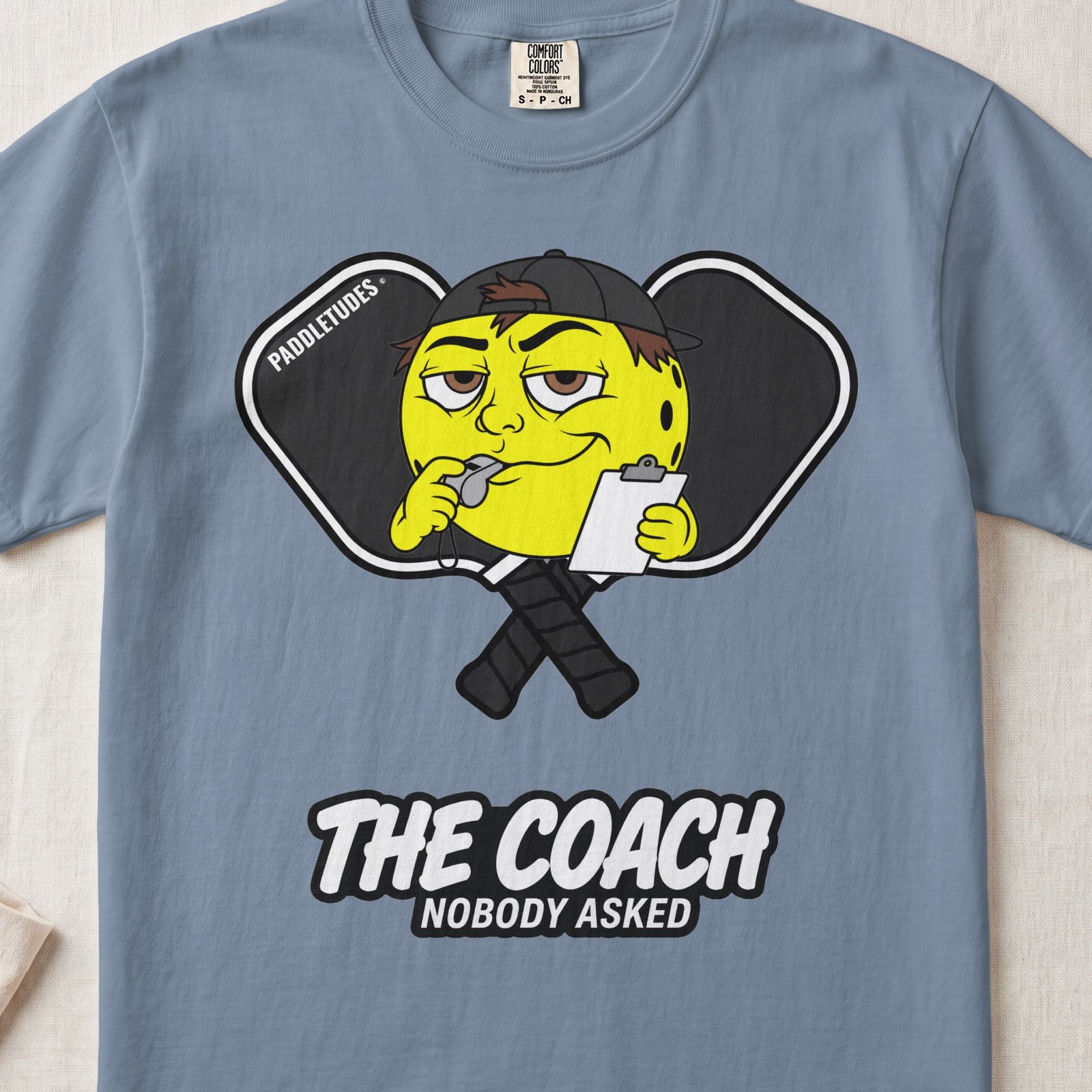
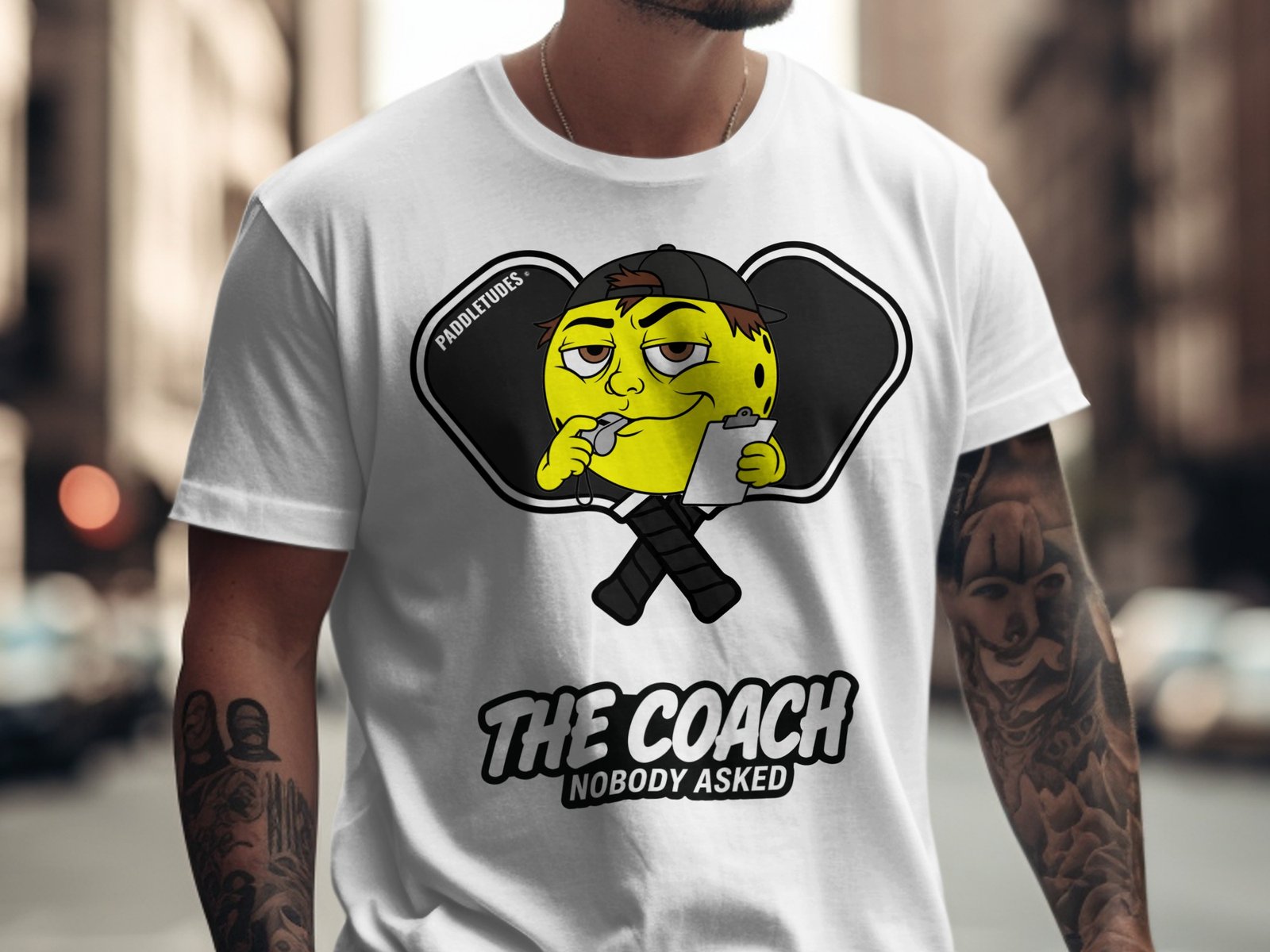
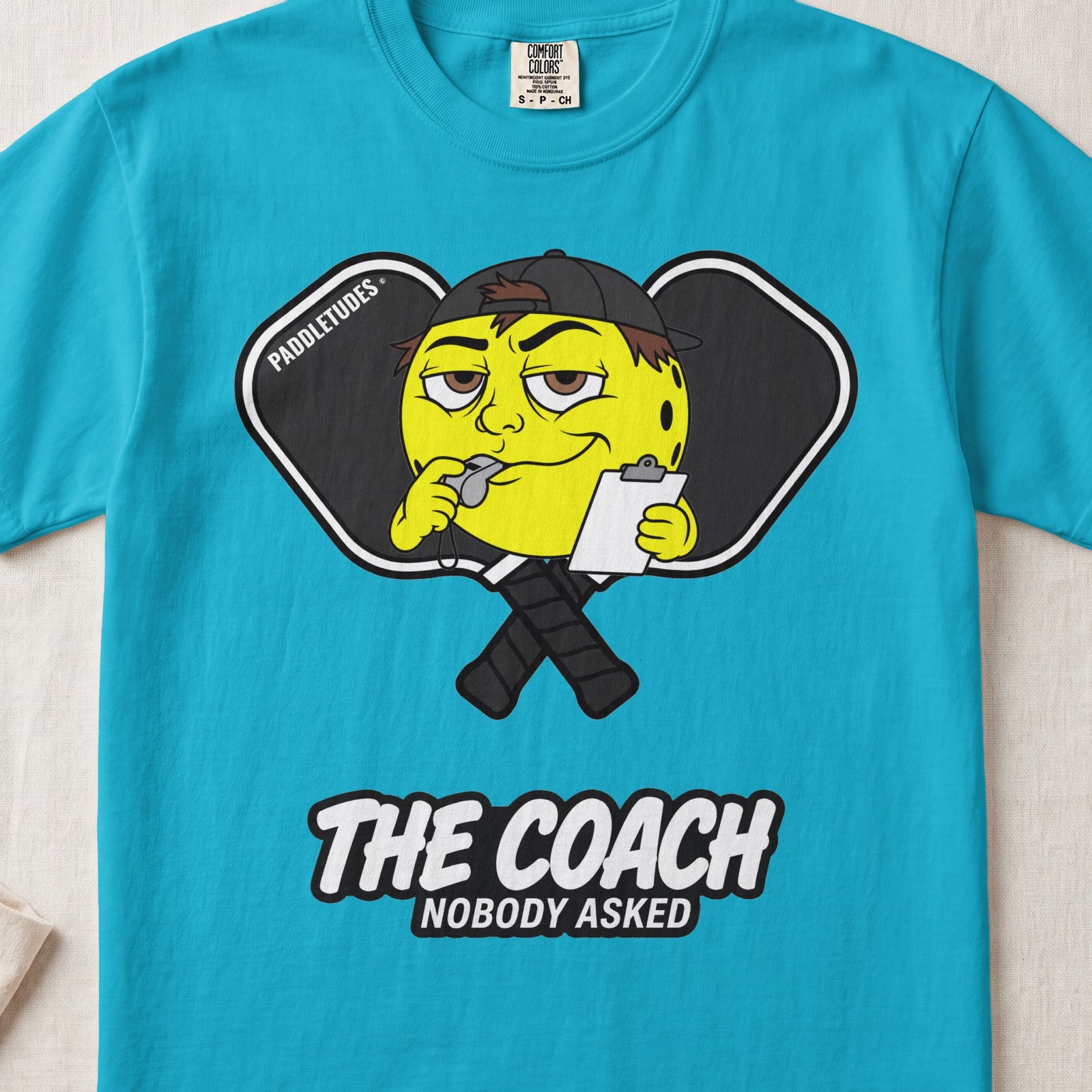
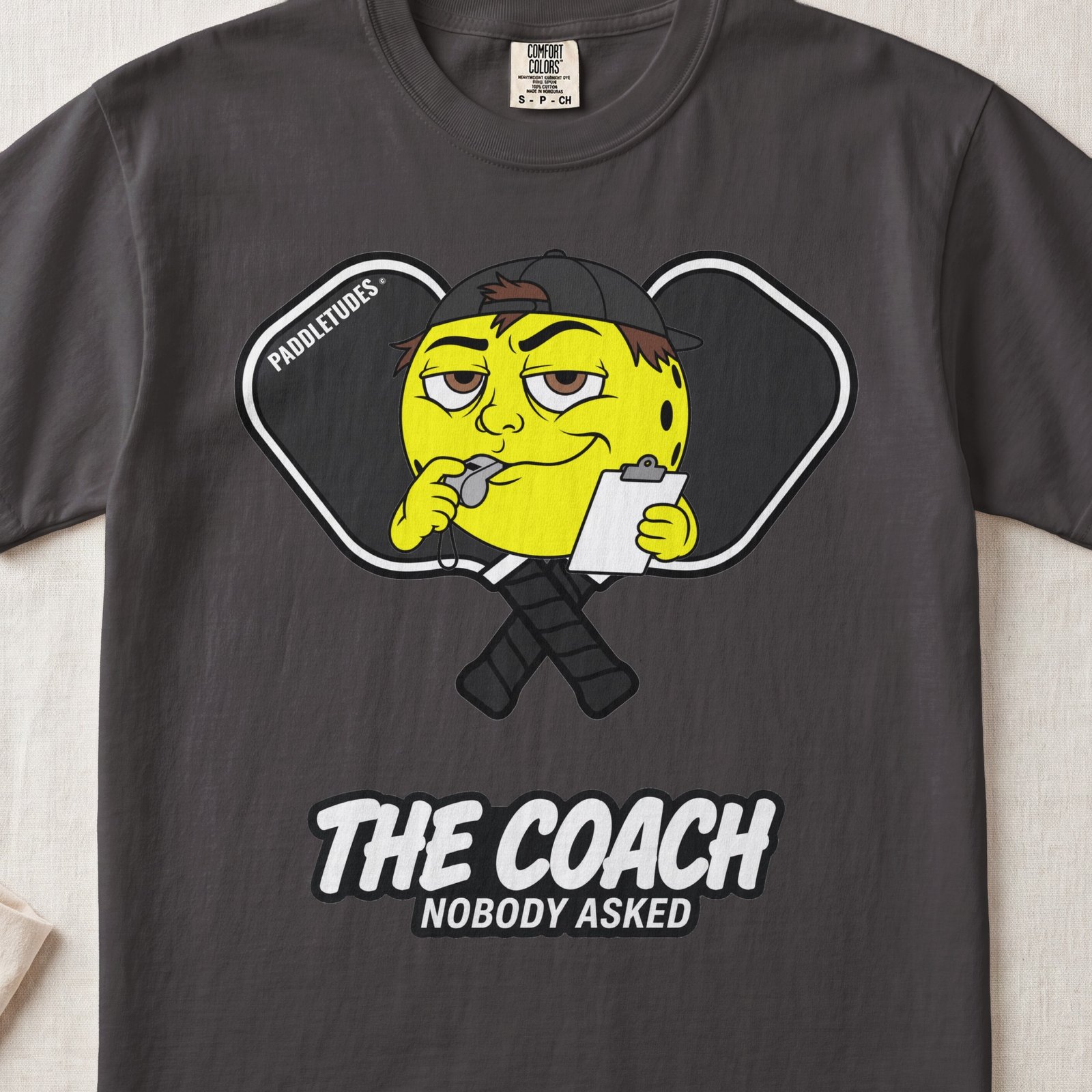
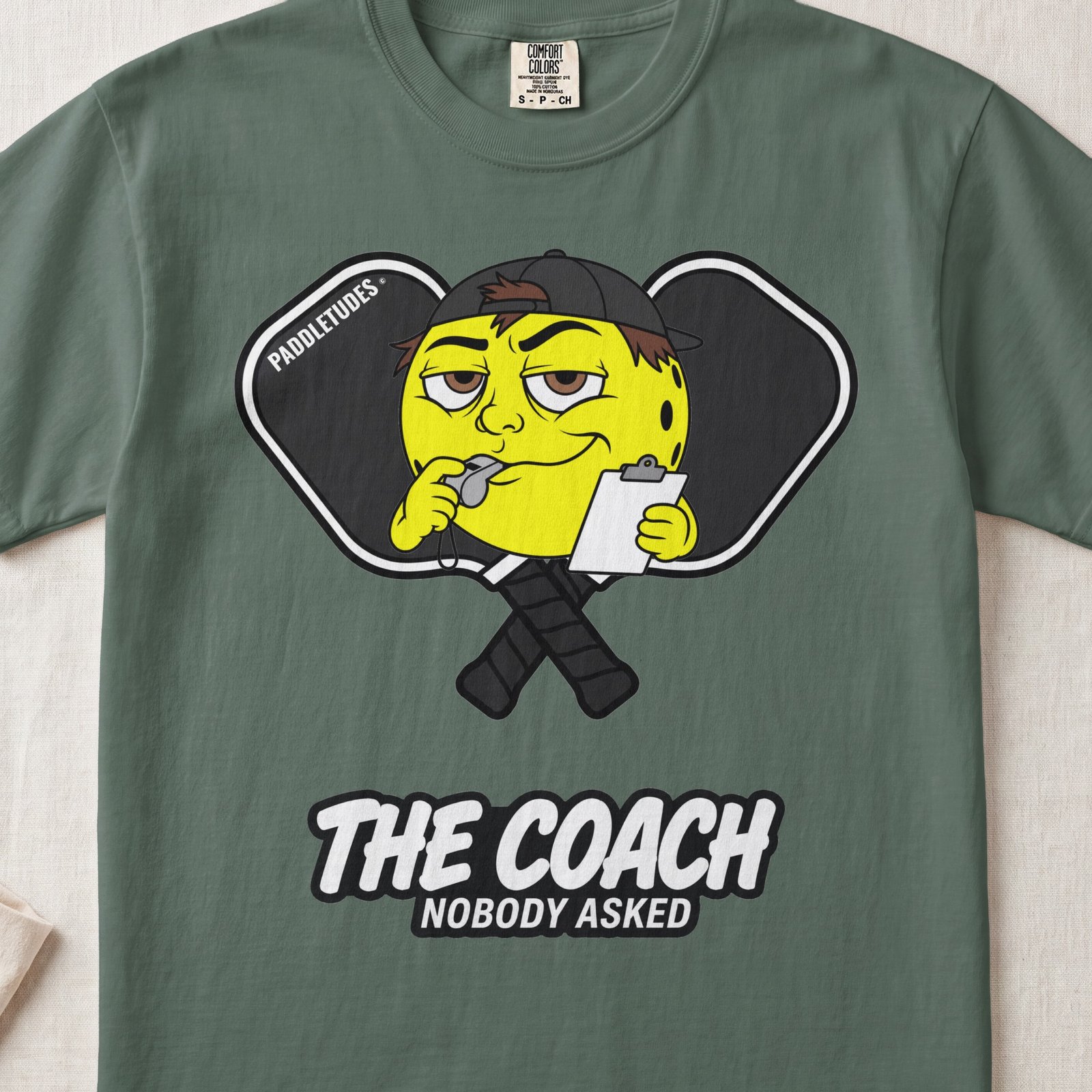
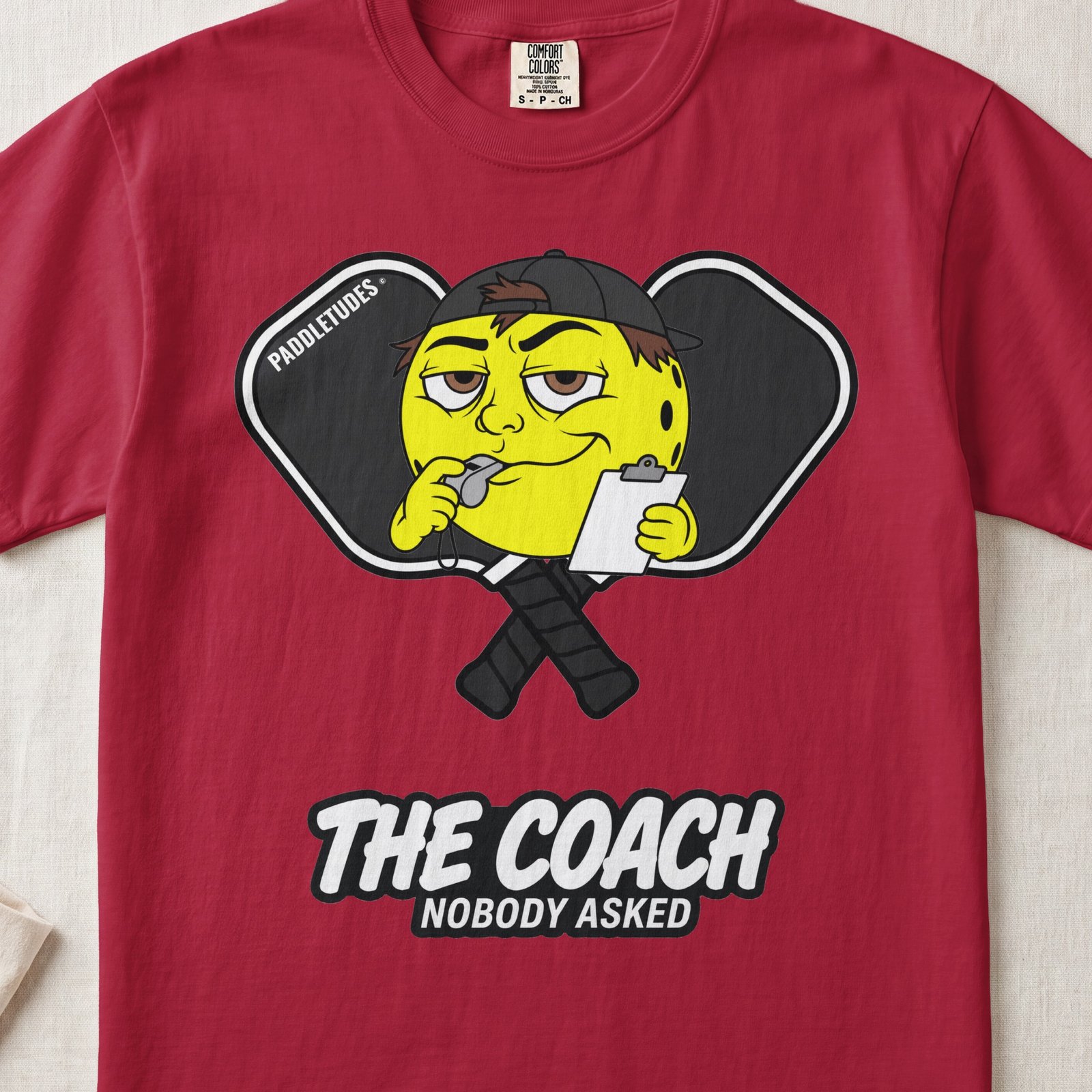
Qualifications: Four months of recreational open play. Twelve YouTube tutorials, half-watched. One clinic at the community center in February that he attended as a student and has been referencing as “my training” ever since. A clipboard he brought from home. A whistle he ordered online. A smirk that suggests he has unlocked tactical secrets about the sport of pickleball that the rest of your courts haven’t even begun to contemplate.
Position applied for: Head Coach, Tuesday/Thursday Open Play.
Position available: None. There is no position. Nobody posted a listing. Nobody mentioned needing a coach. Nobody, at any point, in any group chat, in any conversation on the bench or at the net or in the parking lot, said the words “I wish someone would come out here and tell me what I’m doing wrong while I’m trying to play a recreational sport for fun on a weekday morning.”
Nobody asked. He showed up anyway. The whistle is already in his mouth.
The Unsolicited Coaching Industrial Complex
The Coach exists at every court in America because the sport of pickleball produces, at an astonishing rate, people who have been playing for less than a year and have already decided they know enough to teach it. He’s not a certified instructor. He’s not a former pro. He’s not even the best player at your courts — he’s usually somewhere in the middle, skilled enough to understand the basics and unskilled enough to overestimate how much of the advanced game he’s actually absorbed. But he has a clipboard. And the clipboard changes everything.
The clipboard gives him authority. It gives him a prop. It gives him something to gesture with while he’s explaining — during a live game, between points, to a partner who did not request feedback — that her paddle face was three degrees too open on the last dink and that the proper technique involves a continental grip with a slight wrist pronation at the point of contact, a sentence he assembled from two different YouTube videos and one Instagram reel and is now presenting as original tactical analysis. He’s a cousin of The Explainer, but the DNA is different. The Explainer talks about what happened. The Coach tells you what to do next. The Explainer is a historian. The Coach is a manager — of a team that didn’t hire him, on a court that doesn’t have a sideline, in a sport where the coaching position at rec play is entirely imaginary.
His partner gets it worst. She came to open play to get exercise, hit some balls, and socialize. She is now receiving a halftime talk about court positioning between games one and two of a match where nothing is at stake and nobody is keeping a record. He’s drawing diagrams. On the clipboard. He’s using arrows to show where she should move after the return of serve, a concept he calls “the transition” and delivers with the gravity of a man explaining a split step to someone who didn’t know they were enrolled in a class.
The Credentials Gap
What makes The Coach simultaneously maddening and harmless is that some of his advice is actually correct. Not all of it. Maybe forty percent. But the forty percent that’s right is right enough that you can’t dismiss him entirely, which means you’re stuck sorting the legitimate tactical insight from the improvised nonsense, and he delivers both with identical confidence, so there’s no tonal difference between “keep your paddle up at the kitchen line” — which is sound advice — and “you should try a reverse spin lob on the second bounce to create a transition window,” which is a sentence that means nothing and which he made up approximately four seconds before he said it.
He watches pro matches the way film students watch Kubrick — not for enjoyment but for material. He pauses, rewinds, and screenshots plays that he will later present to his open play group as evidence that stacking works and everyone should try it, ignoring the minor detail that the pros executing that stack have approximately ten thousand more hours of practice than anyone at Tuesday morning open play and also have the ability to communicate with their partner using something more sophisticated than shouting “SWITCH!” after the ball has already been hit.
He has opinions about everyone’s paddle. He has opinions about everyone’s shoes. He has opinions about the proper warm-up sequence, the optimal hydration schedule, and the correct way to stretch the rotator cuff between games — information he sourced from a podcast he listened to on his commute and is now dangerously confident about despite having zero medical or athletic training of any kind.
The Gift That Blows the Whistle
Every court in America has a Coach Nobody Asked For. He’s the one whose name makes people instinctively say “I know, I know” before he’s even opened his mouth, because they can see the clipboard coming from the parking lot and they know — from deep, repeated, unavoidable experience — that the next forty-five seconds of their life are about to become a coaching session they didn’t sign up for and can’t politely exit.
This shirt is the birthday gift from the entire open play crew. The loving, laughing, deeply appreciative gift that says we hear you, we see the clipboard, and we need you to know that we know you mean well even though we never, ever, not once, asked for the coaching. The Christmas present for the husband who comes home from the courts and gives his wife a full scouting report on the morning’s games, including tactical adjustments he recommended that nobody implemented. The gag gift for the friend who bought a whistle for a sport that has no timeouts, no halftime, and no coaching staff — and who blows it anyway, because the whistle is the only thing separating him from the players on the other side of the clipboard.
He’ll wear it proudly. He’ll point at the tagline — “Nobody Asked” — and he’ll laugh, because he knows. He’s always known. He just can’t help it. The man sees an open paddle face and he has to say something. That’s not a choice. That’s a calling.
$39.99 with free US shipping. Printed to order — he didn’t ask for your opinion on the wait time, either.
Printed on a Comfort Colors 1717 garment-dyed heavyweight tee with water-based DTG ink — sizing and care details here.
-
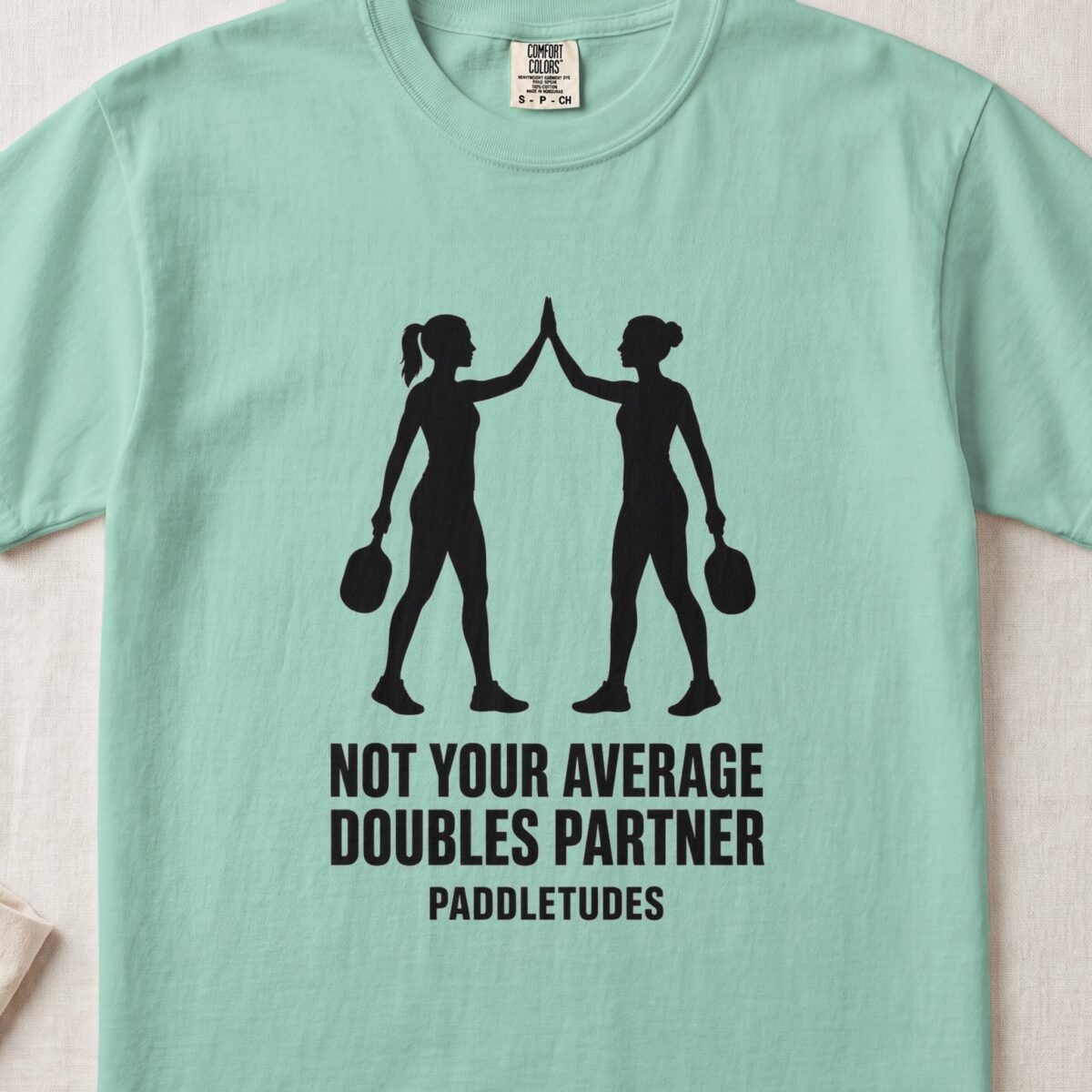
Not Your Average Doubles Partner
$29.99 Select options This product has multiple variants. The options may be chosen on the product page -
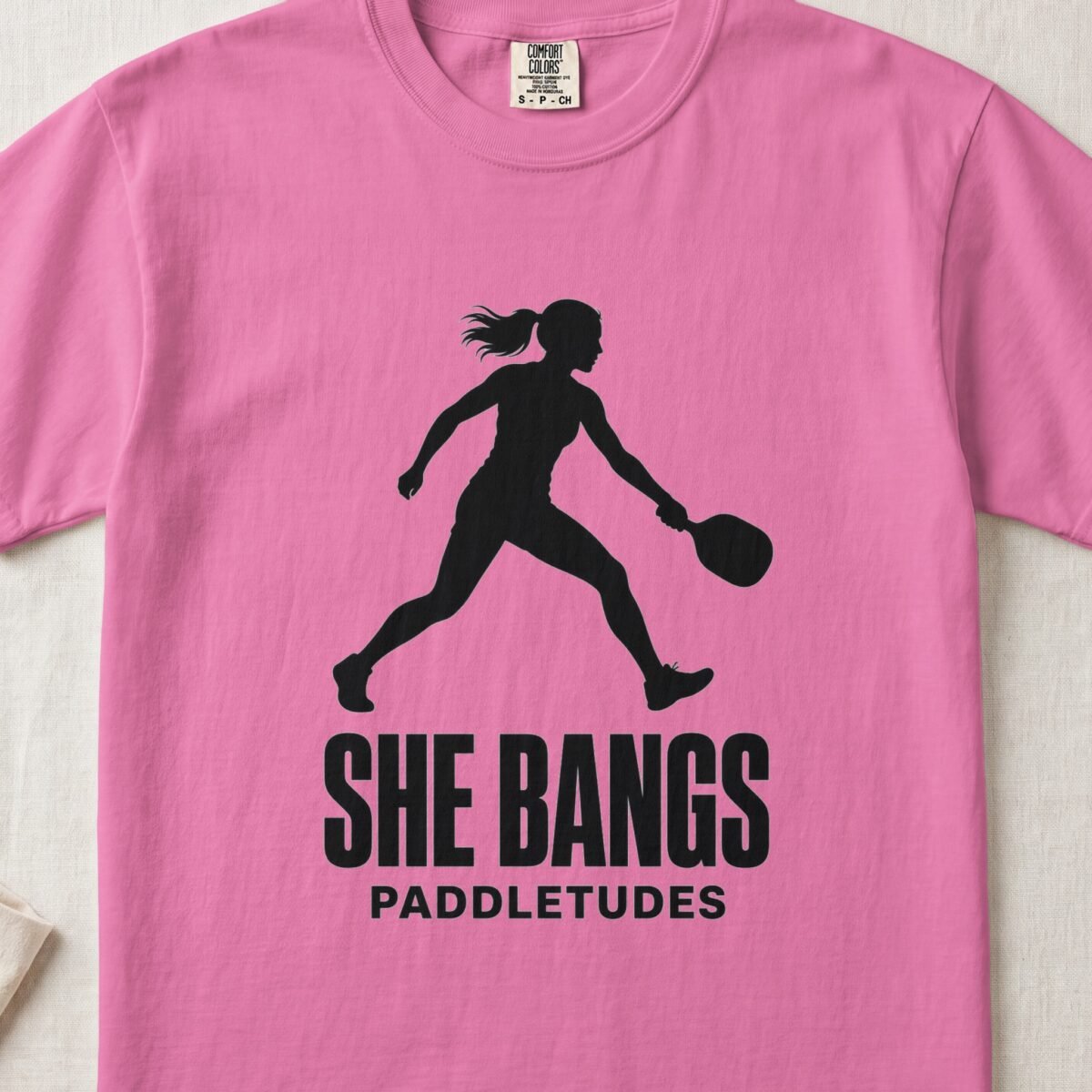
She Bangs
$29.99 Select options This product has multiple variants. The options may be chosen on the product page -
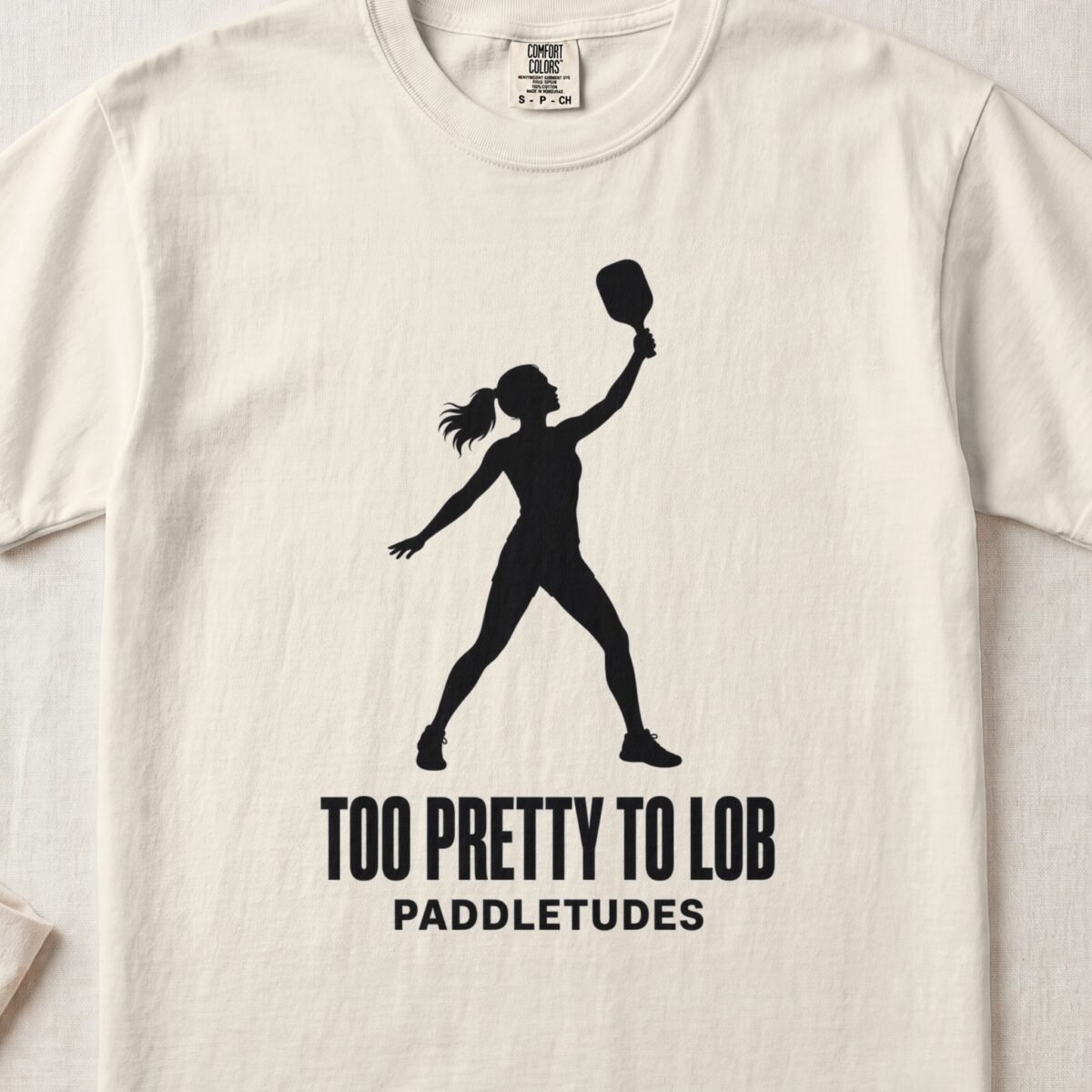
Too Pretty To Lob
$29.99 Select options This product has multiple variants. The options may be chosen on the product page