Animals Comfort Colors 1717
Poodle Sad
$39.99
- Comfort Colors 1717 heavyweight cotton
- Original design · printed to order
- U.S. print partners
The Poodle Shirt for the Dog Who Knew Before You Did
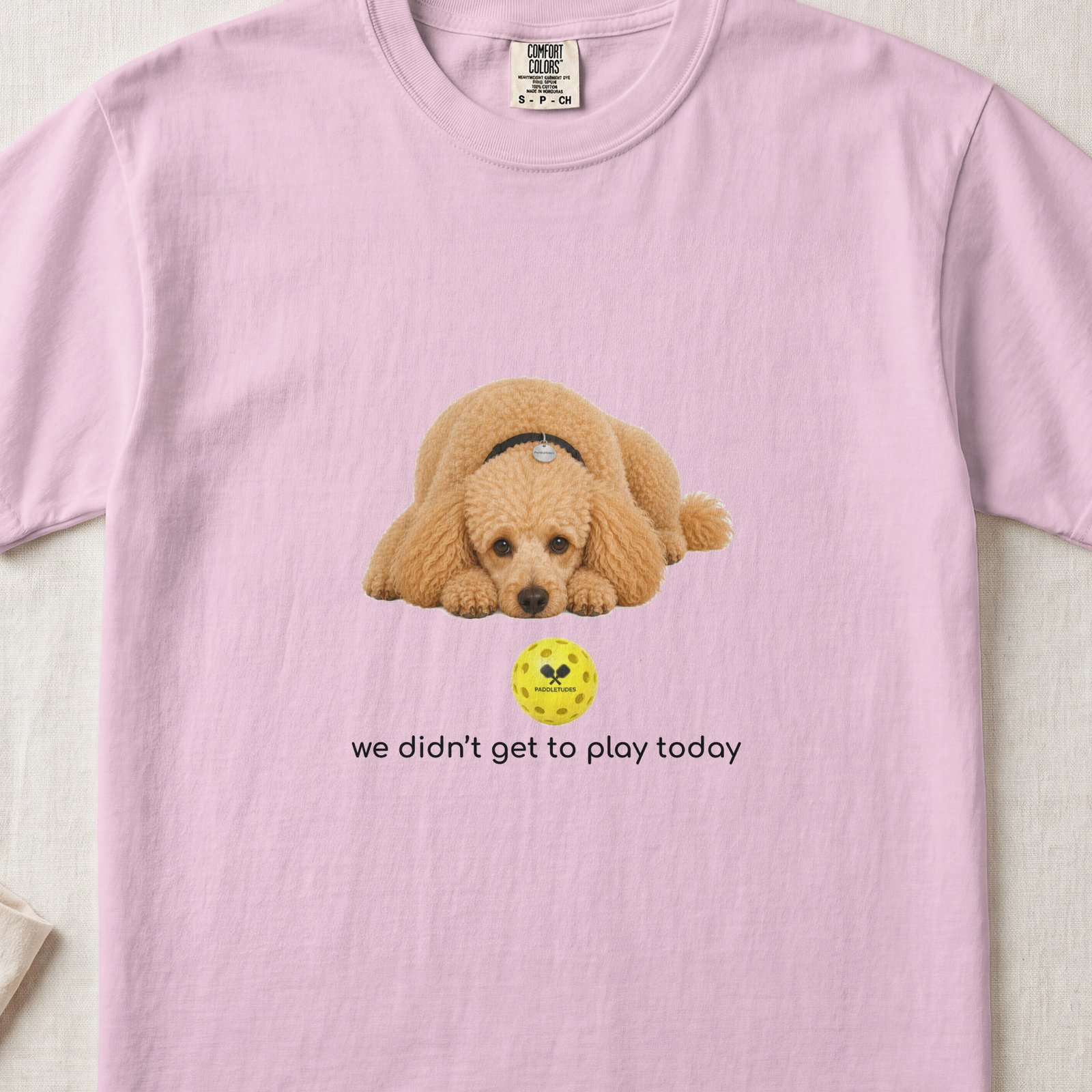
A Poodle knows you are leaving before you reach for the keys. The exact moment your curly-coated best friend figures out today is not a pickleball day, the household receives a quiet, measured, devastatingly intelligent diagnosis of failure — and the Poodle intends to wait in the hallway until someone corrects the situation.
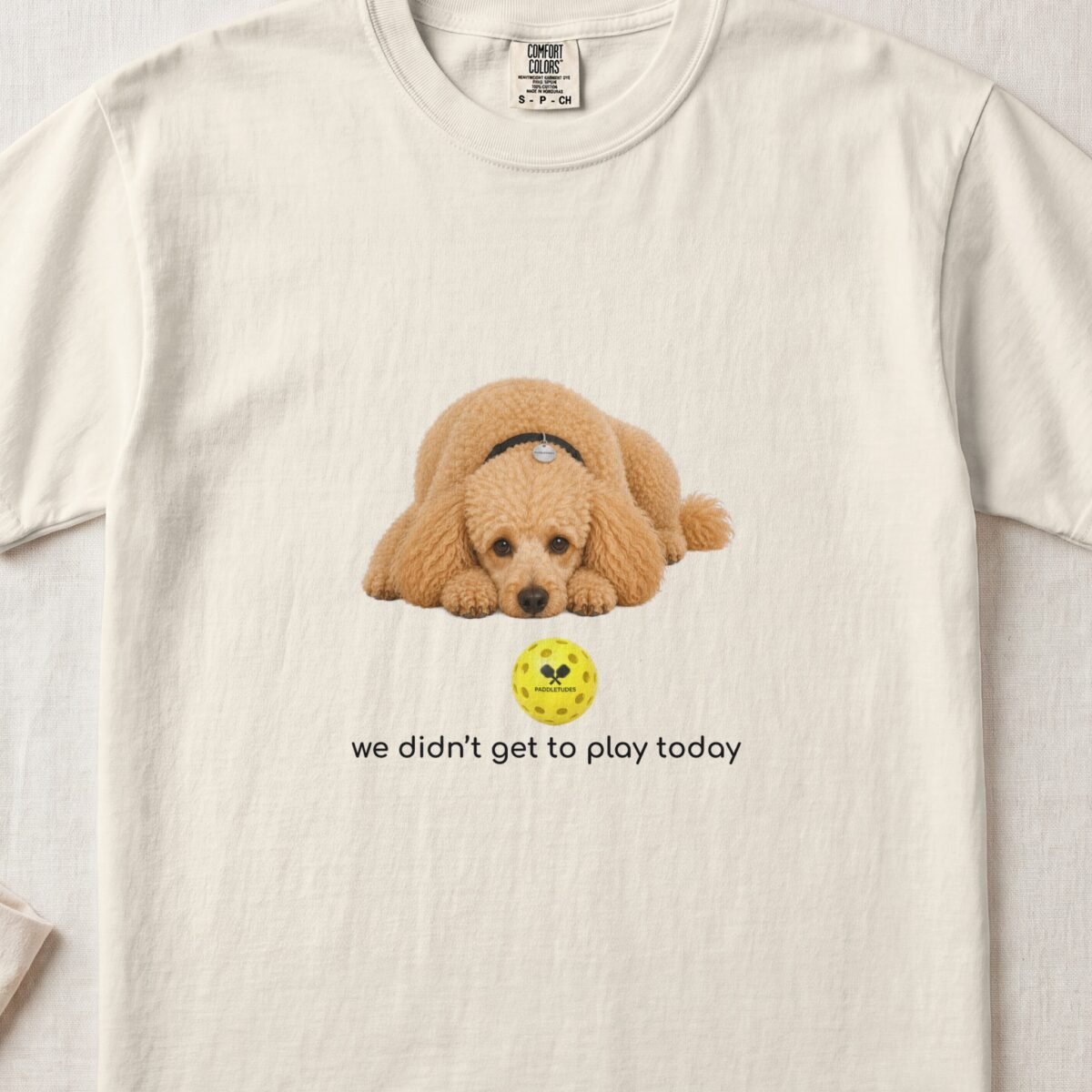
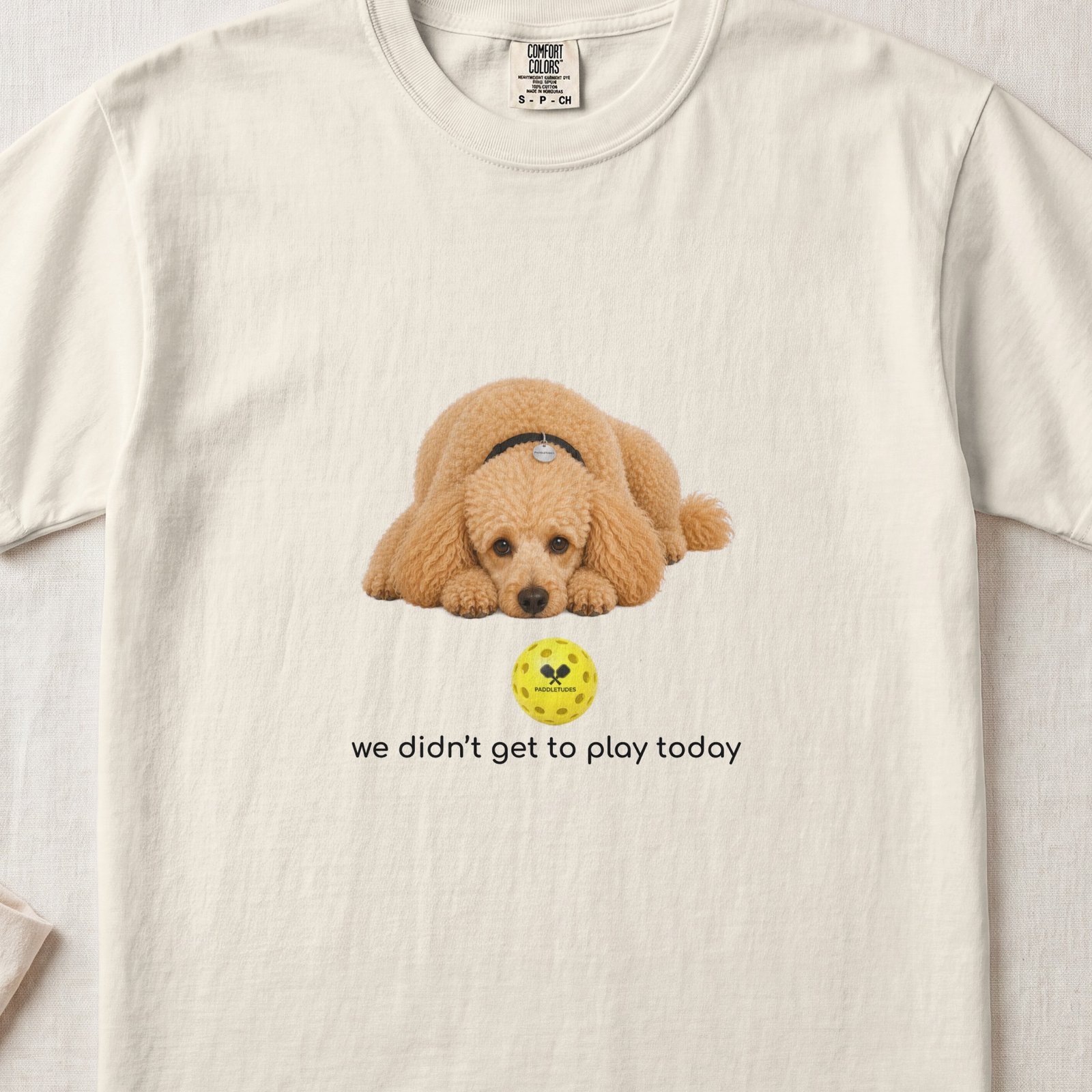
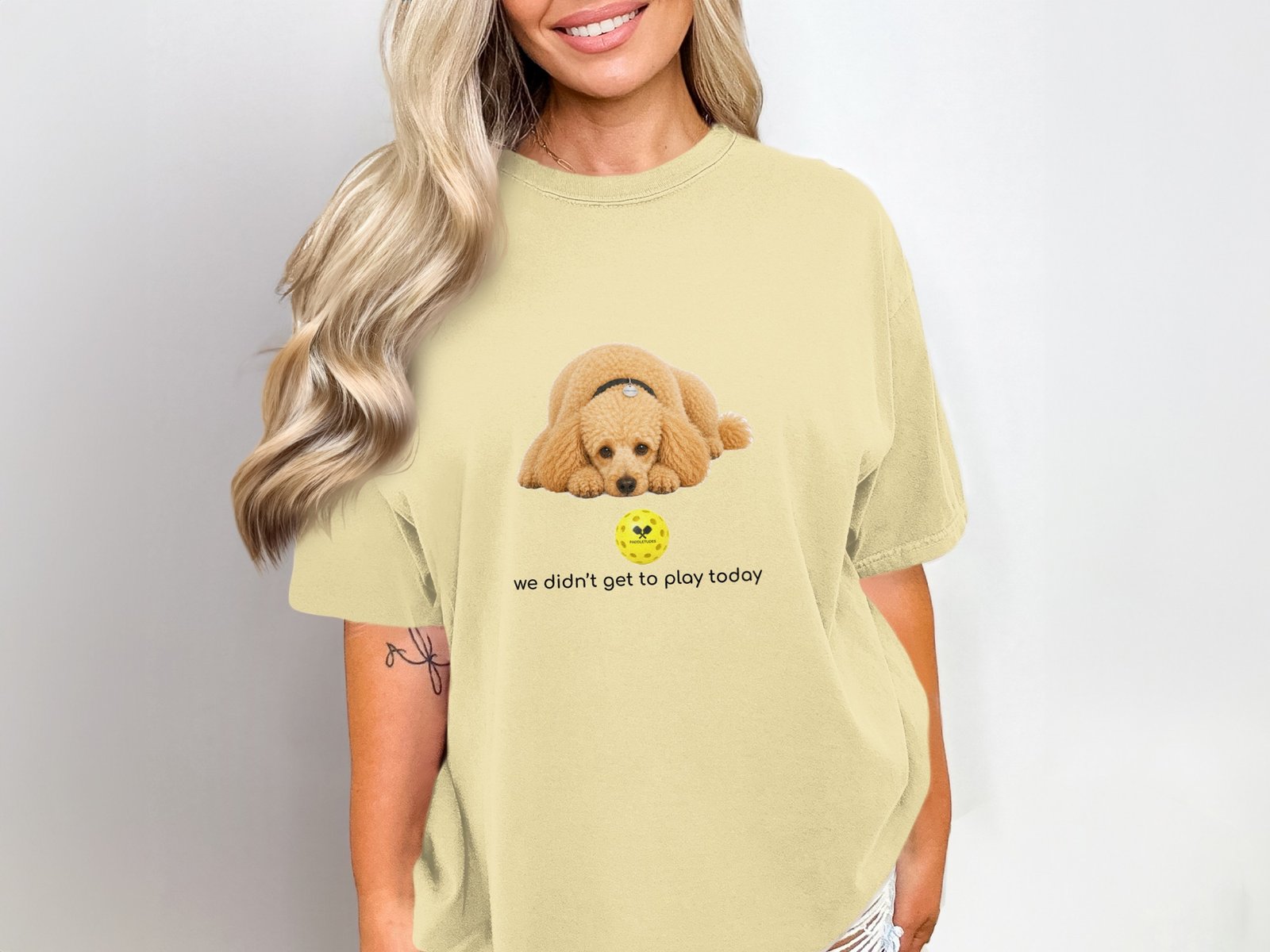
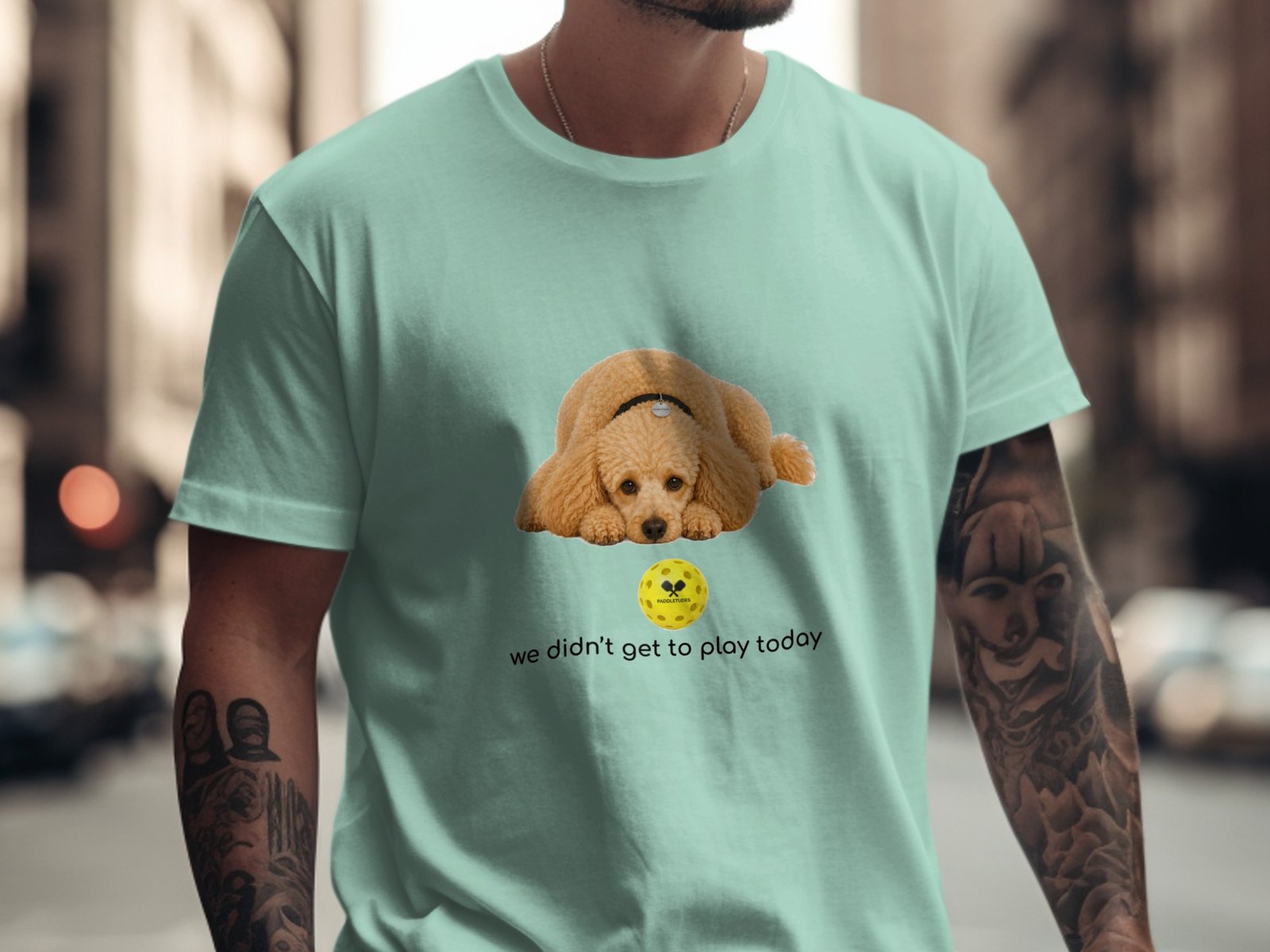
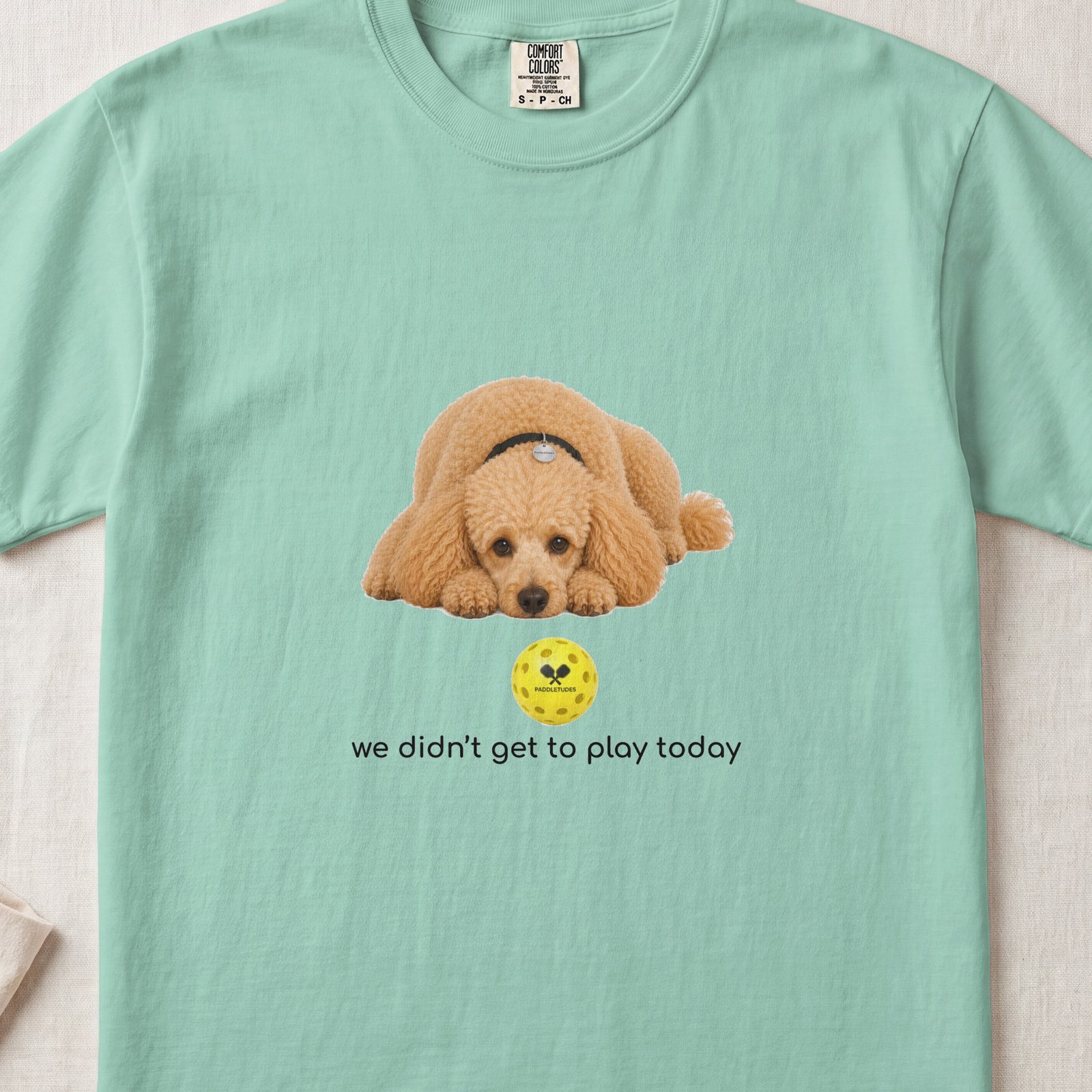
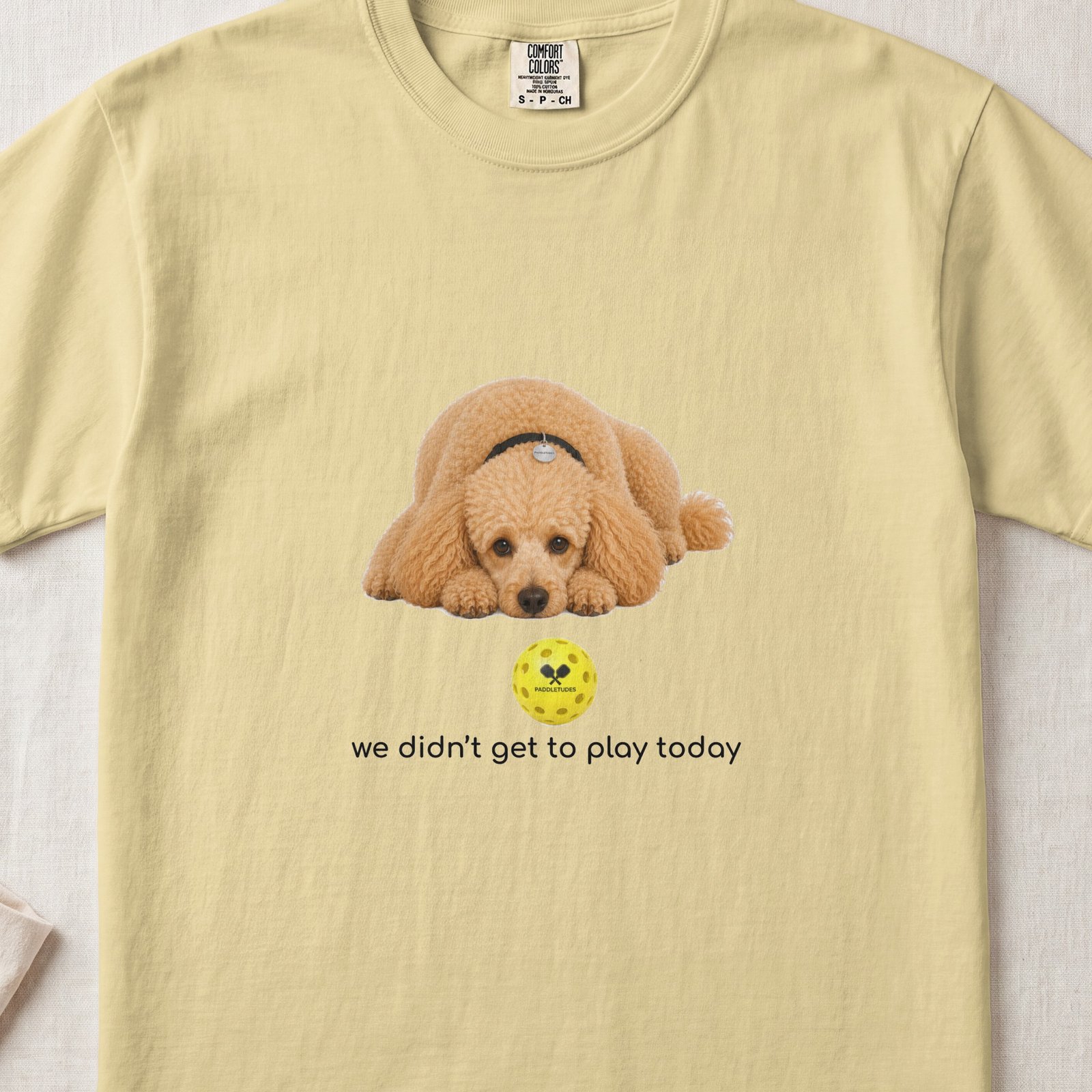
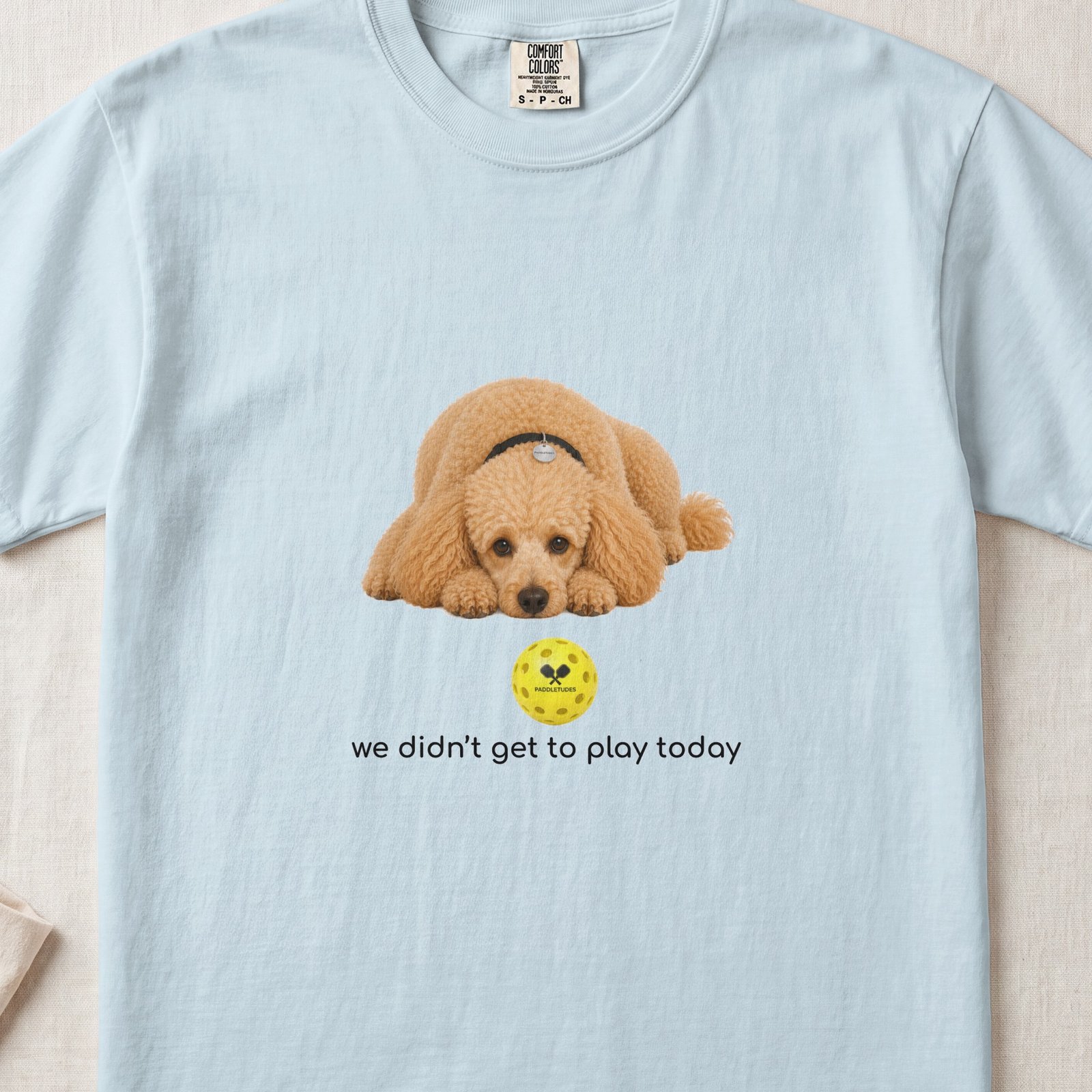
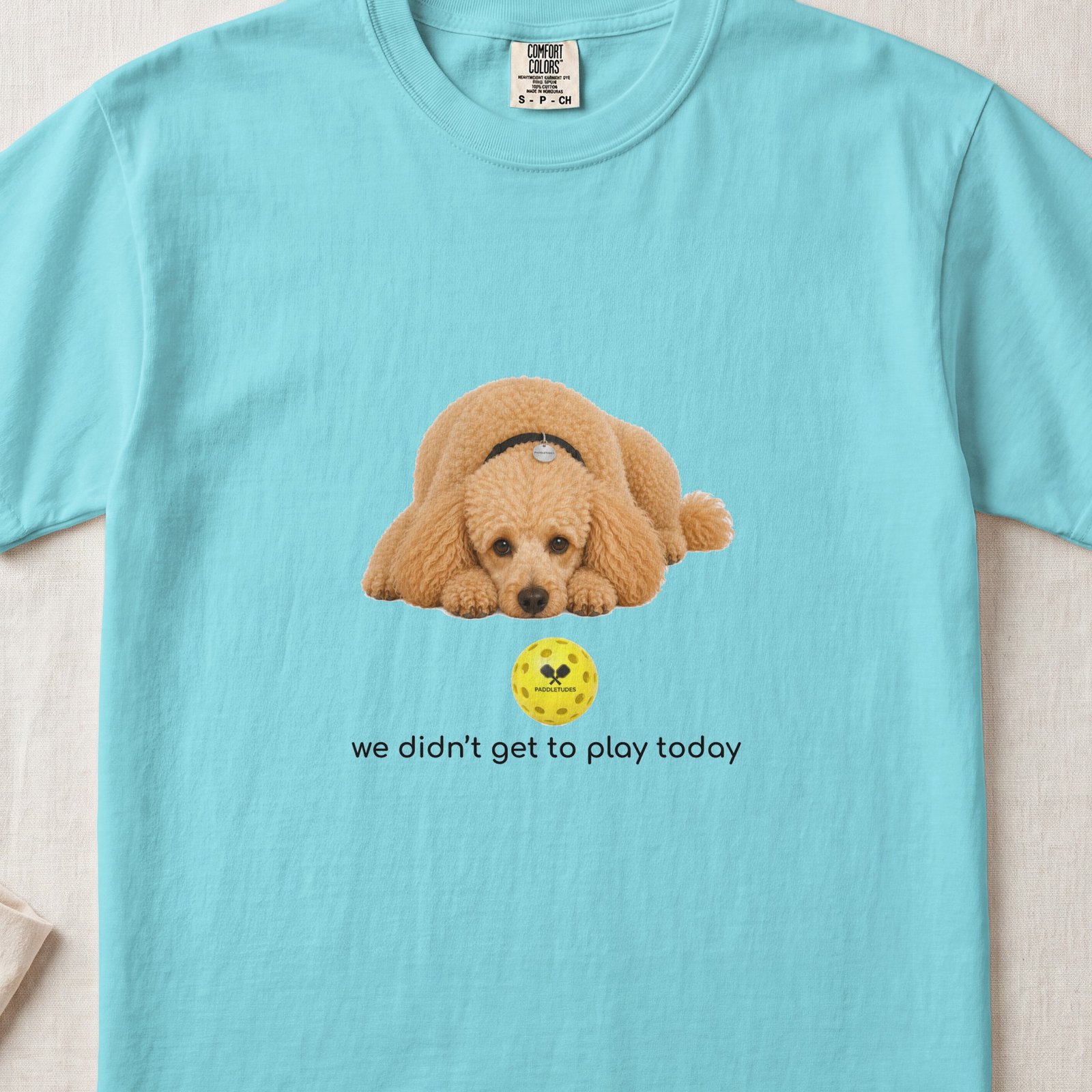
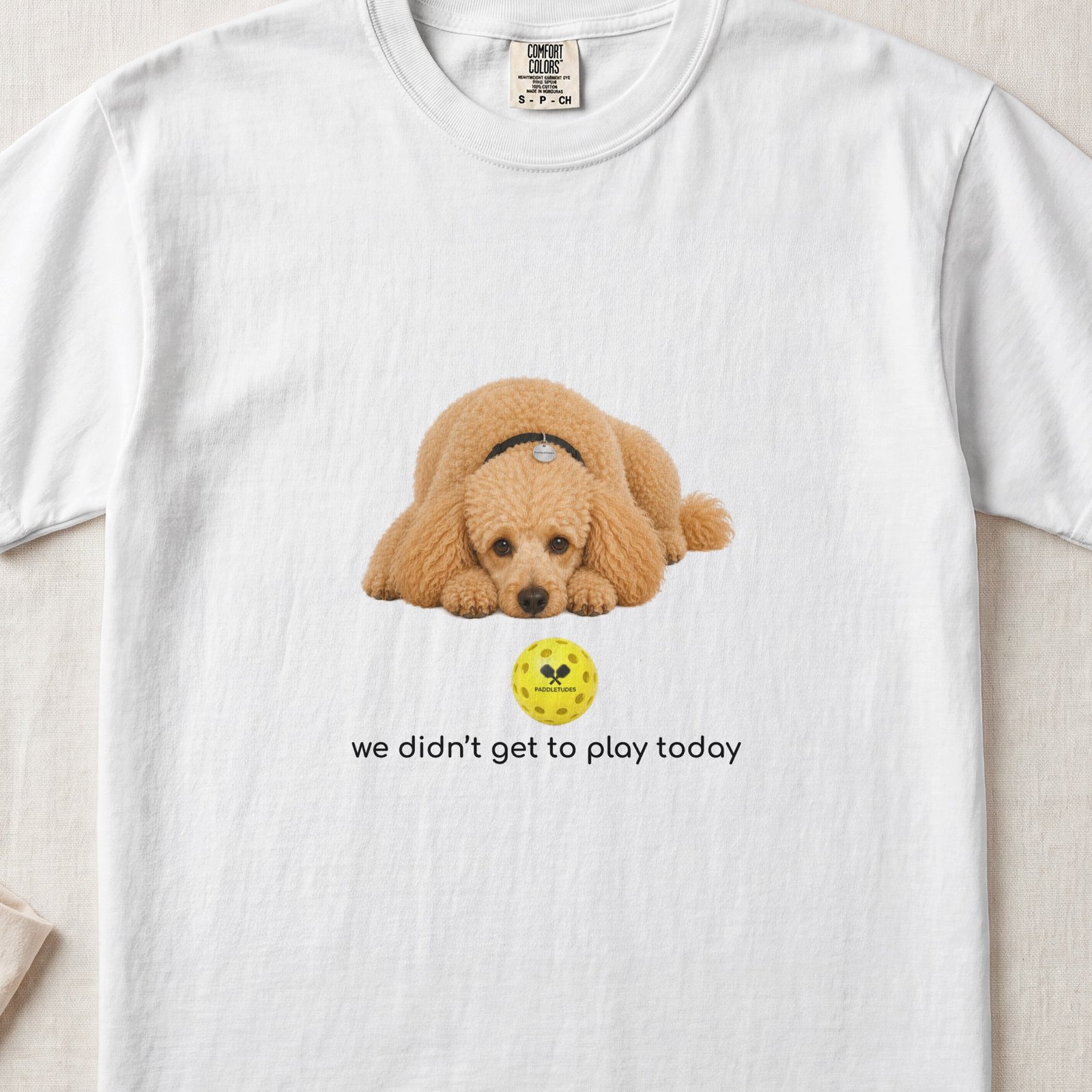
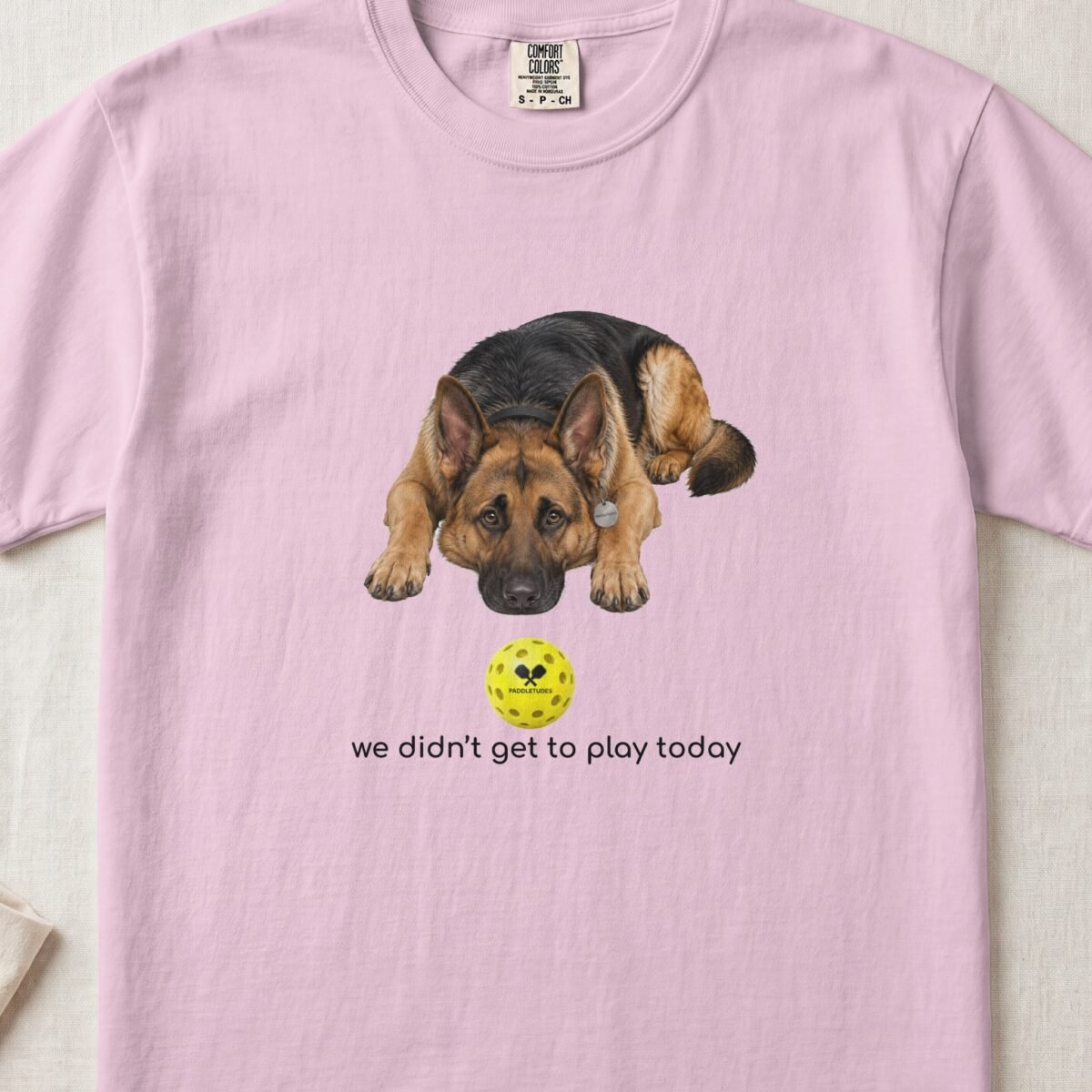
The design is devastatingly specific. A Poodle lying flat, head down, eyes doing all the talking — not the frantic eyes of a panicking dog, but the measured, searching gaze of a breed intelligent enough to feel genuine disappointment and expressive enough to make sure you know about it. The pickleball sits in front of them untouched, a prop in a silent argument they are winning without saying a word. “We didn’t get to play today” is not a complaint. It is a diagnosis. The Poodle has assessed the situation, identified the problem, and is now waiting — patiently, pointedly — for you to fix it.
If there is someone in your league whose Standard Poodle rides shotgun to every session and waits in the car with its chin on the dashboard, tracking the action through the windshield with the focused attention of a coach who cannot get on the court — this is their Christmas present. Not because it is funny, though it is, but because this poodle shirt captures the specific guilt that only a poodle lover who plays pickleball understands: the guilt of leaving a dog that is smarter than some of the people on the court, and who knows exactly how long you have been gone and has opinions about it that will be expressed through posture and eye contact the moment you walk through the door. A dog lover gift that nails that exact dynamic is the kind of poodle gift that gets worn to every session afterward.
Poodle owners know this look because they see it on days when the rain cancels open play, when the schedule does not cooperate, or when they simply chose to run errands instead of heading to the court. The Poodle does not throw a tantrum. That is beneath them. They communicate disappointment the way a college professor communicates disappointment — through silence, posture, and an expression that says I expected better from you and I am processing this setback with a maturity that only makes it worse. The Cane Corso processes disappointment with a similar intensity from a body that’s eight times the size — same emotional intelligence, very different physical presence.
What makes the Poodle’s sadness land harder than most breeds is the intelligence driving it. This is not a dog reacting to a stimulus. This is a dog drawing conclusions. Poodles are the second most intelligent breed according to canine psychologist Stanley Coren’s ranking, and that intelligence manifests as emotional perception that borders on unsettling. They read your body language before you have consciously decided what you are doing. They know the difference between putting on sneakers for the court and putting on sneakers for the grocery store. They track your mood with the accuracy of a clinical instrument and adjust their behavior accordingly — playful when you are up, subdued when you are stressed, and absolutely theatrical when they sense an opportunity to guilt you into staying home.
That sensitivity is also why Poodle ownership comes with specific responsibilities. A dog this emotionally attuned thrives in a stable, predictable environment and struggles in a chaotic one — harsh corrections devastate them not because they are fragile, but because they are paying such close attention that every signal lands at full force. Health-wise, Standard Poodles share the deep-chested bloat risk with other large breeds, and Addison’s disease — an adrenal insufficiency that causes lethargy, vomiting, and weight loss — occurs at higher rates in Poodles than in almost any other breed. The non-shedding coat needs professional grooming every four to six weeks, and the Poodle Club of America recommends annual eye exams and hip evaluations for breeding stock. These are not fragile dogs. They are complex dogs, and the people who love them accept the complexity because the return — a companion that reads you, matches you, and misses you with visible intelligence — is worth every grooming appointment and vet visit.
The happy version of this design captures the Poodle’s athletic side — your retriever actually holding the ball, looking like the natural athlete most people do not expect from the breed. See the Poodle Happy Tee. Browse the full breed lineup on our dog shirts collection.
Printed on a Comfort Colors 1717 garment-dyed heavyweight tee with water-based DTG ink — sizing and care details here.
Why Are Poodles So Sensitive to Their Owners’ Moods
Poodles rank second among all dog breeds for intelligence, and a significant portion of that cognitive power is directed at reading human emotion. They pick up on changes in your voice, your posture, your facial expression, and your routine with an accuracy that frequently startles first-time Poodle owners. If you are stressed, your Poodle knows before you have said a word — and it will respond, usually by staying closer, watching more intently, or mirroring your energy in a way that feels less like animal behavior and more like empathy.
This sensitivity has deep roots. The Poodle spent centuries as a working partner to hunters, and that working relationship demanded a dog that could read its handler’s signals in real time — interpreting hand gestures across a marsh, anticipating the direction of a throw before it happened, adjusting its position based on subtle shifts in body language. The breed was also refined as a companion for European aristocracy, where attentiveness to the owner’s emotional state was the entire job description. Both of those selection pressures — the working retriever and the devoted companion — pushed the breed toward hyper-awareness of human emotion.
The practical result is a dog that functions almost like an emotional barometer in your household. A happy home produces a relaxed, playful Poodle. A chaotic or tense home produces an anxious one. This is not fragility — it is calibration. Poodles thrive in stable, predictable environments with owners who are emotionally consistent, because the dog is constantly processing the mood of the room and adjusting to match it. Harsh corrections devastate them not because they are weak, but because they are paying such close attention that every signal lands at full force.
For pickleball players, this means your Poodle knows your game-day routine cold. They know which shoes mean court time. They know the sound of a paddle bag zipper. They know the difference between a day you come home energized and a day you come home frustrated. The sad face on this design is not a generic cartoon sadness — it is the precise, intelligent, slightly accusatory look of a dog that has processed your departure, measured the time you have been gone, and is now waiting at the door with an expression that says I tracked the whole thing and I have notes.
-
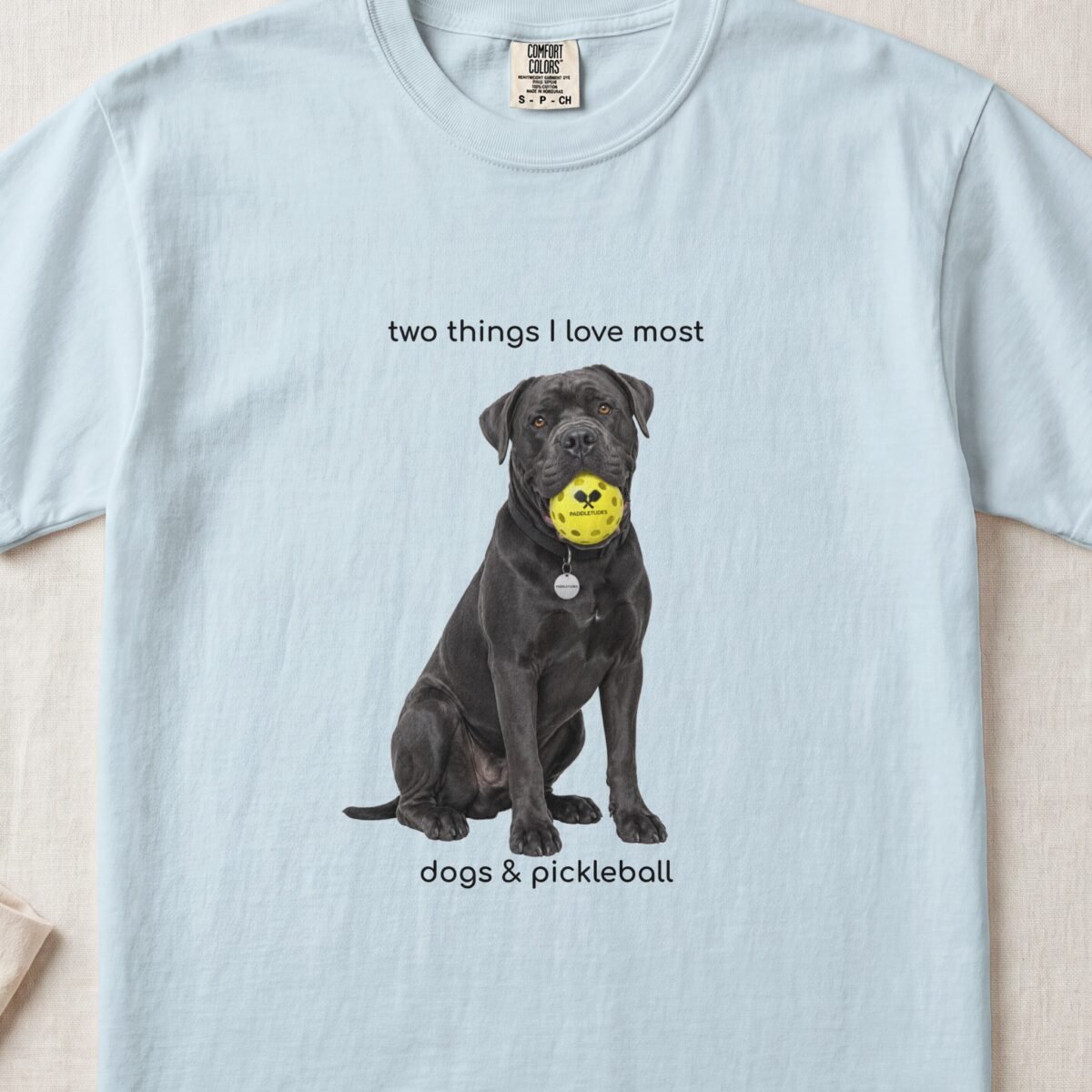
Cane Corso Happy
$39.99 Select options This product has multiple variants. The options may be chosen on the product page -
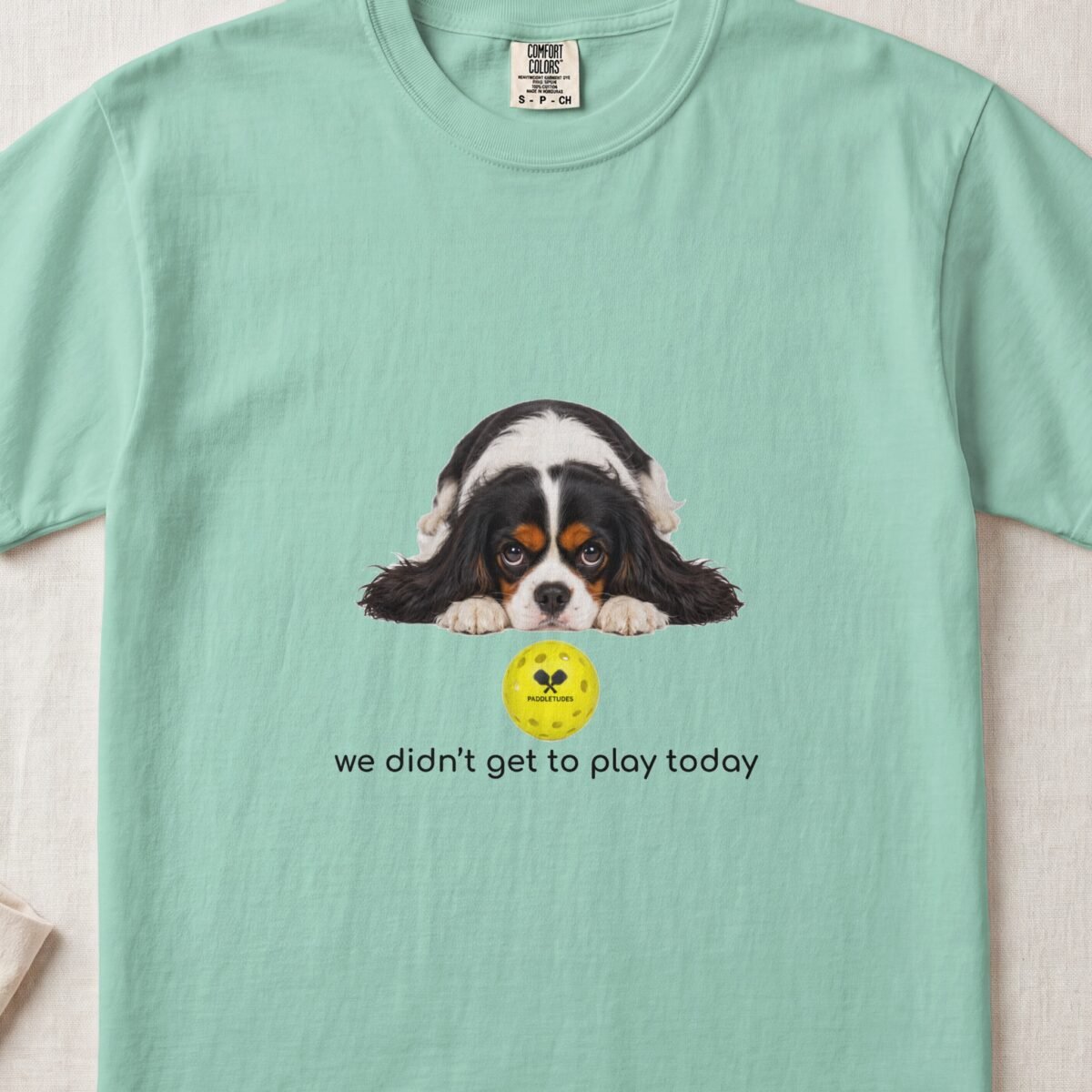
Cavalier King Charles Spaniel Sad
$39.99 Select options This product has multiple variants. The options may be chosen on the product page -
German Shepherd Sad
$39.99 Select options This product has multiple variants. The options may be chosen on the product page