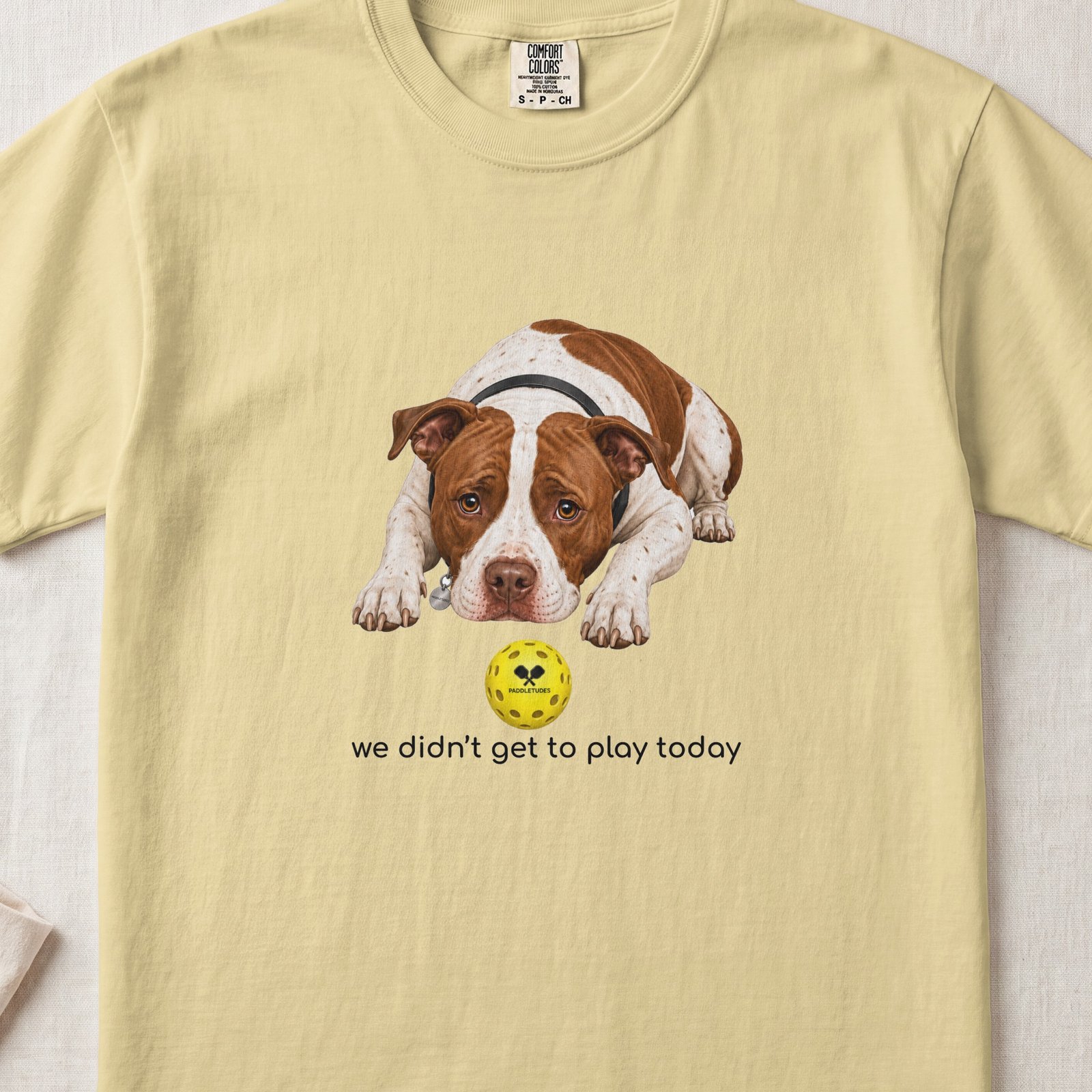
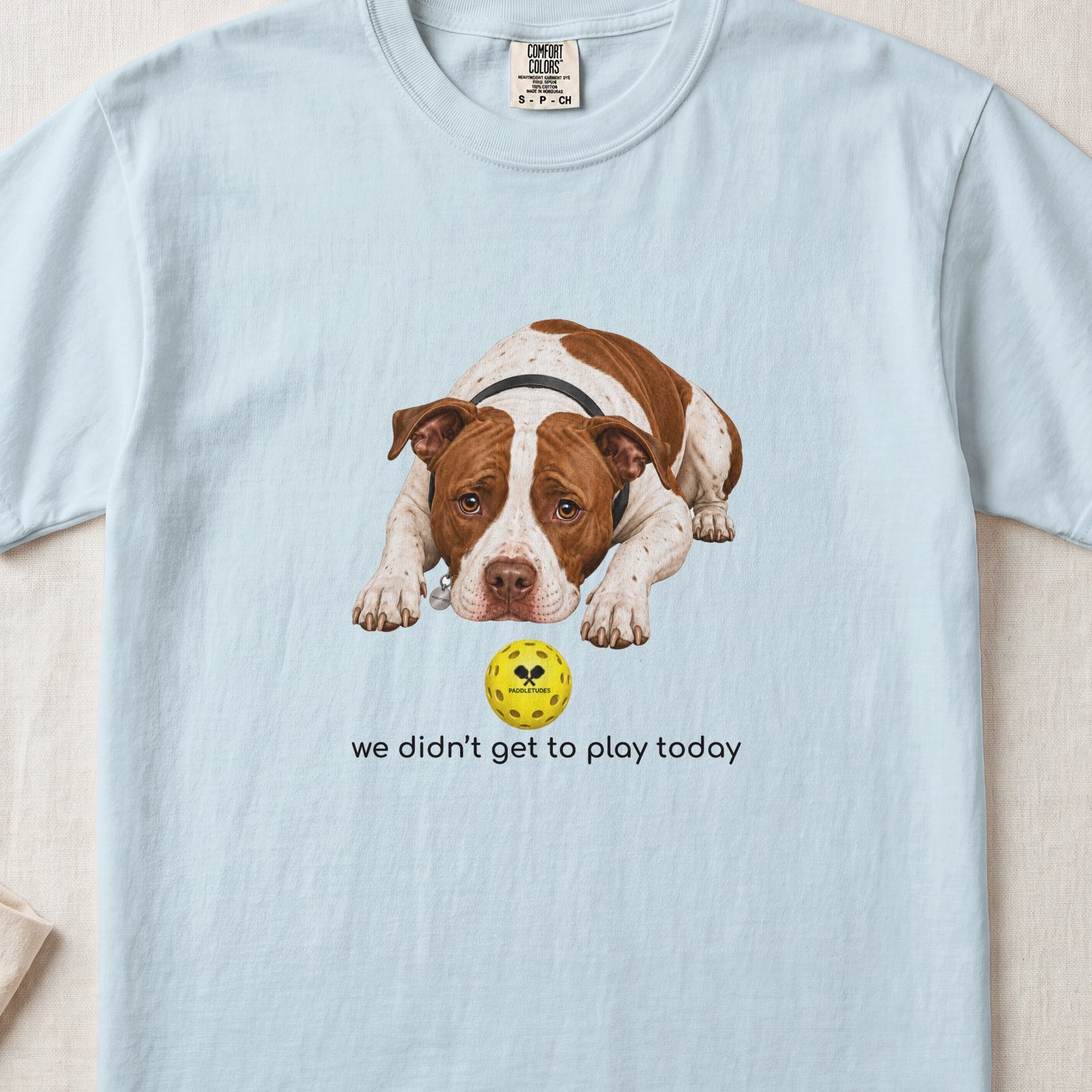
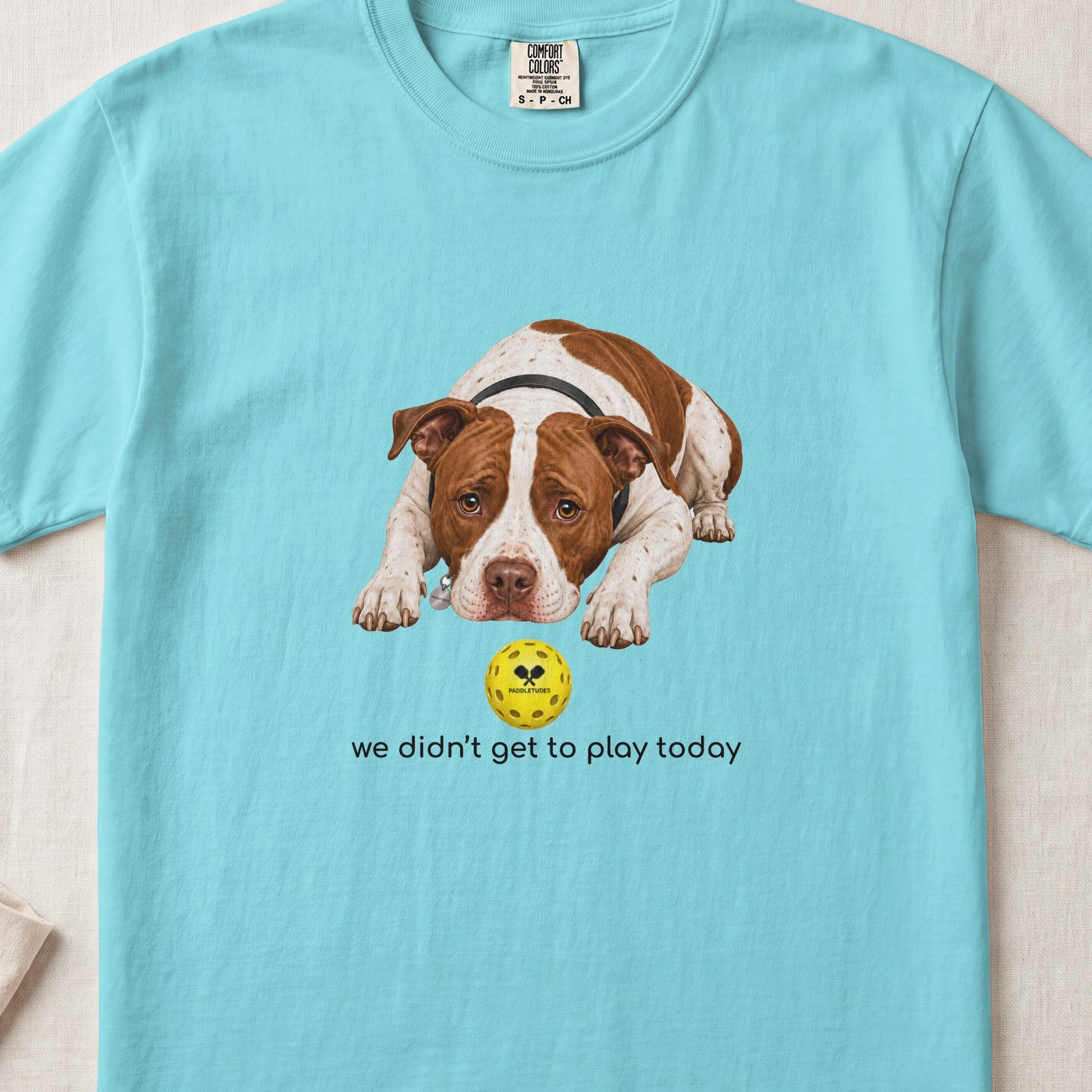
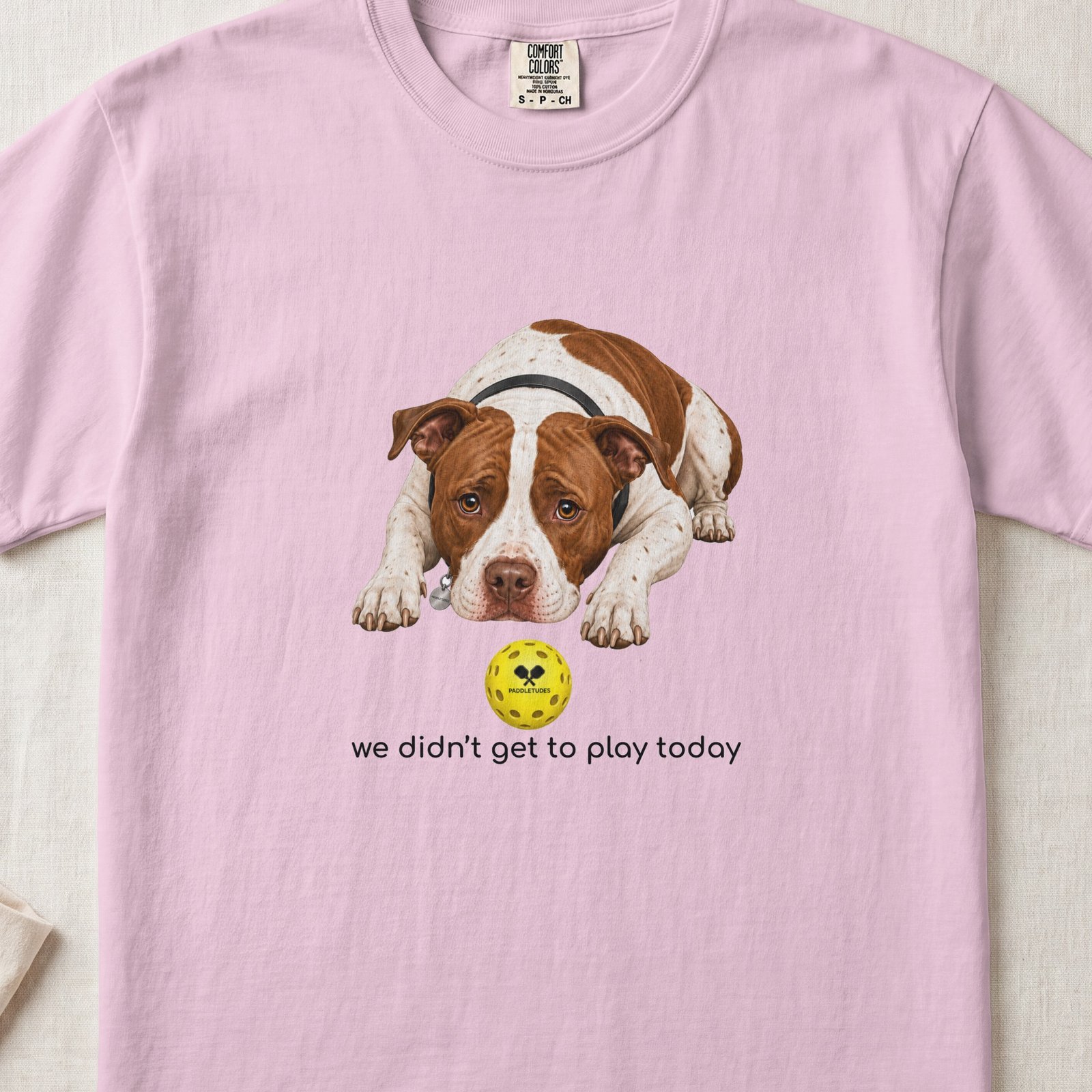
Animals Comfort Colors 1717
Pit Bull Sad
$39.99
- Comfort Colors 1717 heavyweight cotton
- Original design · printed to order
- U.S. print partners
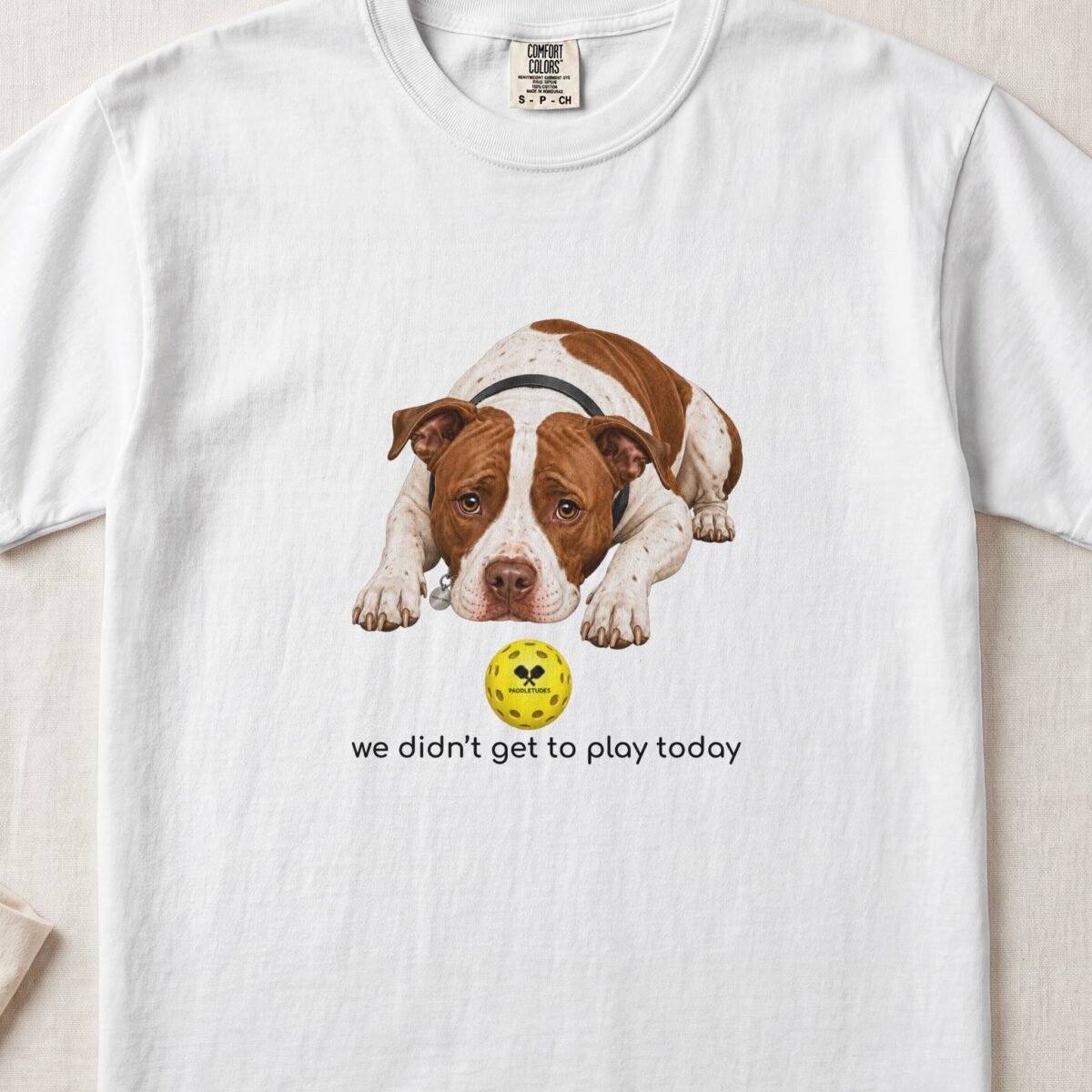
A Pit Bull Gift for the Couch Stare That Breaks You
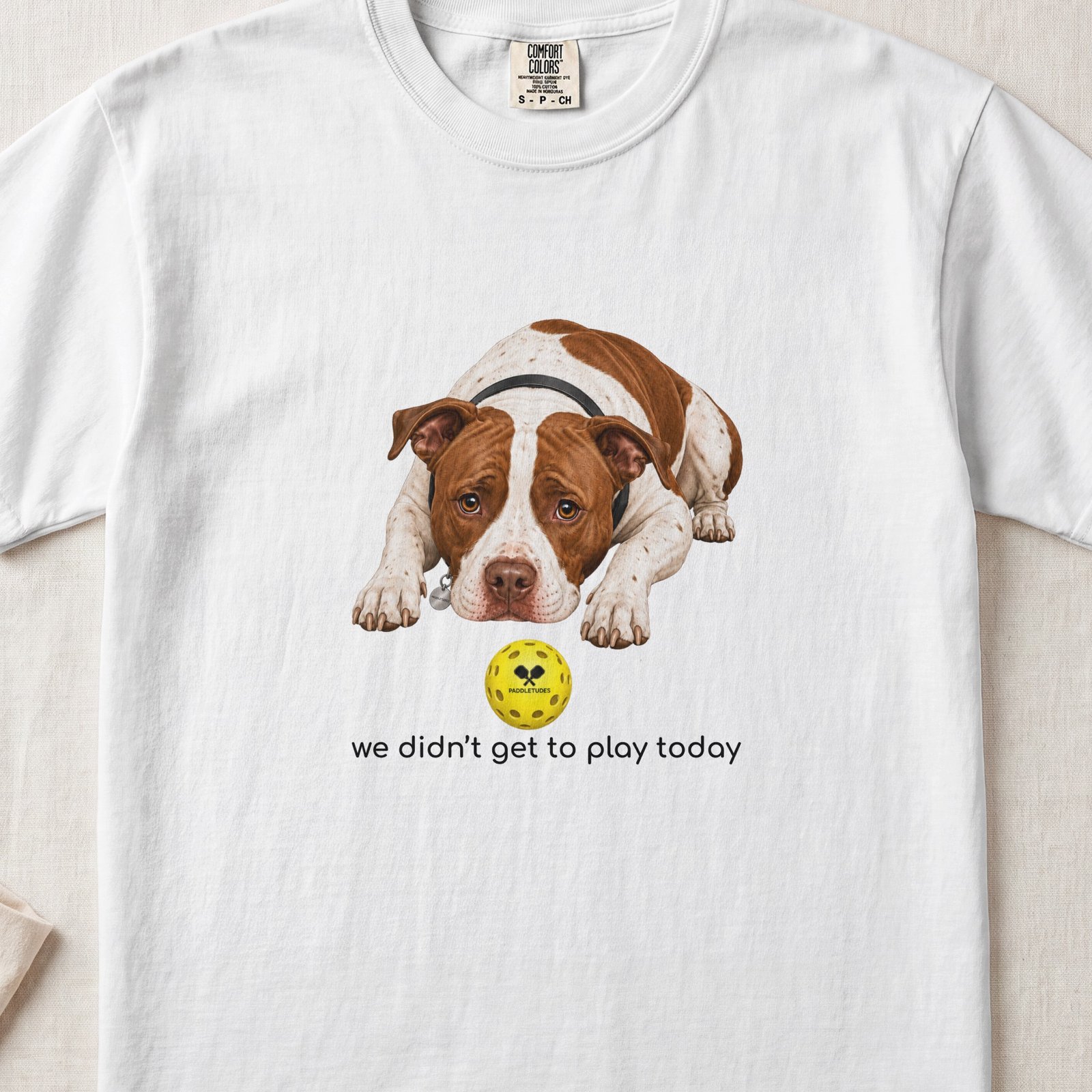
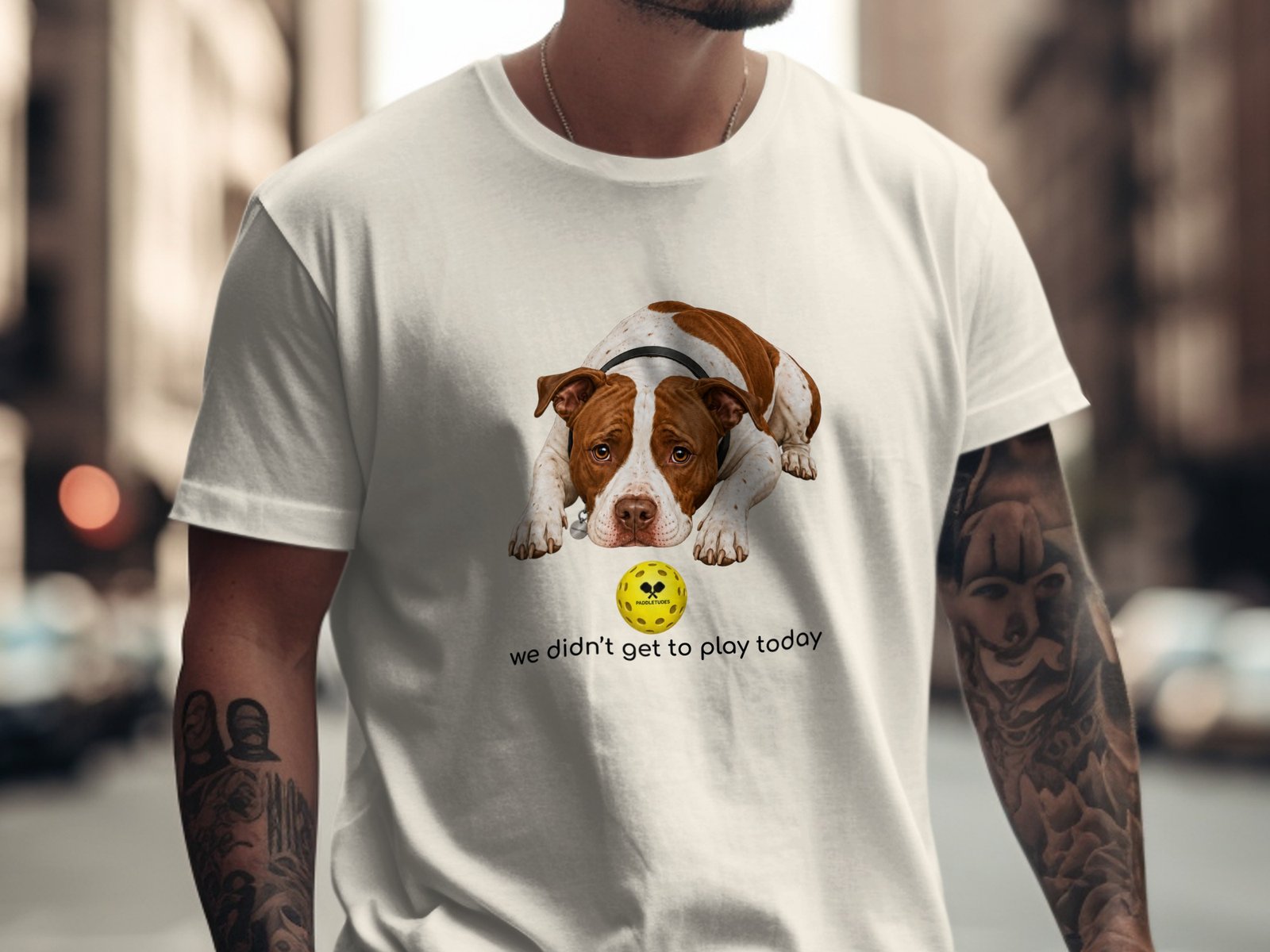
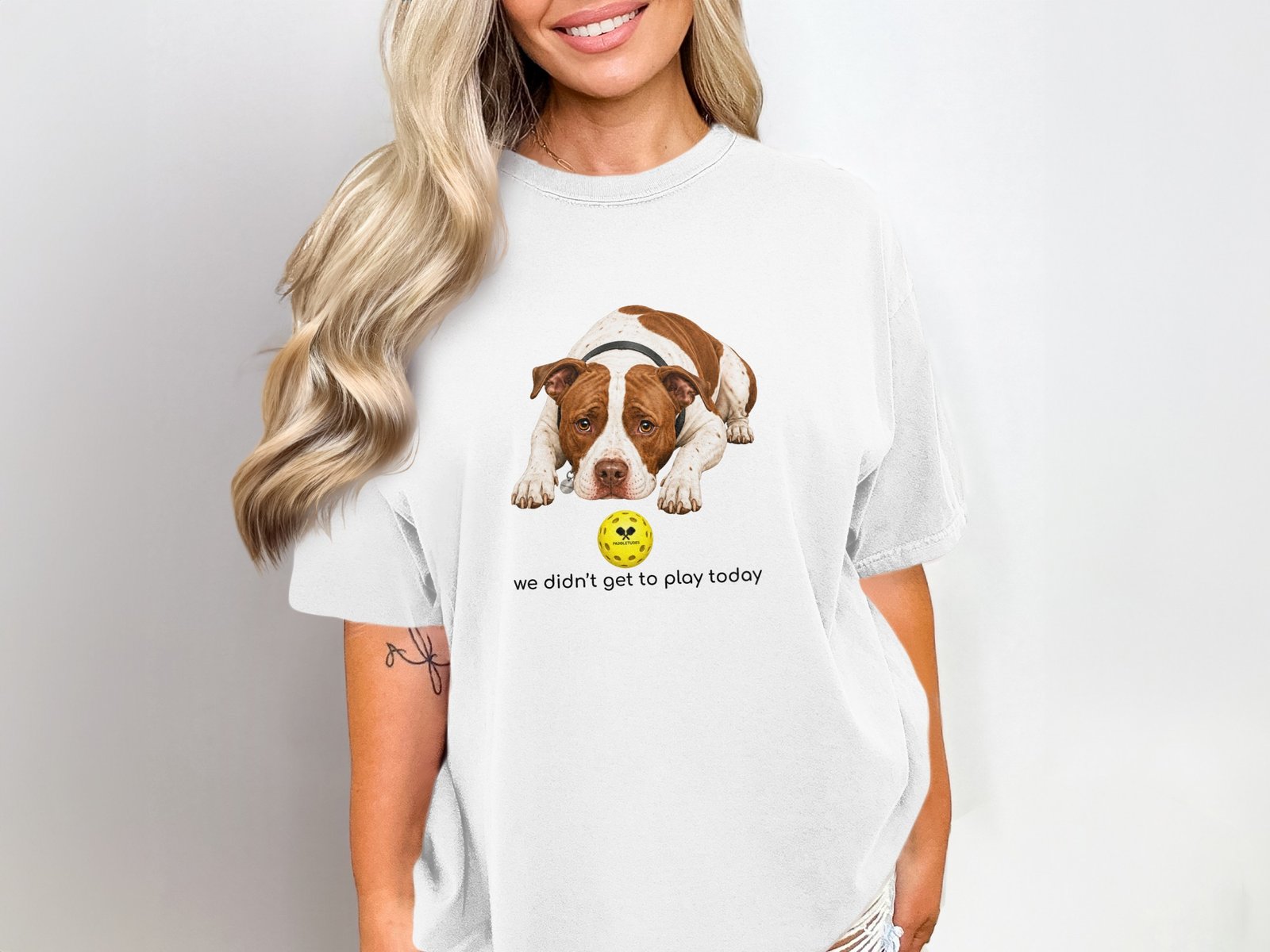
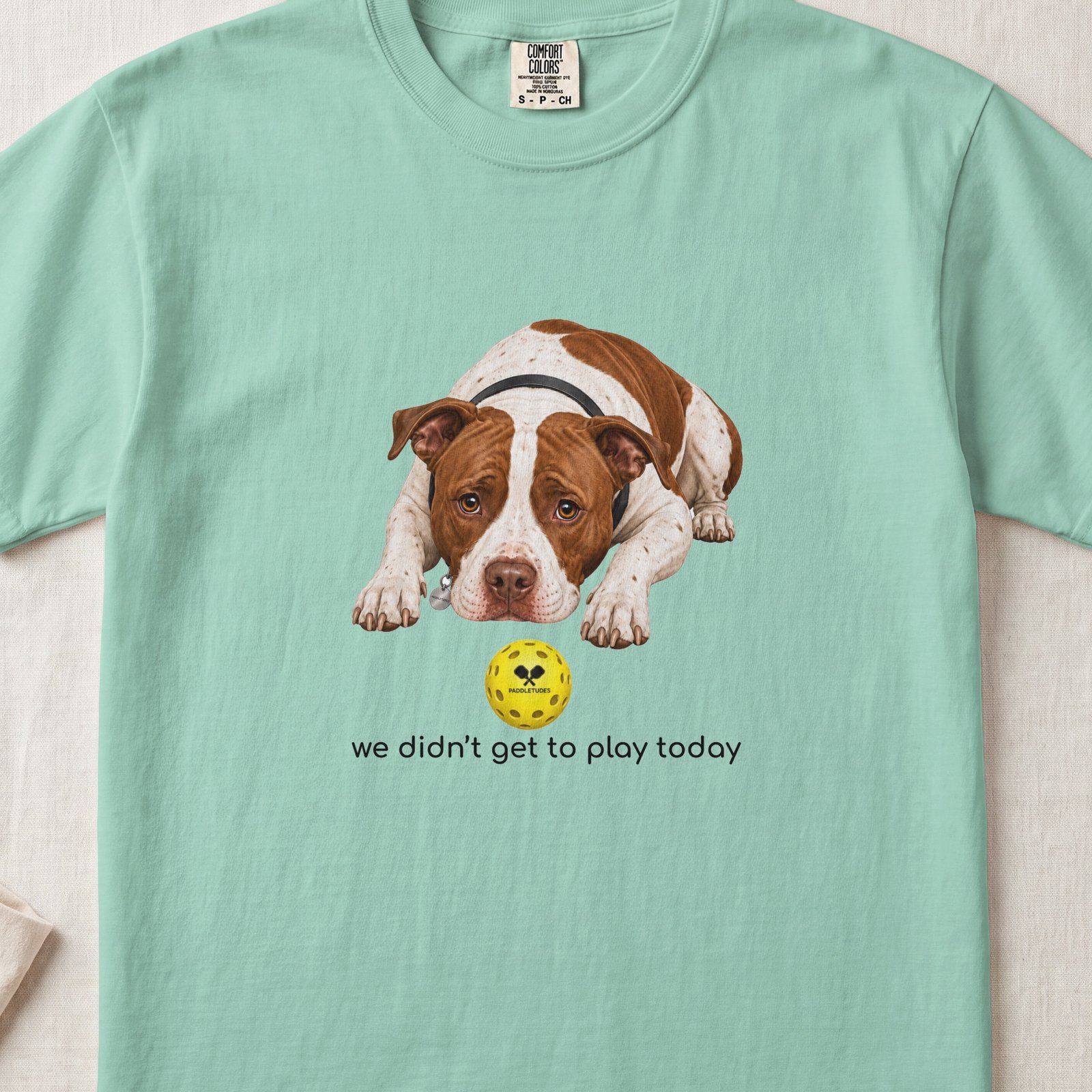
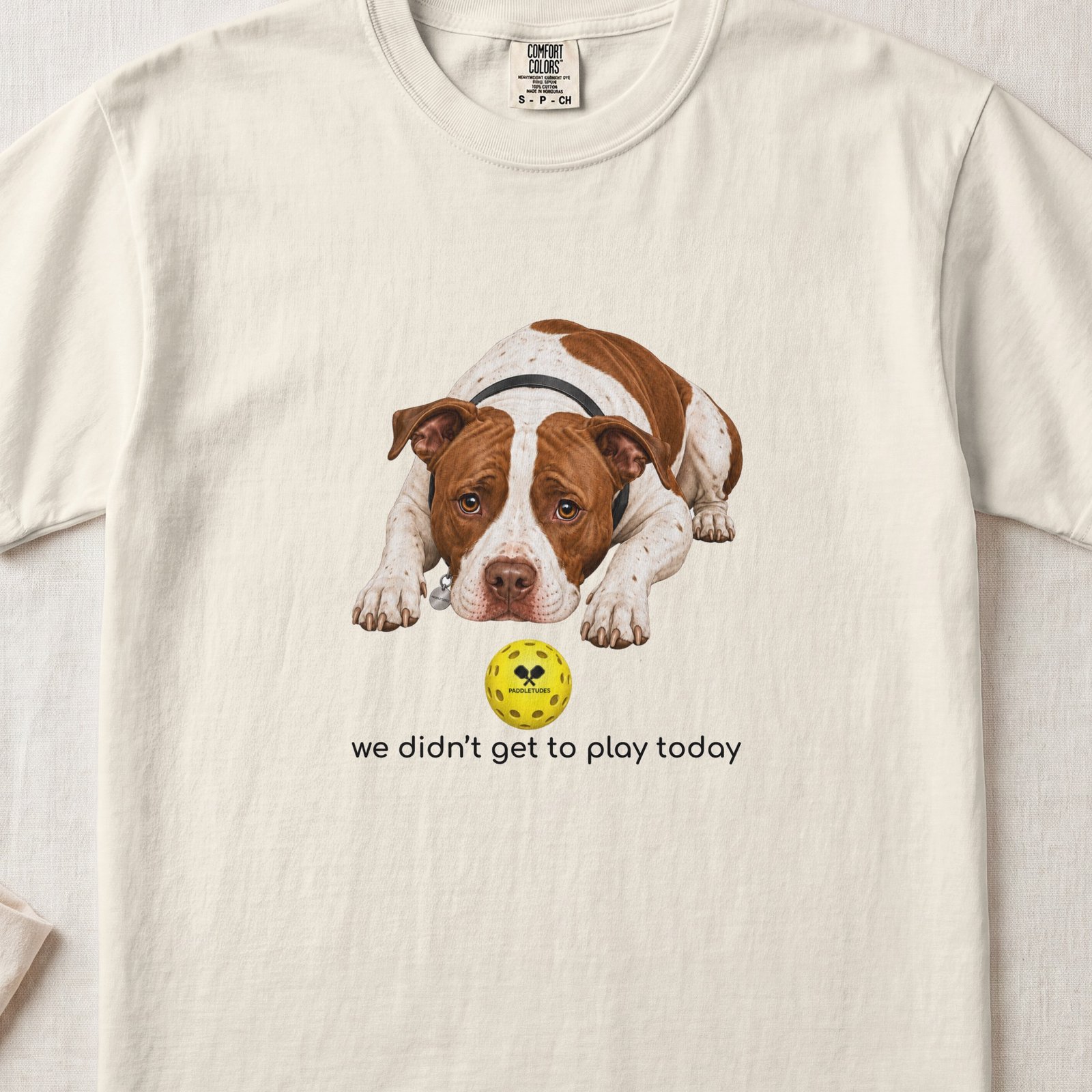
The leash is on the hook. The ball is by the door. Your Pit Bull is on the couch, staring at both. No court today. This pit bull shirt captures the moment your dog realizes the routine just broke — not with a tantrum, not with destruction, but with a sixty-five-pound stare that could outlast a power grid. If you know someone whose Pit Bull runs this kind of guilt operation, this is their pit bull gift. And if you’ve seen the happy version — the grin, the wiggle, the full-body excitement — this is what happens when that same dog gets the wrong answer.
A sad Pit Bull doesn’t do sad the way other breeds do. There’s no howling, no pacing, no revenge chewing. There’s just presence — the dog who was already glued to your side now becomes a weighted blanket you didn’t ask for, parked on the couch with their chin on your thigh, exhaling with the kind of dramatic timing that suggests they’ve been practicing. The pitbull lover who wears this shirt has lived this scene a hundred times. They know the eyes. They know the sigh. They know the specific weight of a Pit Bull head on a human knee when that head has decided it’s disappointed in you.
For Father’s Day, this is the dog dad shirt — the one for the guy whose Pit Bull follows him from room to room and takes it personally when the paddle bag comes out instead of the leash. For a retirement gift, it’s the shirt that marks the beginning of a new era: every day is dog day now, and the Pit Bull already knows it. Grandpa’s morning routine just got a permanent co-pilot. It works as a stocking stuffer for the person who’s already told you three separate stories this month about what their dog did while they were at the courts. As a pit bull gift for any occasion, this one earns its spot because it names a specific feeling — not generic dog sadness, but the targeted emotional precision of a Pit Bull who’s memorized your schedule and noticed you deviated.
The loyalty that produces this kind of reaction isn’t accidental. Pit Bulls were bred for centuries in close partnership with people — not as kennel dogs or independent workers, but as household companions who slept where their families slept and went where their families went. The ASPCA notes that the breed’s historical role included everything from farm work to family guardian to children’s companion, and all of those roles required one trait above everything else: the drive to stay close to their person. That drive didn’t soften over the generations. It intensified. The modern Pit Bull doesn’t just want to be near you. They want to be on you, against you, or within direct line of sight at all times — and when that proximity gets interrupted, the result is the face on this shirt. The Doberman channels that same working-dog loyalty through silent, dignified intensity, and every breed’s version of the departure guilt lives on the dog shirts collection.
What the sad Pit Bull reveals is the emotional architecture behind the smile. The same dog that grins at strangers and wiggles through every greeting carries an equal capacity for devastation when the routine breaks. It’s not anxiety in the clinical sense — most well-adjusted Pit Bulls handle alone time just fine. It’s the transition that gets them. The moment between “we’re doing something together” and “you’re leaving without me” is where the face happens. The leash is right there. The ball is right there. You’re right there. And somehow, none of those things are connecting into the outcome this dog planned for, which was obviously going with you. The German Shepherd adds vocal protest to the same moment — different soundtrack, same guilt.
Printed on a Comfort Colors 1717 garment-dyed heavyweight tee with water-based DTG ink — sizing and care details here.
Why Are Pit Bulls So Loyal
Pit Bulls are loyal because the breed was developed over generations specifically for close human partnership — unlike hounds bred to work independently on a scent trail or livestock guardians bred to make decisions alone in the field, Pit Bulls were selected for their willingness to work alongside and for their handler. That selection pressure produced a dog whose default state is oriented toward its person.
The loyalty shows up in ways that are less dramatic than protection and more persistent than most people expect. A loyal Pit Bull doesn’t just bark at intruders. They follow you from the kitchen to the bathroom. They reposition themselves every time you change rooms. They sleep pressed against your leg, not across the room. The breed’s loyalty is spatial — they maintain proximity as a baseline, not a response to threat. It’s less “I’ll defend you” and more “I’ll be right here, always, for everything, including this trip to the refrigerator.”
For the Pit Bull owner who plays pickleball, the loyalty creates a specific kind of guilt. The dog who tracks your every move knows the pre-court routine better than you do. They know which shoes mean pickleball. They know which bag means you’re leaving. And they know when you’re going through the motions without the finale — the part where you actually walk out the door with them. That awareness, that tracking, that investment in your schedule — that’s loyalty expressed as surveillance, and it’s why the sad Pit Bull stare carries the weight it does.
Are Pit Bulls Sensitive Dogs
Pit Bulls are among the most emotionally sensitive breeds in the working group — they read human facial expressions, vocal tone, and body language with a precision that surprises people who expect a tough, stoic animal. Raise your voice at a Pit Bull once and they’ll remember the tone for weeks. Come home stressed and they’ll press against you before you’ve put your keys down.
This sensitivity is a feature of the breed’s human-focused development. Dogs bred to work in close quarters with families — sharing living spaces, responding to children, reading the emotional temperature of a household — developed a finely tuned ability to mirror human emotion. A Pit Bull doesn’t just notice that you’re upset. They absorb it. They’ll adjust their behavior, lower their energy, and physically close the distance until they’re touching you, because the breed’s response to human distress is always the same: get closer.
The flip side of that sensitivity is the sad face. A Pit Bull who senses the pickleball routine is about to happen without them doesn’t just miss the activity. They read your intent before you act on it — the way you glance at the bag, the way you check the time, the shift in your energy from “home mode” to “leaving mode.” By the time you’ve actually changed clothes, the dog already knows and has already begun the slow descent into the stare. That’s not separation anxiety. That’s emotional intelligence applied to schedule tracking, and it’s why the sad Pit Bull doesn’t need to bark or whine. The face does all the work.
-
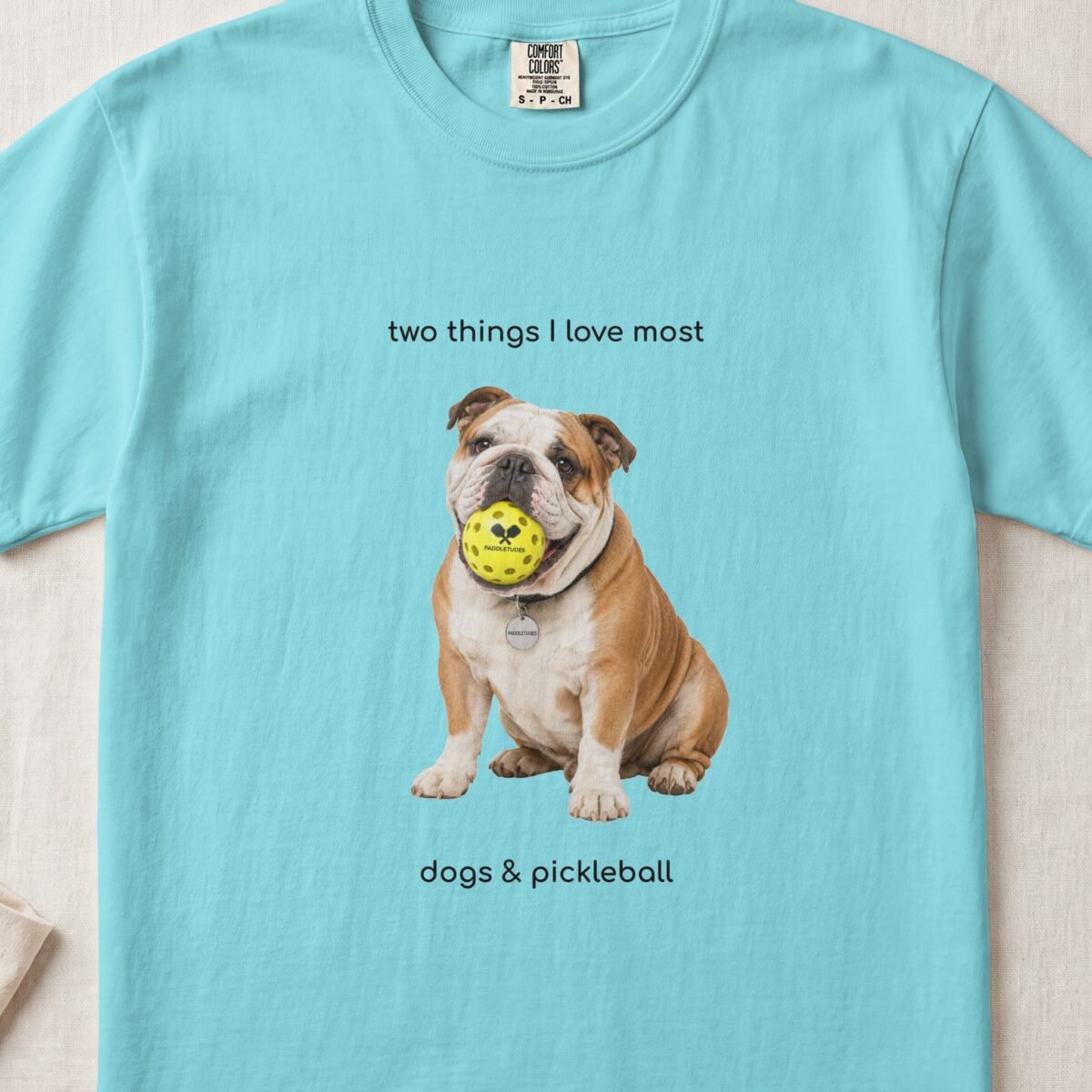
Bulldog Happy
$39.99 Select options This product has multiple variants. The options may be chosen on the product page -
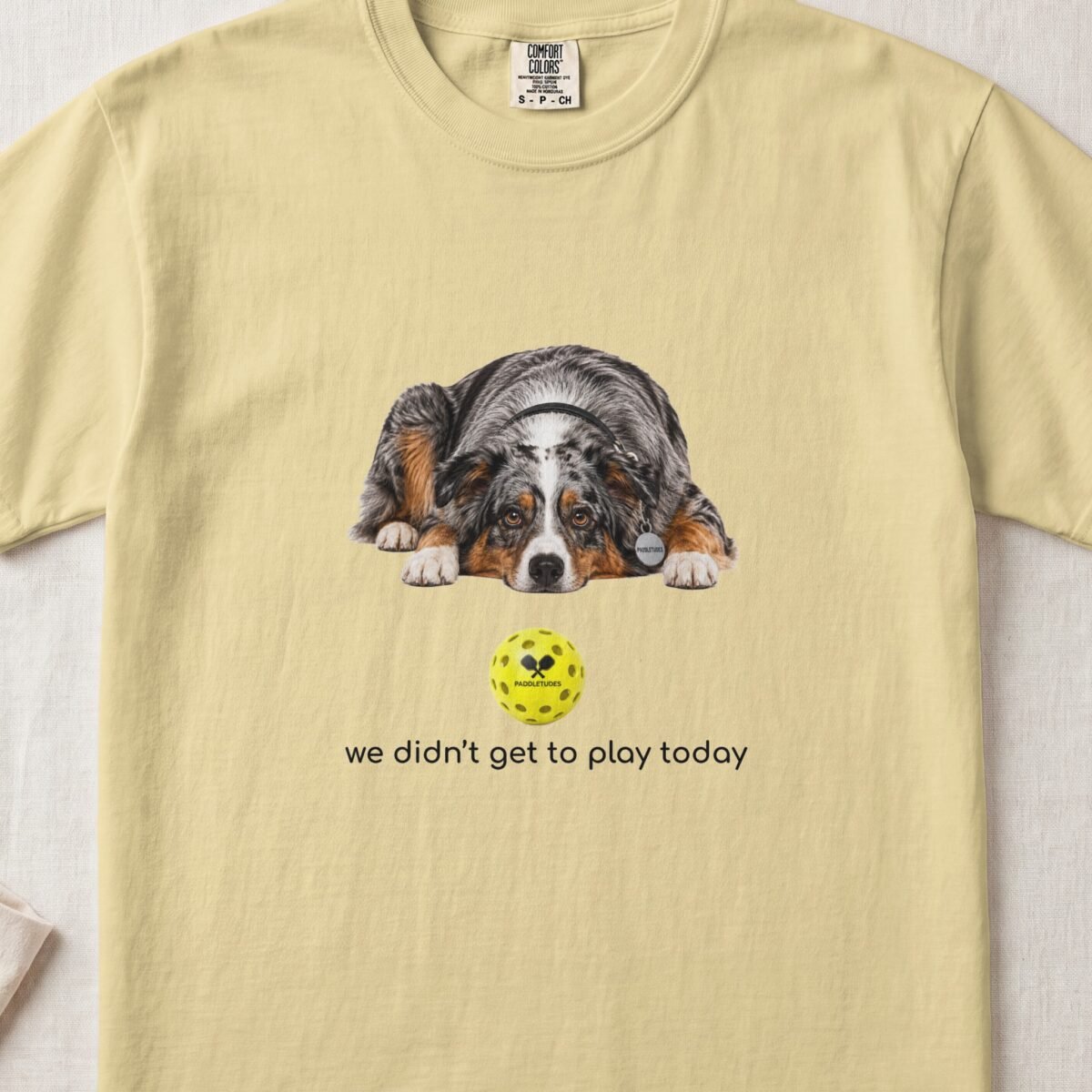
Mini Australian Shepherd Sad
$39.99 Select options This product has multiple variants. The options may be chosen on the product page -
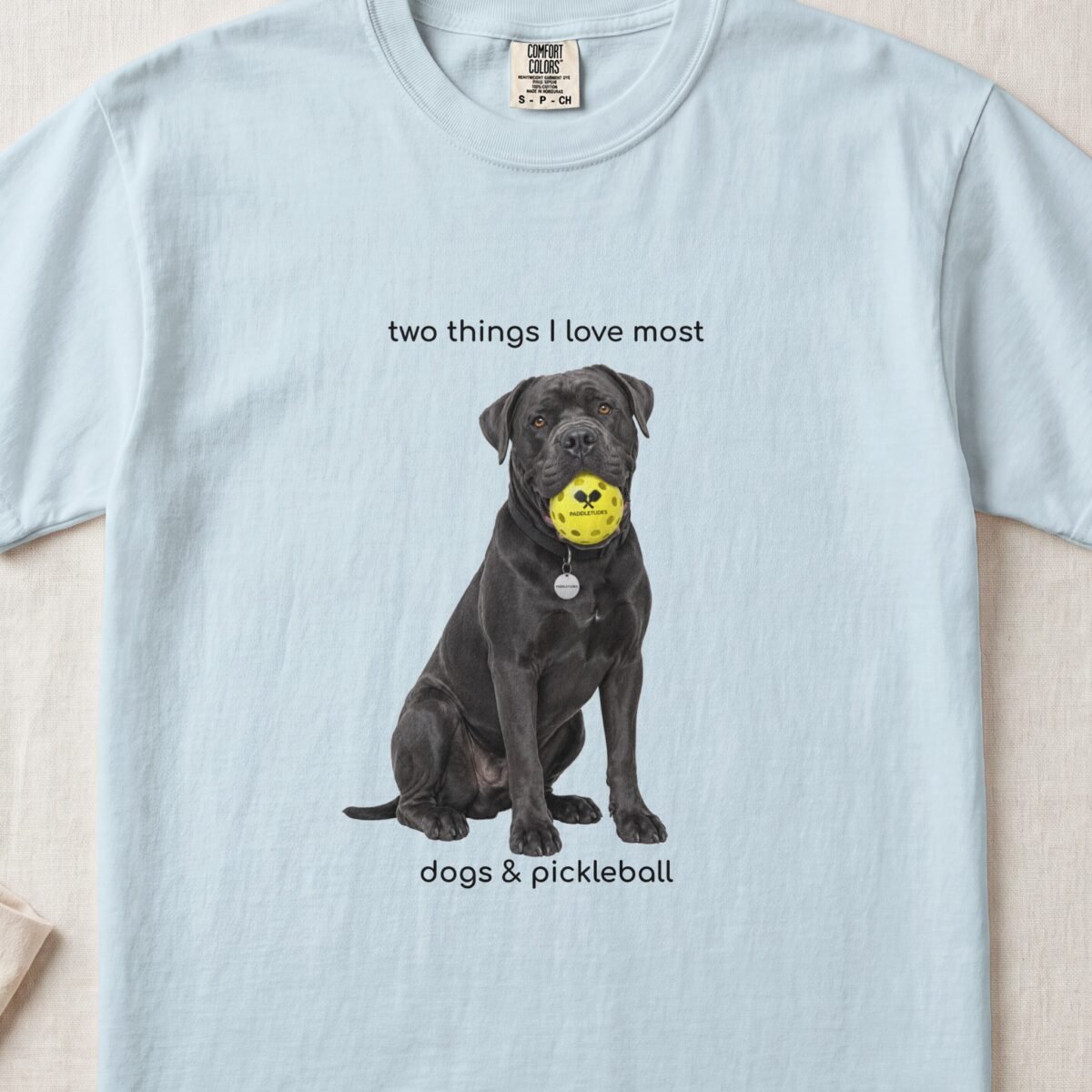
Cane Corso Happy
$39.99 Select options This product has multiple variants. The options may be chosen on the product page