Pickleball in Austin Has a Kitchen Problem (The Good Kind)
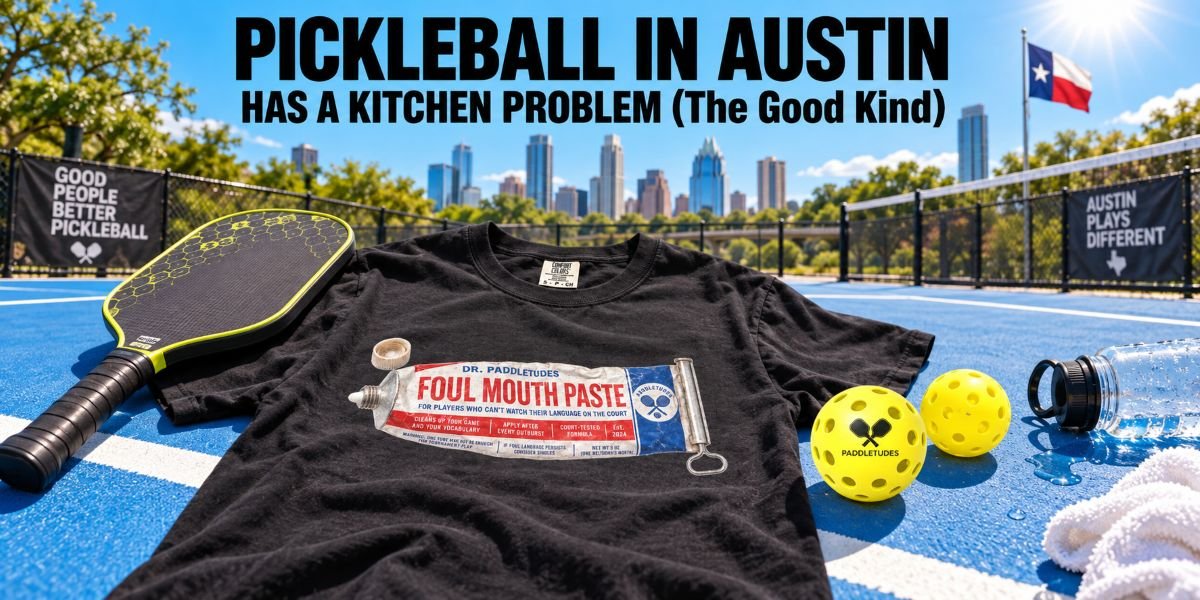
Austin is the only city in America where pickleball and food culture crash into each other this hard. The pickleball scene in Austin runs from free city park courts to 16-court indoor facilities with bars and food trucks, and nearly every serious venue in town has figured out that people who just played two hours of doubles want a cold drink and something to eat without getting back in their car. The kitchen in pickleball is where points get won. The kitchen at Austin’s best clubs is where the post-game happens. Both require good hands.
This isn’t an accident. Austin has always been a city that mixes its hobbies. Live music and tacos. Craft beer and volleyball. Now it’s pickleball and barbecue, pickleball and breweries, pickleball and rooftop bars. The sport found a natural home here because Austin already had the infrastructure for activities that are half athletic and half social. Pickleball just walked in and sat down at the table.
It helps that some of the best players in the world live here. Ben and Collin Johns, the most dominant doubles team in professional pickleball, are Austinites. Their firm, Johns Design & Consulting, certified the courts at Austin Pickle Ranch. When the sport’s biggest names choose to build their lives in your city, it tells you something about the quality of play available.
Where Austin Plays Pickleball
Where can you play indoor pickleball in Austin?
You need indoor courts in Austin because the summers will end you. Triple-digit heat from June through September means outdoor play before 8 a.m. or not at all, and even morning sessions can feel like cardio inside a convection oven. Indoor facilities with climate control aren’t a luxury here. They’re a survival strategy.
Austin Pickle Ranch is the flagship. Sixteen indoor courts at their Braker Lane location on Middle Fiskville Road, with CushionX surfaces and the first courts in Texas certified by Johns Design & Consulting. Membership starts at $49 a month for the Range Rider tier, with Wrangler at $99 and Trailboss at $149 for players who want unlimited access and priority booking. Non-members can book courts and sign up for open play sessions without a commitment. The facility has indoor and outdoor lounge areas, and they’re building out food and beverage service on site.
Pickleland in the Pflugerville area runs nine indoor, climate-controlled courts and was voted Best Pickleball Club in Austin by over 750 local players. Their pricing undercuts most competitors, with open play starting at $5 during off-peak hours and unlimited monthly memberships running about $30 less than the other major clubs. They enforce skill-level matching at signup, which means a 3.0 session is actually 3.0 players, not a mix of beginners and intermediates pretending the ratings don’t matter.
Eastside Paddle Club brings six indoor courts to East Austin in a 22,000-square-foot space. South Austin Recreation Center and Dittmar Recreation Center offer free indoor pickleball courts through the city parks system, with organized open play sessions throughout the week. Between the paid clubs and the city facilities, Austin has enough indoor courts to keep you playing through the hottest summer in Texas history without breaking a sweat that wasn’t earned on the court.
Are there free pickleball courts in Austin?
Yes, and they’re solid. Austin Parks and Recreation operates several facilities with free outdoor courts, including Dick Nichols District Park in southwest Austin with five courts, South Austin Recreation Center with six outdoor courts (two with permanent nets, four bring-your-own), and Pan Am Recreation Center. The city courts run 7 a.m. to 10 p.m. daily, first-come-first-served. No membership, no booking fee, no app to download. Just show up with a paddle.
The free courts are where Austin’s pickleball community started, and they still carry a different energy than the paid clubs. The skill range is wider, the conversations between games are longer, and you’ll meet people who’ve been playing in Austin since before the sport had a cable TV deal. If you’re visiting and want to feel the local vibe without spending a dollar, the city park courts are where you find it.
The Kitchen Line and the Kitchen Table
Why do they call it the kitchen in pickleball?
Nobody knows for certain, which is half the fun. The most popular theory traces the name to shuffleboard, where the “kitchen” is a scoring zone near the back of the board that costs you points if your puck lands there. Pickleball borrowed the concept and the name. Step into the kitchen at the wrong time and it costs you the point, same as it does in shuffleboard. The other theory is that it’s just a funny word for a zone with a lot of rules, and funny names tend to stick in sports that don’t take themselves too seriously.
In Austin, the kitchen has a second layer of meaning that you don’t get in most cities. When someone says “meet me at the kitchen” after a session at Austin Pickle Ranch or Pickleland, they might mean the non-volley zone or they might mean the bar. At a place like PickleHub ATX in South Austin, which is literally a sports bar with pickleball courts, the line between the two kitchens barely exists. You dink for an hour, then you eat. The sport and the meal are part of the same outing.
What can’t you do in the kitchen in pickleball?
You cannot volley the ball while touching the kitchen zone or the kitchen line. That’s the core prohibition, and everything else is a footnote to that one rule. A volley means hitting the ball before it bounces. If the ball bounces first, you can step in, hit it, and step back out. No fault. The restriction only applies to shots taken out of the air.
The footnotes are where people get caught. Your momentum after a volley cannot carry you into the kitchen. If you stretch to volley a ball from outside the line and your forward step lands you in the zone, that’s a fault even though you hit the ball from a legal position. Anything attached to your body counts. If your hat falls off during the volley and lands in the kitchen, that’s a fault. If your paddle slips from your hand and slides across the line, fault. The kitchen is a no-fly zone, and the rules treat it like one.
Austin’s coaching community loves teaching kitchen discipline because it separates the players who can compete from the players who just hit the ball hard. Power gets you through your first few months of pickleball. Kitchen discipline gets you through the next ten years.
-

The Erne – Pickleball Personality
$39.99 Select options This product has multiple variants. The options may be chosen on the product page -
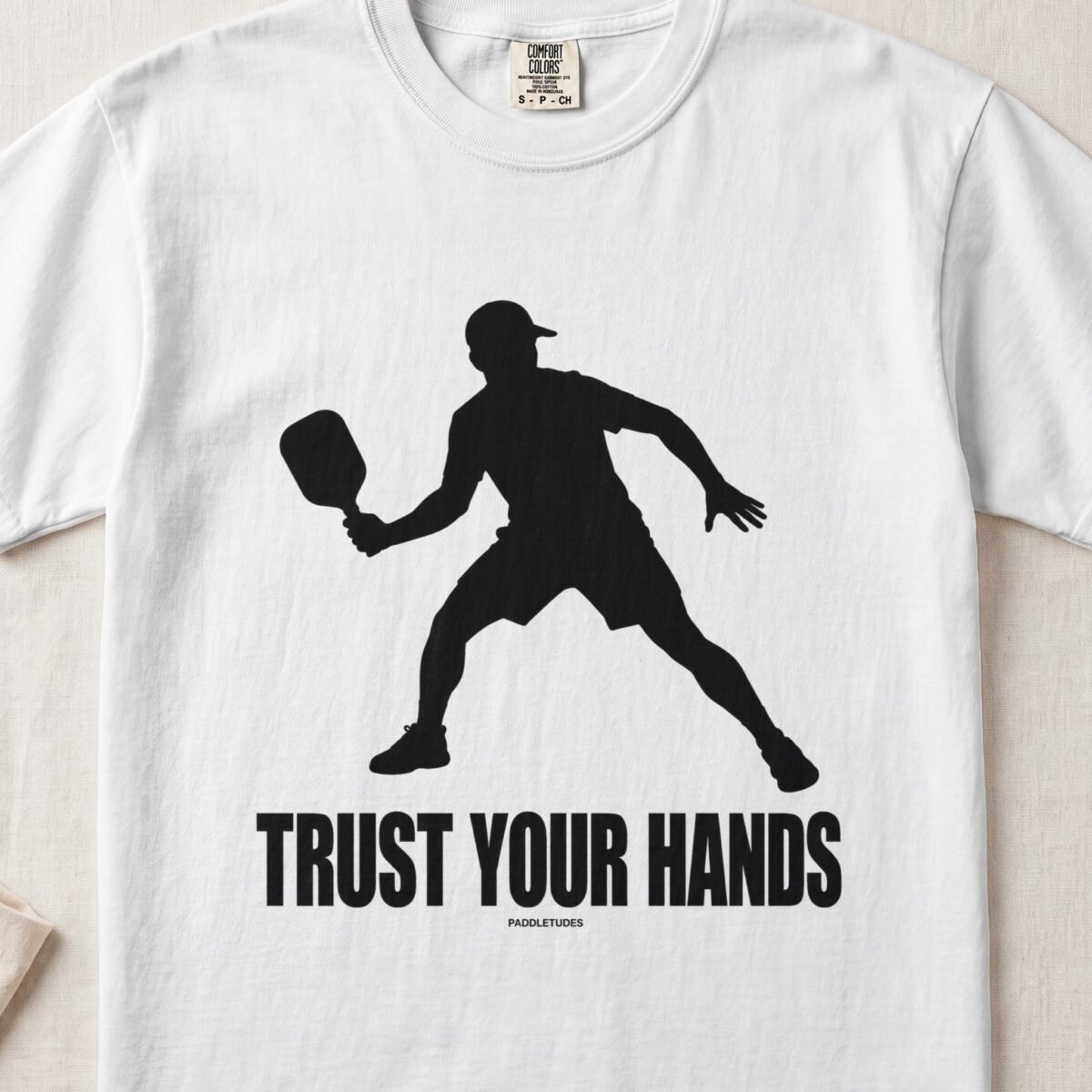
Trust Your Hands
$29.99 Select options This product has multiple variants. The options may be chosen on the product page -
Hope Pickleball Hoodie
$65.99 Select options This product has multiple variants. The options may be chosen on the product page -
Heart Pickleball Hoodie
$65.99 Select options This product has multiple variants. The options may be chosen on the product page
How Austin Does Pickleball Differently
Can you play pickleball at a bar in Austin?
You can, and in some cases the bar came first. Last Stand Brewing in South Austin has an indoor pickleball court inside a working brewery. One court, cold beer, and an atmosphere that treats pickleball like another thing to do at a taproom rather than the main event. PickleHub ATX pairs two outdoor courts with food trucks, a coffee shop, and arcade games. Bouldin Acres in the Bouldin Creek neighborhood puts courts next to a restaurant and bar where families gather on weekends. Even Ski Shores Cafe on Lake Austin has a single court with a permanent net, right next to a waterfront restaurant with live music.
This is uniquely Austin. Most cities have pickleball courts that happen to be near restaurants. Austin has restaurants and bars that happen to have pickleball courts. The distinction matters because it changes who shows up. The person who walks into Last Stand Brewing for a beer and discovers the court is a different entry point to the sport than the person who pays $149 a month for a dedicated club membership. Austin feeds the sport through social spaces, not just athletic ones. Both funnels produce players who end up at the kitchen line eventually.
What is the point of dinking in pickleball?
Dinking is the art of hitting the ball softly into your opponent’s kitchen zone so they can’t attack it. The ball arcs low over the net, lands in the non-volley zone, and forces the other team to hit up on it. When you hit up, you give your opponents an attackable ball. When you dink, you keep the ball unattackable. The entire strategy is about patience. You dink until someone makes a mistake, then you punish the mistake.
New players hate dinking because it feels like nothing is happening. Experienced players love it because they understand what IS happening. Every dink is a question. Can you keep it low? Can you move it to my backhand? Can you speed it up without giving me a ball I can drive? The rally is a conversation played at kitchen-line speed, and the player who runs out of answers first loses the point.
Austin’s competitive scene is stacked with dinkers because the city’s best coaching programs teach the soft game as a foundation, not an afterthought. At Pickleland, the clinics are DUPR-leveled, meaning you’re learning alongside players at your actual skill rating rather than self-assessed. At Austin Pickle Ranch, their Greenhorn Series includes a dedicated session on non-volley zone play. The city’s indoor facilities create an environment where the soft game thrives because there’s no wind, no sun glare, and no excuse to revert to all-power-no-touch.
Getting Better in Austin
Is dinking more important than power in pickleball?
At every level above beginner, yes. Power wins games against players who can’t handle pace. Dinking wins games against players who can. The reason is structural. A hard drive from the baseline gives your opponent time to react because the ball has to travel the full length of the court. A well-placed dink at the kitchen line gives them almost no time because the ball is moving slowly across a short distance and dying on contact. They have to move to it, get low, and lift it back over the net without popping it up. If they pop it up, you put it away.
The best players in the world combine both. They dink until an opening appears, then they speed the ball up with precision. The shift from soft to fast is where points are scored at the highest level. Austin is a good city to learn this because the range of playing environments forces you to develop both tools. The competitive players at Austin Pickle Ranch will test your dinking patience. The casual players at PickleHub will test your ability to handle pace from unexpected angles. You need both skills, and Austin gives you both training grounds.
Can your partner stand in the kitchen in pickleball?
Yes. Both players can stand in the kitchen simultaneously if they want. The kitchen rule restricts volleys, not positioning. Your partner can camp out in the kitchen all day, and so can you, as long as neither of you hits the ball out of the air while you’re in there. Once the ball bounces, anyone in the kitchen can hit it freely.
This matters strategically more than most intermediate players realize. There are situations in doubles where one player deliberately positions in the kitchen to handle a ball that’s about to bounce there, while the partner stays behind the line ready to volley anything that comes higher. It’s a defensive formation that looks passive but actually gives your team coverage of the entire court. The player in the kitchen handles the low balls. The player behind the line handles the high ones. The opponents have nowhere to put the ball that isn’t covered.
Austin’s league culture reinforces this kind of team positioning because the level-matched play at Pickleland and Austin Pickle Ranch means you’re consistently facing teams that know how to exploit positioning mistakes. You learn to coordinate with your partner or you lose to teams that do.
-
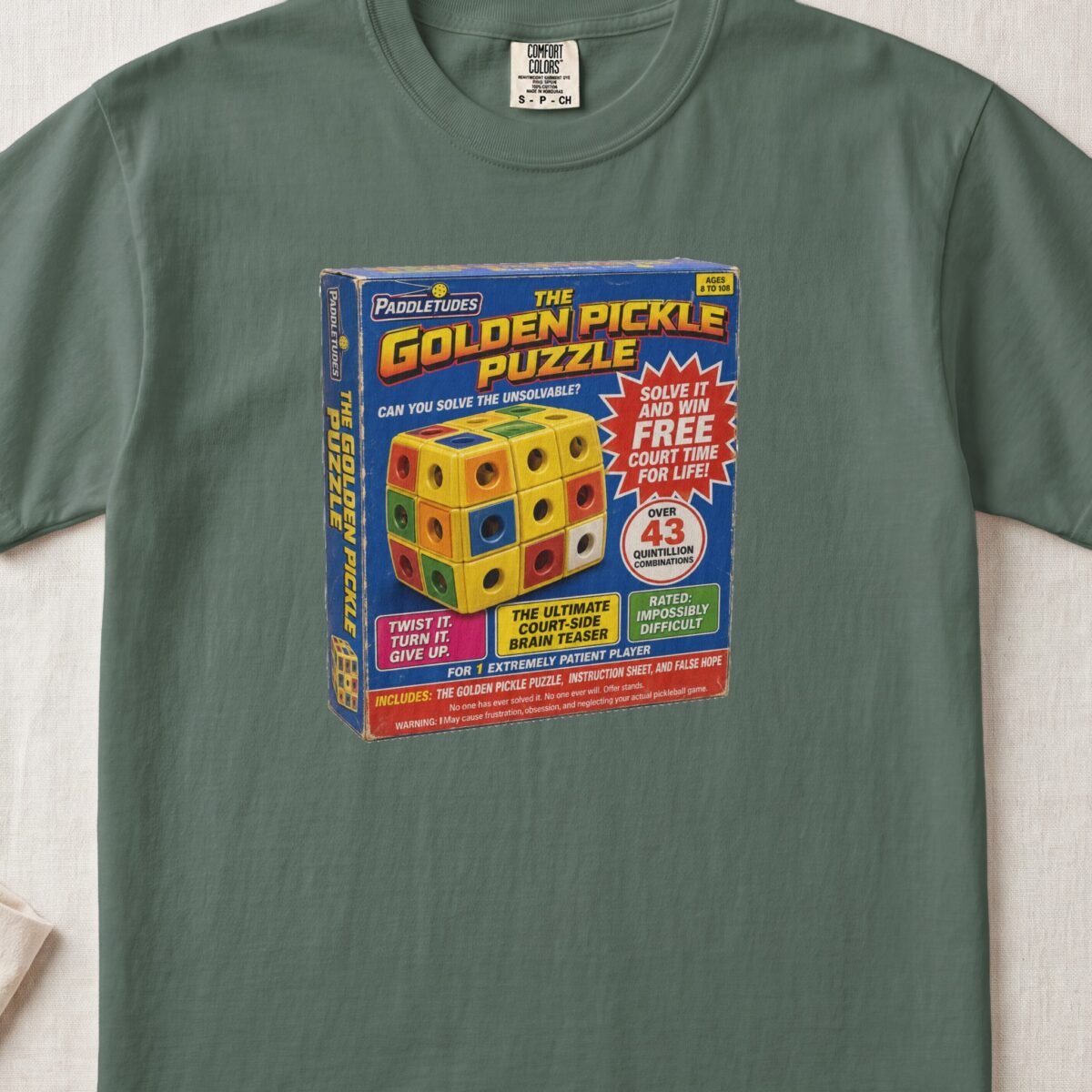
The Golden Pickleball Puzzle
$39.99 Select options This product has multiple variants. The options may be chosen on the product page -
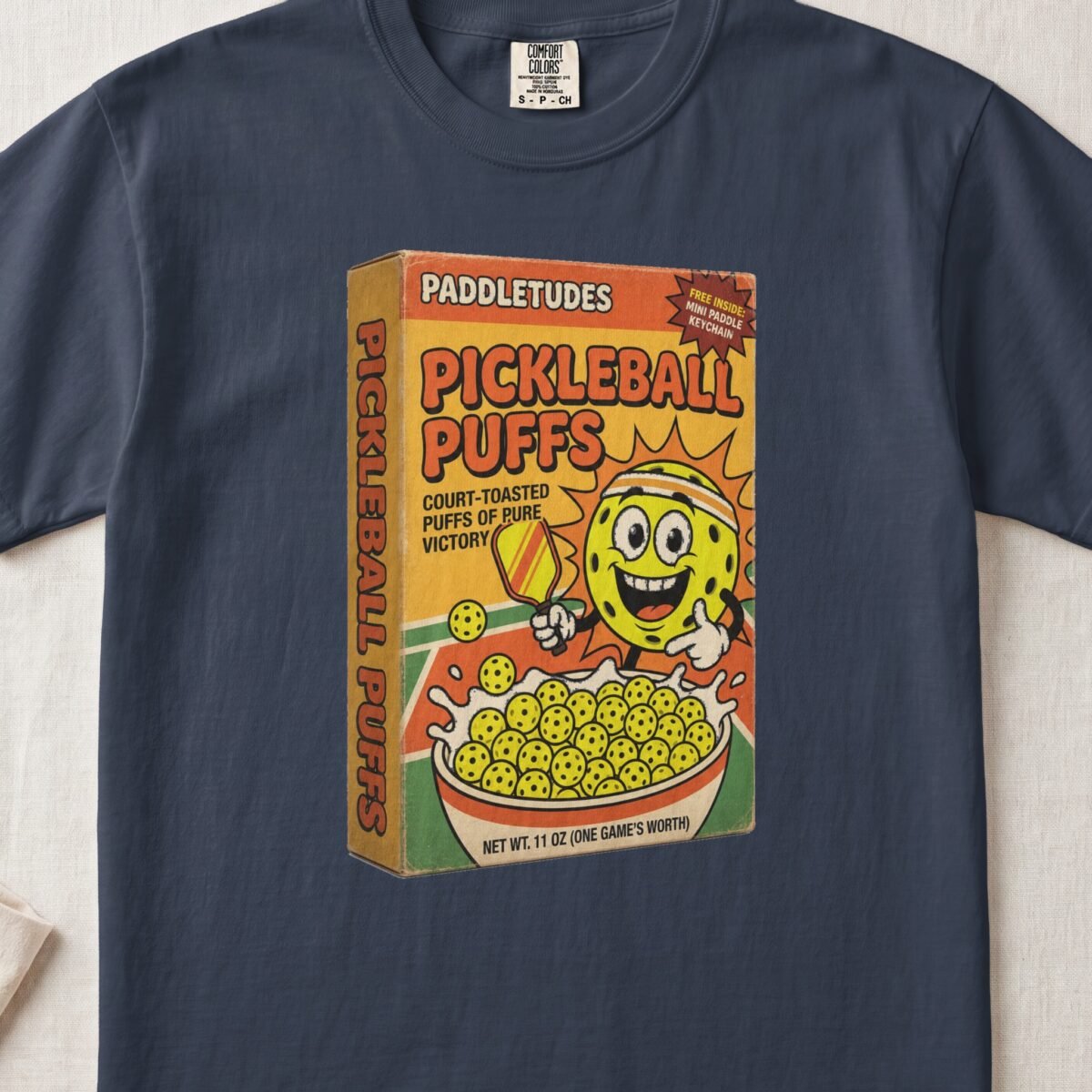
Pickleball Puffs
$39.99 Select options This product has multiple variants. The options may be chosen on the product page -
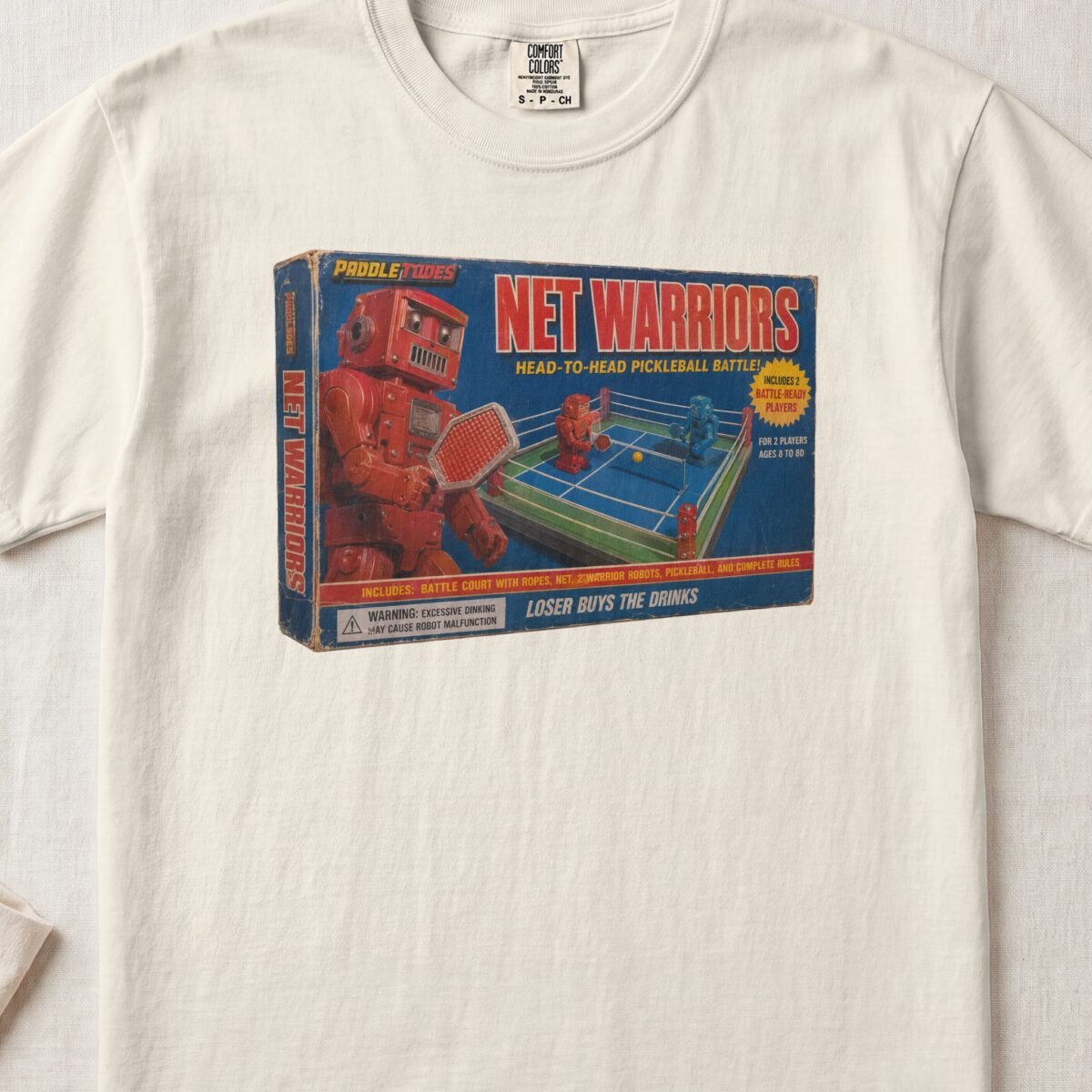
Net Warriors
$39.99 Select options This product has multiple variants. The options may be chosen on the product page -
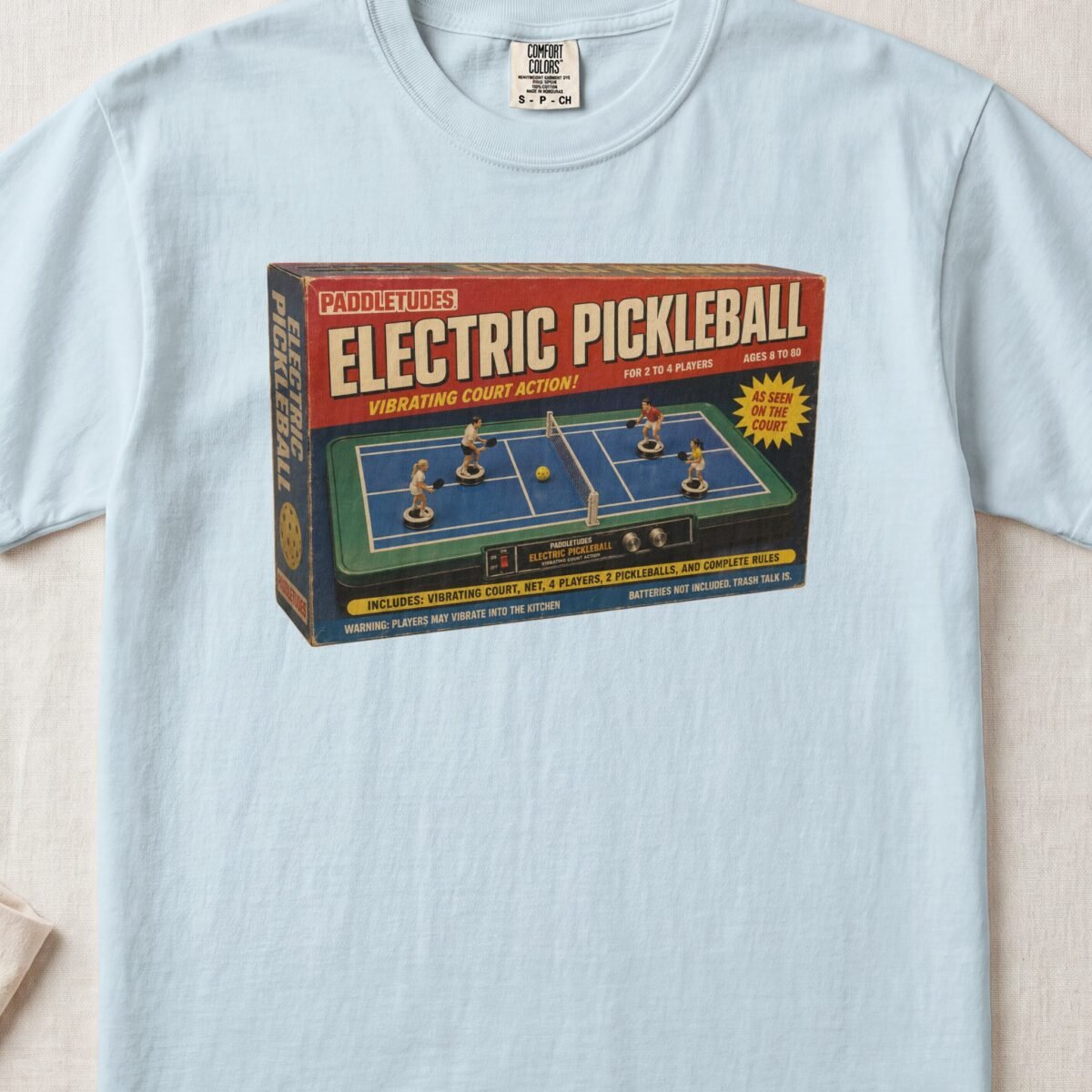
Electric Pickleball
$39.99 Select options This product has multiple variants. The options may be chosen on the product page
Austin’s pickleball scene is still growing, and that’s the part that matters most. New facilities keep opening. The free city courts keep filling up in the mornings. The breweries keep adding courts because they figured out that pickleball players buy more beer than dart players and take up less space than volleyball leagues. The sport and the city fit together in a way that feels permanent, not trendy.
The kitchen is where it all happens. On the court, that means the seven-foot zone where soft hands and quick decisions win points. Off the court, in this city, it means the bar, the food truck, the brewery patio where the post-game conversation runs longer than the game itself. Austin figured out that pickleball is a social sport, and social sports need a place to be social. The kitchen provides both.
If you’re playing in Austin and you haven’t worked on your dinking game, you’re leaving points on every court in the city. And if you haven’t tried playing at a brewery yet, you’re leaving the best part of Austin pickleball on the table.