What Is Shake and Bake in Pickleball — The Doubles Strategy That Ends Points Fast
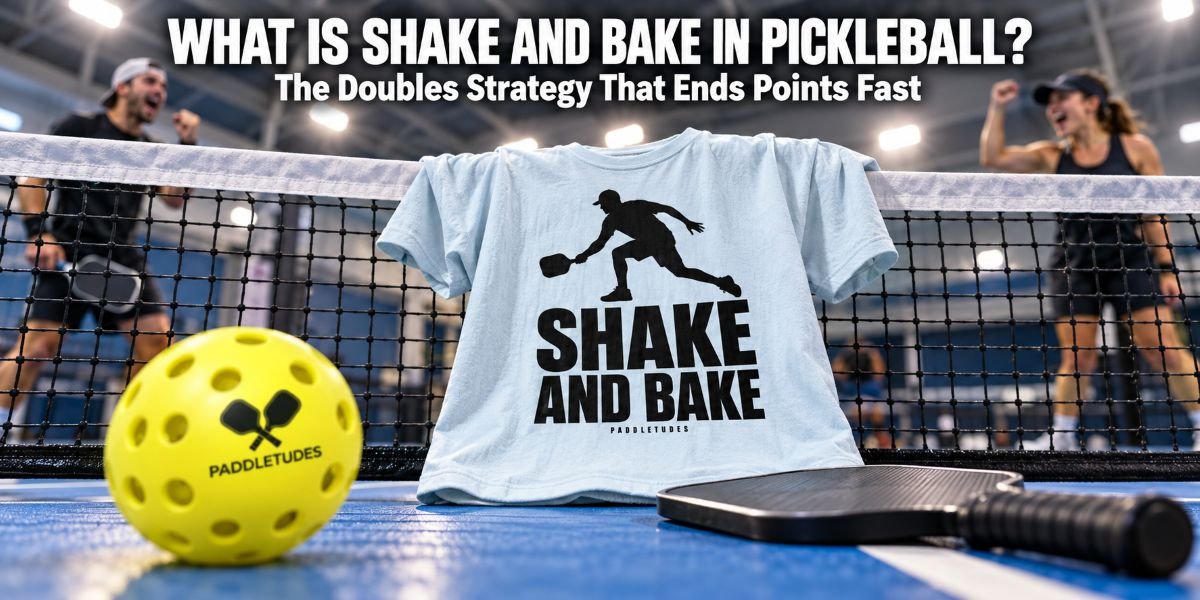
The shake and bake is a pickleball doubles strategy where one partner dinks softly — the shake — to draw a weak, poppy return, and the other partner attacks it hard for a put-away — the bake. It’s the most effective coordinated play in doubles pickleball, and the teams that run it well look like they’re reading each other’s minds. The name comes from the old Shake ‘n Bake coating mix, but pickleball borrowed it because the setup-to-finish sequence feels exactly like it sounds — slow, slow, slow, then sudden violence.
How the Shake and Bake Works
The play starts at the kitchen line. One partner — usually the player with better touch — initiates a soft dinking rally. The goal isn’t to win the point with the dink. The goal is to force the opponent to hit a ball that sits up just a little too high. The moment that ball pops up above net height, the other partner — usually positioned slightly off-center toward the middle — drives it hard at the opponent’s feet or into the open court.
The timing is everything. The “baker” has to read the dink exchange and anticipate which ball is going to pop up. Jump too early and you’re reaching. Jump too late and the opportunity passes. The best shake and bake teams practice the read until the attacker moves before the ball crosses the net — they’re reacting to the opponent’s paddle face, not the ball itself.
If you’ve watched players run this at the 4.0 level and above, you’ve seen the point end in a blink. The dink rally looks casual, almost sleepy. Then one ball sits up an inch too high, and the put-away comes so fast the opponents don’t move their paddles. That’s the shake and bake.
When to Use It — and When Not To
The shake and bake works best when your team has one player with soft hands and one with a strong speed-up. If both players are dinkers, there’s nobody to pull the trigger. If both players are bangers, there’s nobody to set the table. The strategy is built for mixed-skill partnerships where each player does what they’re best at.
Don’t try it against a team that resets everything. If your opponents can absorb speed-ups and drop the ball back into the kitchen every time, the bake half of the play won’t produce winners. Against resetters, patience and placement beat aggression. The shake and bake is designed to punish teams that pop the ball up under pressure — and most recreational teams do exactly that.
It also falls apart if the shaker gets impatient. The soft dink rally has to be genuinely patient. Two dinks and a speed-up isn’t a shake and bake — it’s just banging with extra steps. The setup needs to build. Four, five, six dinks. Let the opponent get comfortable. Let them get lazy with their paddle angle. Then the bake comes out of nowhere.
-
Rally Pickleball Hoodie
$65.99 Select options This product has multiple variants. The options may be chosen on the product page -

Strong Pickleball Hoodie
$65.99 Select options This product has multiple variants. The options may be chosen on the product page -
My Court My Rules
$29.99 Select options This product has multiple variants. The options may be chosen on the product page -
Built Different
$29.99 Select options This product has multiple variants. The options may be chosen on the product page
How to Practice the Shake and Bake with Your Partner
Start with a pure dink rally — no speed-ups allowed for the first ten shots. After ten, the shaker is allowed to signal (some teams use a foot tap, some just know) and the baker watches for the pop-up. Practice the read, not the slam. The hard part isn’t hitting the ball fast. The hard part is knowing which ball to attack.
Set a rule: the baker can only speed up a ball that’s above the net tape when it crosses. Anything below the tape stays in the dink rally. This trains discipline. Most players speed up too early on balls that are still dropping, which sends the attack into the net or gives the opponent an easy block. The shake and bake only works when the baker waits for the right ball.
Once you and your partner can run ten consecutive dink rallies and convert a pop-up into a winner at least half the time, you’ve got the play. Now it’s about running it in games without telegraphing it. The best teams don’t signal at all — the baker just knows. That comes from reps, not from strategy sessions.
Looking for more pickleball strategy breakdowns and court-tested apparel? The full pickleball collection has attitude tees, retro parody shirts, and dog breed crossovers — all on Comfort Colors 1717 garment-dyed blanks.
More Pickleball Attitude Tees
-
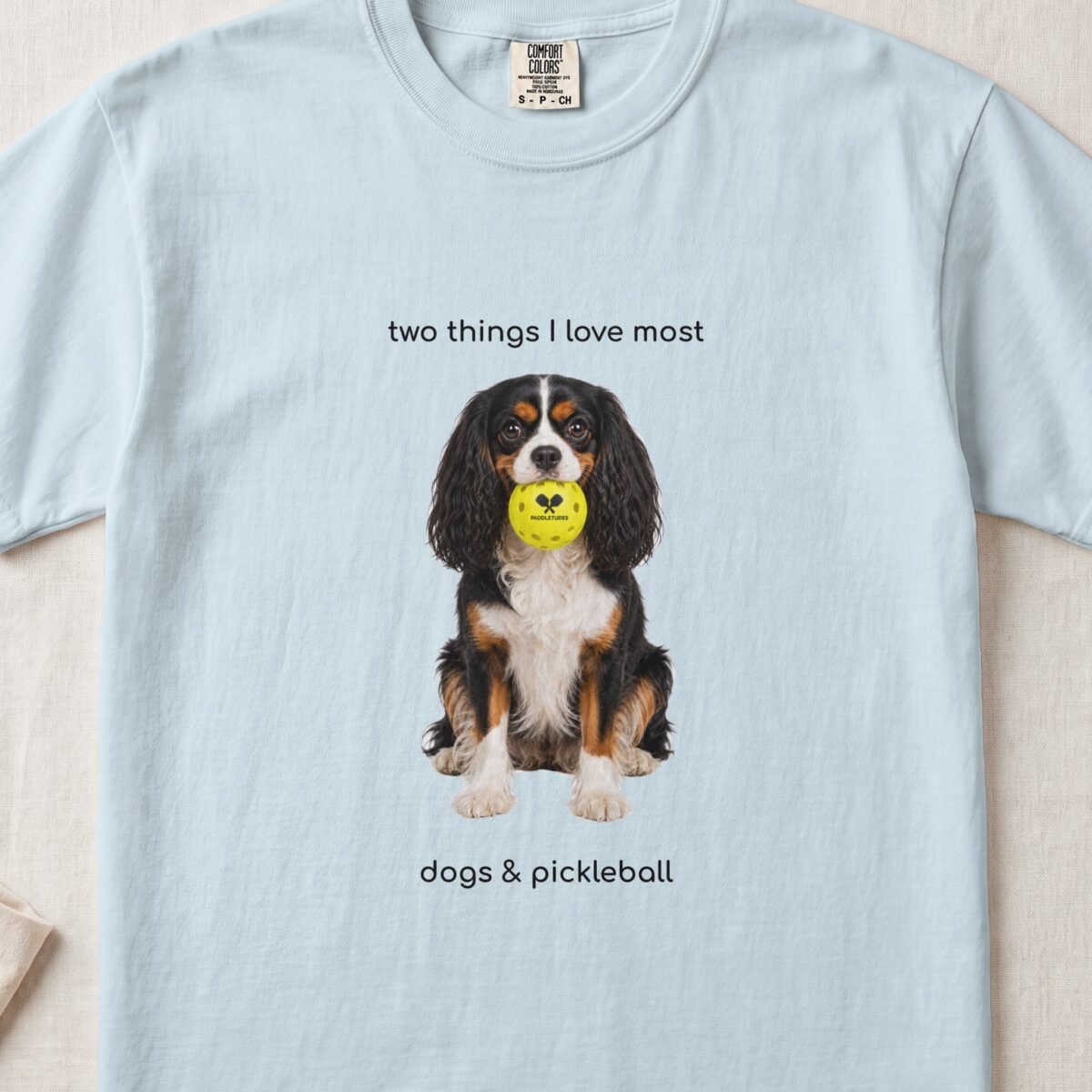
Cavalier King Charles Spaniel Happy
$39.99 Select options This product has multiple variants. The options may be chosen on the product page -
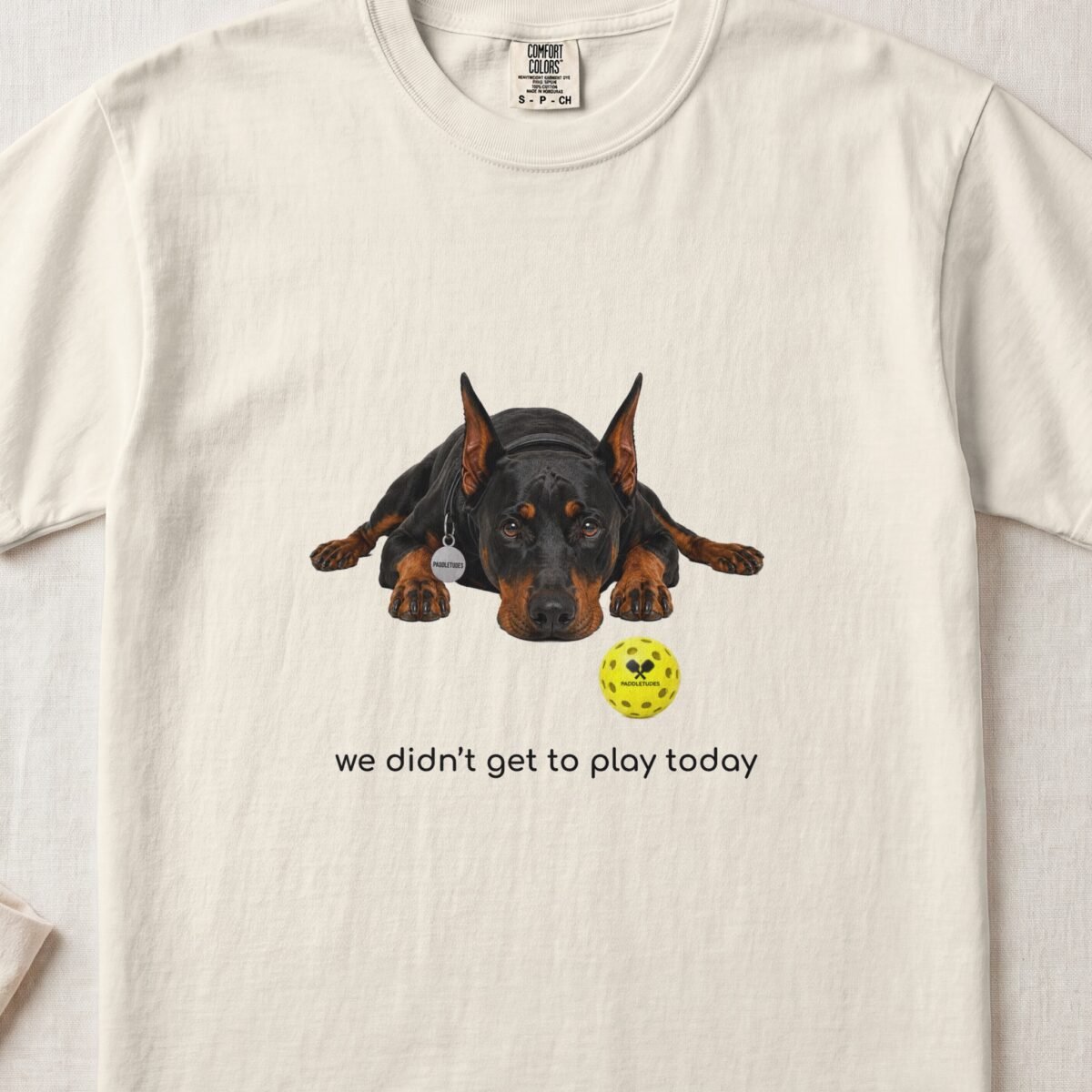
Doberman Sad
$39.99 Select options This product has multiple variants. The options may be chosen on the product page -
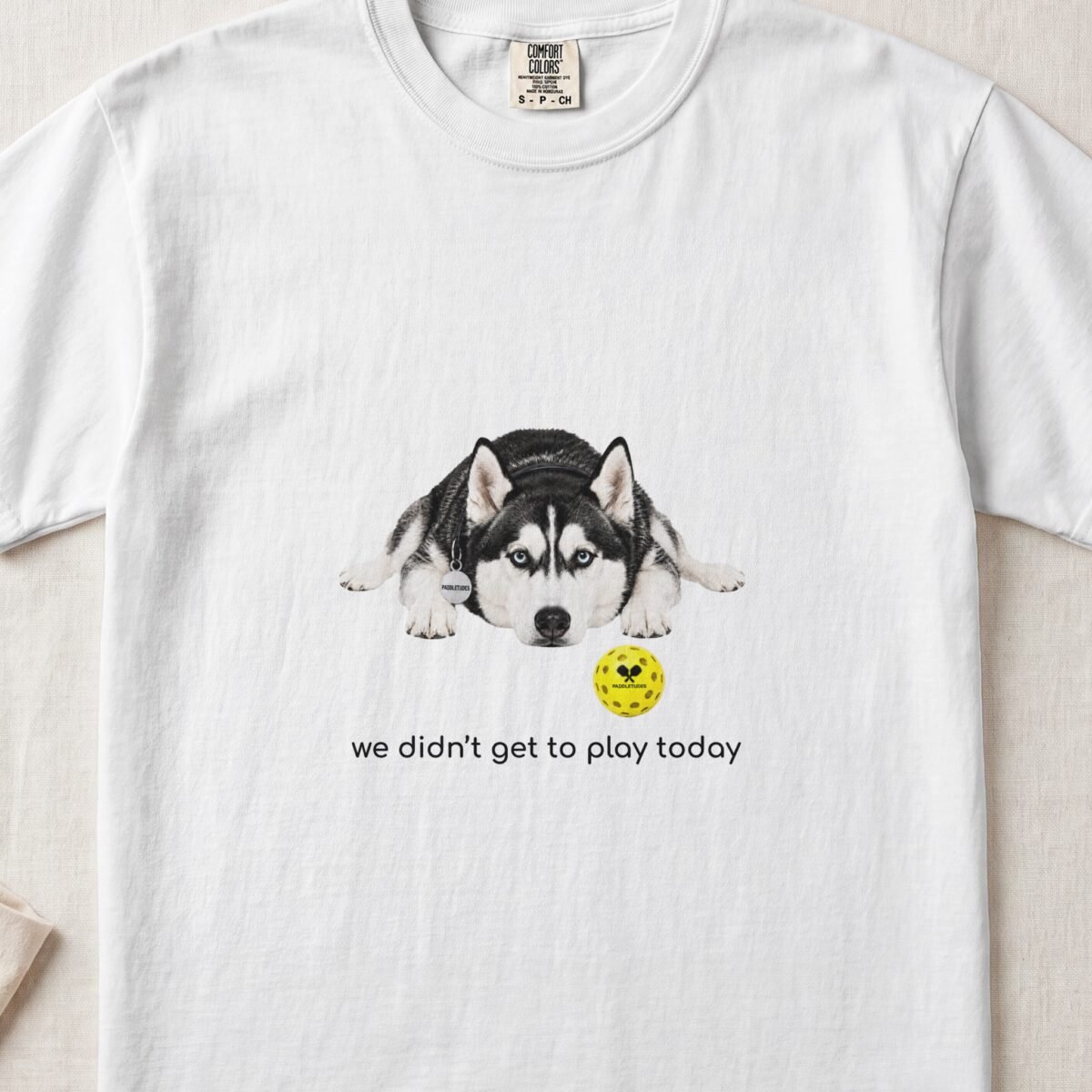
Siberian Husky Sad
$39.99 Select options This product has multiple variants. The options may be chosen on the product page -
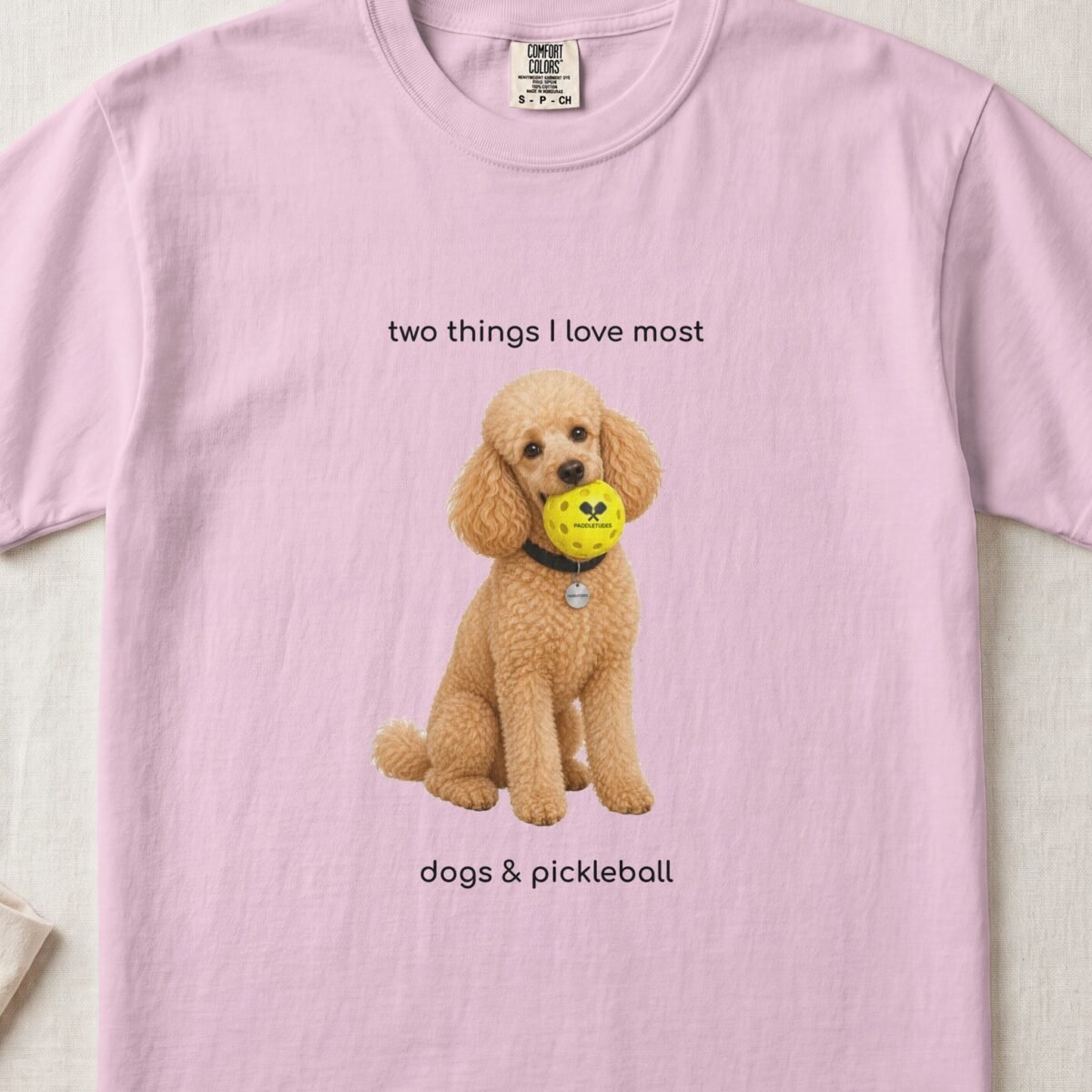
Poodle Happy
$39.99 Select options This product has multiple variants. The options may be chosen on the product page
Every shirt in the collection is original art on a Comfort Colors 1717 garment-dyed tee with water-based DTG ink. Sizing and care details here.