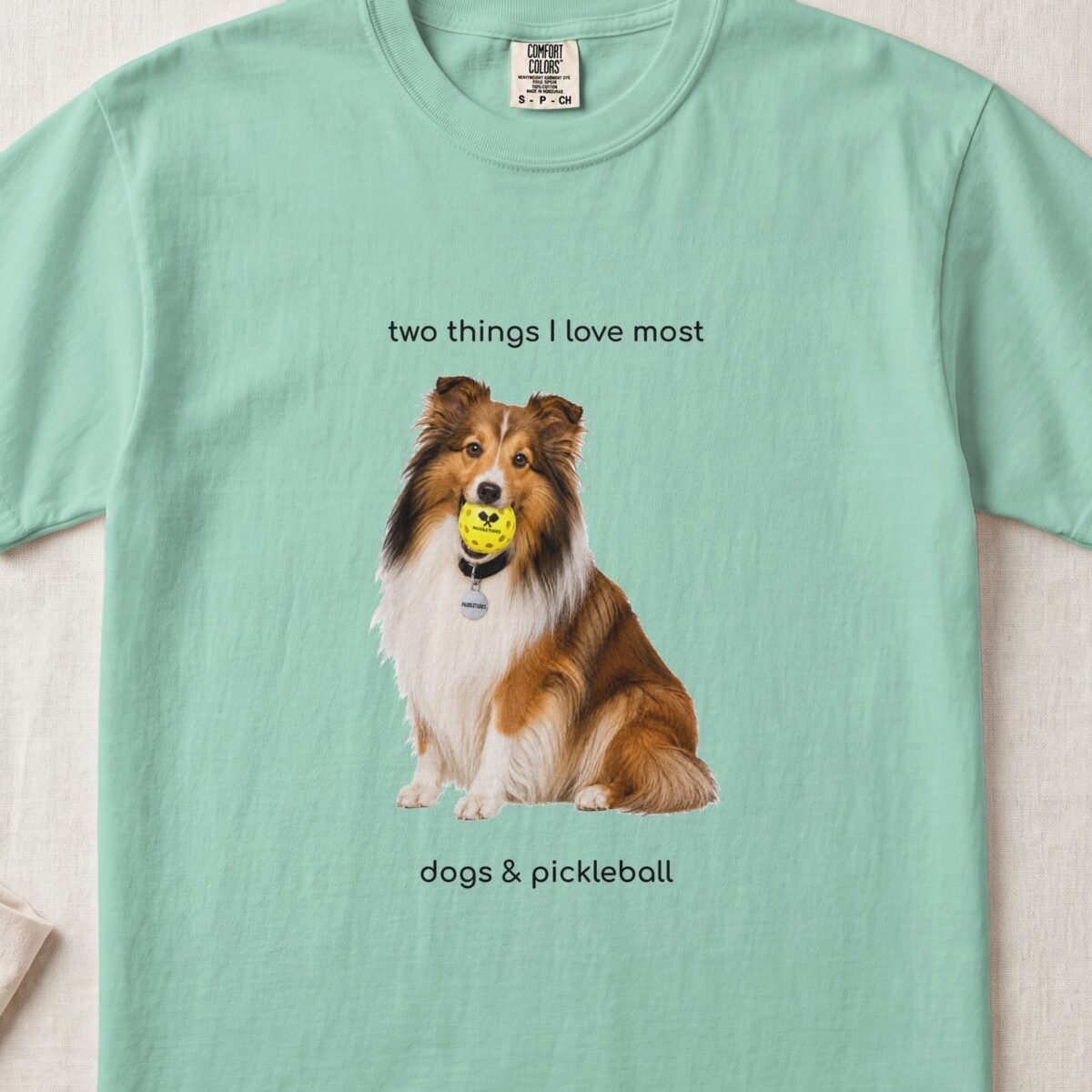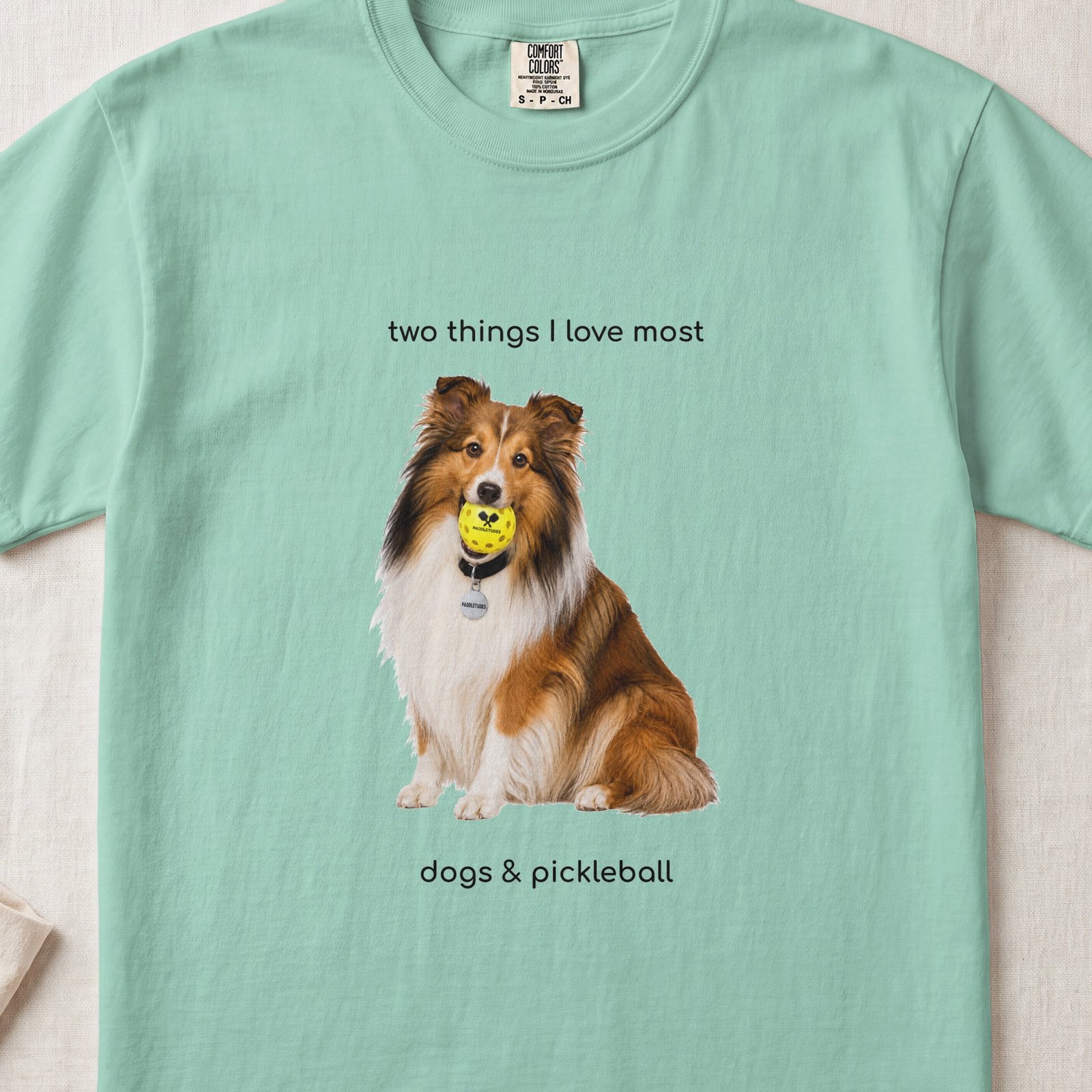
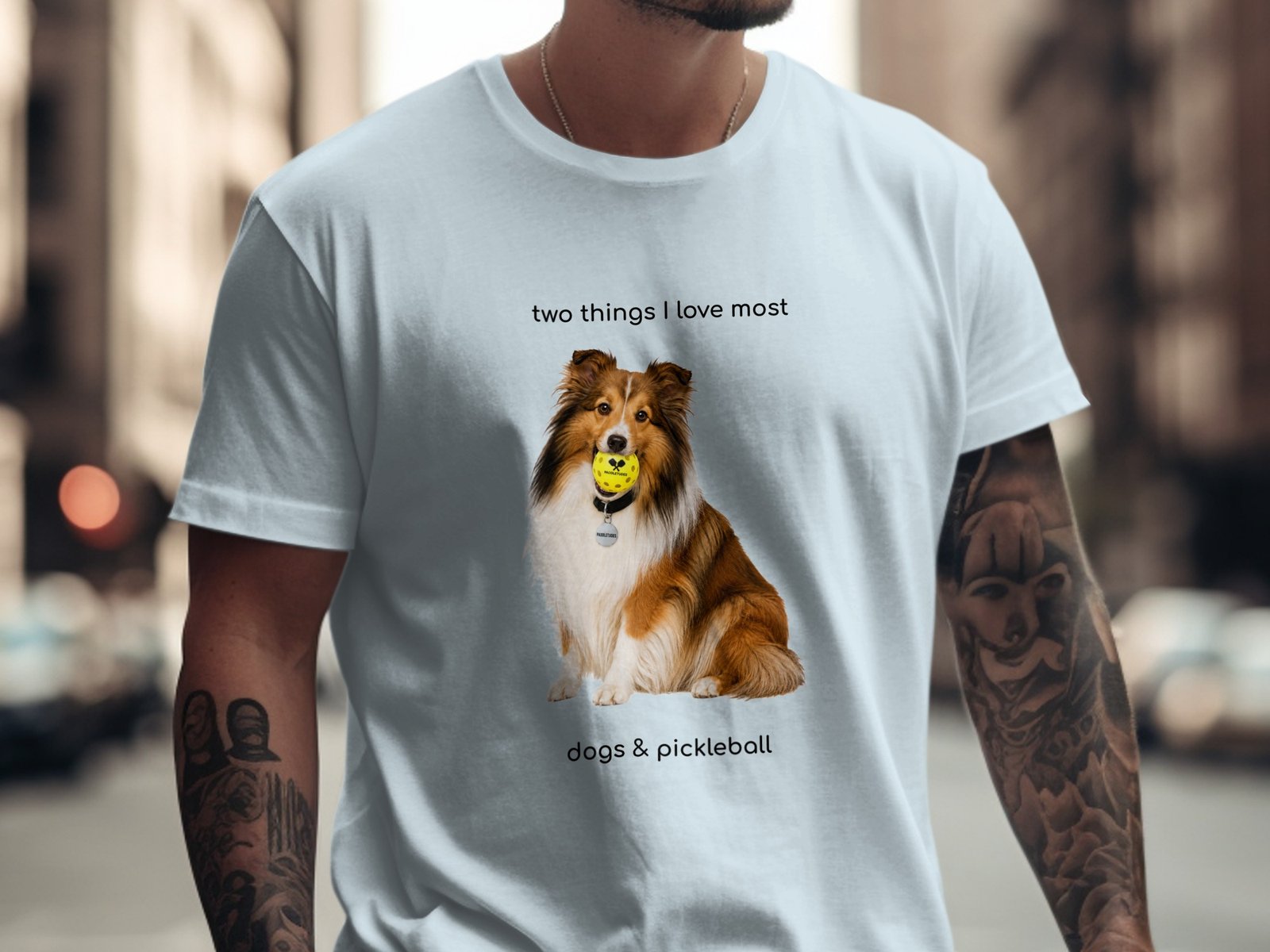
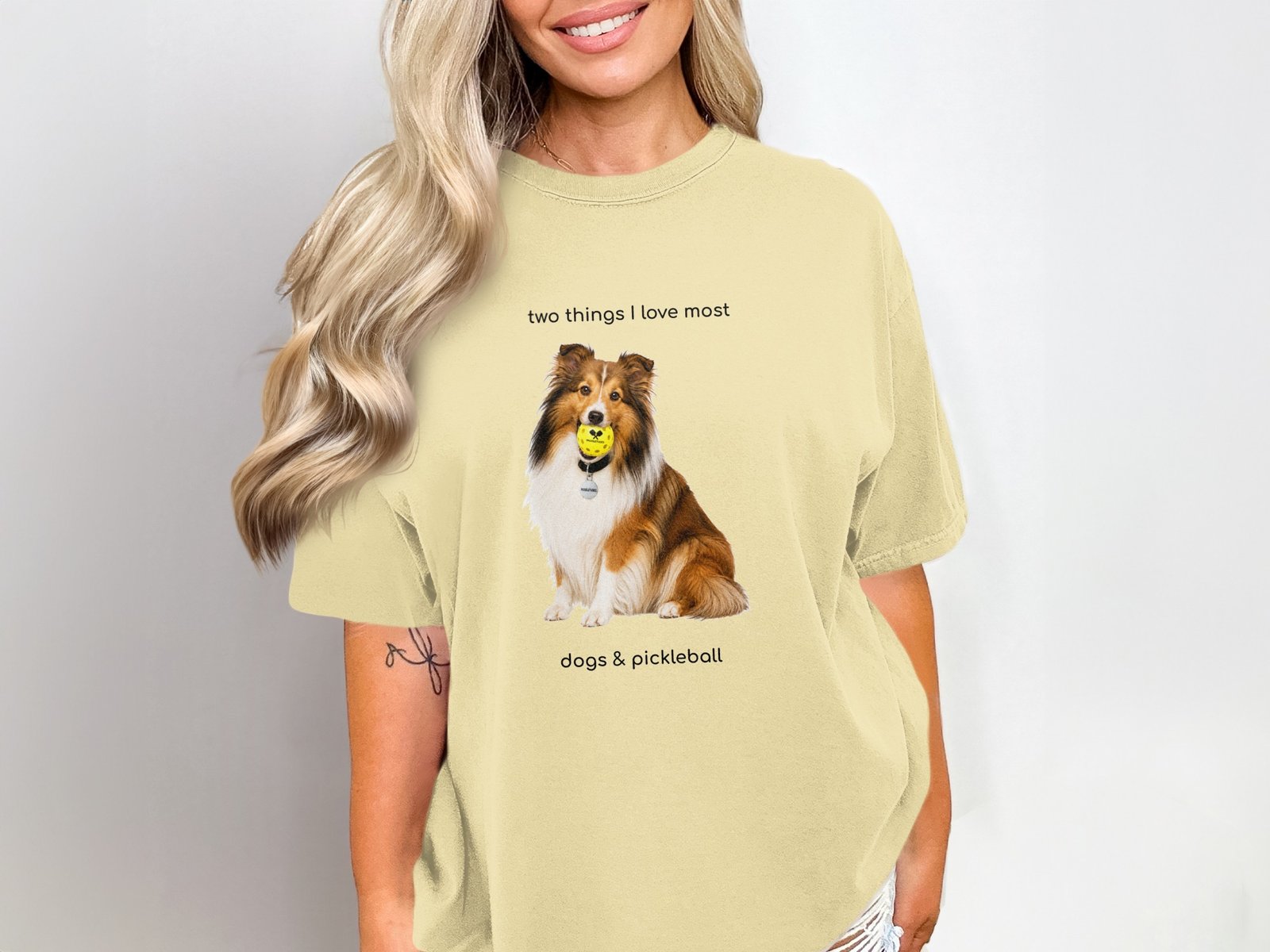
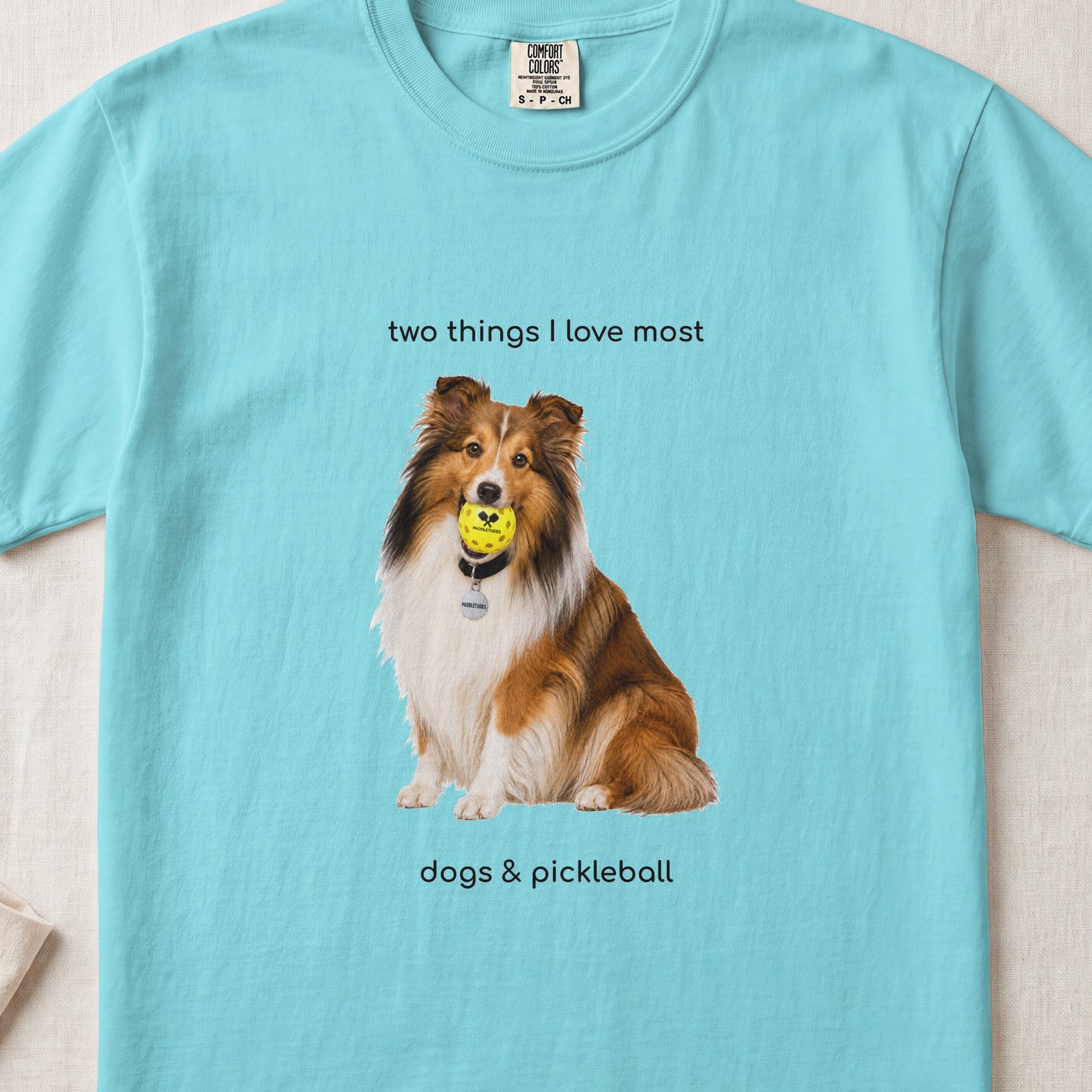
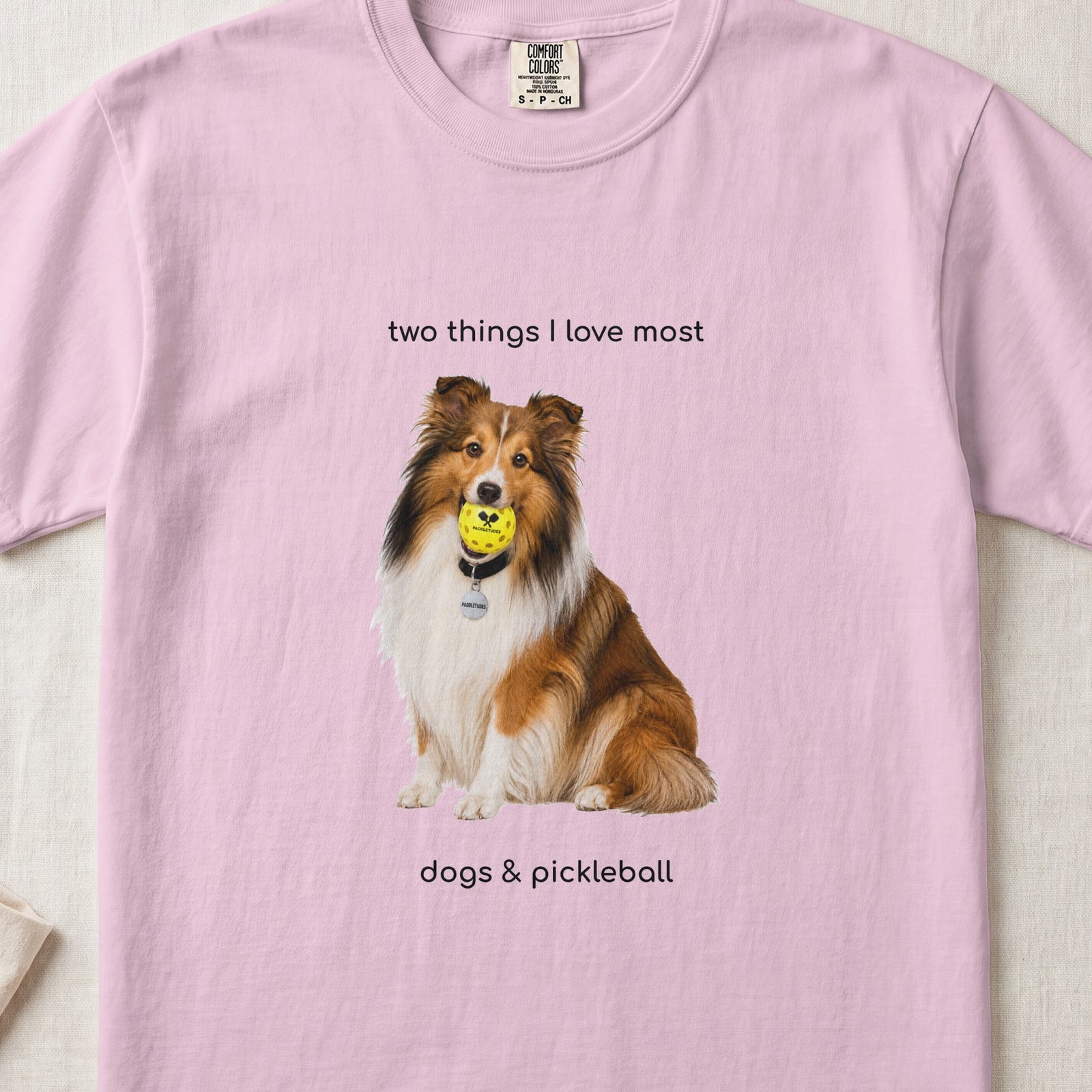
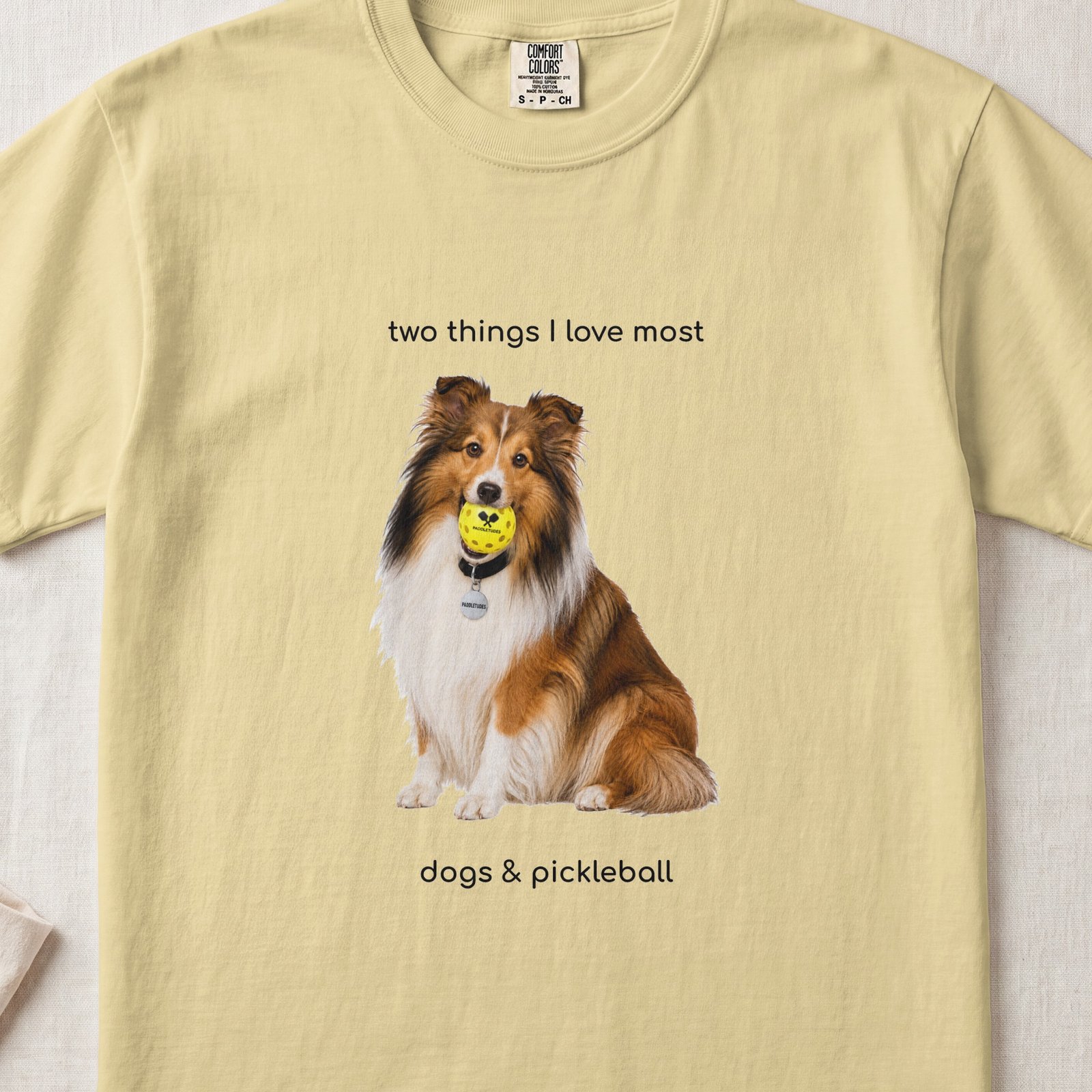
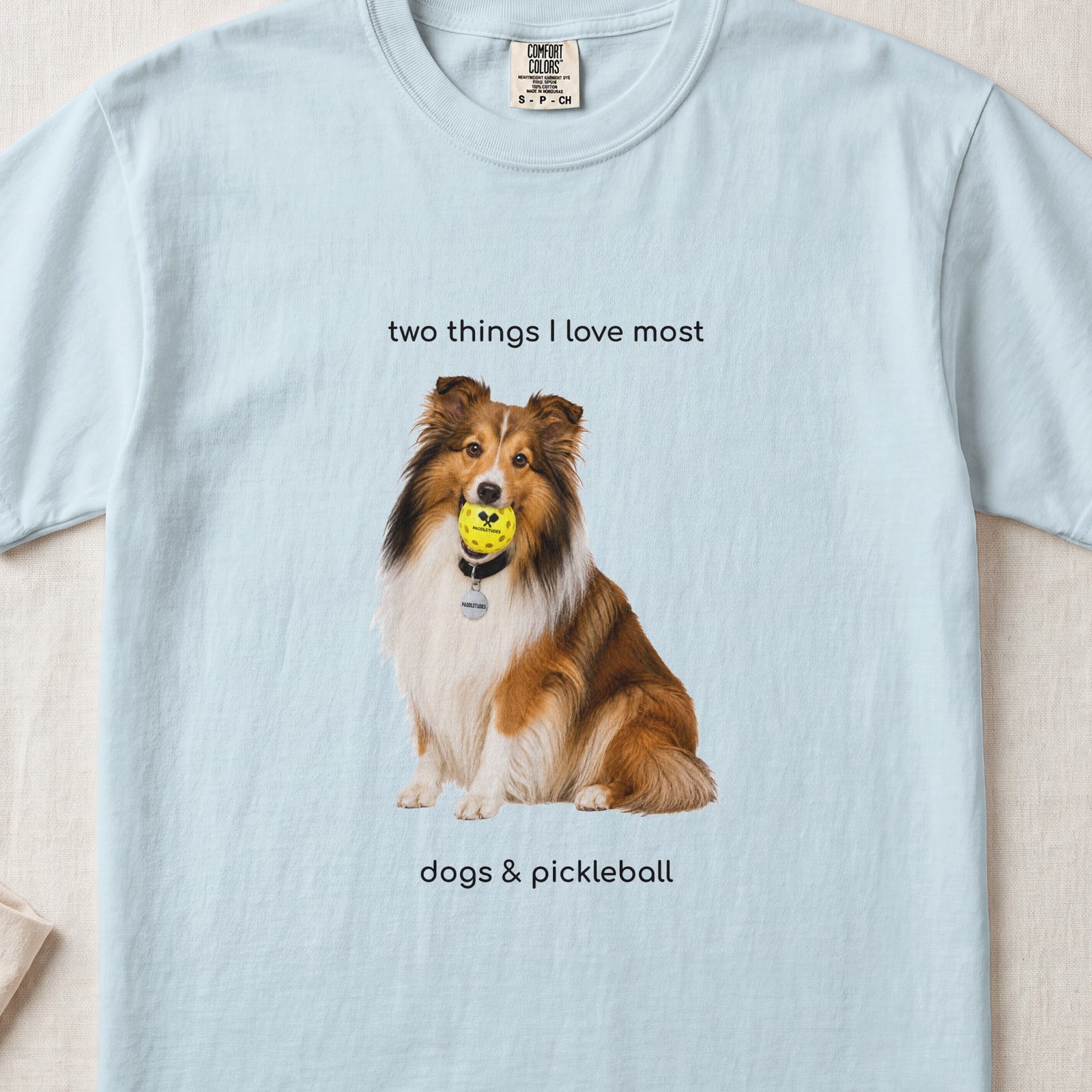
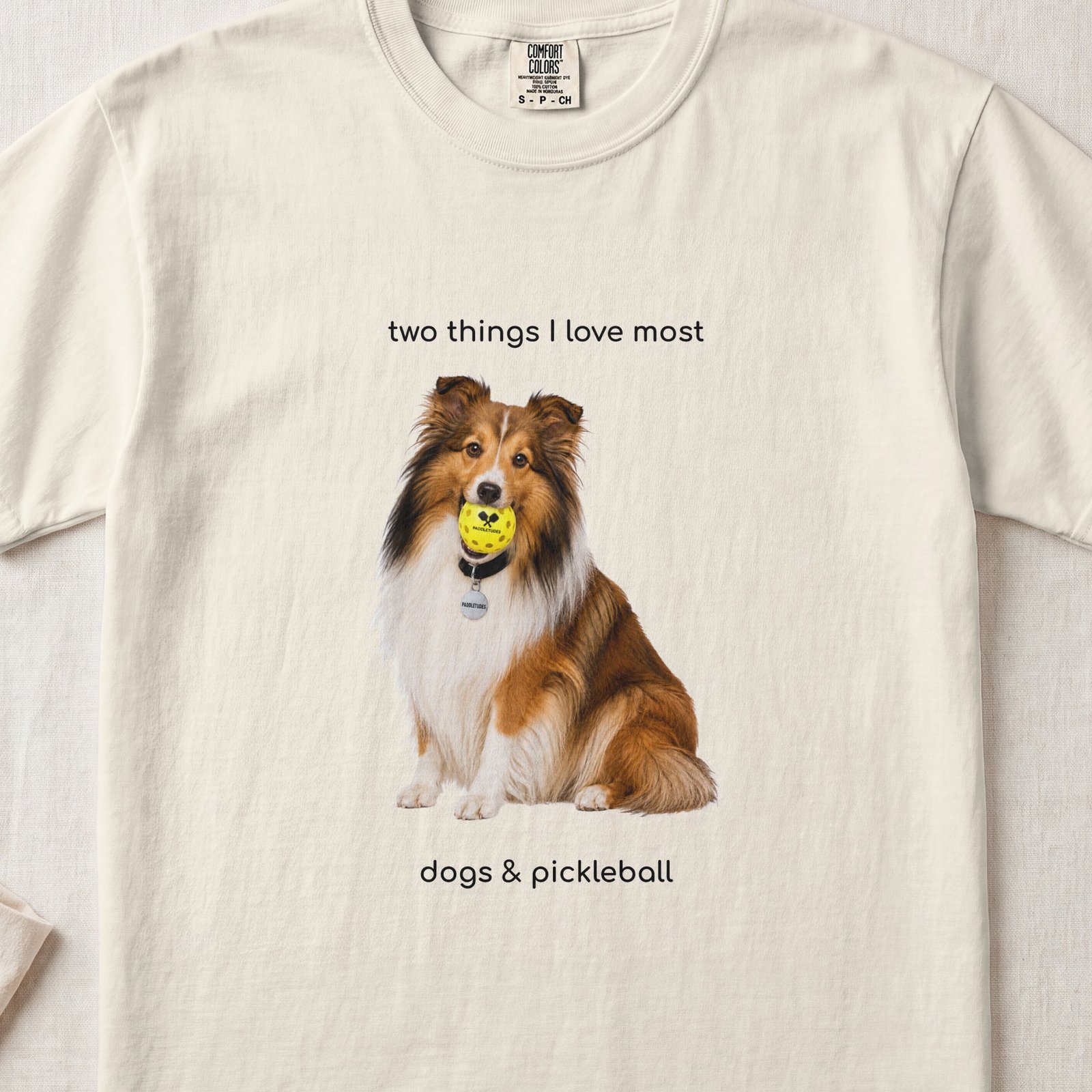
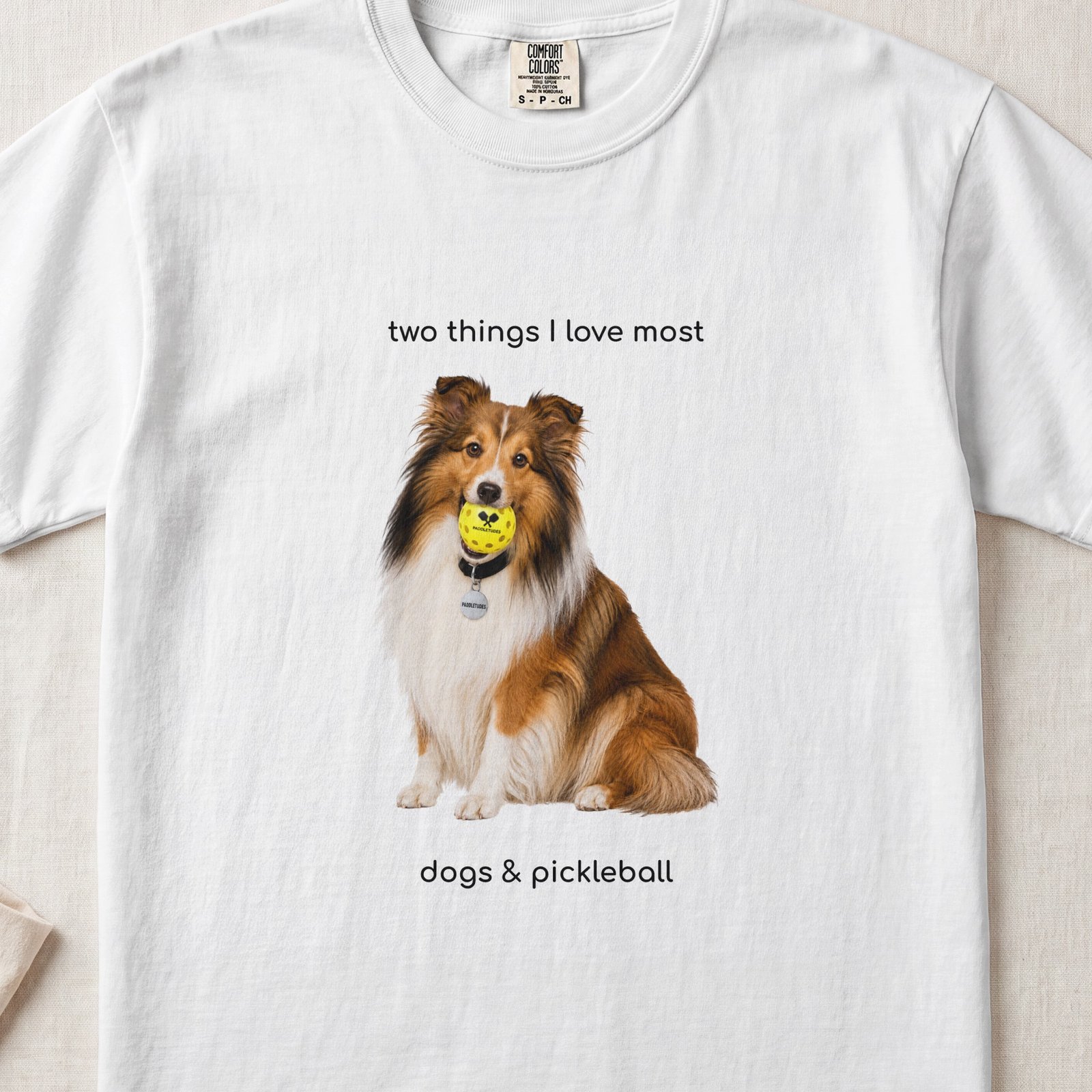
Animals Comfort Colors 1717
Shetland Sheepdog Happy
$39.99
- Comfort Colors 1717 heavyweight cotton
- Original design · printed to order
- U.S. print partners
The Dog That Stops Traffic — Shetland Sheepdog Shirt
People stop and stare at this dog, and the dog knows it. The Shetland Sheepdog in full coat — sable and white, mane flowing, ears tipped just forward, eyes holding a gaze that combines intelligence with something that looks a lot like patience — is one of the most beautiful dogs on any sidewalk, in any park, at any court. And every time someone stops, they ask the same question: “Is that a baby Collie?” It’s not a baby Collie. It has never been a baby Collie. It is a fully grown, fourteen-inch, sixteen-pound Shetland Sheepdog who has heard that question approximately eight hundred times and whose owner has answered it with a smile that has become slightly more strained with each repetition. Every Sheltie lover knows this ritual by heart.
She’s the 47-year-old elementary school librarian who grew up with Shelties — her parents had one when she was five, and the memory of that dog lying beside her bed every night is the reason she’s on her third Shetland Sheepdog at forty-seven. She doesn’t show dogs. She doesn’t compete in agility, although her Sheltie would destroy an agility course if she let him. She just lives with a dog who is smarter than most of the humans she interacts with daily and who expresses that intelligence in ways that alternate between breathtaking and exhausting. He learns new commands in two repetitions. He opens the kitchen cabinet where the treats are stored. He has memorized the schedule to the point where he sits by the door at 5:42pm on Tuesdays because pickleball starts at six and the drive takes eighteen minutes. She didn’t teach him the schedule. He taught himself, because Shelties observe patterns the way other dogs observe squirrels — with total focus and immediate application.
The Shetland Sheepdog’s intelligence is not casual. The breed consistently ranks in the top ten of every canine intelligence study, and the herding background means the intelligence comes packaged with an eagerness to work and a responsiveness to human direction that makes the Sheltie one of the most trainable dogs alive. They dominate AKC obedience and agility competitions not because they’re the fastest or the strongest but because they listen, they learn, and they execute with a precision that makes judges do a double-take. The Sheltie who lives in your house and herds your children around the backyard is running the same operating system that wins national championships. The only difference is the venue. The American Shetland Sheepdog Association, the breed’s AKC parent club since 1929, oversees competitions where Shelties routinely outperform dogs twice their size.
The breed came from the Shetland Islands — the same remote Scottish archipelago that produced Shetland ponies and Shetland sheep, all of them smaller than their mainland counterparts because the islands’ harsh conditions and sparse vegetation favored compact, efficient animals. The Sheltie’s ancestors herded everything on those islands — sheep, cattle, ponies, chickens — and they did it with voice, with movement, and with an intensity of focus that modern Sheltie owners recognize instantly when their dog locks eyes with a group of children at the park and begins circling. The herding instinct is not a metaphor. The dog is genuinely trying to organize the group, and the group doesn’t even know it’s being managed. The AKC’s history of the breed traces the Sheltie’s ancestors to the 1700s, when fishing boats brought spitz-type dogs, spaniels, and working Collies to the islands, and the resulting blend produced the dog that stands in your kitchen right now, watching you read this and already knowing what you’re about to do next. The Australian Shepherd brings the same herding drive at a higher energy output — bigger body, bigger voice, bigger opinion about where everyone should be standing.
If someone grew up with a Sheltie and never got over it — if they’re forty years old and on their third one because no other breed has ever come close to replacing the dog that slept beside their bed when they were six — this shetland sheepdog shirt is the sheltie gift that says you understand what the breed means to them. Not just a dog. A thread that runs through their entire life. The person at pickleball wearing a Sheltie shirt isn’t just telling you what dog they own. They’re telling you who they’ve been since they were old enough to remember. Browse the full breed lineup on our dog shirts collection, and for the moment when the pickleball didn’t happen and the beautiful dog goes quiet, the Shetland Sheepdog Sad Tee captures the one expression that makes every Sheltie owner feel guilty about owning a paddle bag.
Printed on a Comfort Colors 1717 garment-dyed heavyweight tee with water-based DTG ink — sizing and care details here.
Are Shetland Sheepdogs the Same as Collies
No — the Shetland Sheepdog and the Collie are separate breeds with shared ancestry but distinct histories, sizes, and temperaments. The Sheltie is not a miniature Collie, even though the resemblance is close enough that the question comes up at virtually every dog park, sidewalk, and veterinary waiting room a Sheltie visits.
The confusion is understandable. Both breeds share ancestors — working herding dogs from Scotland’s Border region — and early Sheltie breeders crossed their dogs with Collies in the early 1900s to refine the breed’s appearance. The result is a dog that looks like a scaled-down Rough Collie: the same long wedge-shaped face, the same flowing double coat, the same elegant mane and frill around the neck. But the Sheltie stands 13 to 16 inches tall and weighs 14 to 27 pounds, while the Rough Collie stands 22 to 26 inches and weighs 50 to 75 pounds. The size difference alone makes them different dogs in practice — the Sheltie fits comfortably in a compact living space, while the Collie needs room to stretch.
The temperament differences are subtler but real. Shelties are more vocal — significantly more vocal — because their herding style relied on bark-based communication across the windswept Shetland Islands. Collies tend to be quieter and more measured. Shelties are often more reserved with strangers, displaying the breed’s natural sight- and sound-sensitivity, while Collies tend to be more immediately sociable. Both breeds are highly intelligent and trainable, but the Sheltie’s intensity and eagerness to work can read as neurotic energy to someone who expected a calm lap dog, while the Collie’s temperament is generally more relaxed. The Sheltie developed in isolation on remote islands. The Collie developed on the Scottish mainland. The environments shaped different dogs, and four hundred years of separate breeding made the differences permanent even when the family resemblance stayed strong. The Border Collie is the Sheltie’s closest match in intelligence and intensity, with a stare that replaces the bark as the primary herding tool.
-
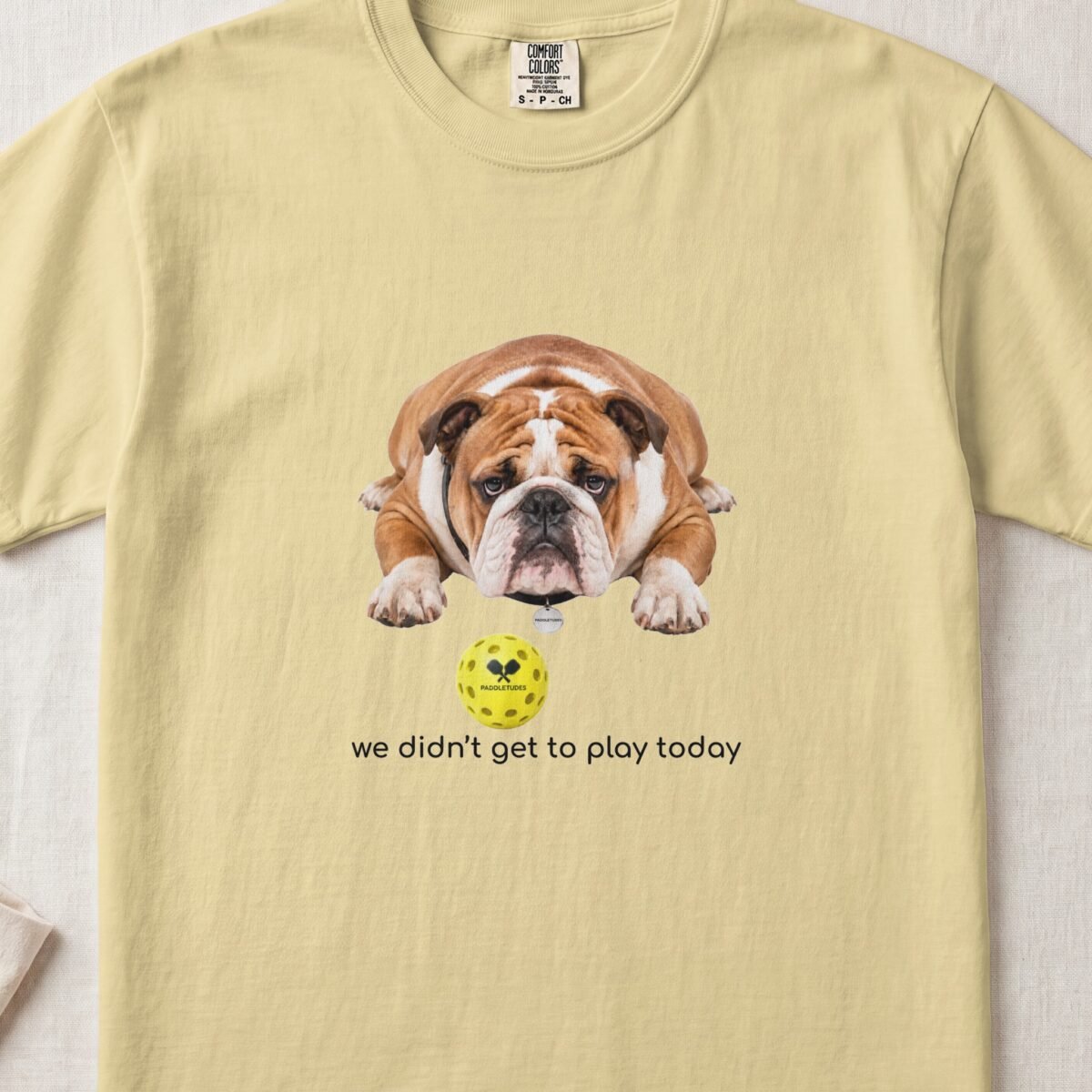
Bulldog Sad
$39.99 Select options This product has multiple variants. The options may be chosen on the product page -
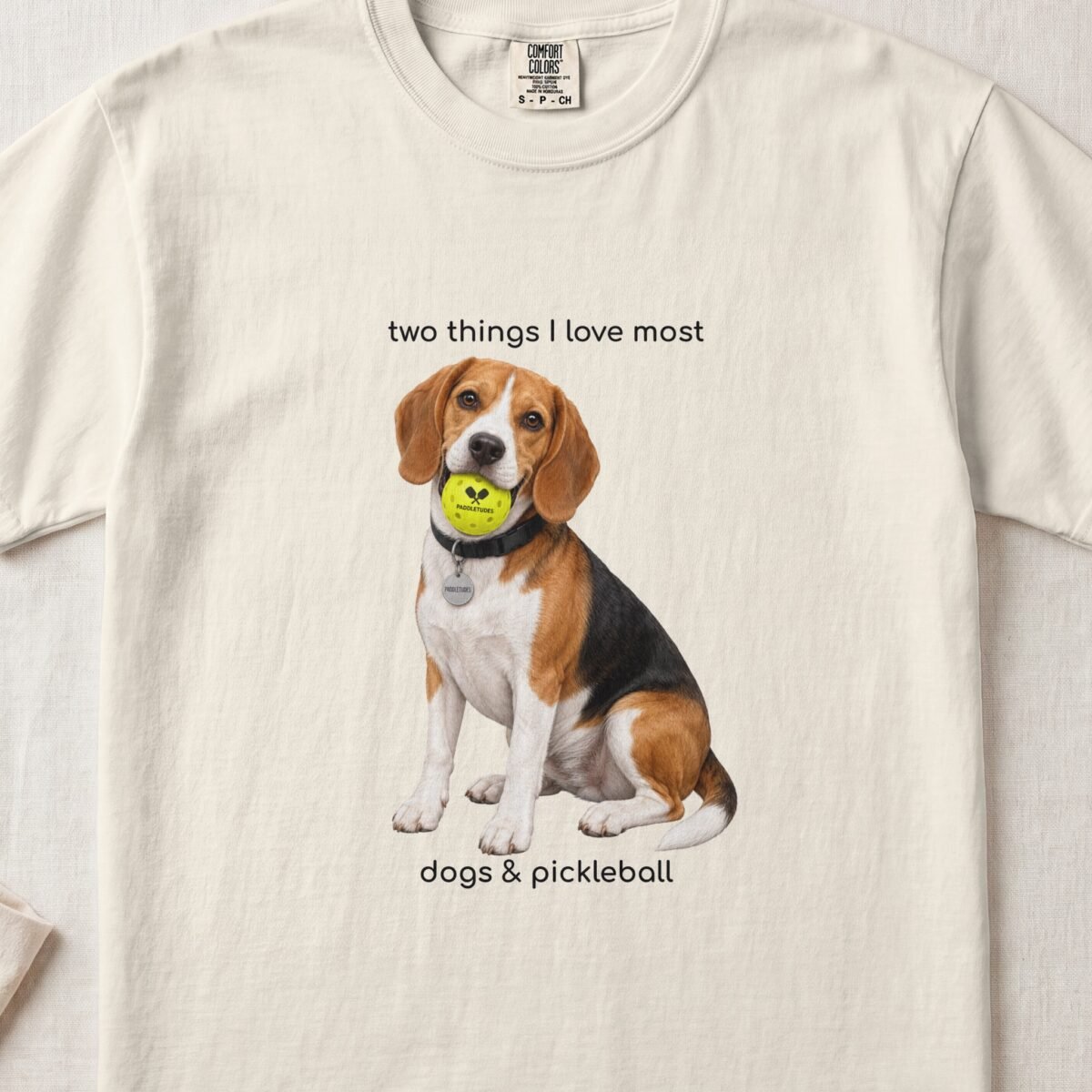
Beagle Happy
$39.99 Select options This product has multiple variants. The options may be chosen on the product page -
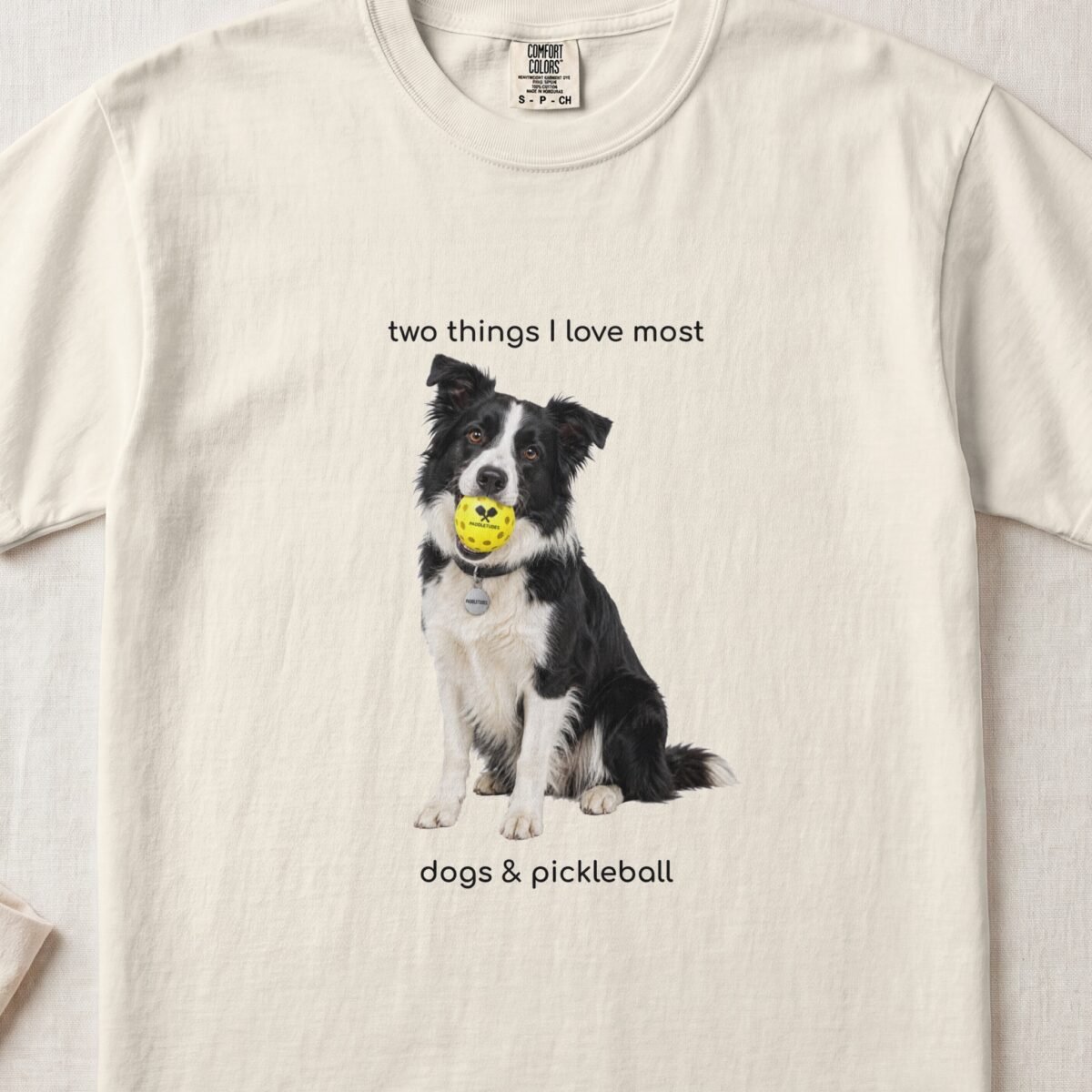
Border Collie Happy
$39.99 Select options This product has multiple variants. The options may be chosen on the product page