Animals Comfort Colors 1717
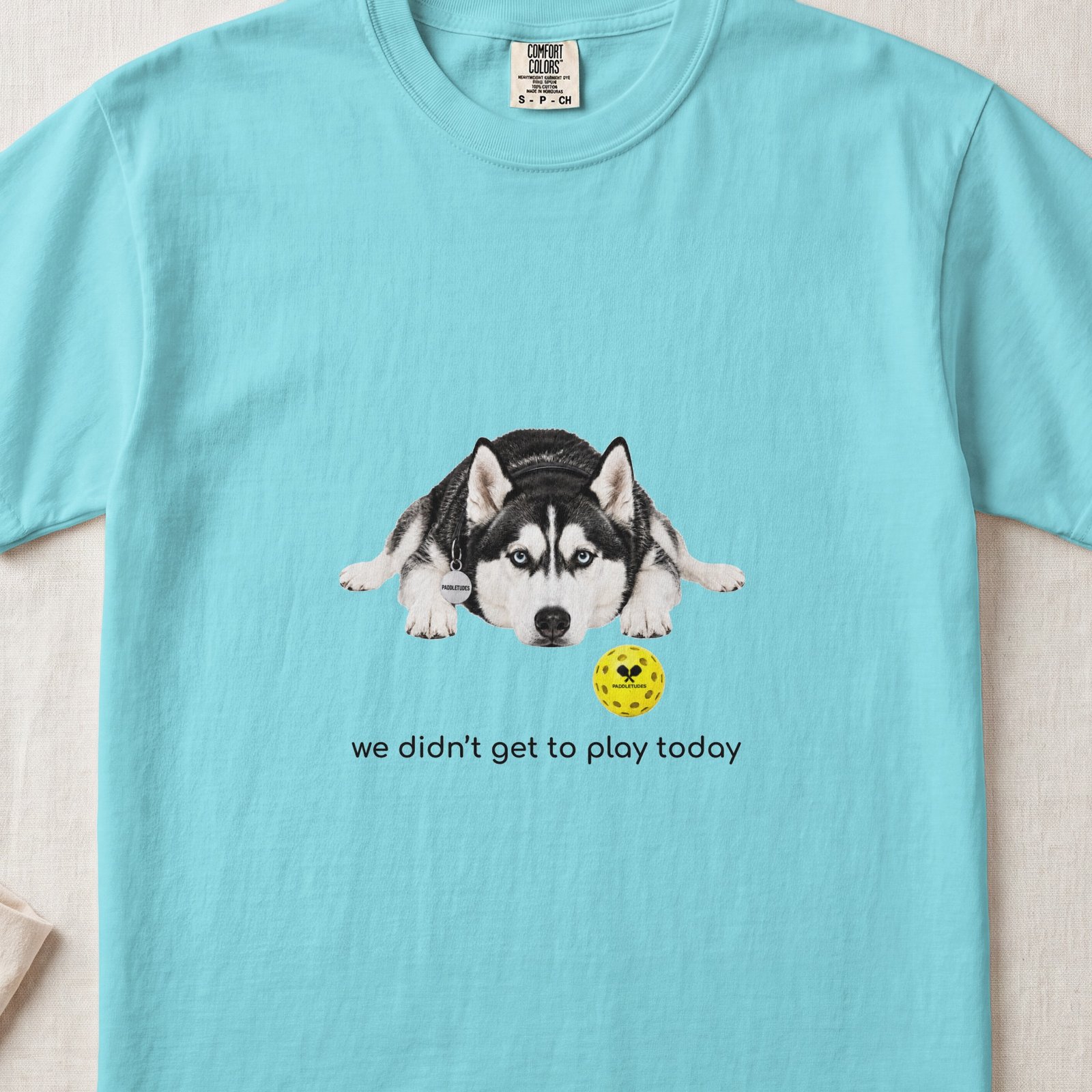
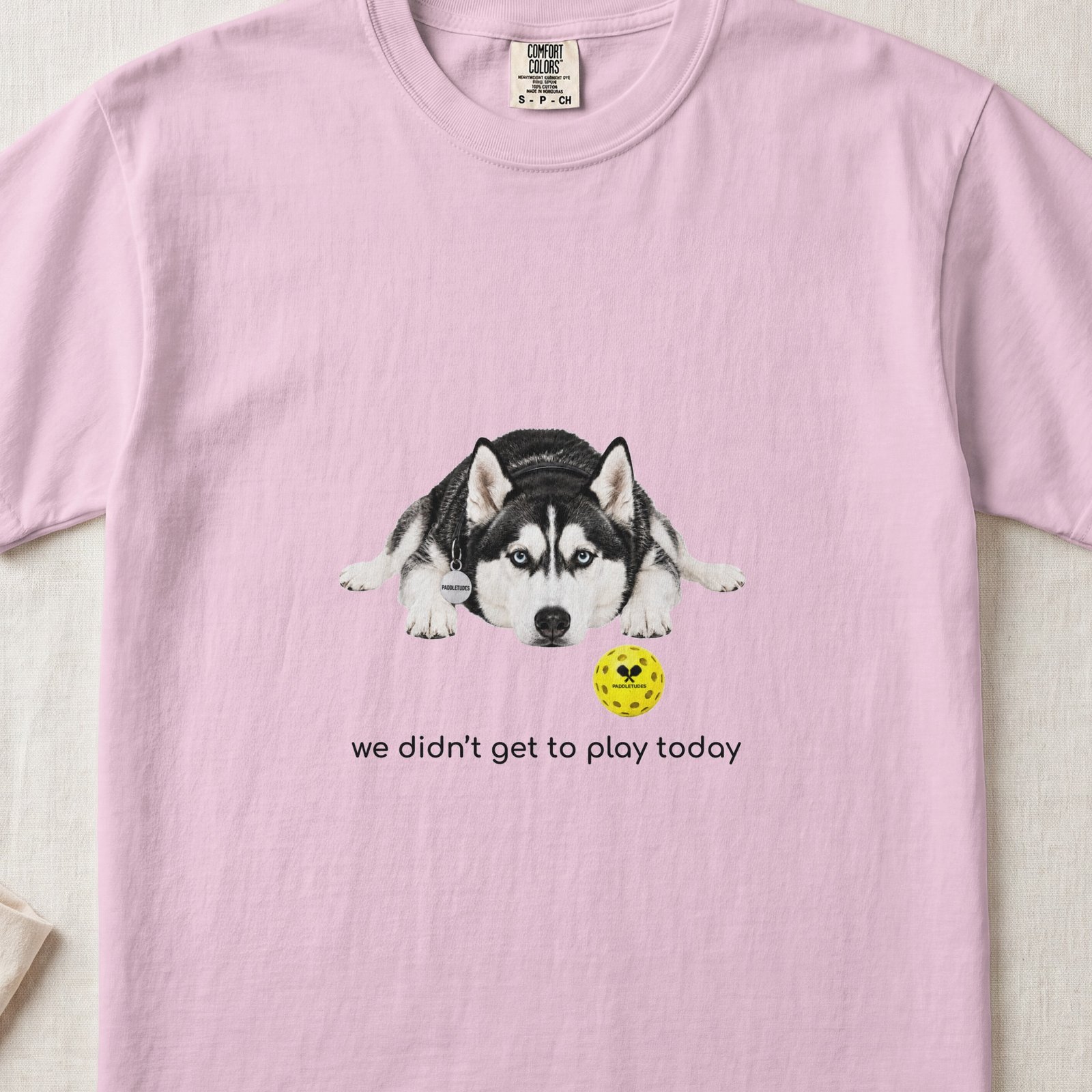
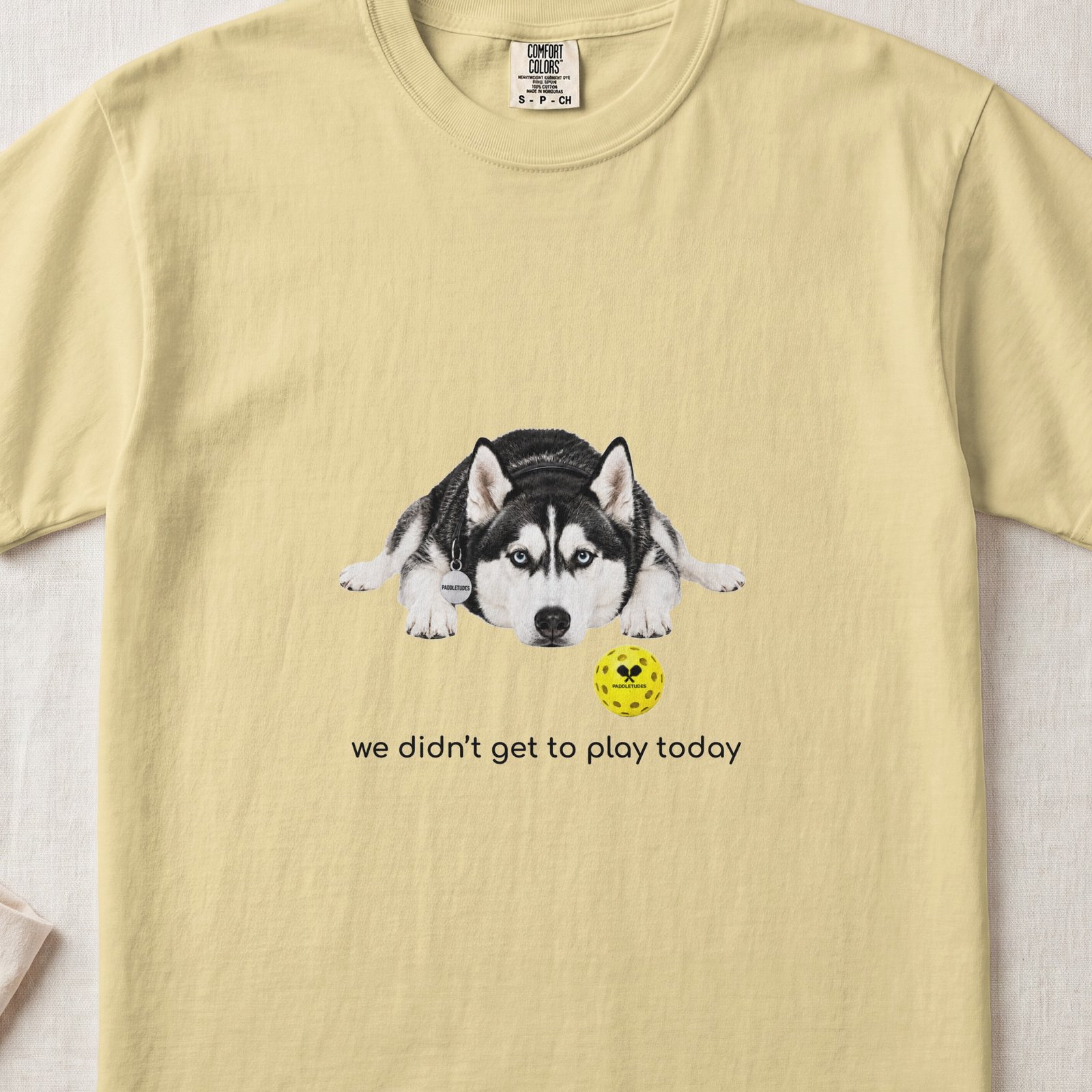
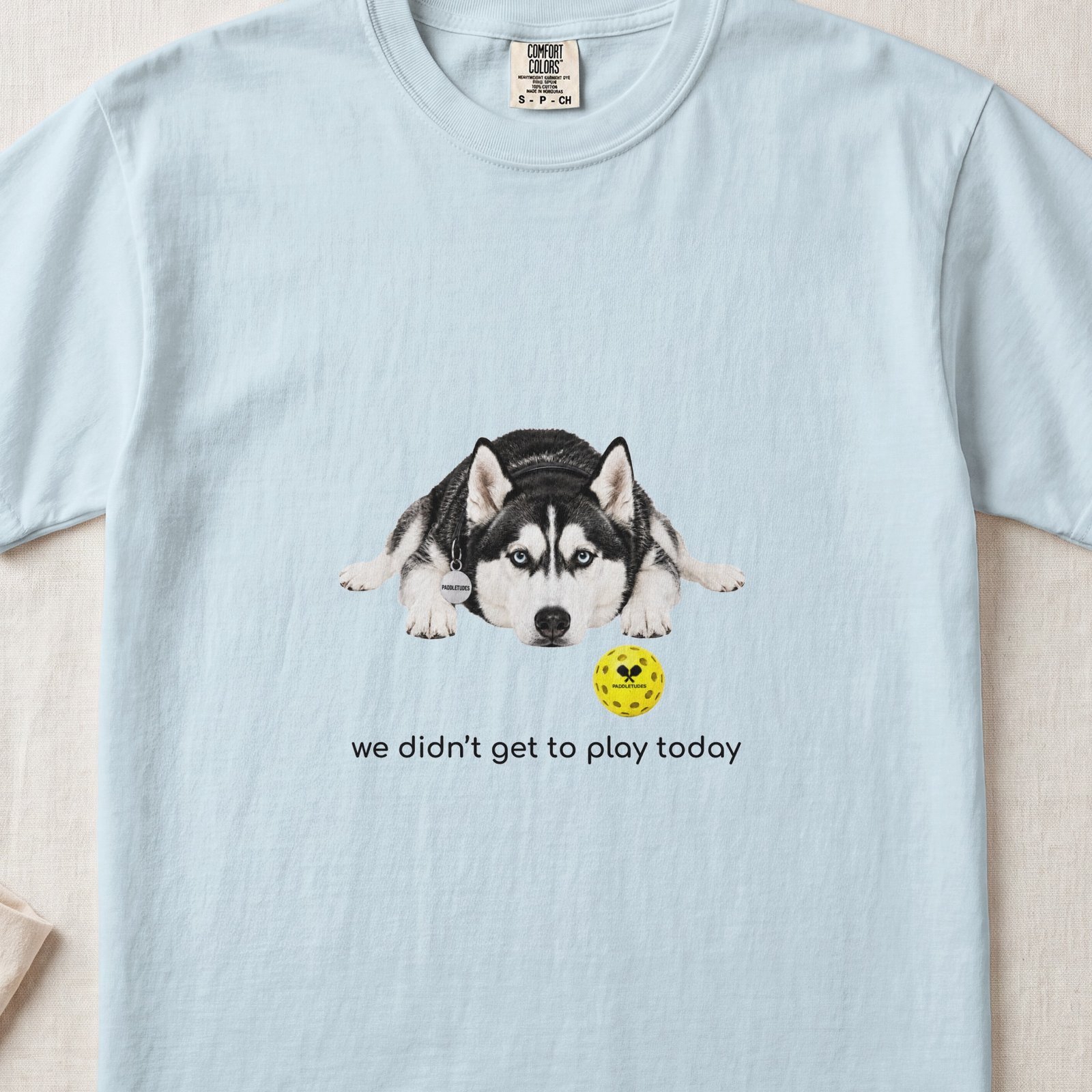
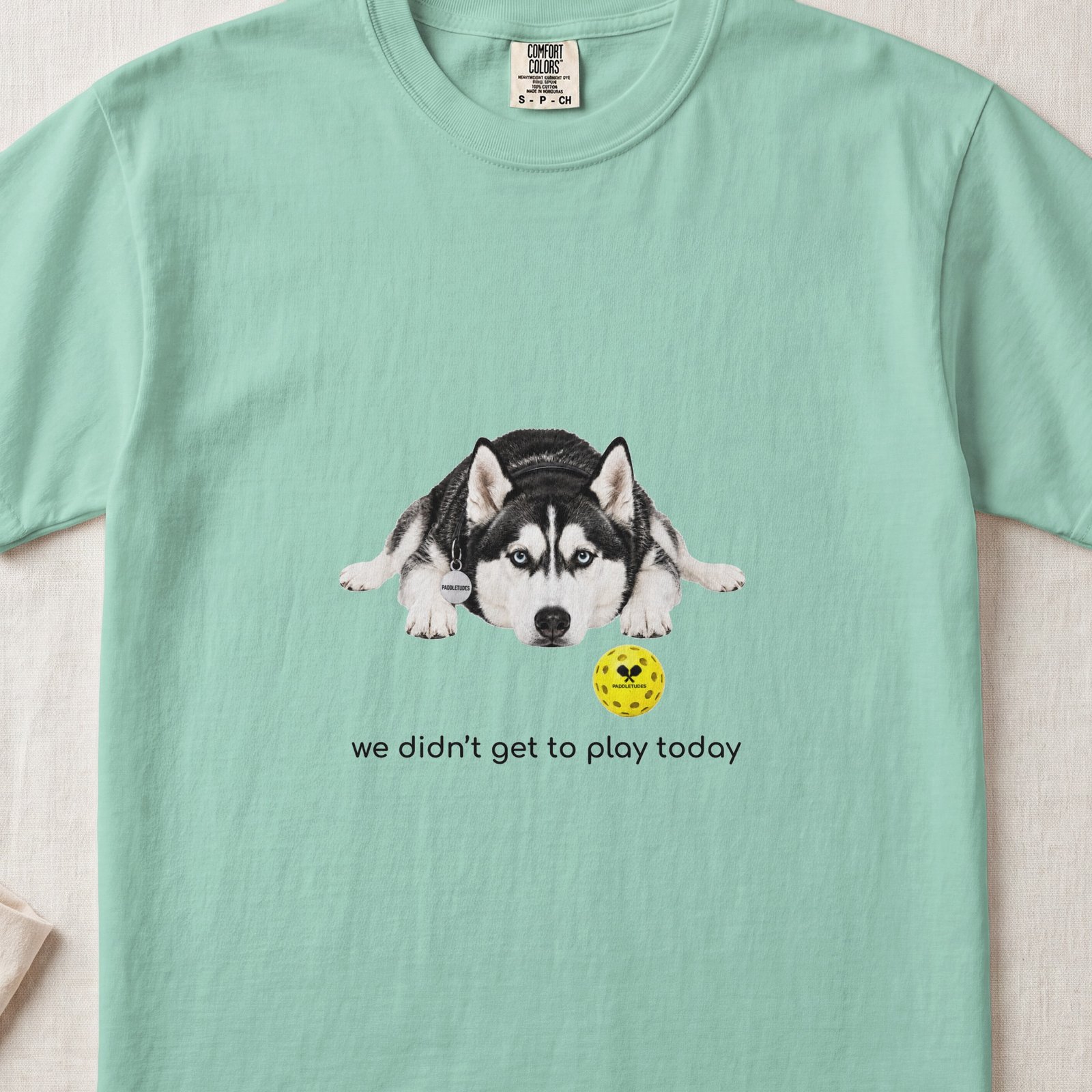
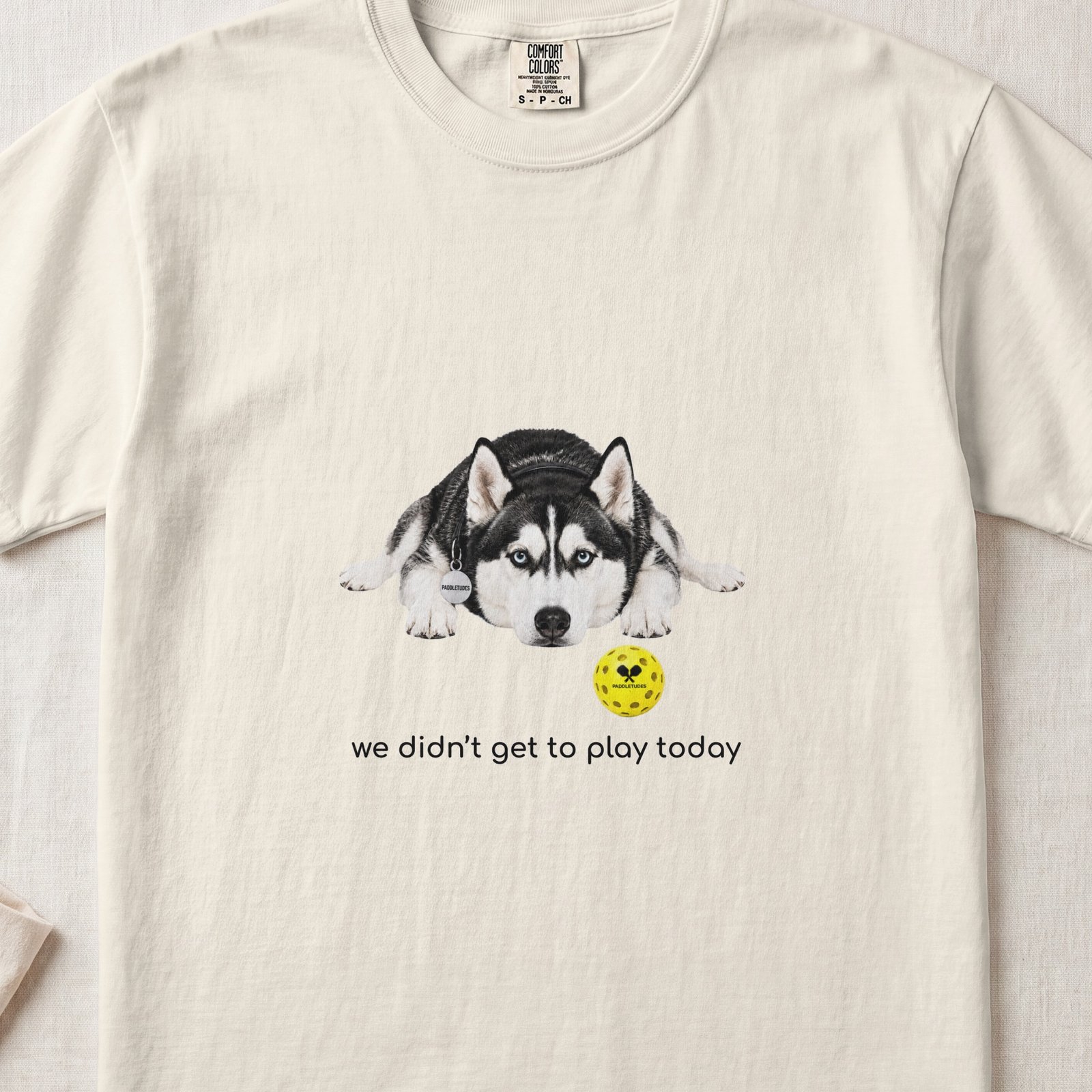
Siberian Husky Sad
$39.99
- Comfort Colors 1717 heavyweight cotton
- Original design · printed to order
- U.S. print partners
The Full-Body Floor Collapse — A Husky Lover Gift
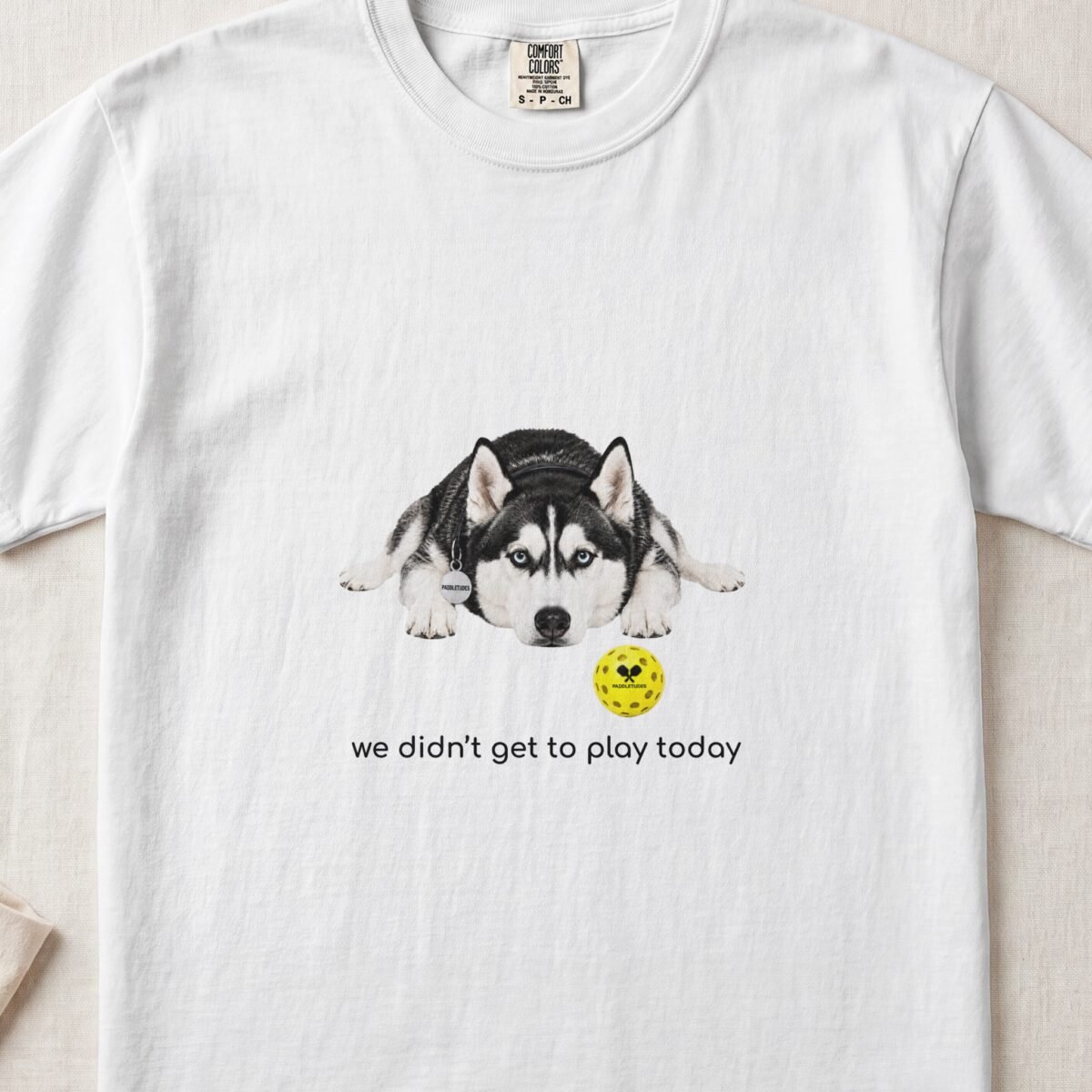
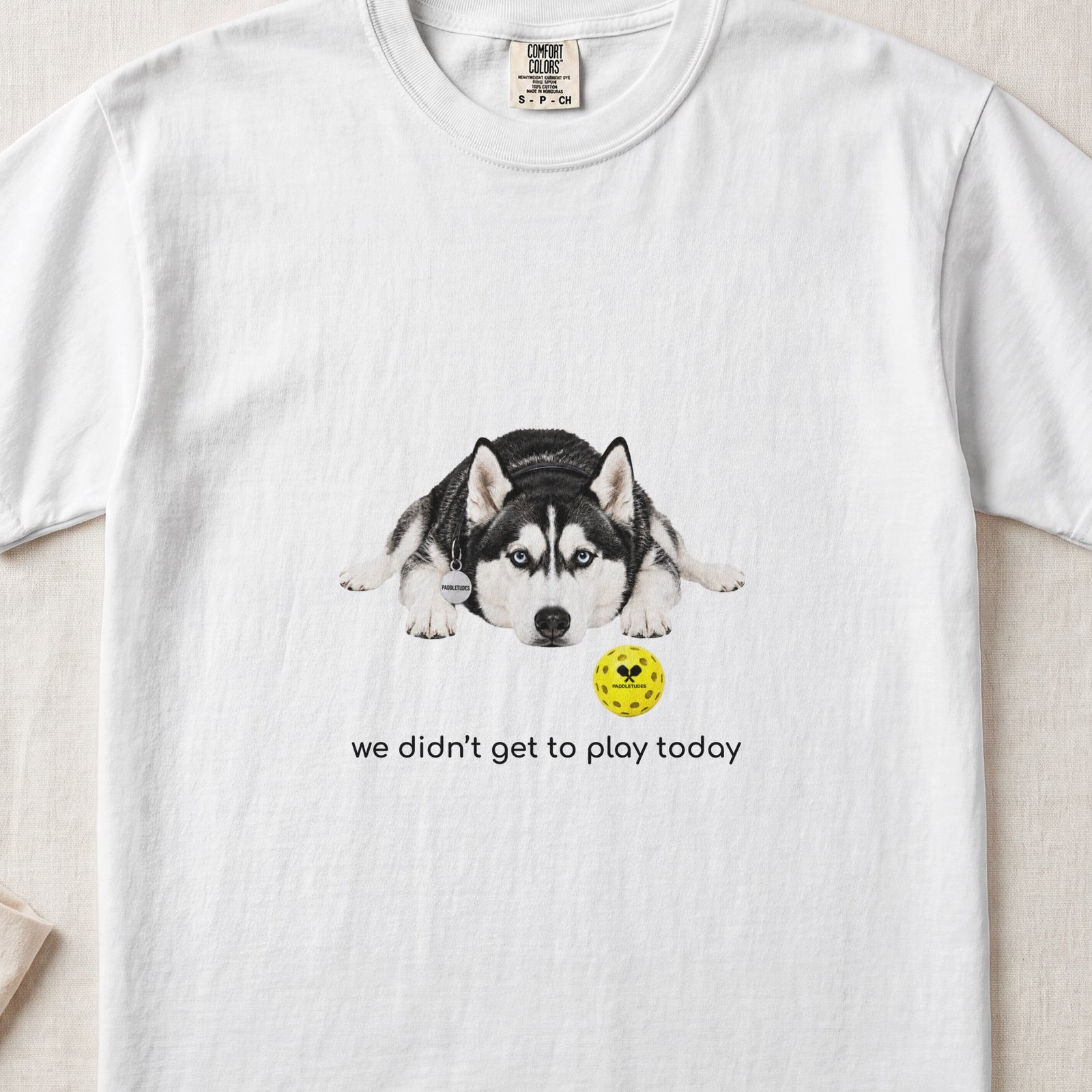
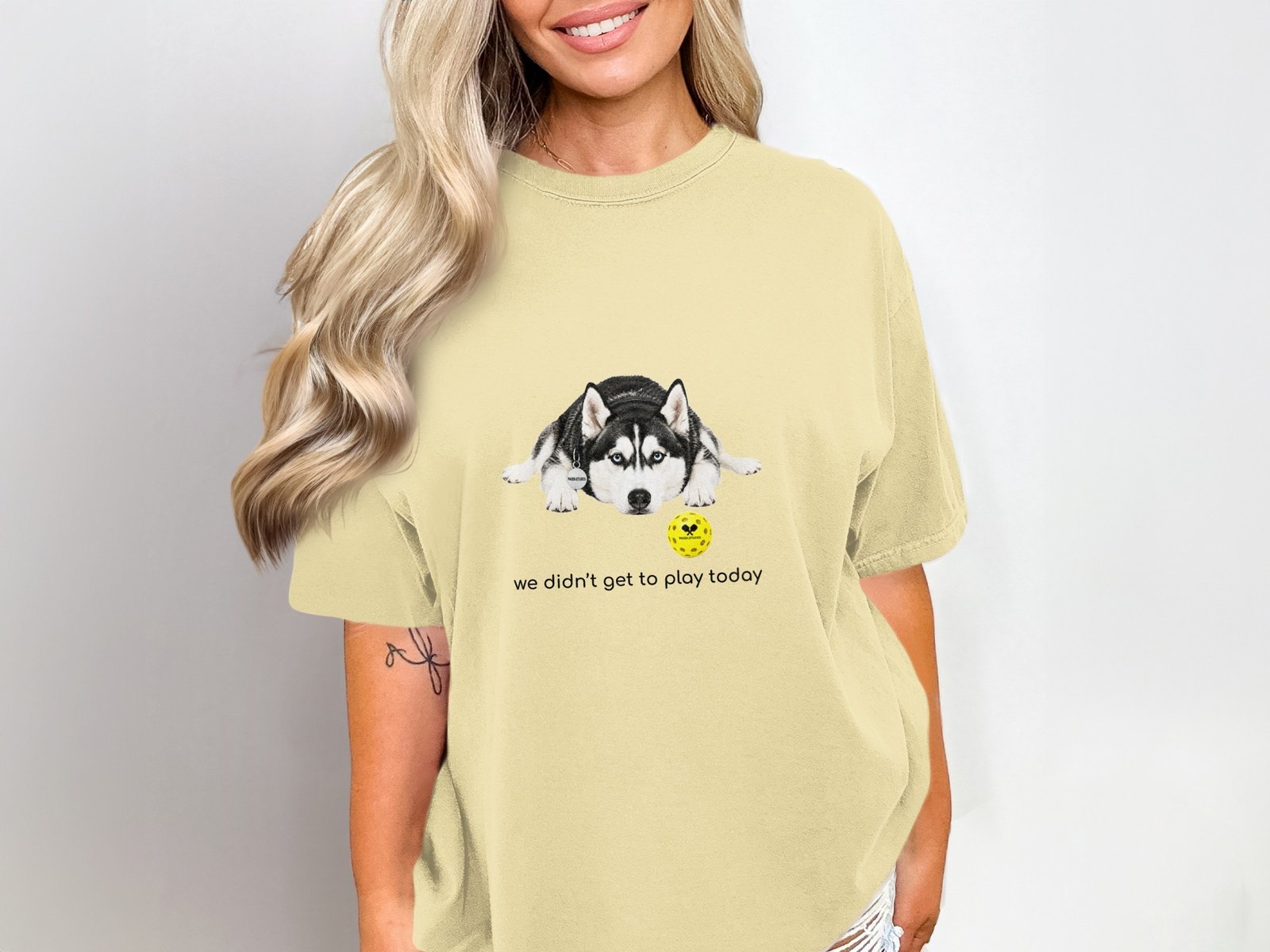
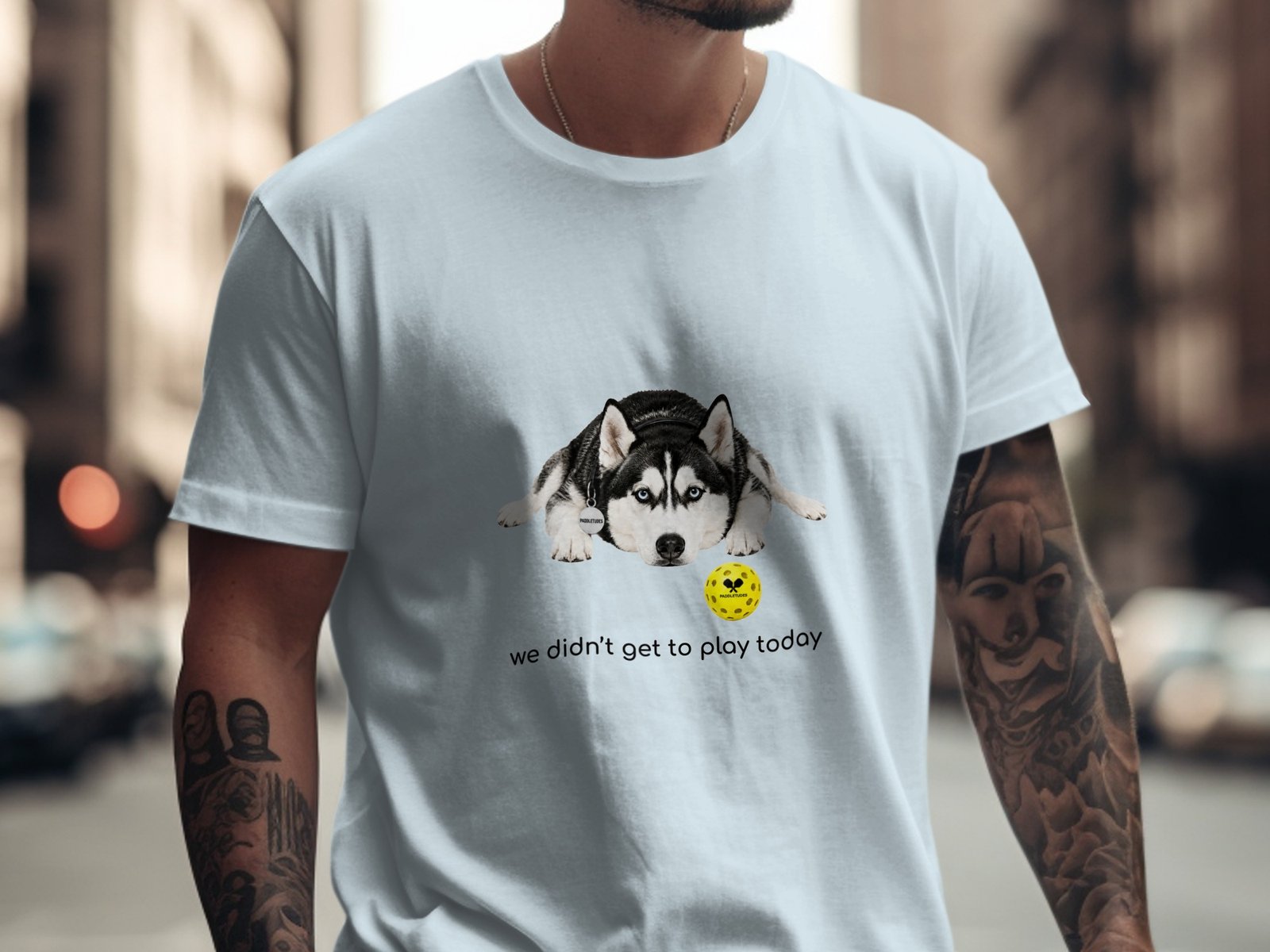
This Siberian Husky shirt captures the heartbreak, the howling, and the full-body floor collapse your Husky delivers when pickleball doesn’t happen.
Other dogs get disappointed quietly. A Husky gets disappointed like they’re performing a one-dog opera in the middle of your living room. The ears fold back. The head drops. And then it starts — the sound that’s somewhere between a howl and a word, the one that your neighbors have filed informal complaints about, the one that means “you promised me we were going somewhere and you lied.” This design is a portrait of that exact moment. The pickleball sitting untouched. Your Husky staring at it like it personally betrayed them. The phrase on the shirt doesn’t need to be funny because every Husky owner has lived it so many times it stopped being a joke and became a documentary. The happy version captures the other end of that spectrum — full joy, pickleball in mouth, zero regrets.
The person wearing this shirt at a pickleball court doesn’t need to explain themselves. The other players already know. They’ve seen you pull into the parking lot with white fur on every surface of your car. They’ve heard you mention “my Husky” within the first three minutes of warm-ups. They’ve watched you check your phone between games because you left your dog with a frozen kong and a prayer and you’re calculating how much of the house is still standing. Wearing a shirt with your breed on it doesn’t just signal that you own a Husky — it signals that you’re one of those people for whom the dog isn’t a pet, it’s the entire personality. Two bumper stickers on the car. The breed name in your Instagram bio. A camera roll that’s 80% dog photos and 20% court selfies. This shirt is the uniform for that life.
And the gift angle is just as specific. You don’t buy this for “someone who likes dogs.” You buy this for the person who has told you six Husky stories in the last week without being asked. The person who schedules their pickleball around their dog’s walk. The grandparent who plays three mornings a week at the rec center and whose Husky is the reason they can’t stay for the afternoon session because that dog has been alone for two hours and they’re already feeling guilty about it. That’s who this shirt is for — and that’s why a generic dog shirt from Amazon doesn’t land the same way. This one is specific enough to make them say “that’s my dog.” It’s the kind of dog lover gift that lands because it’s personal — find every breed in the Dogs page lineup.
The Siberian Husky was developed by the Chukchi people of northeastern Siberia as a sled dog — built to run in teams, communicate across frozen distances, and bond intensely with their pack. Three thousand years of that breeding doesn’t disappear because they moved into a house with central air. The howling, the pack mentality, the desperate need to be included in whatever you’re doing — it’s not a behavioral problem, it’s the breed working exactly as designed. The Australian Shepherd runs on a similar intensity but channels it through herding instinct instead of vocal protest — same level of devastation when pickleball doesn’t happen, completely different soundtrack. The Siberian Husky Club of America has been the national breed club since 1938, and if you’re deep enough into Husky ownership to wear this shirt, you already know the community is as vocal as the dogs.
Printed on a Comfort Colors 1717 garment-dyed heavyweight tee with water-based DTG ink — sizing and care details here.
Why Are Huskies So Dramatic
Siberian Huskies are dramatic because they were bred to communicate across miles of Arctic tundra where a bark wouldn’t carry. Howling, yipping, floor-flopping, and full-body protest are the breed’s native language — not misbehavior, but a communication system that’s been refined over roughly 3,000 years of working alongside the Chukchi people of Siberia.
The Husky tantrum — that specific sequence of howling, rolling onto the floor, dramatic side-eye, and what can only be described as arguing back in a language that almost sounds like words — is one of the most recognizable behaviors in any breed. It happens when routines get disrupted, when the leash comes out and then goes back on the hook, when dinner is thirty seconds late, or when you grab your paddle bag and then put it down. The trigger is almost always unmet expectation. Huskies are smart enough to understand patterns and expressive enough to let you know when you’ve broken one.
The vocalization specifically is a remnant of sled team communication. In a working team, barking is useless — it doesn’t carry far enough and it wastes energy. Howling carries across kilometers of open ice. The “woo-woo” sound Huskies make when you come home, the grumbling when they disagree with a decision, the sustained monologue when you’re packing the car without them — these are all variations on the same long-distance communication that kept sled teams coordinated in whiteout conditions. Your apartment isn’t the Arctic, but the hardware doesn’t know that.
The breed’s dramatic reputation isn’t an internet exaggeration. The AKC breed profile describes them as “mischievous” and “outgoing” — which is polite language for a dog who will vocally debate every decision you make and then do what they were going to do anyway. Husky owners don’t train this out. They manage it. Compare that to a German Shepherd, a breed that processes the same disappointment with silent, stoic judgment instead of a vocal performance — equally devastating, zero decibels. They learn the difference between “I need something” and “I have an opinion.” And they accept that living with a Husky means living with a roommate who has no volume control and no concept of proportional response.
Do Huskies Bond With One Person
Huskies are pack dogs, not one-person dogs — but they often develop a primary attachment to whoever is most consistent with their routine. The person who feeds them, walks them, and exercises them daily becomes the center of the pack, and that bond shows up in how the Husky responds when that person leaves.
This is part of why the “we didn’t get to play today” concept hits so hard for Husky owners specifically. A Labrador might mope for ten minutes and then find a toy. A Husky will track your movements from the moment you wake up, note that you put on court shoes instead of hiking boots, and begin the protest before you’ve touched the doorknob. The bond isn’t just affection — it’s surveillance. They’re monitoring your routine because your routine determines their day, and they have extremely strong feelings about how that day should go.
Separation anxiety is a legitimate concern in the breed. Huskies were developed to work and travel in teams, sleep together for warmth, and stay close to their handlers around the clock. Being left alone runs directly against that wiring. A Husky whose primary person leaves for a three-hour pickleball session is a Husky who is counting every minute and preparing a performance for when that person walks back through the door. The SHCA rescue network exists partly because people underestimate this intensity — they get a Husky for the blue eyes and discover they’ve adopted a 45-pound toddler who never grows out of the clingy phase. The owners who stay are the ones who embrace it. This shirt is for them.
-
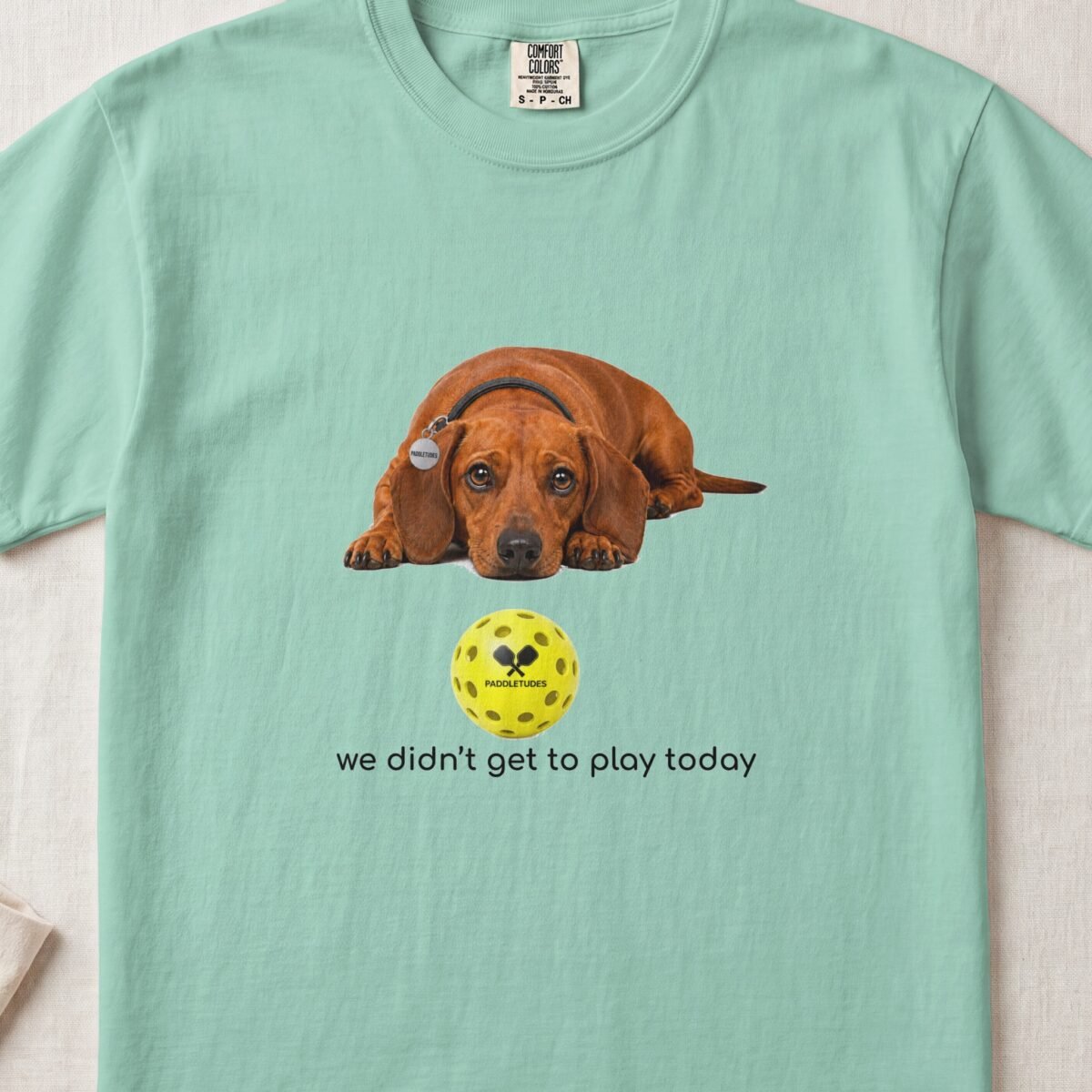
Dachshund Sad
$39.99 Select options This product has multiple variants. The options may be chosen on the product page -
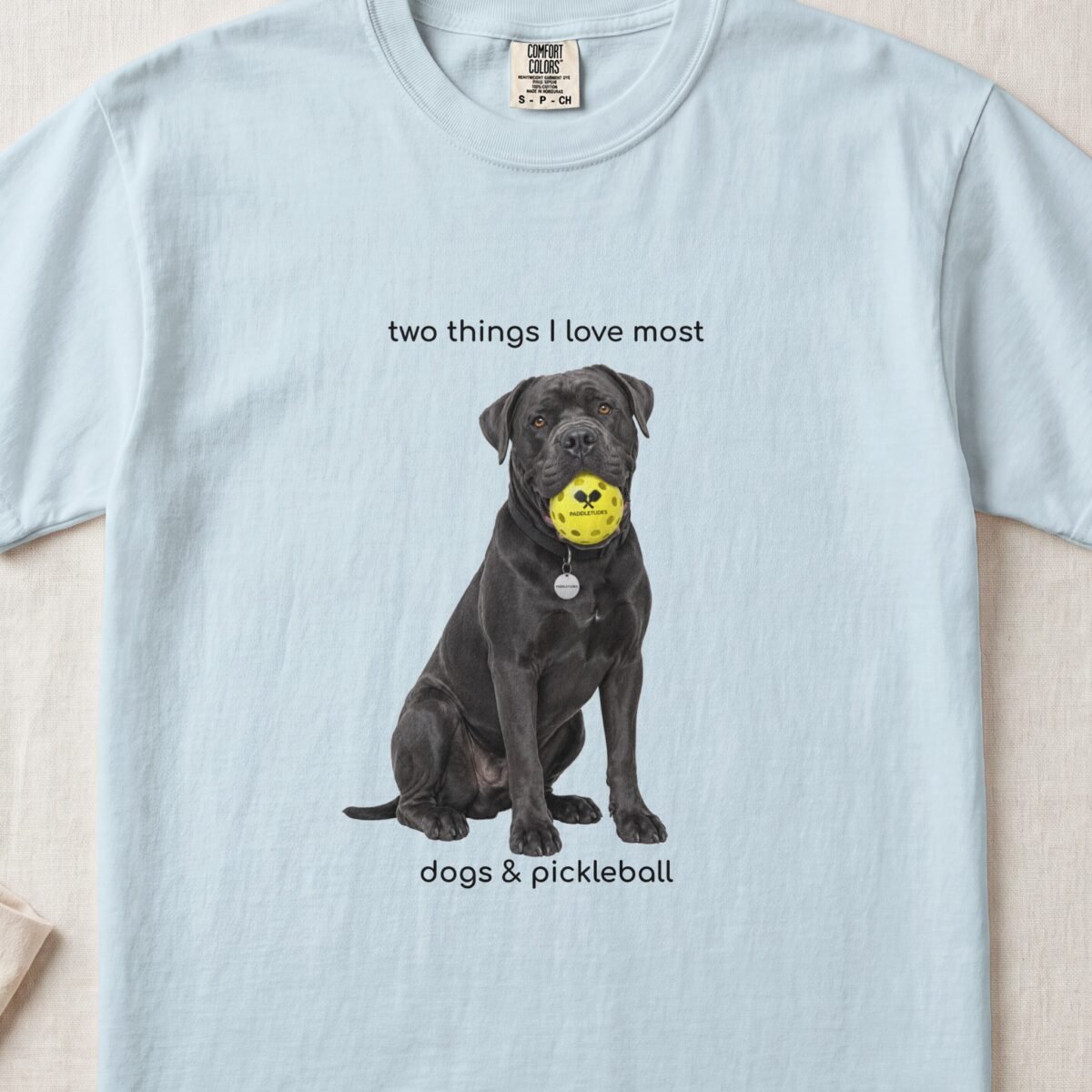
Cane Corso Happy
$39.99 Select options This product has multiple variants. The options may be chosen on the product page -
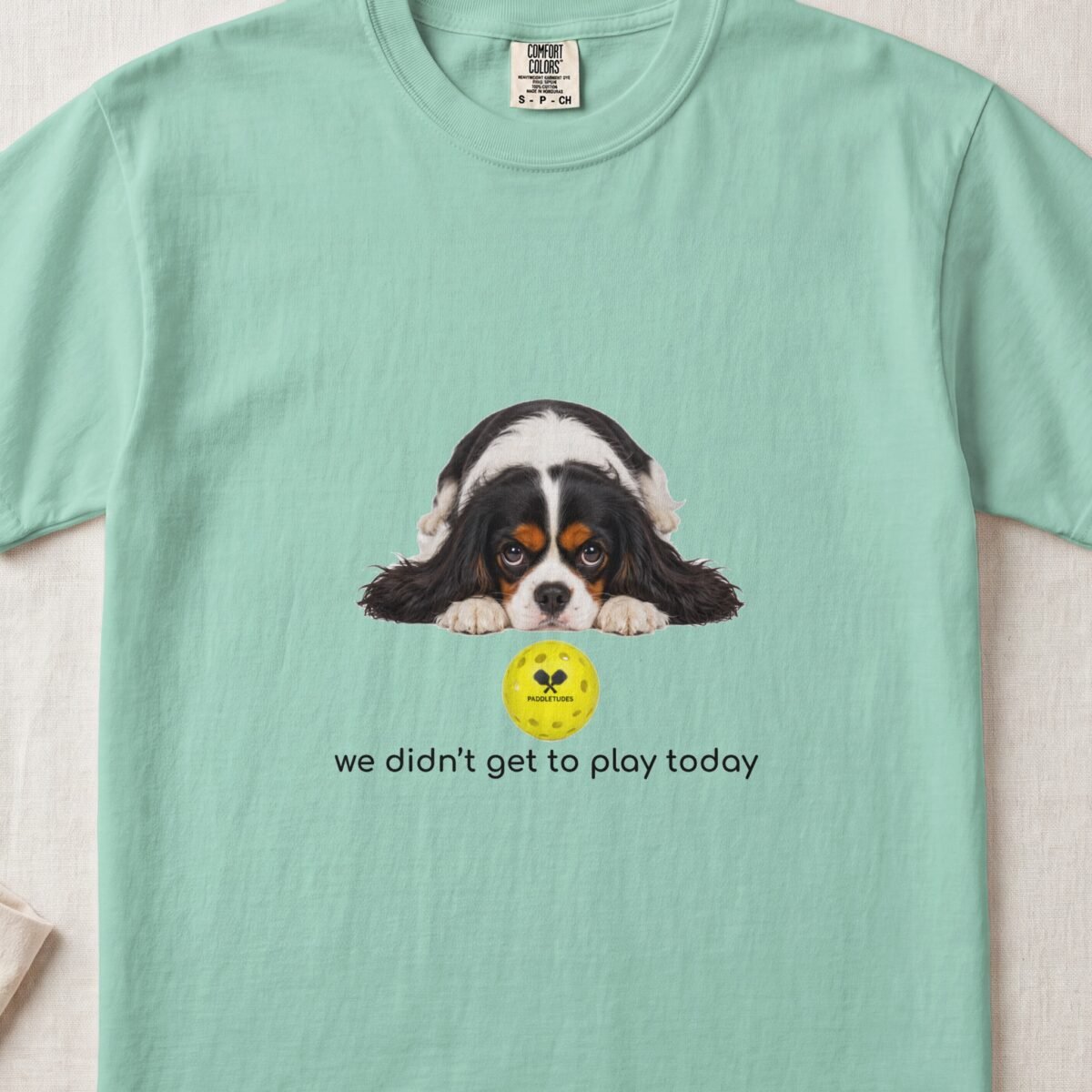
Cavalier King Charles Spaniel Sad
$39.99 Select options This product has multiple variants. The options may be chosen on the product page