Sports Comfort Colors 1717
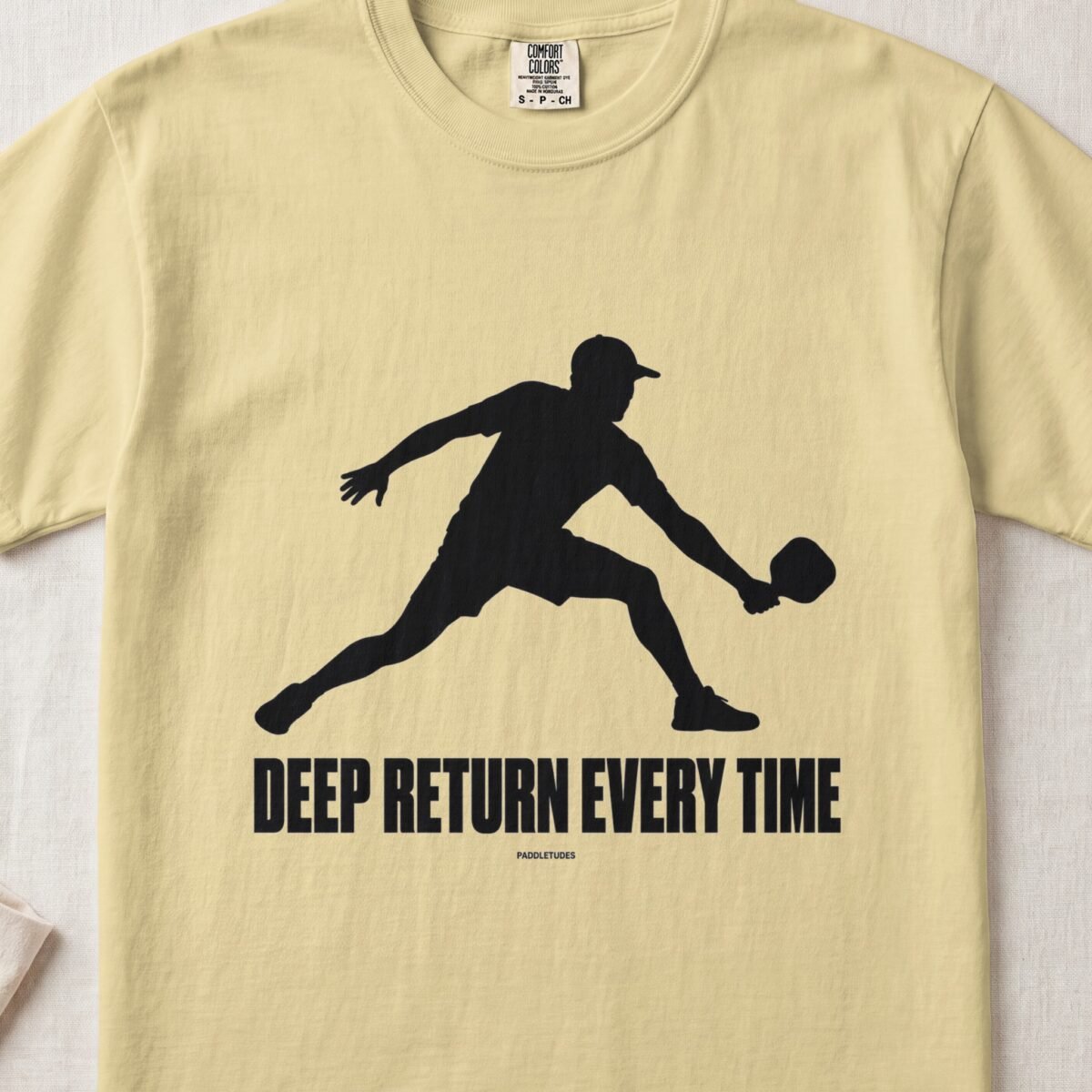
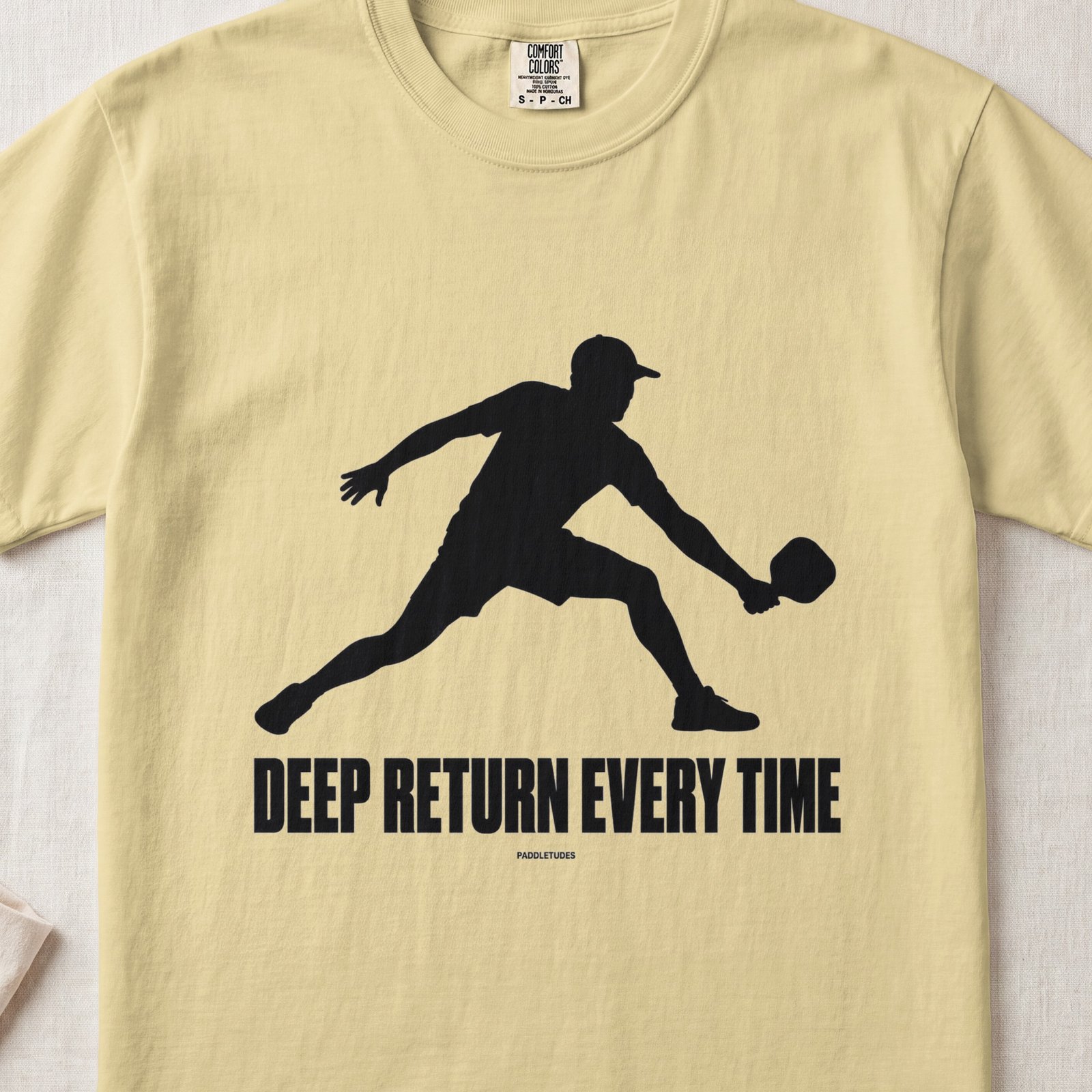
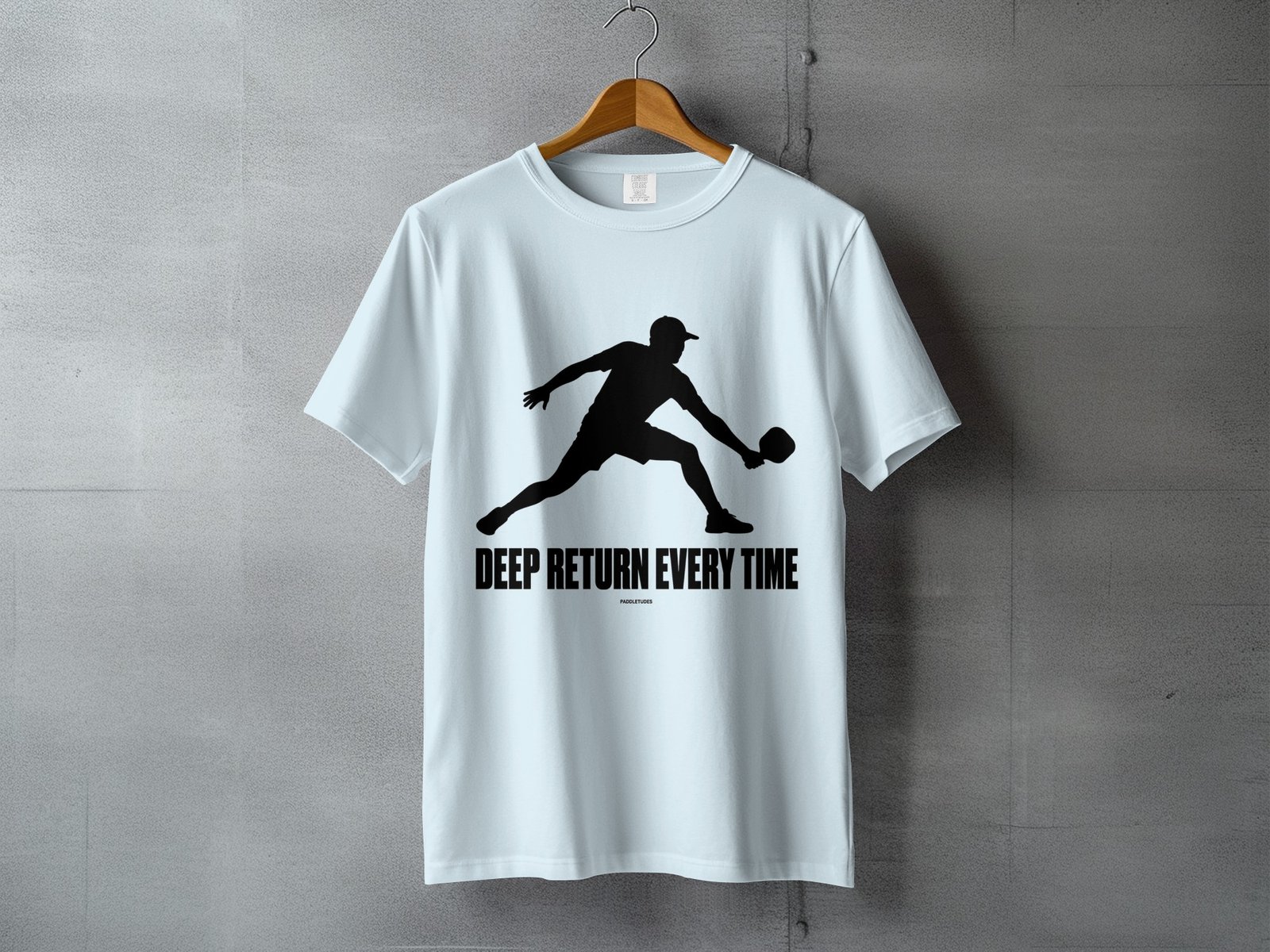
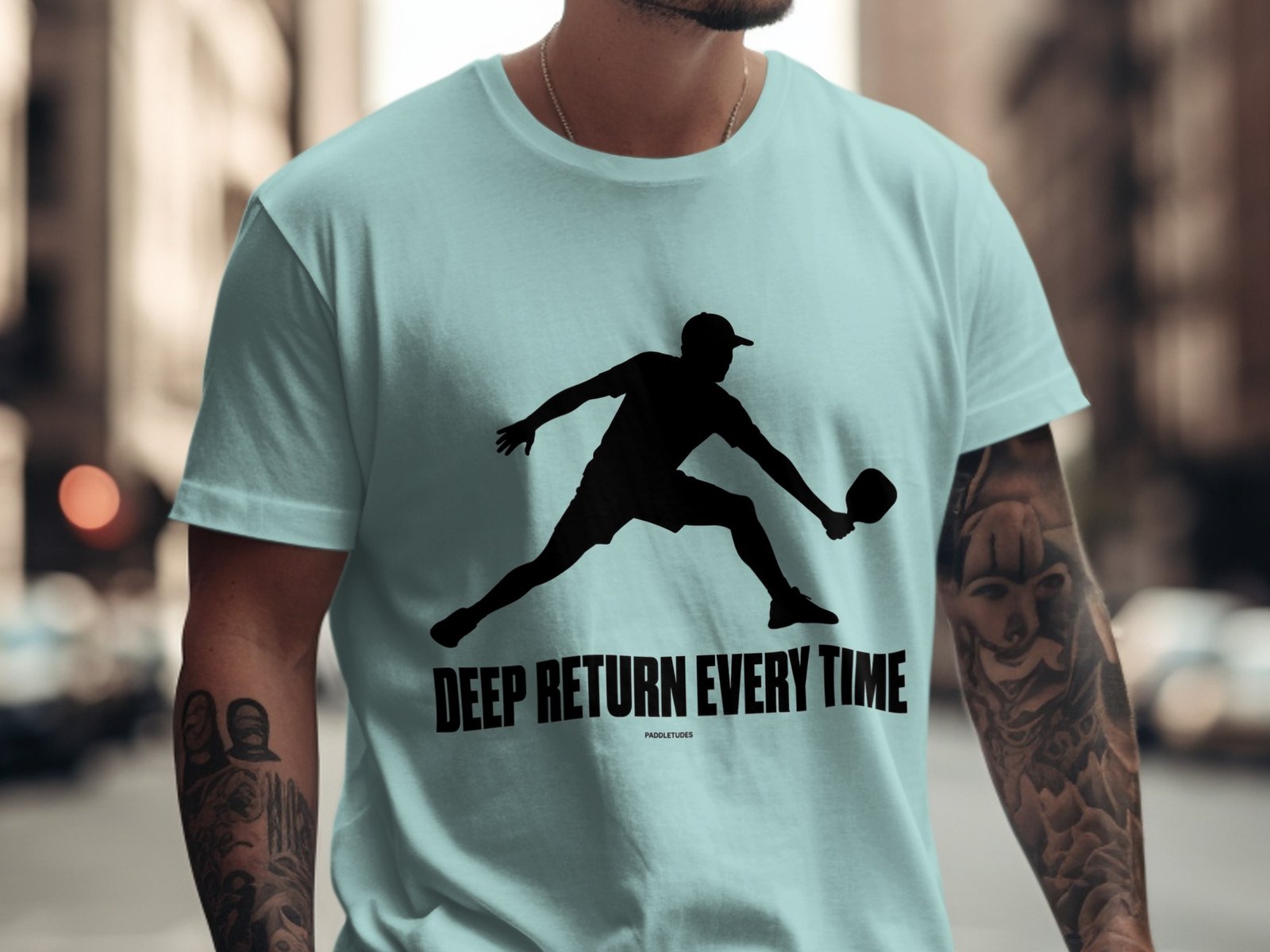
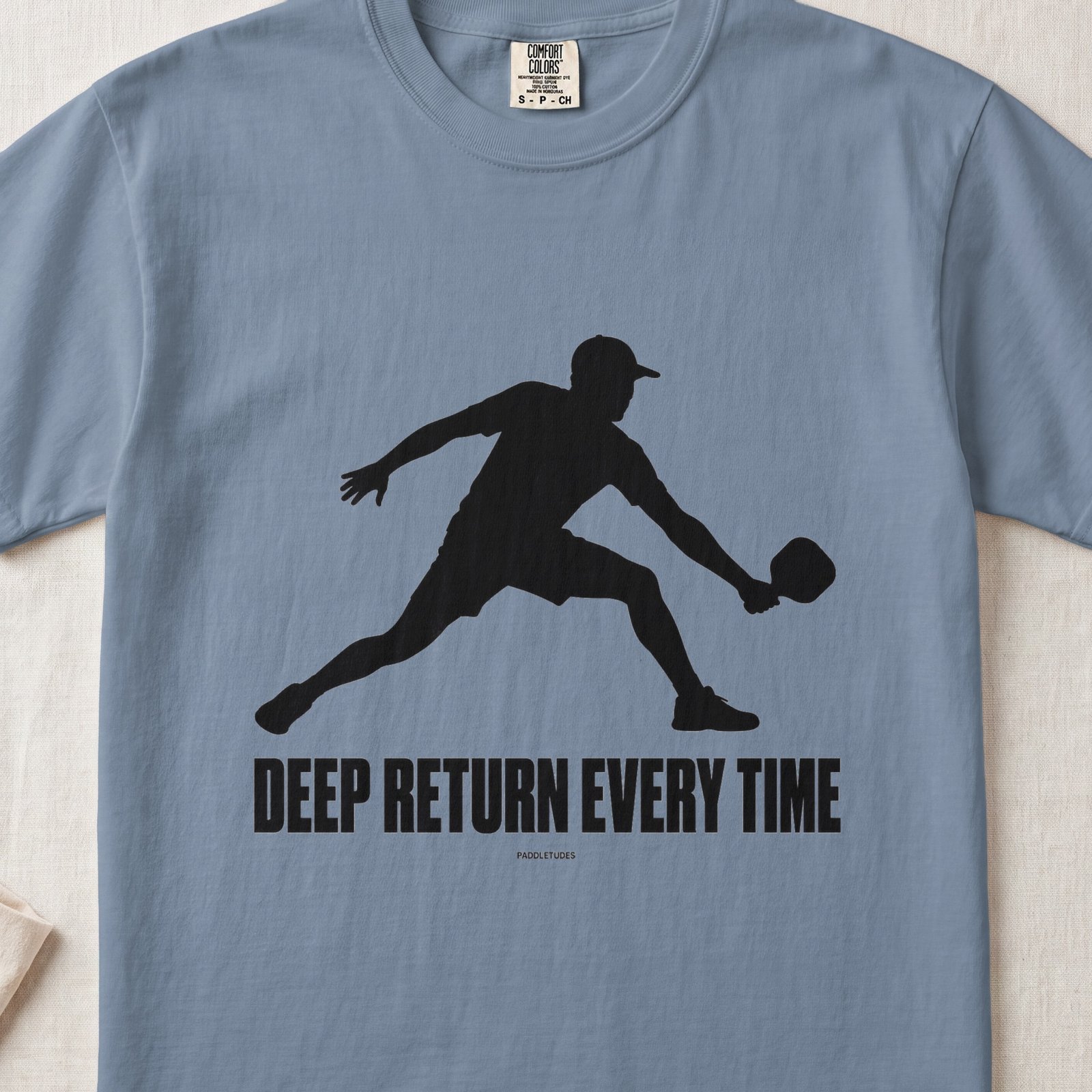
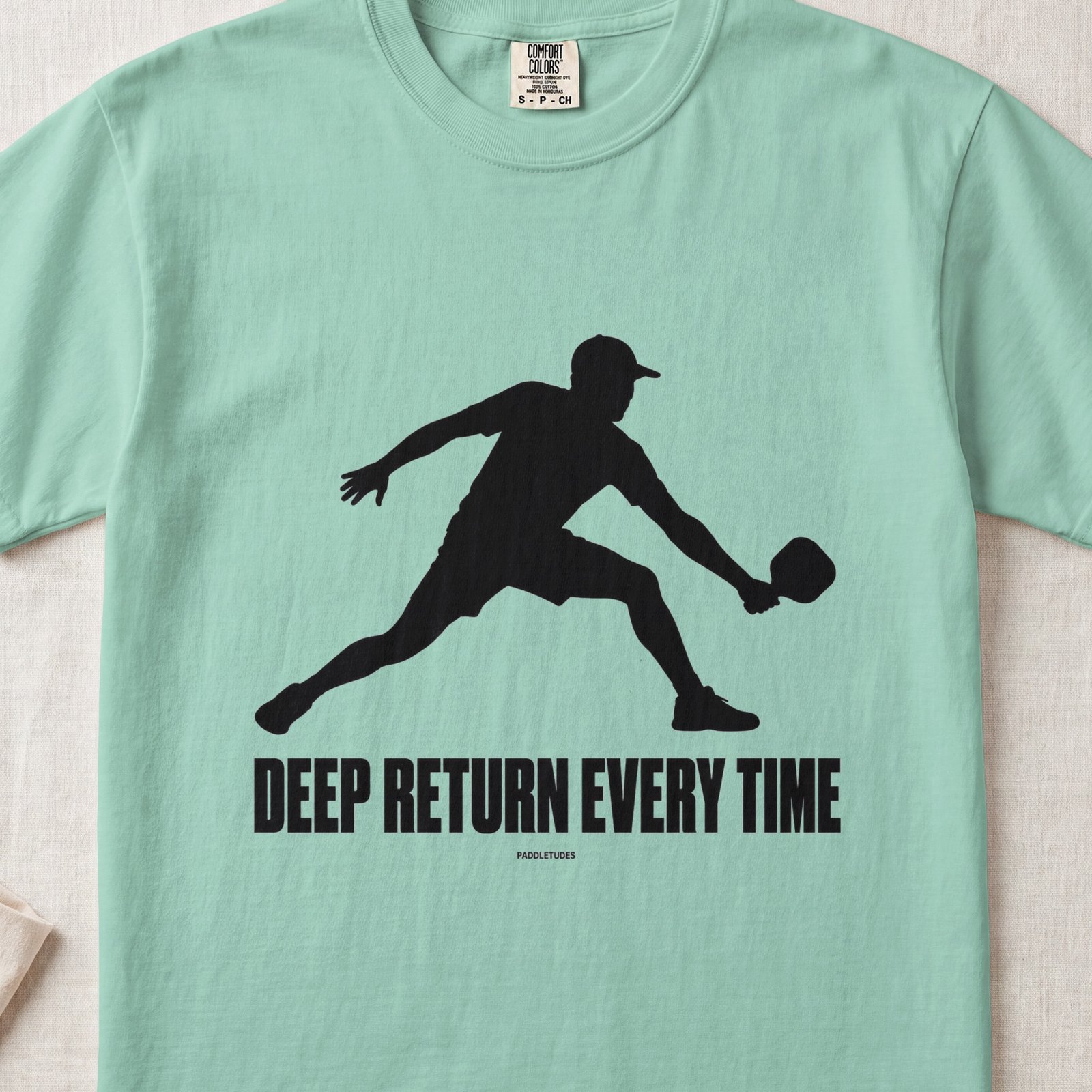
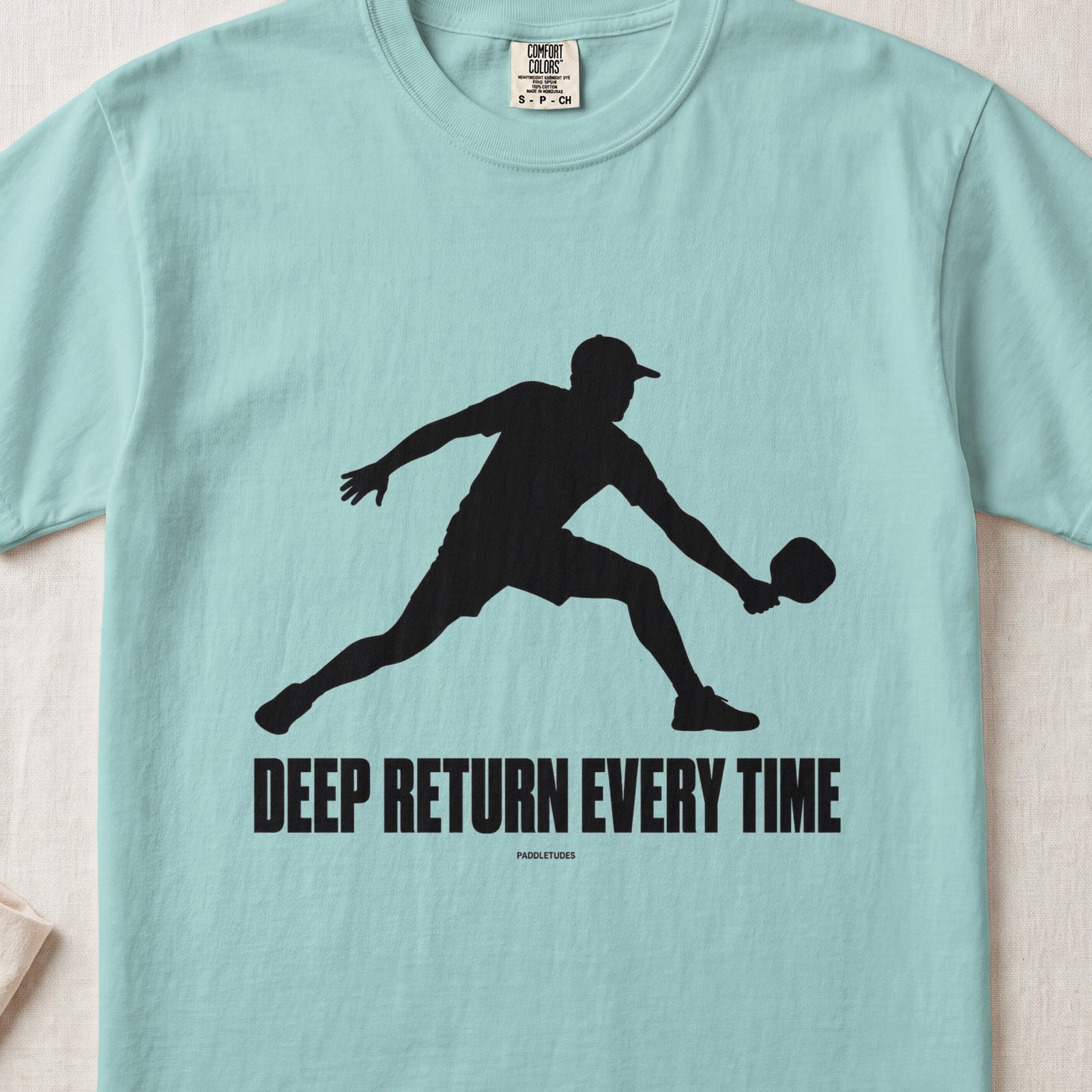
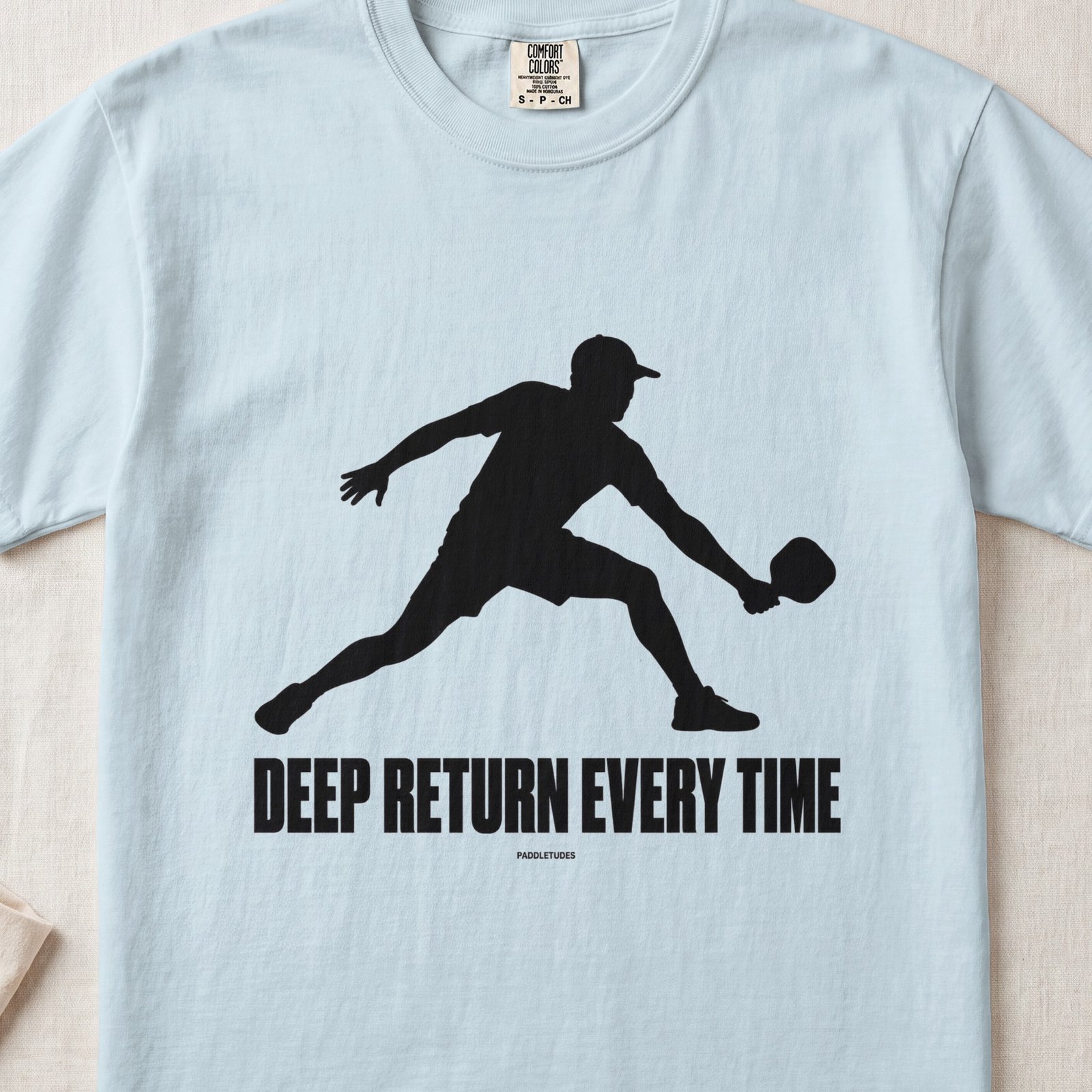
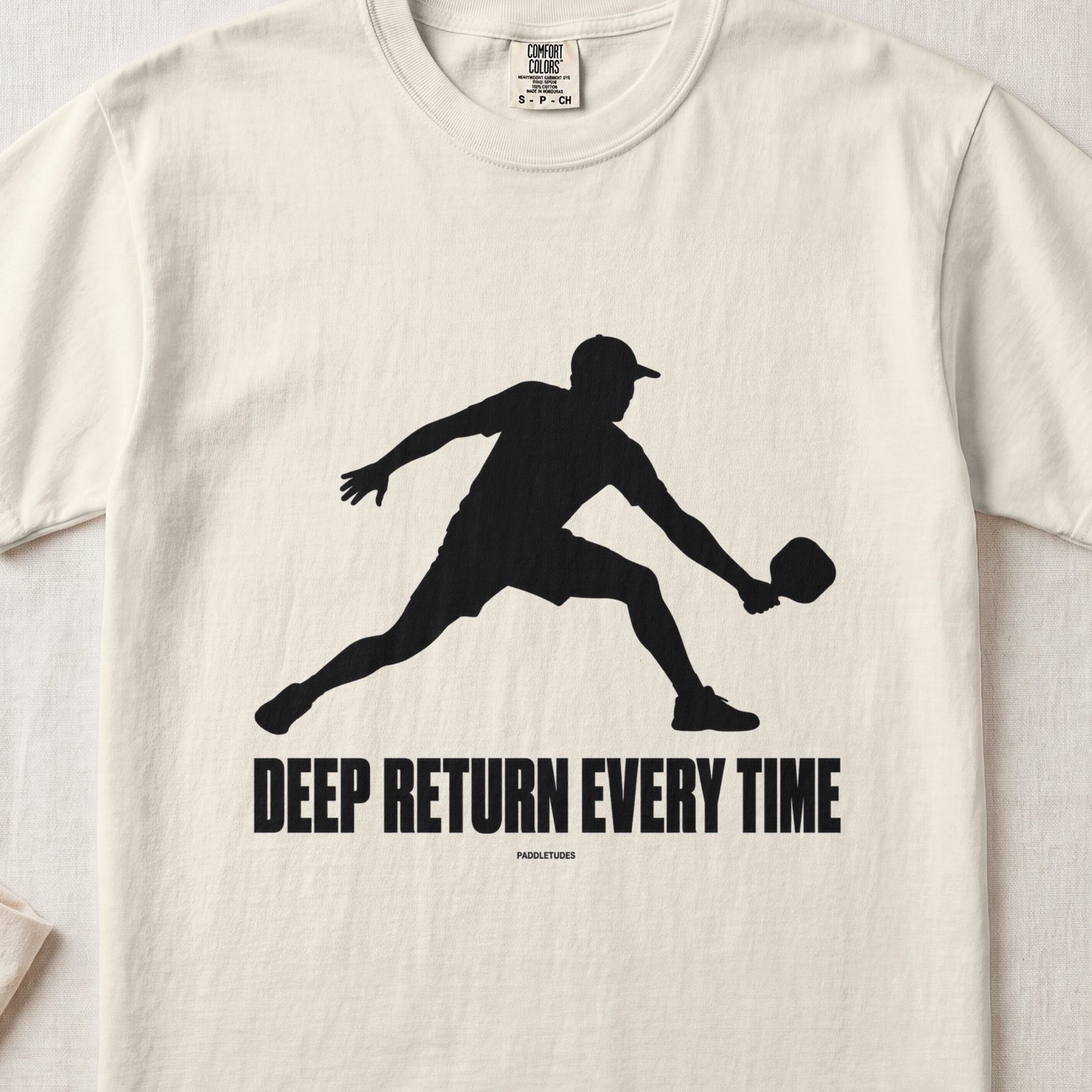
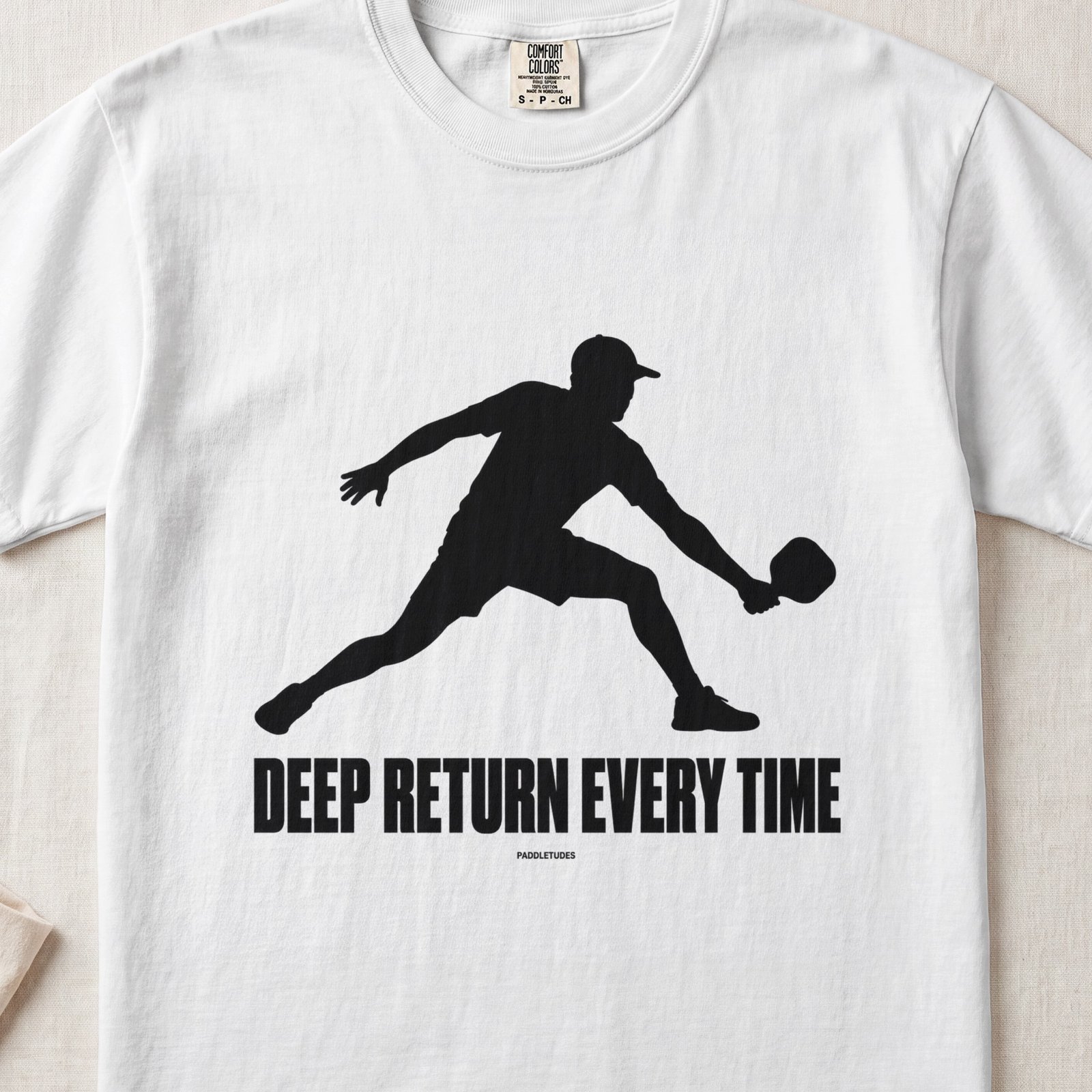
Deep Return Every Time
$29.99
- Comfort Colors 1717 heavyweight cotton
- Original design · printed to order
- U.S. print partners
The Pickleball Return of Serve Nobody Talks About
The serve gets the glory. The overhead gets the applause. The return of serve gets quietly pushed four feet from the baseline and nobody says a word about it — except the server, who is now hitting their third shot from the worst position on the court while the returner split-steps forward like they’ve done this exact same thing a thousand times. They have. Deep Return Every Time is for the player whose consistency is so automatic that the opponents don’t realize they’re losing because of the return until the third game when someone finally says “can you stop hitting it so deep?”
No. No they cannot.
This is the same person off the court. The one who takes the same route to work every morning not because they’re boring but because they tested four routes and this one is two minutes faster. The person whose coffee order hasn’t changed in five years because they found the right one and there’s no reason to experiment. The person everyone calls reliable without realizing that reliable is the highest compliment you can give someone whose job is to do the same thing correctly, repeatedly, under pressure. The Deep Return Every Time player brings that energy to the court and applies it to a shot most people treat as a formality. It’s not a formality. It’s the single most consequential shot the returning team hits, and hitting it deep instead of short is the difference between starting the point with an advantage and starting it even.
The geometry is unforgiving and it favors the deep returner completely. A return that lands within two feet of the baseline forces the server to hit their third shot from 34 feet behind the net — the full depth of their half-court. A return that sits up at midcourt lets them hit from 17 to 20 feet back. From the baseline, a third shot drop has to travel farther and arc higher, which means the returning team has more time to read it, close, and arrive at the kitchen line in position. From midcourt, the same drop is shorter, flatter, and harder to defend against. Every foot of depth on the return translates directly into difficulty on the opponent’s third shot. The deep return doesn’t look like it’s doing anything. It’s doing everything.
Your paddle choice matters here more than most players think. A return that needs to land deep and die requires a paddle with enough mass to generate controlled depth without requiring a full swing. Heavier paddles — in the 8.0 to 8.4 ounce range — carry more momentum through contact and push the ball deeper with less effort from the player. Selkirk’s widebody paddles and Joola’s Scorpeus shape both give returning players a wider sweet spot for clean contact on serves that come in with pace or spin. The deep return isn’t a power shot — it’s a placement shot with just enough weight behind it to push through the court. The paddle does part of that work if you let it. A paddle that’s too light requires you to muscle the return, and muscle produces inconsistency.
At Chicken N Pickle locations from Kansas City to Glendale, the player who returns deep consistently is the player everyone wants as a partner — because a deep return sets up the entire point structure. Return deep, split-step, move forward, arrive at the line. That sequence, executed cleanly, puts the returning team in the strongest position the rules of pickleball allow. The two-bounce rule guarantees that both the serve and the return must bounce, which means the returning team always gets to the net first. A deep return exploits that structural advantage to the absolute maximum. The server is stuck. The returner is moving. The point is already tilted, and the third shot hasn’t happened yet.
If your pickleball circle includes the person whose return is so punishing that servers have started changing their placement, their pace, and their pre-serve routine just to avoid giving that player a comfortable look — this is the gift that acknowledges the invisible work. The deep return doesn’t make highlight reels. It doesn’t produce “oh” moments from the bench. It produces the quiet, consistent pressure that wins matches while everyone watches the flashier player on the other side of the net wonder why they keep losing. The Pickleheads court map has open play sessions in every state — the best way to test your own return depth is to show up and play people who make you earn every point.
The deep return starts the sequence. Kitchen Confidential picks up where this shirt leaves off — the player who dominates the space the return bought time to reach. And for the mindset that makes disciplined returns possible — no gambling, no lazy footwork, no free points — Zero Regrets Zero Unforced is the philosophical companion for anyone who has decided that consistency outperforms heroics every single time.
Printed on a Comfort Colors 1717 garment-dyed heavyweight tee with water-based DTG ink — sizing and care details here.
Where Is the Best Place to Return Serve in Pickleball
Deep and toward the center of the court. A return that lands within two feet of the baseline forces the serving team to hit their third shot from the farthest possible distance while eliminating the sharp cross-court angles their net player wants. Center returns also carry the lowest risk of sailing wide — the sideline is farther from your target, which means your margin for error is larger in every direction.
The common instinct is to aim for the corners, and corner returns are effective when they land — a deep corner return pins the server to one side and opens the court for the third-shot response. But a corner return that misses by six inches is a free point donated to a team that was supposed to be at a disadvantage. The center of the baseline is the highest-percentage target because it maximizes depth while minimizing risk. Advanced players save the corner return for specific situations — against a server who parks on one side, or against a team whose third shot is weaker from the backhand — but the default is center-deep, every time, no deviation.
One tactical variation worth developing: the low, driving return aimed at the server’s feet when they’re standing close to the baseline. A return that lands at shoelace height forces a half-volley while the server is trying to initiate forward movement — two demanding tasks simultaneously from a difficult contact point. It’s not as universally reliable as the deep lob return, but against a server who gives you short serves or who starts moving forward before the return lands, the feet-level drive creates a third-shot crisis that even good players struggle to manage cleanly.
Why Is the Return of Serve So Important in Pickleball
Because the returning team starts every point with a structural advantage, and the return is the shot that determines whether they capitalize on it or throw it away. Under USA Pickleball rules, the two-bounce rule requires both the serve and the return to bounce before being played. This means the returning team reaches the kitchen line first — they hit the return and move forward while the serving team waits at the baseline for the bounce. The team at the net controls the point. The return is what buys the time to get there.
A deep return maximizes that time advantage. It pins the serving team at the baseline, makes their third shot longer and more difficult, and gives the returning team an extra second to reach optimal position at the kitchen line. A short return surrenders the advantage — it lets the server hit a comfortable third from midcourt and potentially beat the returning team to the net, which flips the positional math entirely. The return is the returning team’s one guaranteed opportunity to dictate pace before open play begins. Wasting it with a lazy, short return is the strategic equivalent of winning the coin toss and choosing to kick.
This is why coaches who work with intermediate players spend disproportionate time on the return. The serve gets attention because it starts the point. The third shot gets attention because it’s technically demanding. The return gets overlooked because it seems simple — hit it back, get it in. But the difference between “get it in” and “get it deep” is the difference between neutral and dominant. The deep returner doesn’t need a better third shot or a faster volley. They need their return to land four feet from the baseline, and they need that to happen on every serve, in every game, regardless of the score. That’s the whole philosophy. Simple to describe. Difficult to execute. Impossible to argue with when the match is over and the scoreboard is final.
-
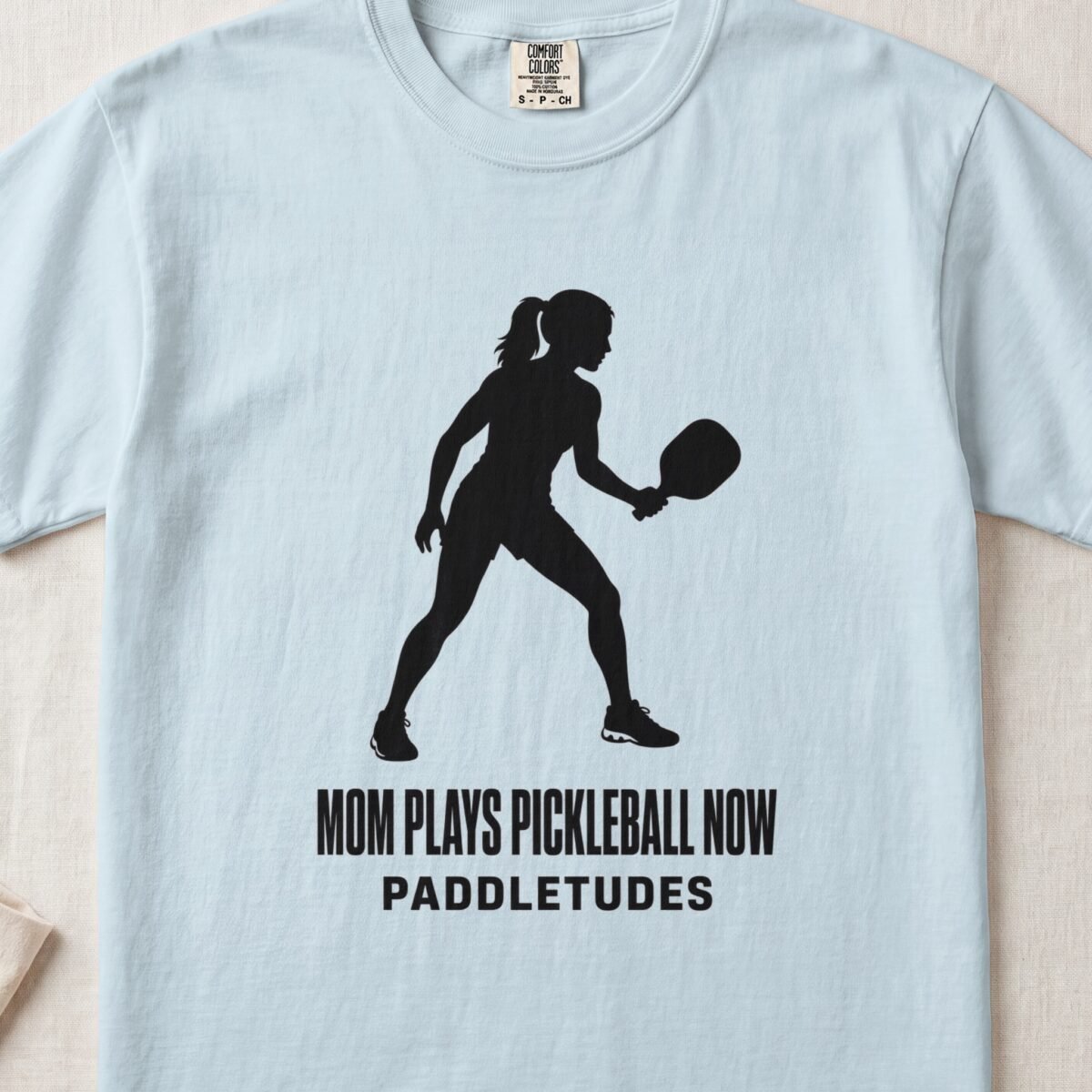
Mom Plays Pickleball Now
$29.99 Select options This product has multiple variants. The options may be chosen on the product page -
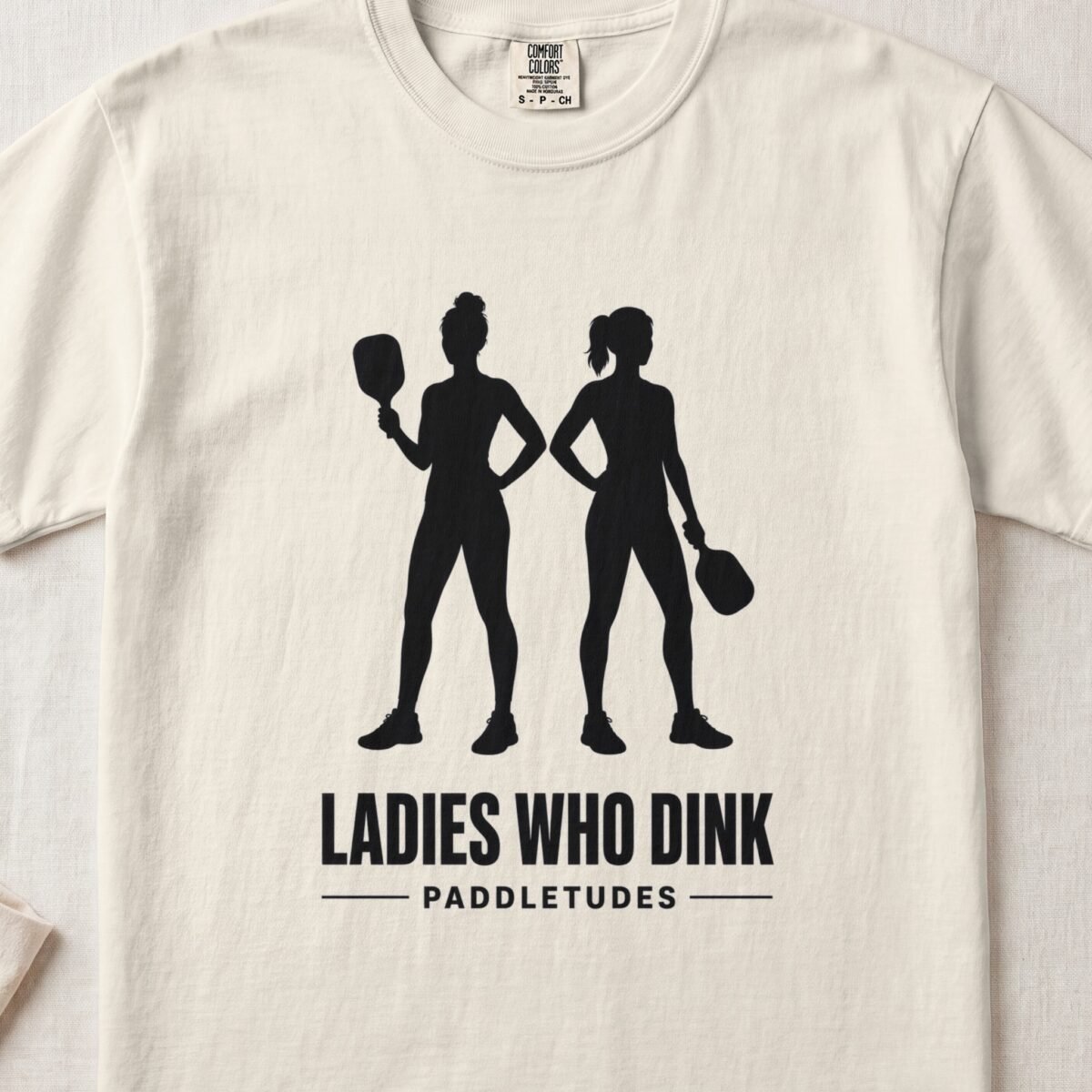
Ladies Who Dink
$29.99 Select options This product has multiple variants. The options may be chosen on the product page -
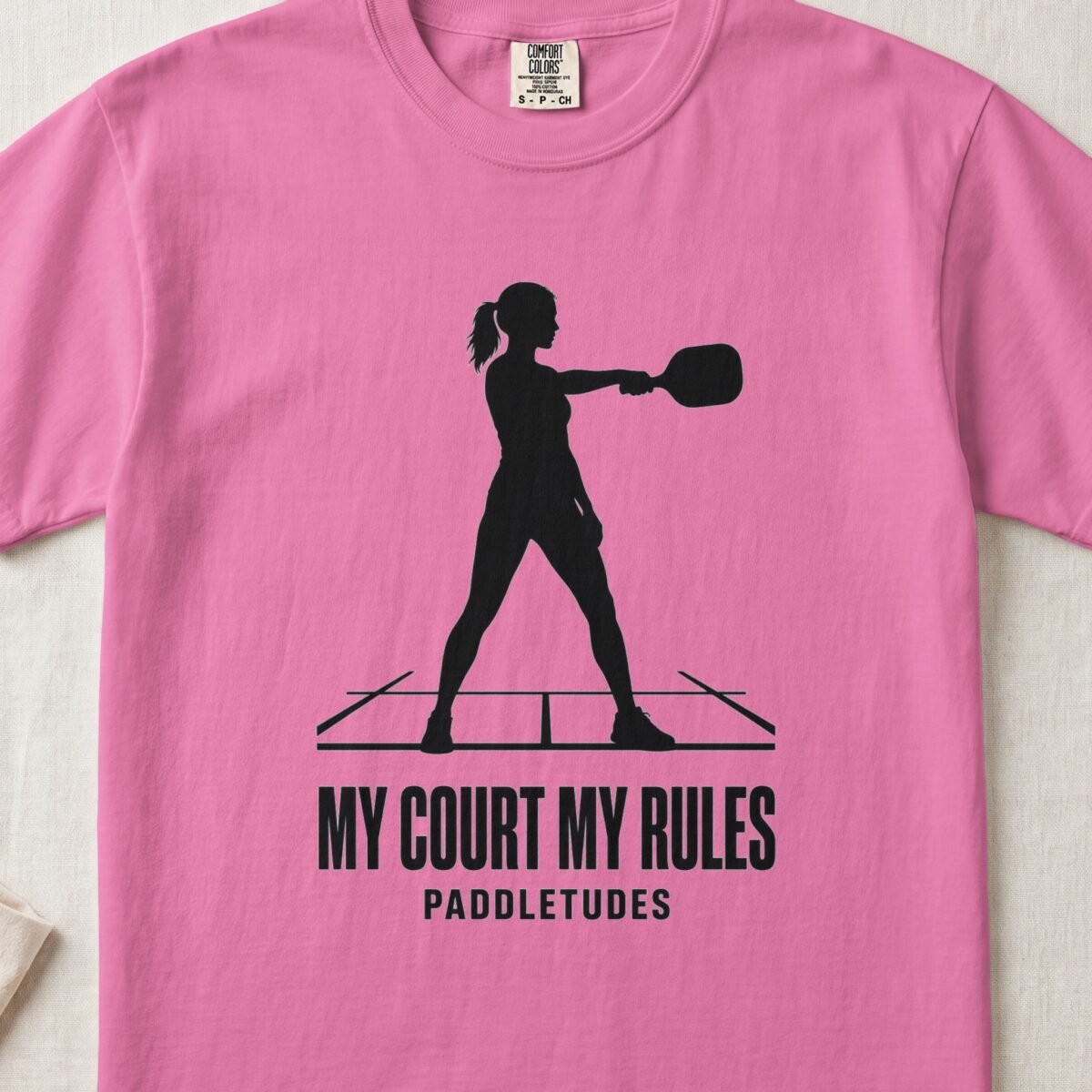
My Court My Rules
$29.99 Select options This product has multiple variants. The options may be chosen on the product page