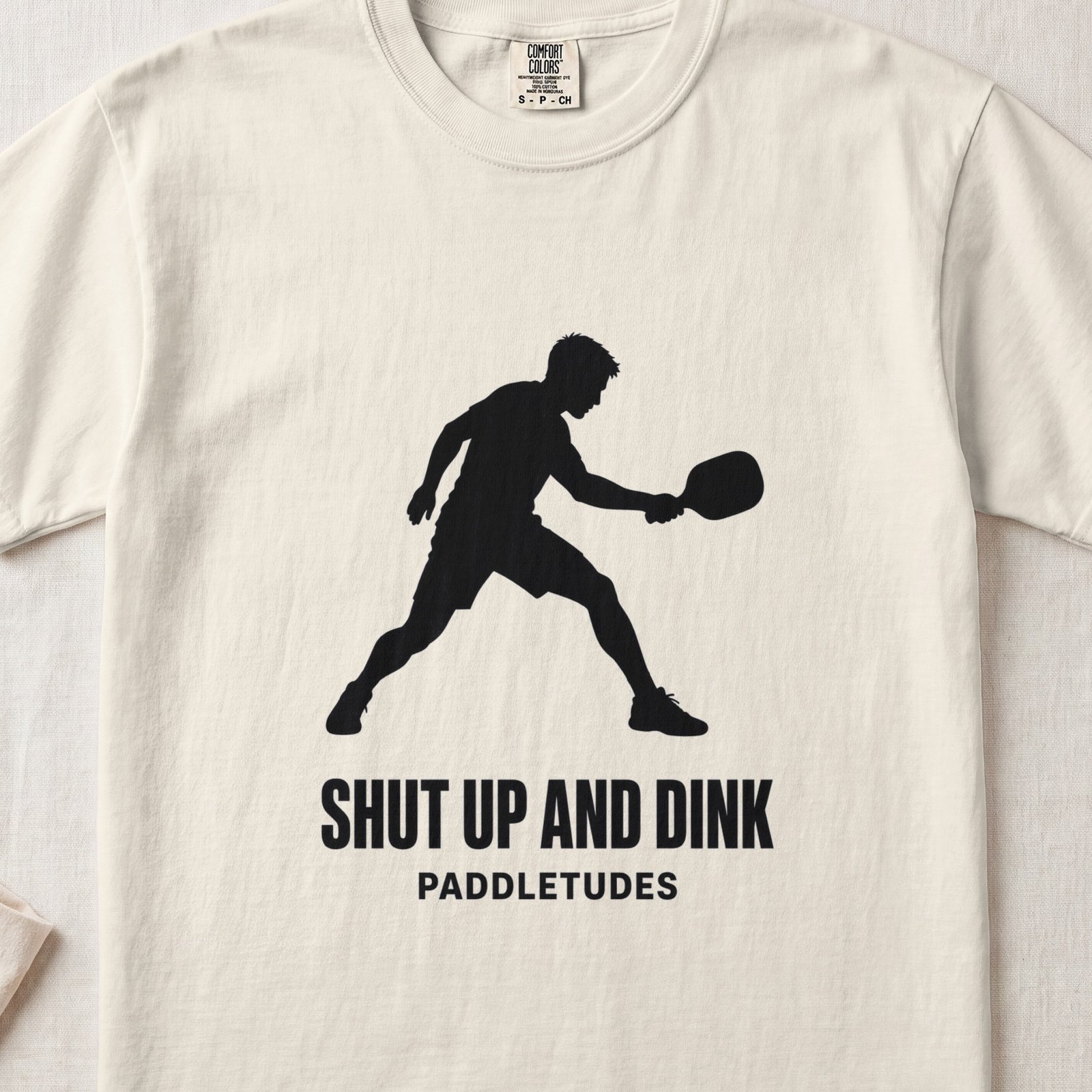
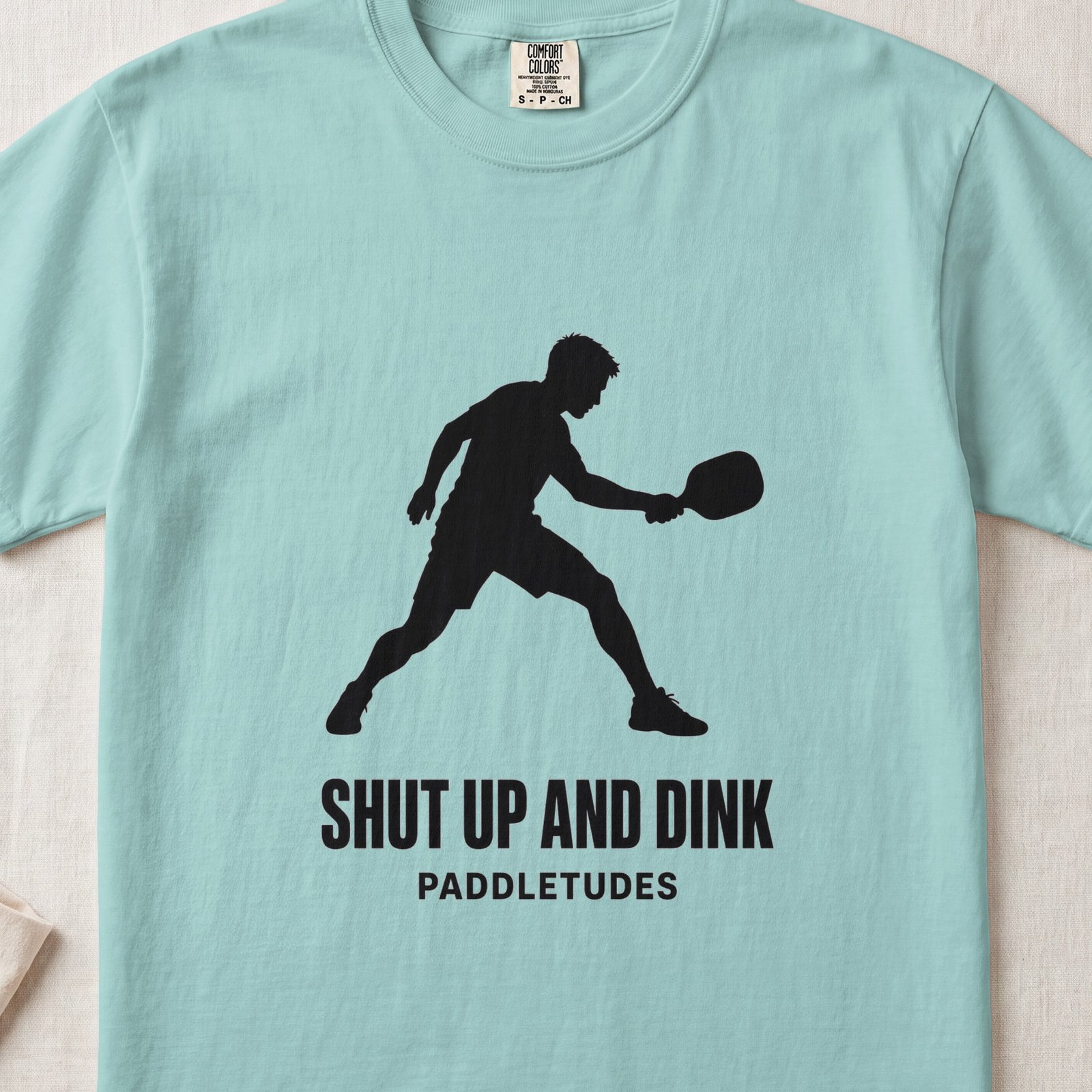
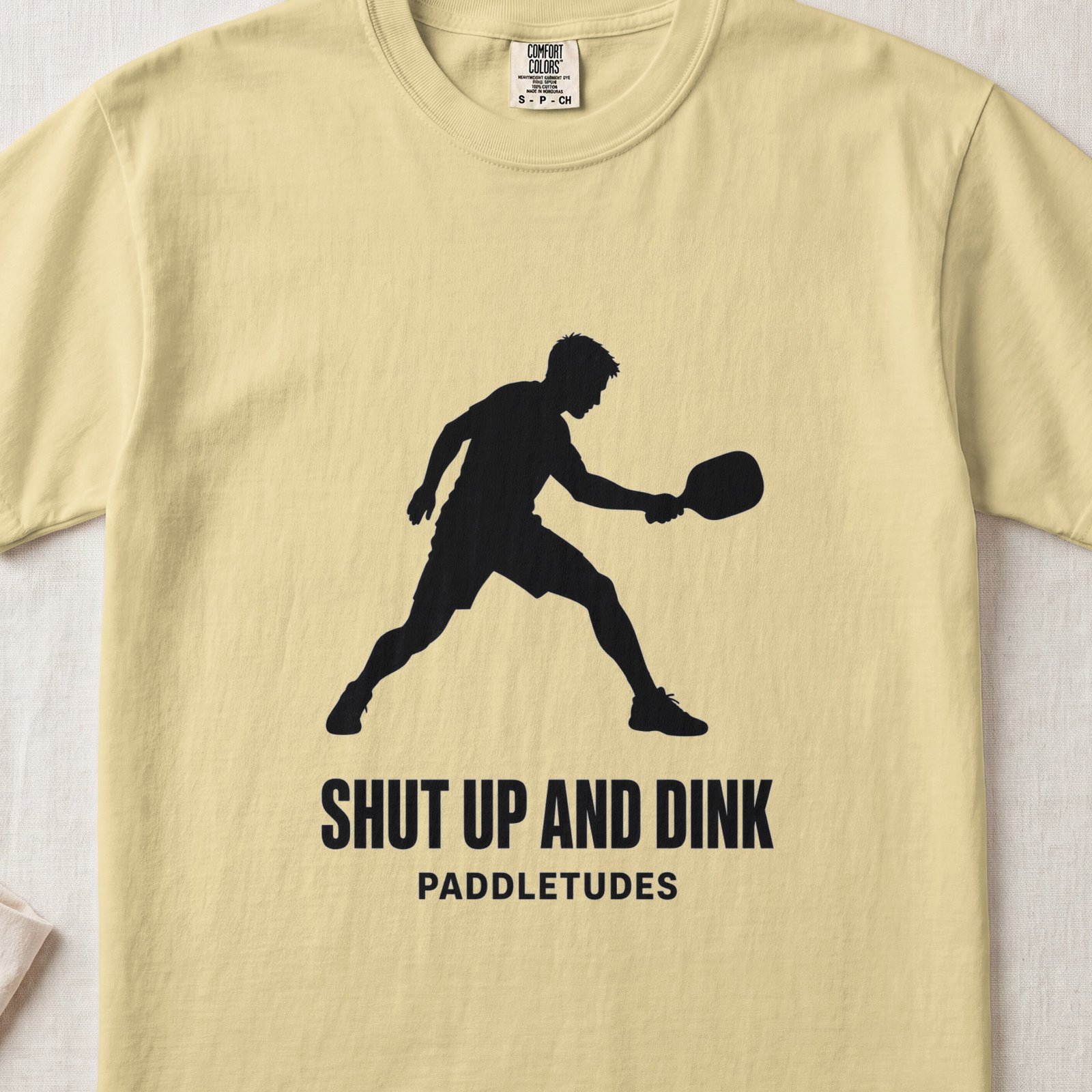
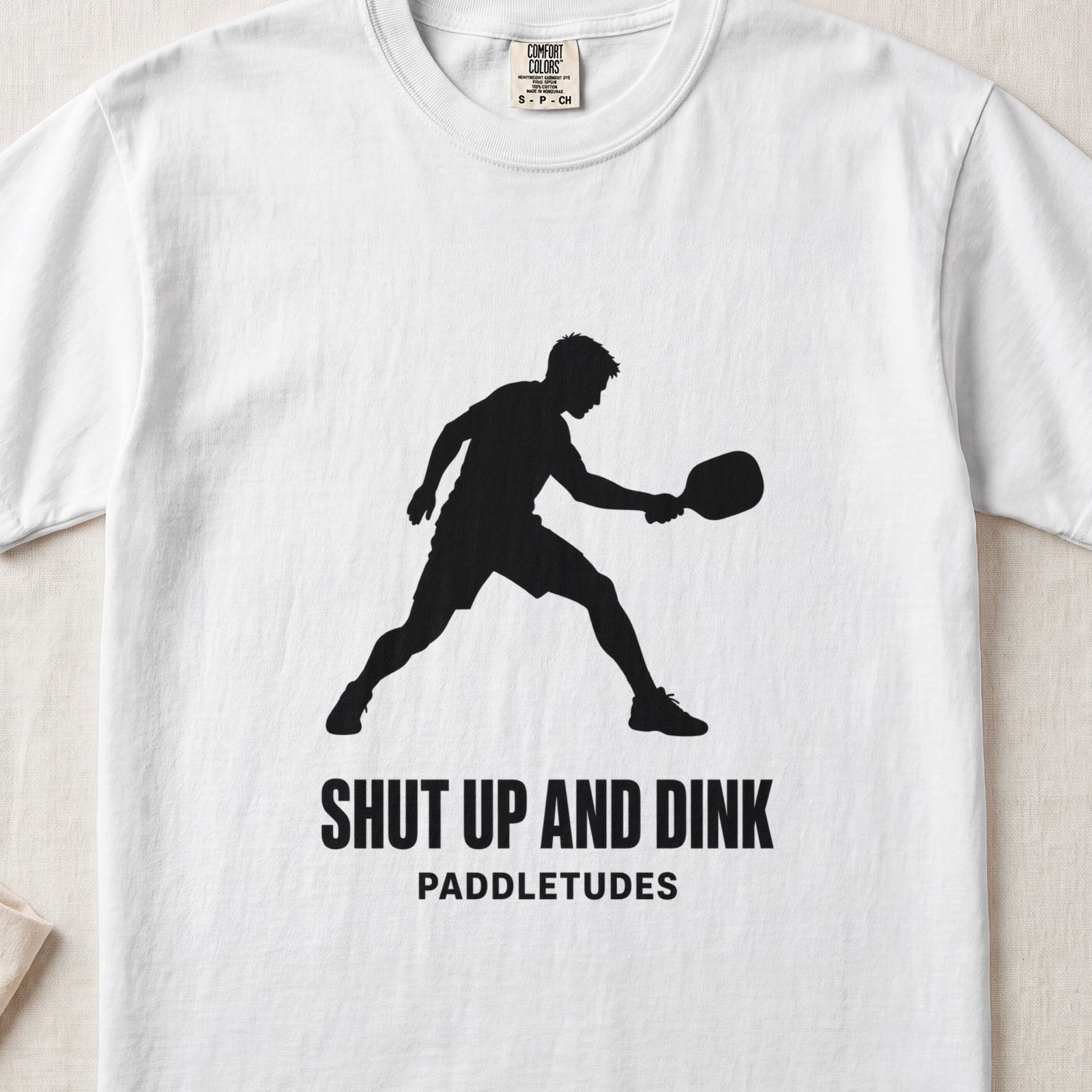
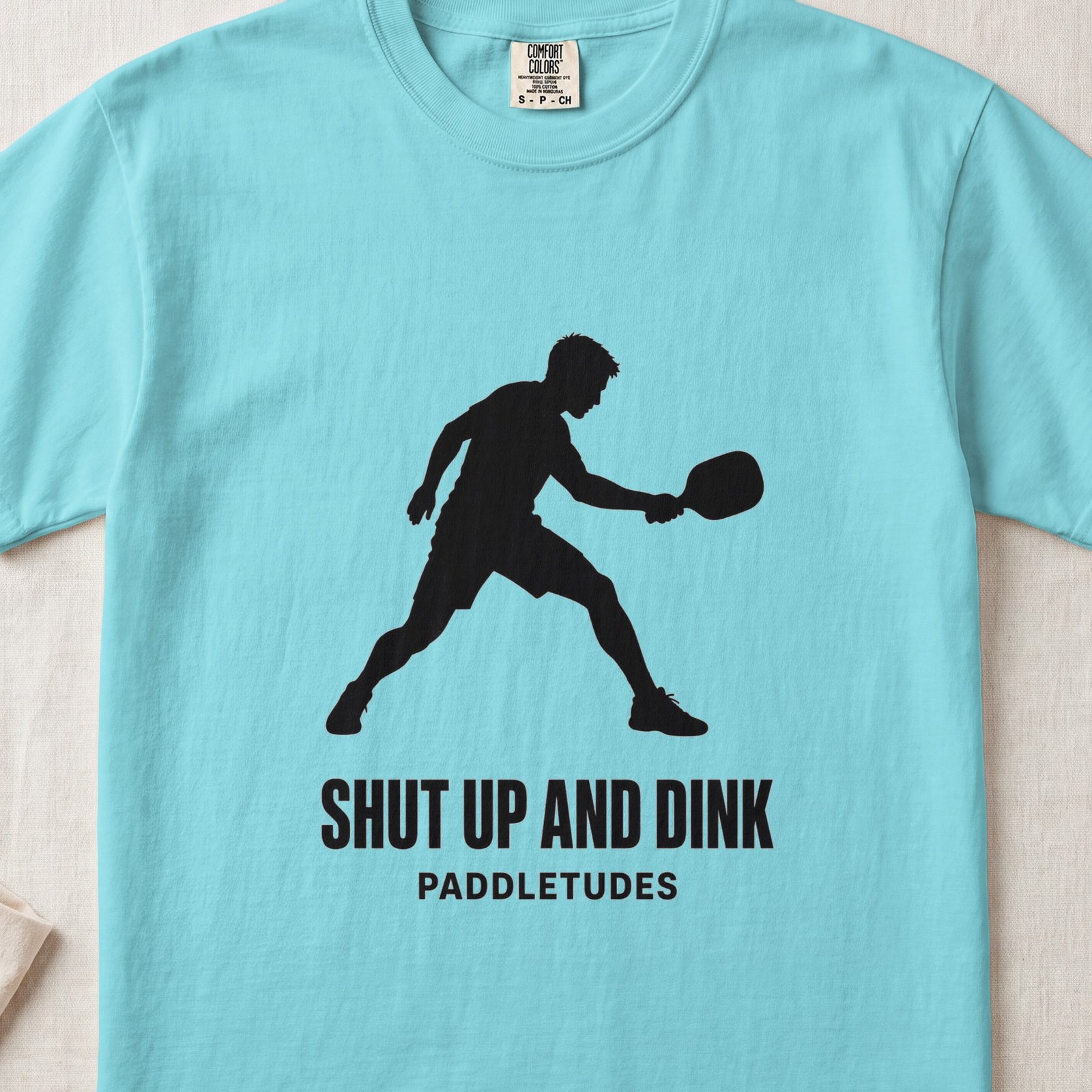
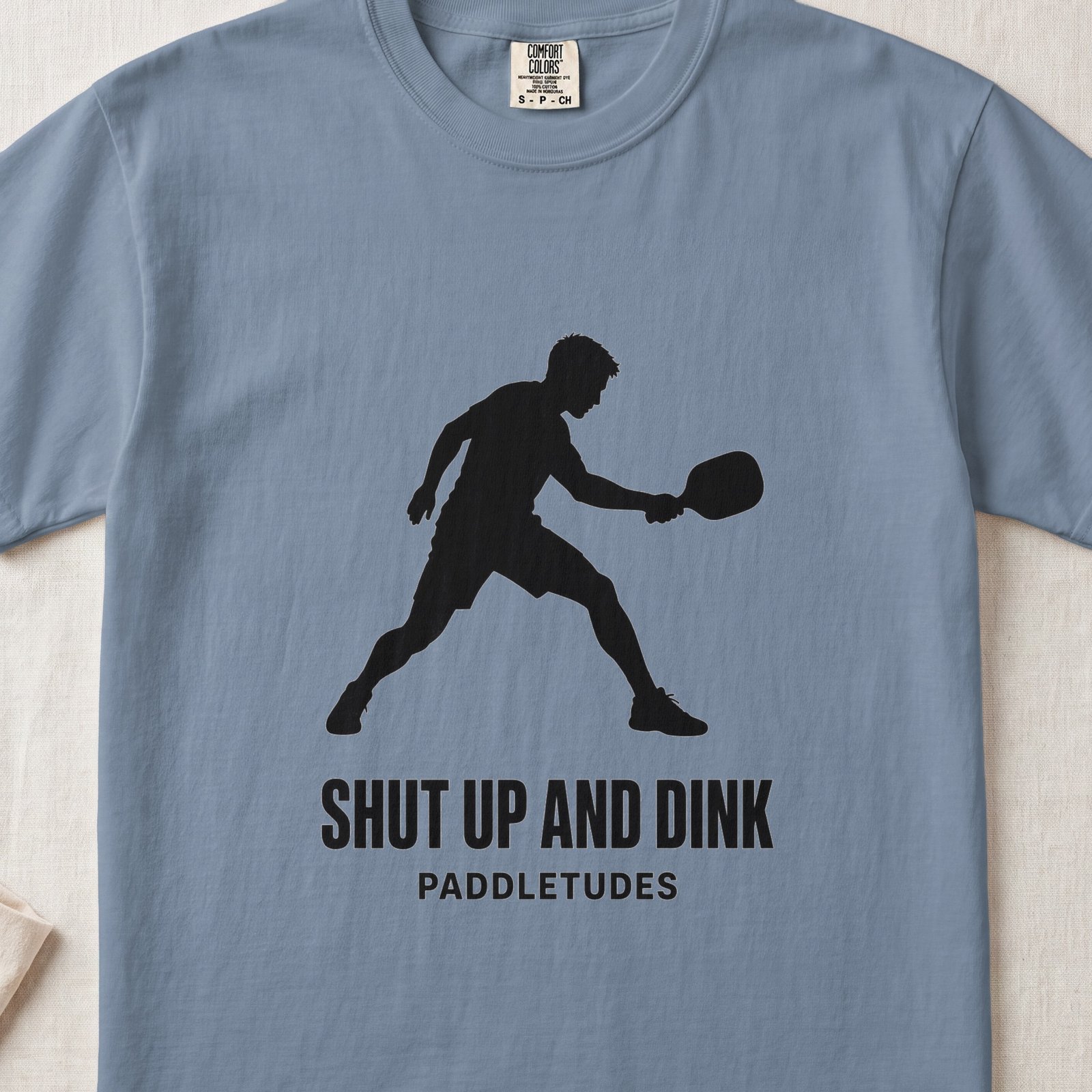
Sports Comfort Colors 1717
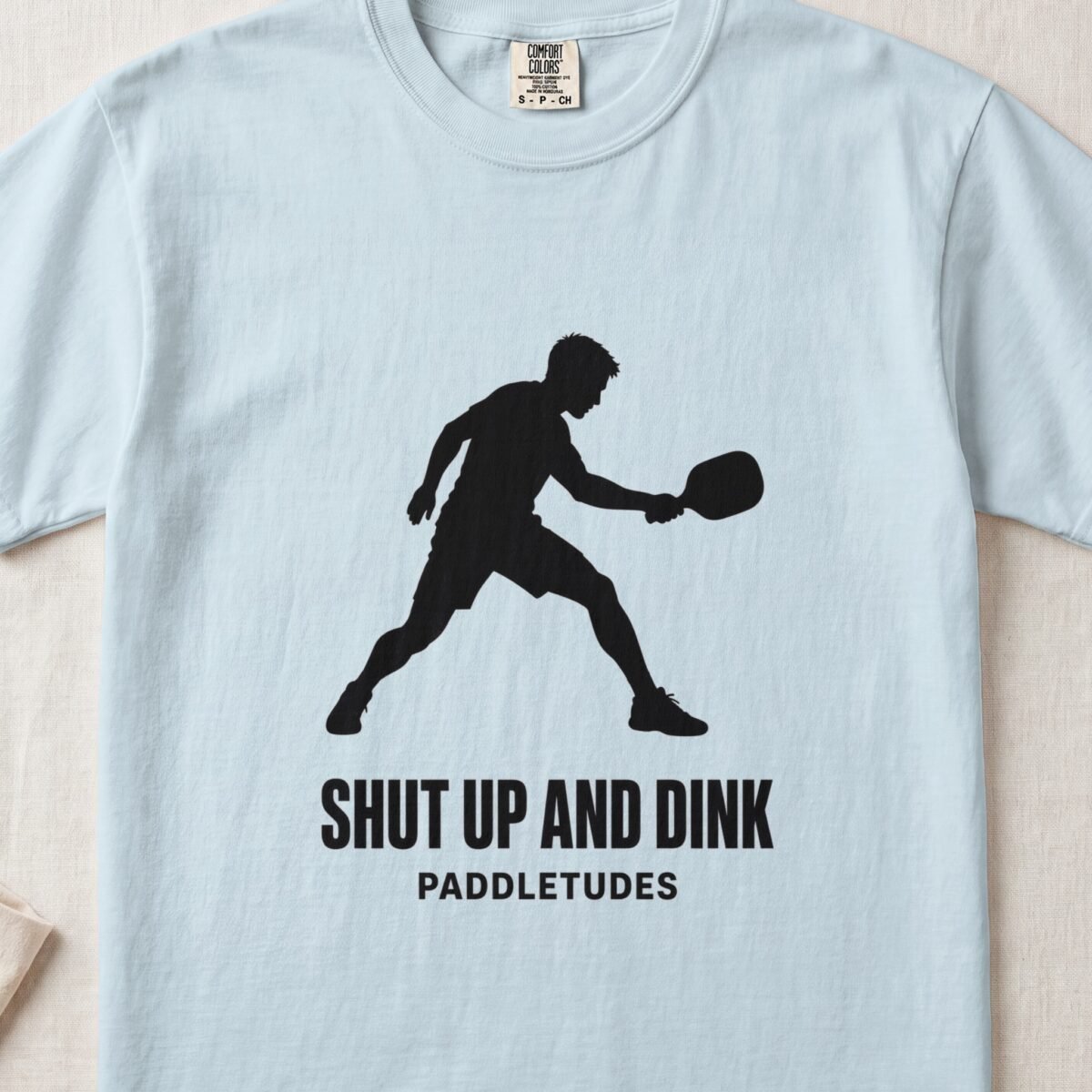
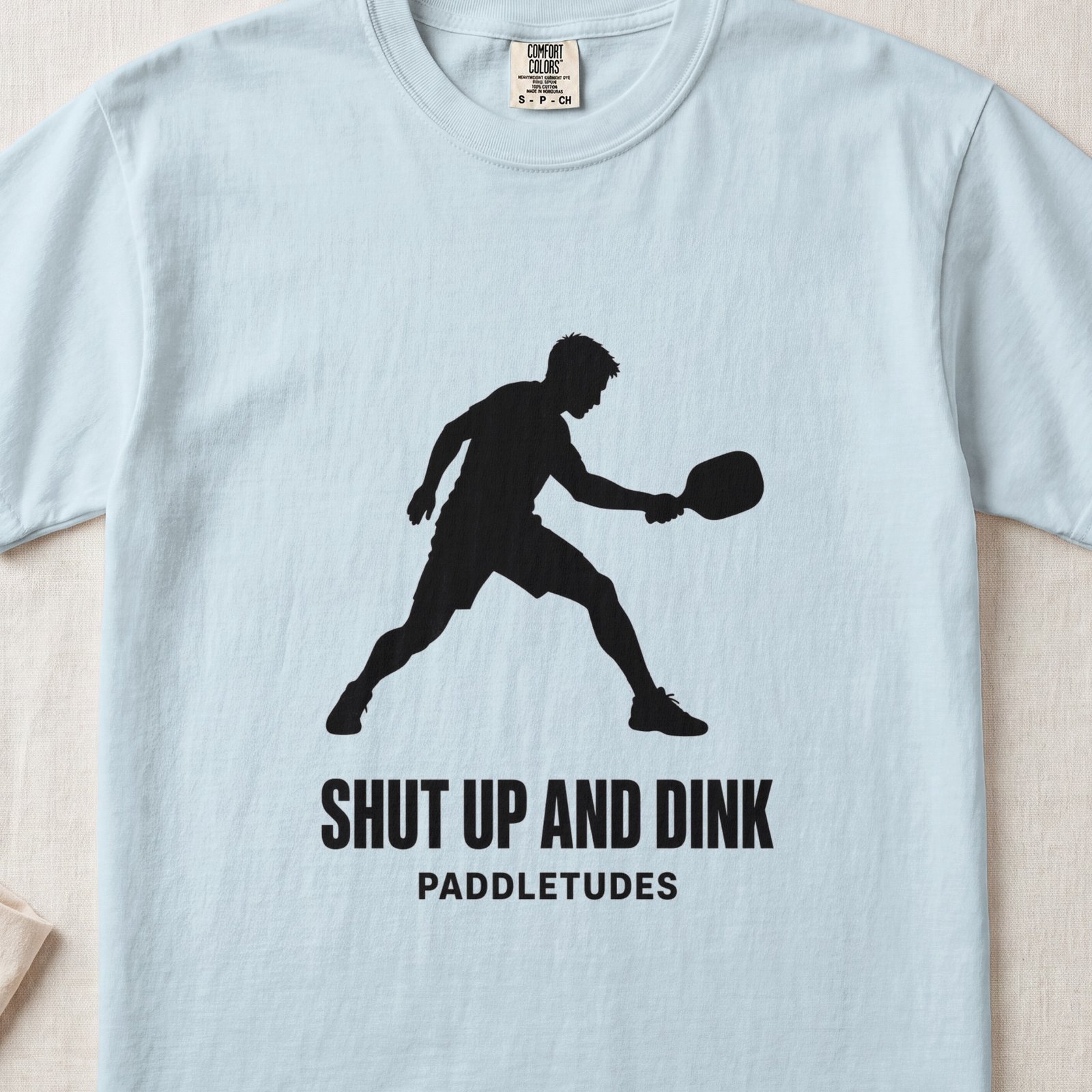
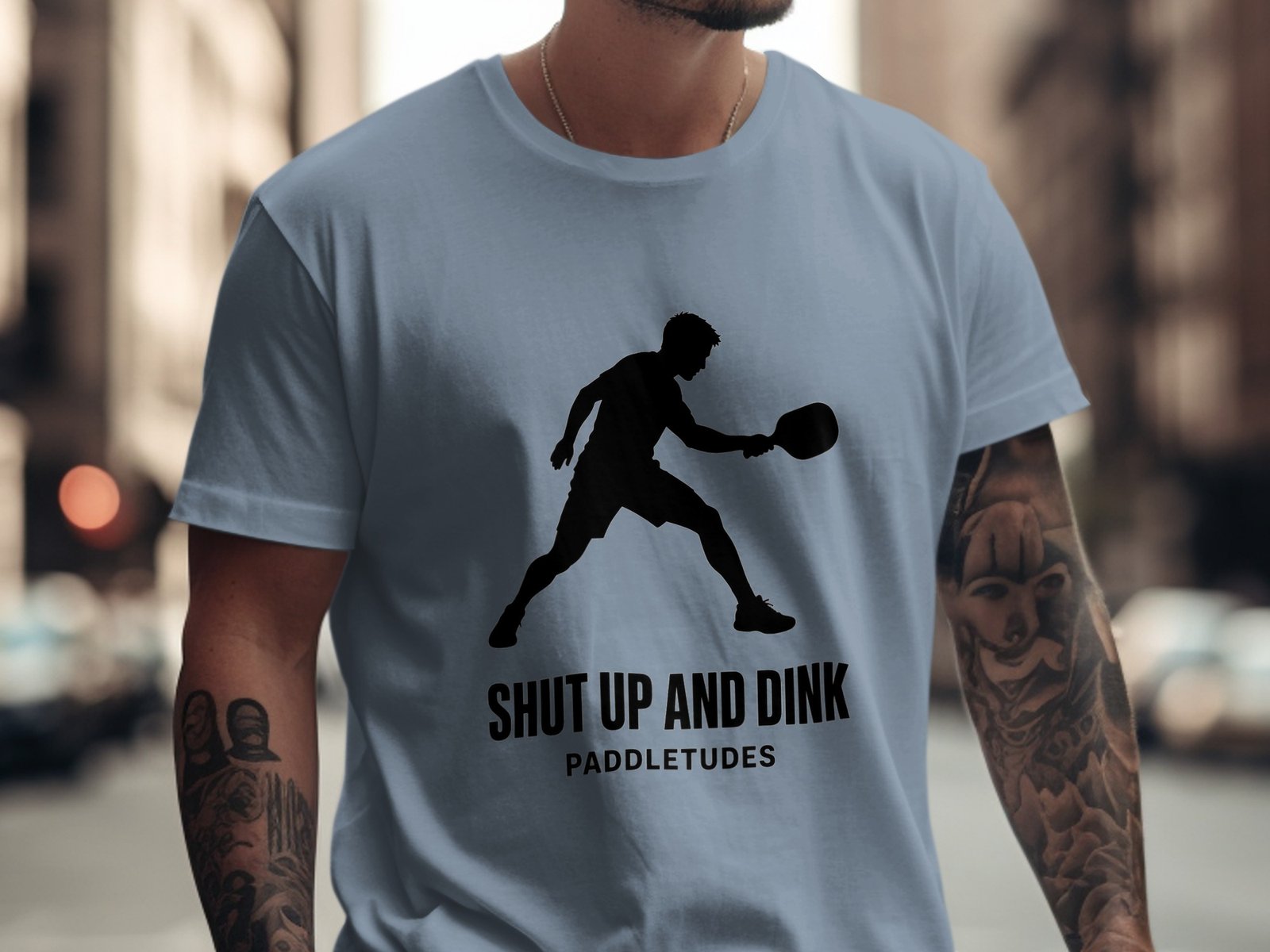
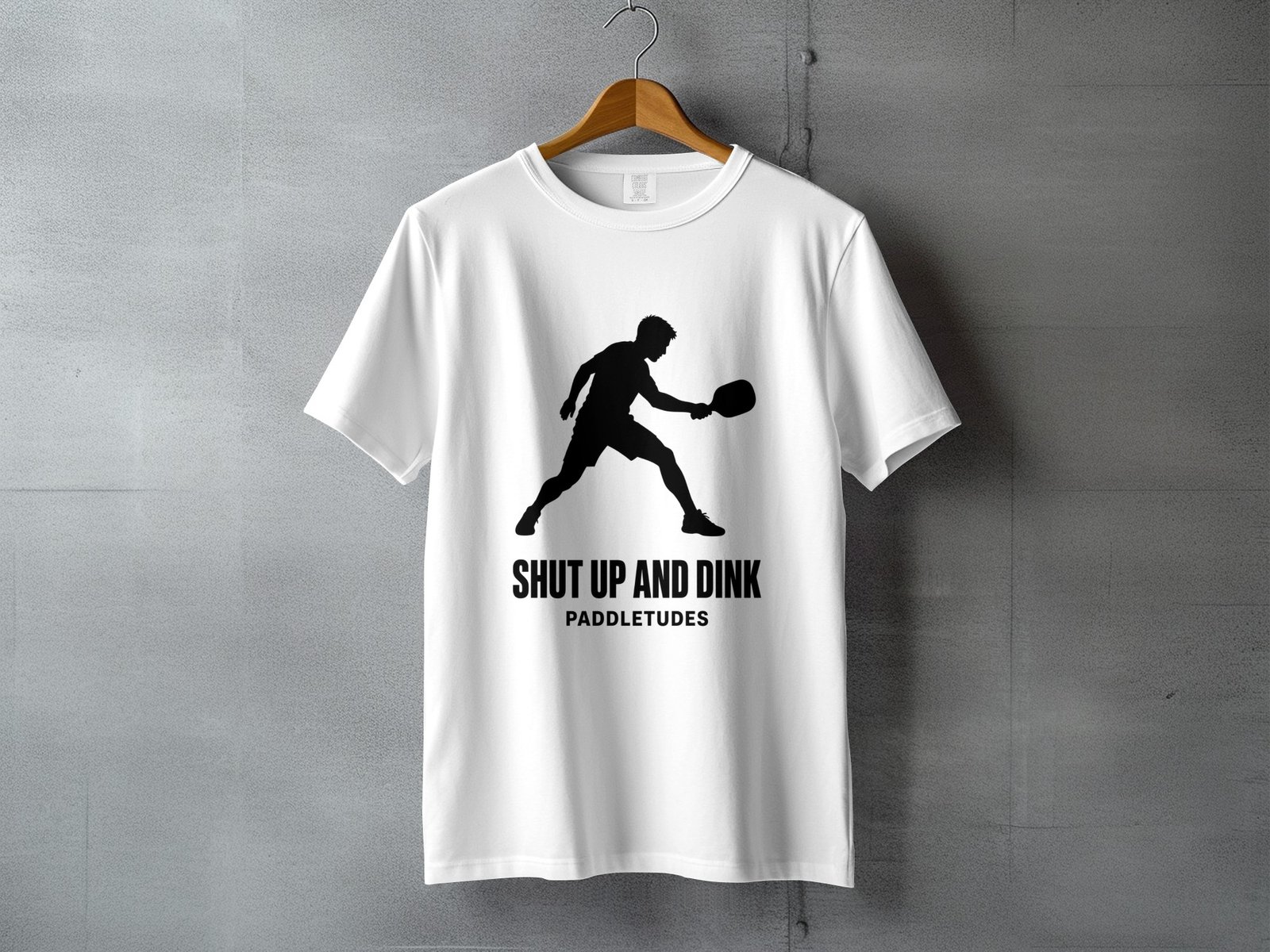
Shut Up And Dink
$29.99
- Comfort Colors 1717 heavyweight cotton
- Original design · printed to order
- U.S. print partners
Shut Up And Dink — The Pickleball Shirt That Ends Every Strategy Debate at the Kitchen Line
Pickleball has a talking problem. Not trash talk — that’s fine. The problem is the player who wants to discuss shot selection mid-rally, analyze paddle angles between points, and deliver a full tactical briefing before the score is even called. Shut Up And Dink is the response to all of it. Stop explaining. Stop debating. Stop coaching your partner from the other side of the court. Just dink.
The dink is the most misunderstood shot in pickleball because it looks like nothing is happening. Two players standing at the kitchen line, tapping the ball back and forth with no apparent urgency. Beginners watch dink rallies and wonder why nobody is hitting the ball harder. Players at the 3.5 level and above watch the same rally and see a chess match — every placement probing for a weak angle, every soft touch designed to draw the pop-up that ends the point. The Can’t Teach Touch shirt celebrates the finesse. The No Speed Up shirt celebrates the patience. Shut Up And Dink strips away the romanticism and just tells you what to do.
This is the shirt for the doubles partner who’s tired of hearing theories. Tired of the post-point analysis. Tired of the guy on Court 2 who read one article about the Erne and now wants to attempt it every other point instead of doing what works. Your partner talks more than they dink and you’ve been looking for a way to say something without actually saying something. This is the gift that says it. Wrap it. Hand it over. Let the shirt handle the conversation you’ve been avoiding since league night started.
The dinking philosophy connects to a broader truth about pickleball that most instructional content avoids: the boring stuff wins. USA Pickleball tournament data consistently shows that the team with fewer unforced errors wins the majority of competitive matches, and unforced errors come from attempting shots that weren’t there. A cross-court dink to the backhand is never an unforced error. A speed-up from a neutral position often is. Shut Up And Dink is the philosophy that trusts the math. Hit the shot that works. Do it again. Wait for the opening. Take it when it comes. Then go back to dinking. The Dink Responsibly crew already knows the deal, and the Scared Money Don’t Dink crowd takes it one step further — if you’re not willing to commit to the soft game, you’re leaving points on the table.
What Is Dinking in Pickleball?
Dinking in pickleball is a soft, controlled shot hit from the kitchen line that clears the net by inches and lands in the opponent’s non-volley zone. The purpose of the dink is to neutralize power, keep the rally at a controlled pace, and force the opposing team into a defensive position where they can’t attack without risking an error.
A technically sound dink uses minimal backswing, an open paddle face, and a lifting motion generated from the legs rather than the wrist. The ball should arc just high enough to clear the 34-inch center net and drop into the kitchen on the other side with minimal bounce. Cross-court dinks are the highest-percentage shot because the net is lower at the center and the diagonal path gives the ball more distance to clear it.
The reason dinking dominates competitive pickleball above the 3.5 level is geometry. A player at the kitchen line who keeps the ball low and soft eliminates the opponent’s ability to hit an aggressive return without lifting the ball above the net — and any ball above the net at the kitchen line is attackable. The dink rally is a war of patience. Both teams keep the ball low, probe for positioning advantages, and wait for the moment one player pops the ball up a fraction too high. That fraction is all a skilled player needs to end the point. Selkirk’s dinking guides cover the grip pressure, paddle angle, and footwork patterns that separate a beginner dink from a weapon.
Why Do Pickleball Players Dink So Much?
Pickleball players dink frequently because the non-volley zone rule makes aggressive net play risky and the small court dimensions mean that a well-placed soft shot is harder to attack than a hard-hit drive. At competitive levels, dinking is not passive play — it is the primary offensive setup tool.
The strategic logic works like this: a hard drive from the baseline gives the opposing team time to react and block. A soft dink from the kitchen line gives the opposing team no pace to redirect. They have to generate their own power on the return, which means lifting the ball — and lifting the ball at the net is how you lose the point. Players dink because the math rewards it. Dink rallies produce fewer errors, create more offensive opportunities from neutral positions, and extend the point until one team makes a mistake.
The cultural side matters too. Dinking is what separates pickleball from tennis, badminton, and every other racquet sport where power is the primary weapon. The player who can dink for thirty shots without losing patience and without popping the ball up owns a skill that has no equivalent in other sports. It looks simple. It is brutally difficult to execute under pressure. And the players who master it — the ones who shut up and dink instead of trying to end the point early — are the ones who tend to still be playing when everyone else is sitting on the bench.
Printed on a Comfort Colors 1717 garment-dyed heavyweight tee with water-based DTG ink — sizing and care details here.
More dink-first, talk-later designs in the sports graphic tee collection.
-
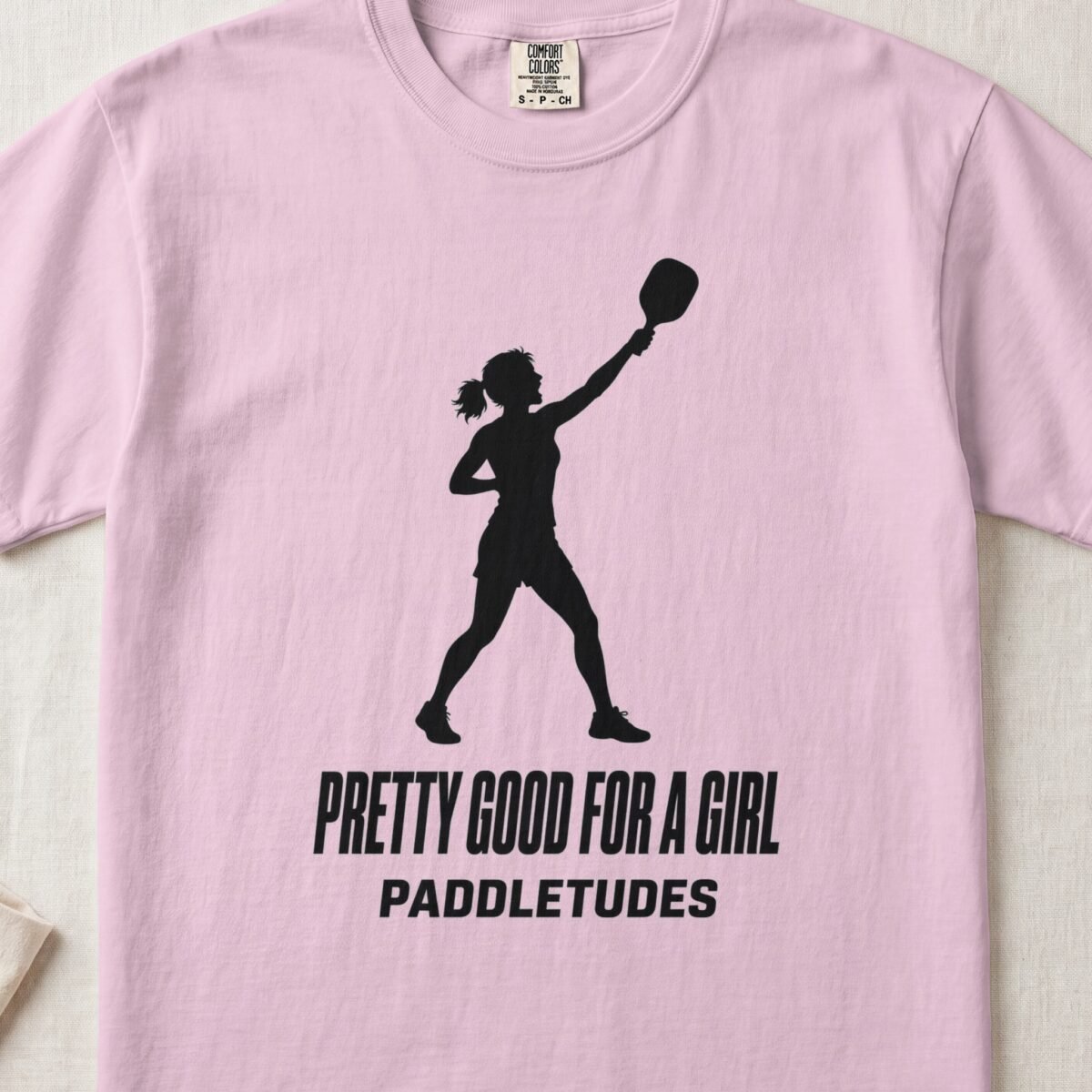
Pretty Good For A Girl
$29.99 Select options This product has multiple variants. The options may be chosen on the product page -
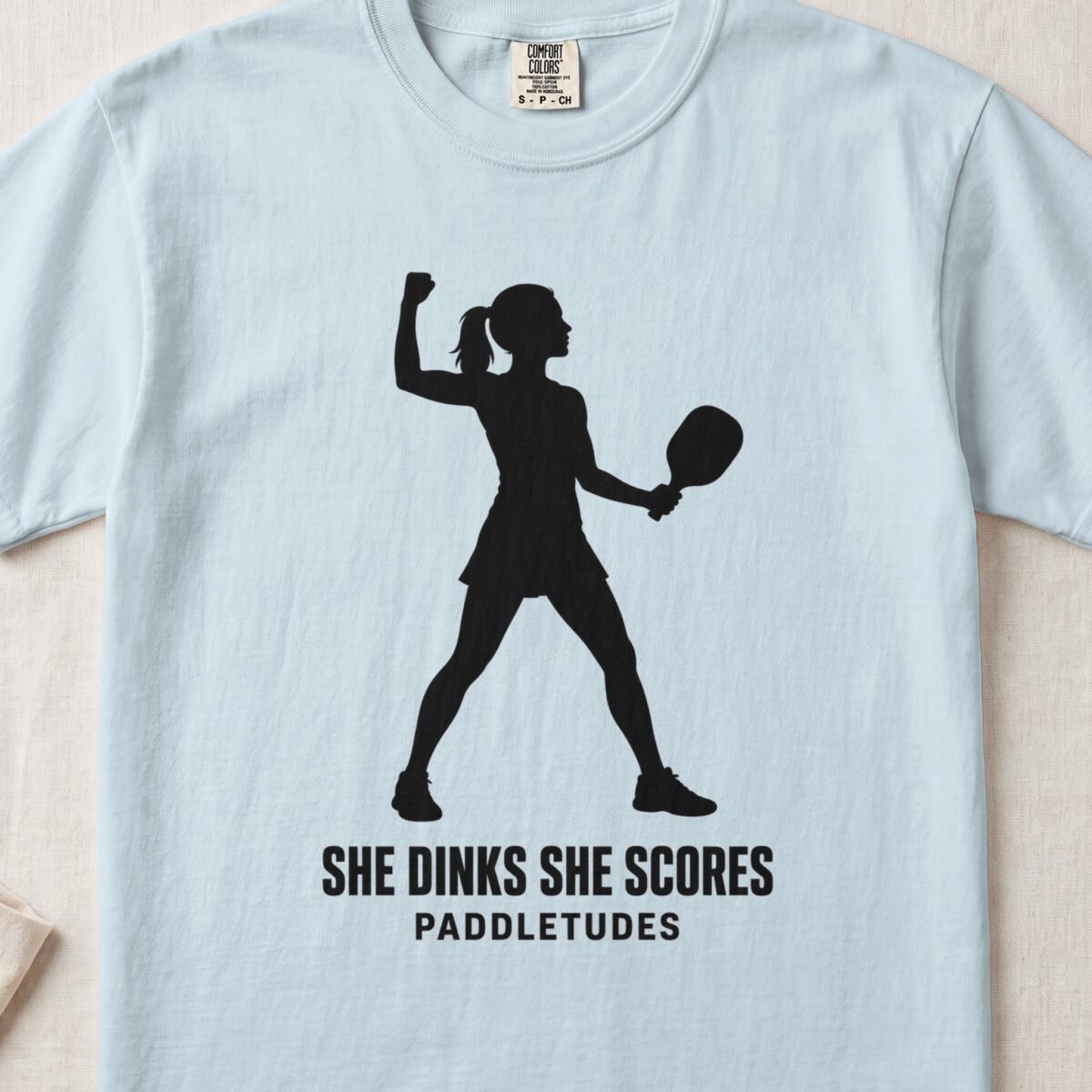
She Dinks She Scores
$29.99 Select options This product has multiple variants. The options may be chosen on the product page -
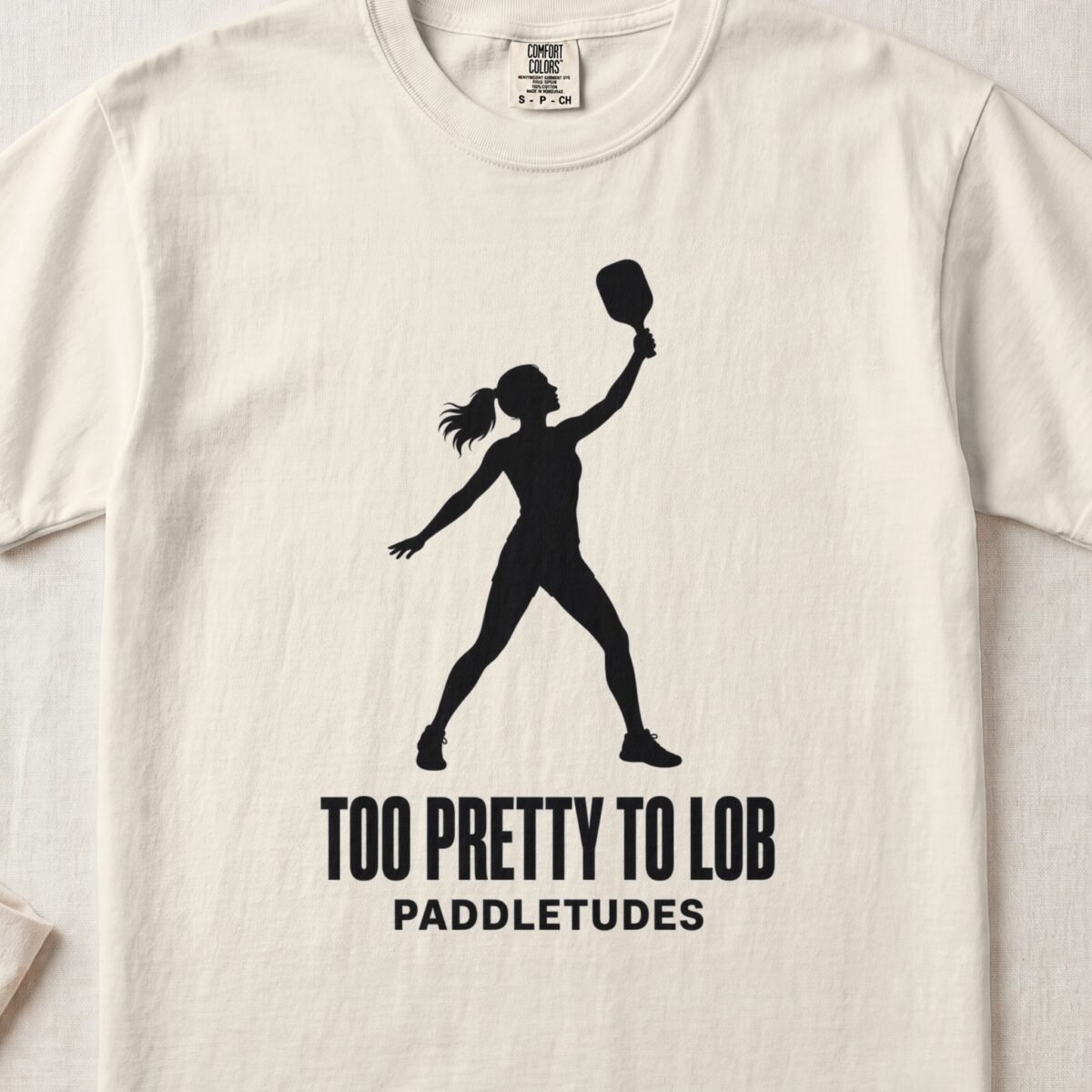
Too Pretty To Lob
$29.99 Select options This product has multiple variants. The options may be chosen on the product page