Sports Comfort Colors 1717
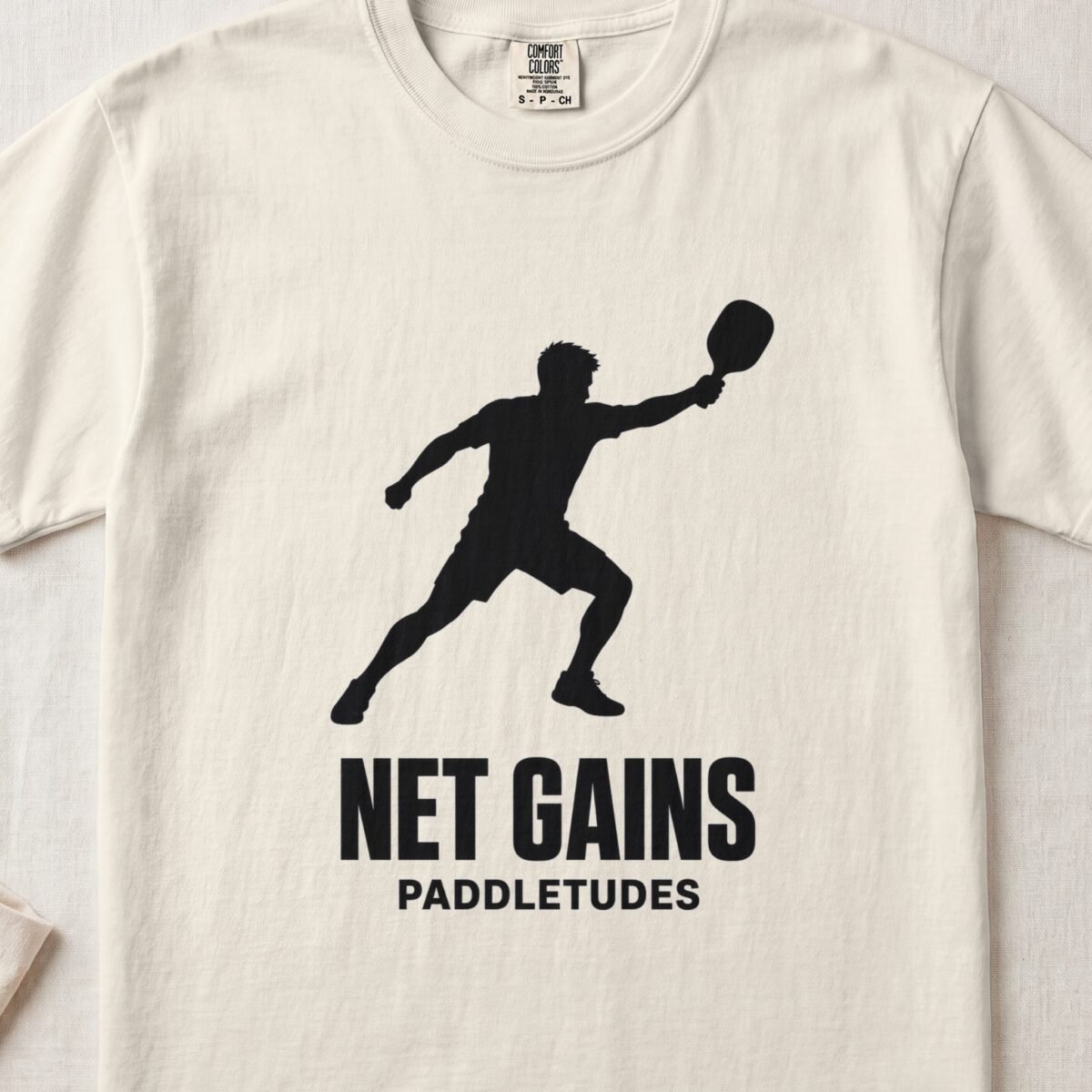
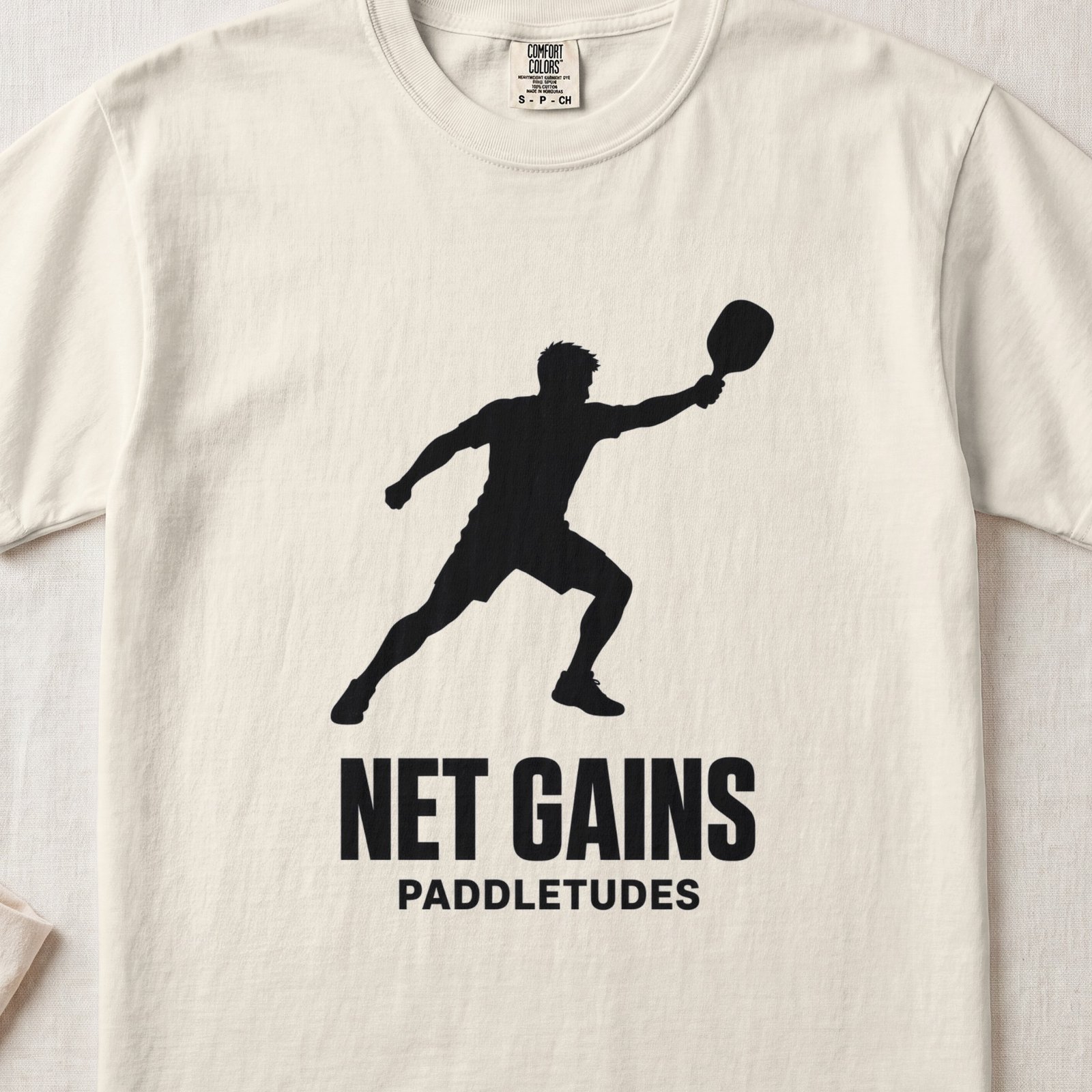
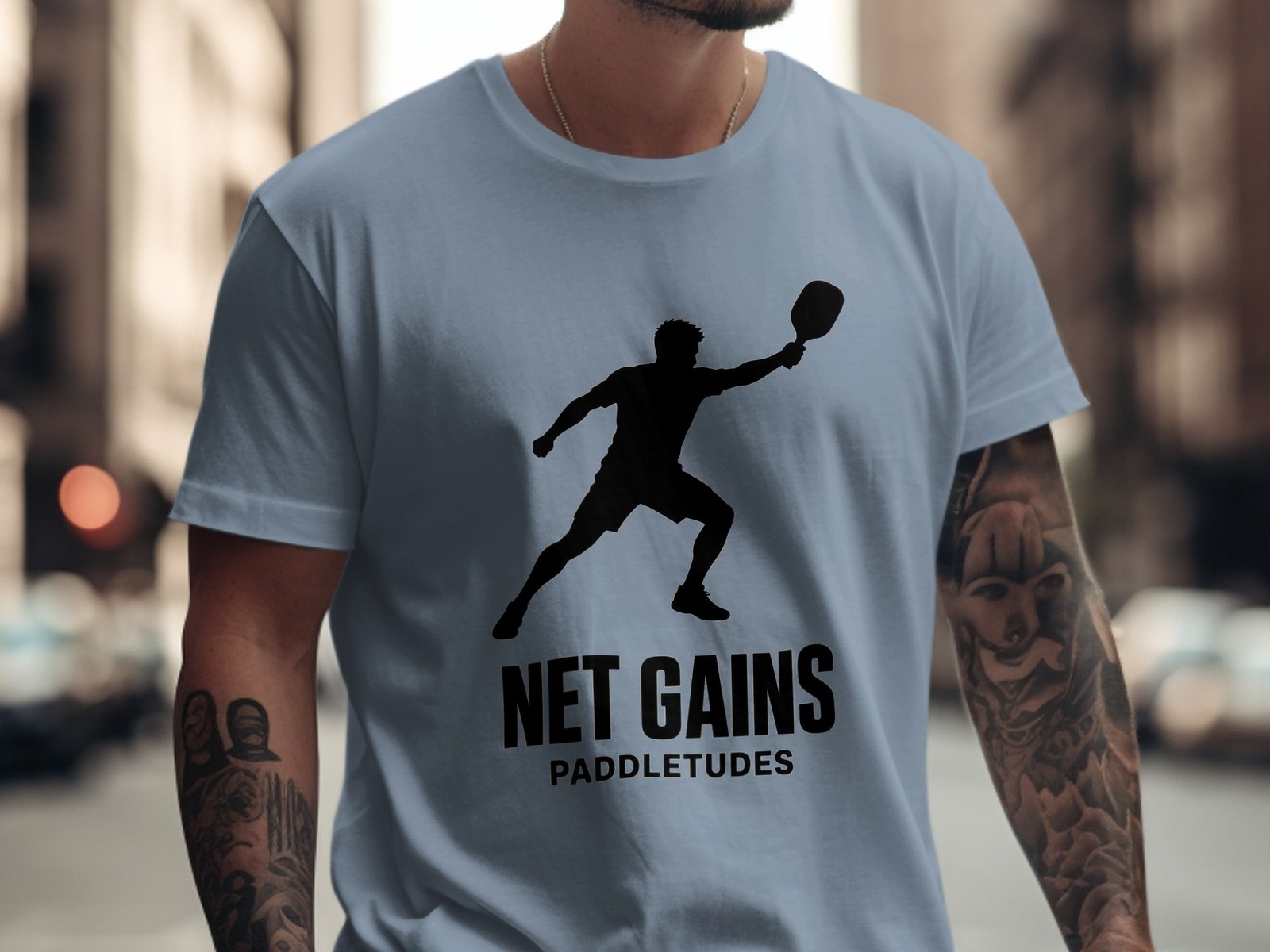
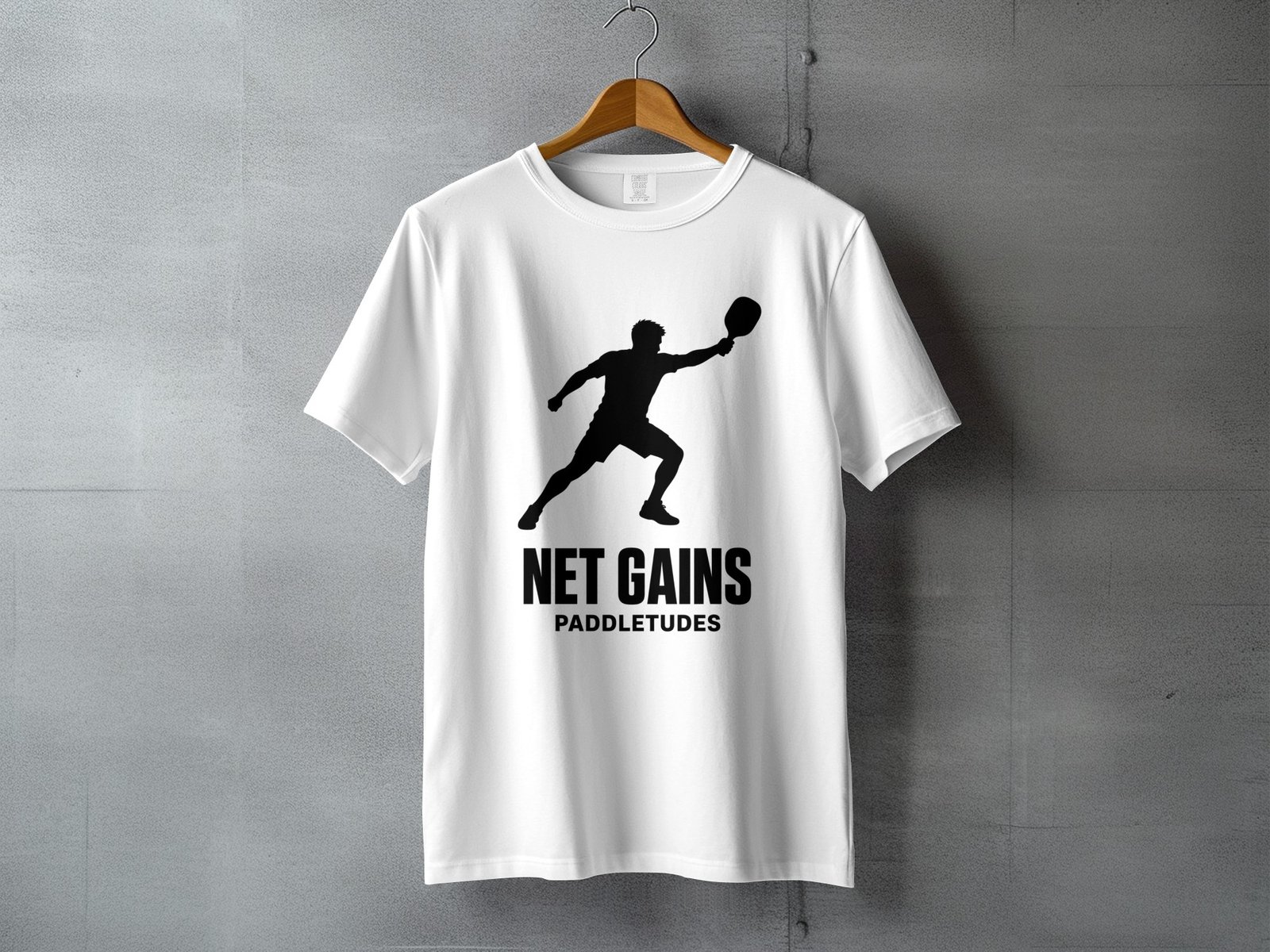
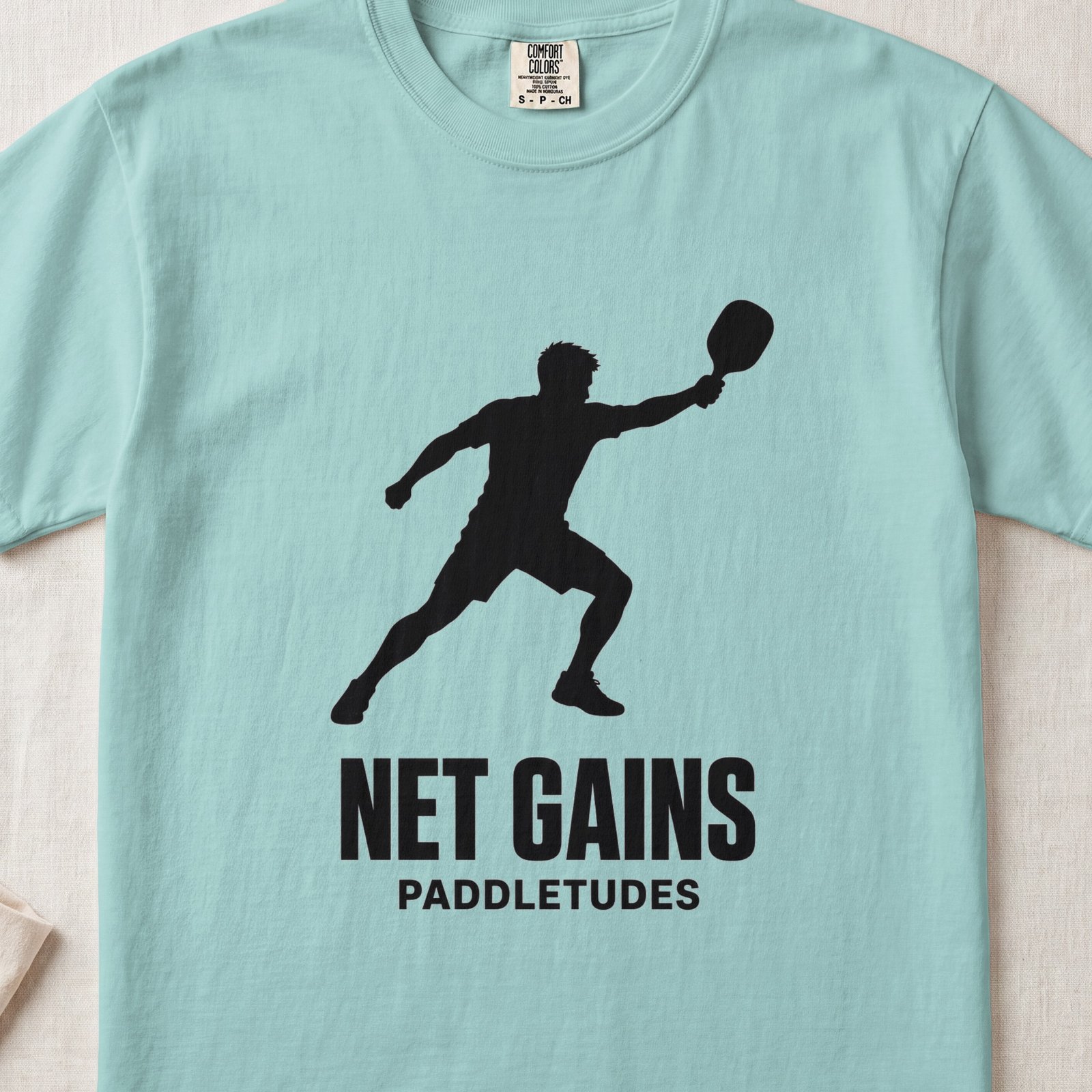
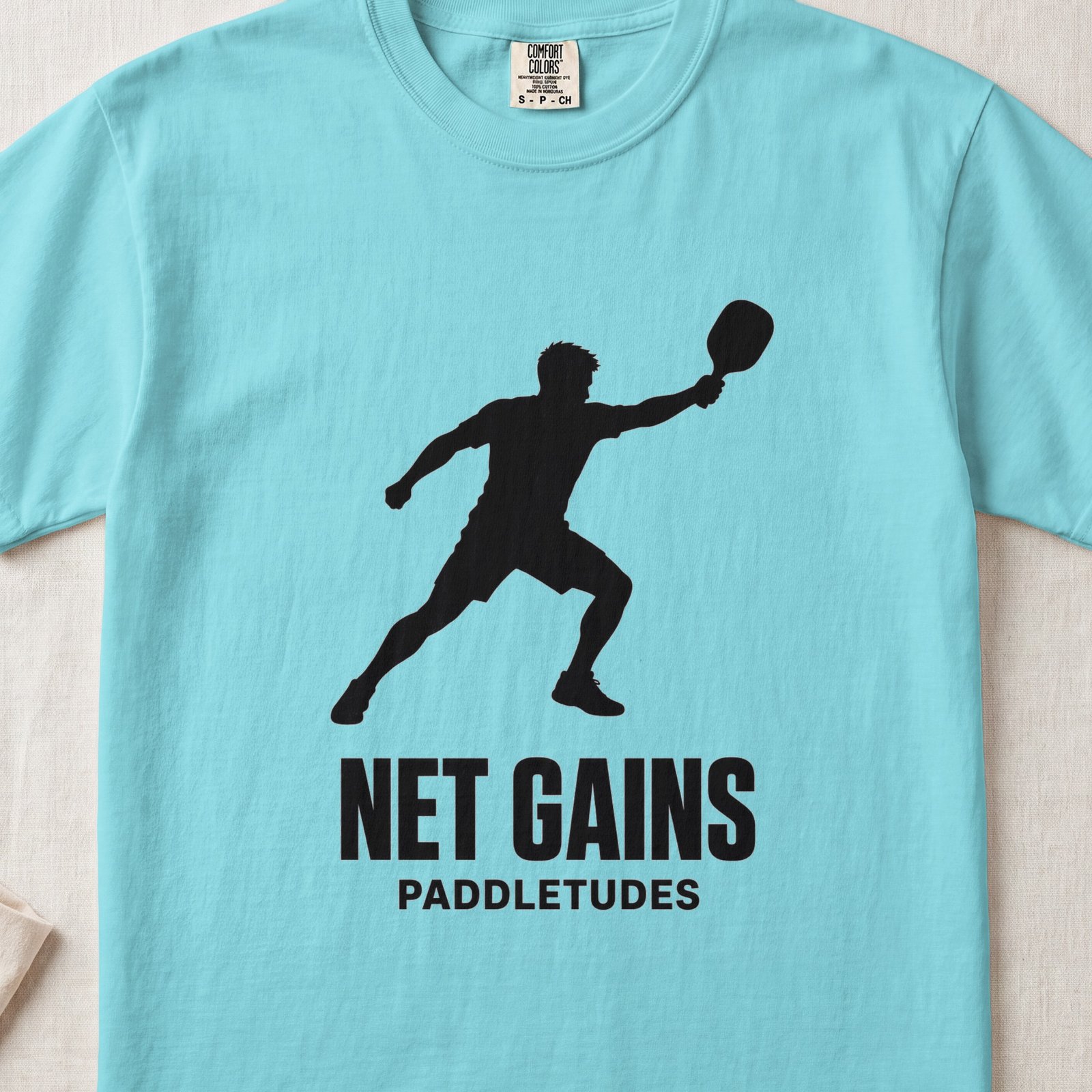
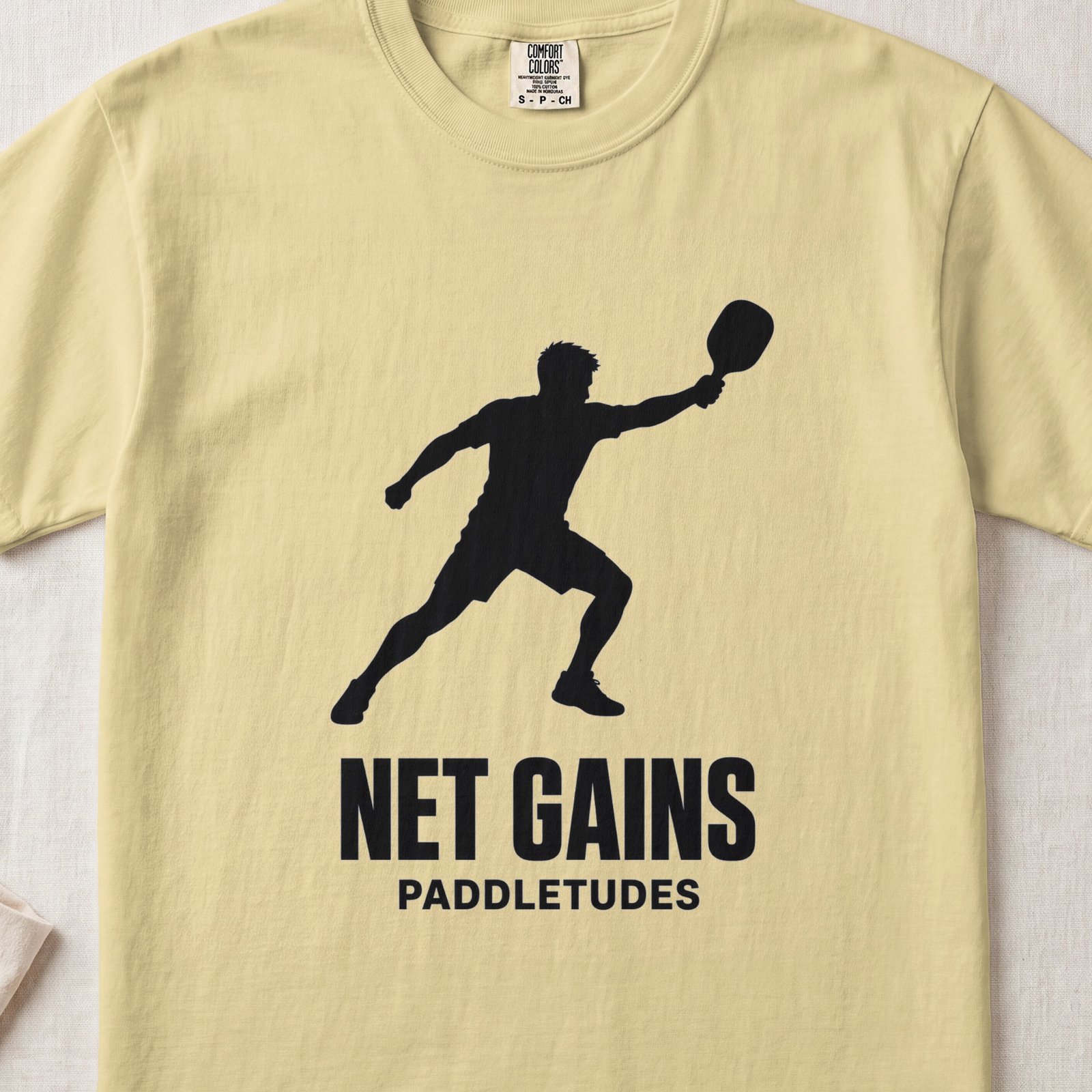
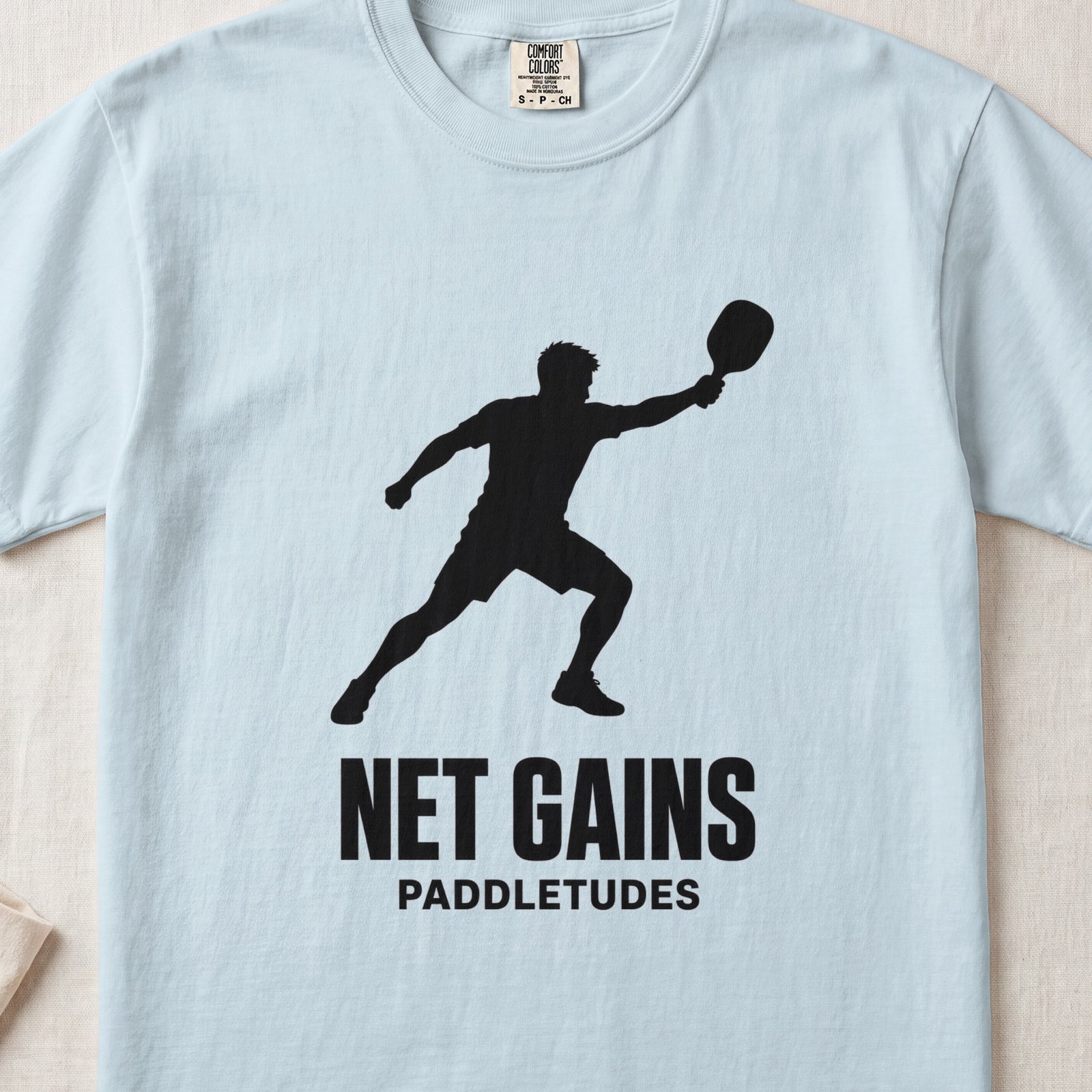
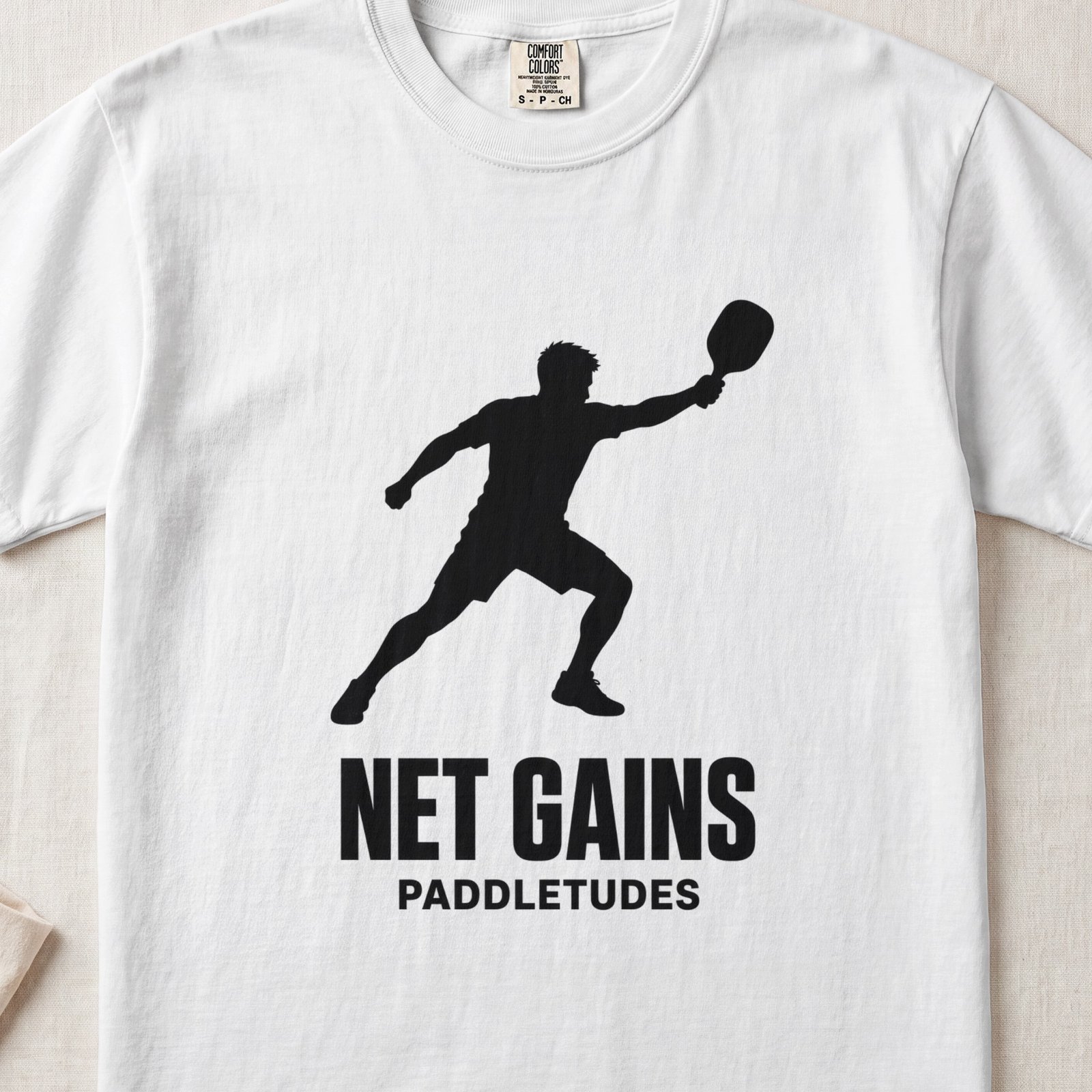
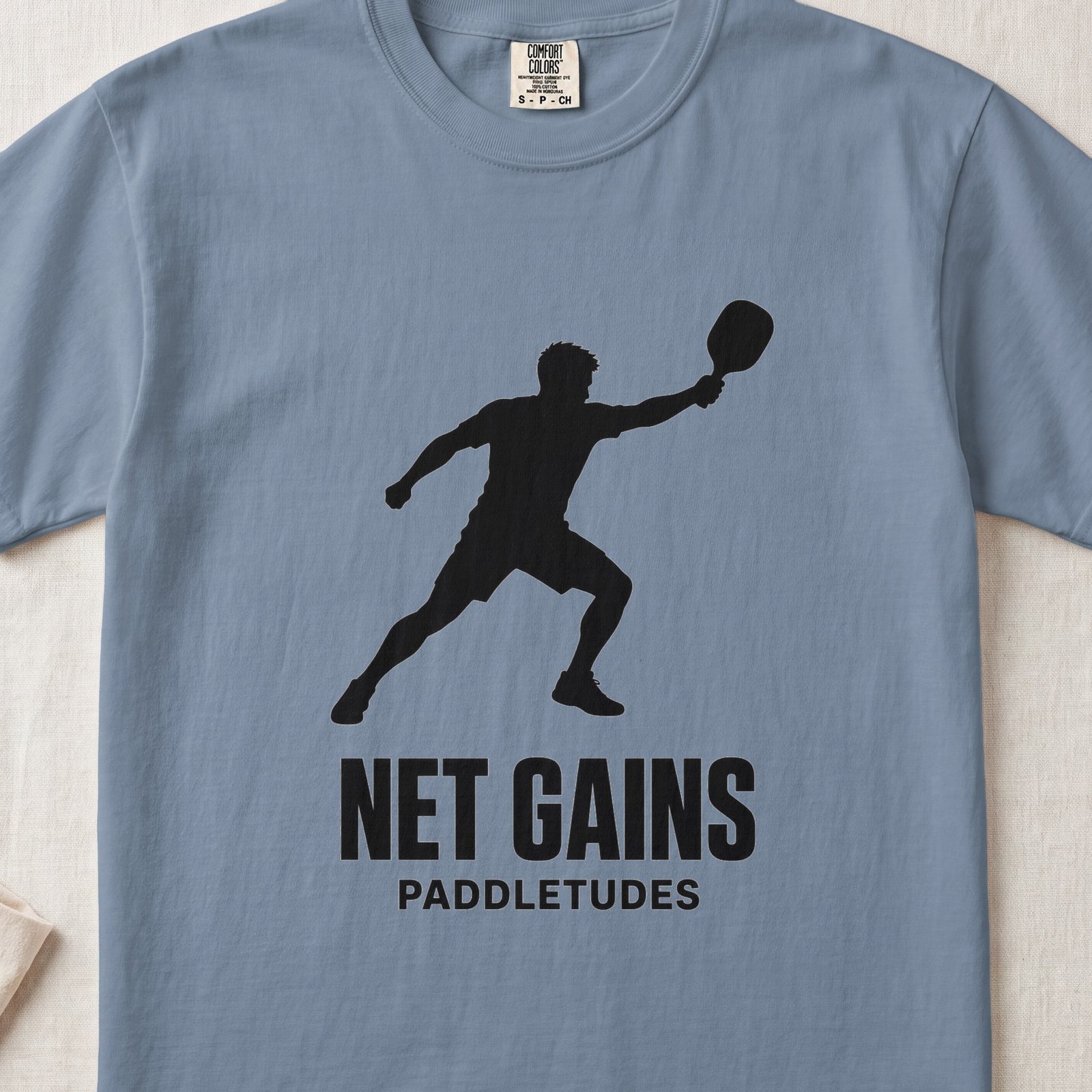
Net Gains
$29.99
- Comfort Colors 1717 heavyweight cotton
- Original design · printed to order
- U.S. print partners
Net Gains — For Every DUPR Rating Notification That Hits
The notification reads 0.02. Two hundredths of a point on a rating scale that runs from 2.0 to 8.0, and the dopamine hit from watching that number move after Tuesday’s three-game win streak is out of proportion to anything a brokerage statement has ever delivered. Net Gains is the shirt for that feeling.
This is the player who measures everything and apologizes for none of it. The 52-year-old CPA who picked up a paddle during COVID, told his wife he’d try it once, and now plays four mornings a week with the same focus he used to save for quarterly closes. He tracks his win percentage. He films his matches and watches them back to study his footwork. His portfolio isn’t diversified — it’s all pickleball, and the returns have been extraordinary. He couldn’t hold a game against a 3.5 six months ago. Now he’s splitting sets with 4.0s and calculating exactly which drills will close the gap.
The gains in pickleball don’t arrive from one lesson or one YouTube video. They compound the way interest does — except the currency is reps. Two hundred third shot drops before your shoulder says stop. A full week of dinking where the only goal is keeping every ball below the net tape. Then one morning you hit a drop that lands six inches past the kitchen line, dies on contact, and your opponent stares at it like it personally offended them. That’s a net gain. Nobody watched the deposits. Everybody sees the return.
Paddle progression is part of the math. Most players start with whatever the pro shop had on the wall — a mid-weight composite that does everything adequately and nothing memorably. The first real upgrade comes when you know enough to know what you want. Control players gravitate toward thicker cores — 16 millimeters — that absorb pace and reward touch at the kitchen line. Joola‘s Ben Johns signature line is built around feel and placement rather than raw power, designed for the player who’s moved past hitting hard and started hitting smart. The paddle doesn’t create the gains. But it stops being the thing that limits them.
If someone in your life just turned fifty or sixty and discovered pickleball in the same breath, this is the birthday shirt that says what a card can’t. Not a gag gift. An acknowledgment that the second act they didn’t see coming has become the first thing they talk about at dinner, and the returns are visible every morning they come home from the courts with a story about a shot they never could have hit three months ago.
The real gains live off the scorecard. The knee that stopped complaining because pickleball forced you to stay mobile. The friendships built on nothing but a shared baseline and a willingness to show up. The sleep quality that improved when mornings on the court replaced mornings on the couch. The USOP National Pickleball Center in Naples runs sixty-five courts, and the players who travel there aren’t chasing trophies — most of them are chasing the version of themselves that’s two tenths of a point better than last month. That’s the portfolio this shirt represents.
Find the courts compounding your returns at Pickleheads. For the quiet-confidence version of this energy — the player whose worth is measured not in improvement but in how many people request them as a partner — Net Worth takes the same pun in a more understated direction. And for the player who stopped tracking wins and started tracking the absence of mistakes, Zero Regrets Zero Unforced is the stat-line companion.
Printed on a Comfort Colors 1717 garment-dyed heavyweight tee with water-based DTG ink — sizing and care details here.
How Do You Track Your Progress in Pickleball
The most objective tool is a dynamic skill rating like DUPR, which updates after every recorded match based on the opponent’s level, the score, and the outcome. It runs from 2.0 to 8.0 and even small movements tell you something real about your trajectory. But ratings only capture results — they don’t show you why you’re improving or where you’ve stalled.
For that, most serious recreational players track specific benchmarks during practice. Third shot drop accuracy — how many out of twenty land in the kitchen. Unforced error counts per game. Serve depth consistency — are you pushing the return team back or feeding them short balls at the service line. You don’t need an app. A notebook and five minutes of honest self-assessment after each session does the work.
Video is the next layer. Filming one game and watching it back reveals patterns invisible in real time — the tendency to stand too far off the kitchen line after a reset, a backhand that floats high under pressure, a habit of watching the ball instead of the opponent’s paddle face before a speed-up. The USA Pickleball skill assessment guidelines describe specific benchmarks for each rating level, and comparing your footage against those descriptions is the fastest way to see the gap between where you are and where you want to be.
The player wearing this shirt already knows their numbers. What changed isn’t the rating — it’s the confidence that comes from watching measurable progress replace guesswork. Gains you can see. Gains you can prove. The investment compounds whether anyone else is watching or not.
-
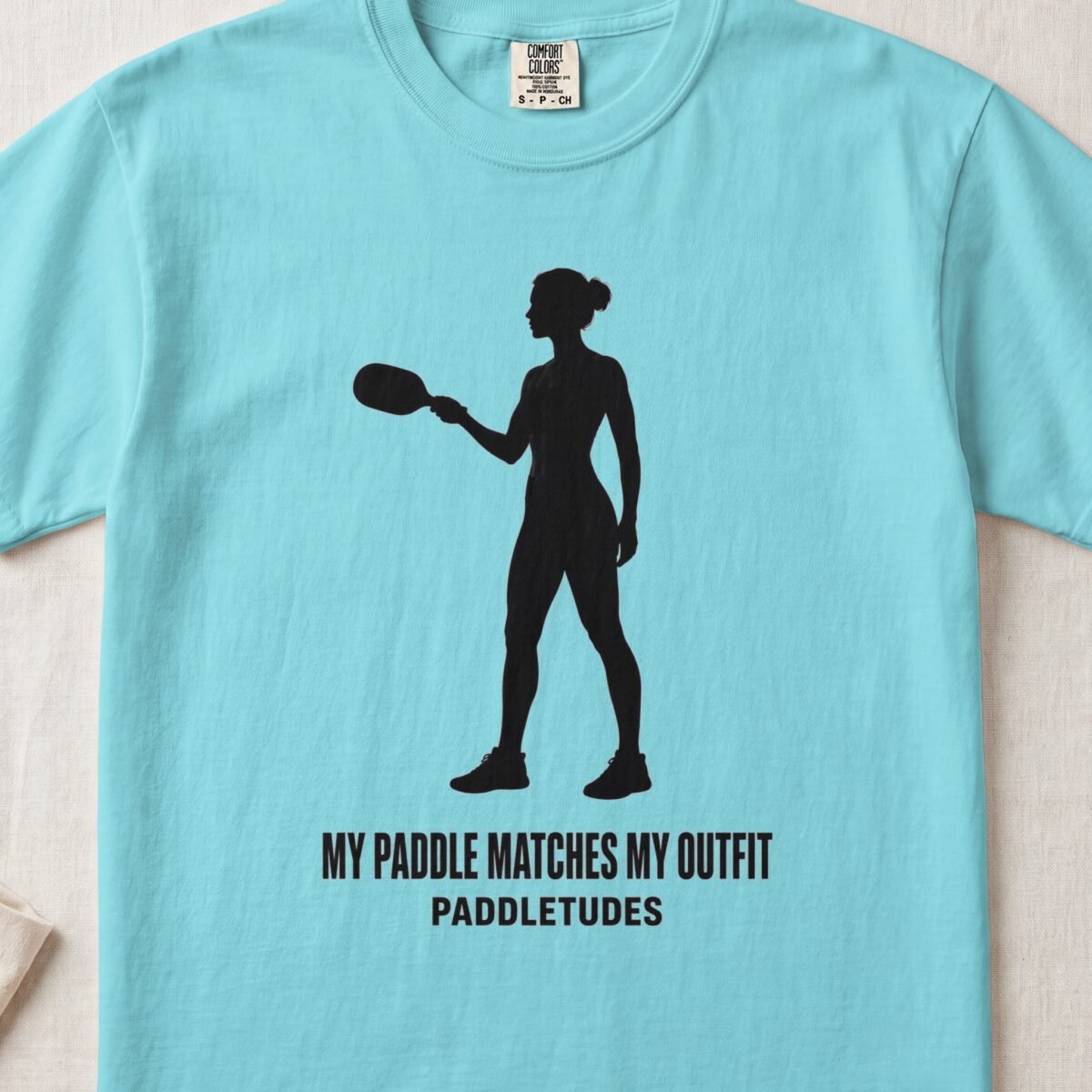
My Paddle Matches My Outfit
$29.99 Select options This product has multiple variants. The options may be chosen on the product page -
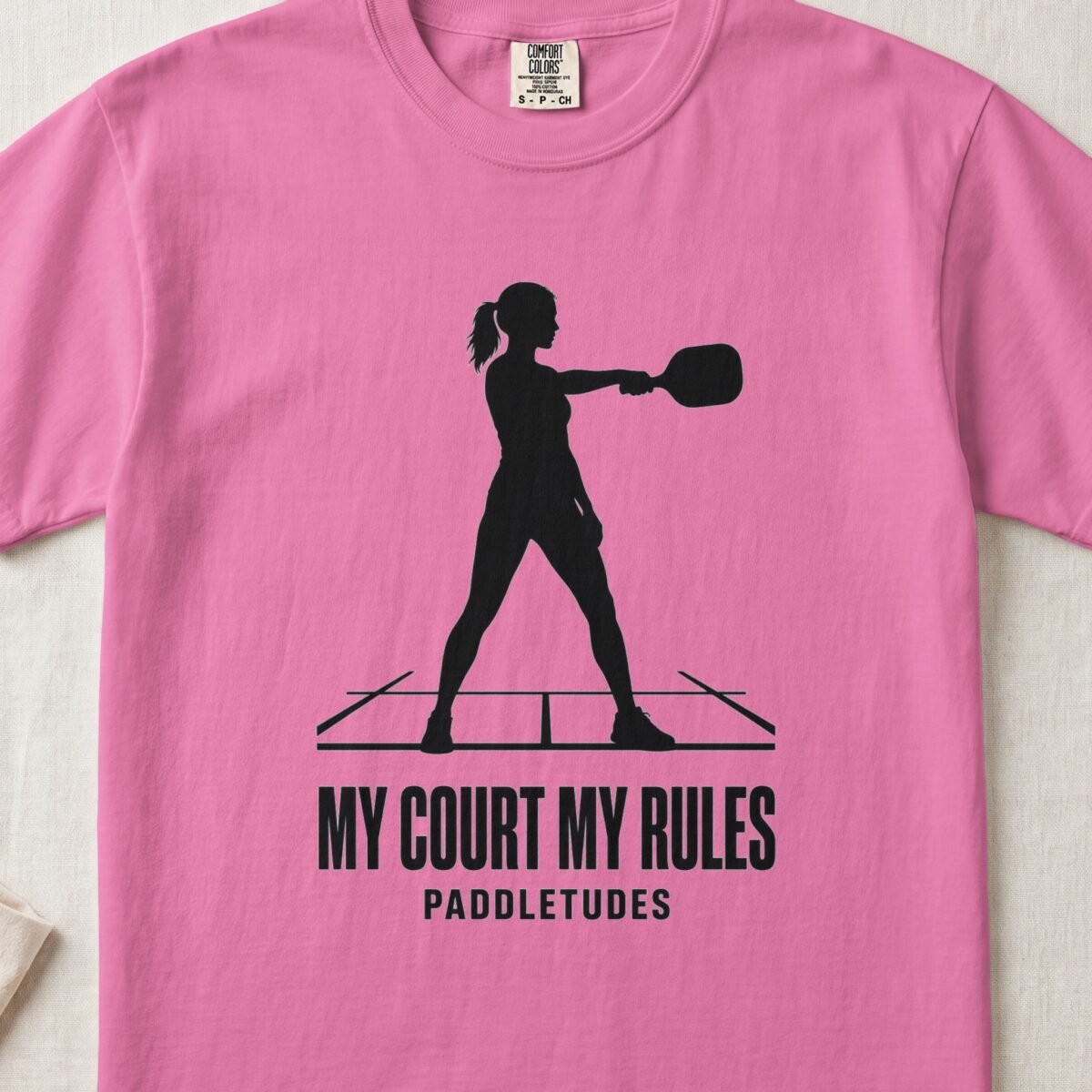
My Court My Rules
$29.99 Select options This product has multiple variants. The options may be chosen on the product page -
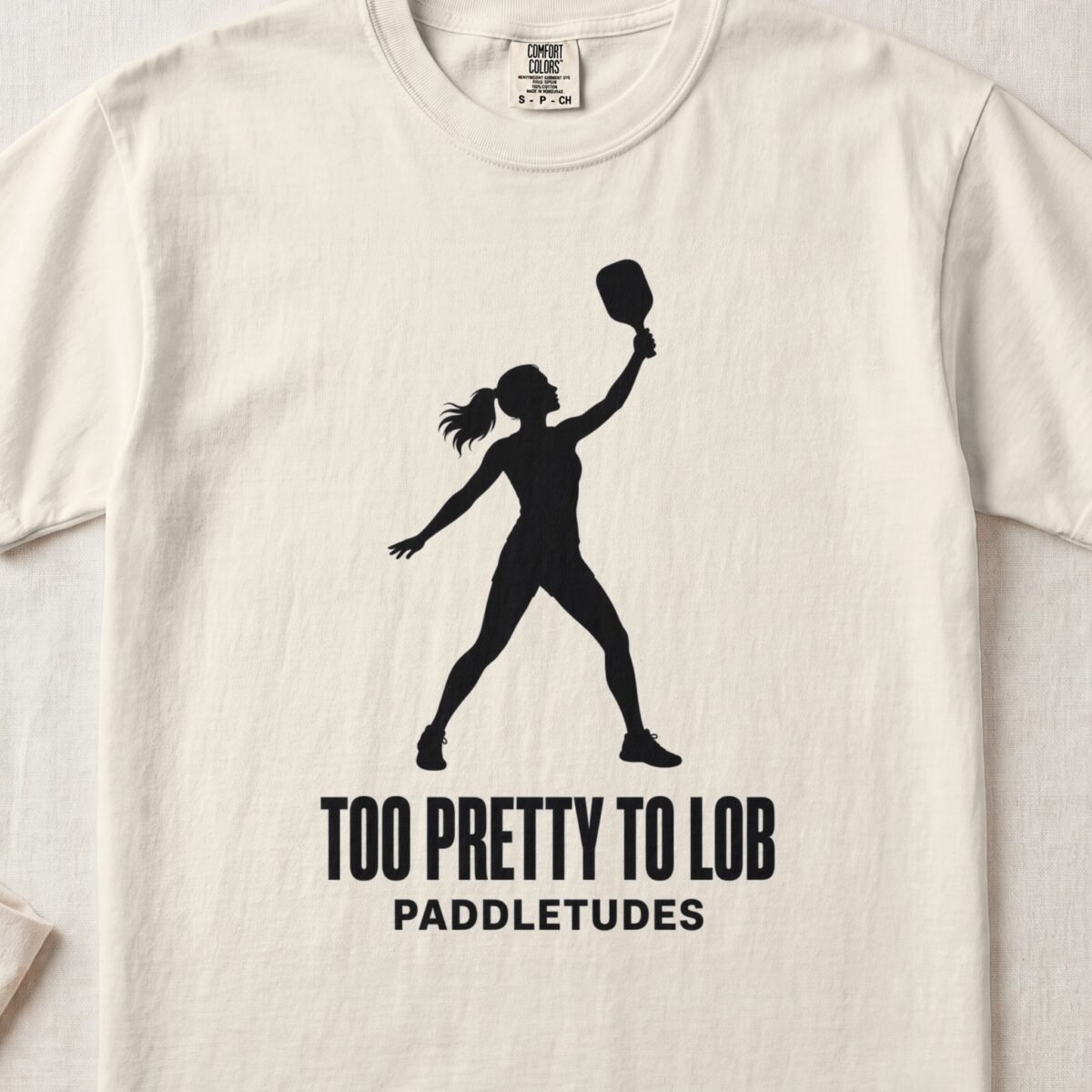
Too Pretty To Lob
$29.99 Select options This product has multiple variants. The options may be chosen on the product page