Sports Comfort Colors 1717
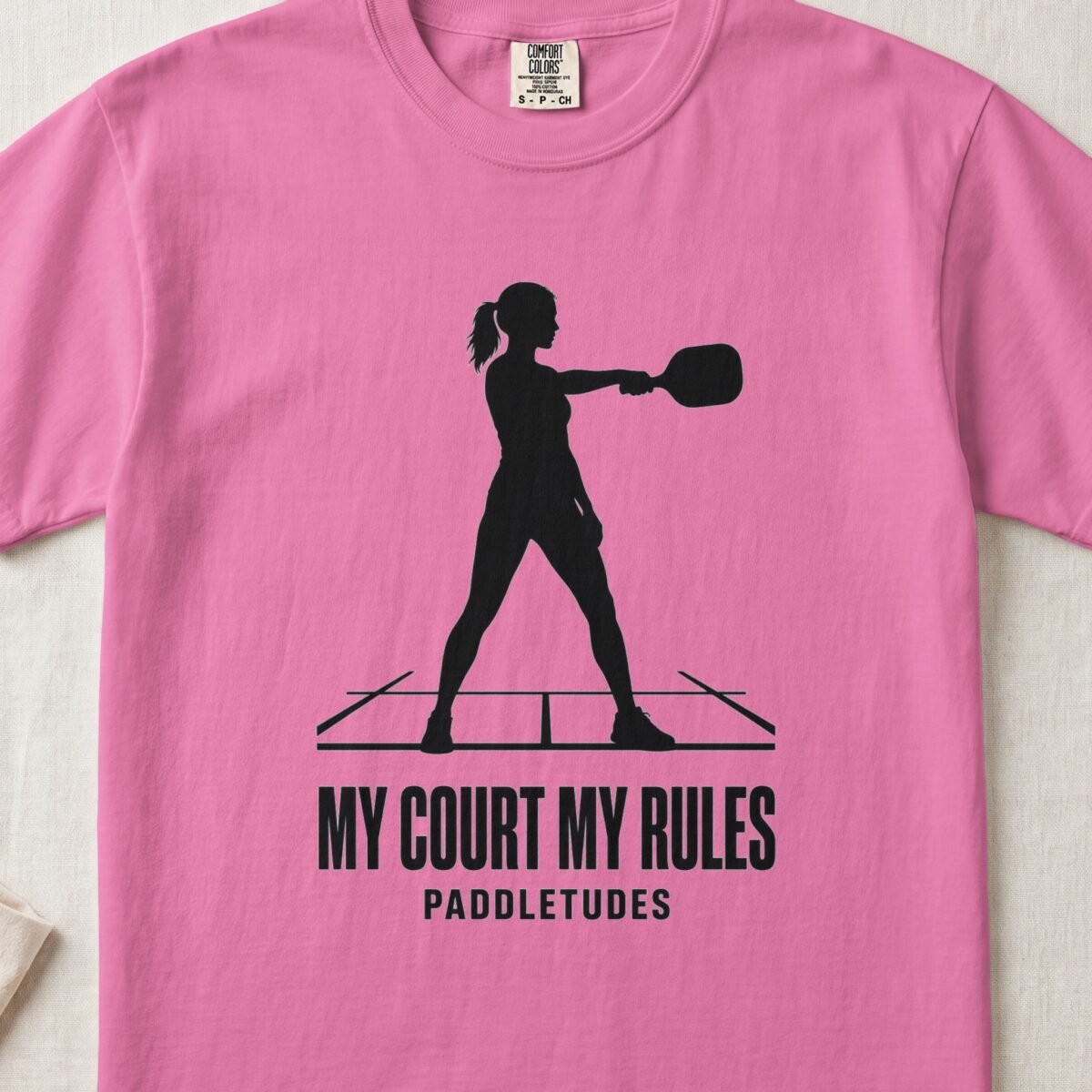
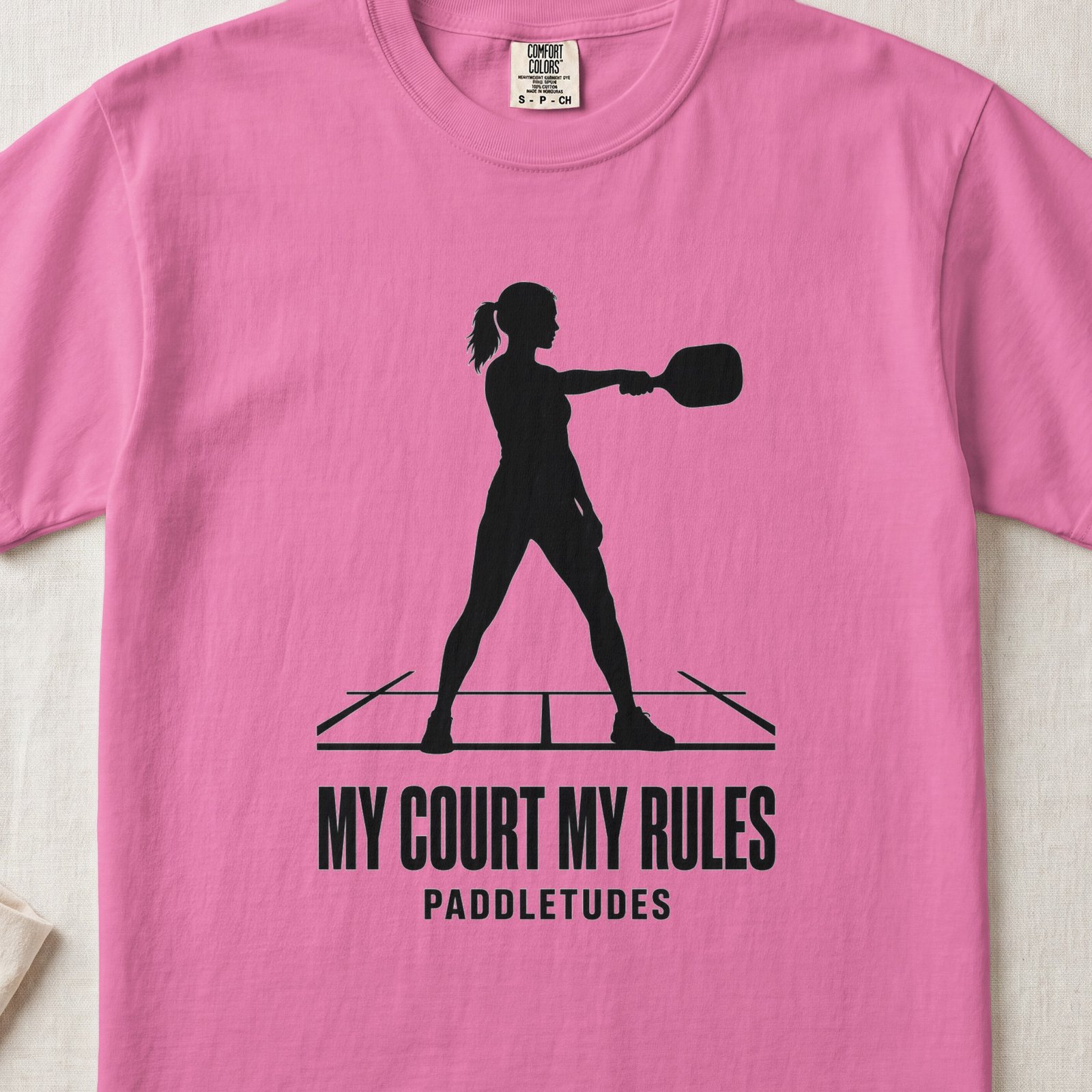
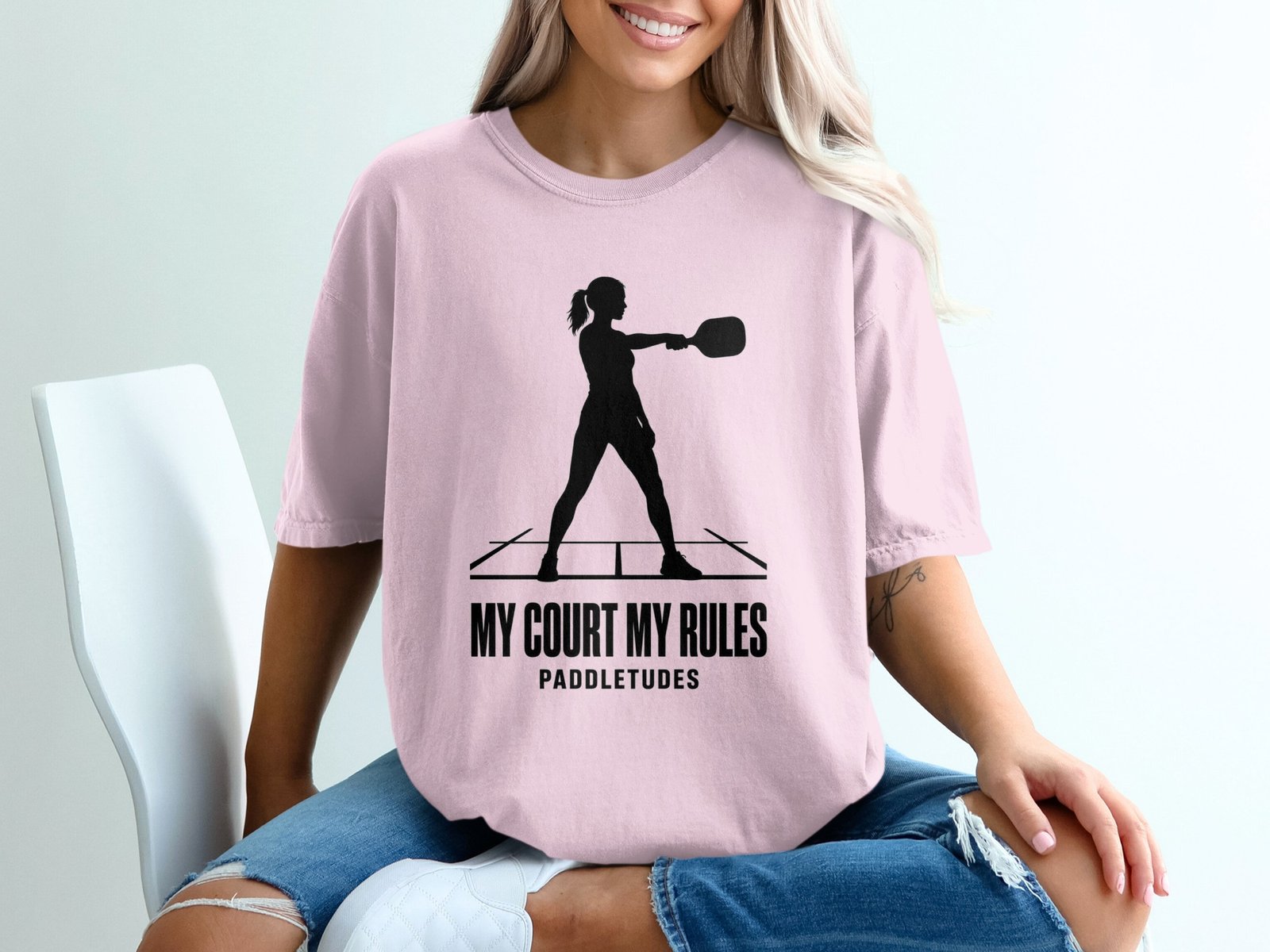
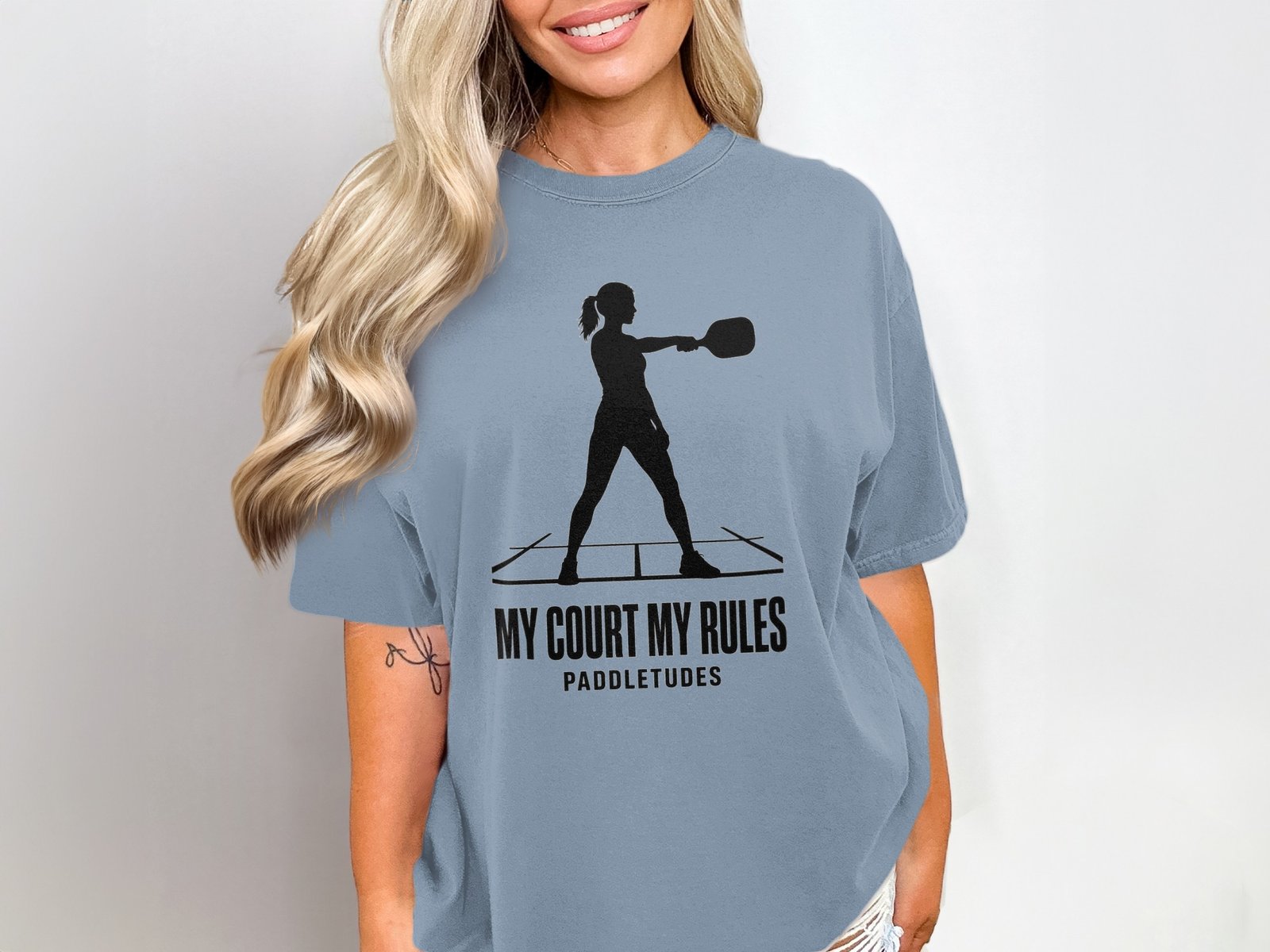
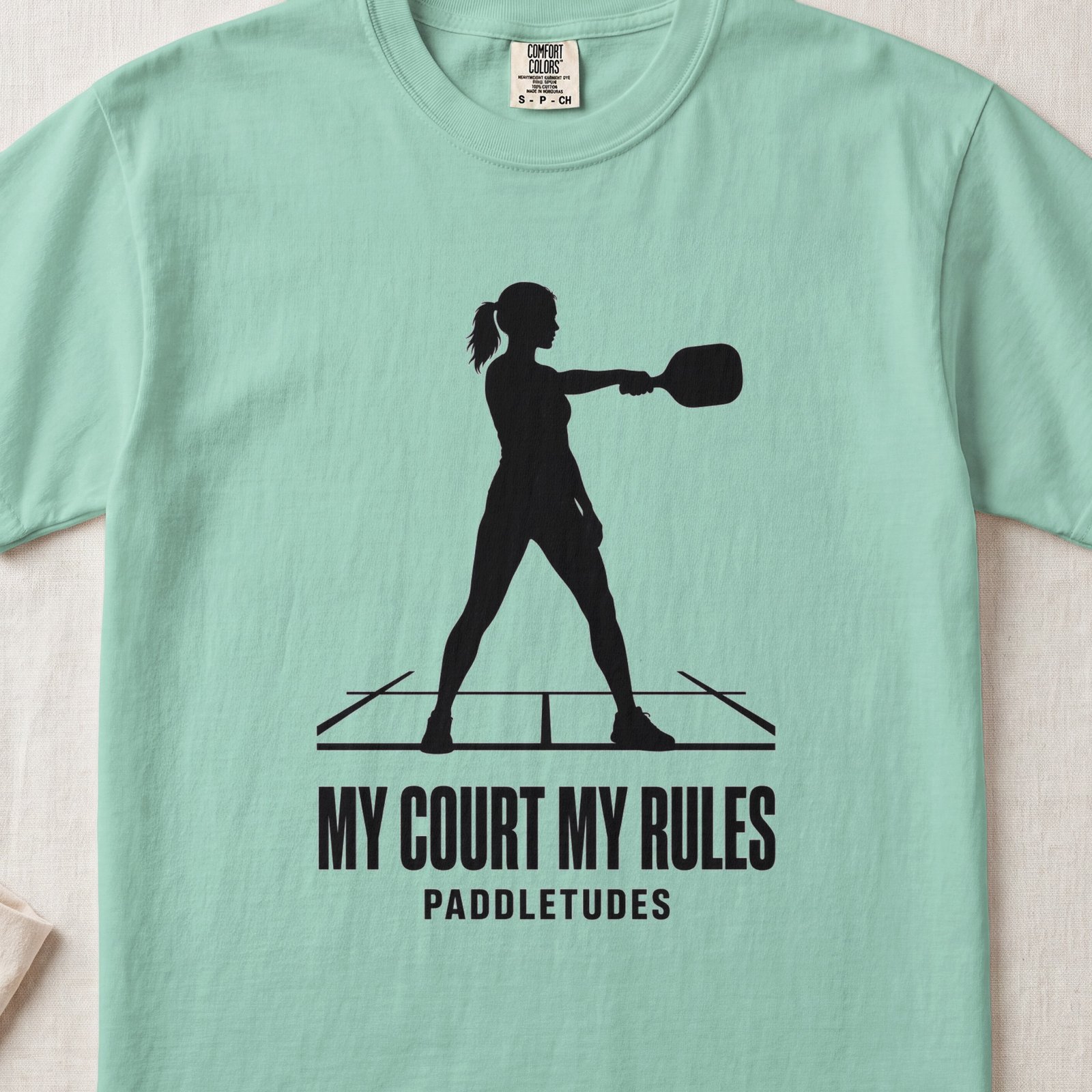
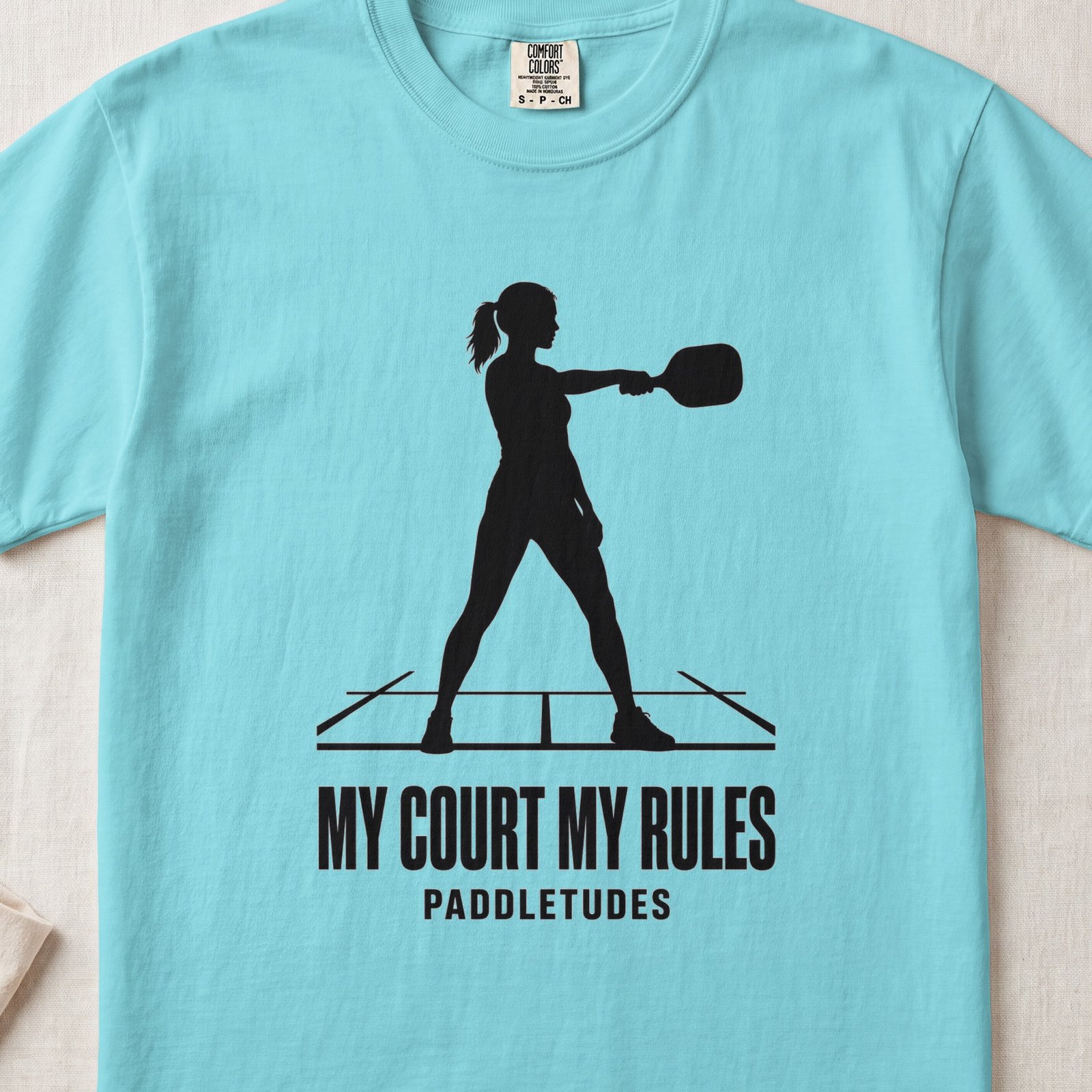
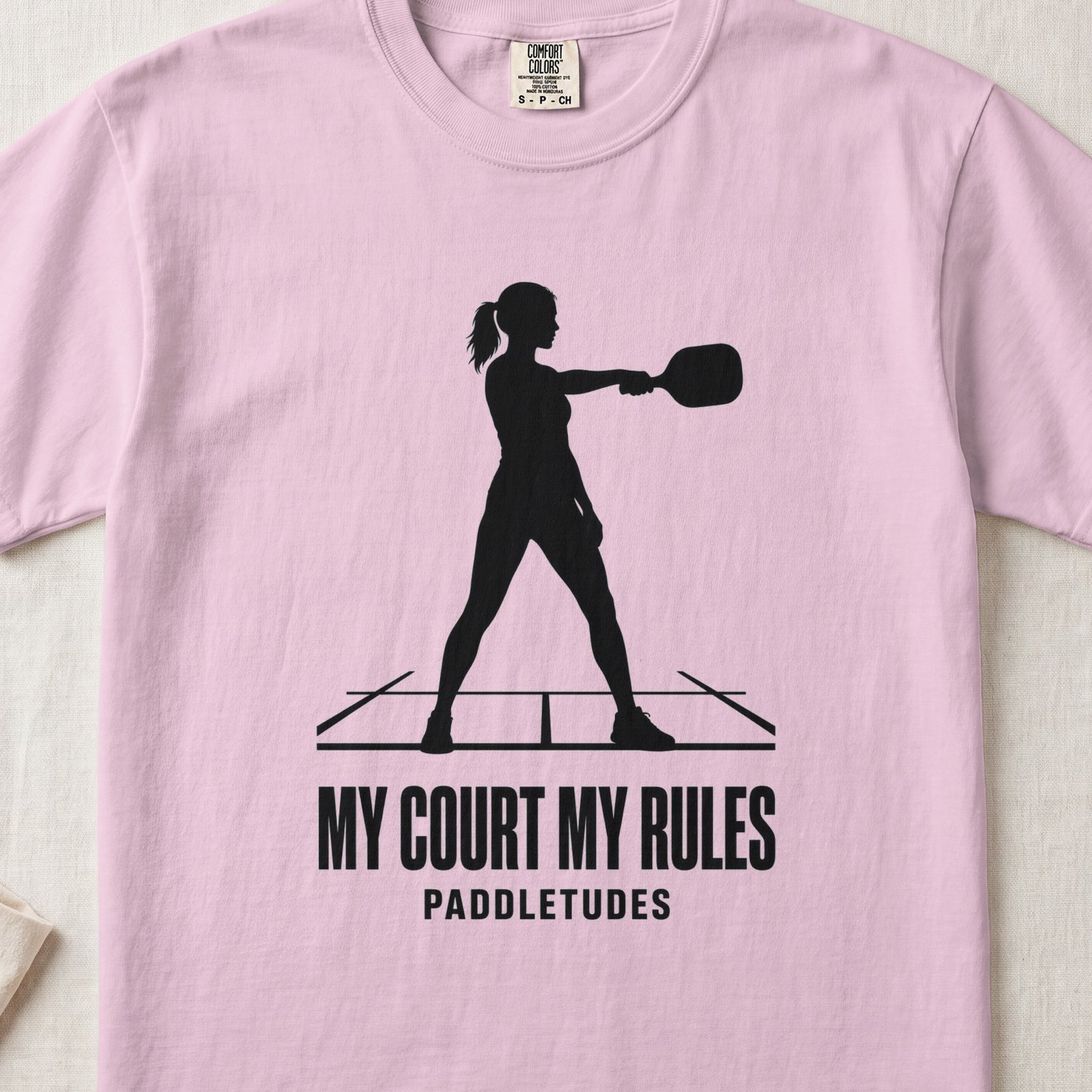
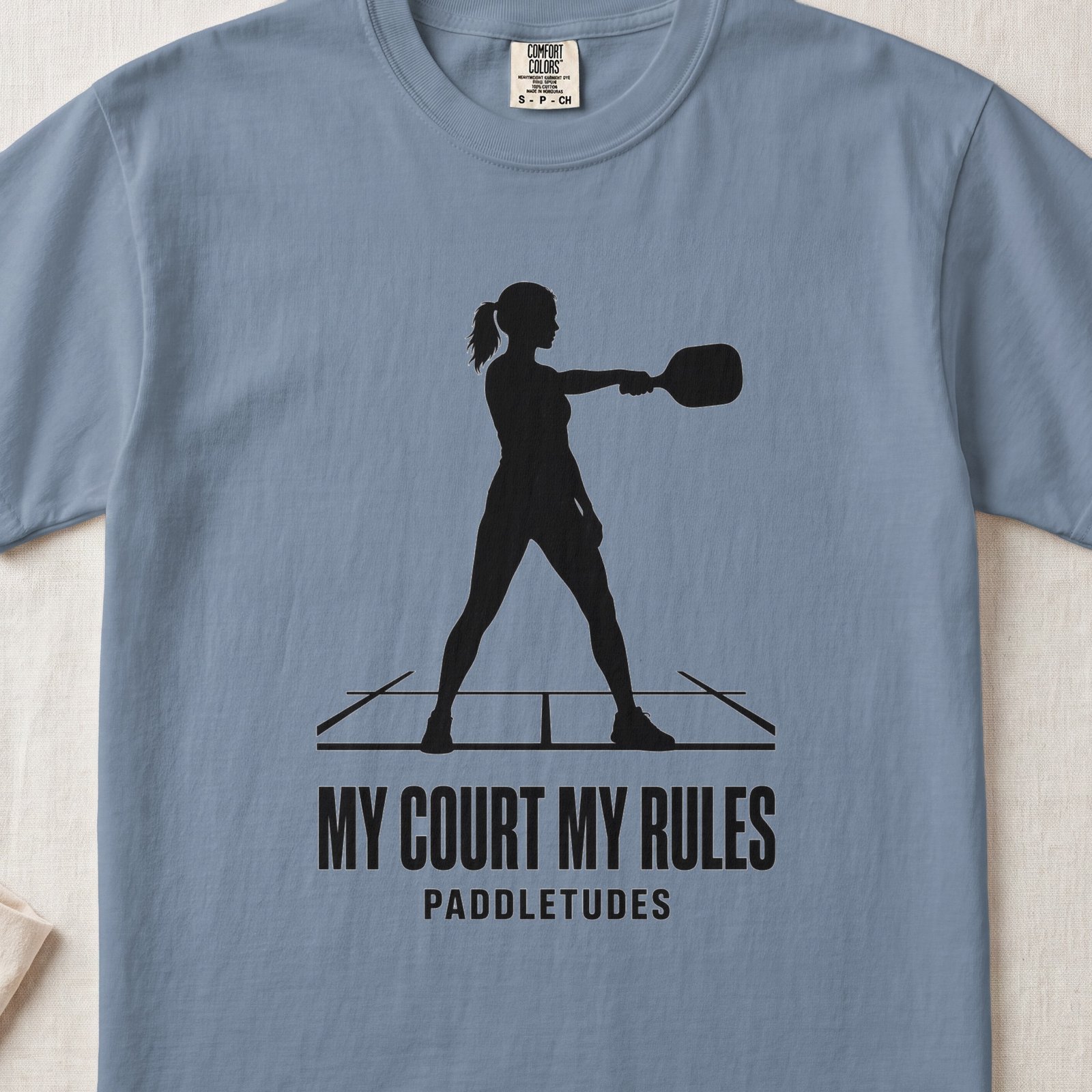
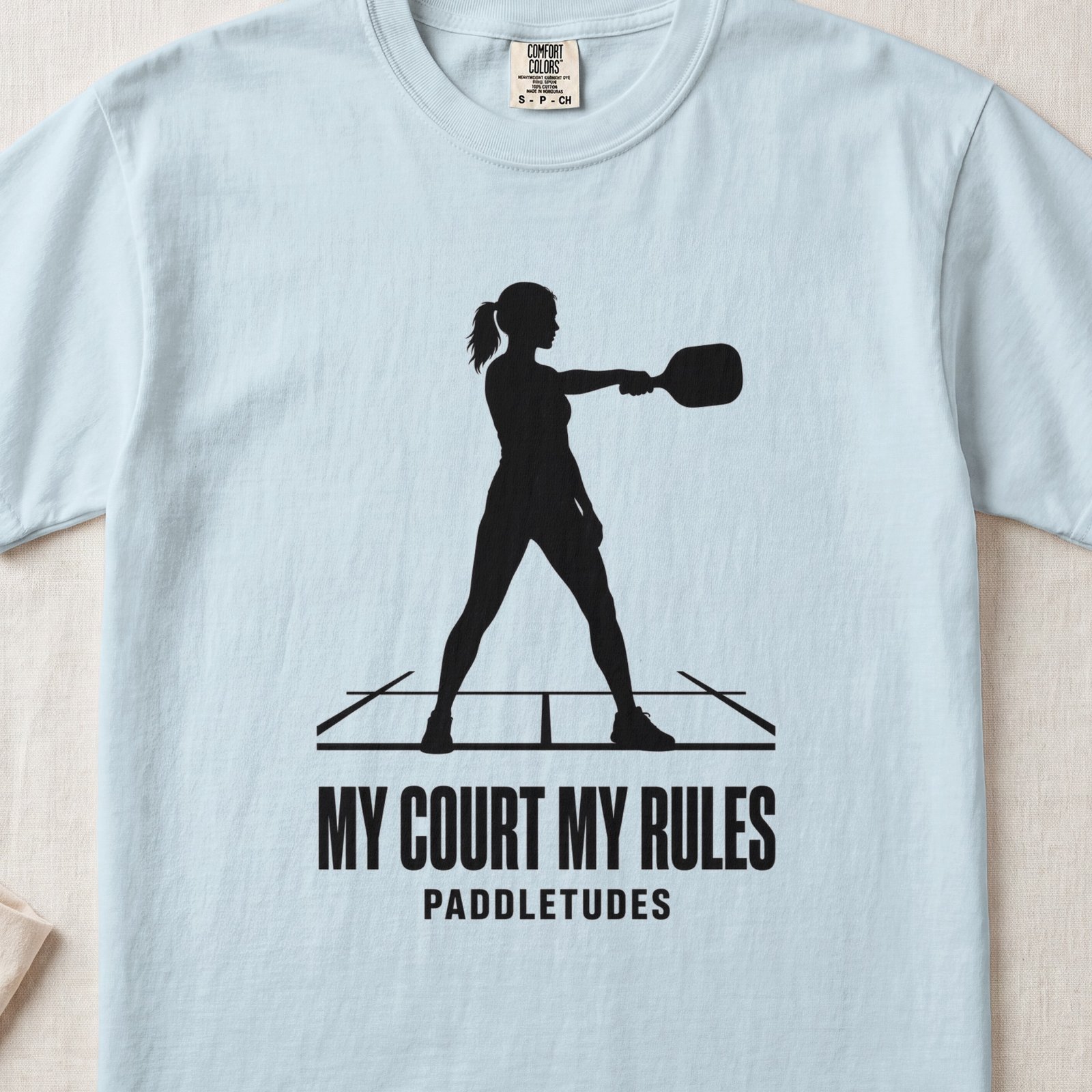
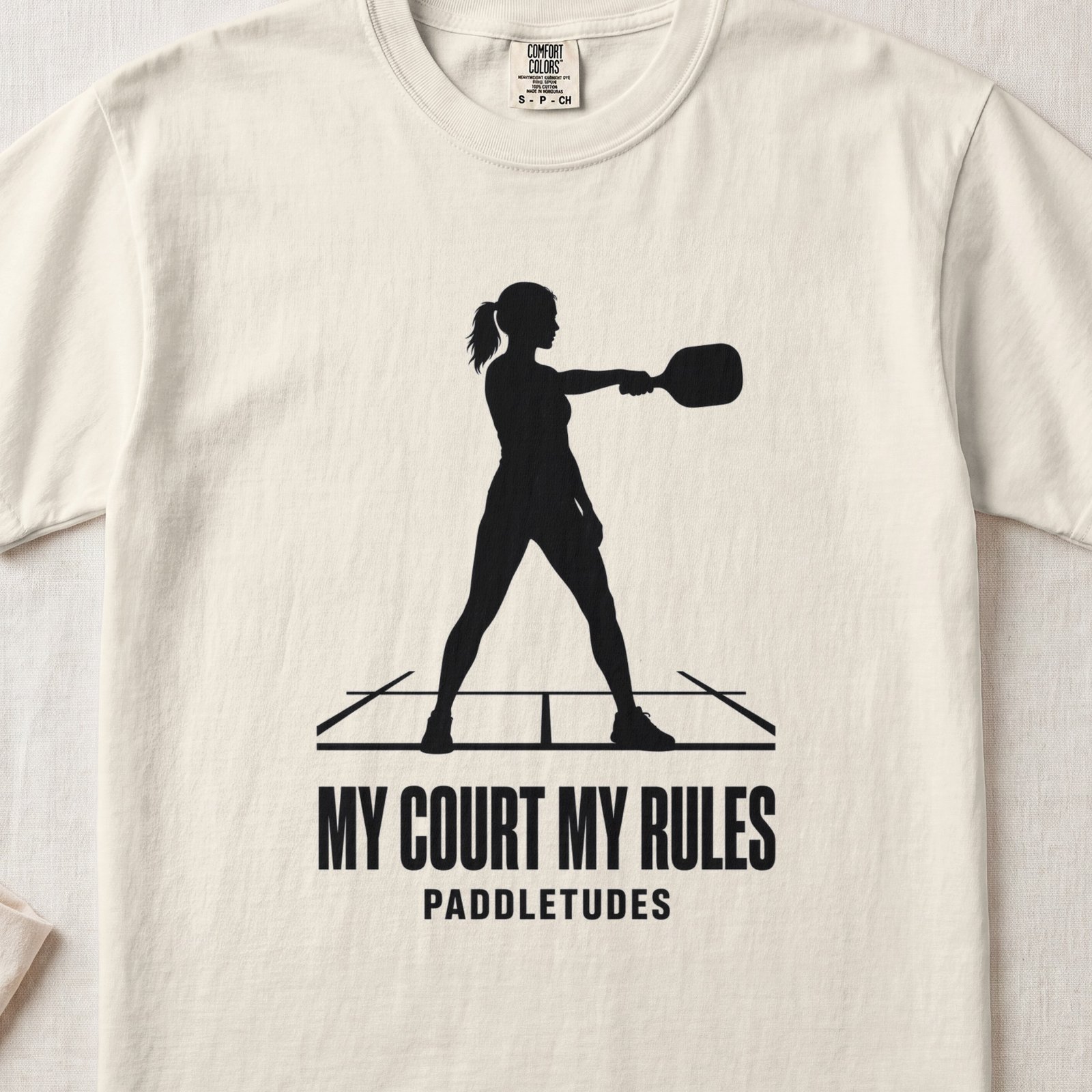
My Court My Rules
$29.99
- Comfort Colors 1717 heavyweight cotton
- Original design · printed to order
- U.S. print partners
My Court My Rules — The Women’s Pickleball Shirt for the Player Who Sets the Tempo
Some players adapt to the game in front of them. This player makes the game adapt to her.
My Court My Rules isn’t attitude for the sake of attitude. It’s a description. The woman wearing this shirt controls the pace of every rally. She decides when to dink and when to speed up. She picks the serve rotation spot. She calls the score before you finish remembering whose turn it is. And when the game is close, she’s the one who looks calmer than everyone else because she planned for this exact moment three points ago. If your sister-in-law runs the morning league like a head coach and still manages to make everyone feel like they’re having fun, this is the gift that finally names the energy everyone’s been trying to describe since she started playing.
The distinction between confidence and control matters. Confidence is believing you can win. Control is making the other team play your game. The Pretty Good For A Girl shirt captures the confidence side. My Court My Rules lives on the control side. Both players are dangerous. One beats you with skill. The other beats you with orchestration. The Ladies Who Dink crowd overlaps here too, because controlling the court often starts with owning the soft game and forcing opponents to play at a tempo they didn’t choose.
How to Control the Pace in Pickleball
Controlling the pace in pickleball means dictating whether the rally stays slow and strategic or shifts to fast and aggressive. The player who controls the pace forces the opponent to react instead of execute, which increases unforced errors and creates offensive opportunities on your terms.
The primary tool for pace control is the dink. A consistent cross-court dink at the kitchen line keeps the rally slow and forces the opposing team to match your patience. When they pop a ball up — either out of frustration or mechanical error — that’s when the pace shifts. The speed-up should be a choice, not a reaction. Players who control the pace speed up when they see an opening, not when they run out of patience. The difference sounds small. It decides matches.
Deep returns are the other pace-control weapon. A return of serve that lands within two feet of the baseline gives the returning team time to get to the kitchen line and establish position before the serving team can hit their third shot. This forces the serving team to hit a quality third shot drop under pressure, which is the hardest shot in pickleball. The player who returns deep and dinks with purpose controls the game from the first shot to the last. My Court My Rules as a concept is this player — the one who treats the pace of every rally like a volume dial that only she gets to touch.
What Should a Female Player Do in Mixed Doubles Pickleball?
A female player in mixed doubles pickleball should take ownership of the middle and establish herself at the kitchen line as early as possible. In competitive mixed doubles, opponents often target the woman assuming she’s the weaker player. The counter-strategy is simple: be the strongest player at the net and make targeting you a mistake they regret.
The USA Pickleball rulebook doesn’t differentiate between male and female players on the court. Mixed doubles strategy, however, has evolved its own tactical language. Stacking — where both partners line up on the same side — is frequently used in mixed doubles to keep the stronger forehand player in the middle. Communication between partners about who takes the middle ball is more critical in mixed doubles than in any other format because the stakes of a missed assignment are higher when your opponents are deliberately exploiting positioning.
Women who dominate mixed doubles share a common trait: they refuse to play a supporting role. They take balls in the middle. They speed up when the opportunity is there. They don’t defer to their male partner on fifty-fifty balls. The My Court My Rules mentality is especially relevant here because mixed doubles is the format where someone has to run the team. The player who controls the pace, sets the strategy, and communicates the plan is the player who wins. Gender has nothing to do with which partner that should be.
Is Pickleball Good for Socializing?
Pickleball is one of the most effective social sports in the United States because the doubles format requires a partner, the court size keeps all four players close enough to talk between points, and the culture of open play introduces strangers to each other multiple times per session.
The social structure goes beyond the court. Pickleheads tracks communities and groups alongside court listings, and the majority of pickleball players report that their primary social circle has shifted to include people they met through the sport. Morning leagues, weekend tournaments, post-game drinks, and group text threads create a layered social infrastructure that most recreational activities don’t generate.
For women especially, pickleball has become a replacement for activities that require more scheduling and less physical engagement. The combination of competitive play, social connection, and fitness in a single two-hour block is why so many women’s pickleball groups have waiting lists. Wine After We Win captures the post-game side of that equation. Messy Bun And Getting It Done captures the on-court energy. My Court My Rules sits at the center — the player who runs both the game and the group, and makes both look effortless.
Printed on a Comfort Colors 1717 garment-dyed heavyweight tee with water-based DTG ink — sizing and care details here.
See the full lineup of women’s pickleball shirts and sports graphic tees for more designs built around identity, not just slogans.
-
Zero Regrets Zero Unforced
$29.99 Select options This product has multiple variants. The options may be chosen on the product page -
Messy Bun And Getting It Done
$29.99 Select options This product has multiple variants. The options may be chosen on the product page -
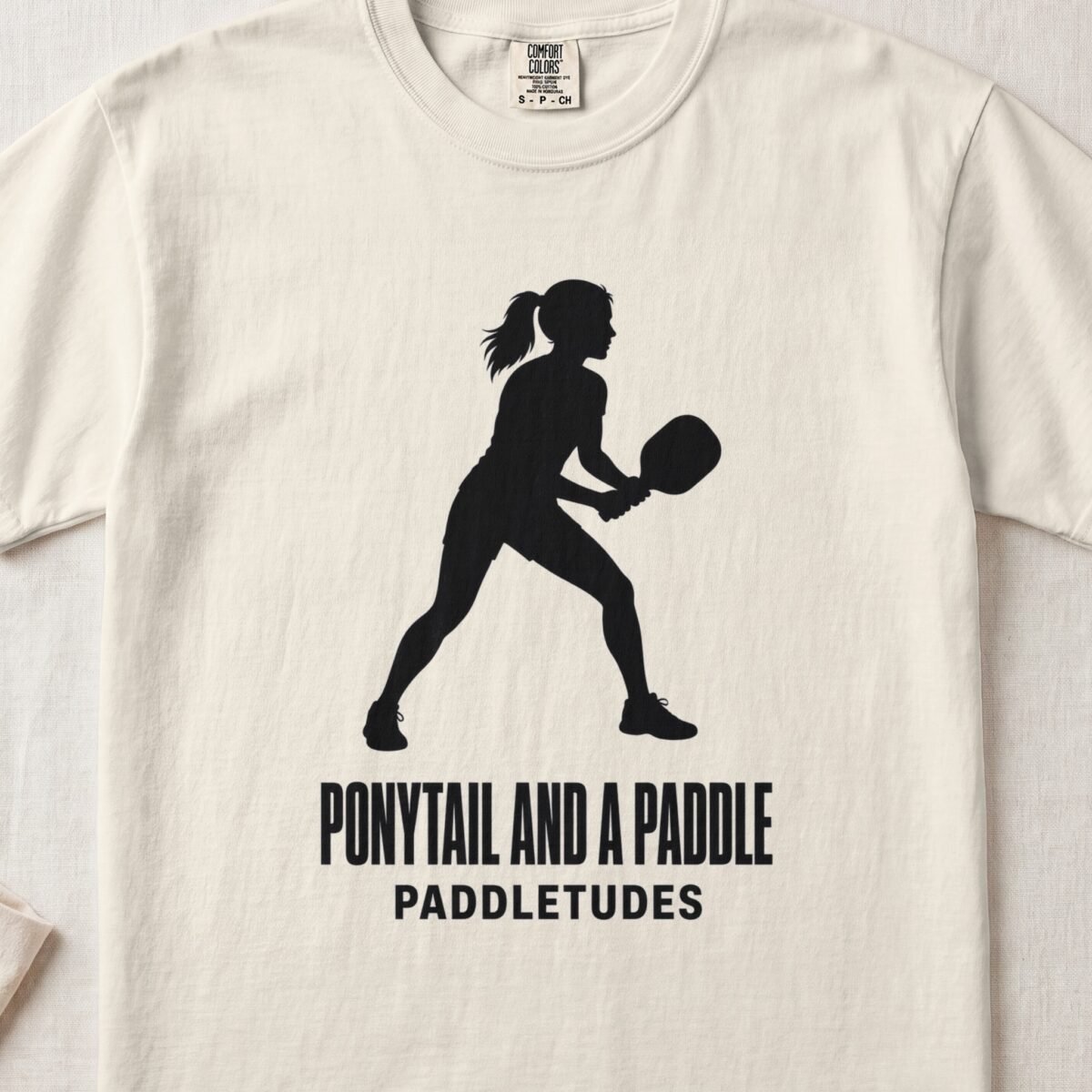
Ponytail And A Paddle
$29.99 Select options This product has multiple variants. The options may be chosen on the product page