Sports Comfort Colors 1717
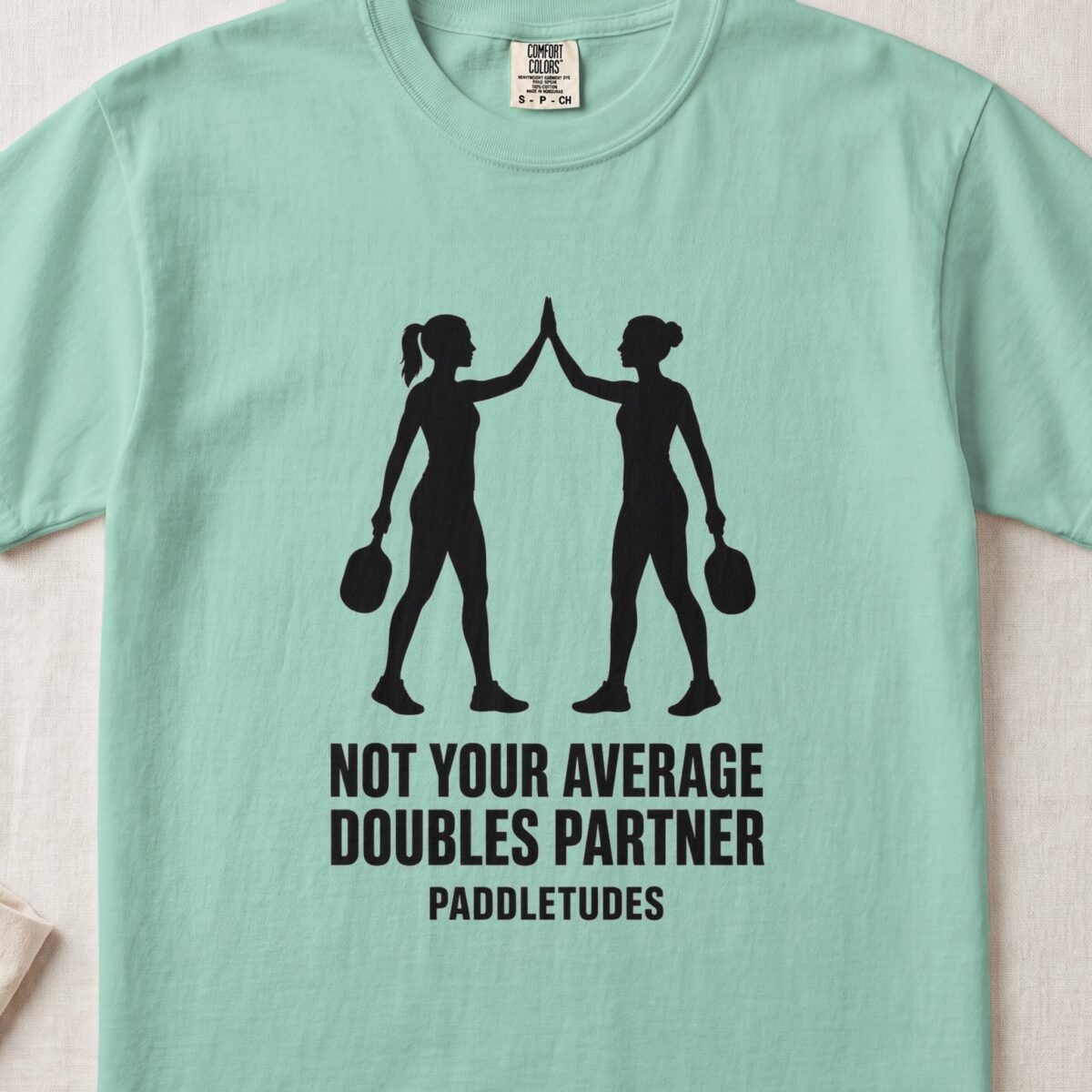
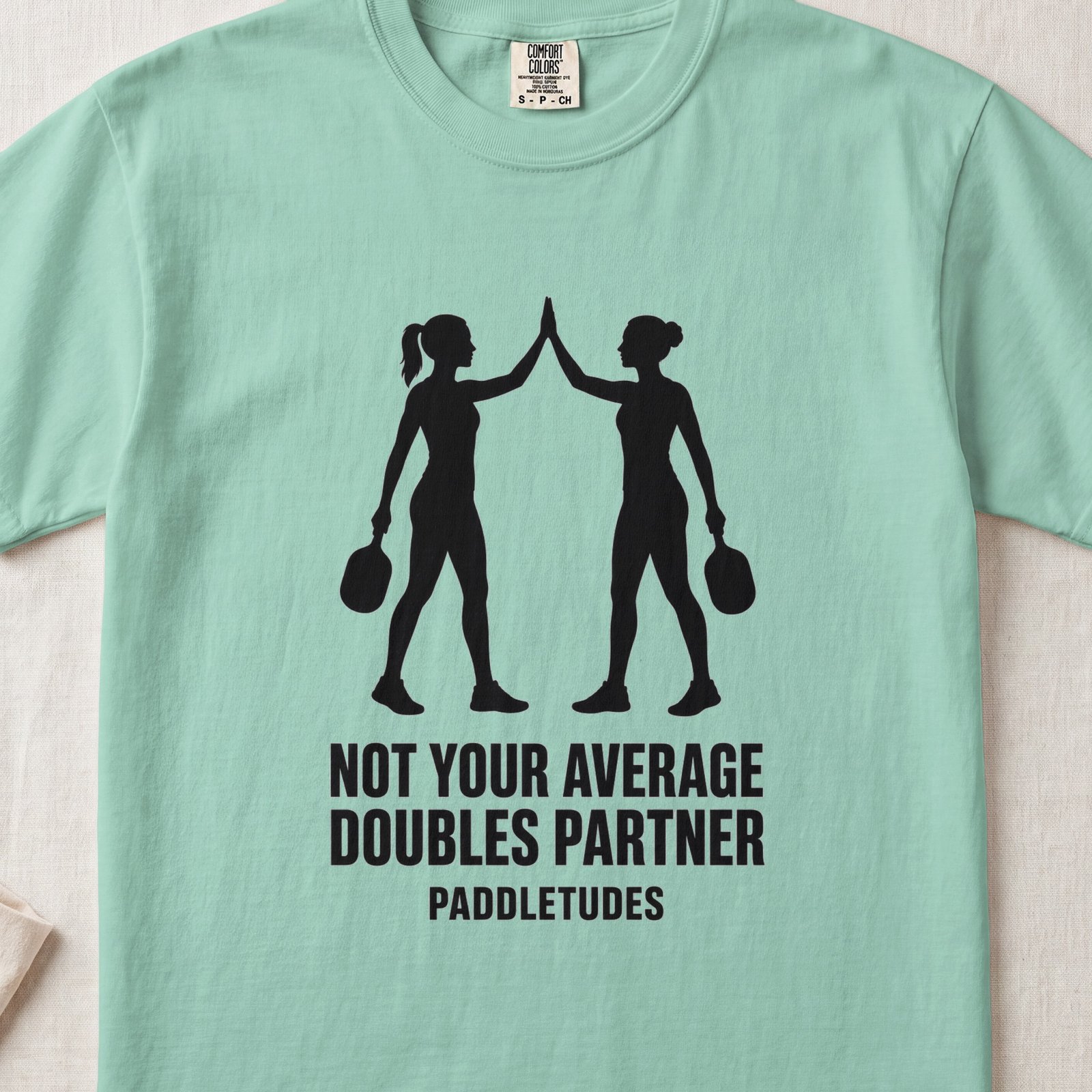
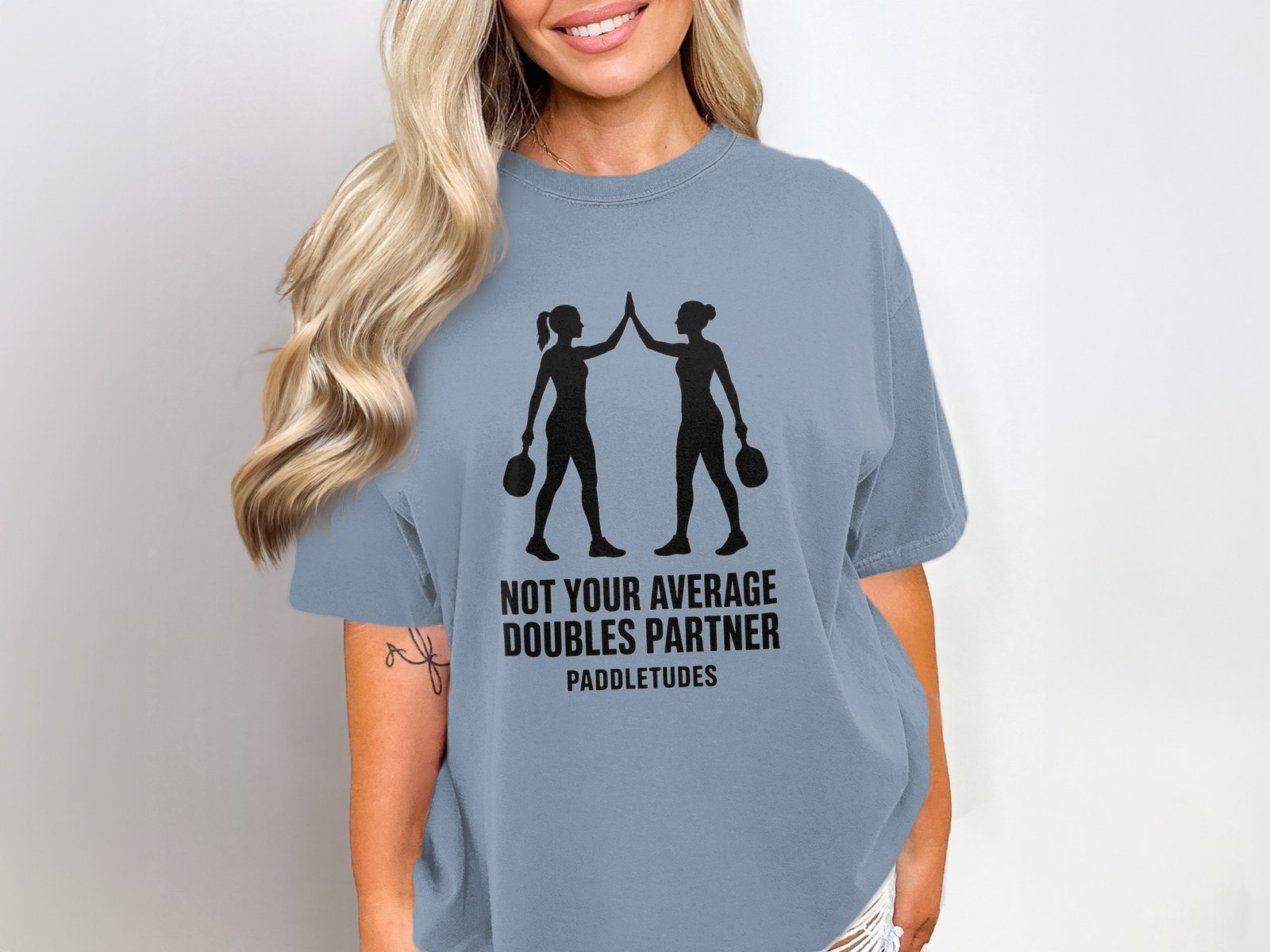
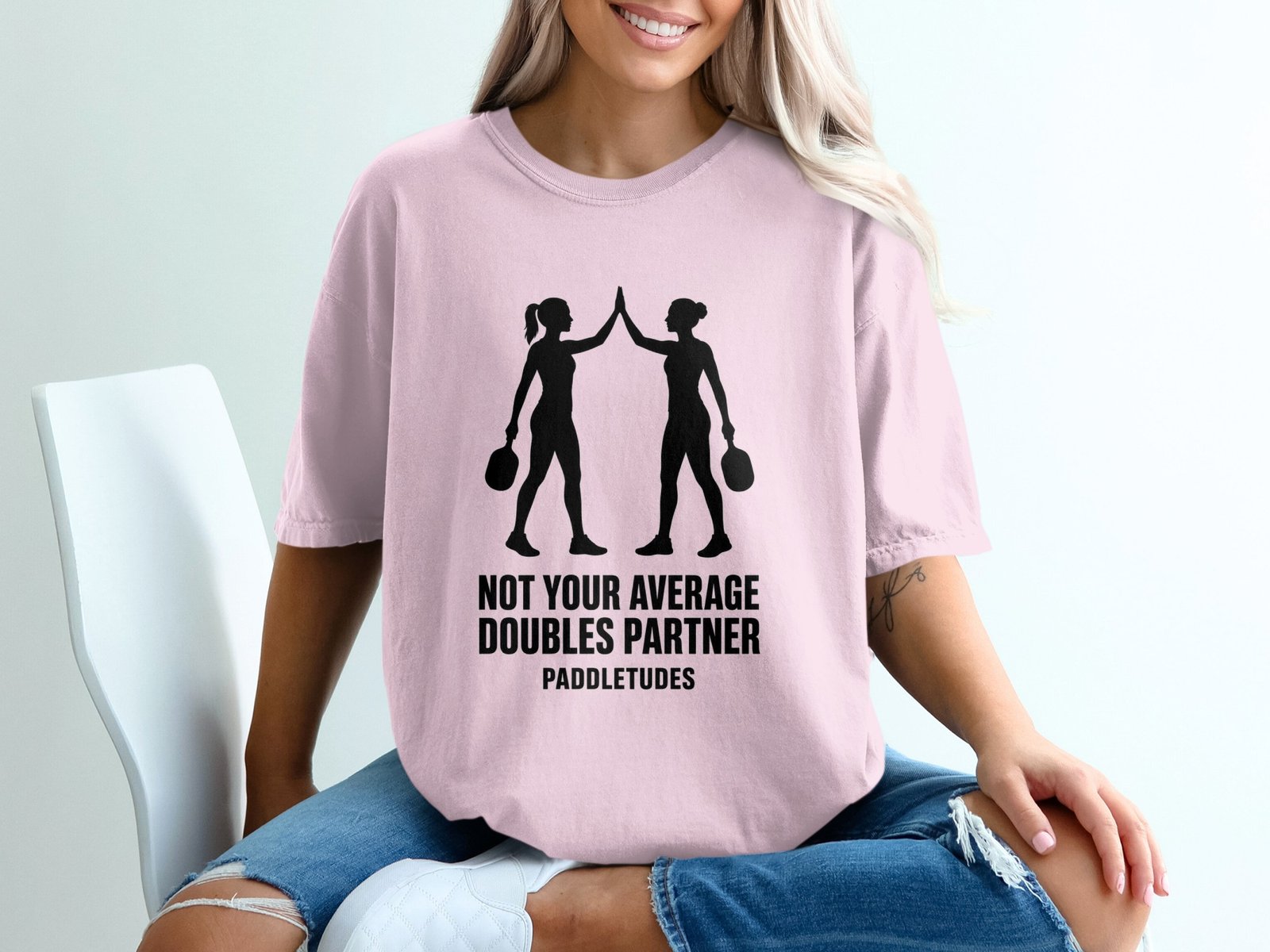
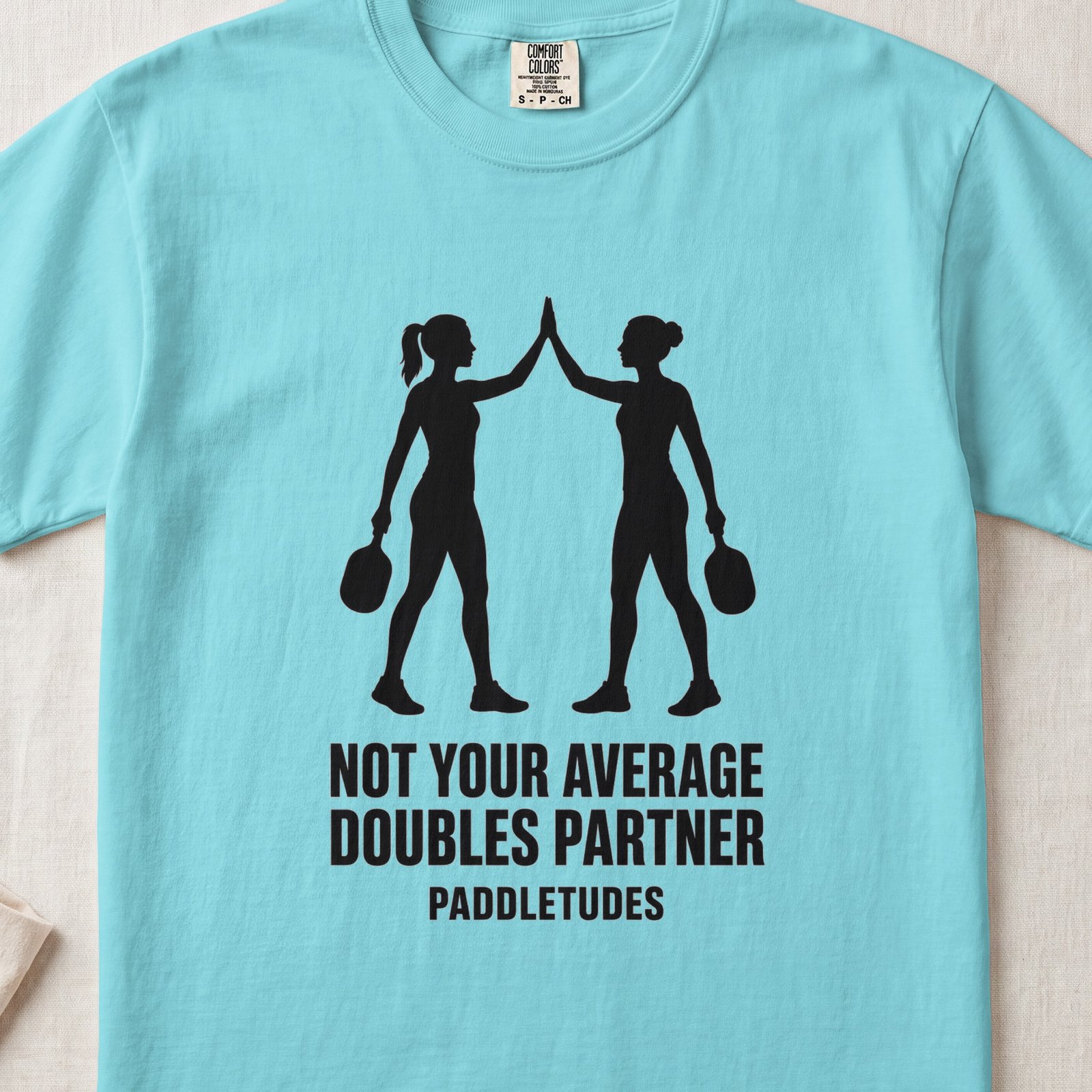
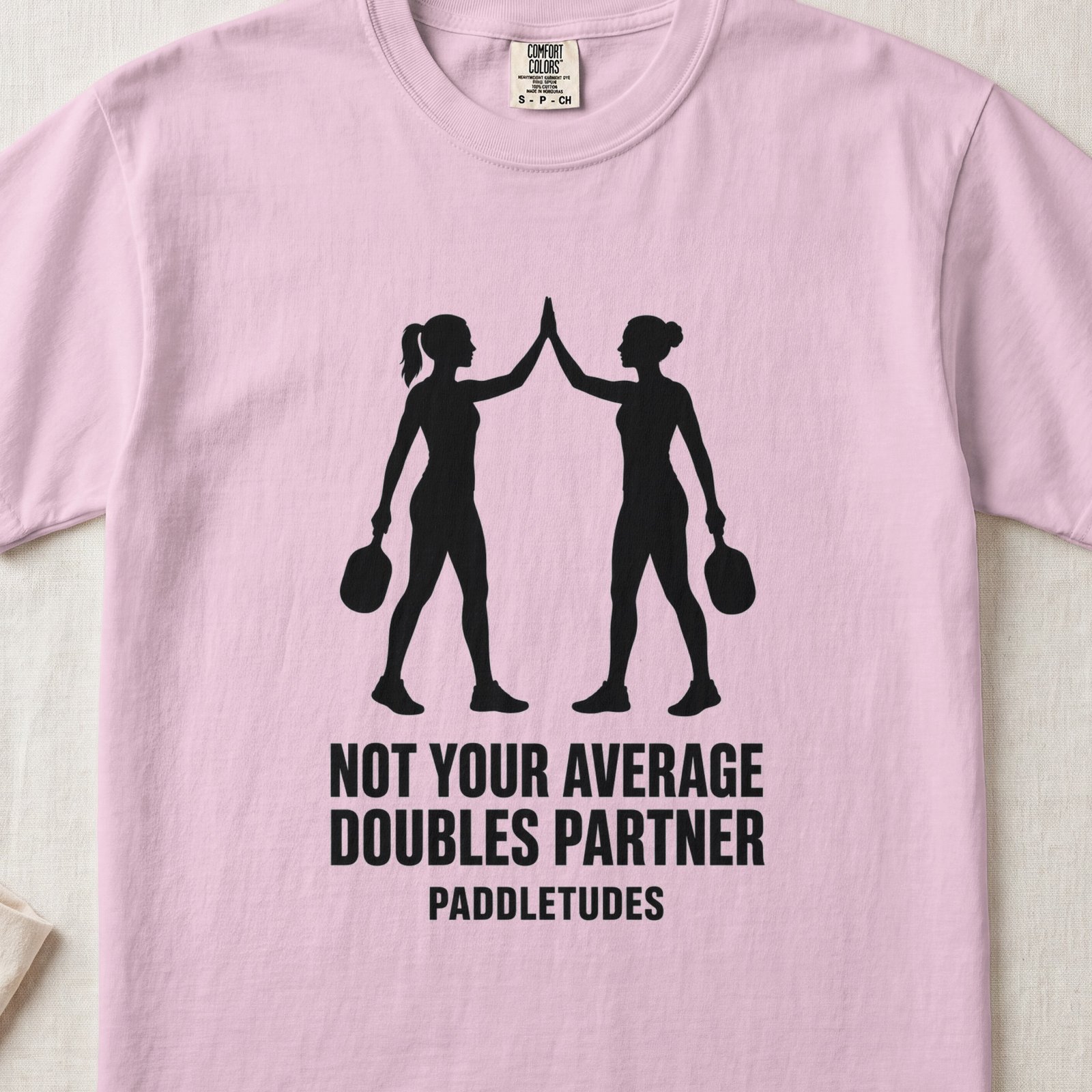
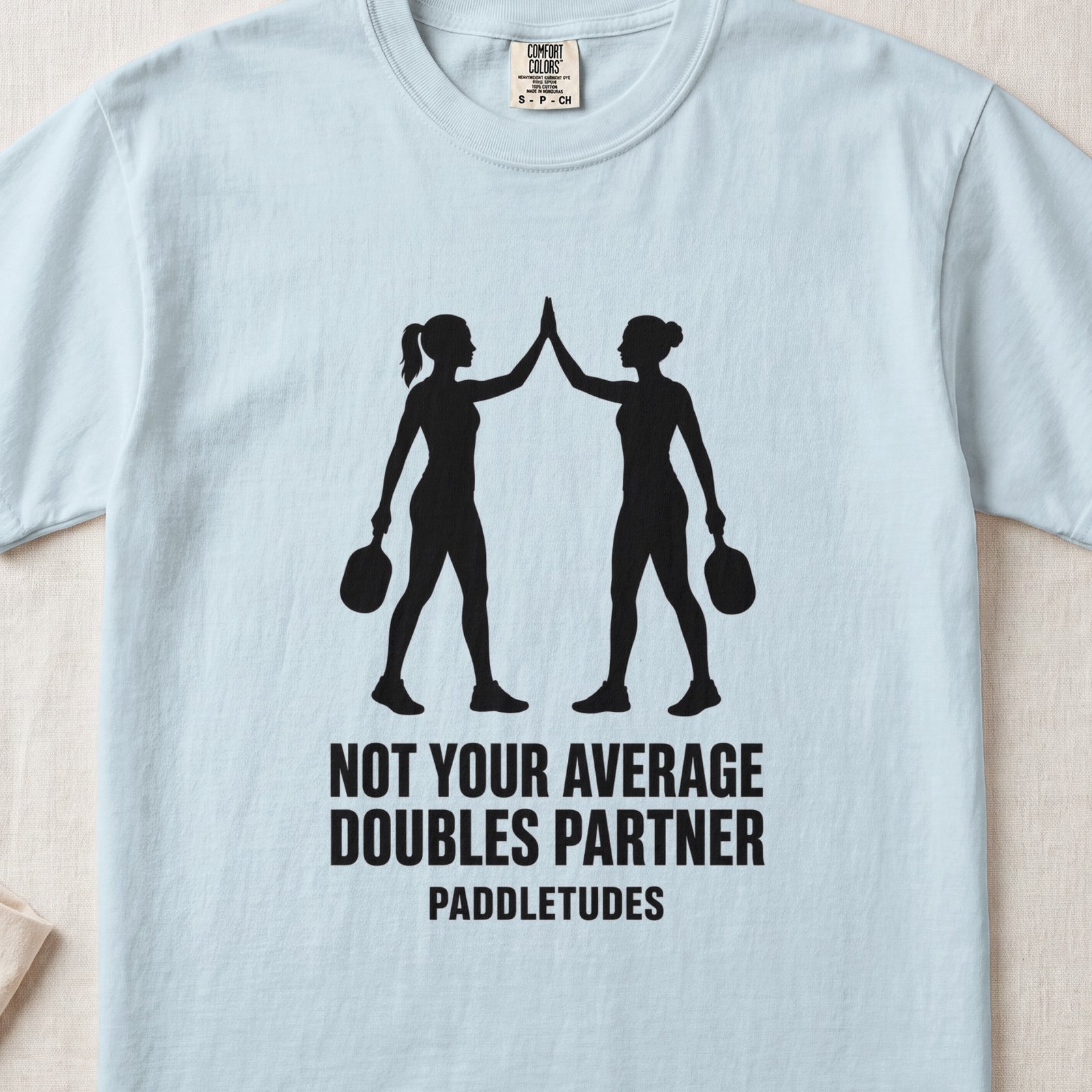
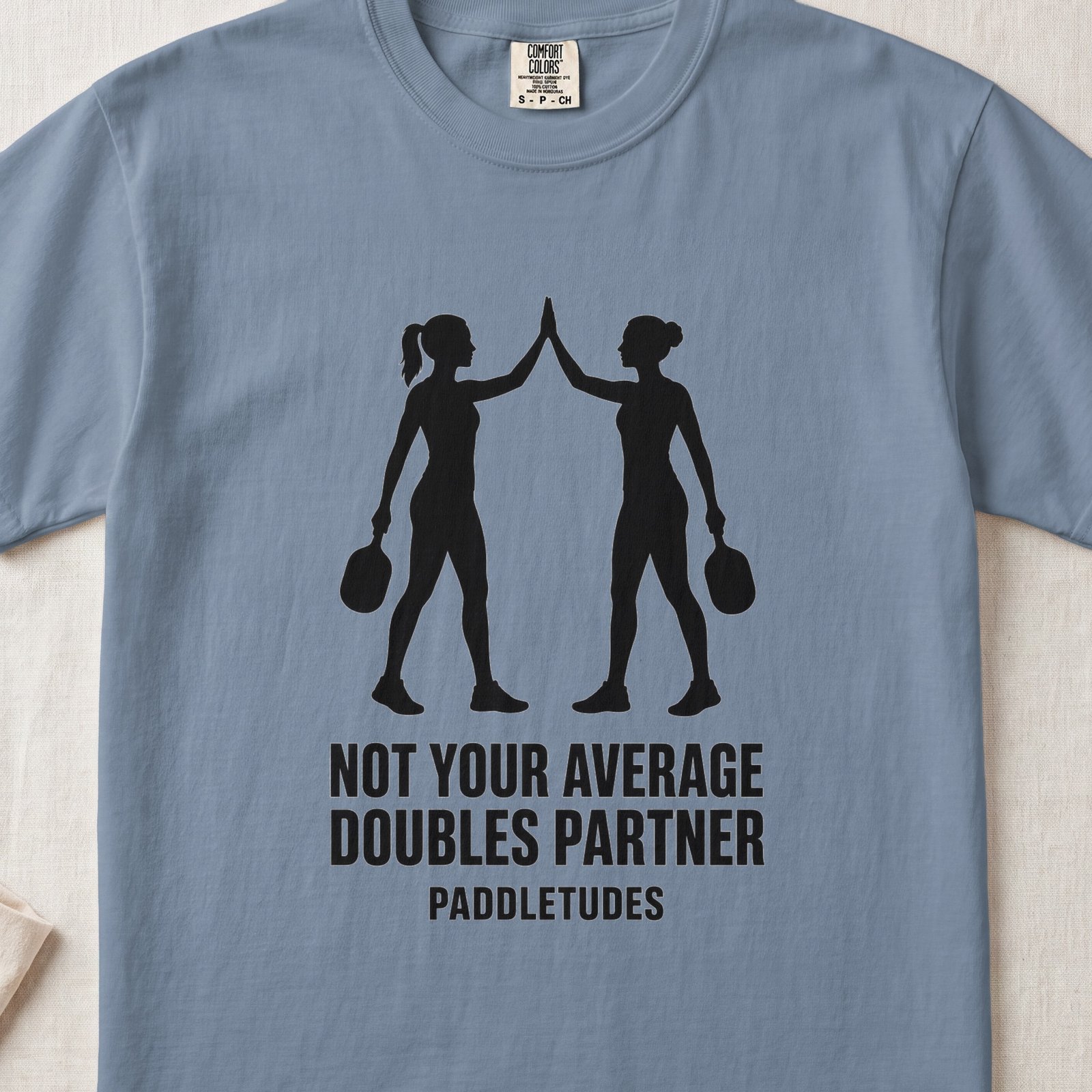
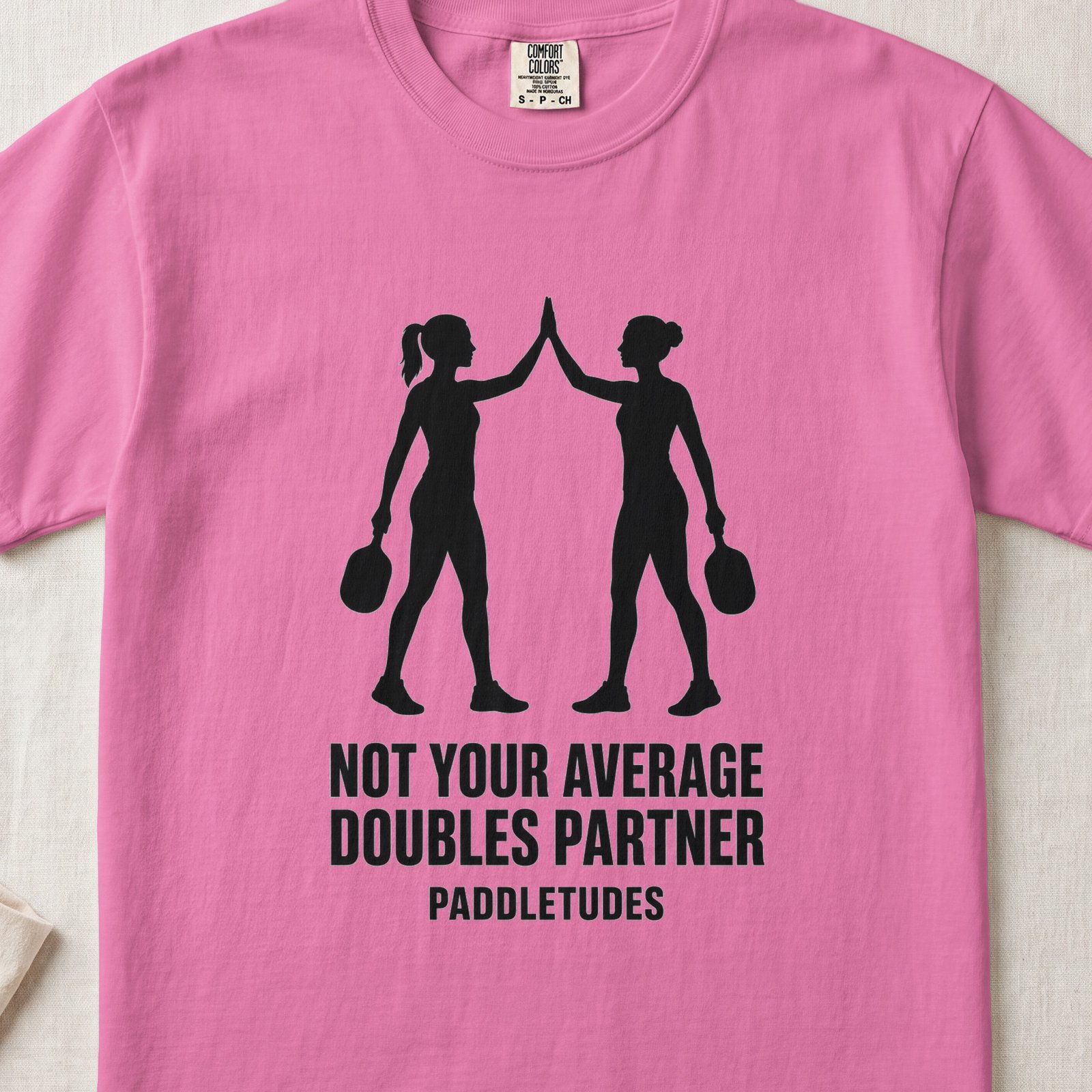
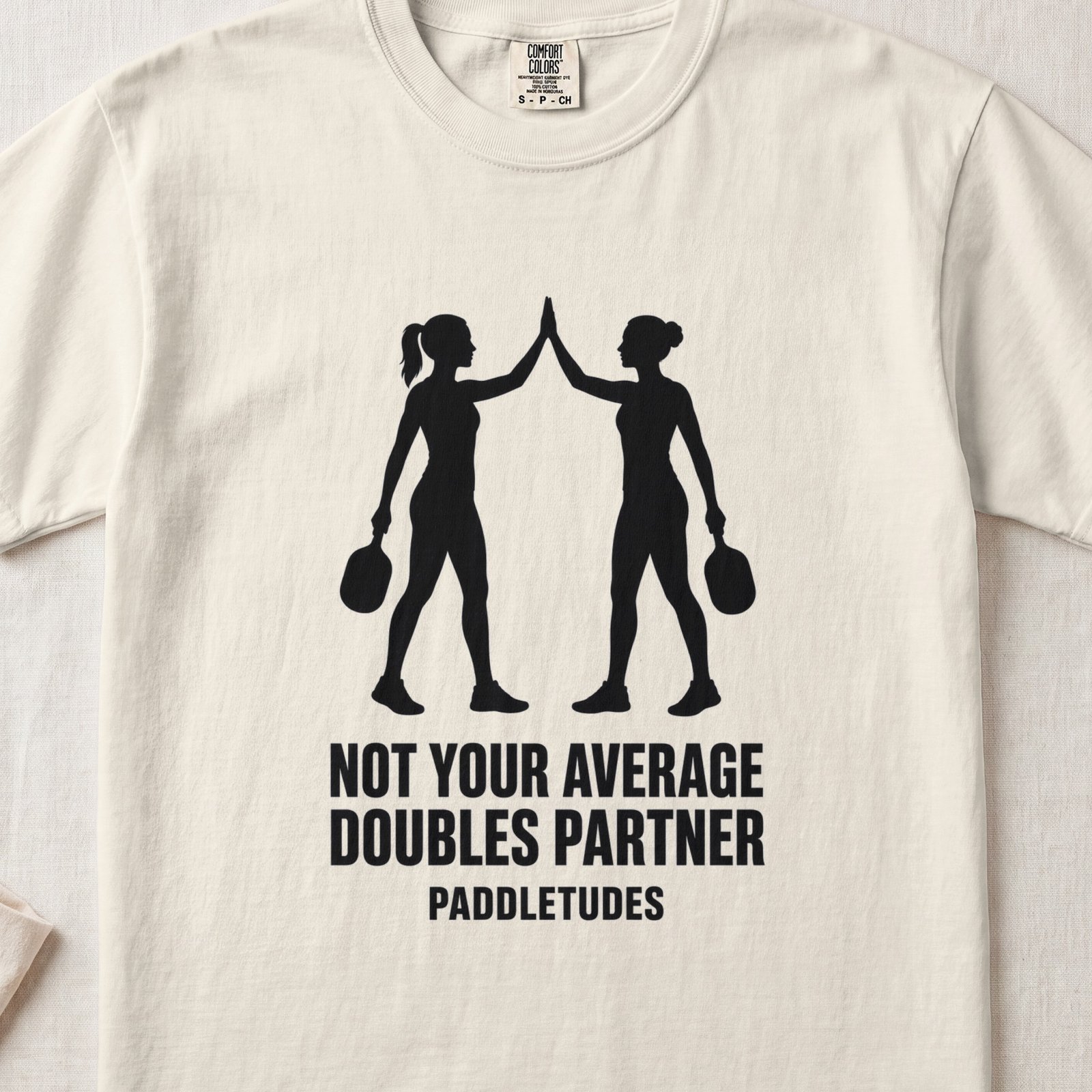
Not Your Average Doubles Partner
$29.99
- Comfort Colors 1717 heavyweight cotton
- Original design · printed to order
- U.S. print partners
Not Your Average Doubles Partner — For the Woman Who Makes Her Partner Play Better
This funny pickleball shirt is for the doubles partner everyone wants on their side of the court. She covers the middle, reads the play two shots ahead, and makes the person next to her look like they jumped a full DUPR level overnight.
Every rec league and every open play session has one. The woman who walks onto the court and immediately changes the energy. She’s not loud about it. She doesn’t need to announce herself. But the moment the first rally starts, her partner relaxes because they already know — the middle is covered, the poach is coming, and the other team is about to have a very long morning. Not Your Average Doubles Partner isn’t a compliment you give yourself. It’s what your partner says about you when you’re not listening. It’s the text in the group chat after Tuesday morning open play: I need her on my side next week.
The design captures that confidence without saying too much. Bold text. Clean layout. The kind of shirt you throw on over your court shoes before the warmup, and the kind people remember after the session. It works at your local courts, at weekend tournaments, and at the post-game coffee run where everyone’s still talking about that last rally. This is a shirt for the player who builds chemistry with every partner she draws, not just the one she drills with on Thursdays.
Women’s pickleball has grown faster than any other segment of the sport. The USA Pickleball Association reports women now make up nearly half of all registered players, and the fastest-growing age brackets are women between 35 and 55. That growth isn’t happening because someone’s husband dragged them to the court. It’s happening because the game rewards exactly the kind of player this shirt describes — someone with court sense, soft hands, a good read on angles, and the patience to build a point instead of trying to end it on the third shot. The doubles game in particular rewards communication, positioning, and trust over raw power. That’s not a consolation prize. That’s the actual skill gap. And the woman who figures it out first is the one everyone wants as their partner.
If you’ve ever been the person who gets picked first in open play rotation — or if you know someone who is — this shirt doesn’t need an explanation. It just fits. And if you’re shopping for a gift for the player in your life who keeps getting invited to every tournament, every mixer, every league night, this is the gift that says you’ve been paying attention. It works for her birthday, for the holidays, or for the random Tuesday when you just want to tell her she makes the game better. Pair it with Pretty Good For A Girl for the teammate who showed up quiet and left the court owning it, or grab the Ponytail And A Paddle for the friend who shows up looking like she’s ready for a photoshoot and then runs the court for 90 minutes straight.
What Is the Best Strategy for Winning Doubles in Pickleball
The best doubles strategy in pickleball is controlling the kitchen line while communicating constantly with your partner. The team that gets to the non-volley zone first and stays there wins more often than the team hitting harder from the baseline. Everything else — stacking, poaching, speed-ups — builds on that foundation.
At the recreational level, most doubles points end on unforced errors. Somebody hits it into the net, sails one long, or stands in no man’s land and takes a ball off the thigh. The easiest strategic improvement isn’t learning a new shot. It’s getting to the kitchen line after the return of serve and not leaving until the point is over. Your partner should be doing the same thing. If both of you are at the line and your opponents aren’t, you’ve already won the geometry of the point.
As the level goes up, the strategy gets more specific. Stacking — where both partners line up on the same side before the serve to keep forehands in the middle — becomes a real weapon. Speed-ups and counter-attacks off the dink rally add a layer of unpredictability. And communication shifts from “mine” and “yours” to a full system: who takes the middle, when to switch, when to poach, and when to let a ball go. The best doubles teams at the PPA Tour level don’t just play together. They think together. That’s the gap that separates a good recreational team from a competitive one.
How Do You Communicate With Your Partner in Pickleball Doubles
Effective communication in pickleball doubles means short, specific calls made before and during the point — not long conversations between rallies. The best partners develop a shorthand that covers who takes the middle ball, when to switch sides, and when a ball is going out. One word is better than a sentence.
The basics start before the serve. If you’re stacking, say so. If you want the middle, call it. During the rally, “mine,” “yours,” “switch,” and “out” cover about 90% of what needs to be said. The rest is body language and positioning — a partner who shifts left is telling you to cover right without saying a word. Problems happen when both players stay quiet and assume the other one has it. That middle ball that lands untouched between two confused players is the most preventable mistake in doubles, and it happens because nobody spoke up.
The harder communication skill is feedback after a point without making it feel like coaching. Good partners celebrate together and let mistakes go. Great partners ask “what did you see?” instead of “why did you do that?” The woman who earns the Not Your Average Doubles Partner label usually isn’t the one with the flashiest shots. She’s the one whose partner feels like they can’t lose — because the communication, the trust, and the energy are already there before the score matters.
Printed on a Comfort Colors 1717 garment-dyed heavyweight tee with water-based DTG ink — sizing and care details here.
-
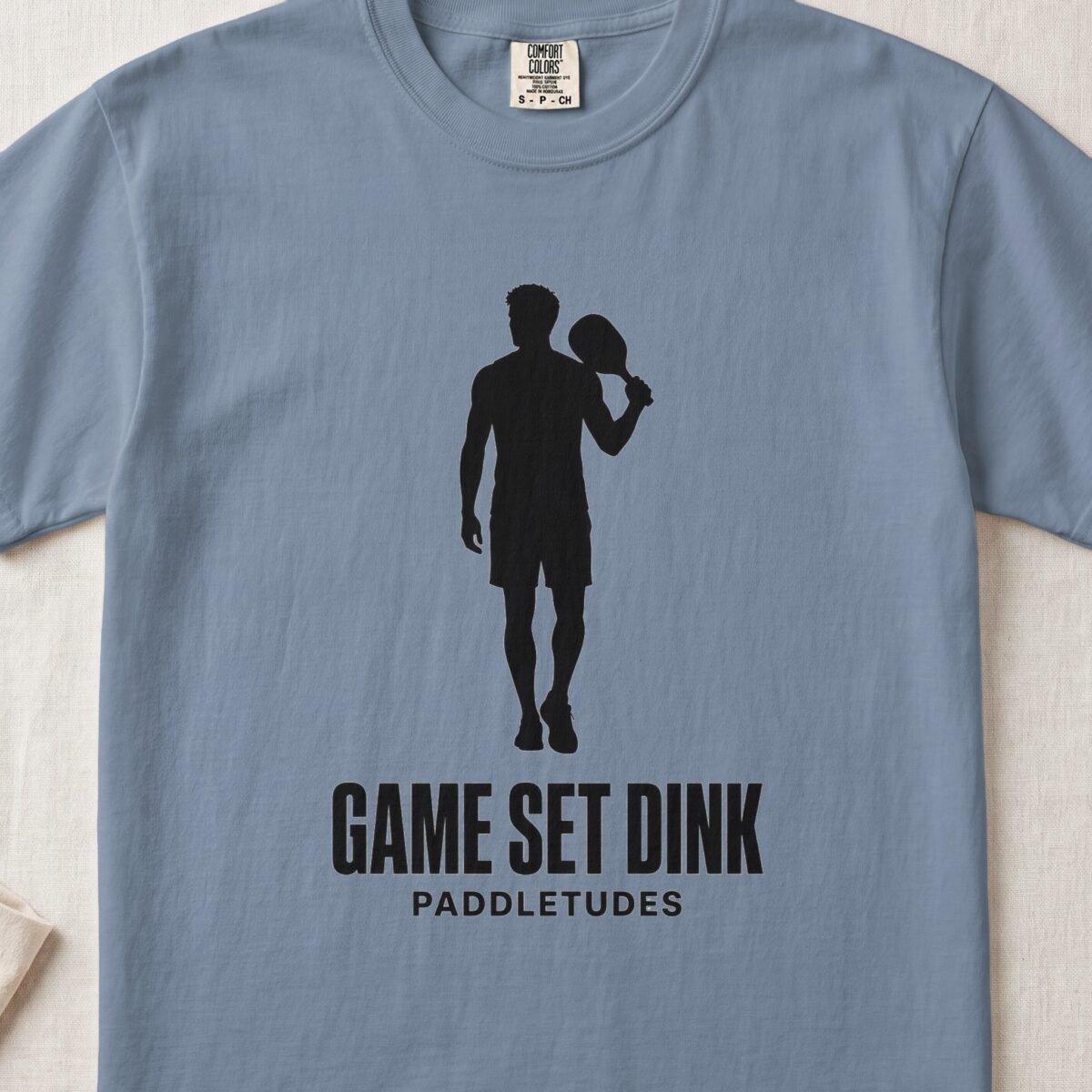
Game Set Dink
$29.99 Select options This product has multiple variants. The options may be chosen on the product page -
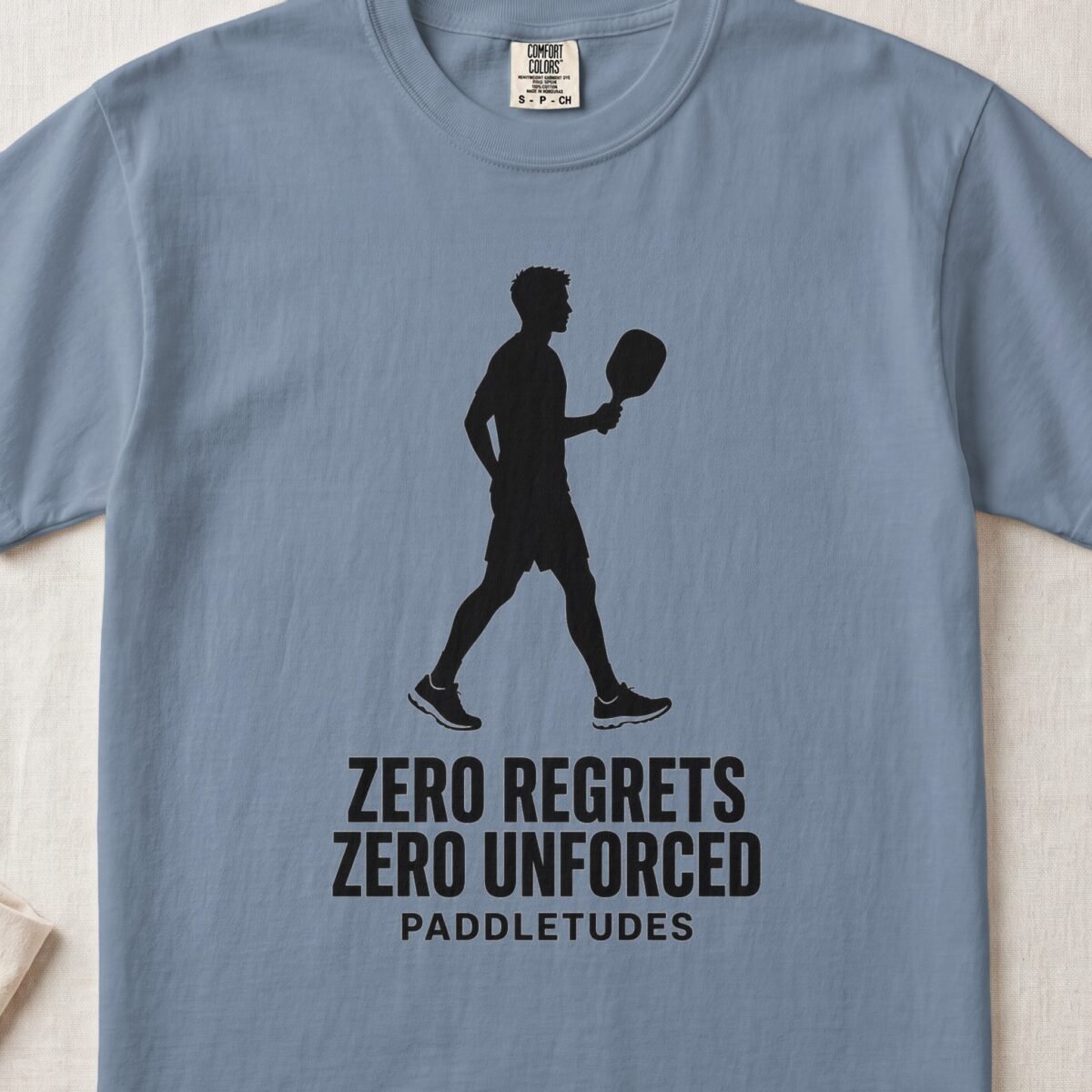
Zero Regrets Zero Unforced
$29.99 Select options This product has multiple variants. The options may be chosen on the product page -
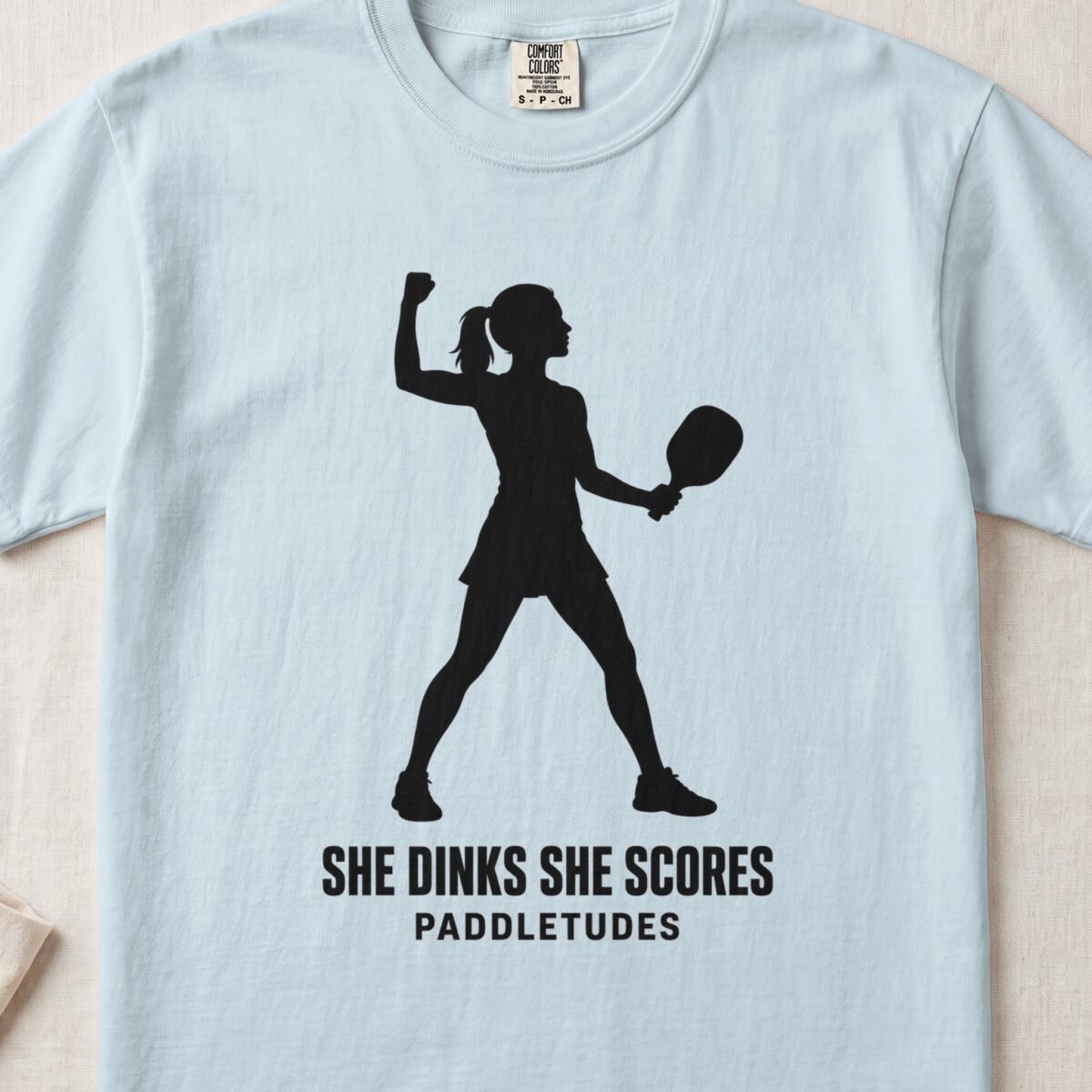
She Dinks She Scores
$29.99 Select options This product has multiple variants. The options may be chosen on the product page