Animals Comfort Colors 1717
Havanese Happy
$39.99
- Comfort Colors 1717 heavyweight cotton
- Original design · printed to order
- U.S. print partners
Maximum Enthusiasm Pressed Against You — Havanese T Shirt
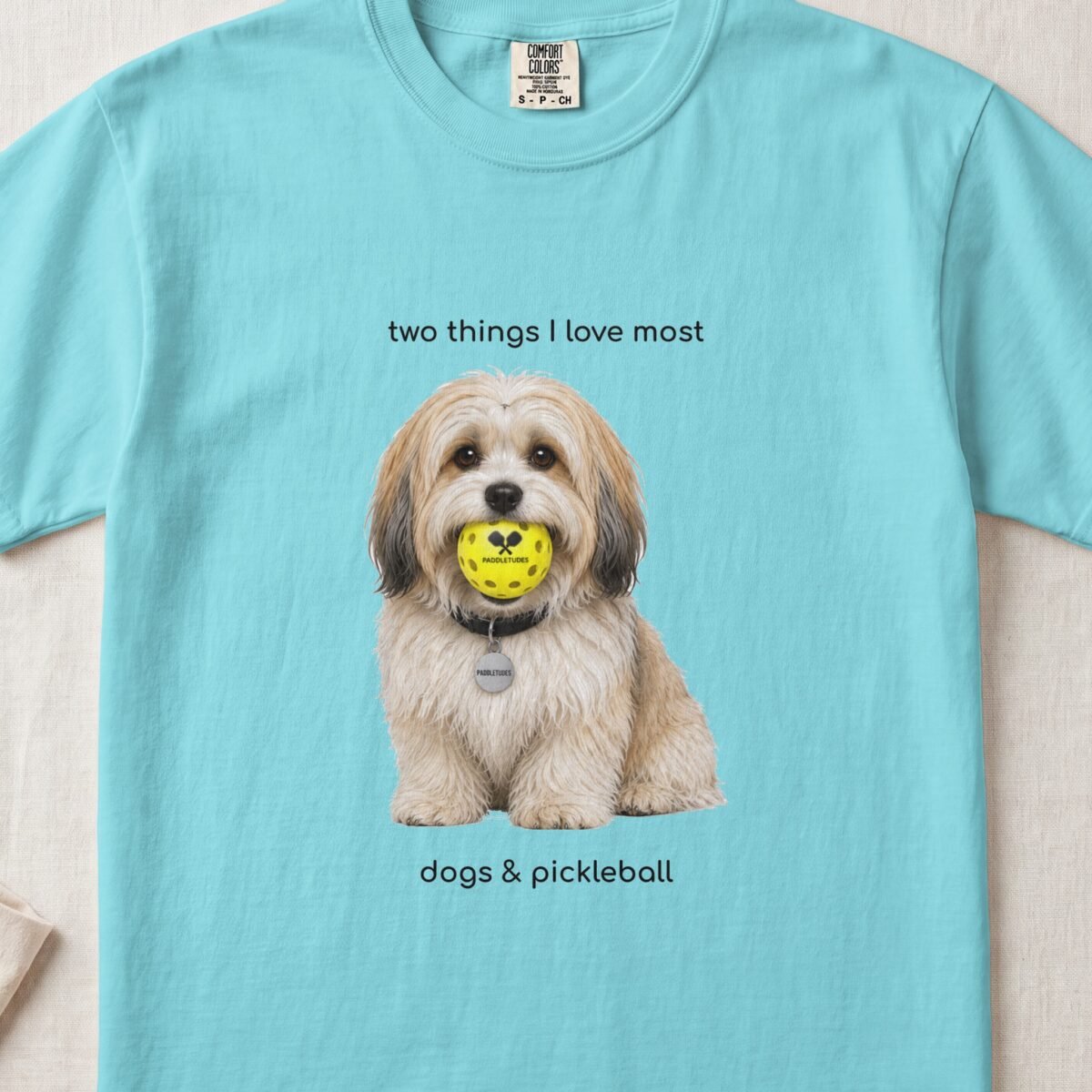
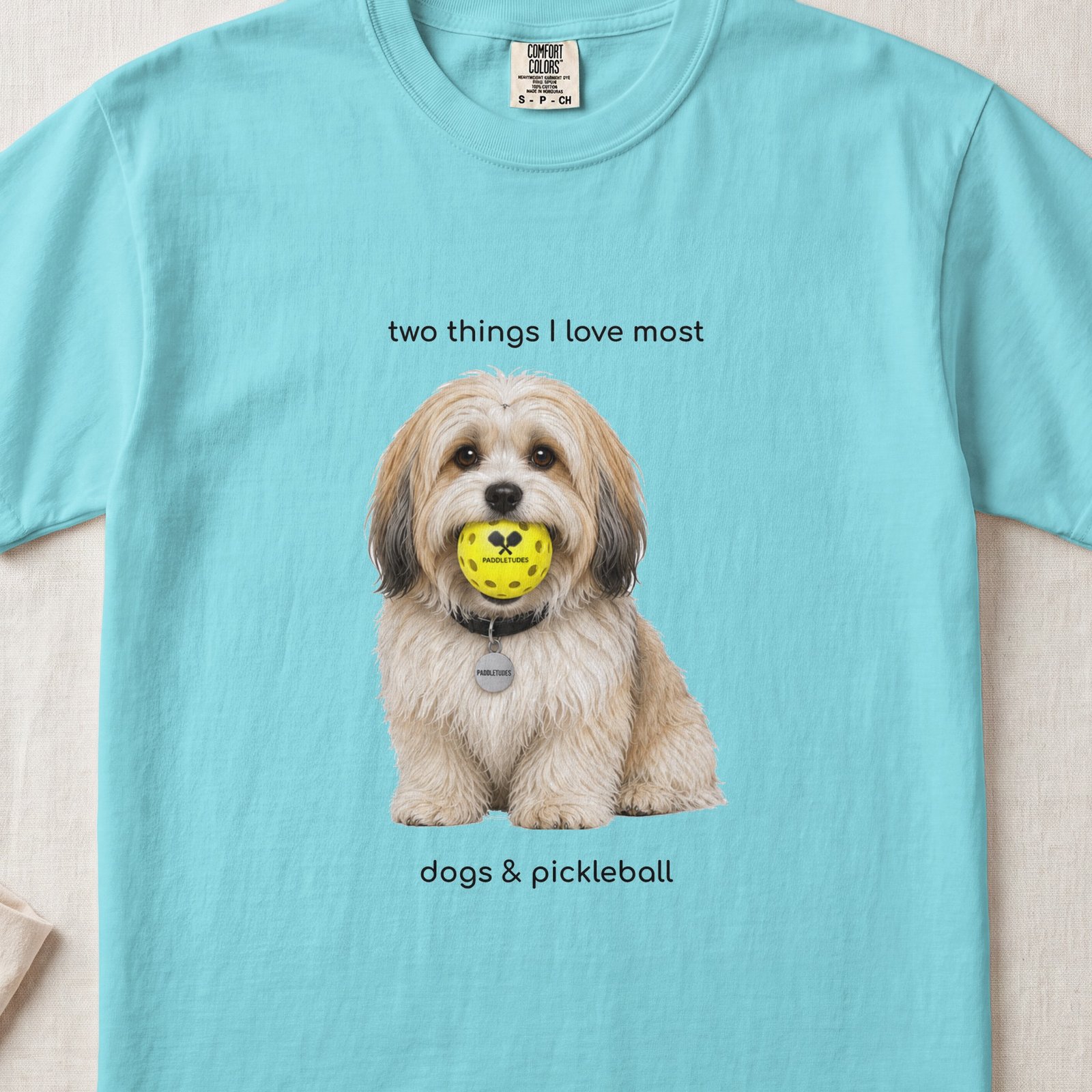
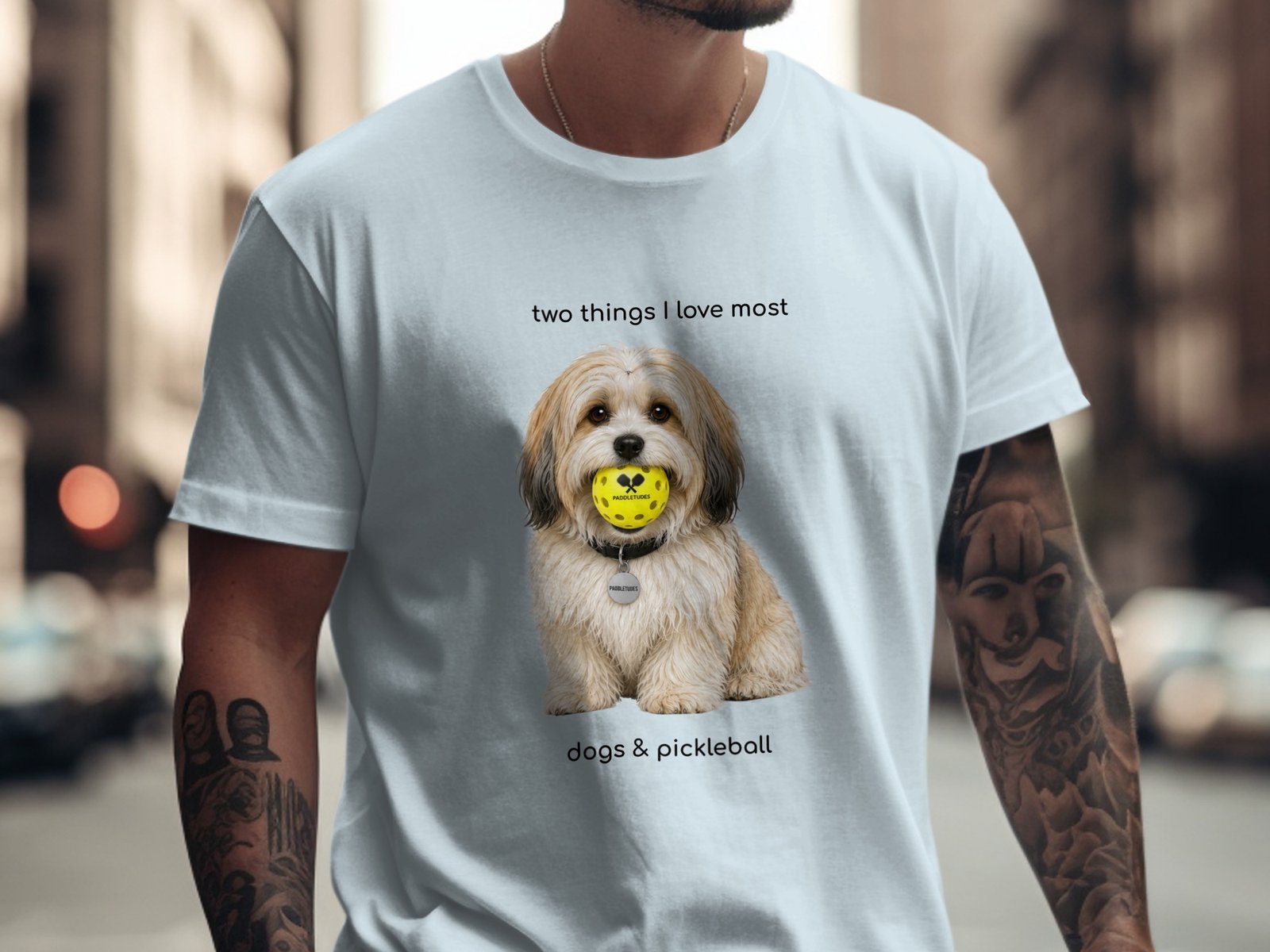
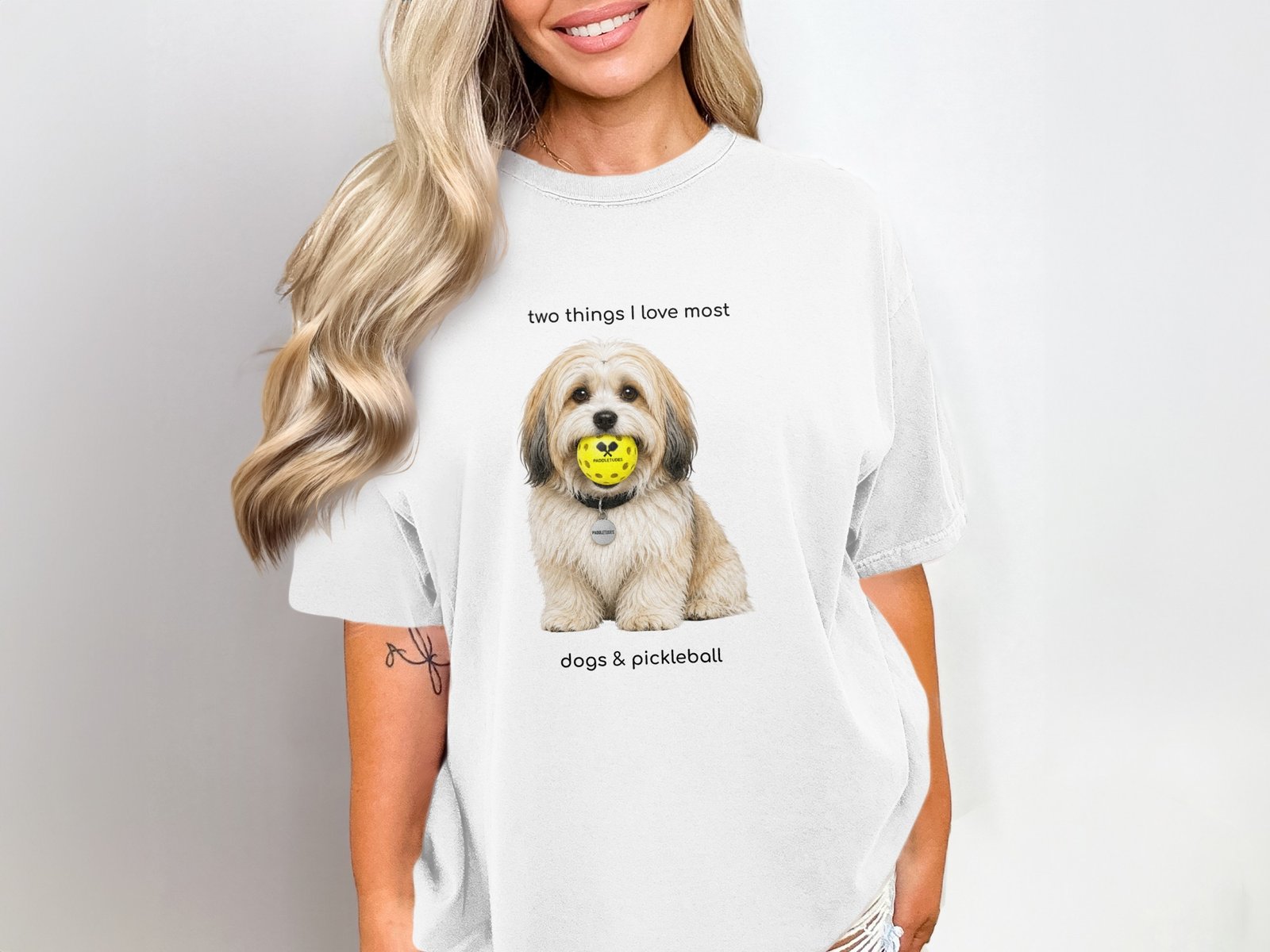
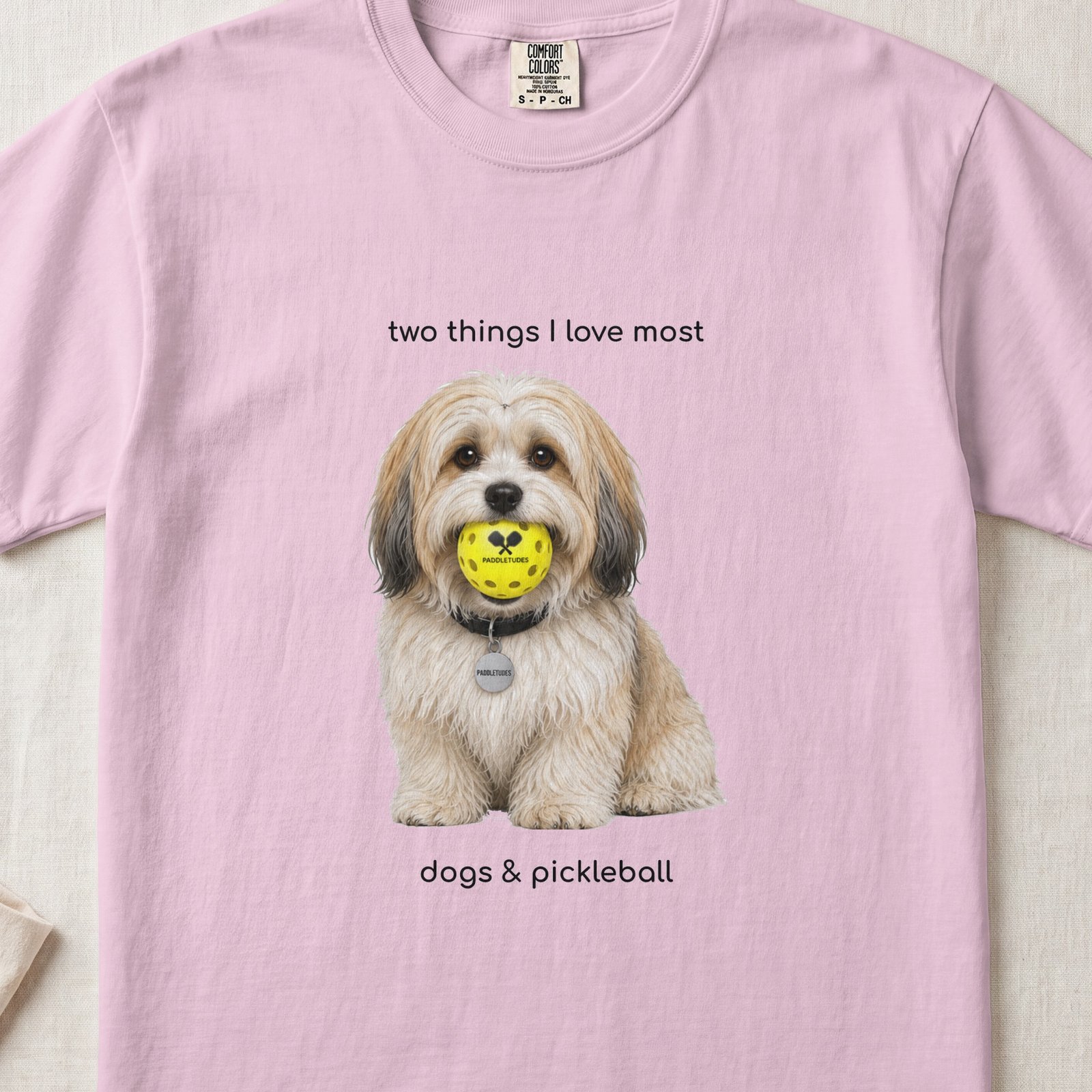
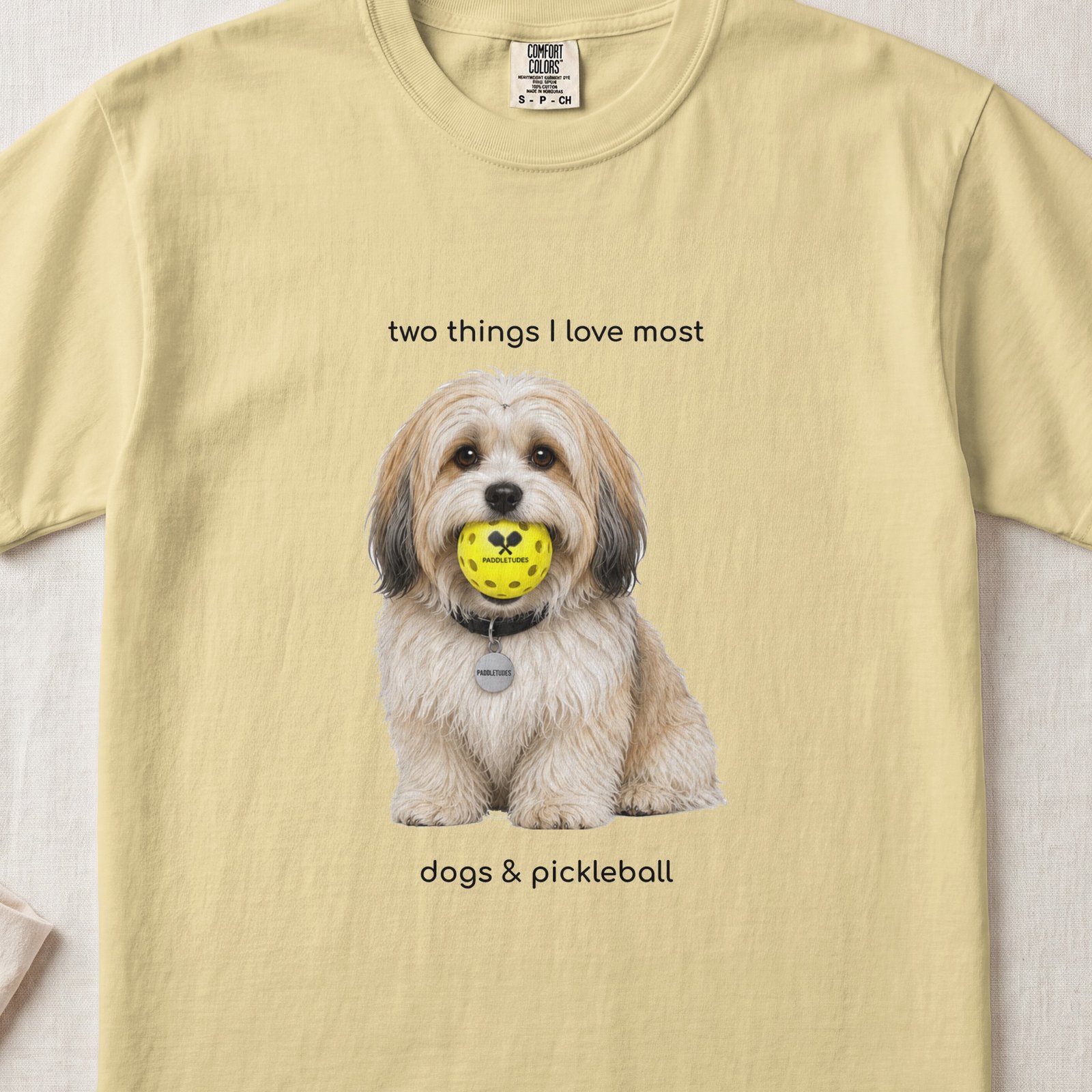
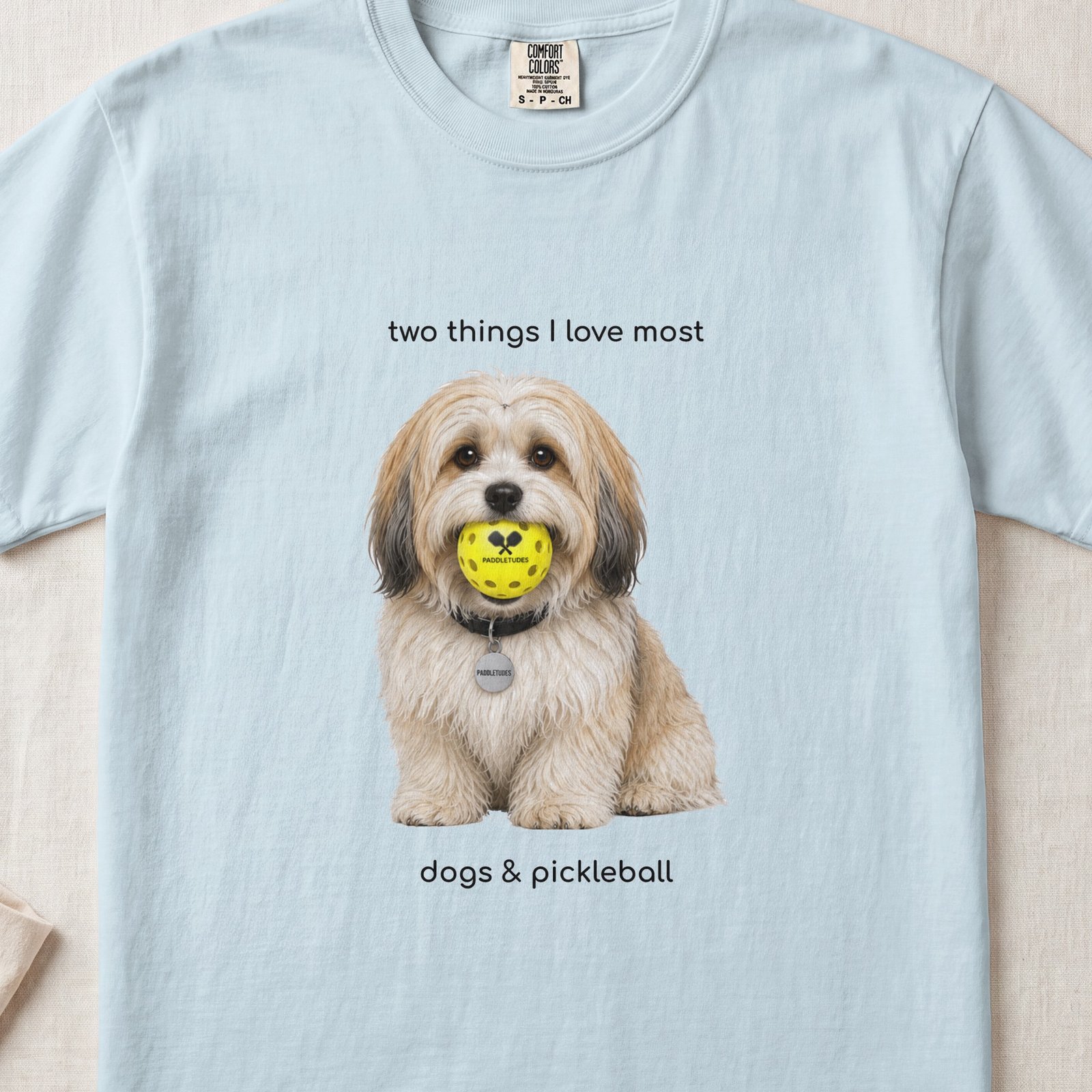
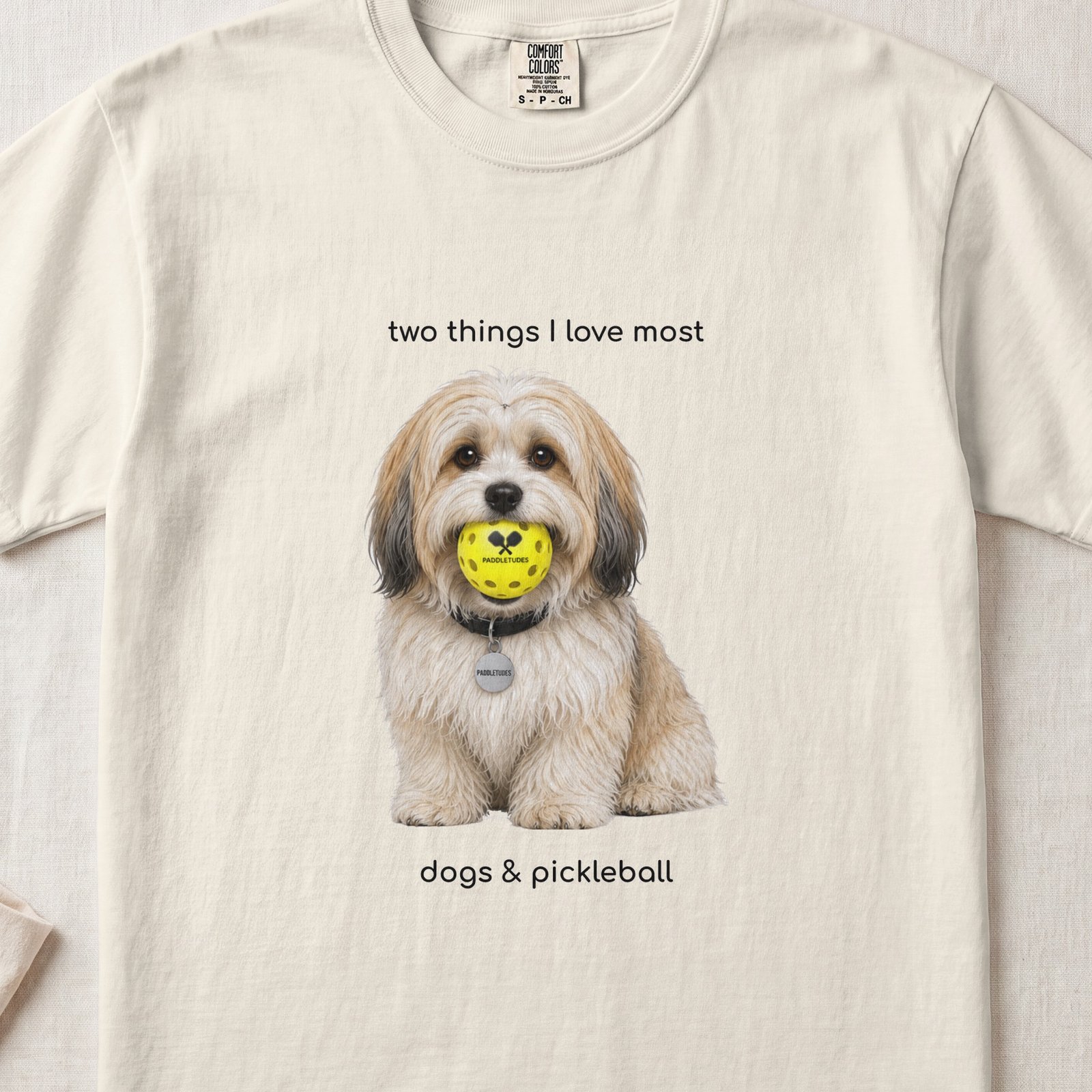
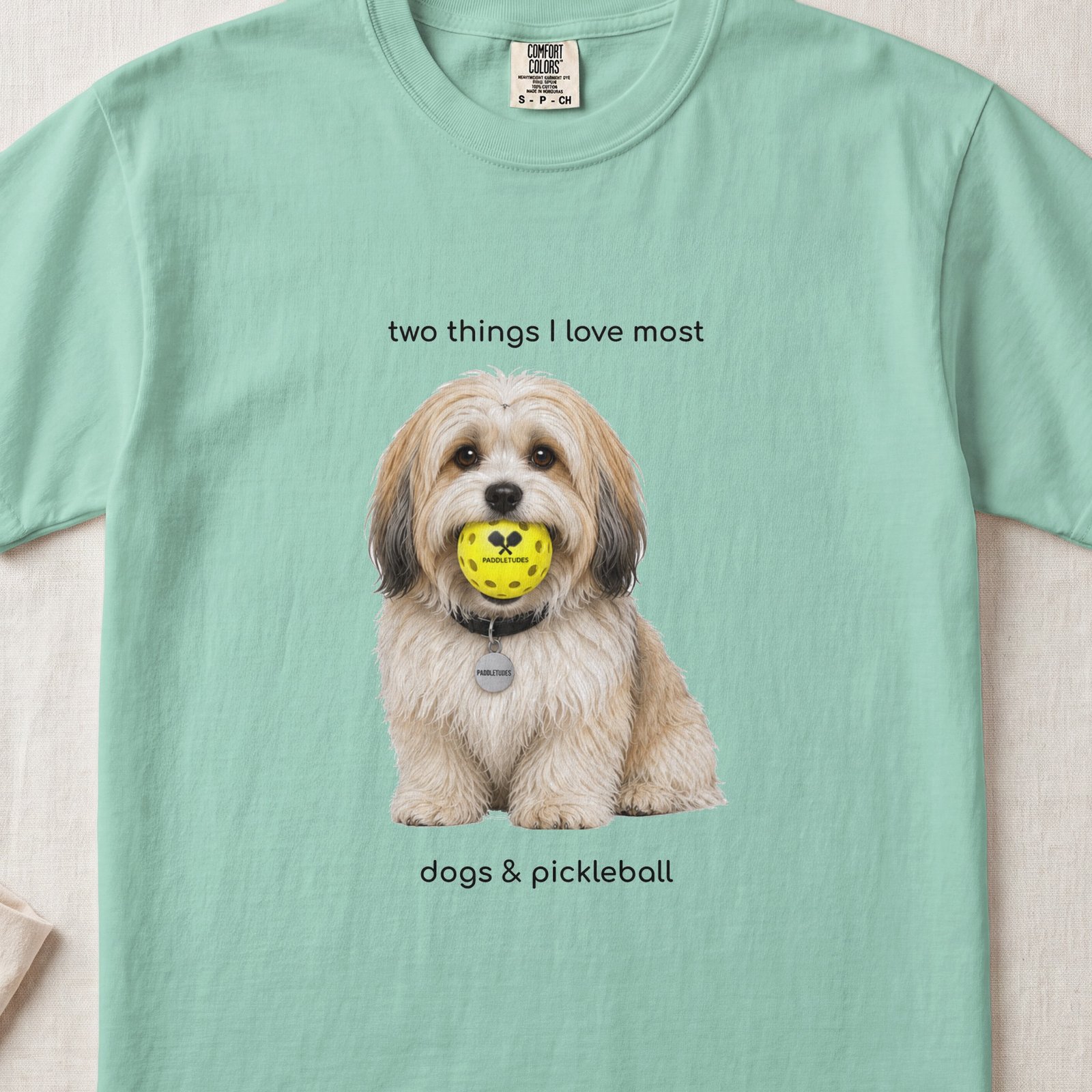
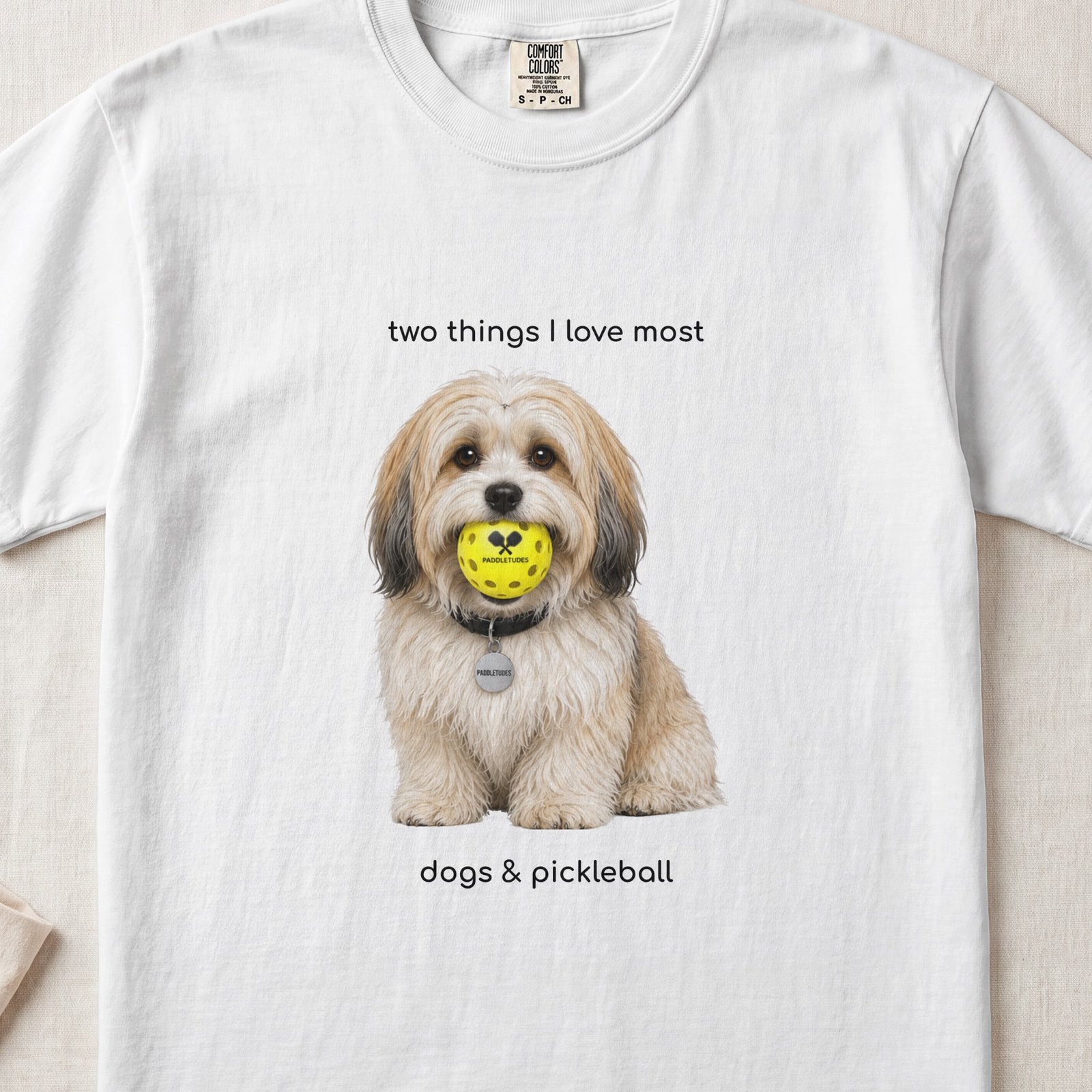
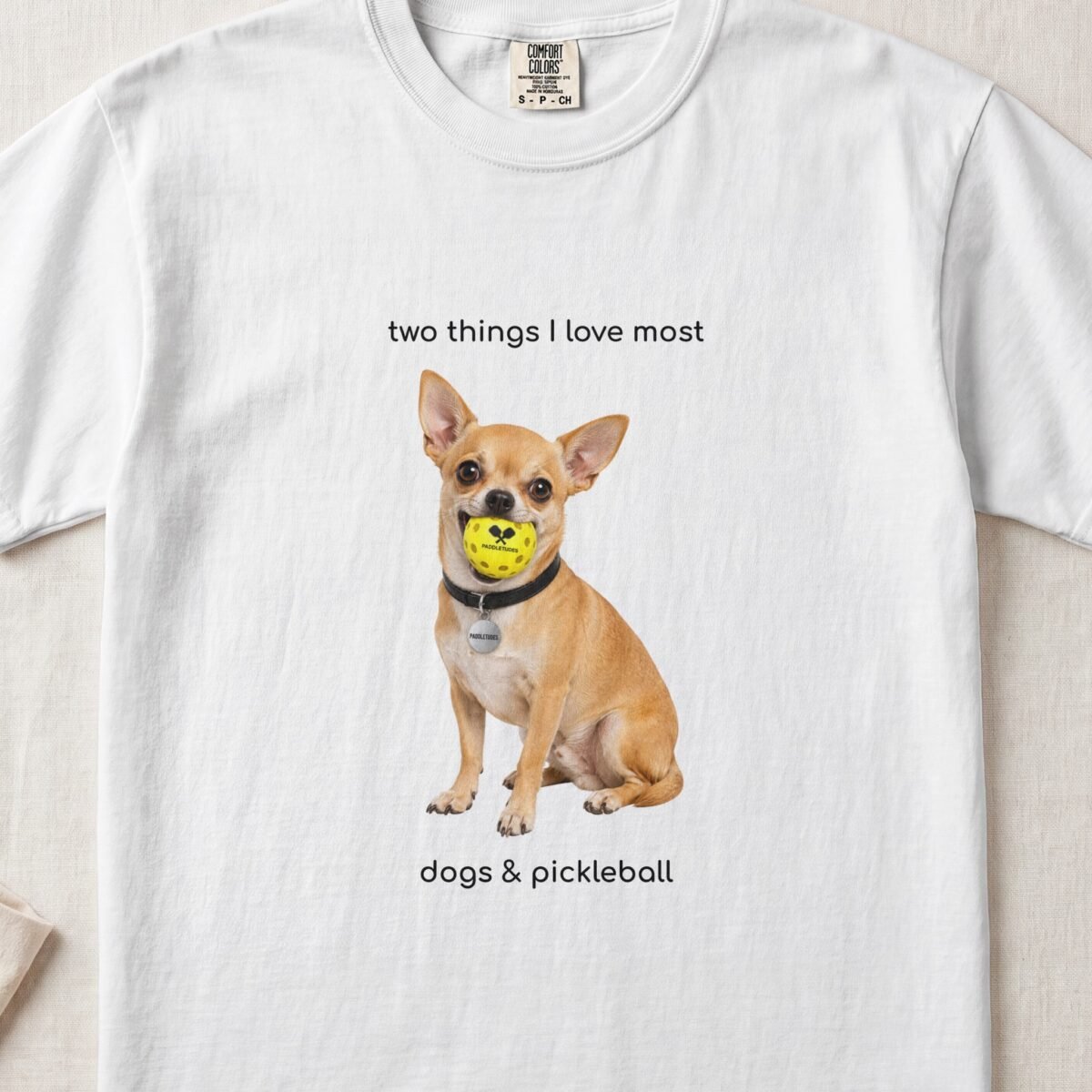
If a Havanese could play pickleball, it would play pickleball the way it does everything else — pressed against your side, at maximum enthusiasm, with a springy gait that looks like the court has trampolines built into it. The Havanese doesn’t walk. It bounces. The breed standard actually describes the gait as lively and springy, which is the AKC’s polite way of saying this dog moves through the world like it’s perpetually arriving at a party. This design catches that energy — the Havanese at full cheer, pickleball locked in, the kind of dog who would chase a wiffle ball across a court and bring it back to you with a look that says it has never been happier in its entire seven-to-fourteen-pound life.
This havanese shirt is for the person who carries their Havanese everywhere and doesn’t see the problem with that. The restaurant patio. The outdoor farmers market. The drive-through line at the coffee shop where the barista knows the dog’s name before they know yours. The Havanese was bred to be portable — light enough to hold with one arm, calm enough to sit in a lap during a three-hour dinner, and sociable enough to charm every stranger who leans down and says “oh my god, what kind of dog is that?” The answer is always the same, delivered with the quiet pride of someone who found the perfect breed and knows it: it’s a Havanese. And then the conversation starts, because Havanese owners love talking about their Havanese the way new parents love talking about their baby, except the baby weighs ten pounds and will still be this cute in twelve years.
The breed’s personality is the direct result of four centuries of being bred for exactly one job: making humans happy. The Havanese descended from Bichon-type dogs brought to Cuba by Spanish settlers in the 1600s, where they became the favored companions of Havana’s aristocratic families. They weren’t working dogs. They weren’t guard dogs. They were presence dogs — their purpose was to be near their person, to be warm and engaging and endlessly cheerful, and to turn a quiet room into a warmer one simply by being in it. That heritage shows up in every modern Havanese who follows their owner from the kitchen to the bathroom to the couch and back to the kitchen without once considering that any of those trips were optional. The AKC breed standard describes the Havanese temperament as “playful and alert, never quarrelsome.” It’s a dog whose default setting is joy and whose reaction to a bad day is to sit on your lap until the day improves.
At the pickleball court, at the dog park, at the veterinary waiting room — another Havanese owner spots this shirt and the recognition is instant. It’s not just “nice shirt.” It’s “you understand.” The Havanese community is smaller and tighter than the big breed worlds, partly because the breed was nearly extinct within living memory. The Havanese Club of America started with nine members in 1979. Every Havanese in America traces to eleven dogs rescued from Cuban exile families in the 1970s. Owning a Havanese connects you to a breed that survived revolution, exile, and near-extinction to end up bouncing across your living room like nothing ever happened. Wearing this shirt at the court says you know that history and you chose this dog on purpose. The Cavalier King Charles Spaniel shares that same companion-first temperament from an entirely different royal lineage.
If someone in your life brings their Havanese to every outdoor event — in a carrier, in a stroller, on a blanket at the edge of the pickleball court — and the dog has more friends at the park than the owner does, this is the havanese gift that validates the entire lifestyle. It works for the person who just got their first Havanese and is discovering that they’ve adopted a ten-pound Cuban extrovert who has opinions about furniture and strong feelings about being held. It works for the person on their third Havanese who will tell you without hesitation that they will never own another breed. For the moment when the pickleball didn’t happen and the cheerful dog goes quiet, the Havanese Sad Tee tells the other side of the velcro-dog story. Browse the full breed lineup on our dog shirts collection.
Printed on a Comfort Colors 1717 garment-dyed heavyweight tee with water-based DTG ink — sizing and care details here.
Why Are Havanese Called Velcro Dogs
The Havanese is called a velcro dog because the breed physically attaches itself to its owner and follows them from room to room throughout the day, maintaining constant proximity the way velcro sticks to fabric. This isn’t a quirk or a training gap — it’s the breed’s defining behavioral trait, built into four centuries of selective breeding for close human companionship.
The behavior traces directly to the breed’s purpose. Unlike herding breeds that were bred to work independently at a distance or guard dogs that were bred to patrol a perimeter, the Havanese was bred to be a companion — specifically, a companion for Cuban aristocratic families who wanted a small, cheerful dog that stayed close, sat in laps, and provided constant warmth and engagement. The dogs that were most attentive, most affectionate, and most reluctant to leave their owner’s side were the ones who were bred. Over hundreds of years, that selection pressure produced a breed whose default state is physical contact with a human.
For most Havanese owners, the velcro behavior is the reason they chose the breed. The dog who follows you to the kitchen, watches you cook, follows you back to the couch, and sleeps pressed against your side isn’t being clingy — it’s fulfilling the purpose it was designed for. The flip side is that this same attachment can become separation anxiety when the owner leaves, which is why gradual independence training matters more in this breed than in most. A Havanese who has learned that short absences are normal and always end with a reunion handles the owner’s pickleball schedule without distress. A Havanese who was never taught that lesson interprets every departure as a crisis. The bond is the breed’s greatest strength and its greatest vulnerability, depending entirely on how the owner manages it.
-
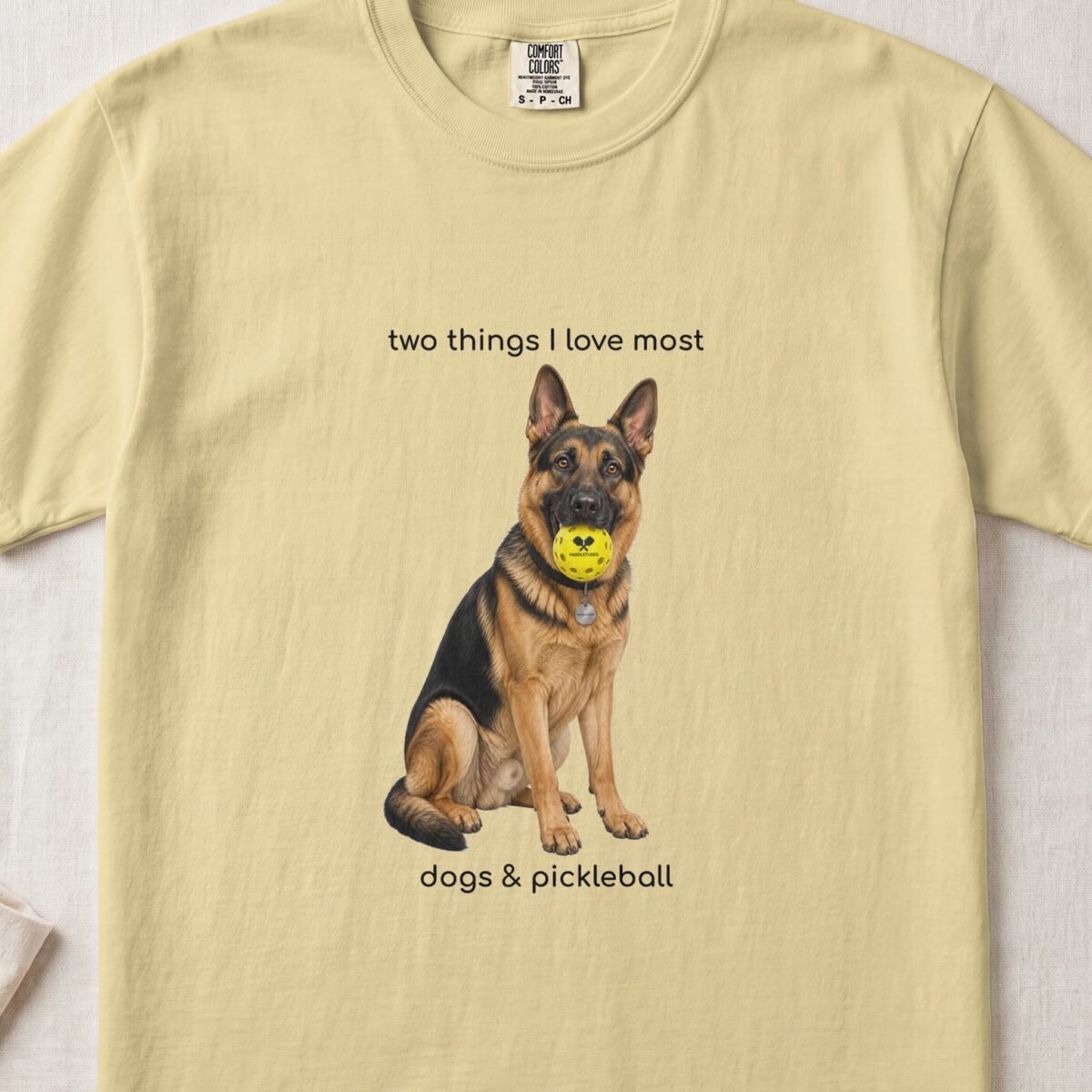
German Shepherd Happy
$39.99 Select options This product has multiple variants. The options may be chosen on the product page -
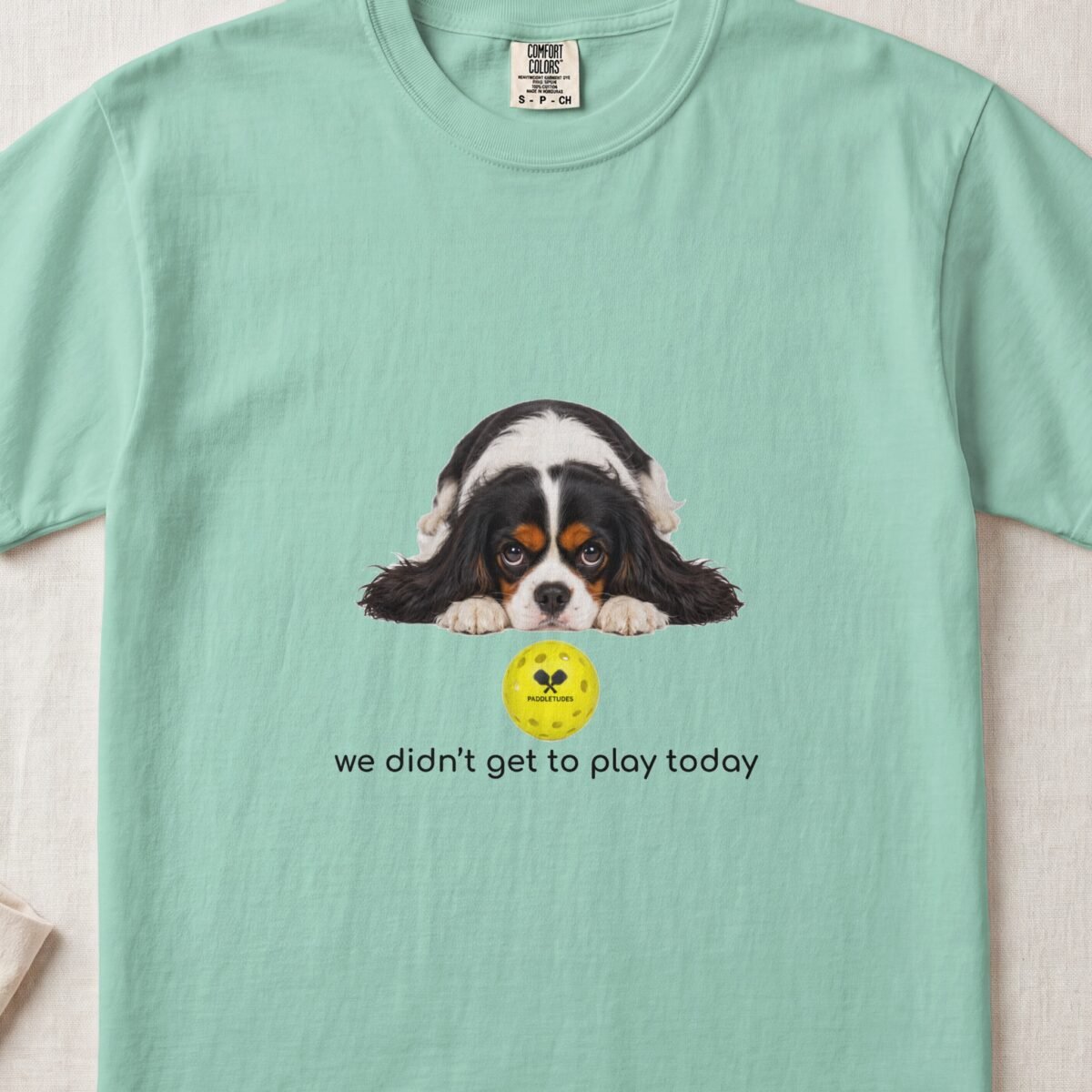
Cavalier King Charles Spaniel Sad
$39.99 Select options This product has multiple variants. The options may be chosen on the product page -
Chihuahua Happy
$39.99 Select options This product has multiple variants. The options may be chosen on the product page