Sports Graphic Tees
Showing 1–16 of 111 resultsSorted by latest
-
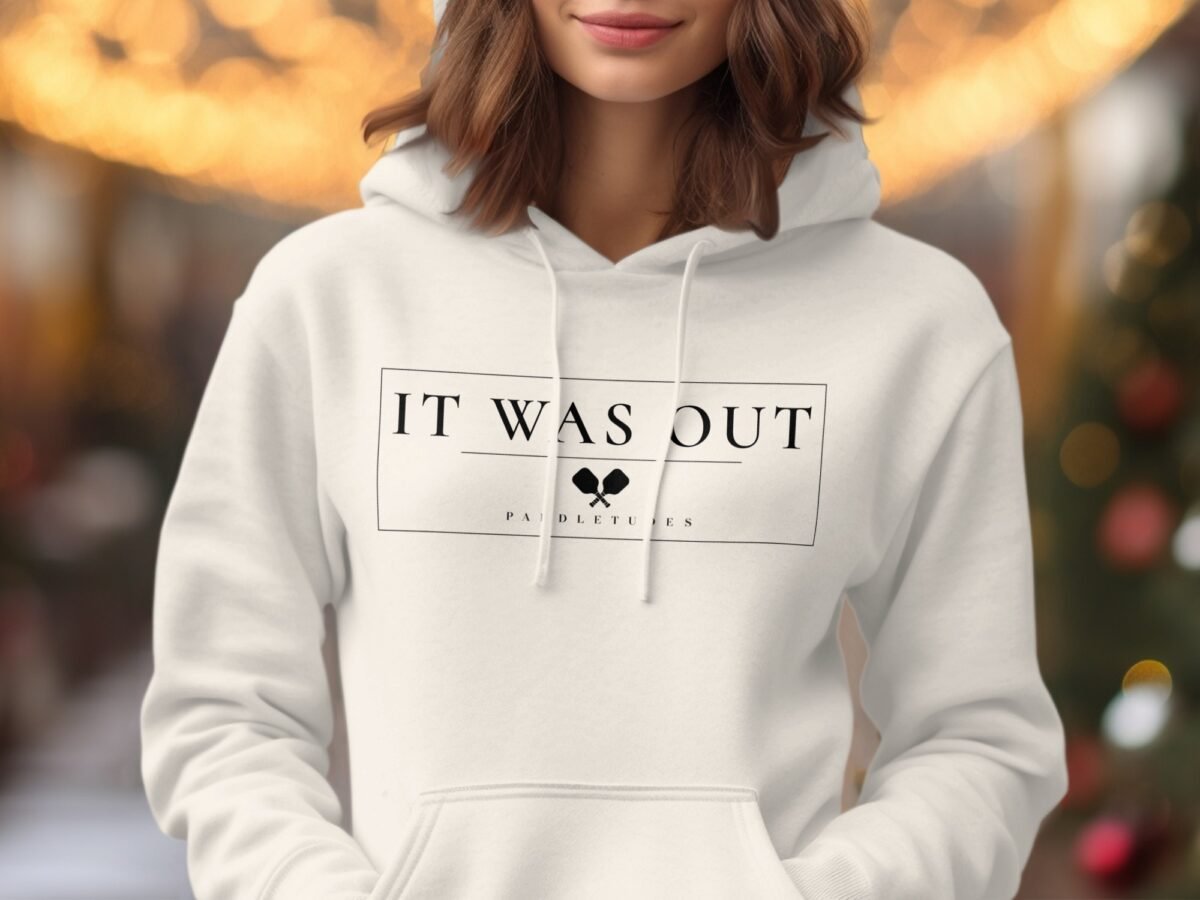
It Was Out Pickleball Hoodie
$65.99 Select options This product has multiple variants. The options may be chosen on the product page -
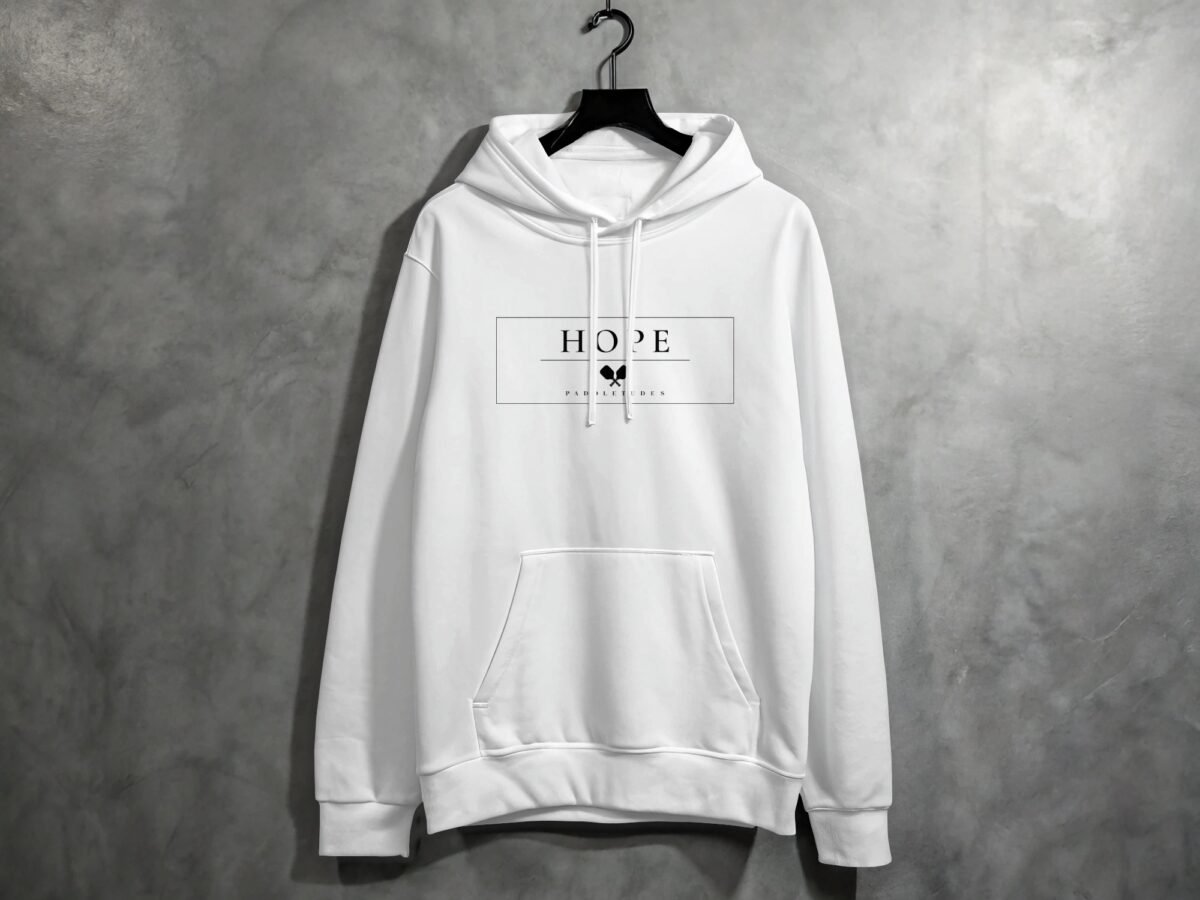
Hope Pickleball Hoodie
$65.99 Select options This product has multiple variants. The options may be chosen on the product page -
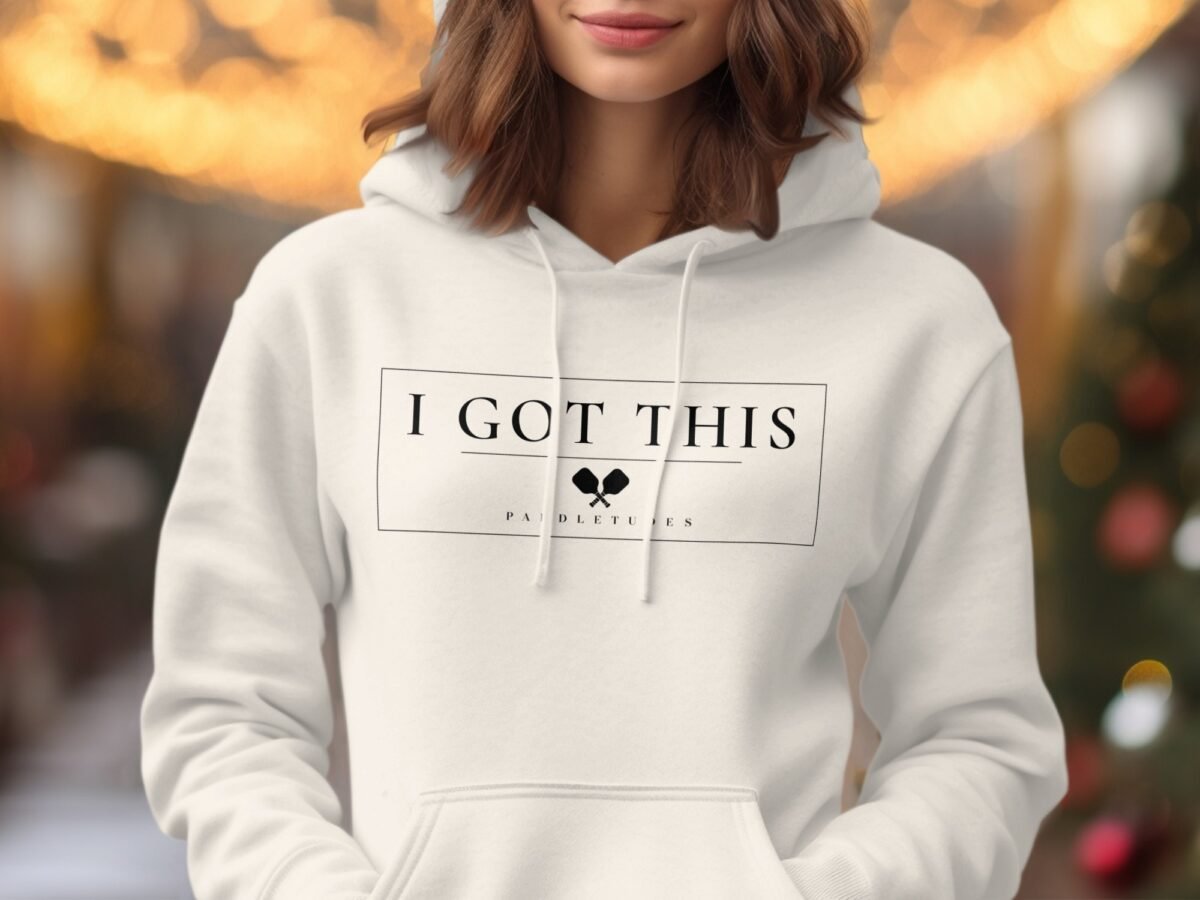
I Got This Pickleball Hoodie
$65.99 Select options This product has multiple variants. The options may be chosen on the product page -
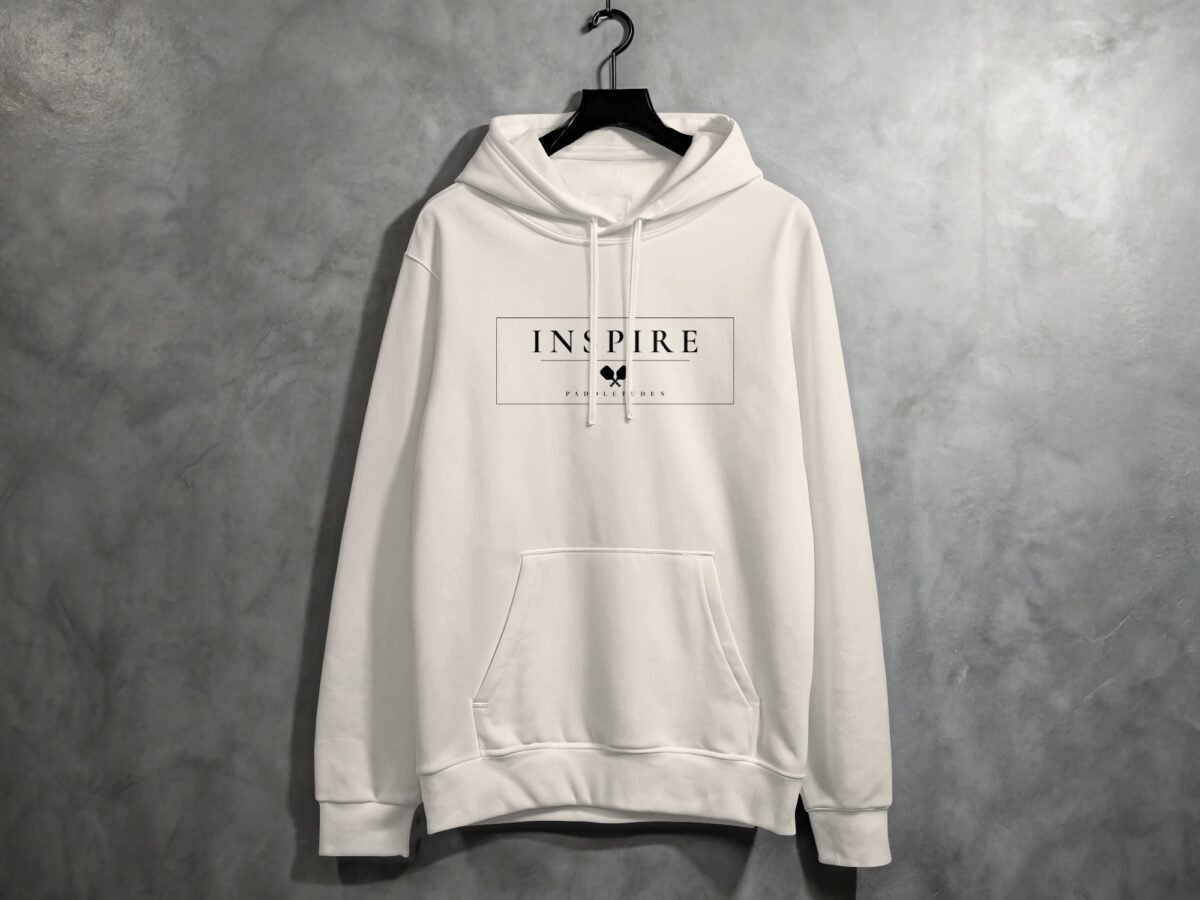
Inspire Pickleball Hoodie
$65.99 Select options This product has multiple variants. The options may be chosen on the product page -
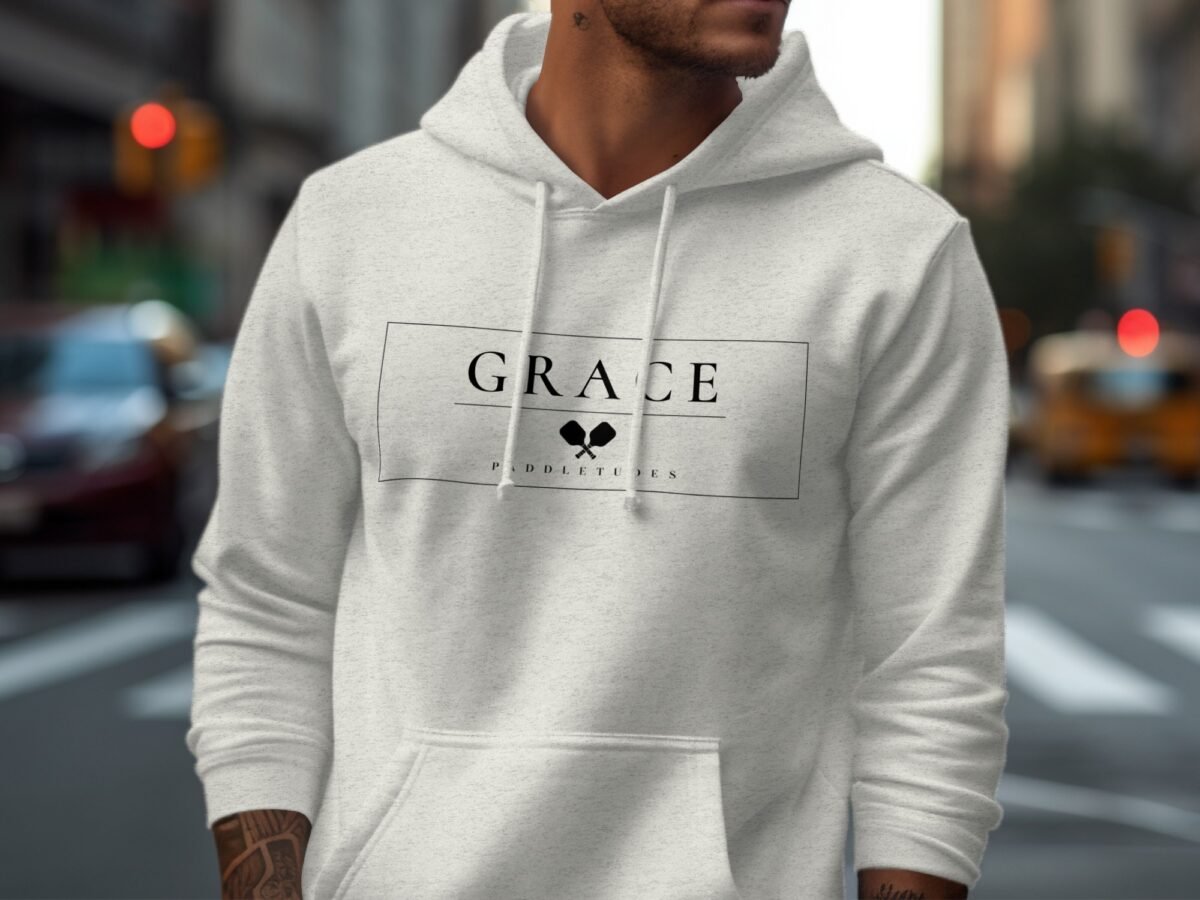
Grace Pickleball Hoodie
$65.99 Select options This product has multiple variants. The options may be chosen on the product page -
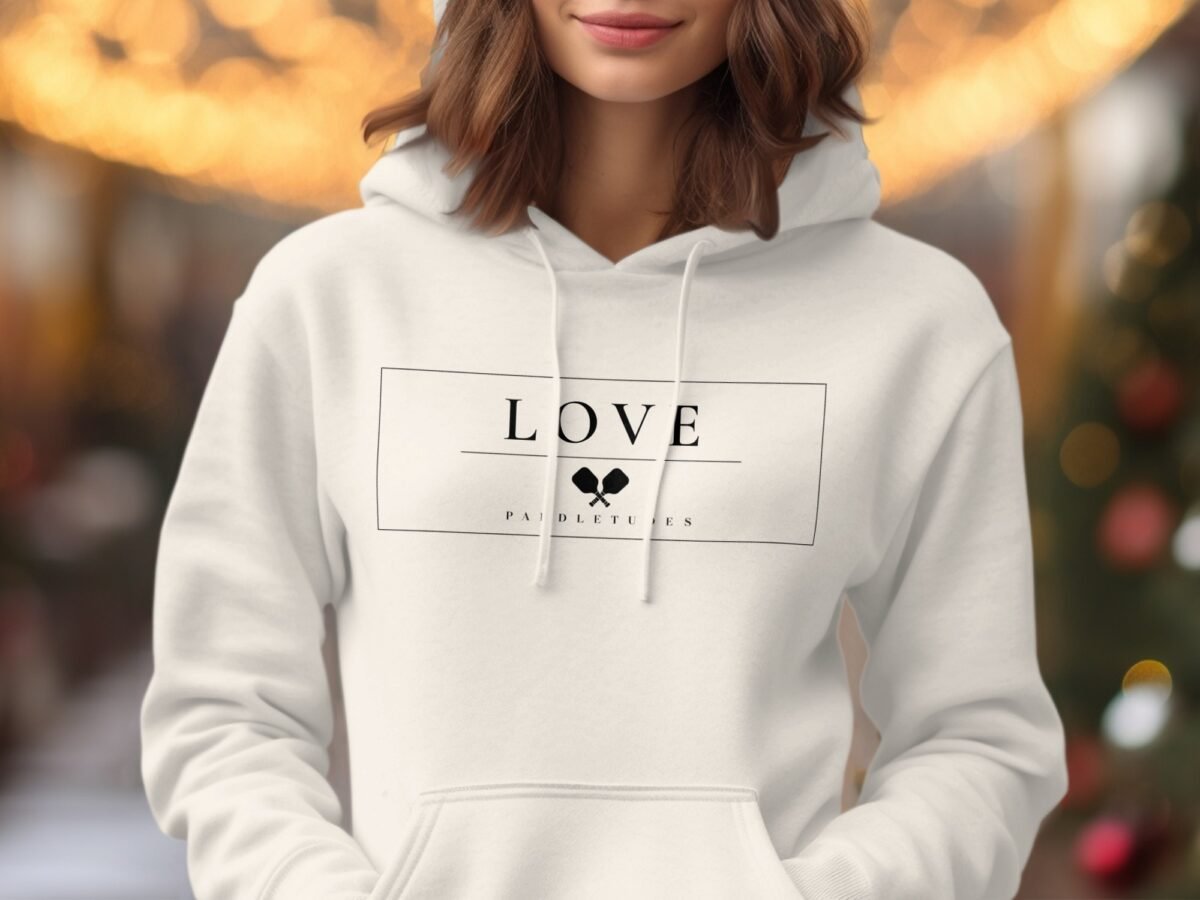
Love Pickleball Hoodie
$65.99 Select options This product has multiple variants. The options may be chosen on the product page -
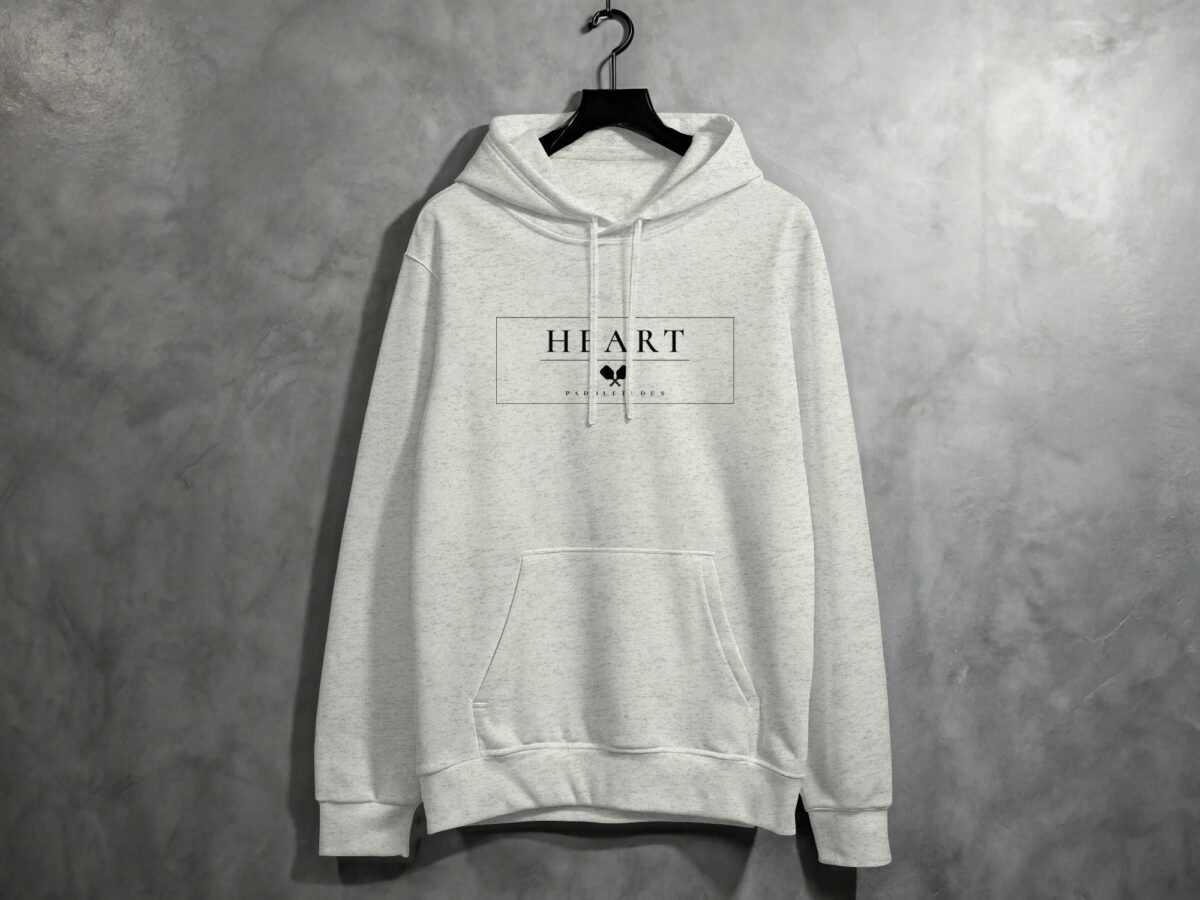
Heart Pickleball Hoodie
$65.99 Select options This product has multiple variants. The options may be chosen on the product page -
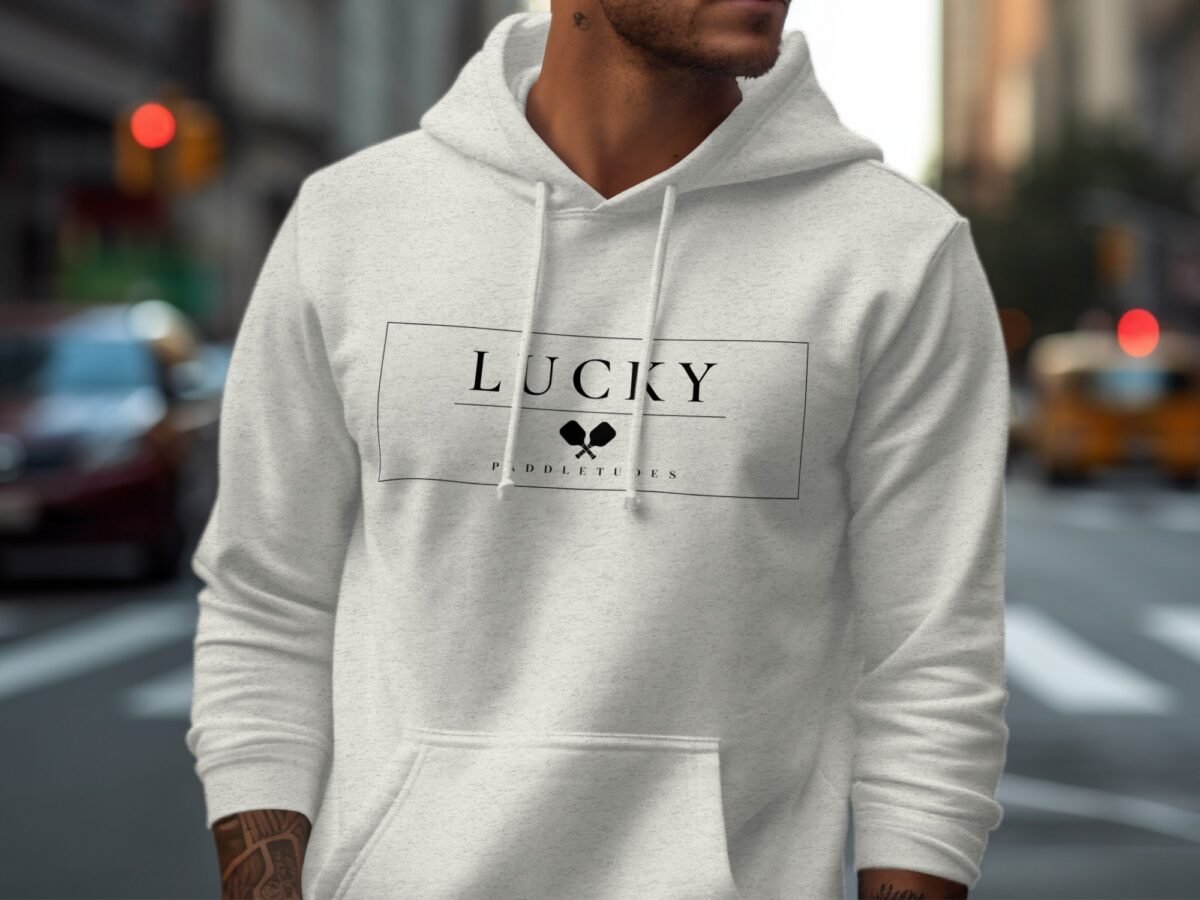
Lucky Pickleball Hoodie
$65.99 Select options This product has multiple variants. The options may be chosen on the product page -
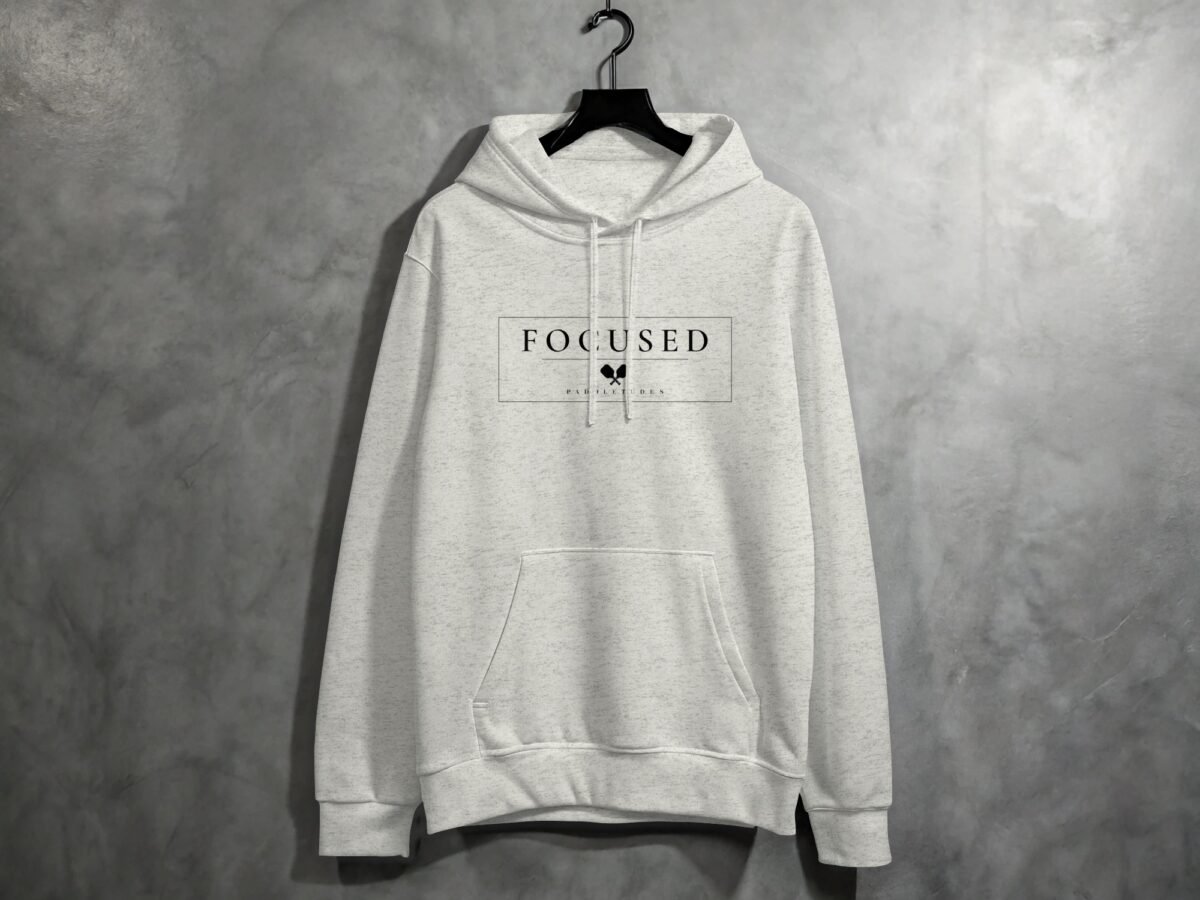
Focused Pickleball Hoodie
$65.99 Select options This product has multiple variants. The options may be chosen on the product page -
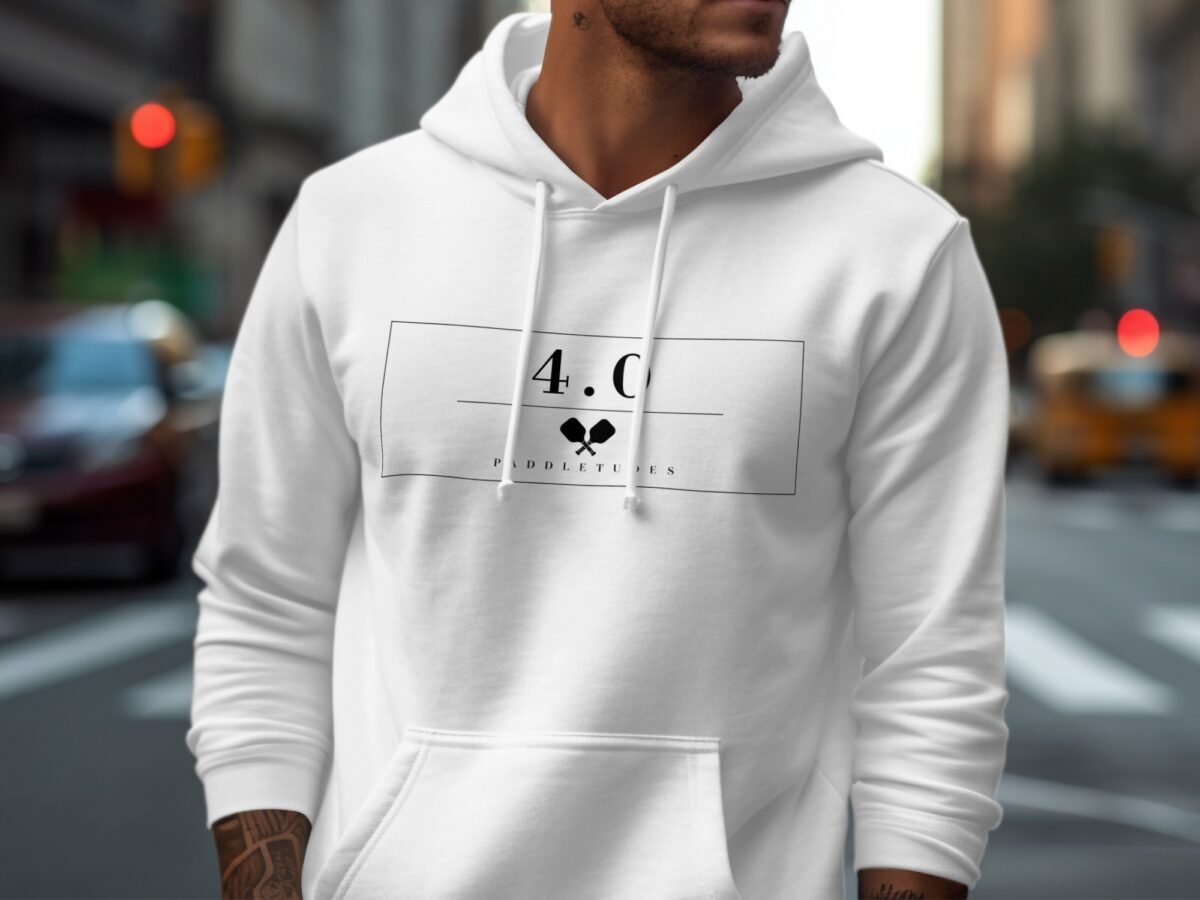
4.0 Pickleball Hoodie
$65.99 Select options This product has multiple variants. The options may be chosen on the product page -
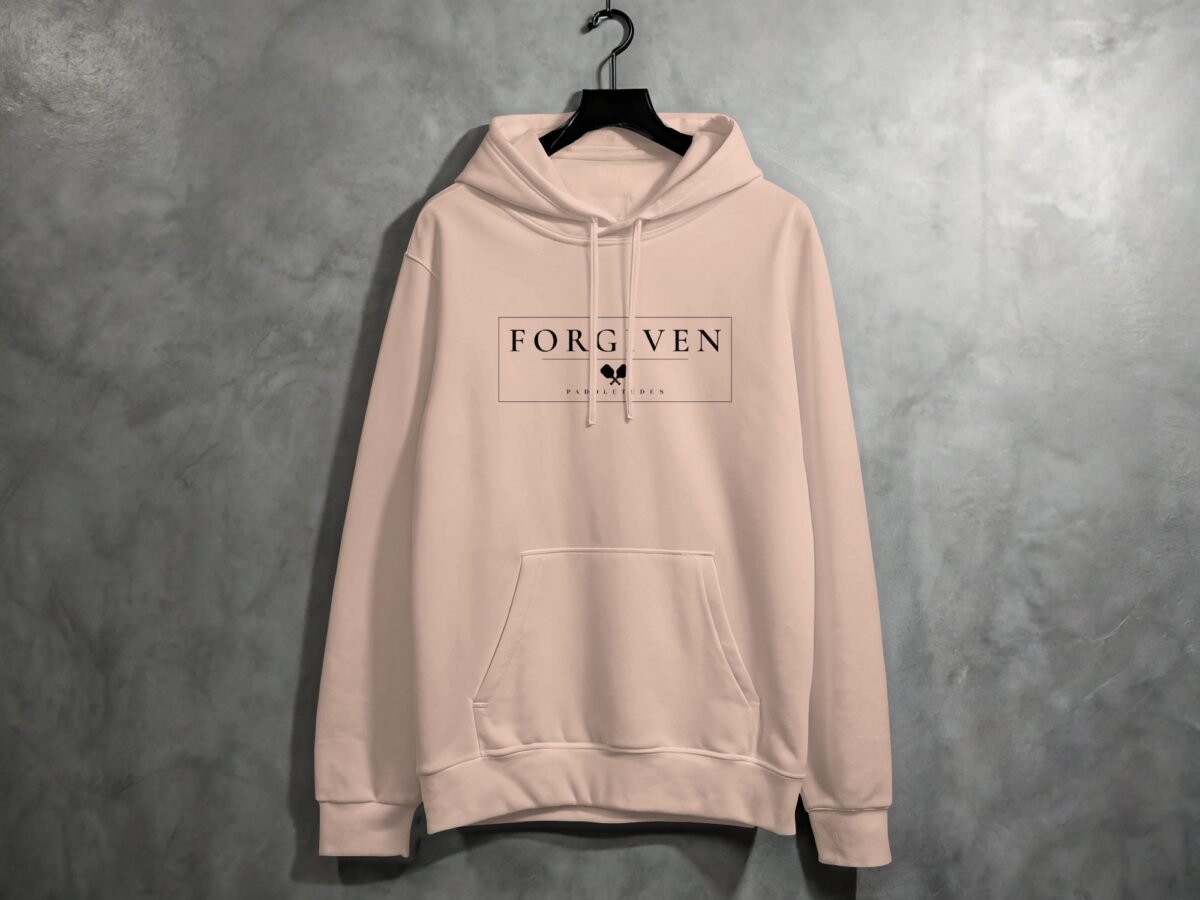
Forgiven Pickleball Hoodie
$65.99 Select options This product has multiple variants. The options may be chosen on the product page -
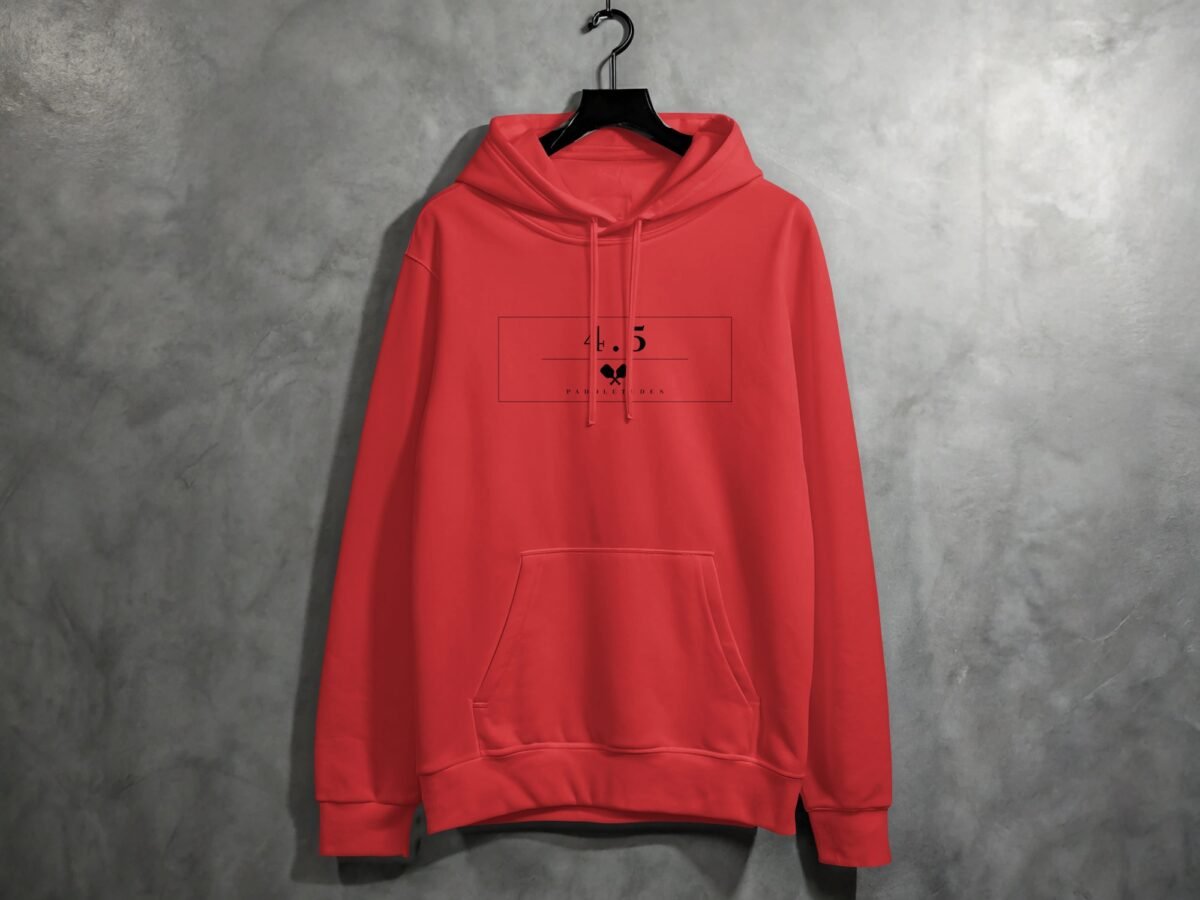
4.5 Pickleball Hoodie
$65.99 Select options This product has multiple variants. The options may be chosen on the product page -
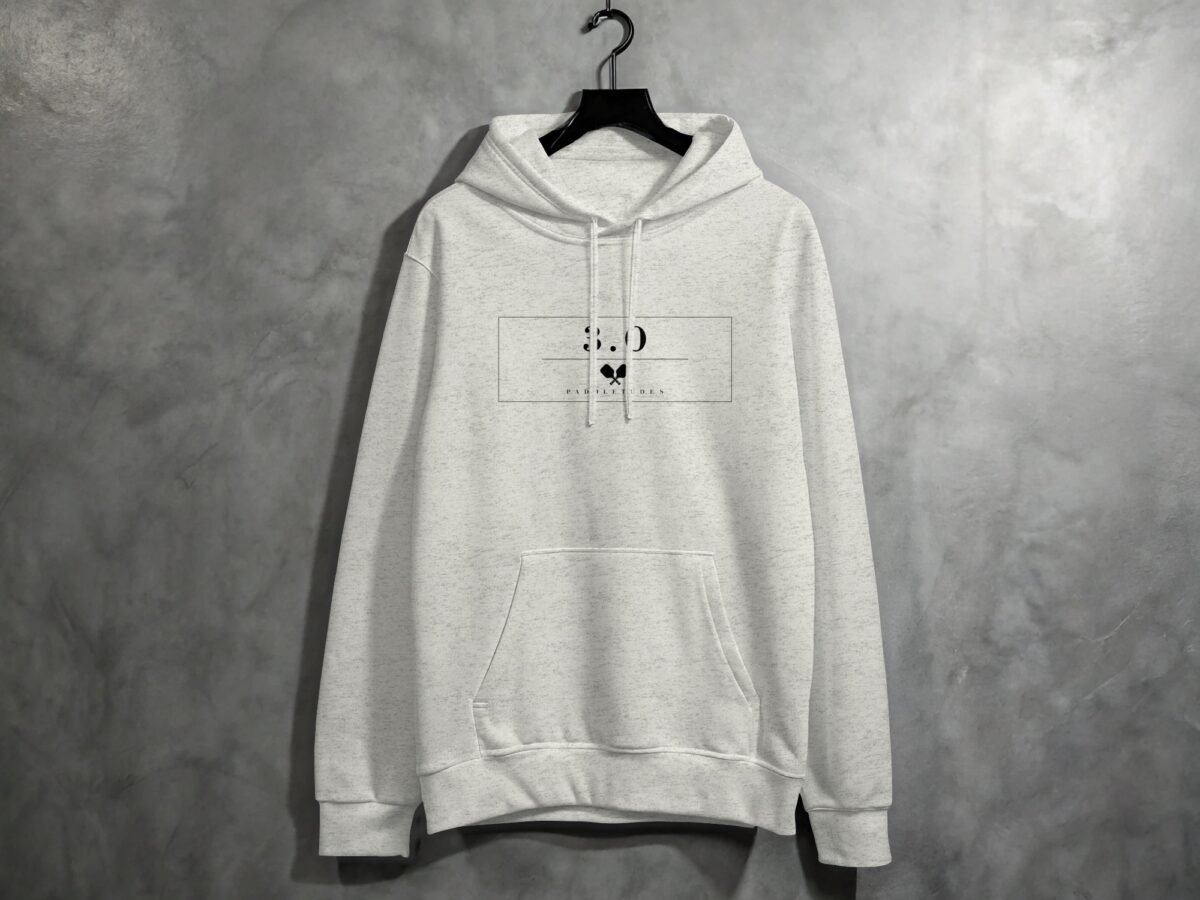
3.0 Pickleball Hoodie
$65.99 Select options This product has multiple variants. The options may be chosen on the product page -
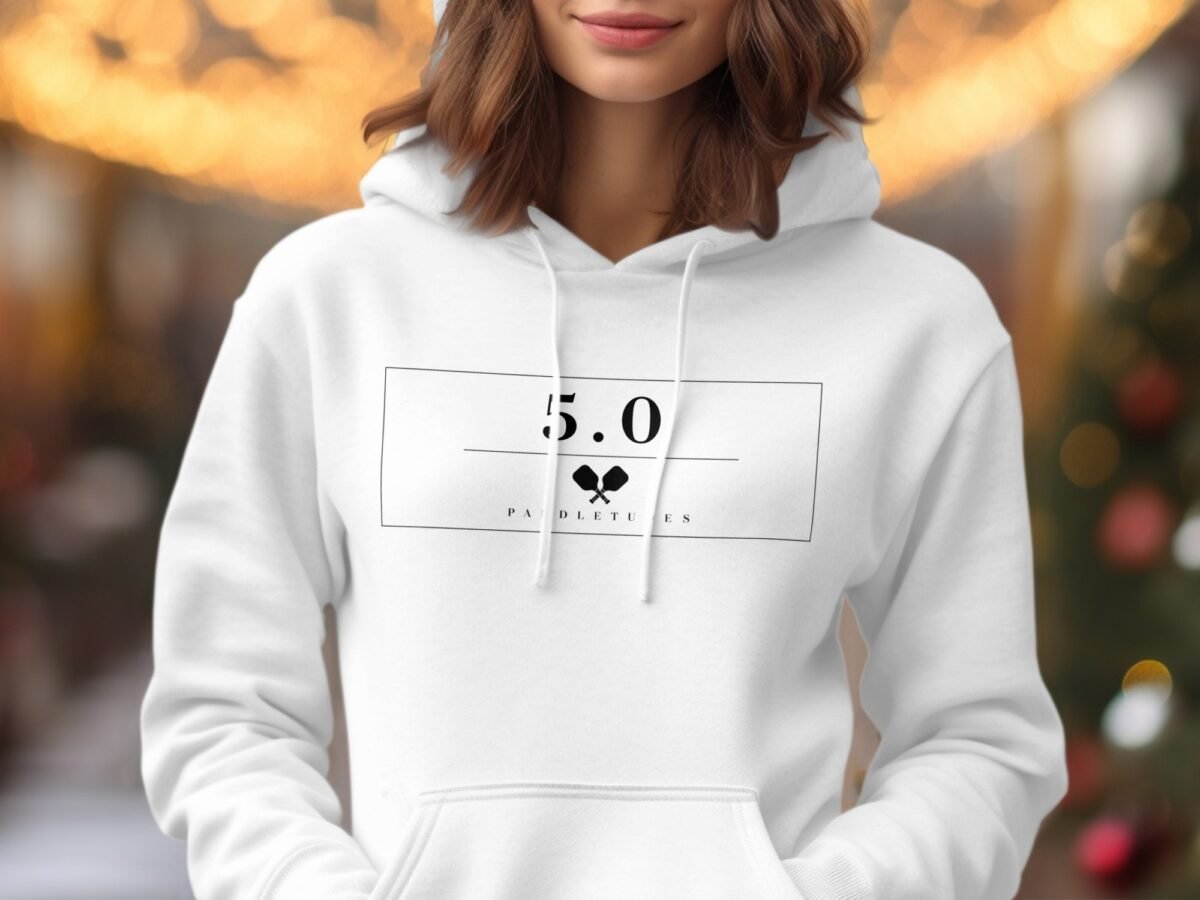
5.0 Pickleball Hoodie
$65.99 Select options This product has multiple variants. The options may be chosen on the product page -
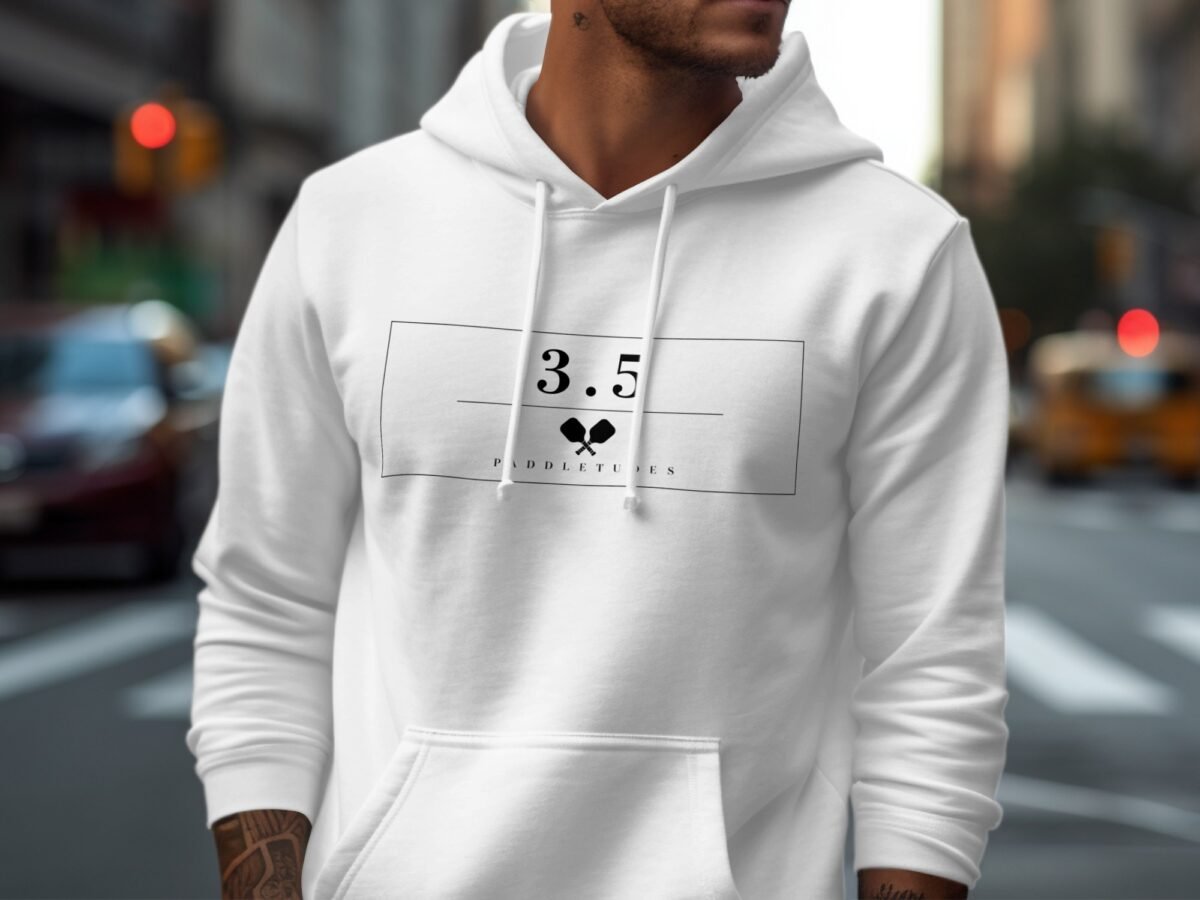
3.5 Pickleball Hoodie
$65.99 Select options This product has multiple variants. The options may be chosen on the product page -
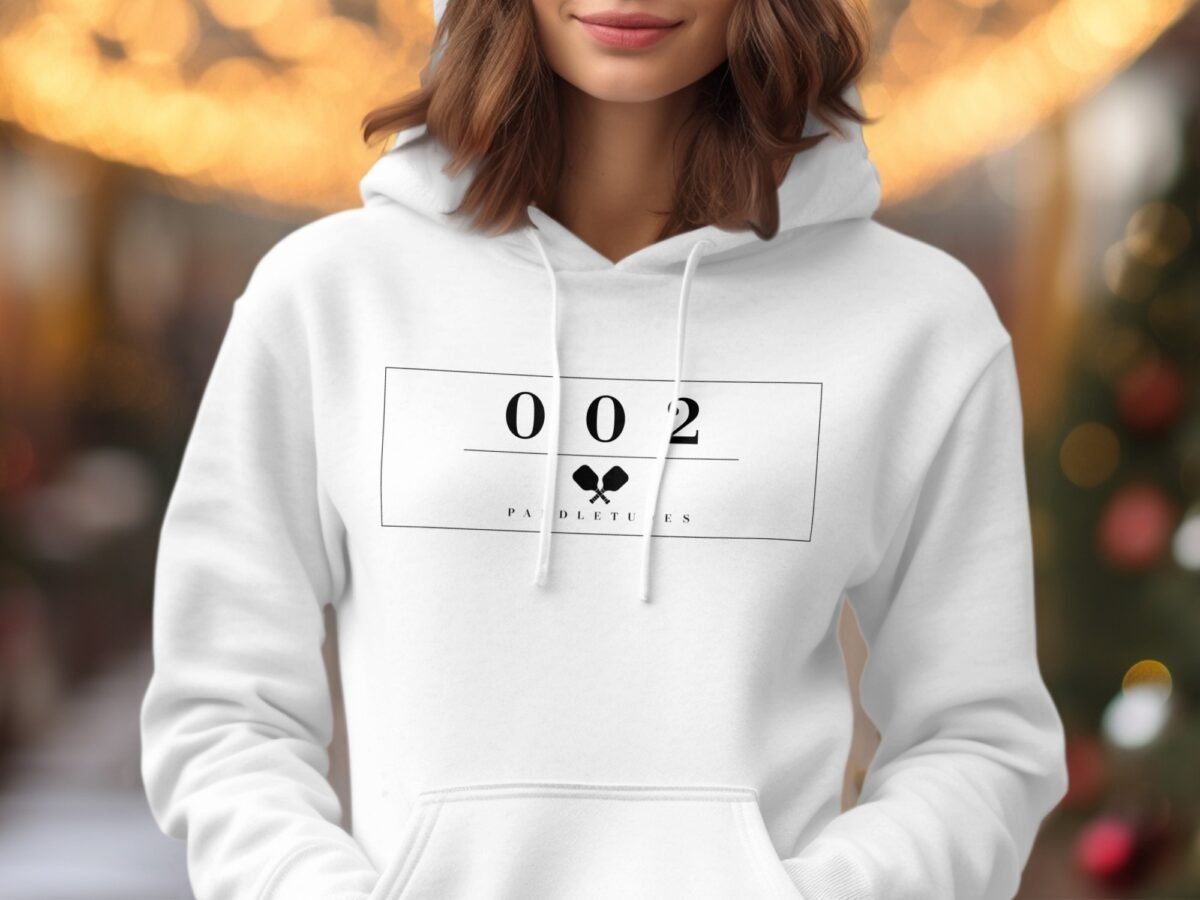
0-0-2 Pickleball Hoodie
$65.99 Select options This product has multiple variants. The options may be chosen on the product page
Showing 1–16 of 111 resultsSorted by latest
What Are Retro Sports Graphic Tees
Retro sports graphic tees are shirts that use vintage product packaging, old-school advertising art, and throwback design formats to celebrate a sport’s culture. Think cereal boxes, tonic bottles, VHS tape covers, and board game packaging — except every product on the box is about the sport instead of breakfast.
Almost Seen On TV takes that concept literally. Every design in the store is a fake product that looks like it belonged on a shelf in 1977 — a pickleball energy drink, a backhand cure in an apothecary bottle, a doubles board game with mystery partners behind four doors. The formats are borrowed from real product categories (cereal, grooming, toys, games), but the products themselves are invented. The art is photorealistic enough that people do a double-take. The humor lives in the fine print.
This is different from the vintage band tees and thrift store reproductions most people mean when they search for retro graphic tees. Those are reprints of something that existed. These never existed at all. The nostalgia is real — the packaging formats, the color palettes, the typography are all pulled from the actual 1970s and 1980s. But the products are fiction. That’s the bit, and the bit is the entire brand.
Every shirt is printed on a Comfort Colors 1717 garment-dyed heavyweight tee using water-based DTG ink. The garment-dyed fabric reads like it’s been around for decades, which is exactly right for art that’s pretending it has.
Are Vintage Graphic Tees Still in Style
Vintage graphic tees have been a staple of casual fashion for the better part of a decade, and heading into late 2026 the trend shows no sign of cooling off. The resale market for original vintage tees continues to grow, and brands across every price point — from fast fashion to premium independents — keep launching retro-styled collections.
Part of what keeps the trend alive is generational overlap. Adults who actually grew up in the 1970s and 1980s buy vintage-styled shirts because the imagery triggers real memory. Younger buyers who weren’t alive for any of it buy them because the aesthetic reads as authentic in a way that modern minimalist design doesn’t. A faded cereal box illustration carries more visual weight than a clean sans-serif logo. Both audiences end up in the same aisle for different reasons, and the demand compounds.
The shift worth watching is what “vintage” means on a graphic tee. Five years ago it mostly meant band logos and movie posters — licensed reprints of real cultural artifacts. The current wave leans harder into original art that uses vintage formats without licensing anything. Fake brands, invented products, parody packaging. The look is vintage. The content is new. That’s the space Almost Seen On TV operates in — every design is an original work that borrows the format language of real 1970s and 1980s packaging without reproducing any of it.
The practical advantage for buyers is durability. A trend built on nostalgia doesn’t expire the way a trend built on novelty does. The cereal boxes your parents ate in 1978 still look interesting on a shirt in 2026. They’ll still look interesting in 2030. Vintage format is one of the few graphic tee categories that ages well because the whole point is that it already looks old.
What Retro Sports Shirts Are Trending Right Now
Retro golf shirts and retro pickleball shirts are the two fastest-moving categories in the vintage sports tee space. Golf has always had a strong nostalgia audience — country club culture, Arnold Palmer imagery, old tournament posters — and the search demand for retro golf shirts matches the broader retro shirt market at 5,000 searches a month. Pickleball is newer to the retro treatment but growing fast as the sport’s culture develops its own inside jokes, player archetypes, and community traditions worth putting on a shirt.
Almost Seen On TV launched with pickleball because the sport has a built-in humor layer that maps perfectly to fake product parody. Pickleball players name their shots (the dink, the Erne, the shake and bake), argue about the kitchen, and obsess over gear in a way that creates endless material for retro packaging concepts. A backhand strengthener tonic bottle works because every player knows exactly what it’s parodying about themselves.
Golf, baseball, and tennis are next. Each sport gets the same treatment — vintage product formats adapted to that sport’s culture, language, and rituals. A golf line might include fake swing cure tonics, vintage tournament VHS tapes, or fictional caddy snack bars. Baseball opens up trading cards, fake chewing tobacco alternatives, and vintage radio broadcast packaging. Tennis has its own doubles drama and equipment obsessions. The retro format is the constant. The sport is the variable.
Every expansion follows the same rule: 20-25 products before a sport gets its own page. Pickleball crossed that threshold first because the art was ready. Golf is closest behind. The goal is a full roster of sports, each with enough depth to be the best retro shirt destination for that specific community.
What Is a Comfort Colors 1717 Shirt
The Comfort Colors 1717 is a 6.1-ounce ring-spun cotton tee that gets garment-dyed and soft-washed multiple times before it ships. Ring-spun means the cotton fibers are twisted before weaving, which makes the fabric stronger and noticeably softer than open-end cotton. The garment-dyeing process — where the shirt is constructed first, then dyed as a finished piece — gives each shirt a slightly weathered look from day one. No stiff-off-the-rack phase. No break-in period.
The Comfort Colors pigment dye sits on the fiber surface rather than penetrating to the core, which means the color keeps evolving with wear. It gets softer and more faded over time. That’s not a defect — it’s the reason people specifically seek out garment-dyed blanks. For retro graphic tees, where the art is already pretending to be decades old, a shirt that naturally ages into a more vintage look is exactly right.
The fit is relaxed and slightly boxy — roomier through the body than a standard retail tee. A men’s large measures roughly 22 inches across the chest and 29 inches in body length, about 1-2 inches wider than a fitted tee at the same size. Order your normal size for the relaxed fit, or size down if you want it closer to the body. It’s pre-shrunk through the garment-dye process, though a hot wash and high-heat dry can still pull about 2-3 percent in length and width. Cold wash and low heat: effectively no shrinkage.
The 1717 has been growing in popularity — search interest is up over 20 percent year-over-year — partly because the direct-to-garment printing community discovered that 100% ring-spun cotton is the ideal substrate for water-based DTG ink. The garment-dyed cotton and the DTG print method are a matched pair: the ink bonds into fibers that are already softened and receptive, producing a print that feels like part of the shirt rather than a layer on top of it.
How Does DTG Printing Work on Cotton Tees
Direct-to-garment printing uses water-based ink applied directly onto the fabric by a specialized inkjet printer. The ink soaks into the cotton fibers rather than sitting on the surface as a separate layer, which is why a DTG-printed shirt has no plastic feel, no raised patch, and no stiff rectangle where the design is. You can’t feel the print with your fingers. It’s in the shirt, not on it.
That fiber-level bond is what makes DTG durable on the right fabric. On a 100% cotton blank like the Comfort Colors 1717, DTG prints stay vibrant through 50-plus washes with proper care — cold water, inside out, gentle cycle, tumble dry low. The print doesn’t crack or peel the way screen-printed and heat-transfer designs eventually do, because there’s no top layer to separate from the fabric. The trade-off is that DTG needs natural fiber to bond properly. Polyester blends repel water-based ink. That’s why every shirt in the store is 100% cotton — it’s a technical requirement, not just a preference.
For graphic tees with dense, full-color artwork — which is what retro product packaging demands — DTG is the only print method that reproduces every detail without simplifying the color palette. Screen printing requires a separate screen for each color, which means most screen-printed designs top out at six to eight colors. A fake cereal box with photorealistic art, fine print, ingredient lists, and a UPC code might use thirty or forty distinct shades. DTG handles all of them in a single pass because it works like a printer, not a stencil.
The practical result for the person wearing the shirt: the design has the complexity of a real product package, the print has no texture you can feel, and the whole thing gets softer with every wash instead of stiffer. That combination — garment-dyed cotton plus water-based DTG ink — is why the shirts feel like vintage finds even when they’re brand new.
Why Is It Called the Kitchen in Pickleball
The kitchen is the 7-foot non-volley zone on each side of the net where you cannot hit the ball out of the air. The name almost certainly comes from shuffleboard, where the “kitchen” is the scoring zone that costs you points if your puck lands in it. Same idea — step in at the wrong time and it costs you.
The official USA Pickleball rulebook calls it the non-volley zone. Nobody on an actual court calls it that. It’s the kitchen. It’s been the kitchen since the sport’s backyard days in the 1960s, and the nickname stuck because it does exactly what a good nickname does — it tells you everything you need to know in one word. You can stand in it. You can hit groundstrokes in it. You just can’t smash a volley while your feet are inside it or while your momentum carries you into it after a volley. That momentum rule is what trips up new players more than anything else — you can be two feet behind the line when you hit the ball, but if your follow-through pulls you forward and your shoe touches the kitchen before the ball bounces twice, it’s a fault.
The kitchen is also where the game’s identity lives. Pickleball is the only racket sport that bans net volleys in a defined zone, and that single rule created an entire style of play — the dink rally, the soft game, the patience battle at the line — that doesn’t exist in tennis, badminton, or paddle. Remove the kitchen and pickleball becomes a different sport. A faster, less strategic, less interesting one. The kitchen forces you to earn the point with placement instead of ending it with power, and that tension between wanting to slam the ball and knowing you can’t is what makes the game addictive for people who never expected to care about a sport played with a wiffle ball.
Half the shirts in the sports collection reference the kitchen in some way because half the humor in pickleball comes from what happens in those seven feet. Foot faults that decide tournament matches. Players who live at the line and dare you to come forward. Partners arguing about who was supposed to take the middle dink. The kitchen is where pickleball gets interesting.