Sports Comfort Colors 1717
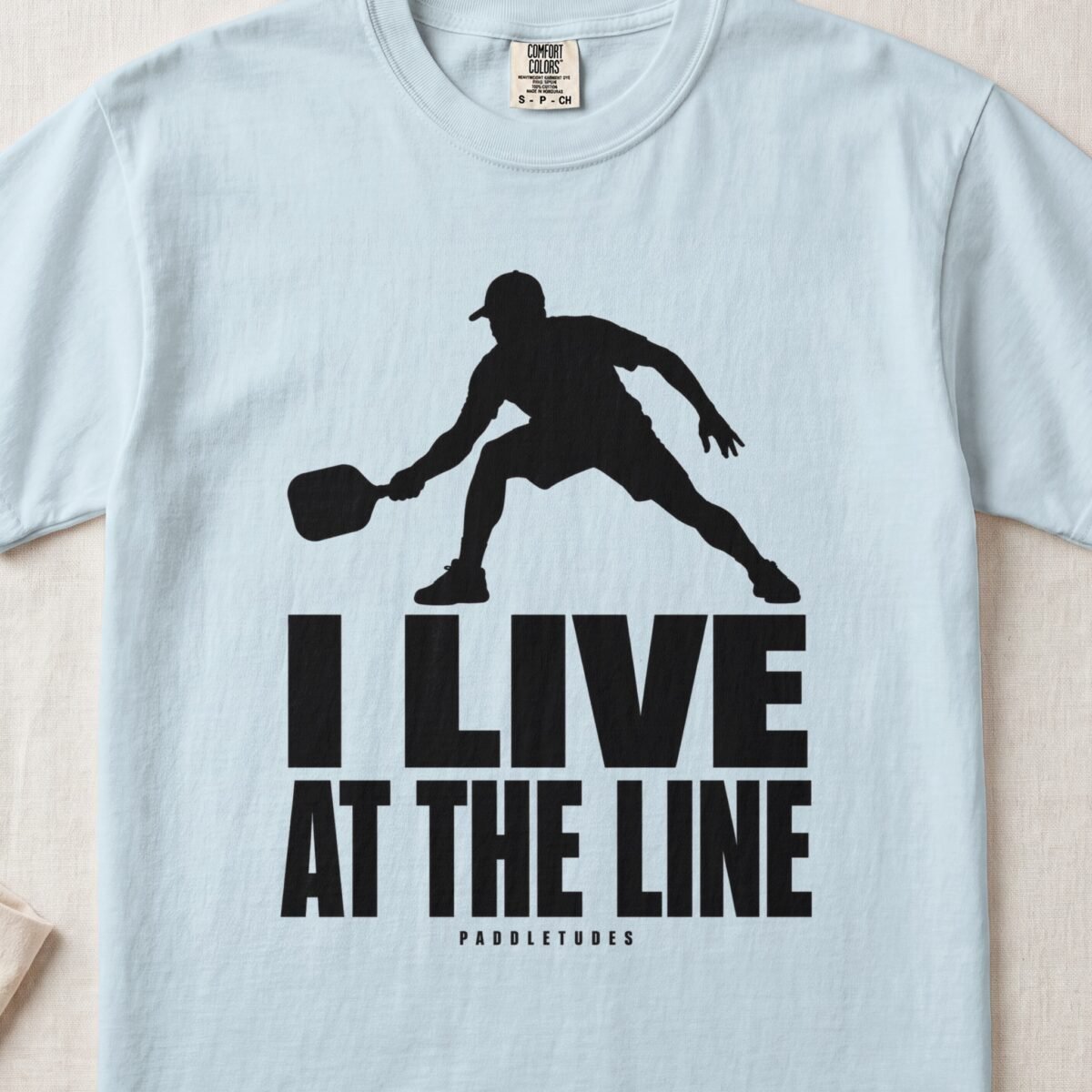
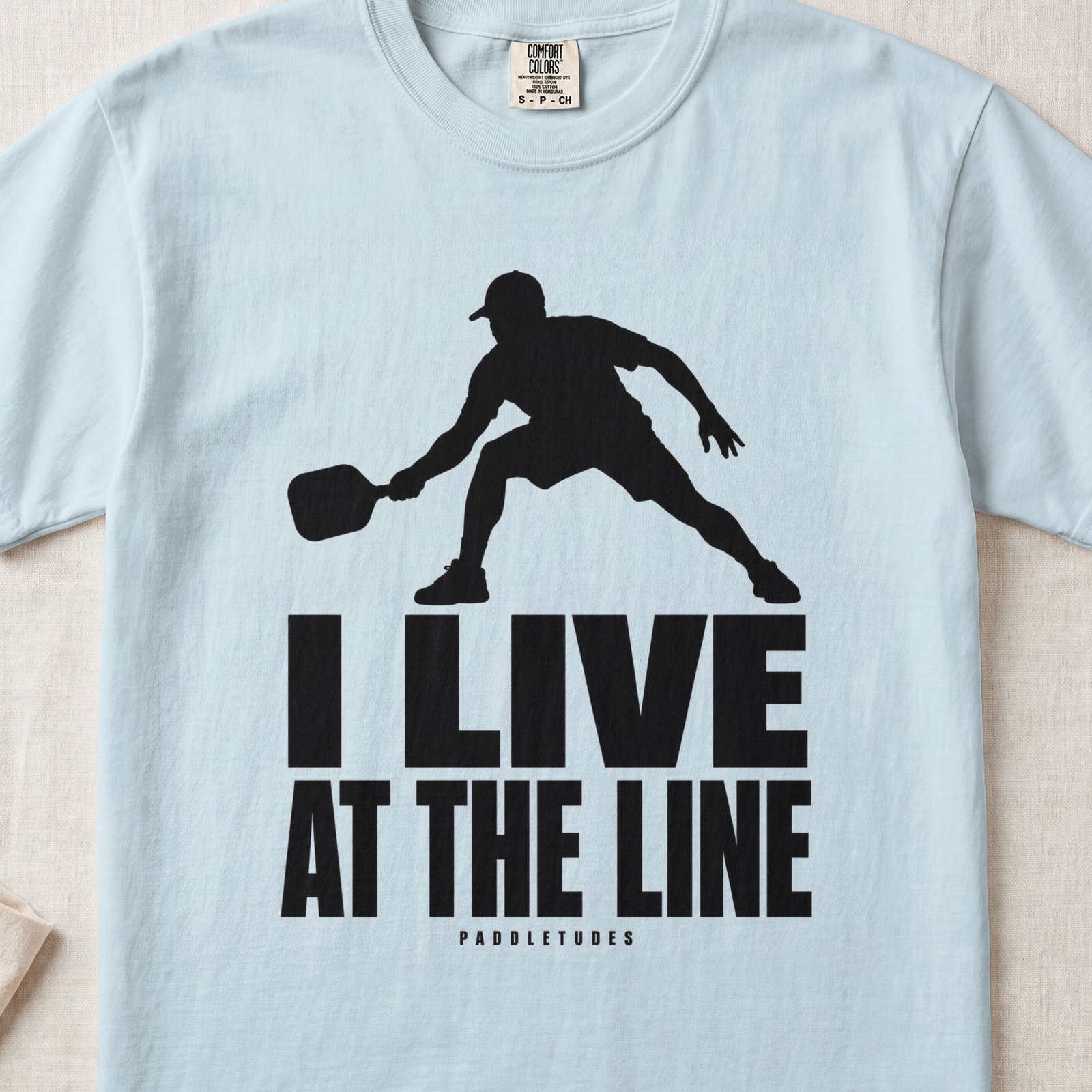
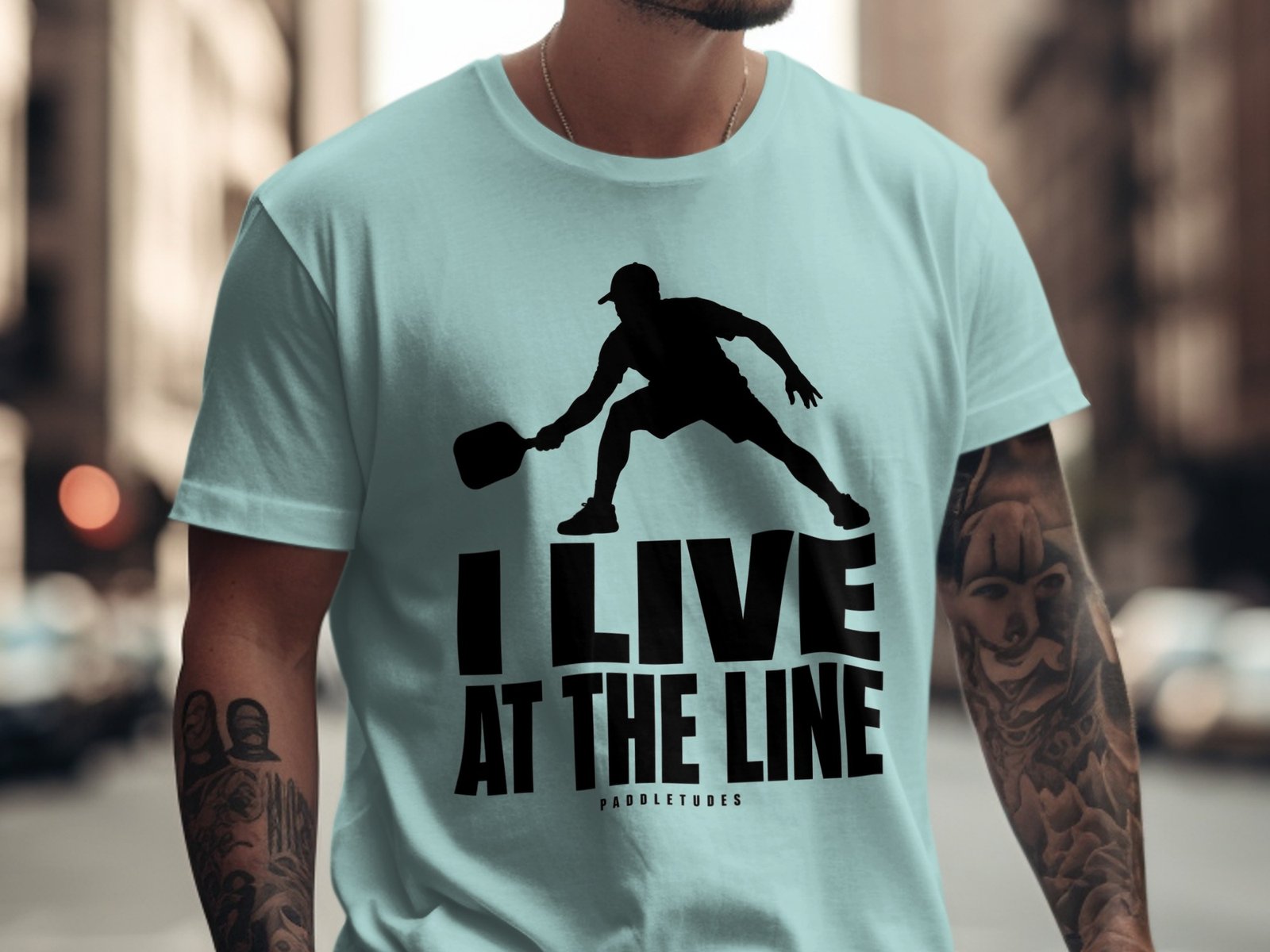
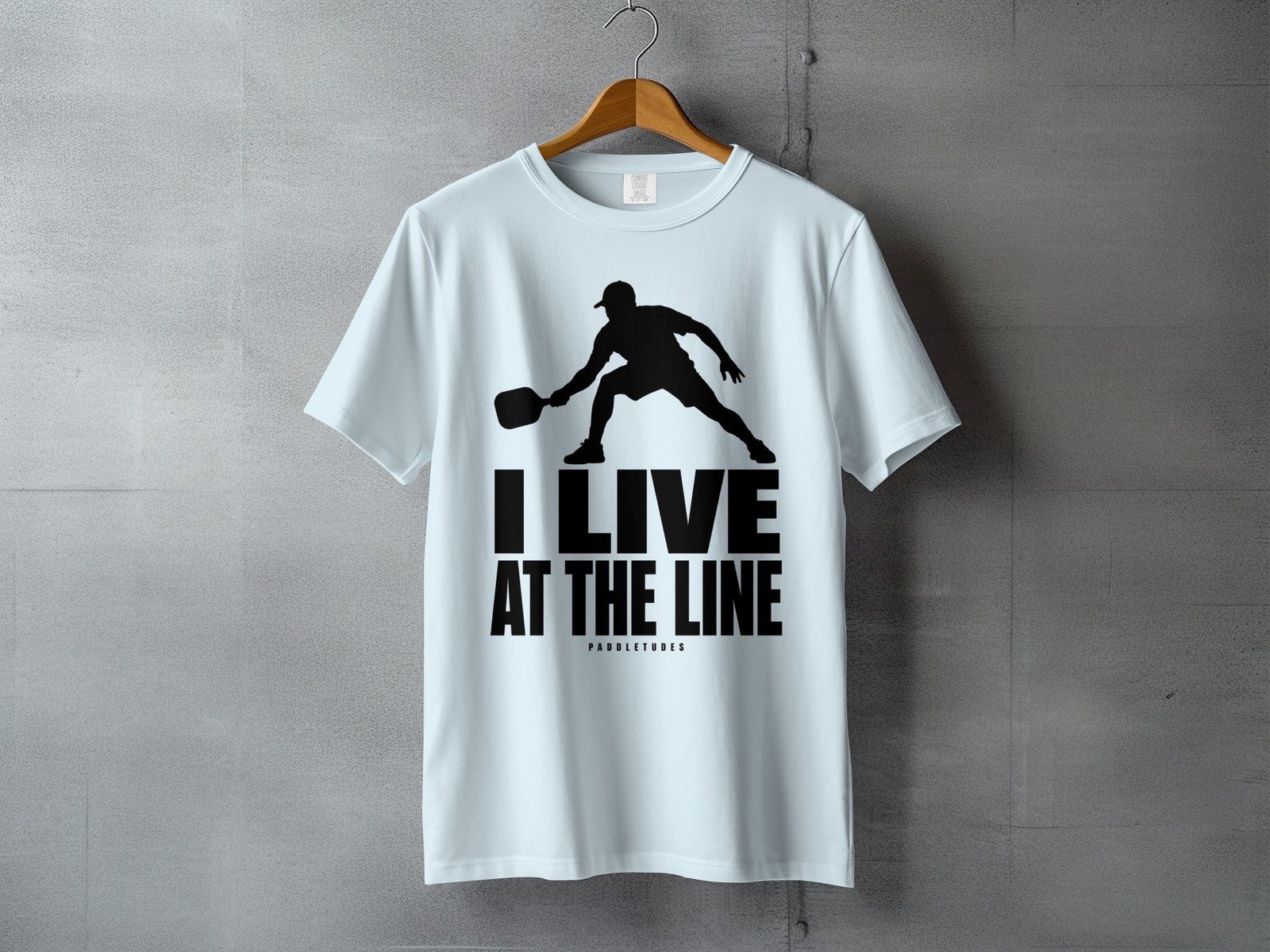
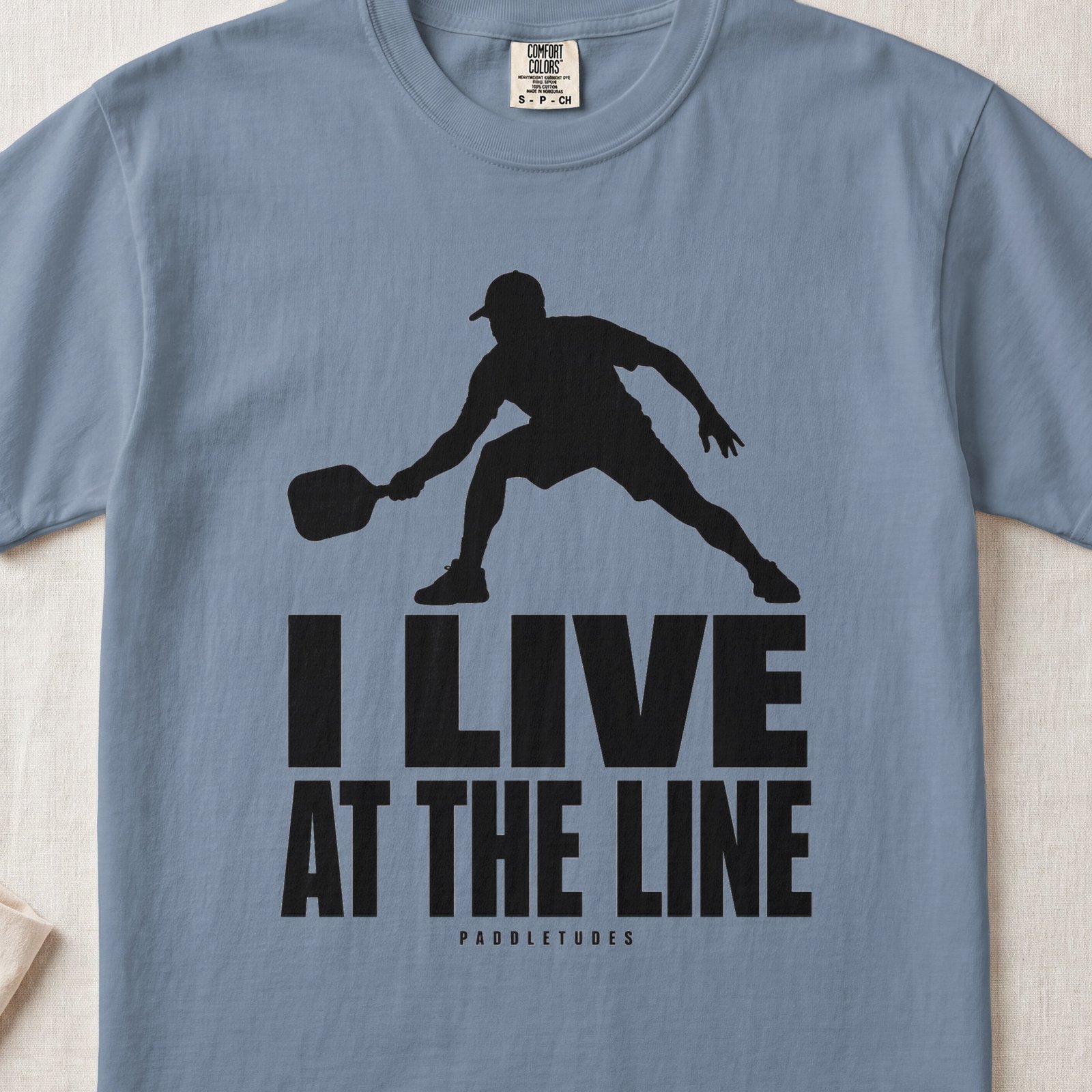
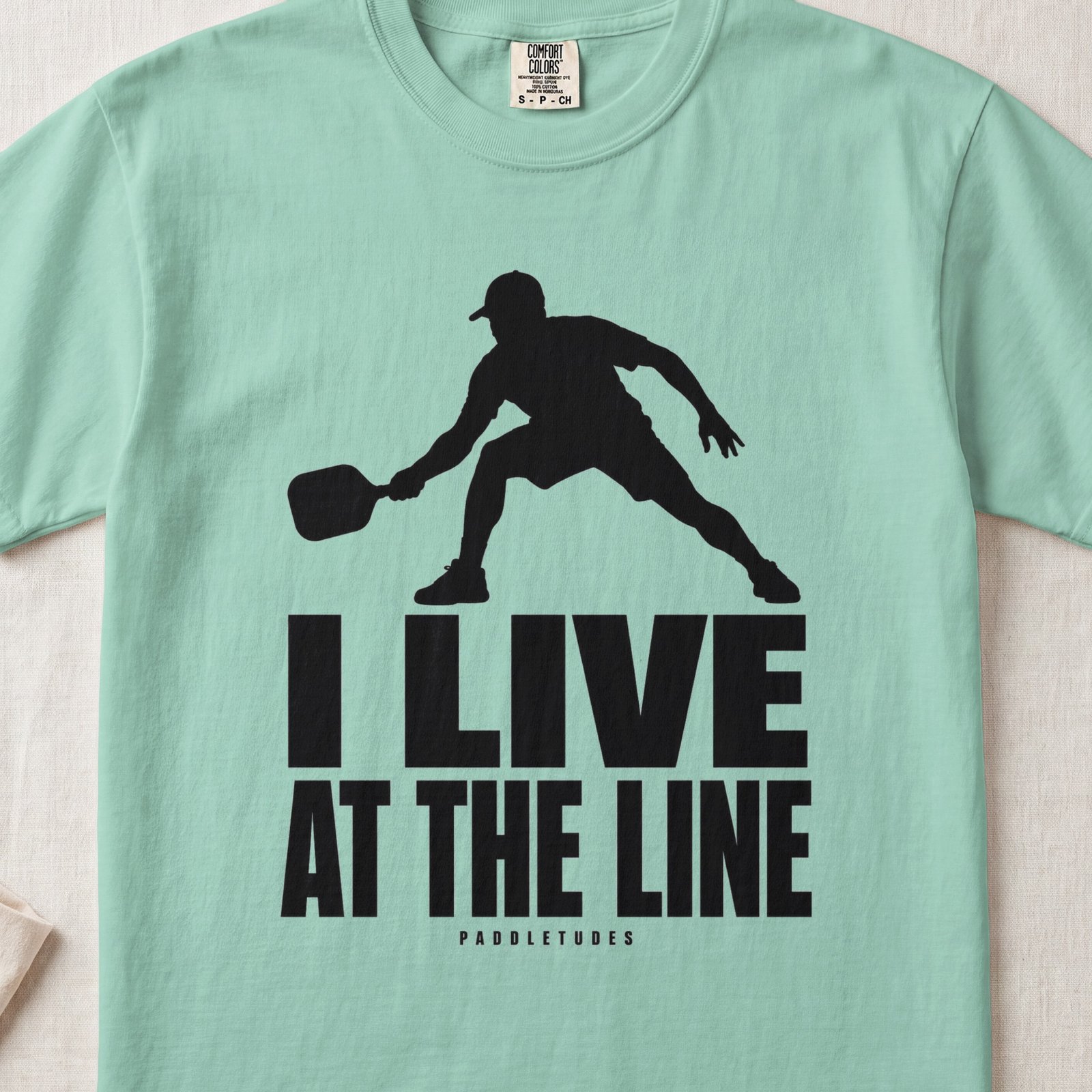
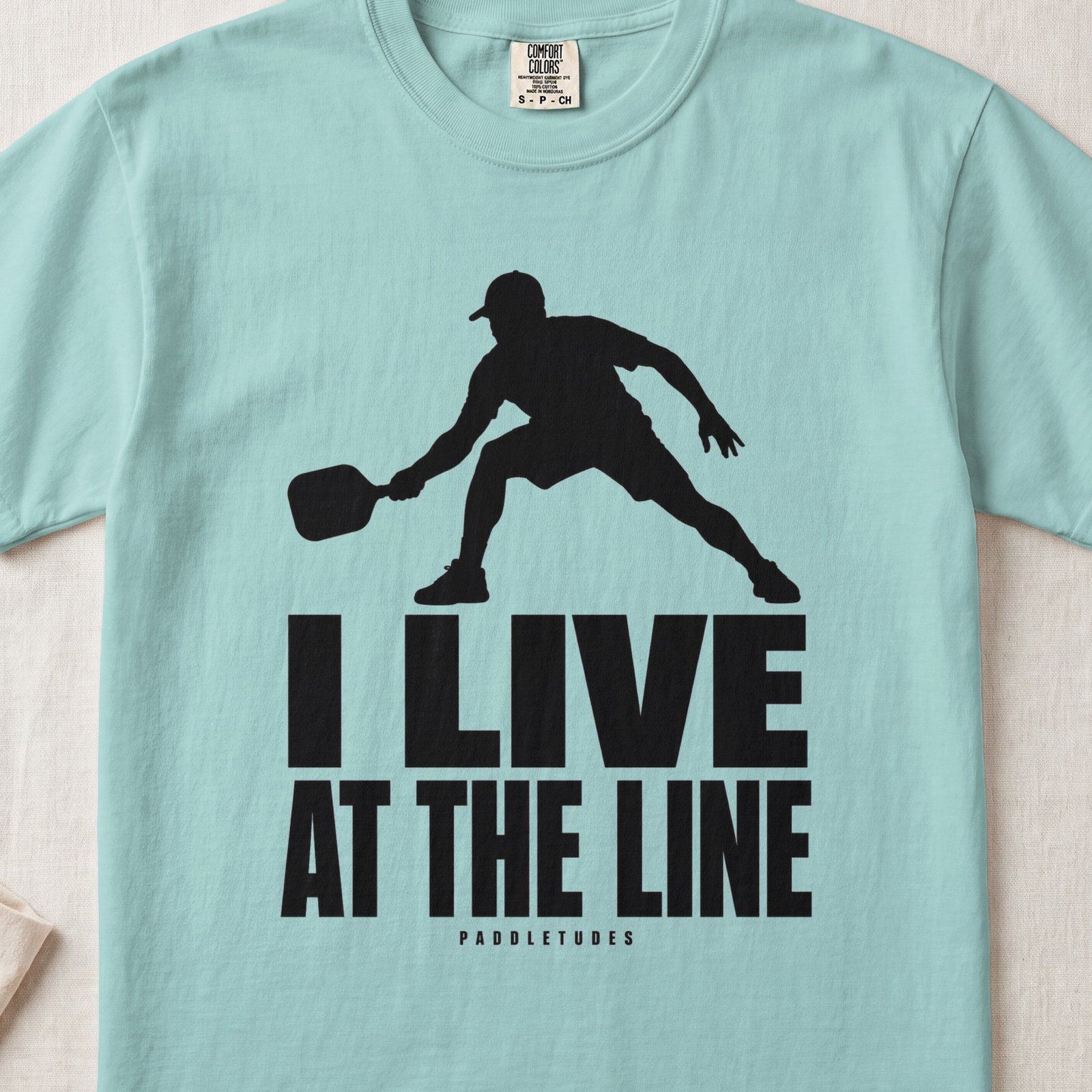
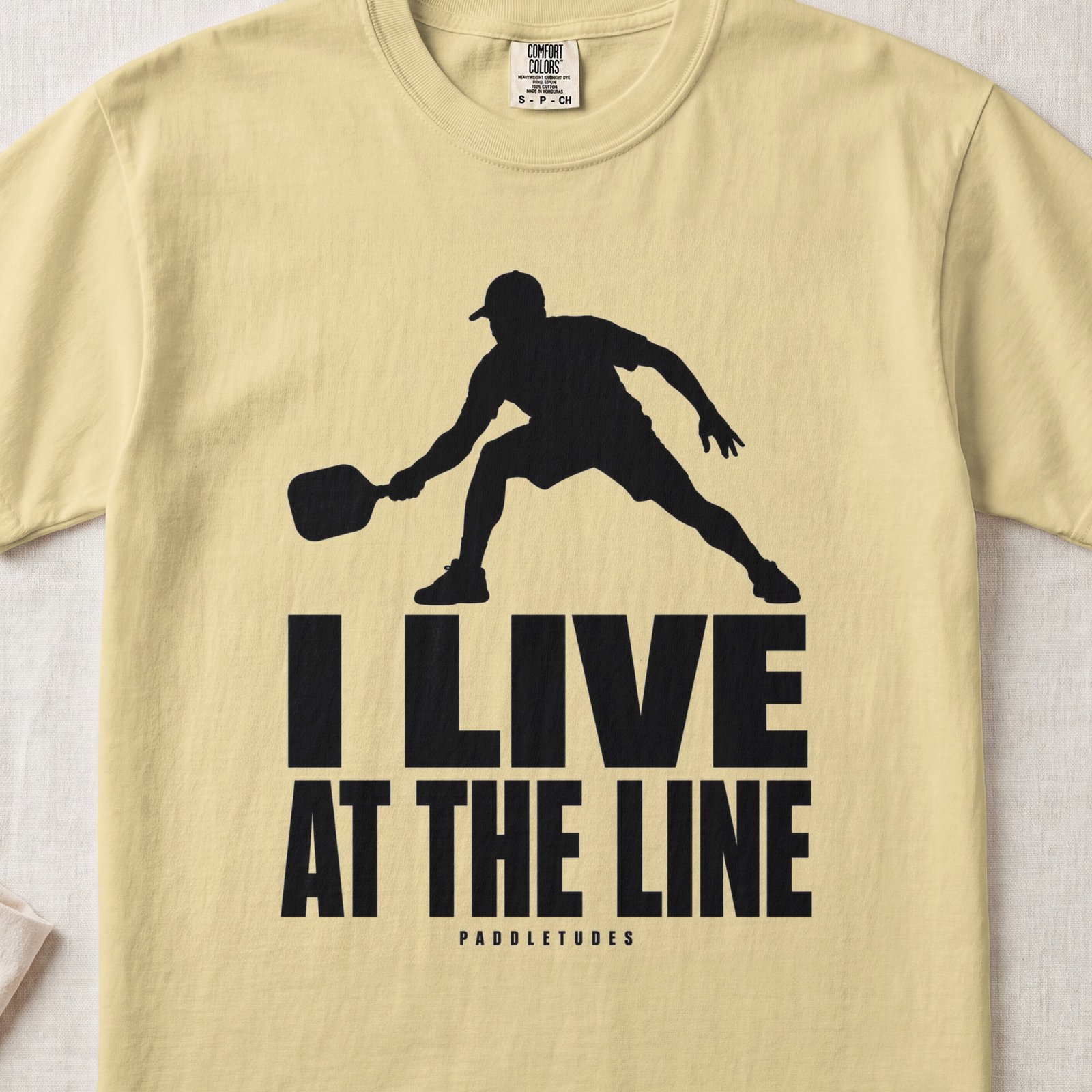
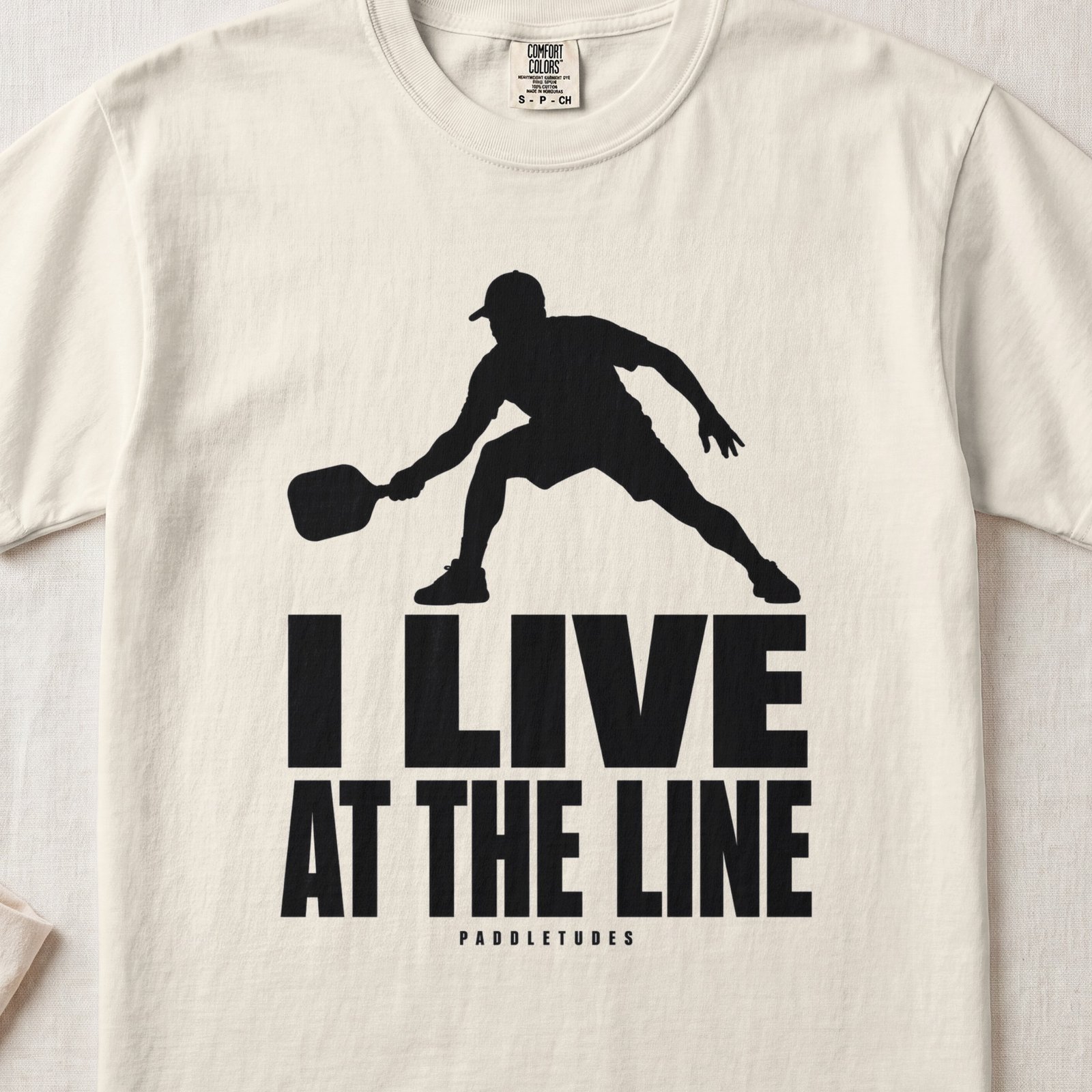
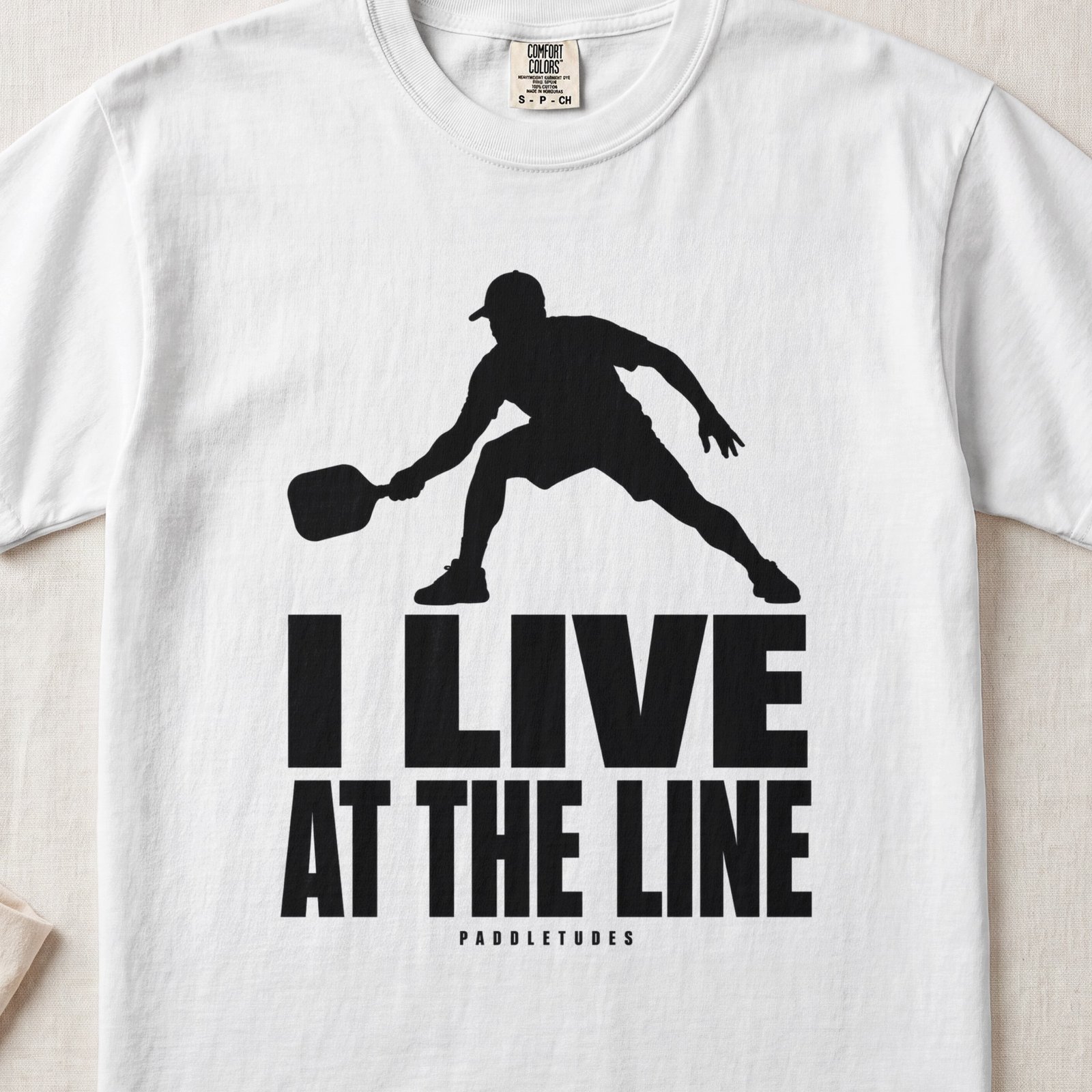
I Live At The Line
$29.99
- Comfort Colors 1717 heavyweight cotton
- Original design · printed to order
- U.S. print partners
The Pickleball Kitchen Line Is a Home Address
The return of serve lands deep. Her partner is still planting at the baseline. She’s already moving — two steps forward before the third shot leaves her paddle, a split step as the opponents load their response, then two more steps as her drop lands soft in the kitchen. By the time the dink rally starts, she’s standing seven feet from the net with her paddle up and her weight forward, exactly where she intended to be before the serve was even struck. Her partner is still in the transition zone, two steps behind, wondering how she got there so fast. She didn’t get there fast. She got there first, because she started moving while everyone else was watching the ball.
She’s a 48-year-old former college tennis player who picked up pickleball when her regular doubles partner moved out of state. The first time she stepped on a pickleball court, she did the thing no beginner does — she charged the net after every return. The other 3.0 players at the rec center stood at the baseline and hit drives back and forth like they were playing from opposite ends of a parking lot. She was at the kitchen line in three shots, dinking while they drove, and winning rallies by taking time away from opponents who didn’t understand why the ball kept coming back so quickly. They called her aggressive. It wasn’t aggression. It was positioning, and she’d learned it two decades ago on a tennis court — the player who controls the net controls the point, in any sport with a net.
At 3.0, the kitchen line is a place players drift toward eventually, if the rally lasts long enough. Nobody sprints there. Nobody plans for it. Points end from the baseline because both teams stay back and trade drives. At 3.5, players start understanding that they should be at the line, but they don’t know how to get there safely — they rush forward with no cover shot and eat a hard drive to the body at mid-court. By 4.0, the approach becomes systematic: third shot drop, two steps forward, split step, read, reset if needed, two more steps, split step again. Forward movement is a reward for a good shot, not something you do while hoping for the best. By 4.5, the player doesn’t just arrive at the kitchen line — she arrives in the right spot on the line, positioned slightly toward the opponent who’s more likely to attack, with her paddle angled to cover the most probable shot. The difference between living at the line and visiting it is the difference between intentional positioning and reactive scrambling.
The drill that builds the approach is a rhythm exercise. A partner feeds a deep ball. You hit a third shot drop, then take two steps forward and split step. The partner feeds the next ball. You reset it into the kitchen, take two more steps, split step again. Repeat until you reach the line. Ten approaches, focusing on the pattern: hit, step, step, hop, read. The ball doesn’t matter as much as the footwork cadence. The advanced version adds pressure — the partner starts mixing in hard drives at your feet during the approach, and your job is to stop your momentum, reset the ball softly, and resume advancing. Never hit while your feet are moving forward. Stop, plant, reset, then step again. That stop-and-go rhythm is what separates a player who reaches the kitchen line cleanly from a player who gets caught mid-stride and jammed.
The paddle for a kitchen-line player needs precision more than power, because most of the work at the line is dinks, blocks, and resets — shots that require feel over force. A control-oriented paddle with a thicker core absorbs incoming pace and gives the player more time on the redirect. Selkirk’s control-focused models prioritize touch at the net, with softer cores that quiet the paddle face and make dinks land exactly where intended. For a player who lives at the line, power is what the opponent brings — the paddle just needs to redirect it accurately.
If you know someone who talks about pickleball at every dinner, who has explained the kitchen line to you at least six times, who says “the non-volley zone is seven feet from the net on each side” like they’re quoting scripture — this is the shirt that finally lets them say it without words. They’ve earned it. You’ve earned the silence.
The kitchen line connects every philosophy in our pickleball collection. Kitchen Confidential is for the player who knows every rule governing the non-volley zone — when you can enter, when you can’t volley, what momentum does to a legal shot. Midcourt Is Death is the warning for what happens when you stop halfway — stuck in no man’s land eating drives from both sides because you didn’t commit to the approach. And Can’t Teach Touch is the shot that keeps you at the line once you arrive — the soft hands that make dinks die on contact and resets land in the kitchen like they were placed there by hand. Find courts where net play thrives at the USOP National Pickleball Center in Naples, Florida.
Printed on a Comfort Colors 1717 garment-dyed heavyweight tee with water-based DTG ink — sizing and care details here.
How Do You Get to the Kitchen Line in Pickleball
You get to the kitchen line by hitting a quality third shot drop or reset that forces your opponent to hit up, then advancing forward in controlled steps with a split step between each shot. The key principle is that forward movement is earned — you move after a good shot, never during or before one. Rushing the net without covering your approach is the fastest way to get jammed with a drive to the body.
The approach pattern works in a loop. Hit the third shot drop from behind the baseline. Take two deliberate steps toward the net. Split step — the small hop that loads your legs and puts you in a balanced ready position. Read the opponent’s return. If it stays low, take two more steps and split step again. If it comes in high and hard, stop where you are, reset the ball softly back into the kitchen, and resume advancing on the next shot. Against quality opponents, reaching the kitchen line from the baseline takes two to four shots of patient advancement, not one heroic sprint.
The returning team has an inherent advantage because the receiver’s partner is already standing at the kitchen line before the point begins. The serving team starts behind the baseline — both players back — and has to fight through the transition zone to get there. That disadvantage is why the third shot drop exists as a concept. A hard drive from the baseline keeps both teams at the back. A quality drop that lands softly in the kitchen creates the window to move forward, because the opponent has to let it bounce and hit up on it, buying the advancing team a half-second of safe forward progress.
The mistake that costs the most points during the approach is hitting the ball while your feet are still moving forward. When your body is in motion and you make contact, the paddle face is unstable and the ball pops up instead of staying low. The fix is to stop your feet before you swing — plant, hit the reset, then start moving again after the ball leaves your paddle. That stop-start rhythm feels awkward for the first hundred reps. After that, it becomes the engine of every successful approach, and the player who masters it arrives at the kitchen line balanced, ready, and dangerous instead of scrambling and exposed.
-
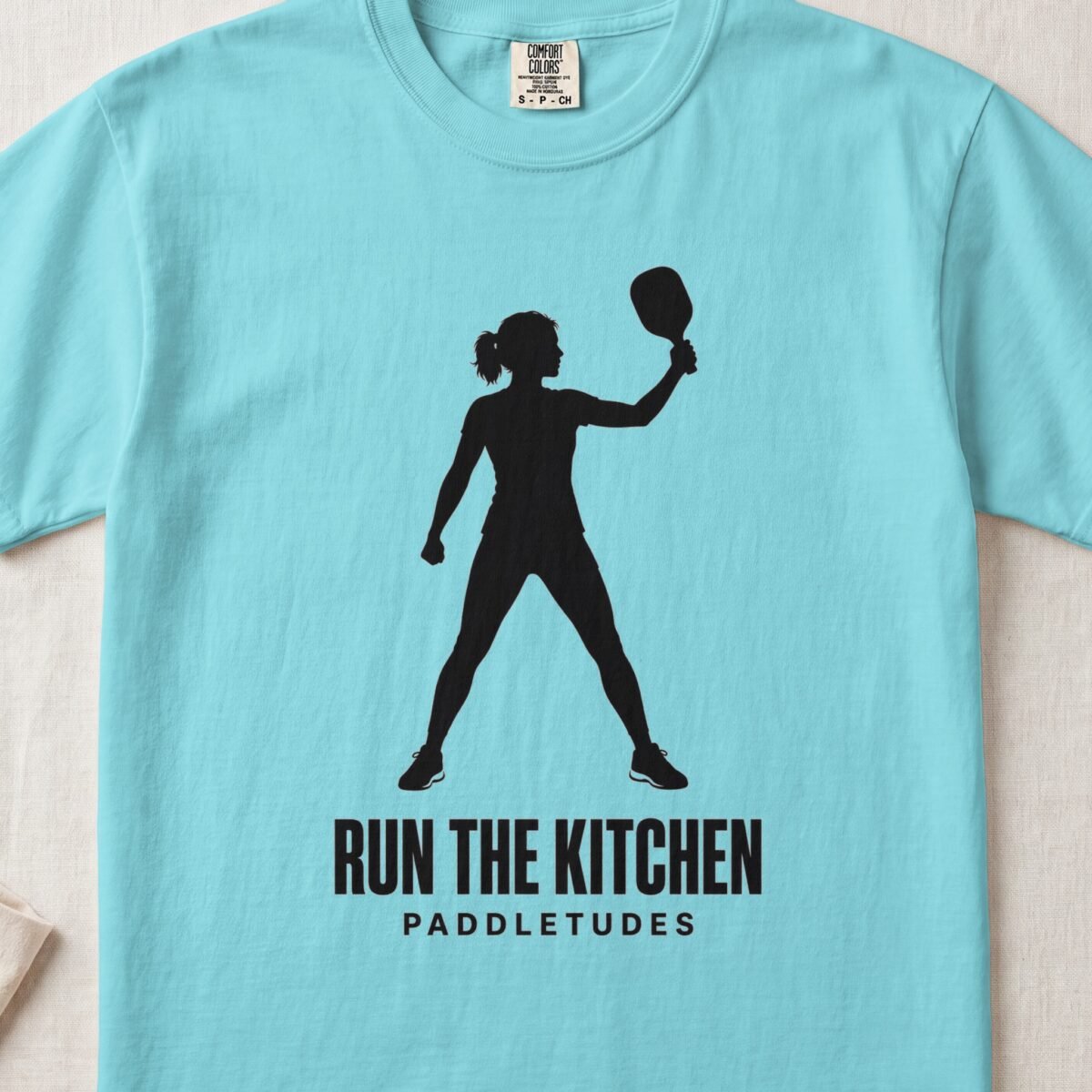
Run The Kitchen
$29.99 Select options This product has multiple variants. The options may be chosen on the product page -

Ponytail And A Paddle
$29.99 Select options This product has multiple variants. The options may be chosen on the product page -
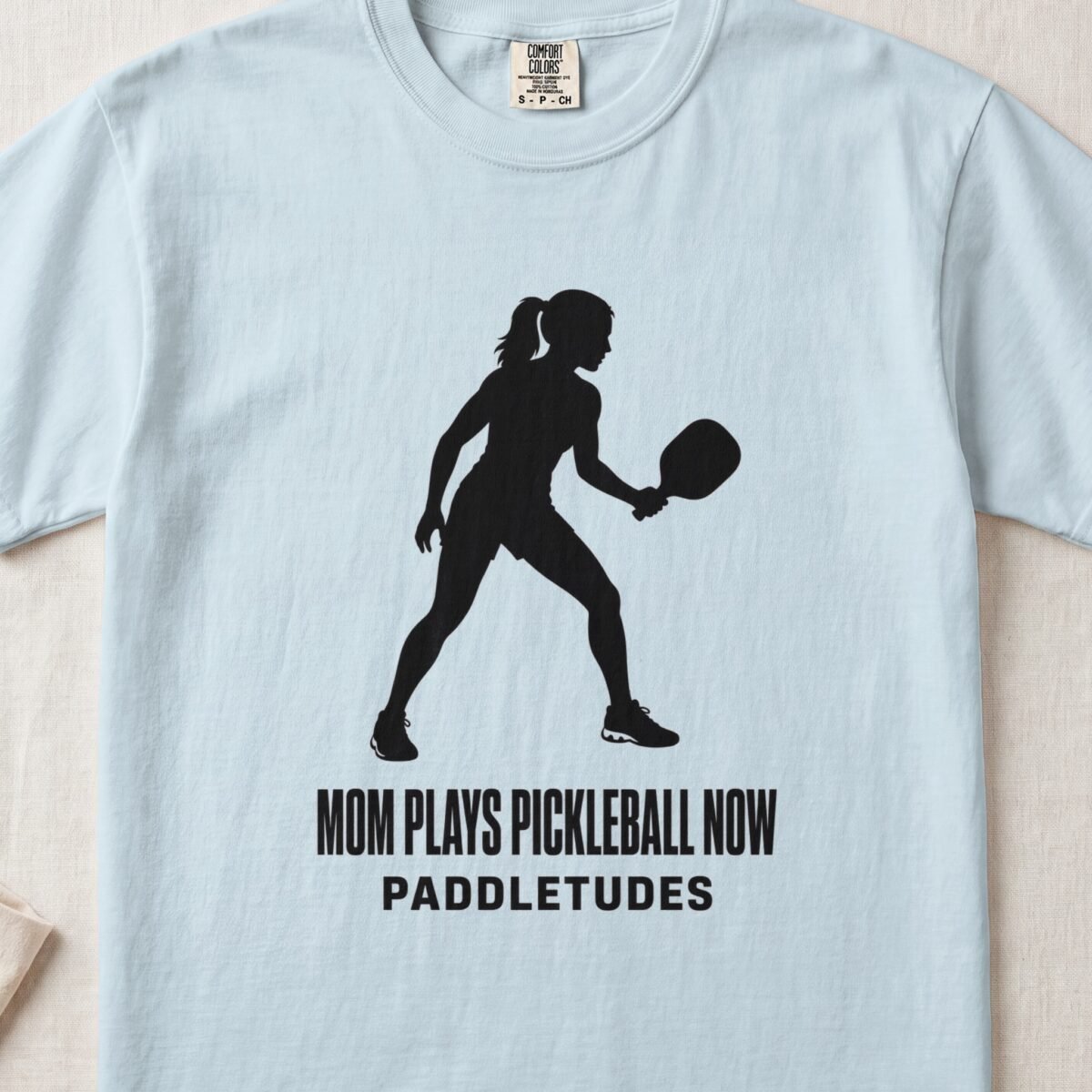
Mom Plays Pickleball Now
$29.99 Select options This product has multiple variants. The options may be chosen on the product page