
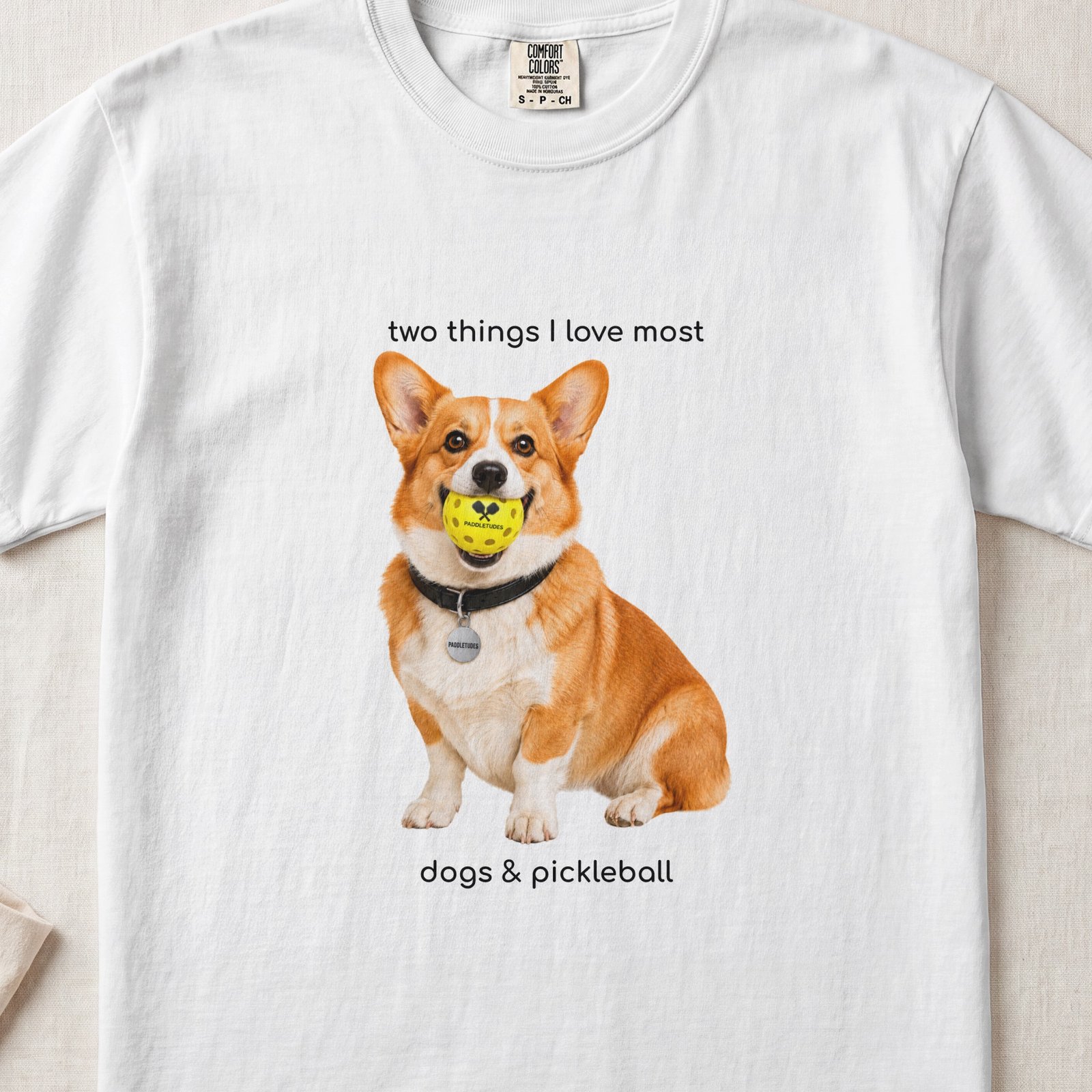
Animals Comfort Colors 1717
Corgi Happy
$39.99
- Comfort Colors 1717 heavyweight cotton
- Original design · printed to order
- U.S. print partners
Twenty-Eight Pounds of Middle Management — Corgi T Shirt
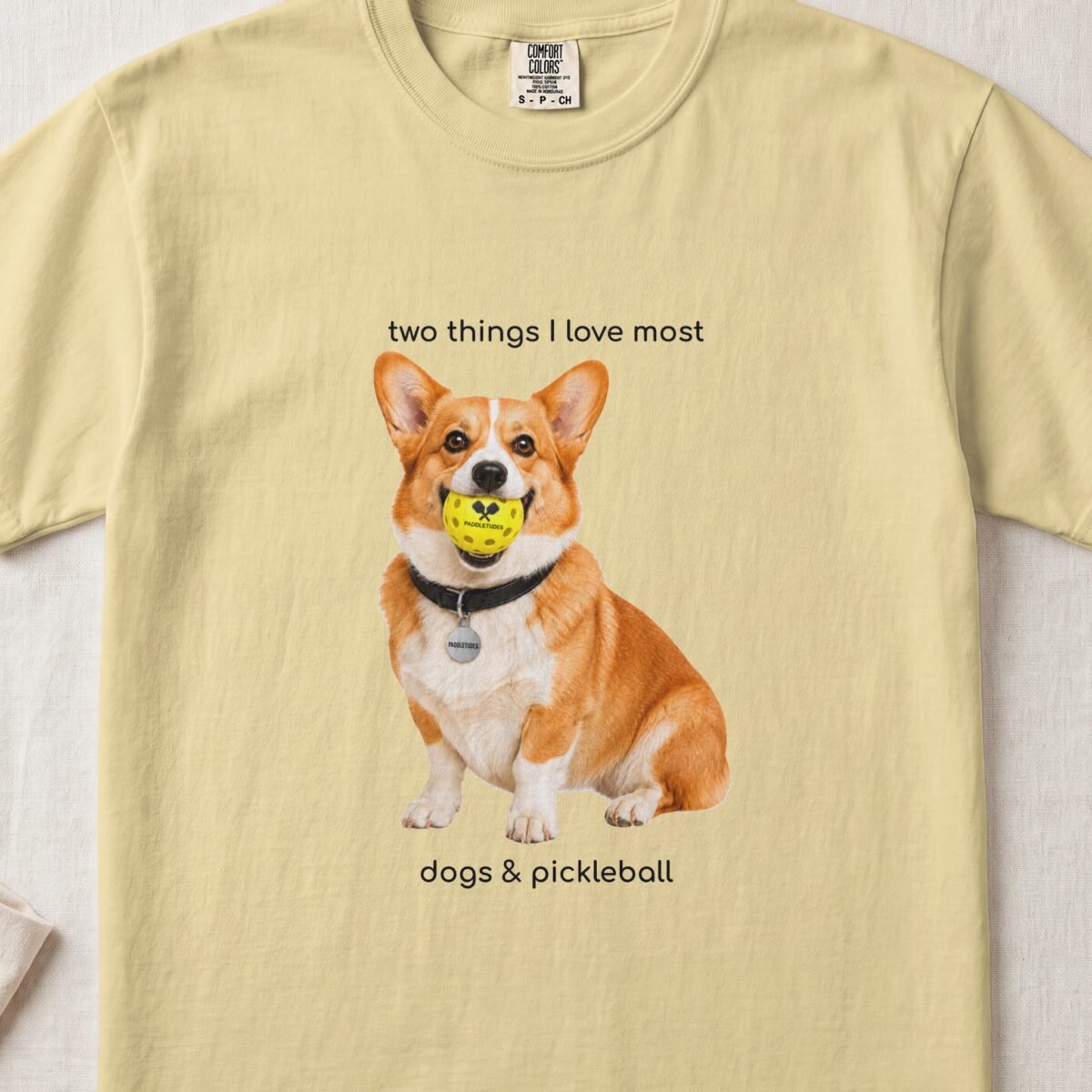
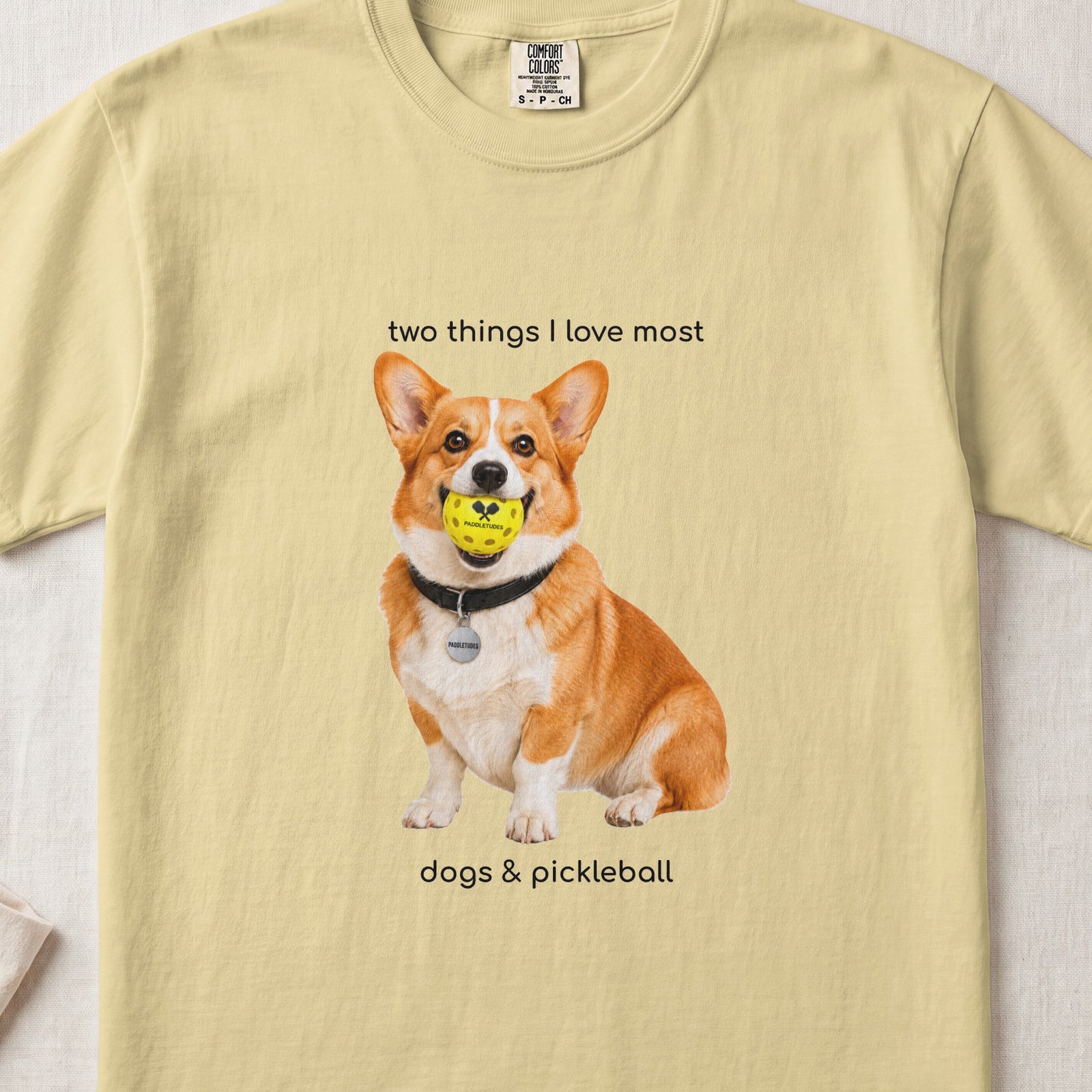
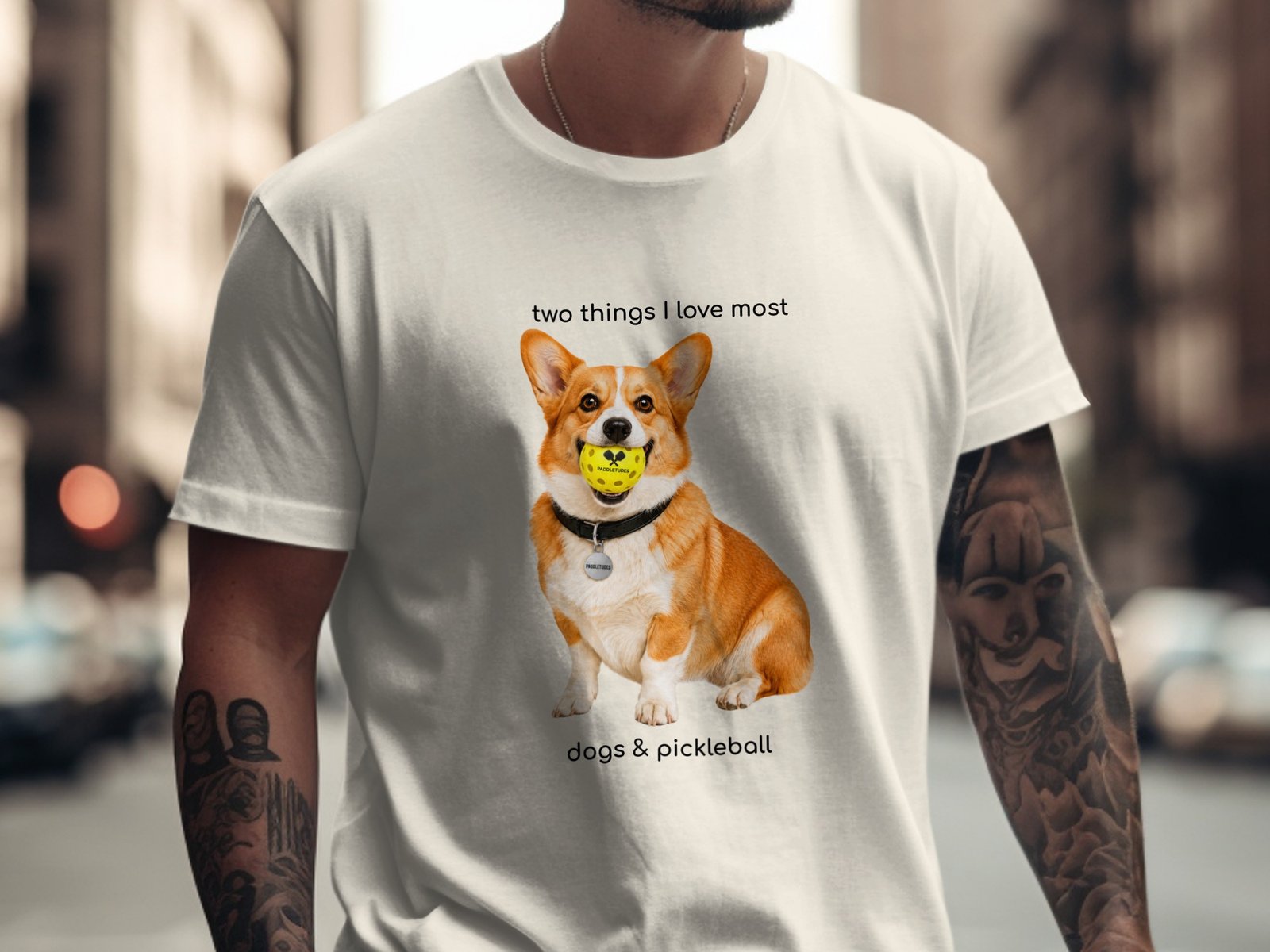
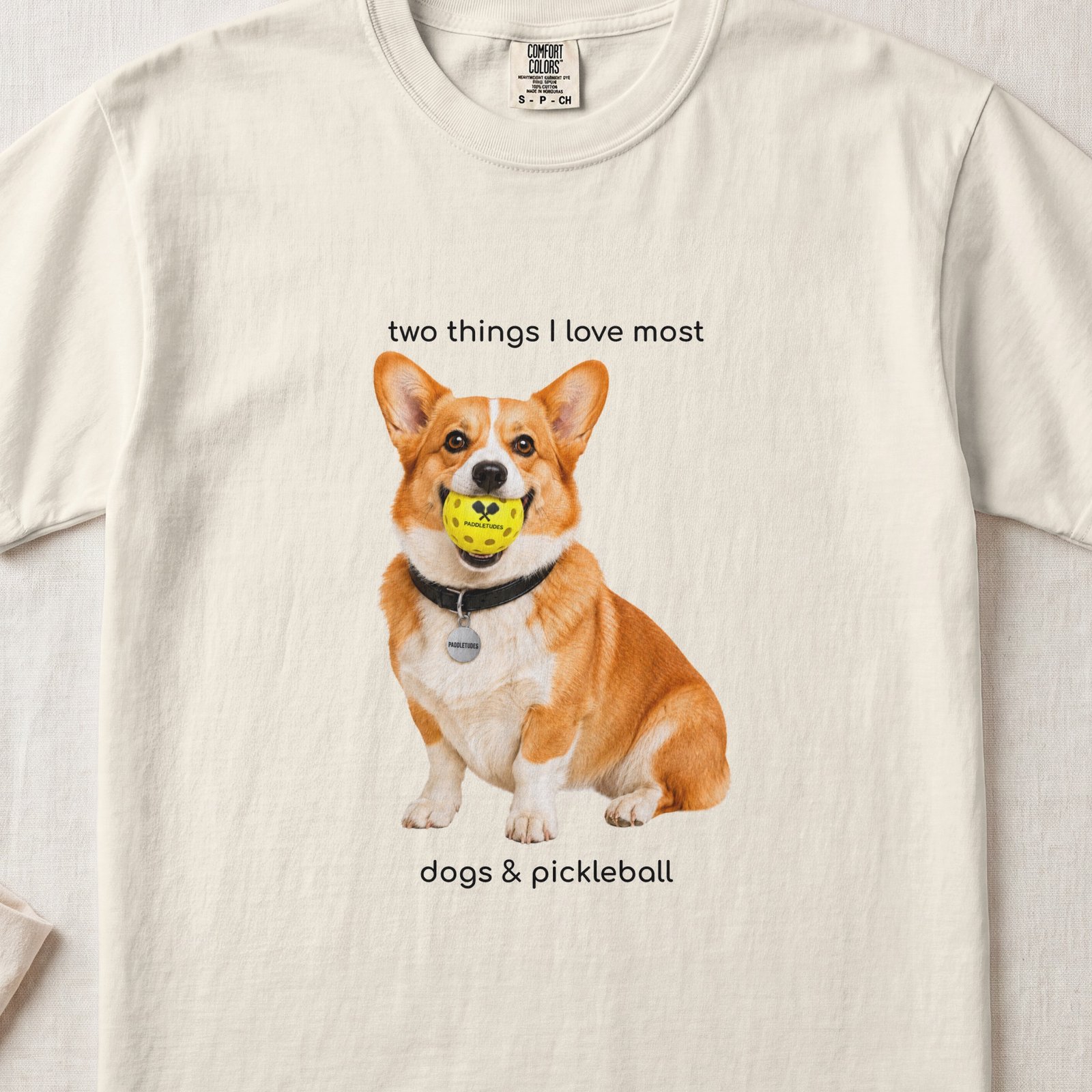
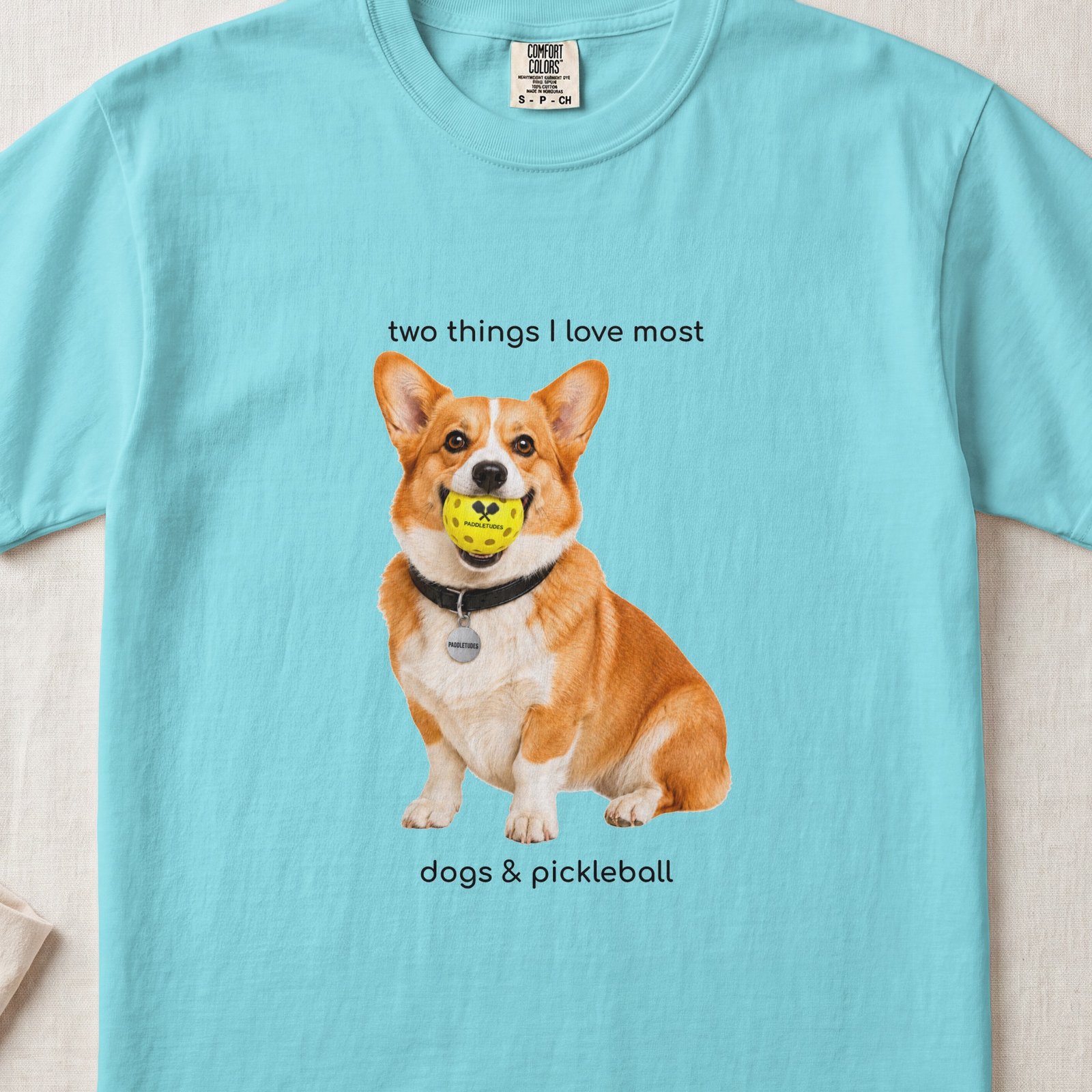
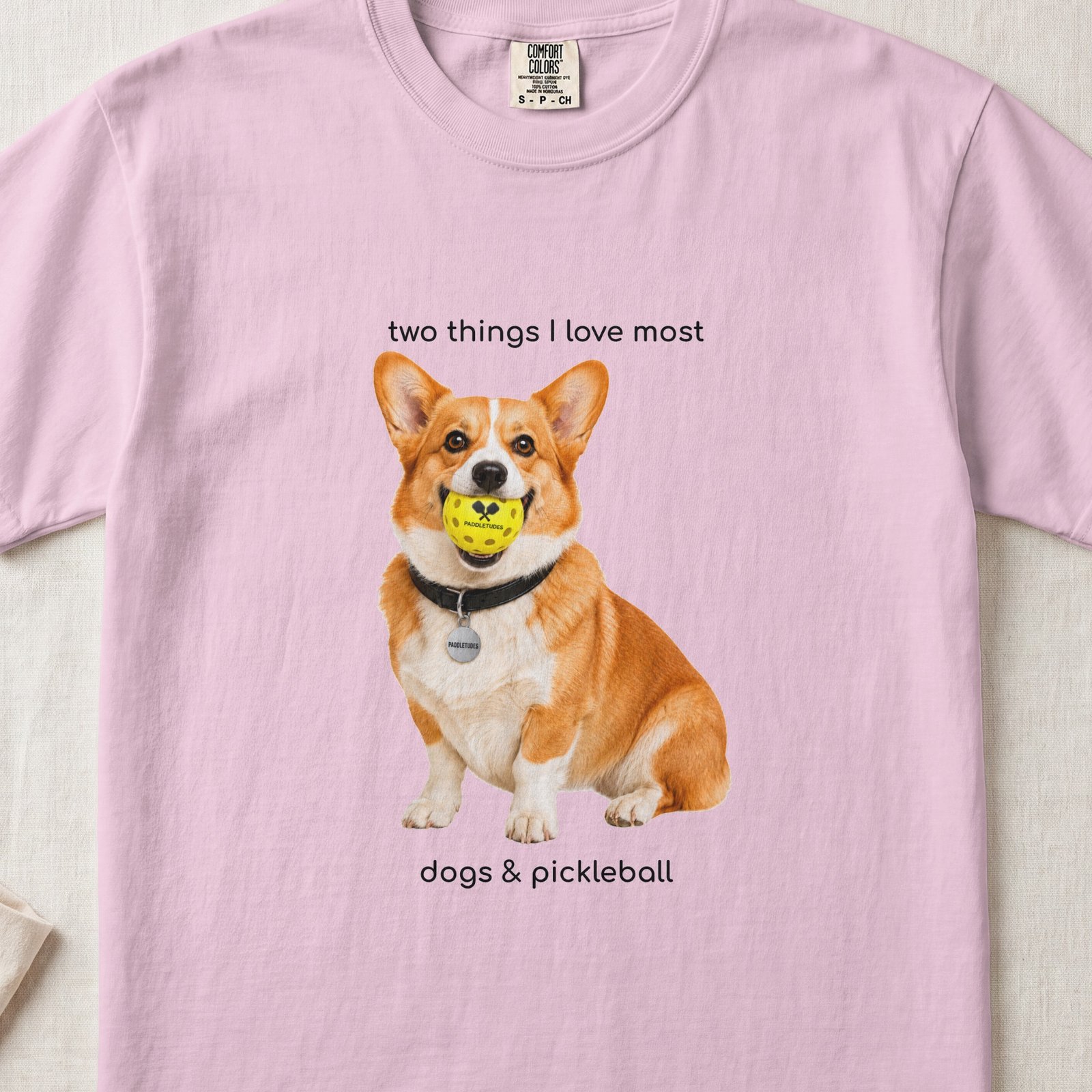
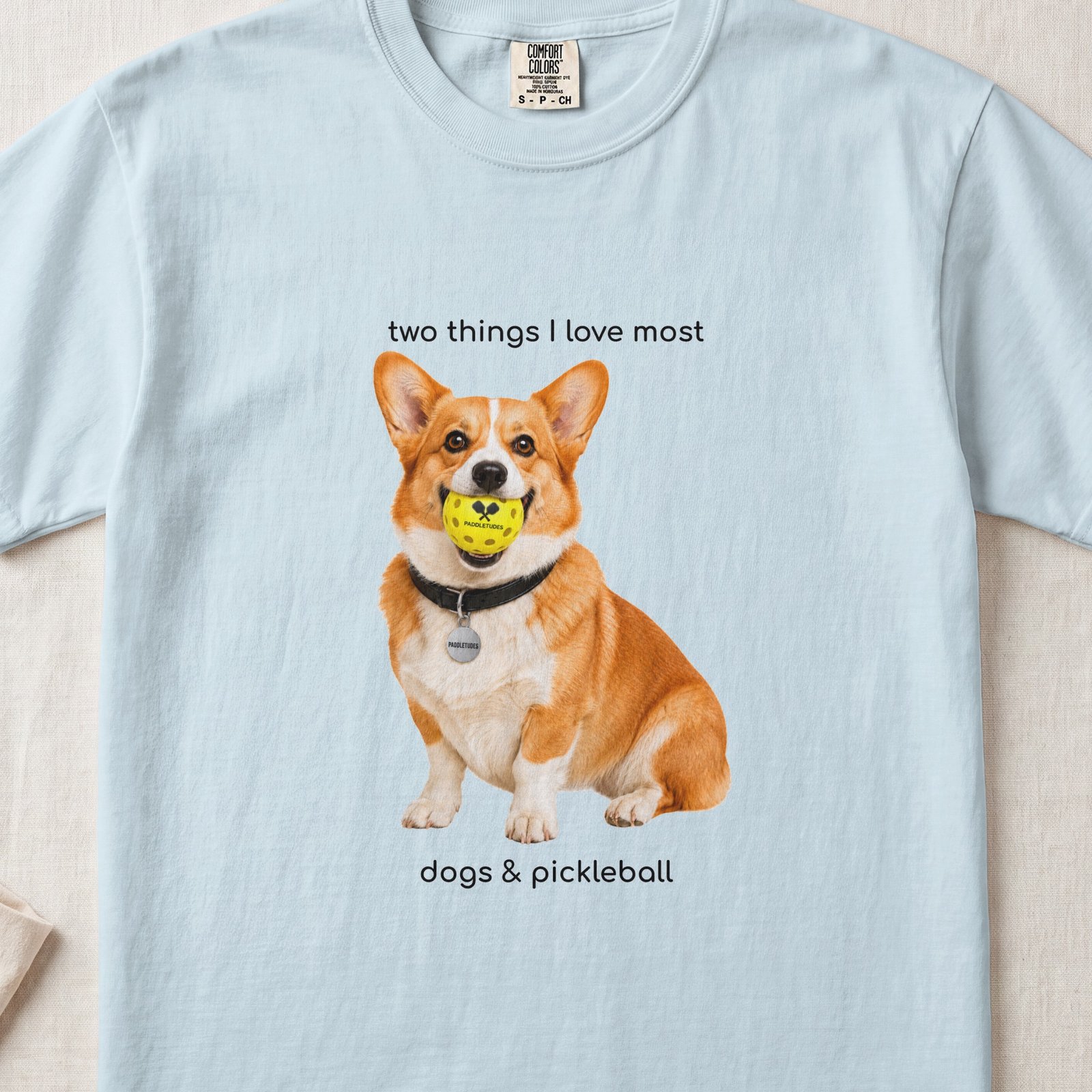
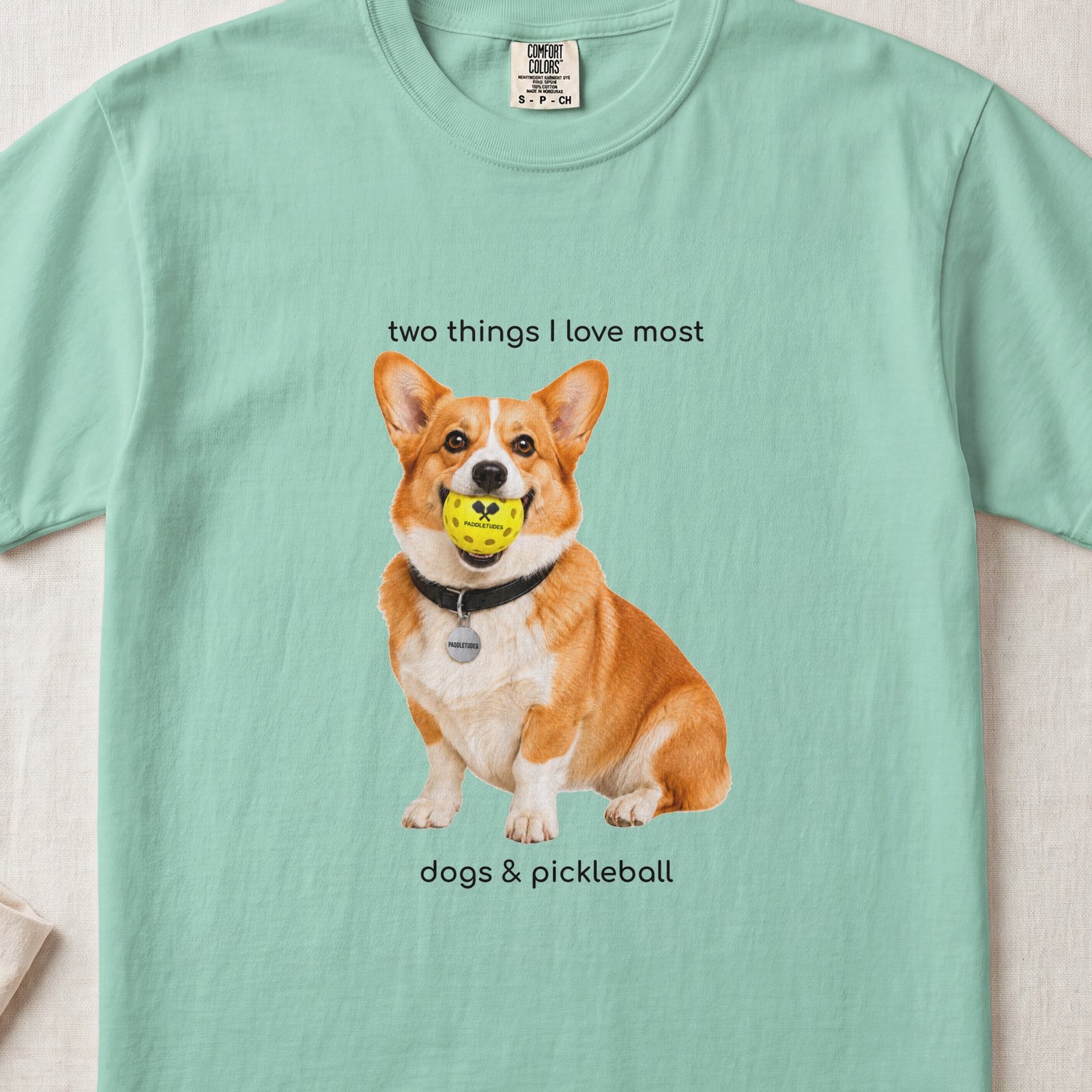
Twenty-eight pounds of middle management. Your Corgi has opinions about everything — the pickleball schedule, the walk route, where the furniture goes, and whether you’re allowed to sit in that specific spot on the couch. This shirt captures the Pembroke Welsh Corgi at peak confidence: pickleball locked in, ears at full satellite, legs that have no business being that short moving at a speed that has no business being that fast.
Everything about a Corgi is built on contradiction. The body says small. The attitude says enormous. The legs say this dog should not be able to keep up with anything. The dog says watch me. This design catches the moment every Corgi owner recognizes — the look of a dog who has decided they are in charge of whatever is happening, and the fact that they weigh less than a toddler changes nothing about that assessment. The Corgi doesn’t chase the ball because you threw it. The Corgi runs the ball down because the ball is in the wrong place and needs to be corrected.
Wearing this shirt at the pickleball court, at the dog park, at the grocery store — another Corgi lover spots it and the conversation is already happening. You don’t even have to start it. The shirt starts it. Every Corgi person has the same stories. The sploot on the kitchen floor. The bark that rattles windows. The butt wiggle at full sprint. The look of pure indignation when you move their water bowl three inches to the left. You can’t explain to a non-Corgi person why this breed is funny. You have to experience it. This shirt is the membership card for people who already have. For the version where pickleball didn’t happen and the Corgi has very specific feelings about it, see the Sad Corgi tee.
If you’re shopping for a Corgi gift, you already know who it’s for — the person whose phone storage is 60 percent Corgi photos and who doesn’t see a problem with that. It’s the Christmas gift for the dog dad whose Corgi herds the kids around the backyard every Saturday morning while he’s at the court, and whose family has started calling the dog “the manager.” It’s the Mother’s Day gift for the dog mom whose Corgi has a social media presence with more engagement than her personal account — the morning stretch, the evening zoomies, the indignant stare when breakfast is ninety seconds late. It’s the birthday gift for the grandma who just got her first Corgi at sixty-two and has already bought it a stroller. The retirement gift for the uncle who now has all day to play pickleball and whose Corgi has opinions about every single minute of his new schedule. This is the dog lover gift that works because it captures a real personality, not a generic dog silhouette. And it’s the stocking stuffer that gets opened first on Christmas morning because the person holding it is going to point at it and say “that’s literally my dog.”
The Corgi’s internet fame makes it easy to forget that this is a serious working dog with a resume that goes back centuries. Welsh farmers bred Pembroke Welsh Corgis to herd cattle — actual cattle, animals that outweigh the dog by a factor of thirty. The Corgi’s job was to nip at the heels of a thousand-pound steer, then drop flat to the ground as the kick sailed overhead. The name itself comes from the Welsh words for dwarf and dog. They are, literally, the dwarf dog — engineered that way on purpose. The breed became globally famous when King George VI brought a Pembroke named Dookie to Buckingham Palace in 1933, and Queen Elizabeth II owned more than 30 Corgis during her reign. But the breed existed for centuries before the palace. The Pembroke Welsh Corgi Club of America maintains the breed standard and promotes everything from conformation to herding trials, because underneath the Instagram celebrity is a dog that can still move a herd if you ask it to. Browse the full breed lineup on our Dogs and Pickleball page.
Printed on a Comfort Colors 1717 garment-dyed heavyweight tee with water-based DTG ink — sizing and care details here.
Were Corgis Really Bred to Herd Cattle
Yes — and not small cattle. Pembroke Welsh Corgis were bred to herd full-sized cows by nipping at their heels, then dropping flat to the ground to dodge the retaliatory kick. Their low profile wasn’t a cosmetic accident. It was a functional design that kept a twenty-eight-pound dog alive in a job that involved provoking animals thirty times their weight.
The breed’s working history in Wales stretches back centuries, with roots likely reaching the 10th century or earlier. Welsh farmers needed a dog small enough to move under livestock but sturdy enough to work all day in open fields. The Corgi’s long, low body and surprisingly powerful legs made them perfect for the job. They could dart in, nip, and flatten themselves against the ground in one fluid motion — a technique that kept the cattle moving and the dog in one piece.
Modern Corgis are rarely asked to herd cattle, but the instinct hasn’t gone anywhere. The Pembroke Welsh Corgi Club of America still runs herding trials, and many pet Corgis will instinctively try to herd children, other pets, and sometimes unsuspecting houseguests by circling them and nipping at ankles. If your Corgi rounds up everyone at the pickleball court into a tight group, they’re not being rude — they’re doing the job their DNA assigned them. The herding drive is also why Corgis need real exercise, not just a walk around the block. A dog bred to spend all day moving livestock across Welsh farmland needs at least an hour of vigorous activity daily to stay balanced and content. The Beagle channels that same compact, unstoppable energy into a completely different obsession — the nose runs the operation, not the herd.
Why Do Corgis Have Short Legs
Corgis have short legs because of achondroplasia — a form of dwarfism caused by a mutation in the FGF4 gene that shortens the limb bones while leaving the rest of the body at normal proportions. In Corgis, this isn’t a defect. It was deliberately bred into the line over centuries because short legs made the dog better at its job.
A cattle-herding dog needs to work directly underneath livestock. A tall dog nipping at a cow’s heels puts its head at kick height. A dog built twelve inches off the ground can nip and drop flat, letting the kick pass safely overhead. The same genetic trait that makes the Corgi look funny on the internet is the trait that kept the breed alive and employed in Welsh farming for hundreds of years. The AKC breed standard specifies 10 to 12 inches at the shoulder — roughly the height of a bowling ball — with a body significantly longer than it is tall.
The short legs come with real considerations for owners. Corgis are more prone to intervertebral disc disease because of the stress their long spine absorbs during jumping and climbing. Stairs should be taken seriously, especially as the dog ages. Obesity puts extra strain on the structure, so weight management matters more in this breed than in most. But the legs that create those health considerations are the same legs that allow a Corgi to run at a genuinely surprising speed, change direction on a dime, and move with an agility that has no right to exist in a body shaped like that. The Dachshund shares the same FGF4 mutation and the same stubbornness about proving the short legs wrong. At full sprint, a Corgi looks like a physics error. The fact that it works is the entire point of the breed.
-
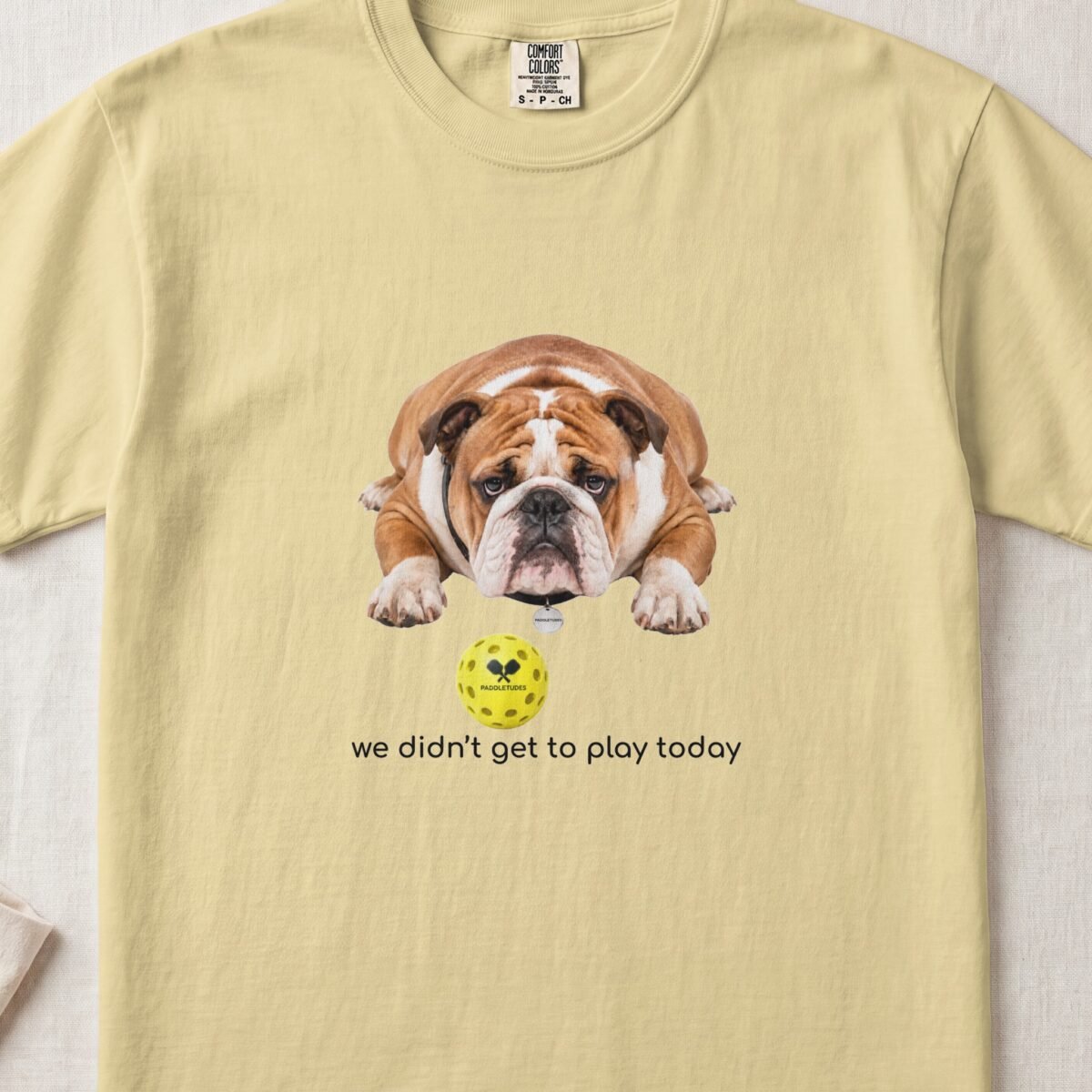
Bulldog Sad
$39.99 Select options This product has multiple variants. The options may be chosen on the product page -
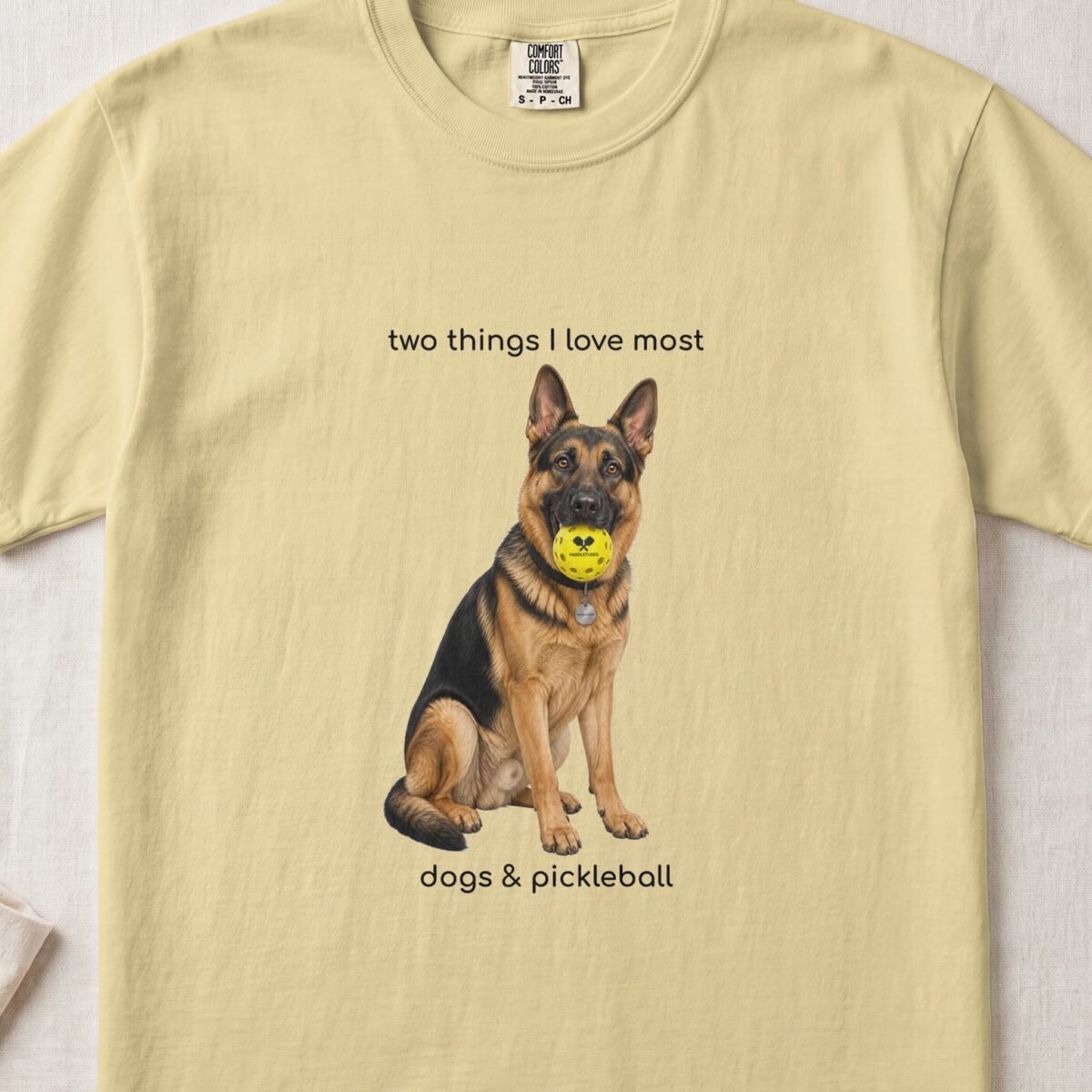
German Shepherd Happy
$39.99 Select options This product has multiple variants. The options may be chosen on the product page -
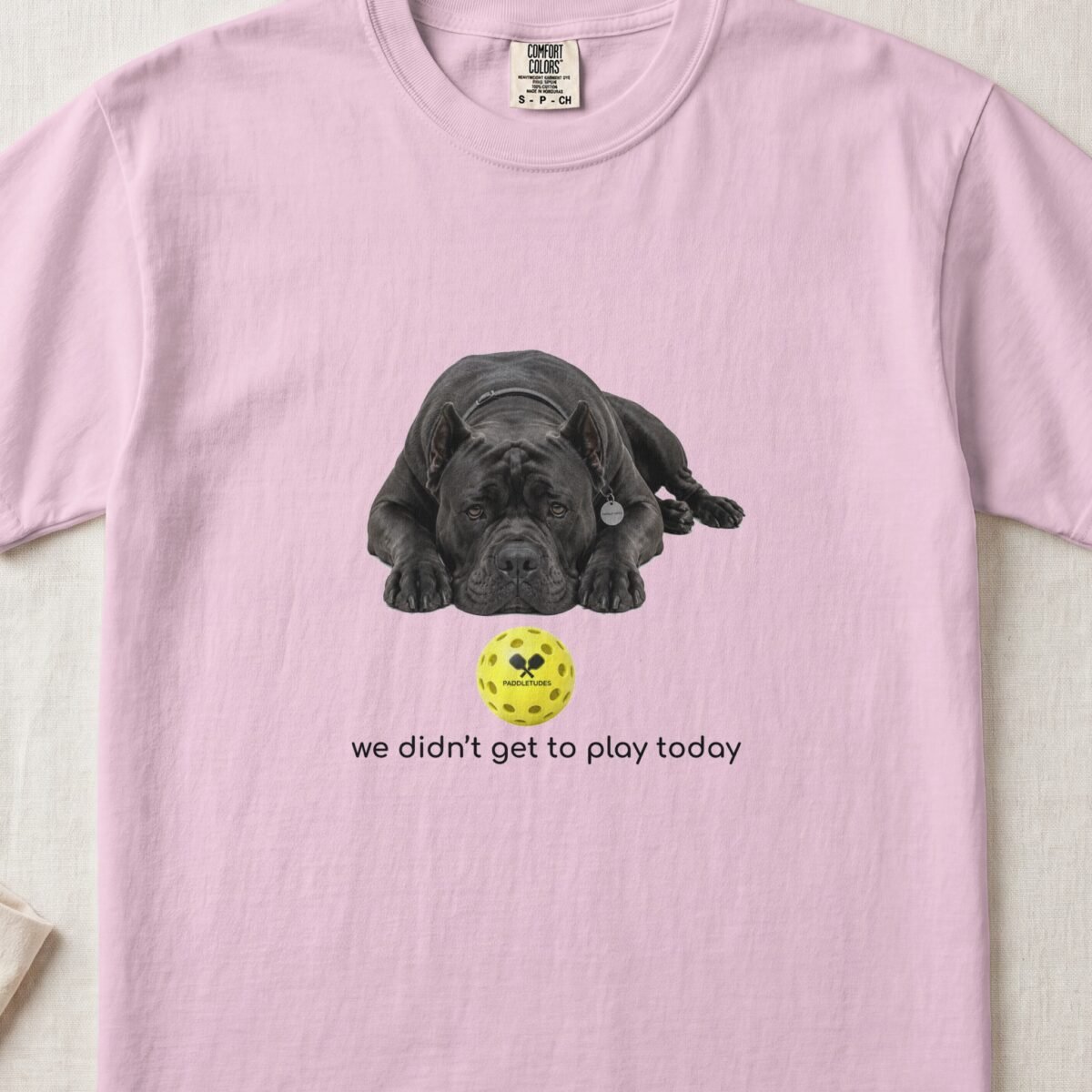
Cane Corso Sad
$39.99 Select options This product has multiple variants. The options may be chosen on the product page