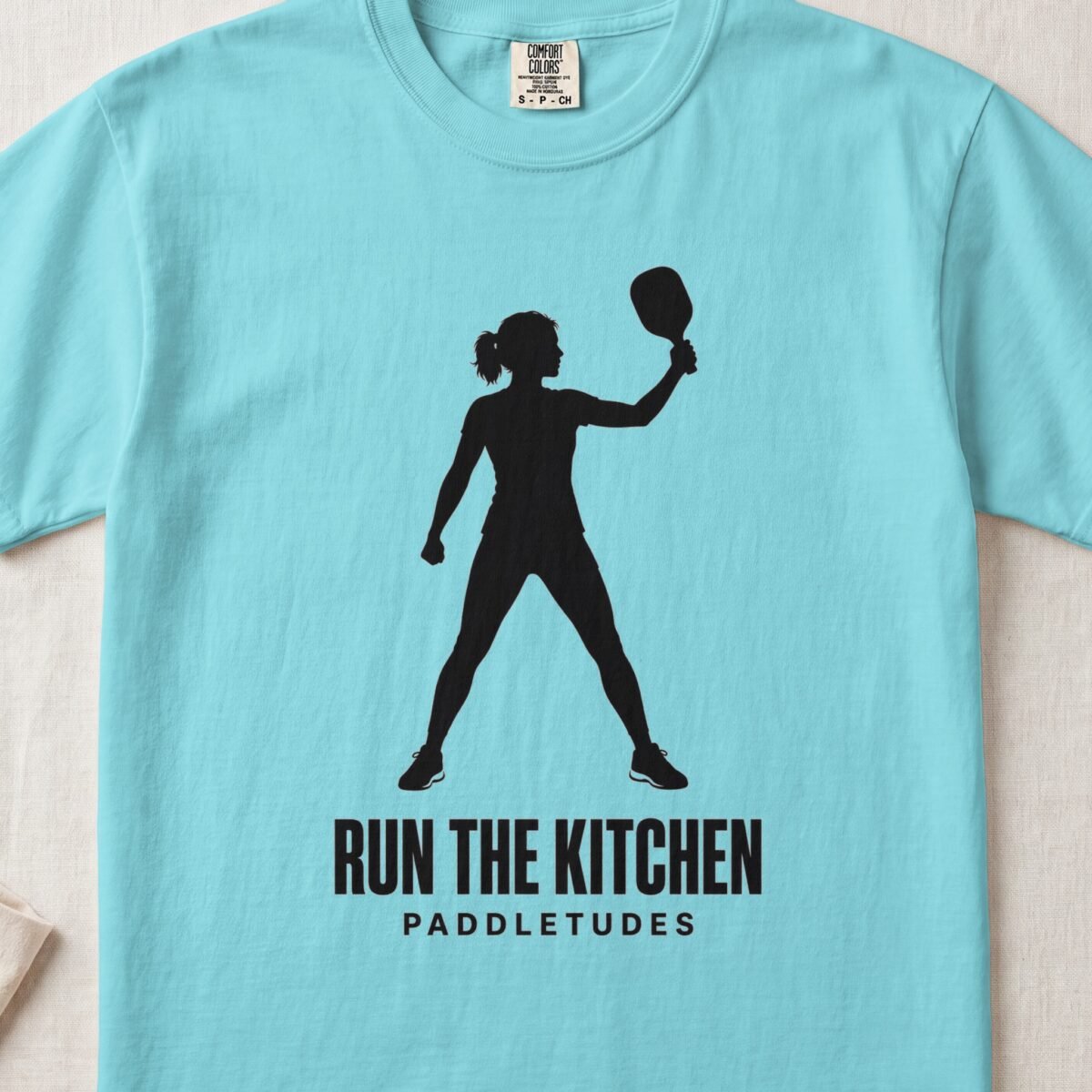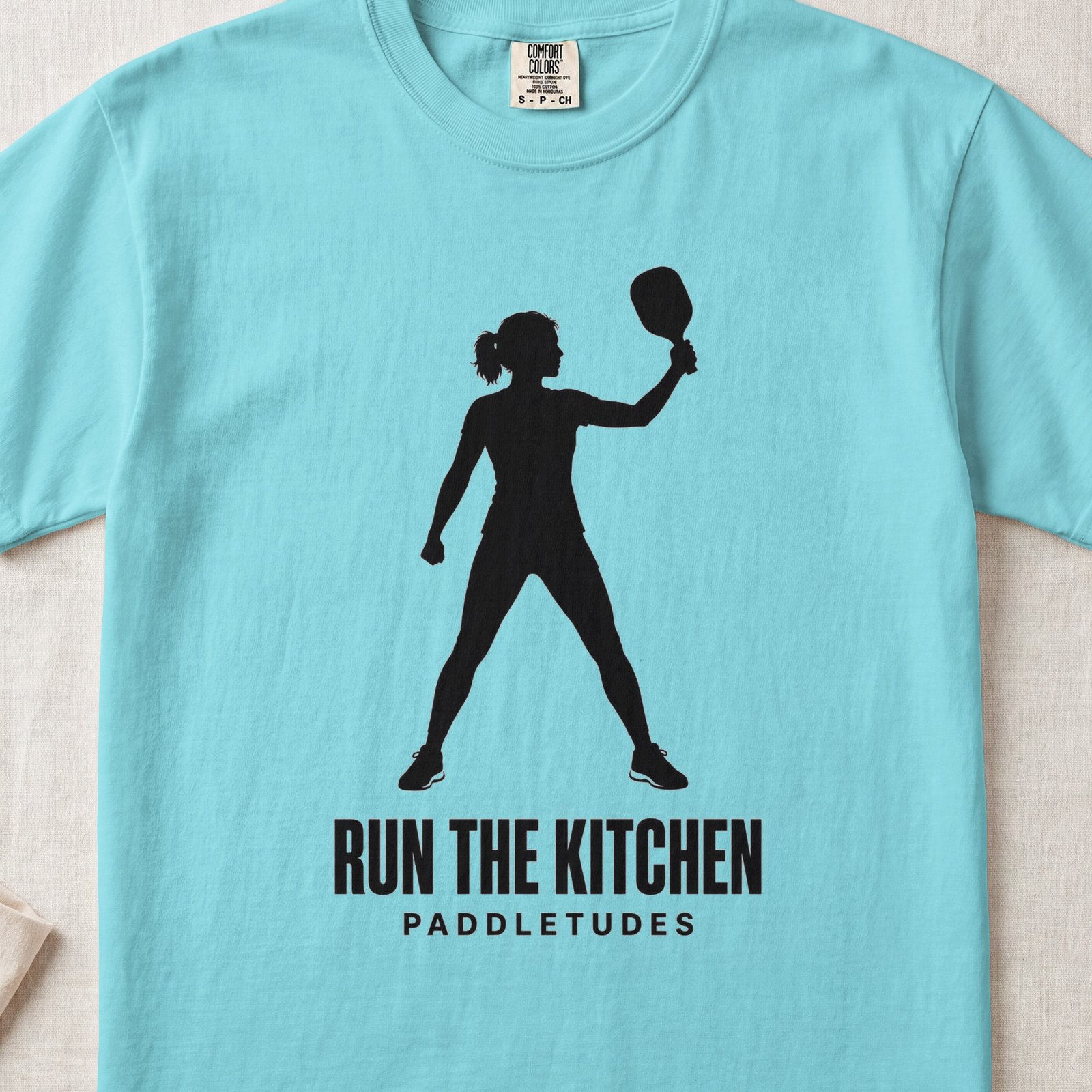
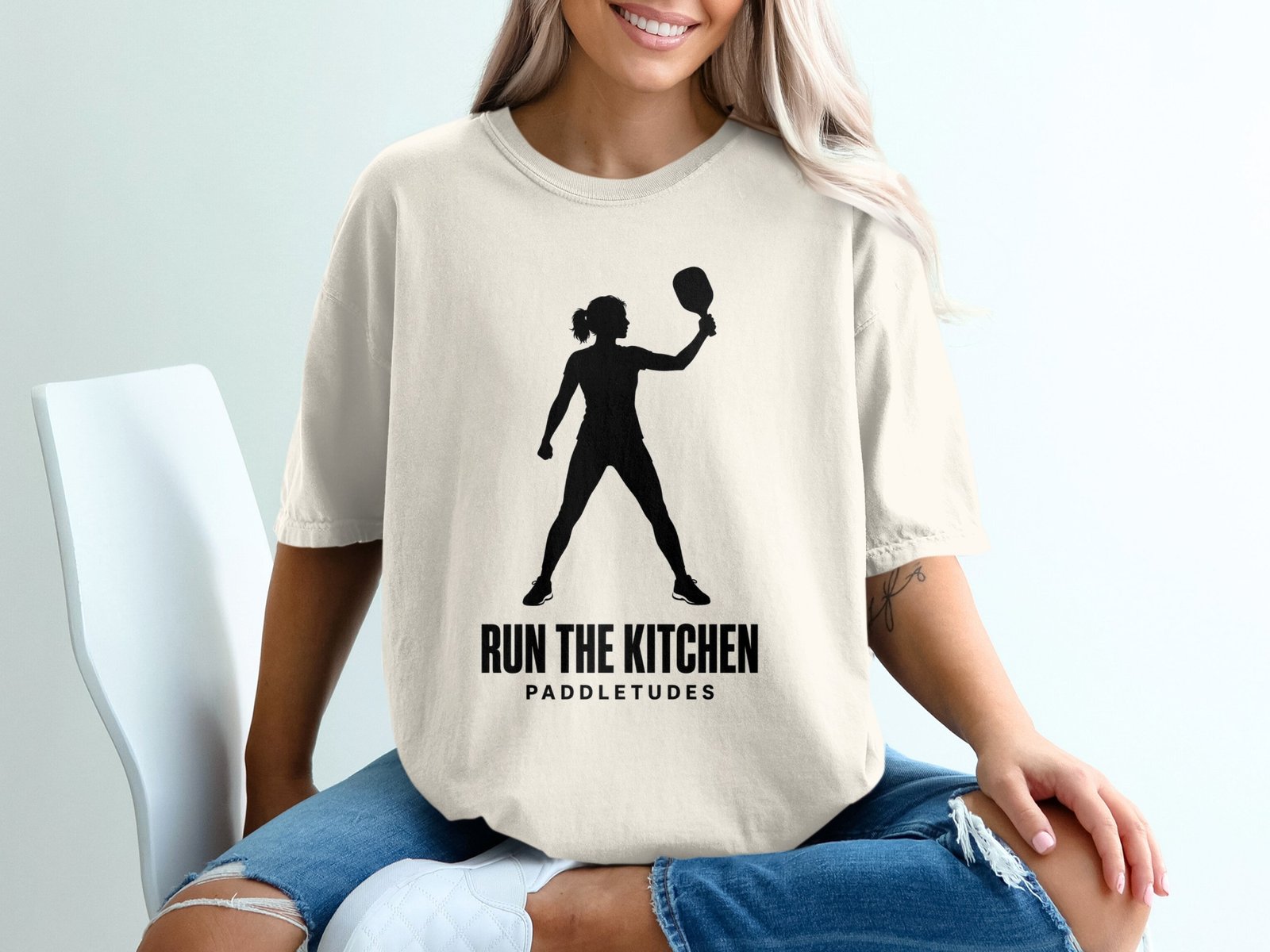
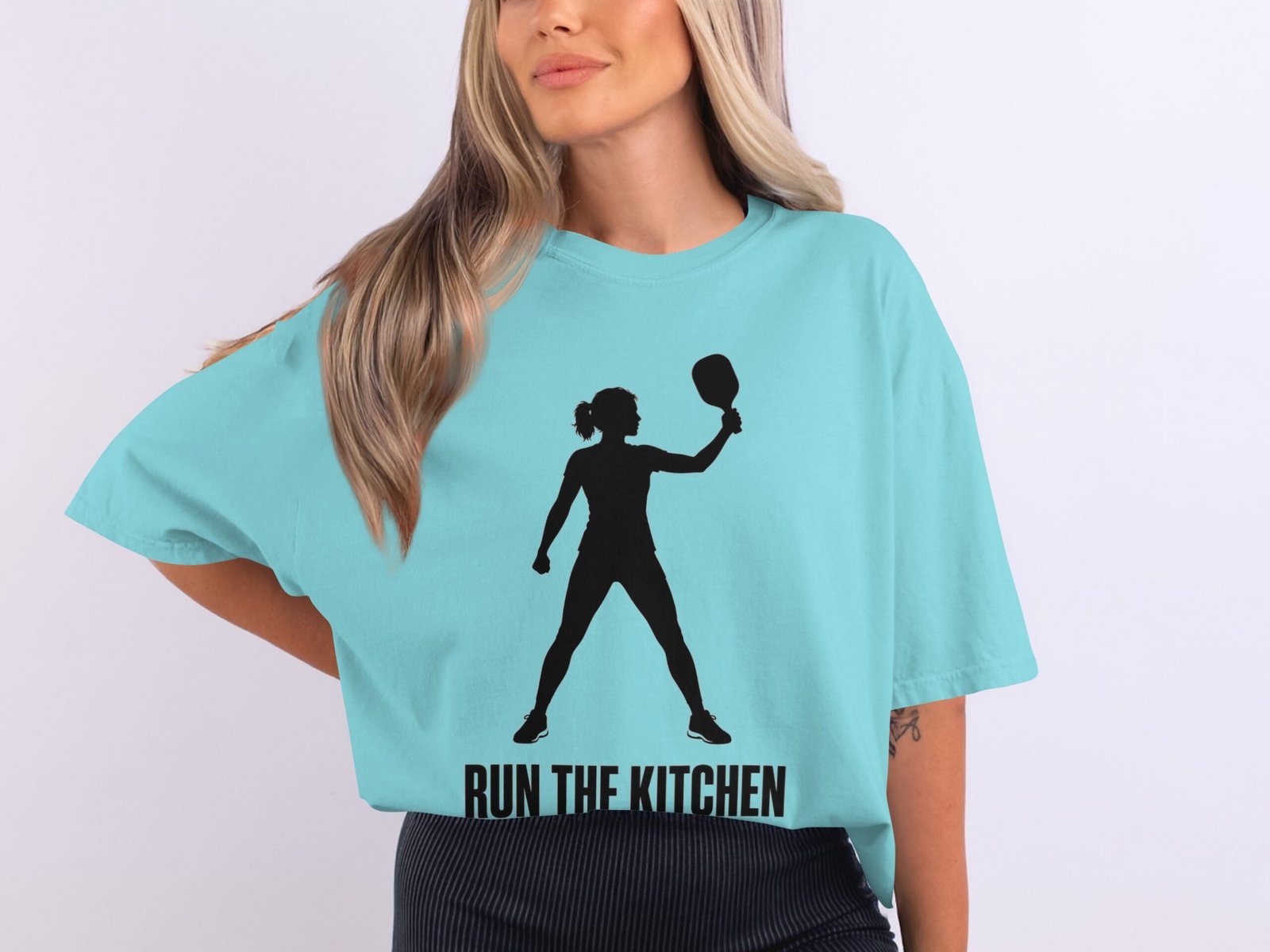
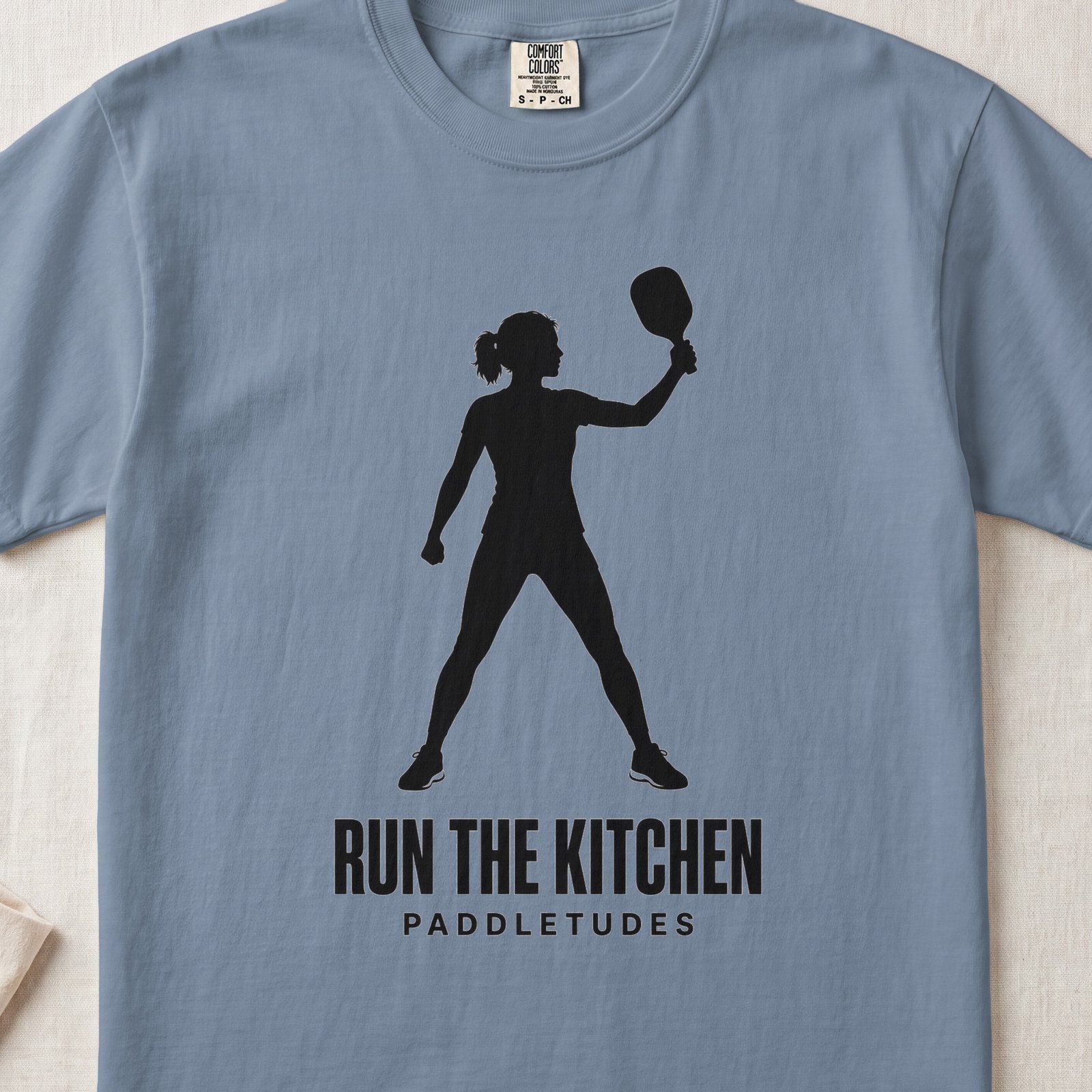
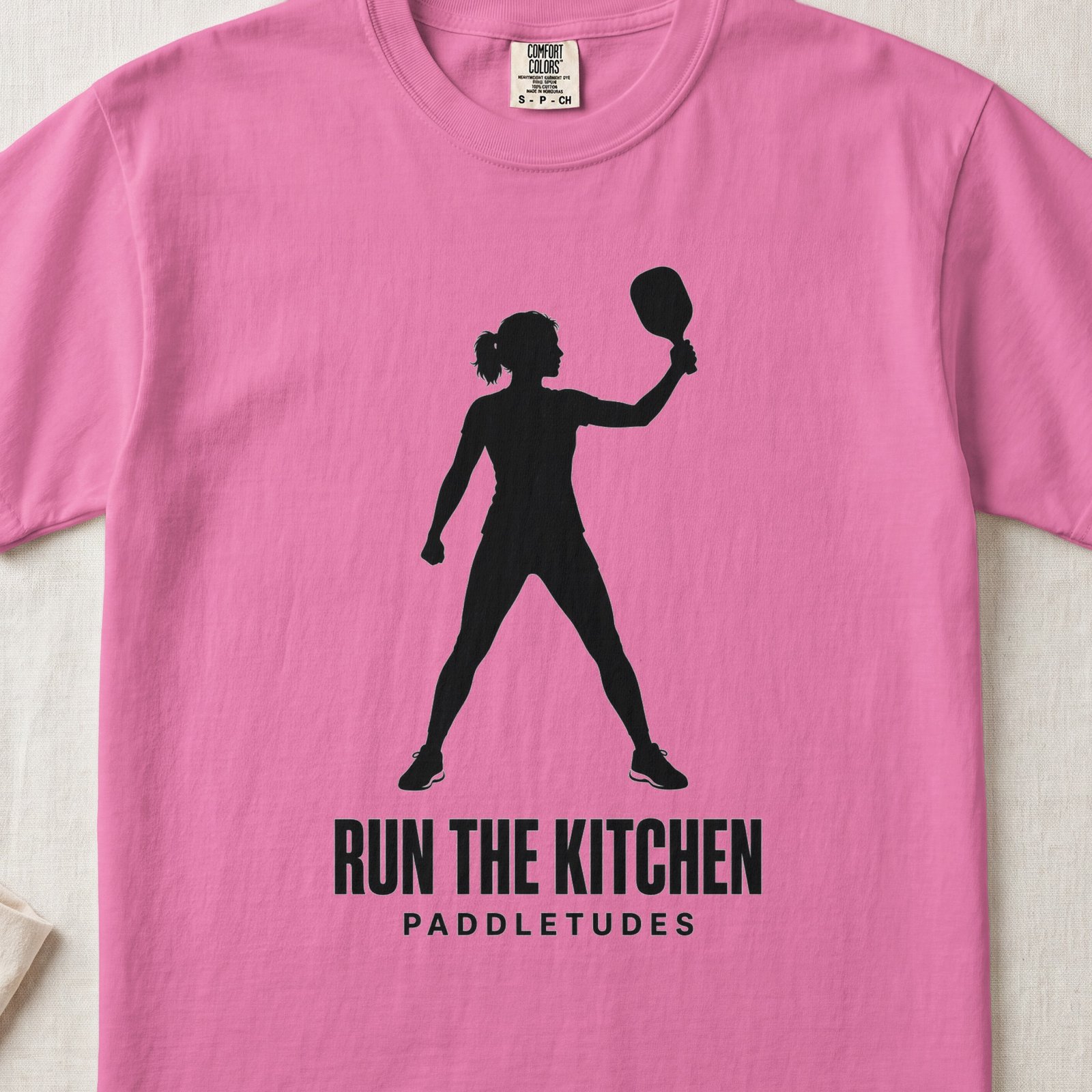
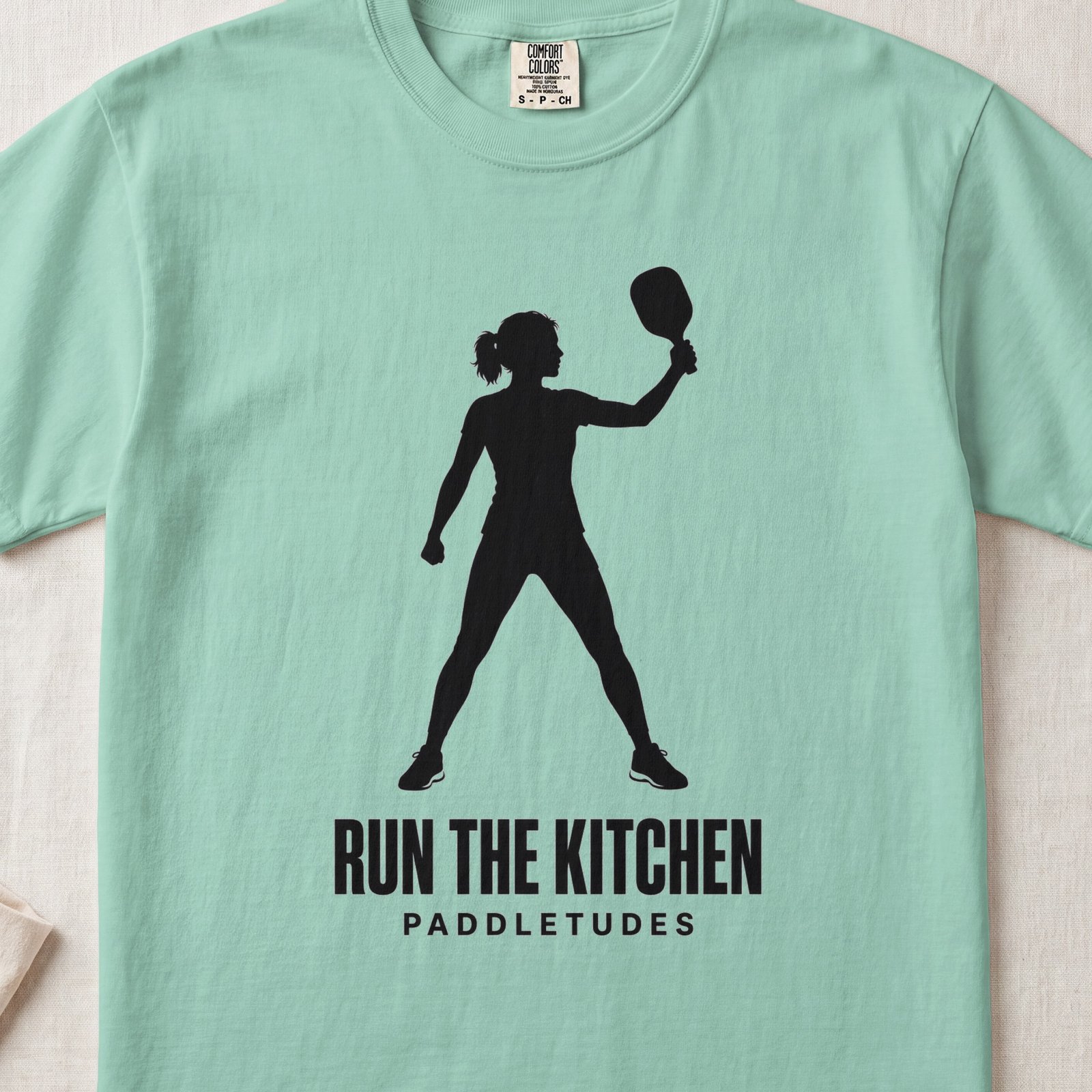
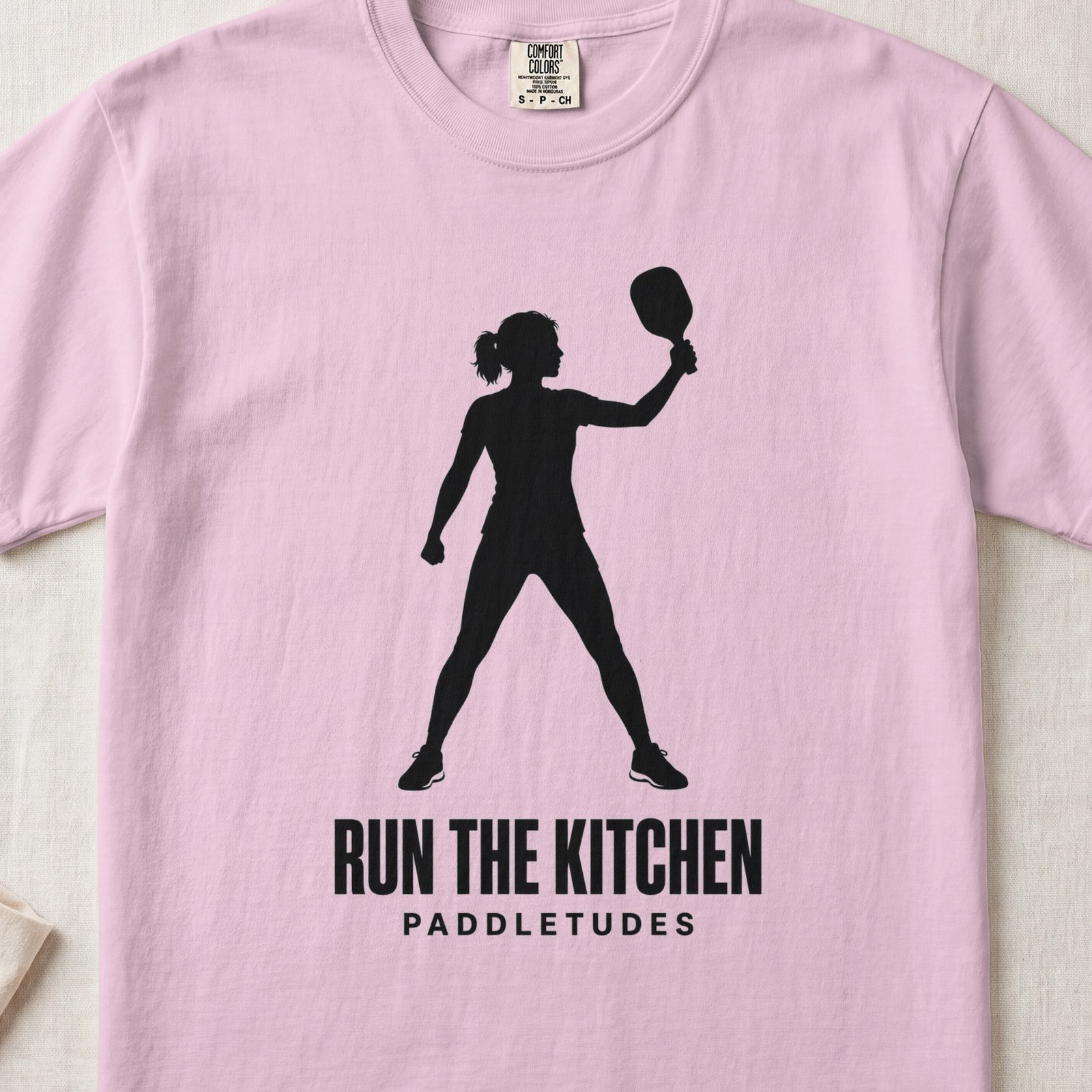
Sports Comfort Colors 1717
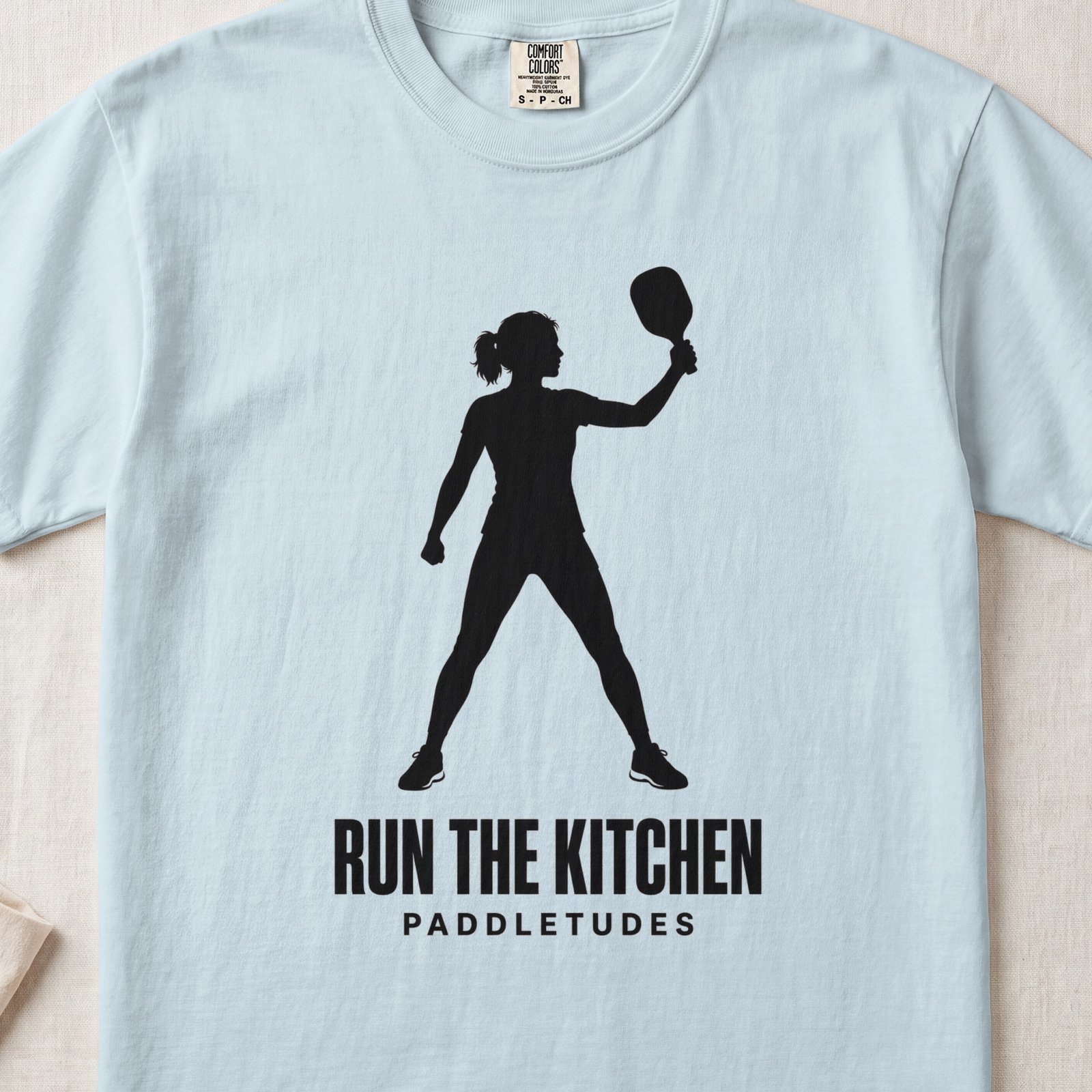
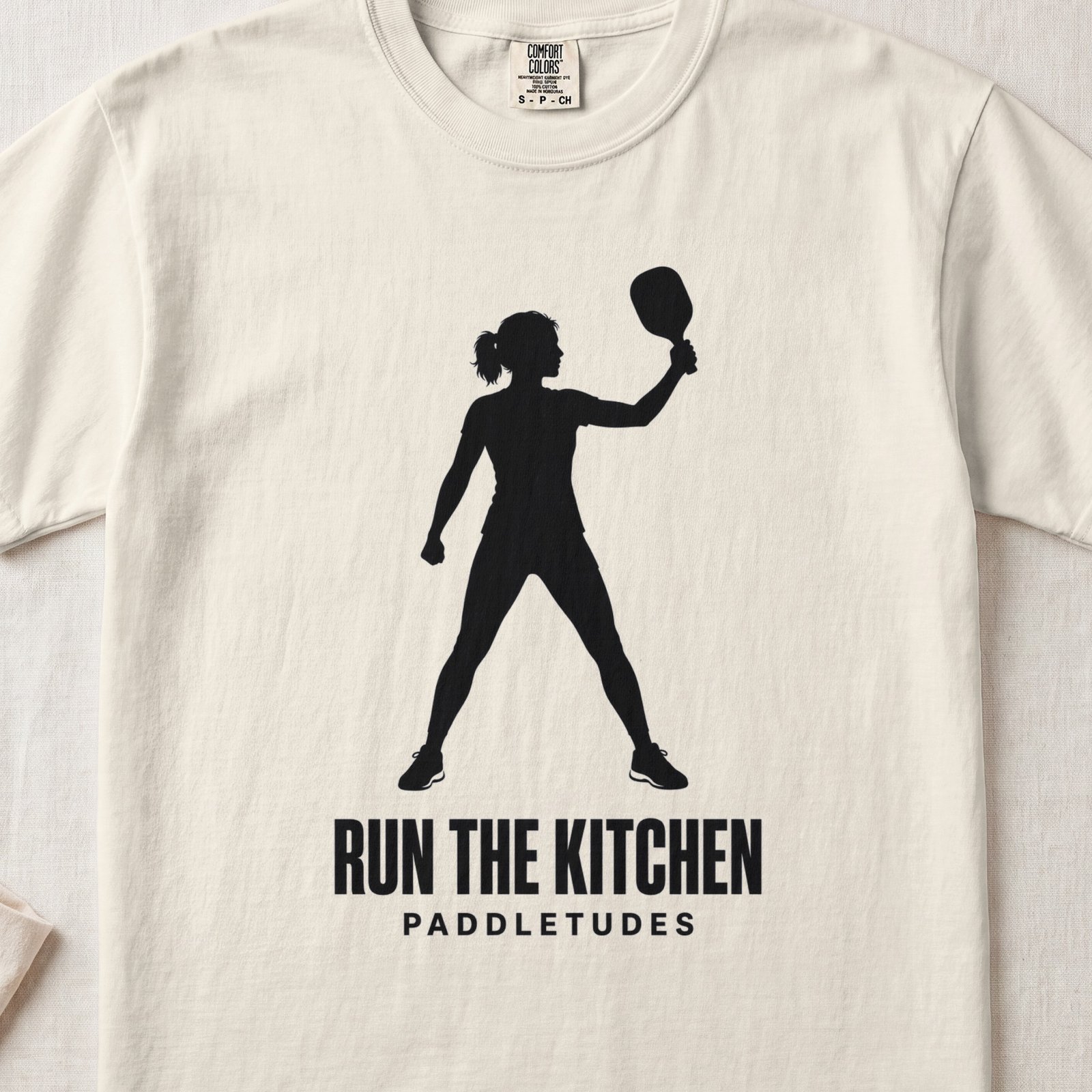
Run The Kitchen
$29.99
- Comfort Colors 1717 heavyweight cotton
- Original design · printed to order
- U.S. print partners
Run The Kitchen — The Pickleball Shirt for Women Who Own the Non-Volley Zone
This funny pickleball shirt is for the woman who gets to the kitchen line first and stays there until the point is over. Run The Kitchen isn’t a suggestion. It’s a scouting report.
There’s a player on every court who treats the non-volley zone like rented property she’s already bought. She split-steps after the return, moves forward while the ball is still in the air, and arrives at the line before her opponents have figured out their next shot. She doesn’t camp there waiting for something to happen. She makes things happen. Soft volleys that die before they cross the net. Punch volleys angled so sharp the other team stops reaching for them. Resets that look effortless because she’s done ten thousand of them, not because they’re easy. If you’ve played with her, you already know who she is. You also know she’s not giving up that position for anyone.
The kitchen zone is where points are won at every level above recreational, and USA Pickleball’s rules around the non-volley zone exist specifically because of what players like this do when they get there. Foot faults, volley violations, momentum carries. She knows every one of them. Not because she’s read the rulebook. Because she’s been called for each of them at least once on the way to figuring out exactly where the line is.
The name works twice and she knows it. Running the kitchen at home is one thing. Running the kitchen on the pickleball court is something else entirely. Both require timing, a refusal to let other people dictate the pace, and the kind of quiet authority that only comes from knowing you belong there. This is the shirt she wears to morning open play when she doesn’t feel like explaining herself. The silhouette, the text, the attitude. It says what she’s about to prove in the first three points. If you’re shopping for a pickleball gift for the woman who already has the paddle, the bag, and the court shoes, this is the one that actually gets worn. Not because it matches her outfit. Because it matches how she plays.
She’s also the reason your mixed doubles partner keeps switching sides. He saw what happened at the kitchen line last Thursday. He wants no part of a second round. You could cross-link this player to the one wearing Kitchen Confidential, except that shirt is about keeping secrets at the line. This one is about making a statement. And if your crew runs four deep on women who play like this, Ladies Who Dink covers the group chat energy.
Why Is Kitchen Position So Important in Pickleball
Kitchen position matters because the player closest to the non-volley zone line controls the angle of every exchange. At the kitchen line, you can hit down on the ball. From the baseline, you’re hitting up. That geometry decides who’s attacking and who’s defending before anyone swings.
At recreational levels, the kitchen line is where rallies get interesting. At competitive levels, it’s where rallies end. A team with both players at the line has access to dinks, punch volleys, erne attempts, and resets that a team stuck at mid-court simply cannot match. The transition from baseline to kitchen is the hardest skill in pickleball, which is exactly why the player who gets there first and stays there has such a massive advantage. Coaches at the PPA Tour level will tell you the same thing they tell beginners. Get to the line. It doesn’t get more complicated than that.
What makes it hard isn’t the footwork. It’s the discipline. Staying at the kitchen line means taking balls off the bounce, absorbing pace instead of creating it, and trusting that a well-placed dink beats a hard drive nine times out of ten. The woman wearing this shirt already trusts that math. She did the reps.
What Makes a Good Net Player in Pickleball
A good net player in pickleball combines soft hands, fast reflexes, and the ability to read the opponent’s paddle angle before the ball leaves it. The best net players don’t react to the shot. They anticipate it, which is why they look calm while everyone else looks frantic.
Touch is part of it, but positioning is the foundation. A net player who stands too close to the center leaves the sideline open. One who crowds the line gives up the lob. The right position depends on the opponent’s tendencies, and great net players adjust between every single point. They also know when not to be at the net. A lob over their head that they can’t run down is worse than staying back and hitting a clean groundstroke. That awareness separates someone who likes the net from someone who lives there. Pickleheads’ strategy guides break this down in detail, but the short version is that the best net players make the game look slow. That’s the gift. Keeping things slow while the other team speeds up.
Printed on a Comfort Colors 1717 garment-dyed heavyweight tee with water-based DTG ink — sizing and care details here.
-
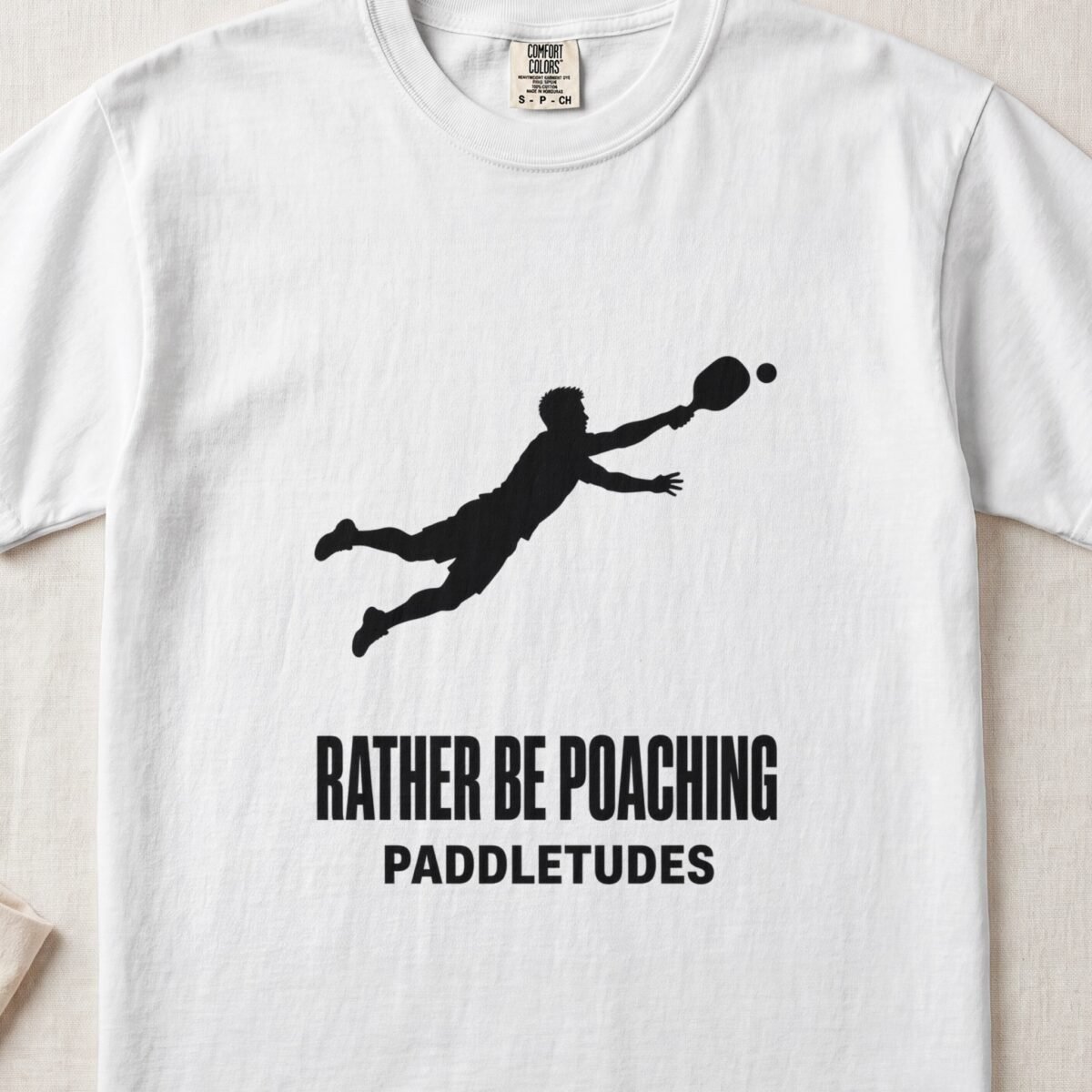
Rather Be Poaching
$29.99 Select options This product has multiple variants. The options may be chosen on the product page -
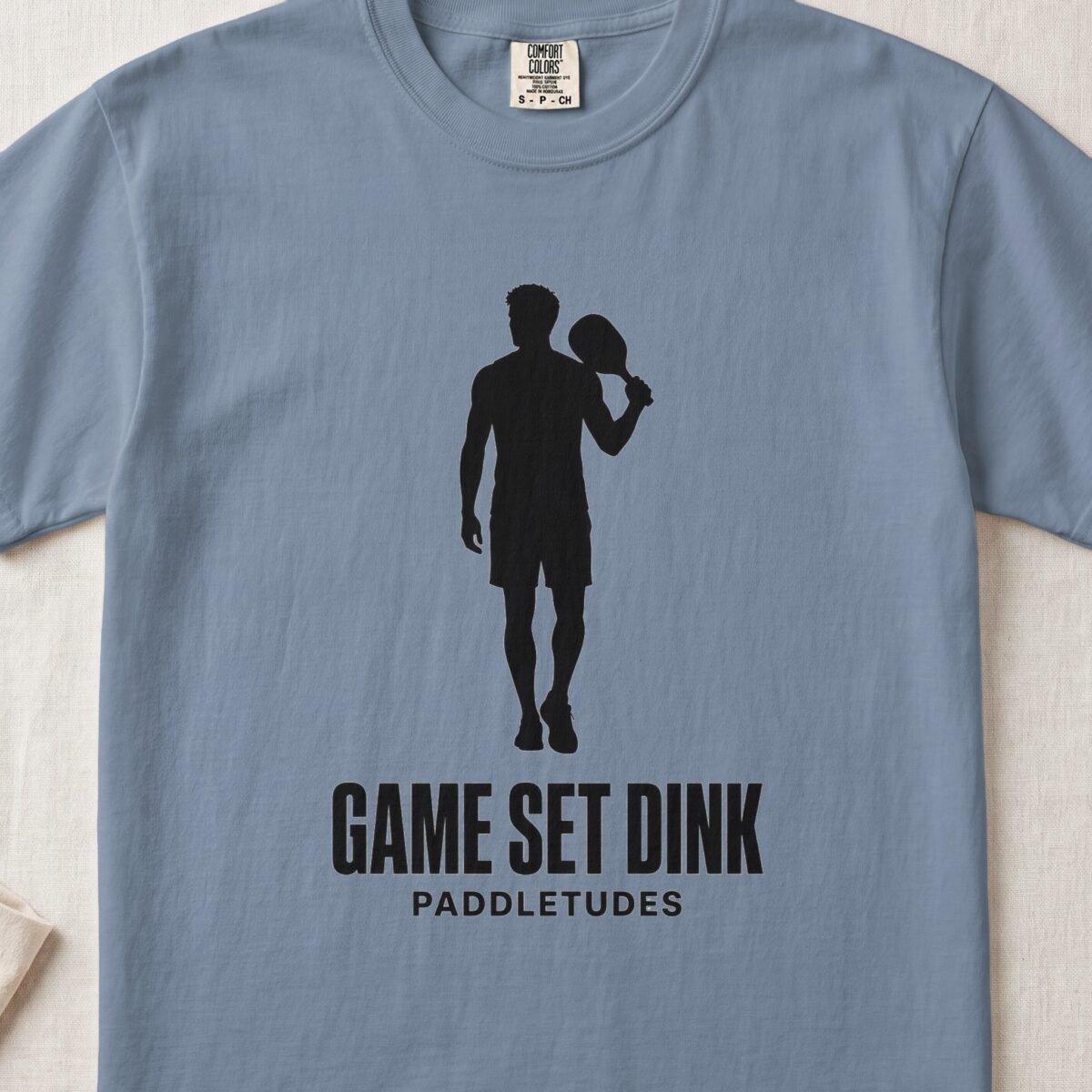
Game Set Dink
$29.99 Select options This product has multiple variants. The options may be chosen on the product page -
Net Gains
$29.99 Select options This product has multiple variants. The options may be chosen on the product page